Loading subject page…

- Analytical Chemistry
- Introduction to Molecular Spectroscopy
- Ultraviolet and Visible (UV–Vis) Spectroscopy: Overview
Micro-course: Introduction to Molecular Spectroscopy
36,707 views
Learn key concepts and earn your certificate.



Ultraviolet and Visible (UV–Vis) Spectroscopy: Overview

00:00
01:02
Video Summary: Ultraviolet and Visible Uv Vis Spectroscopy Explained
Ever wonder how forensic scientists identify mysterious substances at crime scenes or how pharmaceutical companies ensure drug purity? UV Vis spectroscopy explained reveals the molecular secrets hidden in light absorption patterns. This powerful analytical technique helps chemists at the FDA determine if compounds contain conjugated double bonds by measuring how molecules absorb ultraviolet and visible light during electronic transitions. Watch the full video on JoVE Coach to master this concept with expert-led visuals and step-by-step explanations.
- Understand how Ultraviolet And Visible UV Vis Spectroscopy Explained works by measuring light absorption in molecules with conjugated systems
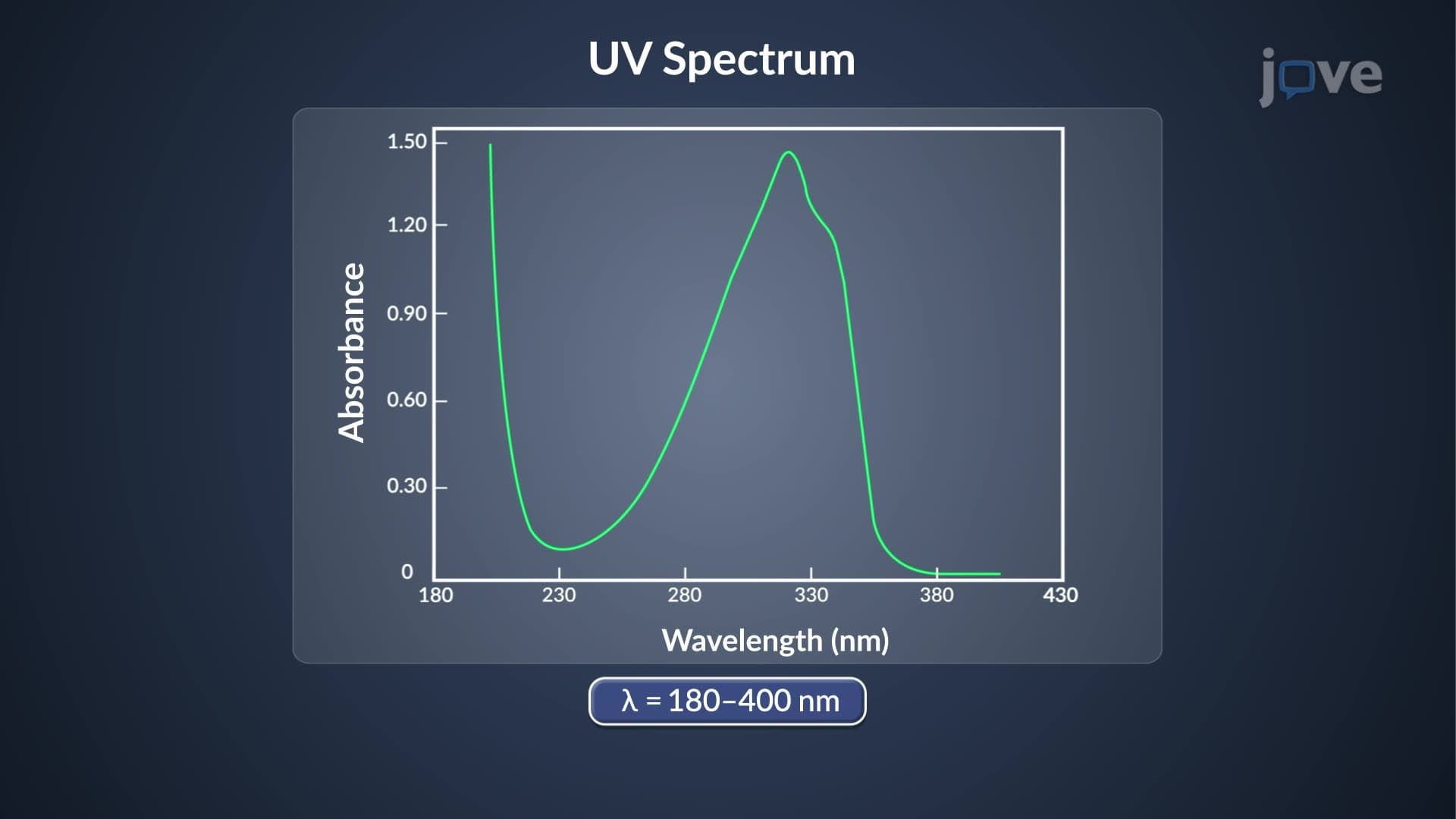
- Identify the wavelength ranges for UV (180-400 nm) and visible (400-780 nm) regions of the electromagnetic spectrum
- Analyze the relationship between photon energy and wavelength in electronic transitions from ground state to excited state
- Compare absorption spectra patterns to determine molecular structure and conjugation extent in organic compounds
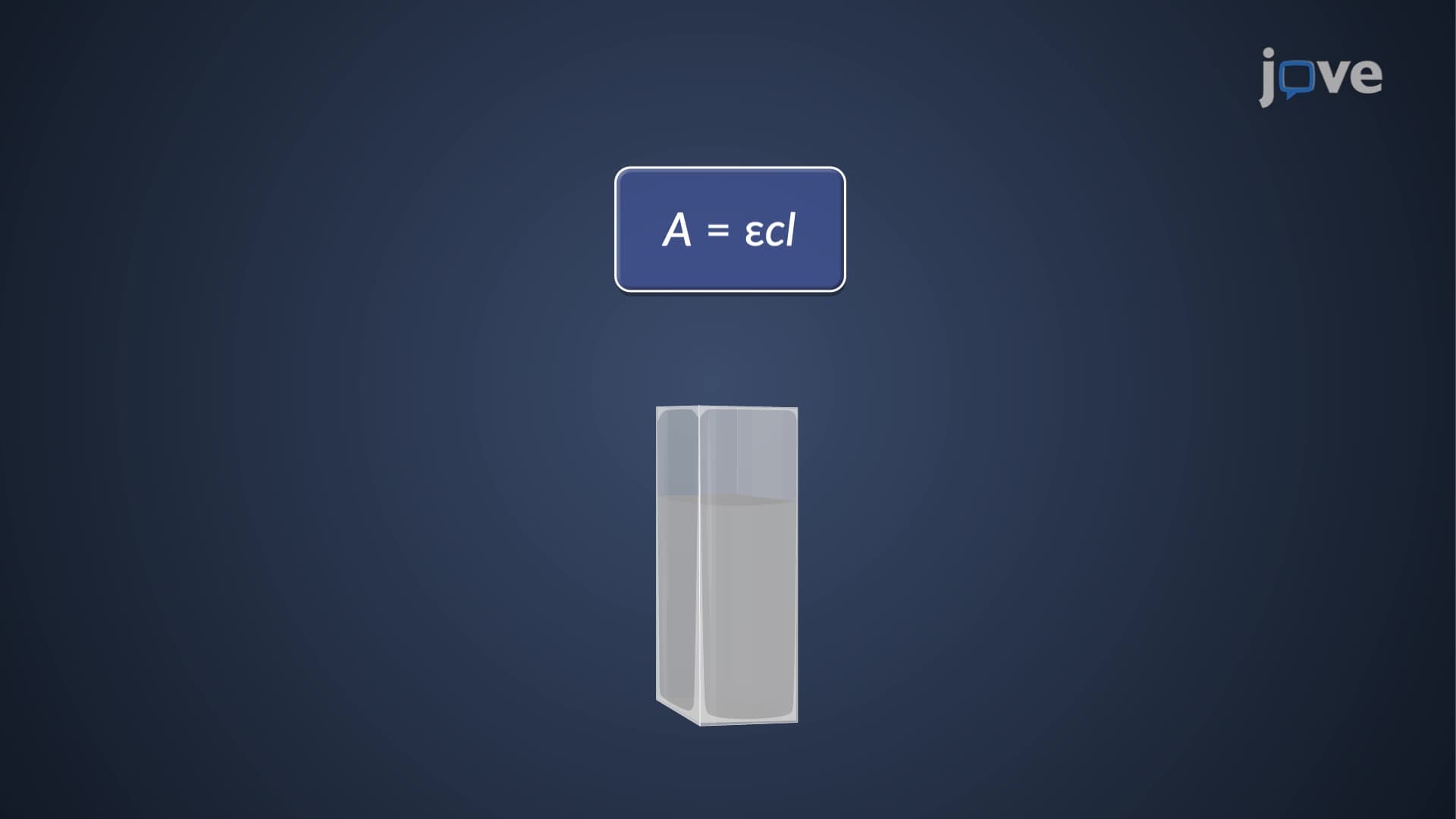
- Evaluate quantitative data by relating absorbance values to concentration using Beer-Lambert law principles
- Apply UV Vis analytical techniques to identify unknown compounds through spectral fingerprinting methods
- Recognize chromophores and auxochromes that influence UV absorption characteristics in molecular systems
- Explore practical applications in pharmaceutical analysis, environmental monitoring, and quality control testing
Understanding Ultraviolet And Visible UV Vis Spectroscopy Fundamentals
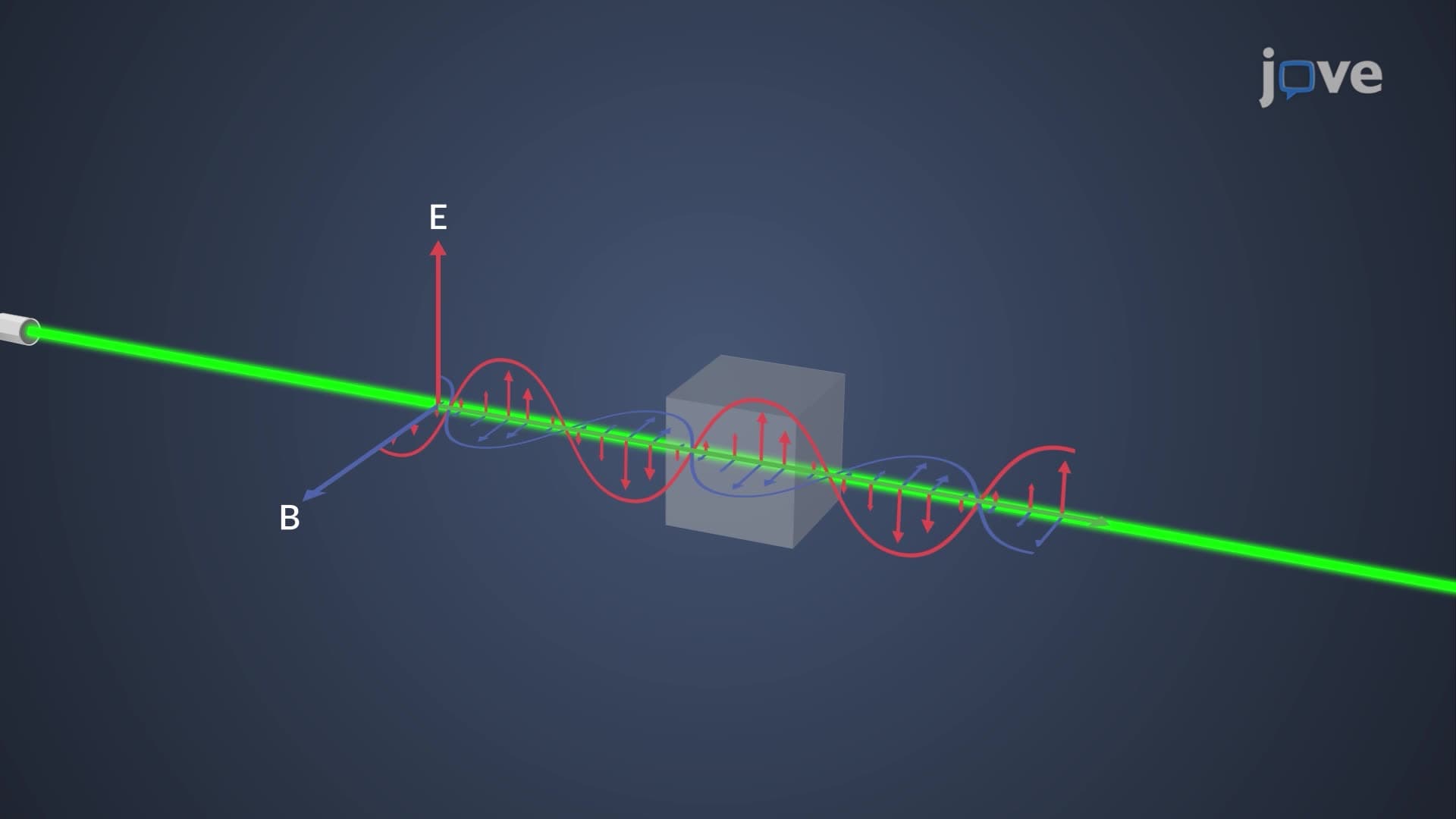
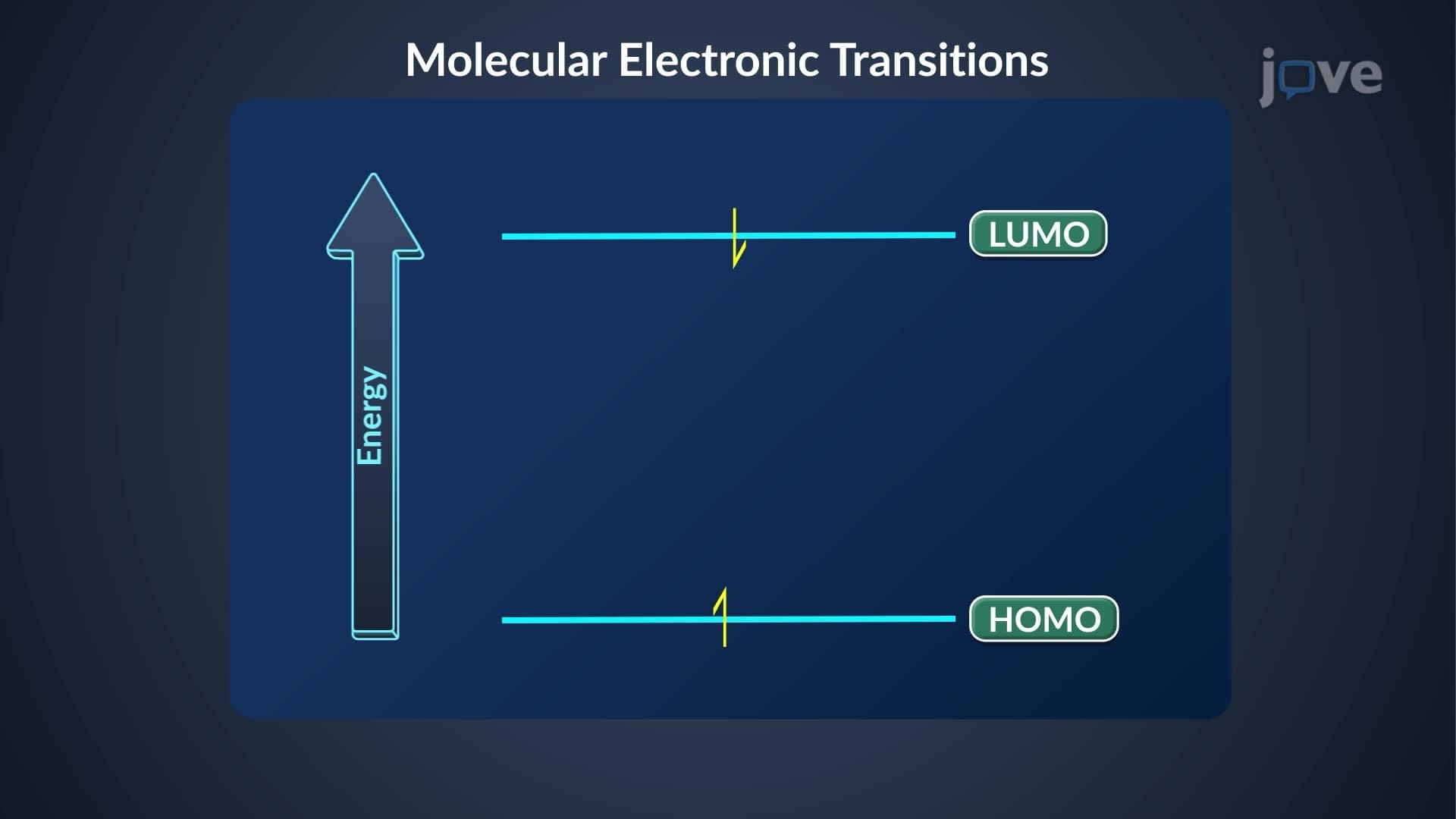
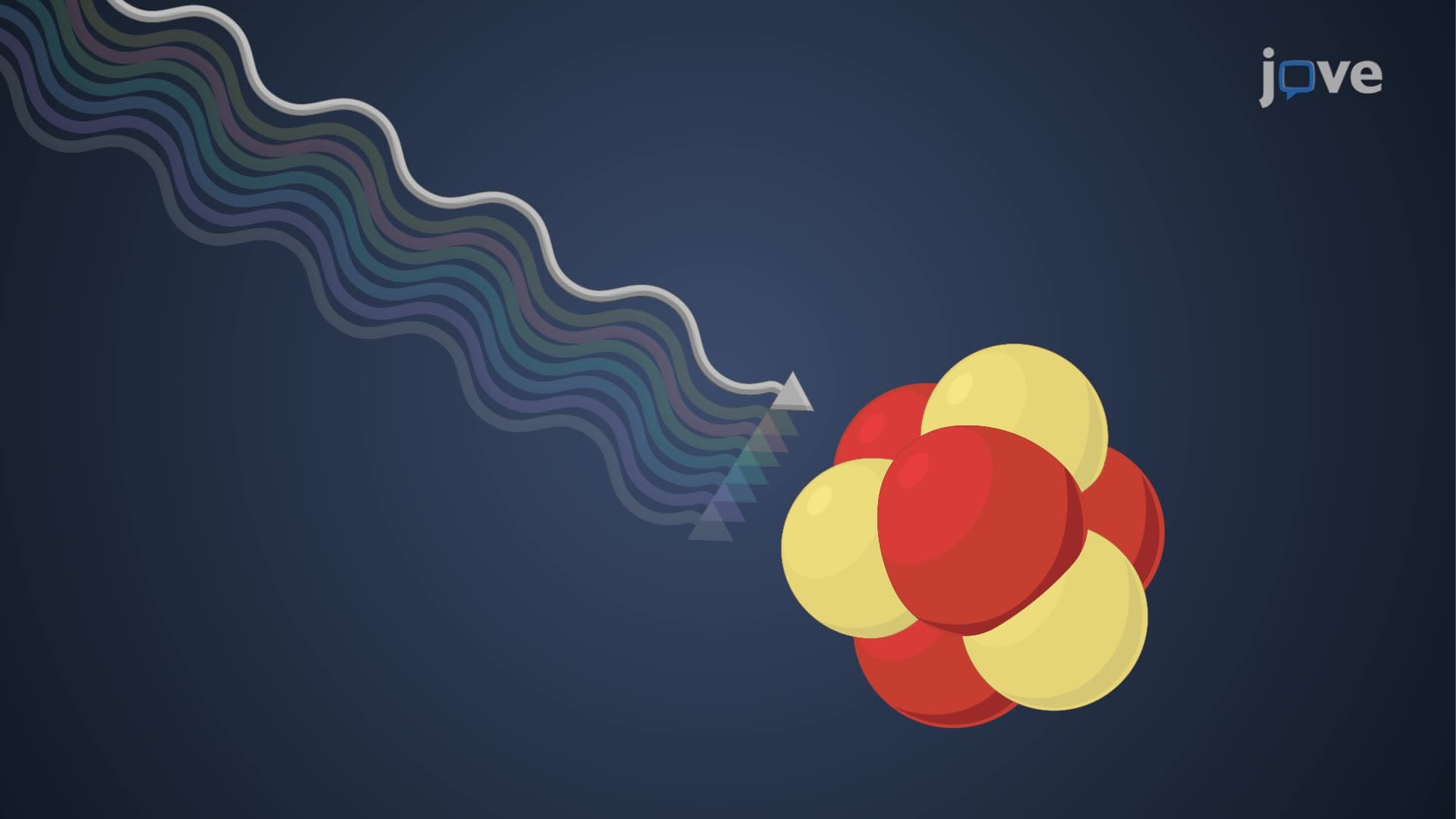
UV Vis spectroscopy serves as a cornerstone analytical technique in modern chemistry, particularly excelling at identifying compounds containing conjugated double bond systems. When molecules absorb electromagnetic radiation, electrons transition from their stable ground state to higher-energy excited states. This electronic transition creates characteristic absorption patterns that act like molecular fingerprints, allowing chemists to identify and quantify substances with remarkable precision.
Electronic Transitions and Energy Relationships
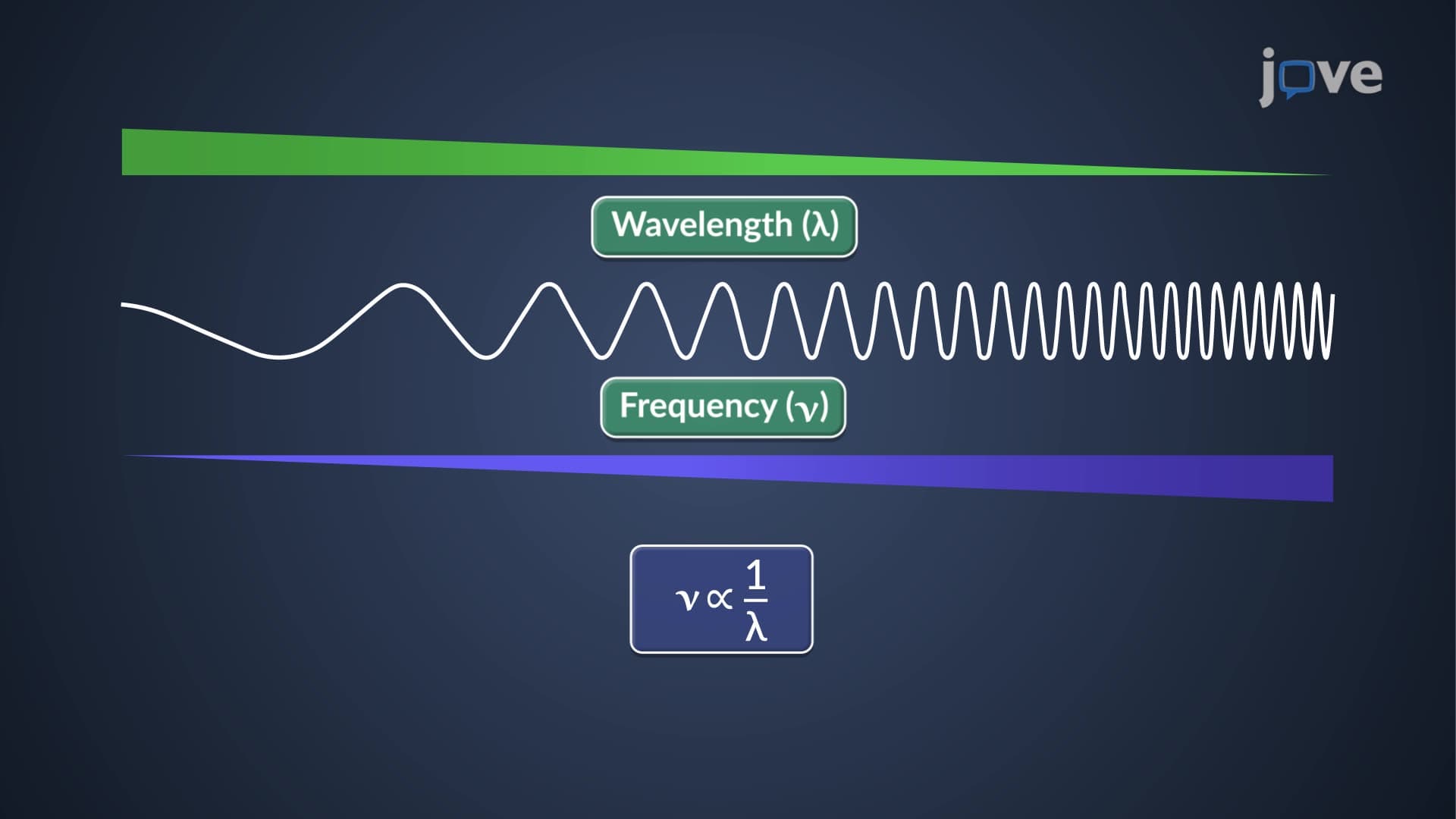
The key to understanding this UV Vis analytical technique lies in the energy-wavelength relationship. Since energy inversely correlates with wavelength (E = hc/λ), shorter UV wavelengths pack more energy than longer visible wavelengths. Molecules requiring high-energy transitions absorb UV light (180-400 nm), while those needing less energy absorb visible light (400-780 nm). This principle explains why highly conjugated compounds like beta-carotene appear colored-they absorb visible light, leaving complementary colors for our eyes to detect.
Chromophores and Molecular Structure Analysis
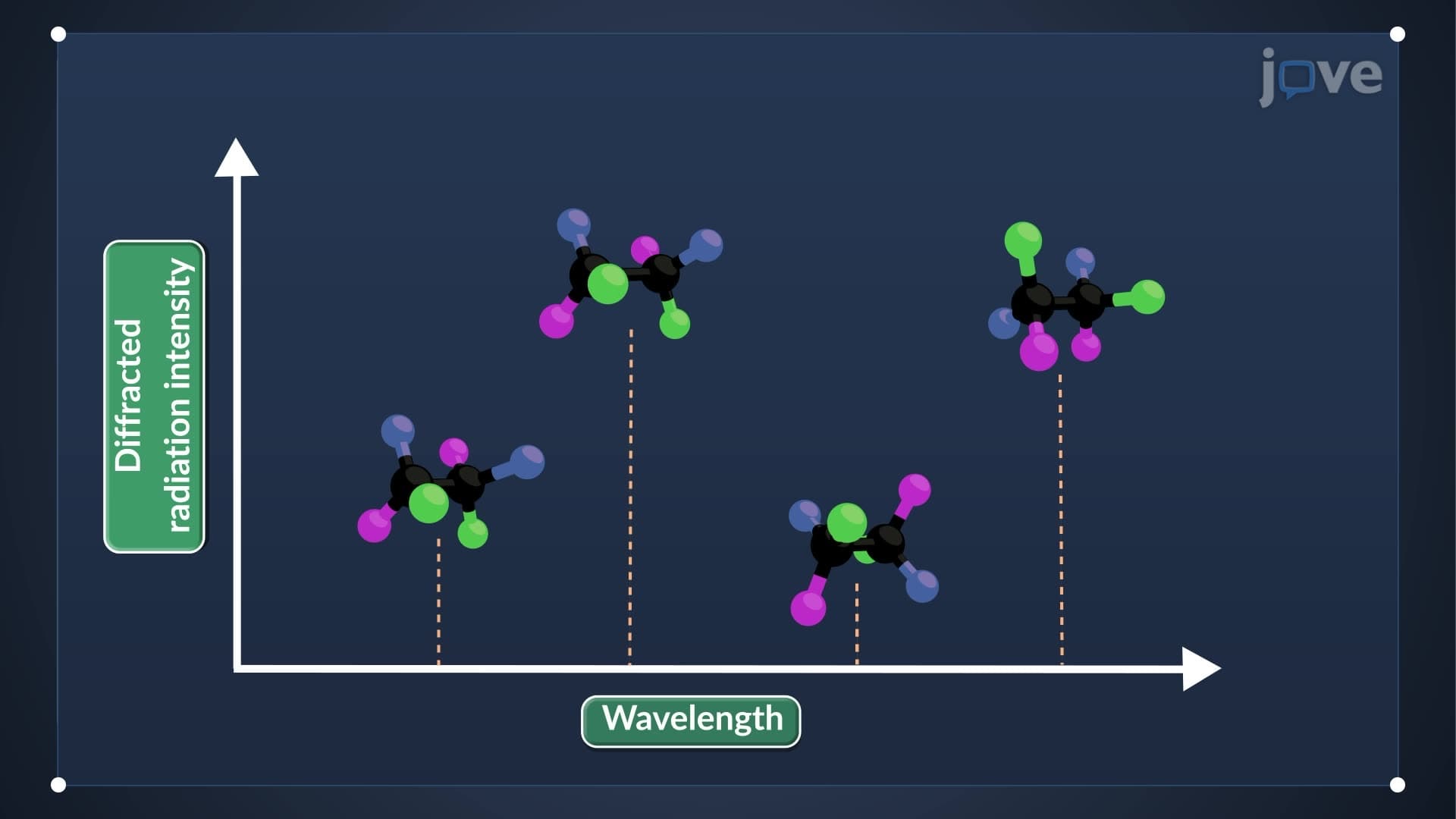
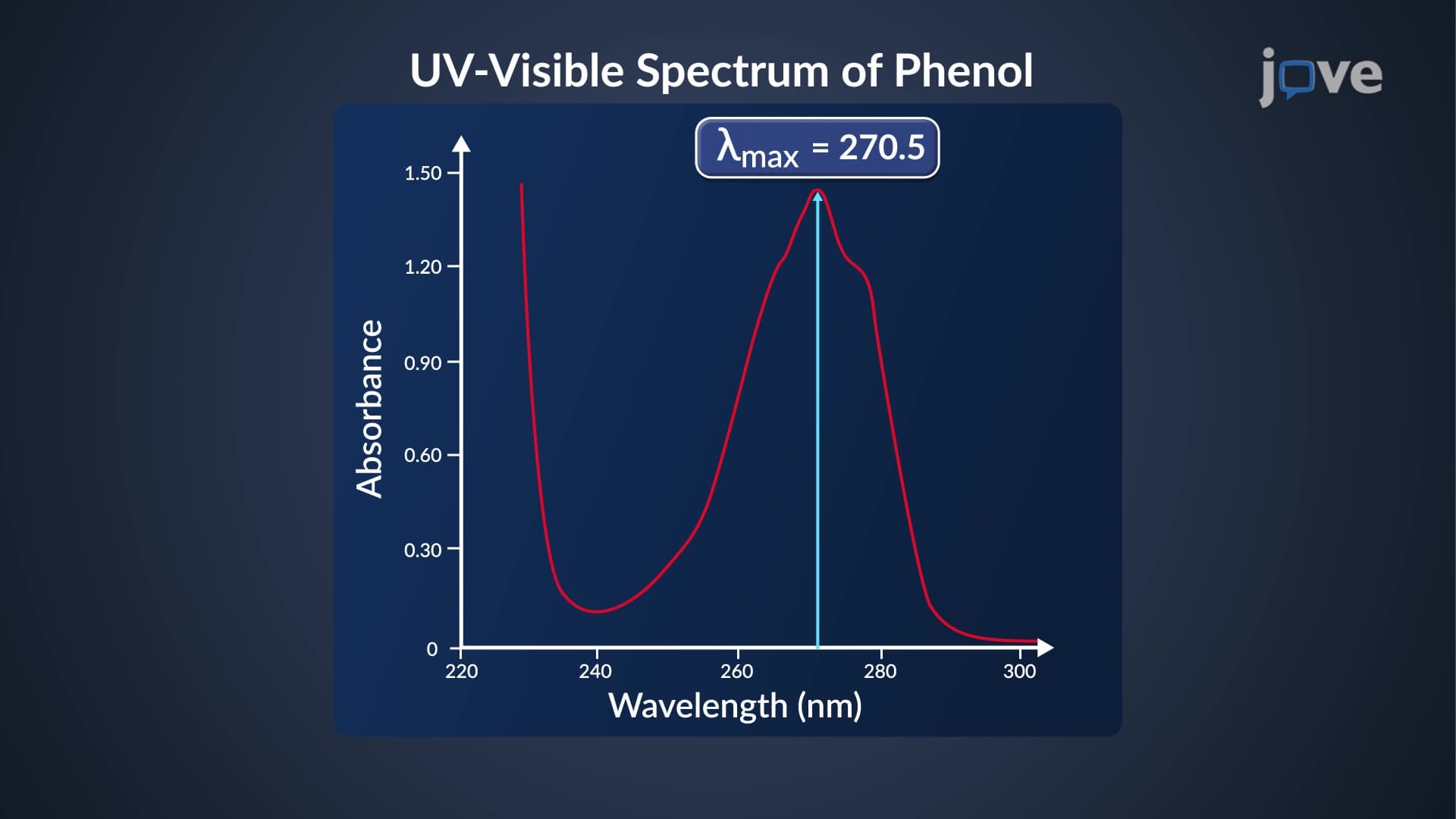
Chromophore UV absorption depends heavily on molecular structure, particularly the extent of conjugation. Simple alkenes absorb around 180 nm, but as conjugation increases through multiple double bonds, absorption shifts toward longer wavelengths. For example, benzene absorbs at 254 nm, while anthracene (three fused benzene rings) absorbs at 356 nm. This bathochromic shift helps chemists determine conjugation patterns in unknown compounds.
Practical Applications in Quantitative Analysis
UV Vis qualitative quantitative analysis finds extensive use across industries. Pharmaceutical companies use this technique for drug purity testing, following FDA guidelines for analytical method validation. Environmental laboratories monitor water quality by measuring pollutant concentrations, while clinical laboratories analyze blood and urine samples for diagnostic purposes. Students encounter these applications in AP Chemistry labs and college analytical chemistry courses, where they learn to construct calibration curves and apply Beer-Lambert law calculations.
The technique's versatility extends to forensic science, where investigators analyze paint chips, fibers, and drug samples. Food scientists use UV Vis spectroscopy to measure vitamin content and detect adulterants, ensuring consumer safety through rigorous quality control protocols established by USDA standards.
Frequently Asked Questions
UV Vis spectroscopy is an analytical technique that identifies molecules by measuring how much ultraviolet and visible light they absorb. When light hits a molecule, electrons jump to higher energy levels, creating unique absorption patterns that serve as molecular fingerprints. This method works best for compounds with conjugated double bonds, making it invaluable for analyzing organic compounds, pharmaceuticals, and biological molecules.
MCAT questions often test your understanding of electronic transitions, conjugation effects, and Beer-Lambert law calculations. AP Chemistry exams focus on interpreting absorption spectra, relating wavelength to energy, and connecting molecular structure to absorption patterns. You'll need to identify chromophores, predict absorption ranges, and solve quantitative problems involving concentration and absorbance relationships.
College exams typically include calculating molar absorptivity coefficients, determining unknown concentrations using calibration curves, and predicting absorption wavelengths based on molecular structure. You'll analyze real spectra, identify functional groups from absorption data, and explain why certain compounds absorb in UV versus visible regions. Problem sets often combine spectroscopy with organic chemistry concepts.
Major US pharmaceutical companies like Pfizer and Merck use UV Vis spectroscopy for drug purity analysis, dissolution testing, and quality control throughout manufacturing. The FDA requires validated UV Vis methods for many drug approval processes, ensuring consistent potency and identifying impurities. This technique also monitors drug stability during storage and helps formulate optimal dosage forms.
Basic algebra and logarithms are sufficient for most UV Vis spectroscopy applications at the high school and undergraduate level. The Beer-Lambert law (A = εbc) uses simple multiplication, while concentration calculations involve straightforward ratios. Graph interpretation skills matter more than complex mathematics, making this technique accessible to students with standard chemistry and physics backgrounds.
Create visual study aids connecting molecular structure to absorption wavelengths, focusing on how conjugation length affects color. Practice drawing energy level diagrams for electronic transitions and work through Beer-Lambert law problems daily. Use flashcards for key wavelength ranges (UV: 180-400 nm, visible: 400-780 nm) and remember that higher conjugation equals longer wavelength absorption.
UV Vis spectroscopy foundations lead naturally to IR spectroscopy, NMR spectroscopy, and mass spectrometry in instrumental analysis courses. Understanding electronic transitions helps with photochemistry, molecular orbital theory, and advanced organic synthesis mechanisms. Many students continue with analytical chemistry specializations, environmental chemistry, or pharmaceutical sciences where these skills prove essential.
Related Micro-courses

19 Concepts

17 Concepts

15 Concepts