Loading subject page…

- Analytical Chemistry
- Introduction to Molecular Spectroscopy
- UV–Vis Spectroscopy: Molecular Electronic Transitions
Micro-course: Introduction to Molecular Spectroscopy
36,707 views
Learn key concepts and earn your certificate.



UV–Vis Spectroscopy: Molecular Electronic Transitions

00:00
01:16
Video Summary: Uv Vis Spectroscopy Molecular Electronic Transitions Explained
Ever wondered why chlorophyll appears green or why your sunglasses block harmful radiation? UV Vis electronic transitions determine how molecules interact with light energy, creating the colors we see and the protective properties we rely on daily. From analyzing drug concentrations in pharmaceutical labs to detecting pollutants in water treatment facilities across the United States, understanding molecular electronic transitions UV Vis is crucial for countless applications. This fundamental concept explains how electrons jump between energy levels when molecules absorb ultraviolet and visible light. Watch the full video on JoVE Coach to master this concept with expert-led visuals and step-by-step explanations.
- Understand UV VIS Spectroscopy Molecular Electronic Transitions Explained as the foundation for how molecules absorb light energy and electrons move between orbital energy levels
- Identify the four main types of electronic transitions: sigma to sigma star, n to sigma star, pi to pi star, and n to pi star based on molecular structure
- Analyze the energy requirements for different molecular electronic transitions UV Vis, ranging from 125-650 kJ/mol depending on orbital types
- Compare electronic transitions in various organic compounds including alkanes, alcohols, alkenes, and carbonyl-containing molecules
- Evaluate selection rules that determine whether specific transitions are allowed or forbidden based on quantum mechanical principles
- Apply knowledge of HOMO-LUMO energy gaps to predict absorption wavelengths and explain molecular behavior under UV-Vis radiation
- Recognize how molecular orbital theory connects to practical spectroscopic analysis in laboratory and industrial settings
- Explore the relationship between molecular structure and light absorption patterns for compound identification
Understanding UV VIS Spectroscopy Molecular Electronic Transitions
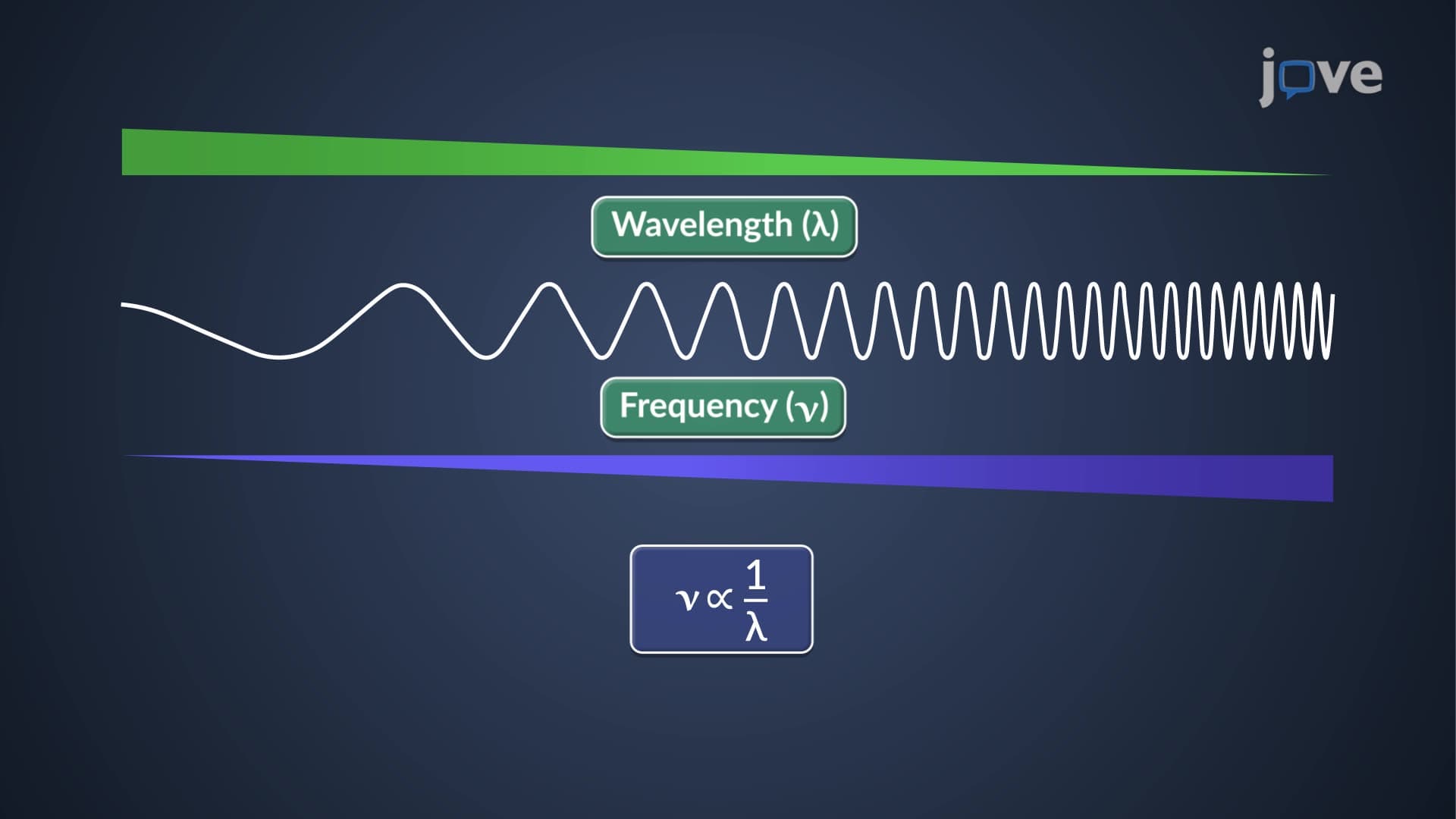
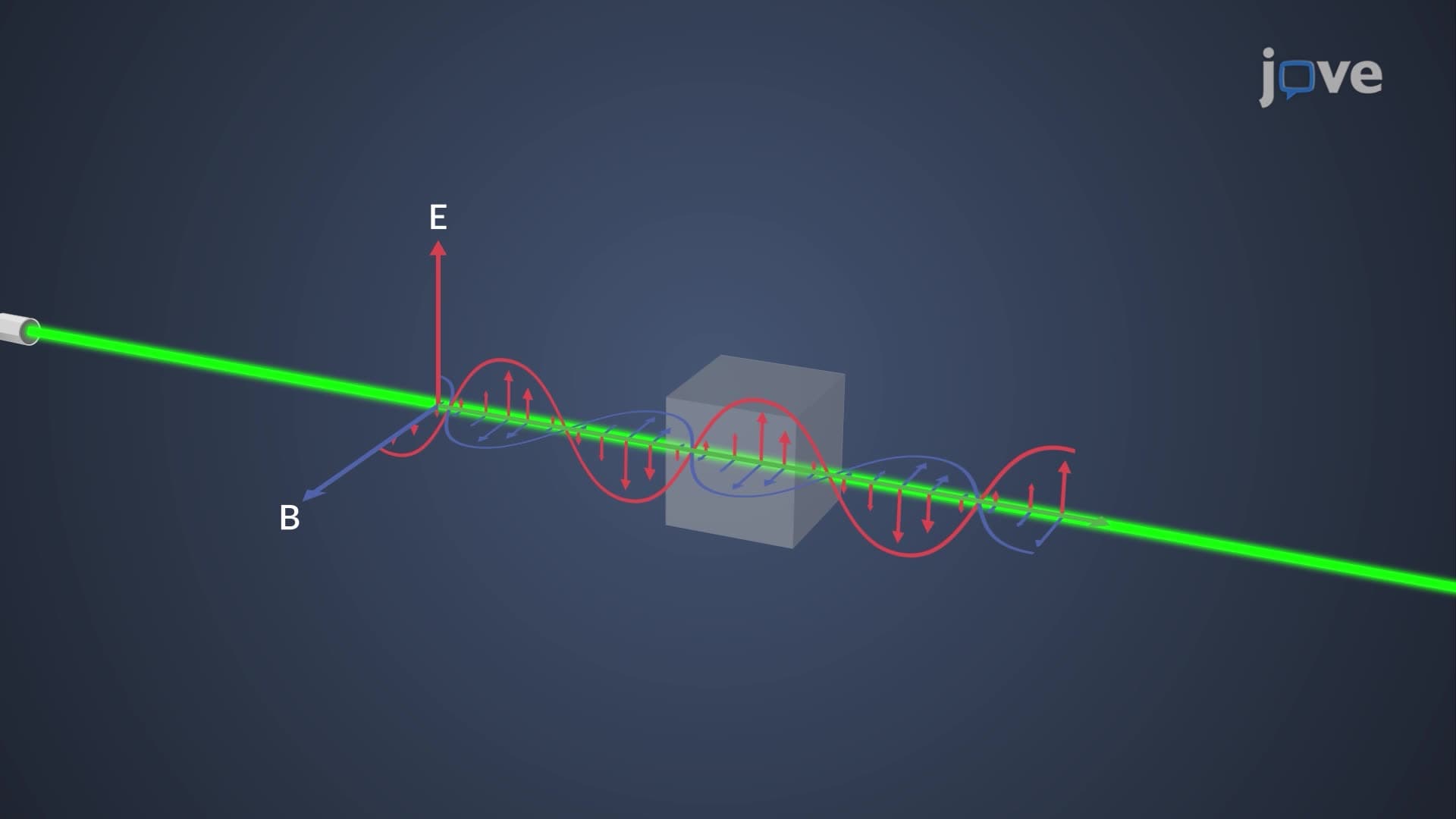
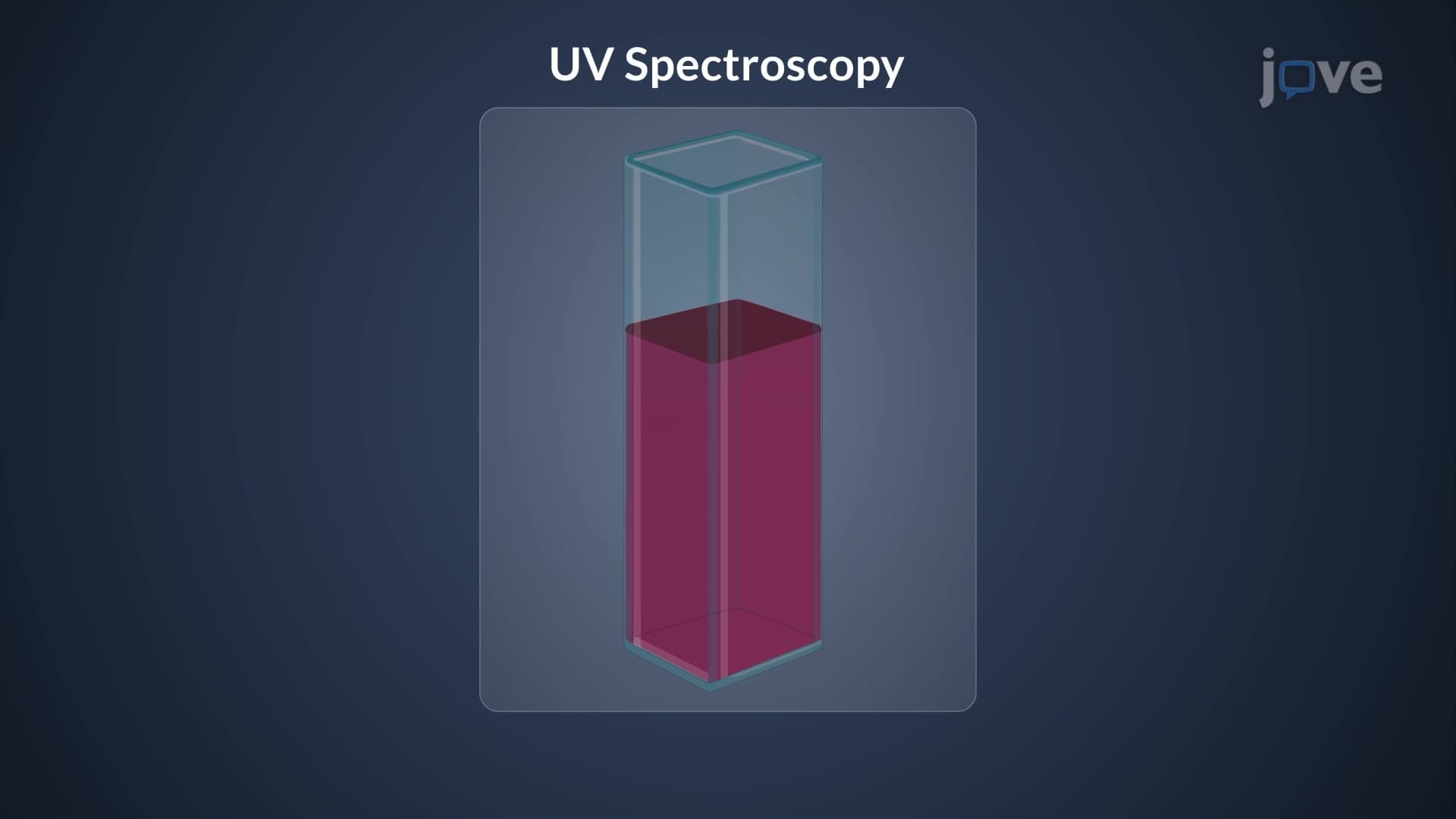
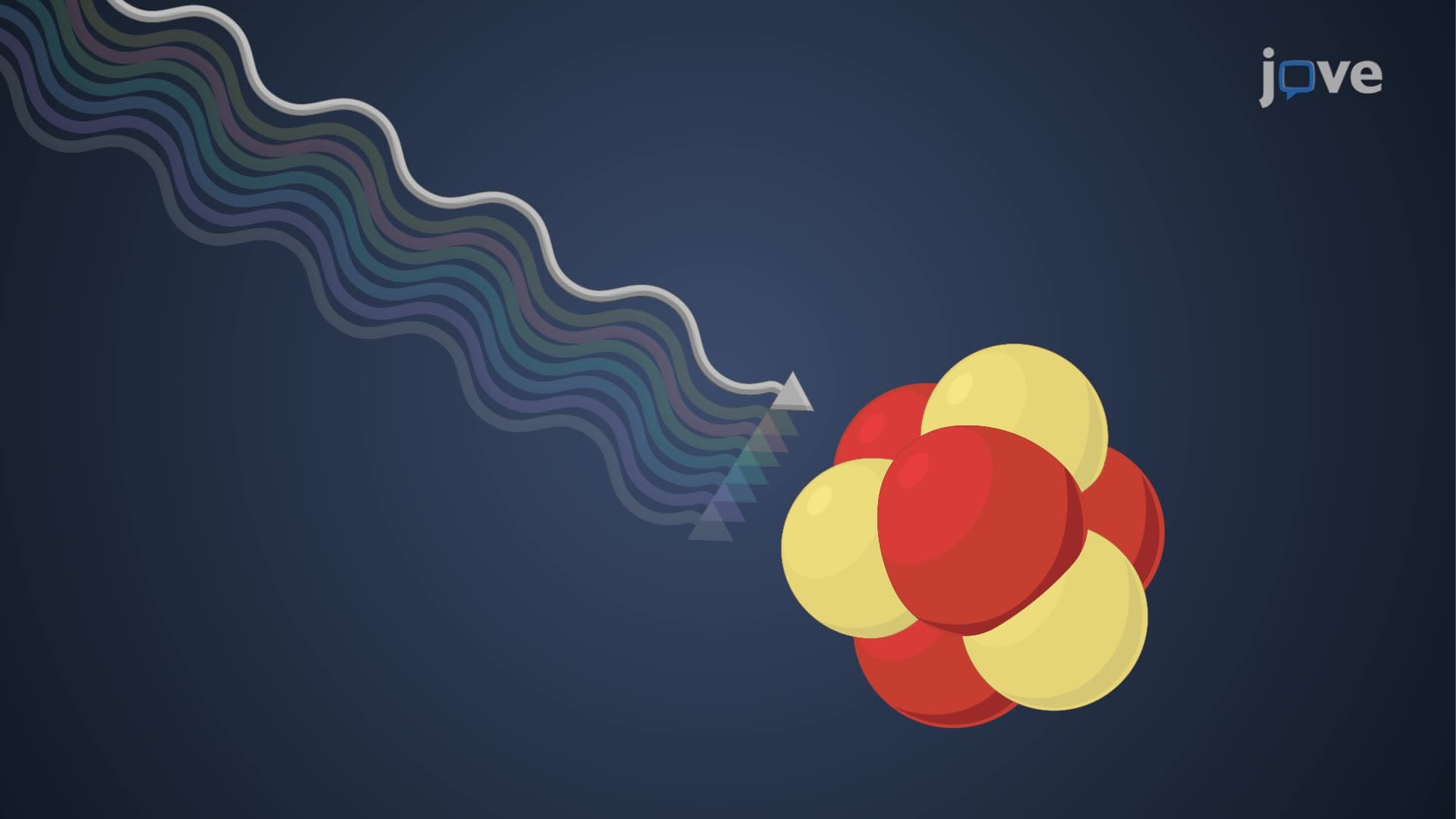
When molecules encounter ultraviolet or visible light, something remarkable happens at the quantum level. Electrons absorb specific amounts of energy and leap from their ground state positions to higher energy orbitals. This process, known as electronic excitation UV Vis, forms the basis for one of chemistry's most powerful analytical techniques.
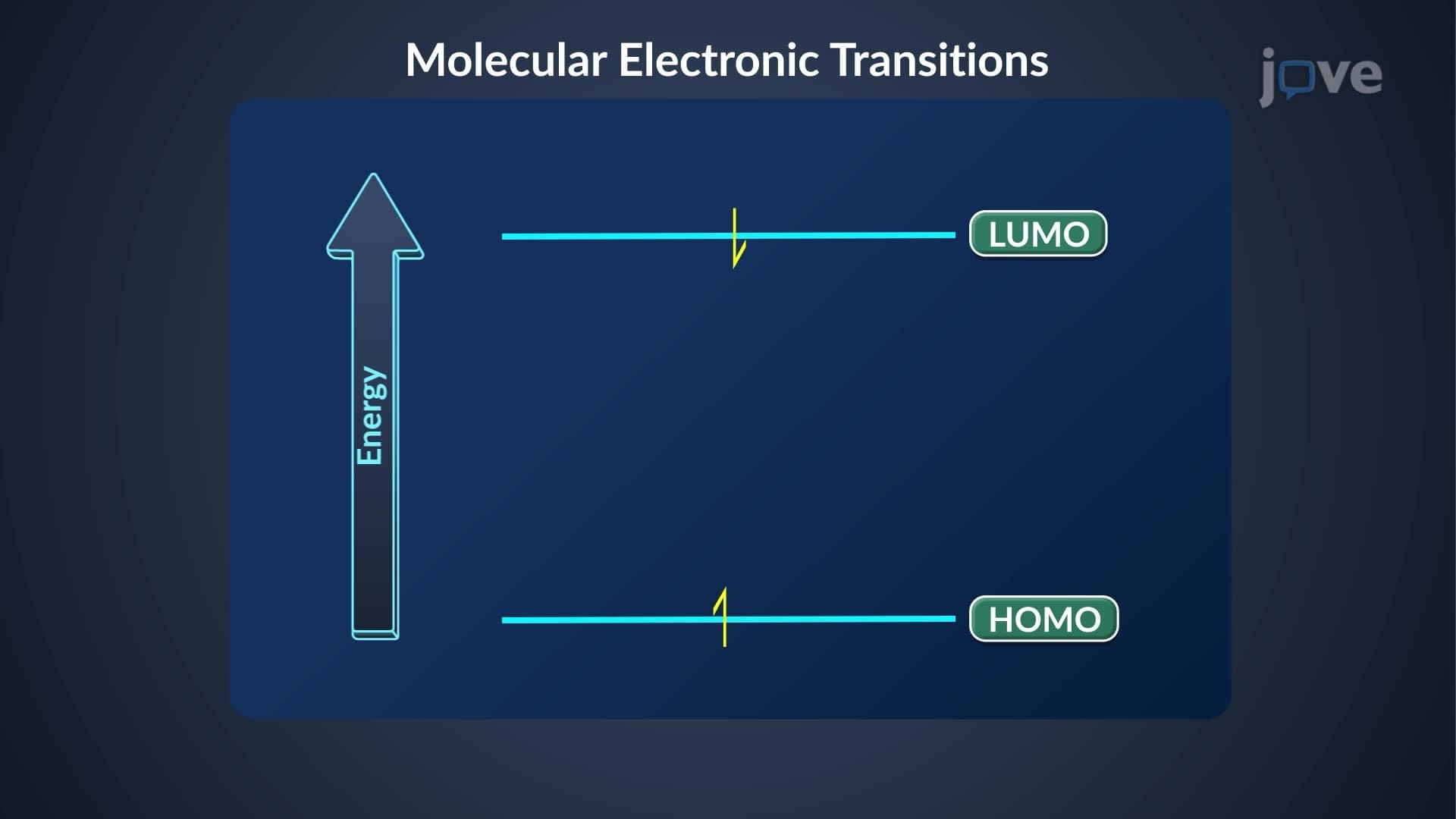
The fundamental principle revolves around the energy difference between a molecule's highest occupied molecular orbital (HOMO) and lowest unoccupied molecular orbital (LUMO). Think of these as electron "parking spaces", the HOMO represents where electrons normally reside, while the LUMO is the next available higher-energy space. When the right amount of light energy hits the molecule, electrons make this quantum jump.
Types of Molecular Orbital UV Vis Transitions
Different molecular structures exhibit characteristic transition patterns. In simple alkanes like hexane, only sigma to sigma star UV transitions occur because these molecules contain only single bonds with sigma-bonding electrons. The energy required is typically high, placing absorption in the far-UV region around 150-200 nm.
Molecules containing heteroatoms like oxygen or nitrogen (alcohols, amines, ethers) display additional n to sigma star transitions. These involve nonbonding electron pairs jumping to antibonding sigma orbitals, requiring less energy than sigma to sigma star transitions.
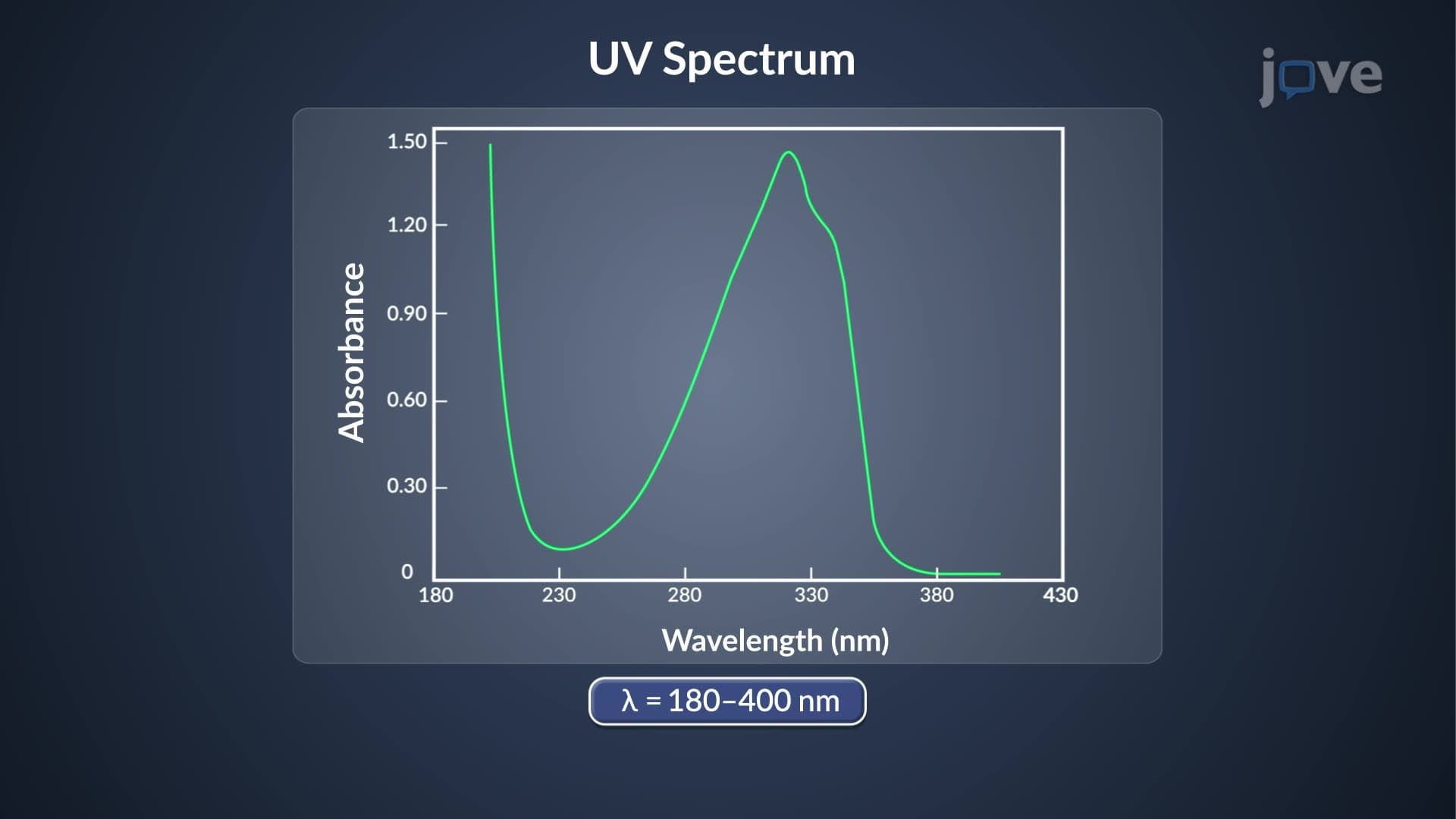
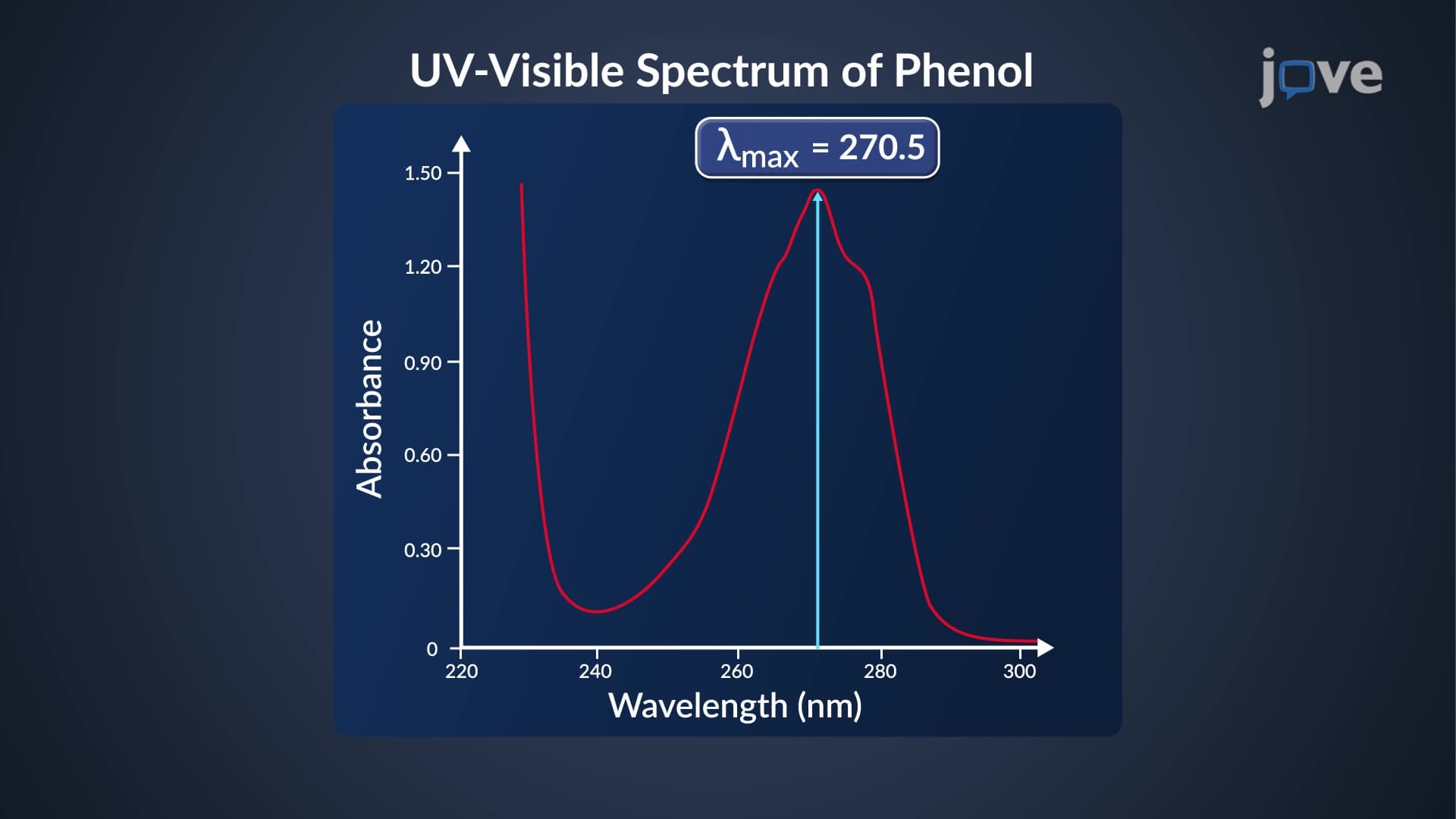
Unsaturated compounds like alkenes and alkynes exhibit pi to pi star transition, where electrons from pi-bonding orbitals move to pi-antibonding orbitals. These transitions typically occur in the 200-300 nm range, making them accessible to standard UV-Vis instruments used in college chemistry labs nationwide.
Carbonyl Compounds and Forbidden Transitions
Carbonyl-containing molecules like acetone demonstrate both pi to pi star and n to pi star transition. The n to pi star transition involves moving a nonbonding electron on oxygen to an antibonding pi orbital on the carbon-oxygen double bond. This transition appears around 280-300 nm but shows relatively weak absorption intensity.
According to quantum mechanical selection rules, certain transitions are "forbidden" because they require changes in electron spin quantum numbers. The n to pi star transition technically violates these rules, explaining its weak intensity compared to "allowed" transitions. However, "forbidden" doesn't mean impossible, it simply indicates lower probability and weaker absorption.
Practical Applications and Exam Relevance
Understanding electronic excitation UV Vis proves essential for AP Chemistry students tackling molecular orbital theory questions and college students in analytical chemistry courses. The MCAT frequently tests these concepts when examining biological molecule behavior. Real-world applications include pharmaceutical quality control at companies like Pfizer, environmental monitoring by the EPA, and forensic analysis in FBI laboratories.
Frequently Asked Questions
UV VIS Spectroscopy Molecular Electronic Transitions occur when molecules absorb ultraviolet or visible light energy, causing electrons to jump from occupied orbitals (HOMO) to unoccupied orbitals (LUMO). This process happens because electrons can only exist at specific energy levels, and when incoming light matches the energy difference between these levels, absorption occurs. The absorbed energy promotes electrons to excited states, which is measurable and characteristic for different molecular structures.
These concepts frequently appear as questions about molecular orbital theory, spectroscopy interpretation, and organic compound identification. AP Chemistry may ask you to predict absorption wavelengths based on molecular structure, while the MCAT often connects electronic transitions to biological molecules like chlorophyll or hemoglobin. Practice identifying pi to pi star and n to pi star transitions in carbonyl compounds, as these commonly appear in exam scenarios.
Allowed transitions follow quantum mechanical selection rules and show strong absorption peaks, like pi to pi star transitions in alkenes. Forbidden transitions violate these rules, particularly the spin selection rule, resulting in weak absorption bands like n to pi star transitions in carbonyl compounds. Even "forbidden" transitions can occur, but they're much less intense and sometimes barely detectable on standard spectrometers.
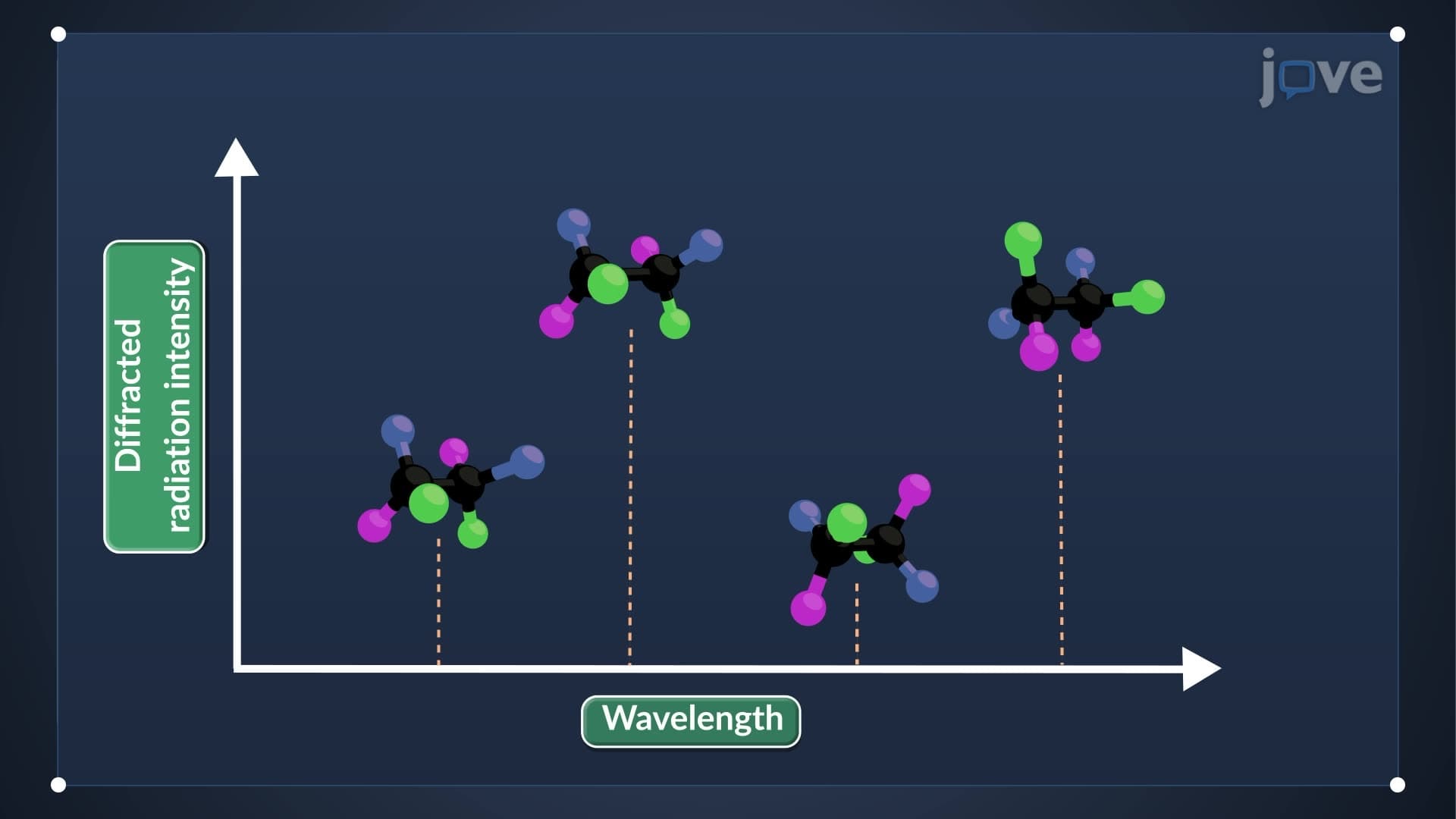
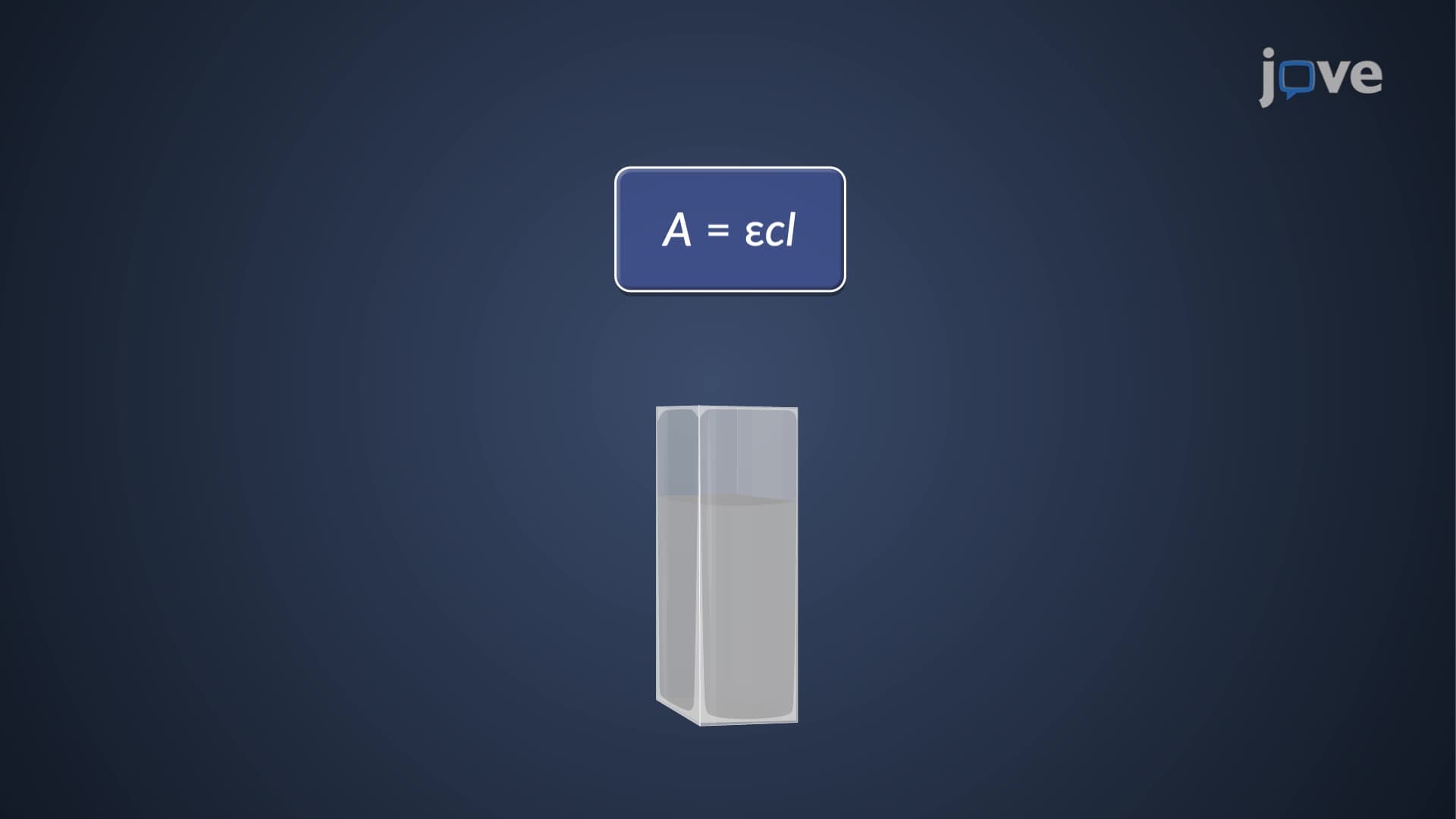
This knowledge enables you to identify unknown compounds, determine concentrations using Beer's Law, and understand why certain molecules appear colored. Pharmaceutical labs use these principles to verify drug purity, environmental labs detect pollutants in water samples, and forensic labs analyze evidence. For example, detecting caffeine in beverages or monitoring ozone levels in air quality studies both rely on characteristic UV absorption patterns.
While the quantum mechanics behind electronic transitions involves advanced concepts, the basic principles are accessible with proper foundation in atomic structure and chemical bonding. Start with understanding that electrons exist in specific energy levels, then build toward orbital theory. Most successful AP Chemistry students master these concepts through practice with molecular structures and energy diagrams.
Focus on memorizing the four main transition types (sigma to sigma star, n to sigma star, pi to pi star, n to pi star) and which molecular structures exhibit each pattern. Practice drawing molecular orbital energy diagrams and predicting relative absorption wavelengths. Create flashcards linking functional groups to their characteristic transitions, and work through practice problems involving Beer's Law calculations.
Sigma to sigma star transitions occur in simple saturated molecules like alkanes found in gasoline, natural gas, and petroleum products. These transitions require high energy (short wavelengths around 150 nm), which is why these compounds don't absorb visible light and appear colorless. Understanding this helps explain why gasoline and propane are transparent, while molecules with extended pi systems like chlorophyll appear colored.
Explore conjugated systems and how they affect absorption wavelengths, leading to topics like the particle-in-a-box model for polyenes. Study fluorescence and phosphorescence as alternative pathways for excited electrons, and investigate how substituents affect transition energies through inductive and resonance effects. These concepts prepare you for advanced analytical chemistry and spectroscopic methods used in research and industry.
Related Micro-courses

19 Concepts

17 Concepts

15 Concepts