Loading subject page…
- Analytical Chemistry
- Introduction to Molecular Spectroscopy
- UV–Vis Spectrometers
Micro-course: Introduction to Molecular Spectroscopy
36,707 views
Learn key concepts and earn your certificate.



UV–Vis Spectrometers

00:00
01:14
Video Summary: What are Uv Vis Spectrometers
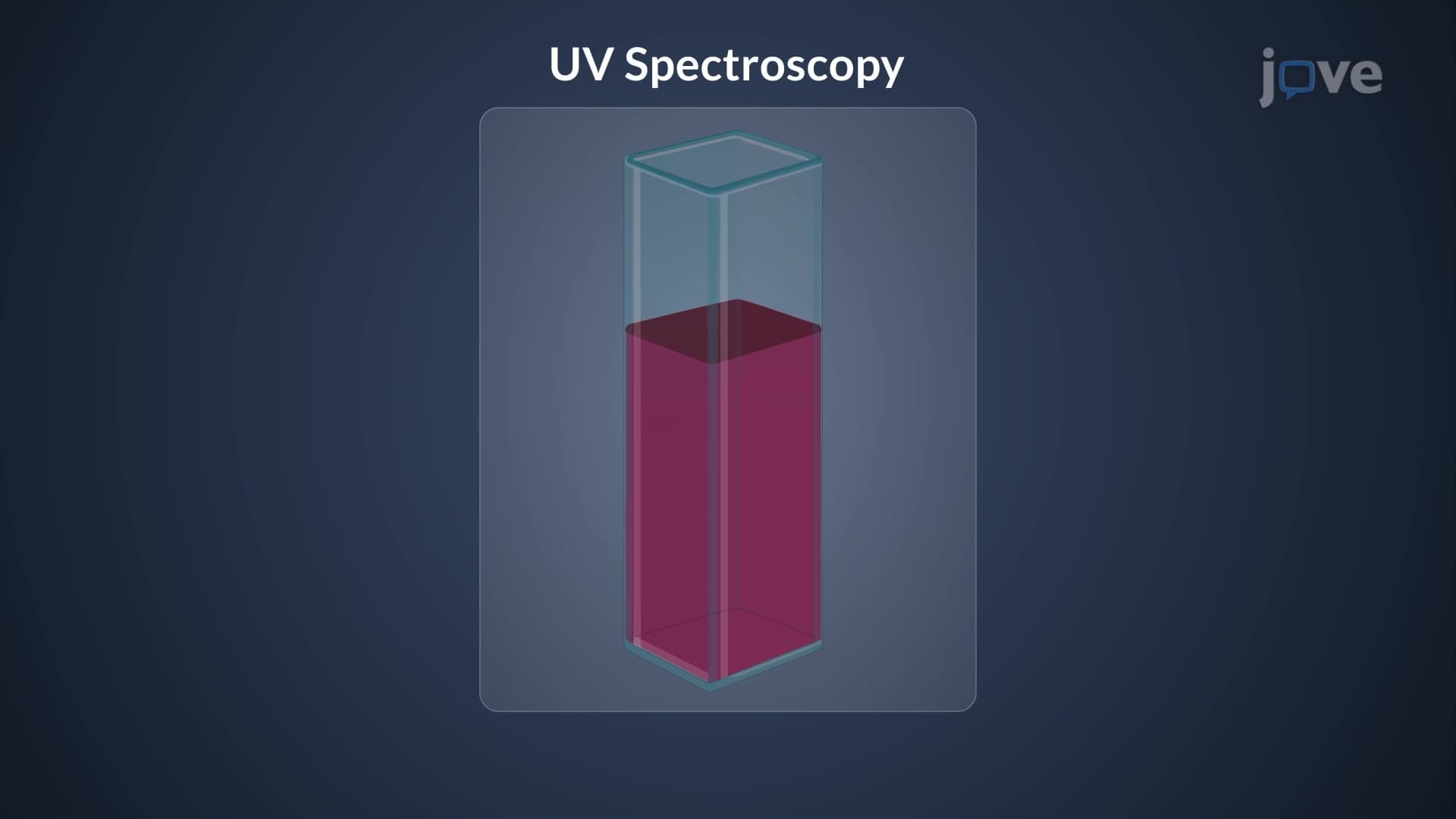
Ever wondered how forensic scientists at the FBI determine the concentration of drugs in evidence samples? UV Vis spectrometers explained through their fundamental design reveal sophisticated instruments that measure how molecules absorb ultraviolet and visible light at specific wavelengths. These analytical powerhouses are essential in laboratories across the United States, from pharmaceutical companies developing new medications to environmental agencies monitoring water quality. Watch the full video on JoVE Coach to master this concept with expert-led visuals and step-by-step explanations.
- Understand what are UV Vis spectrometers and identify their five essential components: light source, monochromator, sample holder, detector, and data processing system
- Recognize the differences between single beam and double beam UV Vis spectrometer configurations and their respective advantages in analytical measurements
- Analyze why quartz cells are required for UV spectroscopy while glass cells suffice for visible light measurements
- Compare deuterium and tungsten lamp light sources and determine when each is appropriate for specific wavelength ranges
- Identify various UV Vis detector types including photodiodes, photomultiplier tubes, and diode array systems
- Apply knowledge of spectrophotometer components to troubleshoot common instrumental problems in laboratory settings
- Evaluate the role of monochromators in wavelength selection and beam focusing for accurate spectroscopic analysis
- Explore how reference beam subtraction in double beam instruments eliminates background interference from solvents and sample cells
Understanding UV Vis Spectrometers: Foundation of Modern Analysis
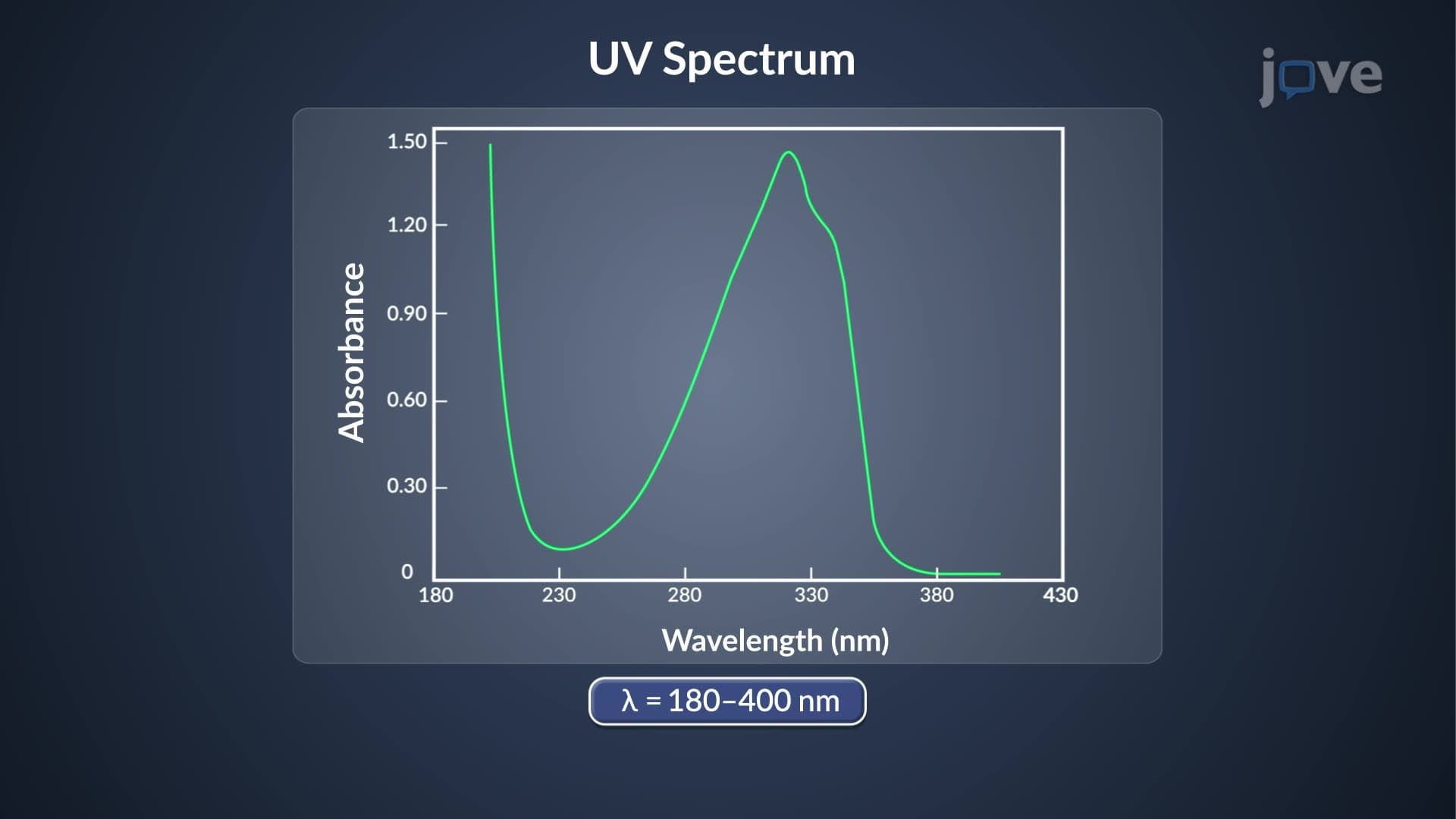
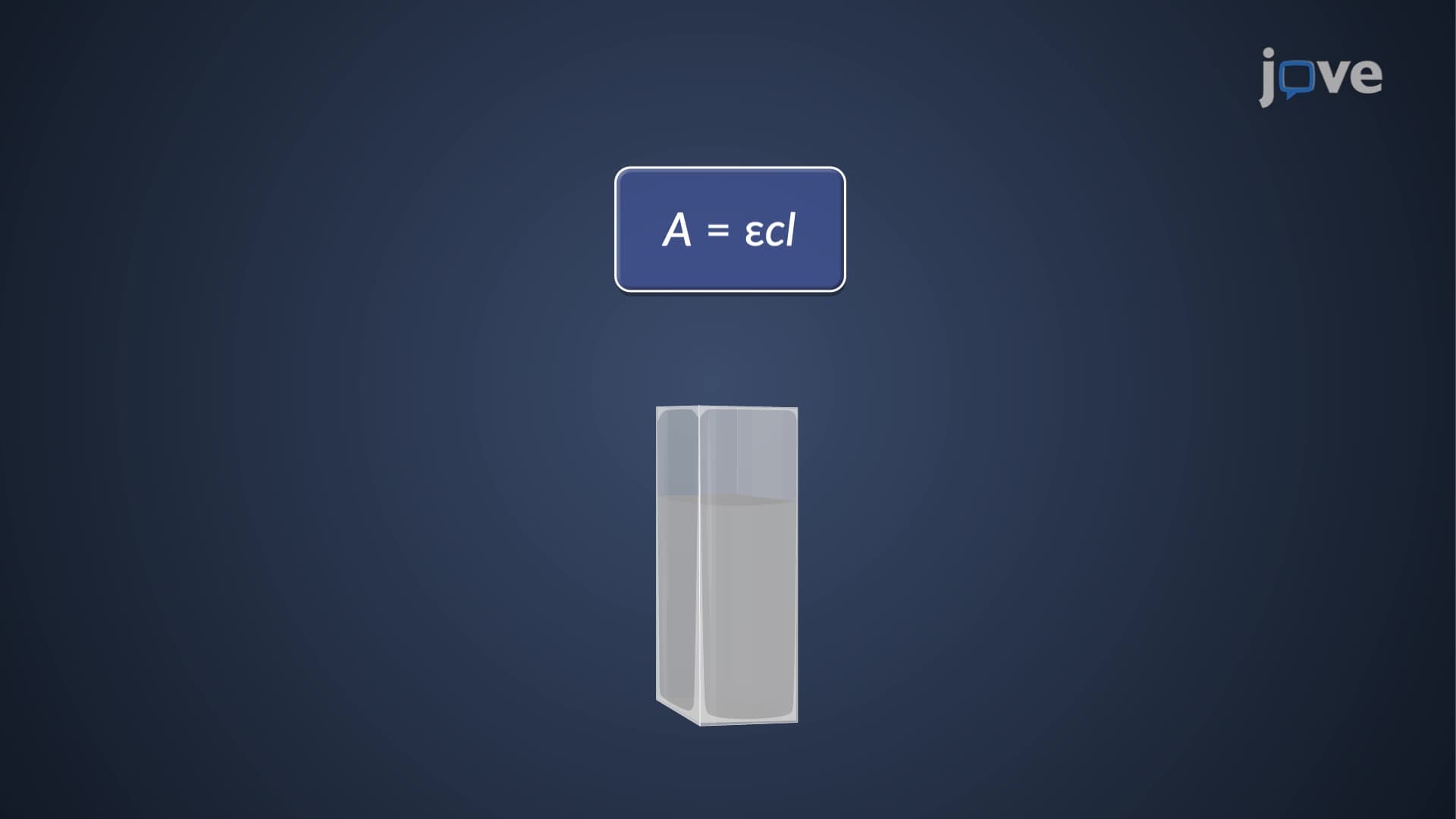
UV Vis spectrometers represent one of the most versatile analytical instruments in modern laboratories, providing quantitative and qualitative analysis through light absorption measurements. These instruments operate on Beer-Lambert Law principles, measuring how molecules absorb electromagnetic radiation in the ultraviolet (200-400 nm) and visible (400-700 nm) regions. Students preparing for AP Chemistry or college analytical chemistry courses encounter these instruments as fundamental tools for concentration determination and molecular characterization.
Types of UV Vis Spectrometers: Single vs Double Beam Systems
Single beam UV spectrometers offer simplicity and cost-effectiveness, measuring one sample at a time against a previously recorded reference. The monochromator selects specific wavelengths sequentially, making these instruments ideal for routine quantitative analysis in clinical laboratories. However, single beam systems require separate reference measurements and are sensitive to lamp fluctuations during extended analysis periods.
Double beam UV spectrometer configurations provide superior accuracy by simultaneously measuring sample and reference beams. Light splitting mechanisms direct portions of the source beam through both sample and reference cells, allowing real-time correction for instrumental drift. This design proves essential in research applications where precision matters, such as pharmaceutical quality control at companies like Pfizer or Johnson & Johnson.
Spectrophotometer Components: Critical Elements for Accurate Analysis
The light source system distinguishes UV from visible measurements through specialized lamp selection. Deuterium lamps provide continuous UV radiation (190-400 nm) essential for analyzing aromatic compounds and conjugated systems. Tungsten-halogen lamps generate intense visible and near-infrared radiation (350-2500 nm) perfect for transition metal complexes and organic dyes. Advanced instruments incorporate both sources with automated switching for full spectrum coverage.
Diode array UV Vis spectrometer technology revolutionizes data collection by measuring entire spectra simultaneously rather than scanning individual wavelengths. These systems prove invaluable for kinetic studies and pharmaceutical stability testing, where rapid spectral acquisition prevents sample degradation during measurement.
Real-World Applications: From Environmental Monitoring to Medical Diagnostics
UV Vis detector types determine instrument sensitivity and application range. Photomultiplier tubes offer exceptional sensitivity for trace analysis, while silicon photodiodes provide excellent stability for routine measurements. Clinical laboratories analyzing blood glucose levels or environmental agencies monitoring pesticide contamination rely on these detection systems for accurate quantification meeting regulatory standards set by agencies like the EPA and FDA.
Frequently Asked Questions
A UV Vis spectrometer is an analytical instrument that measures how molecules absorb ultraviolet and visible light to determine concentration and identify chemical compounds. It works by passing light through a sample and measuring the intensity decrease at specific wavelengths, following Beer-Lambert Law principles. The instrument consists of a light source, wavelength selector, sample compartment, detector, and data processor working together to produce absorption spectra.
The two primary types are single beam and double beam UV Vis spectrometers, each with distinct advantages. Single beam instruments measure samples sequentially against stored reference data, offering simplicity and lower cost for routine analysis. Double beam systems simultaneously measure sample and reference, providing superior accuracy and drift correction essential for research applications and precision measurements in pharmaceutical and environmental laboratories.
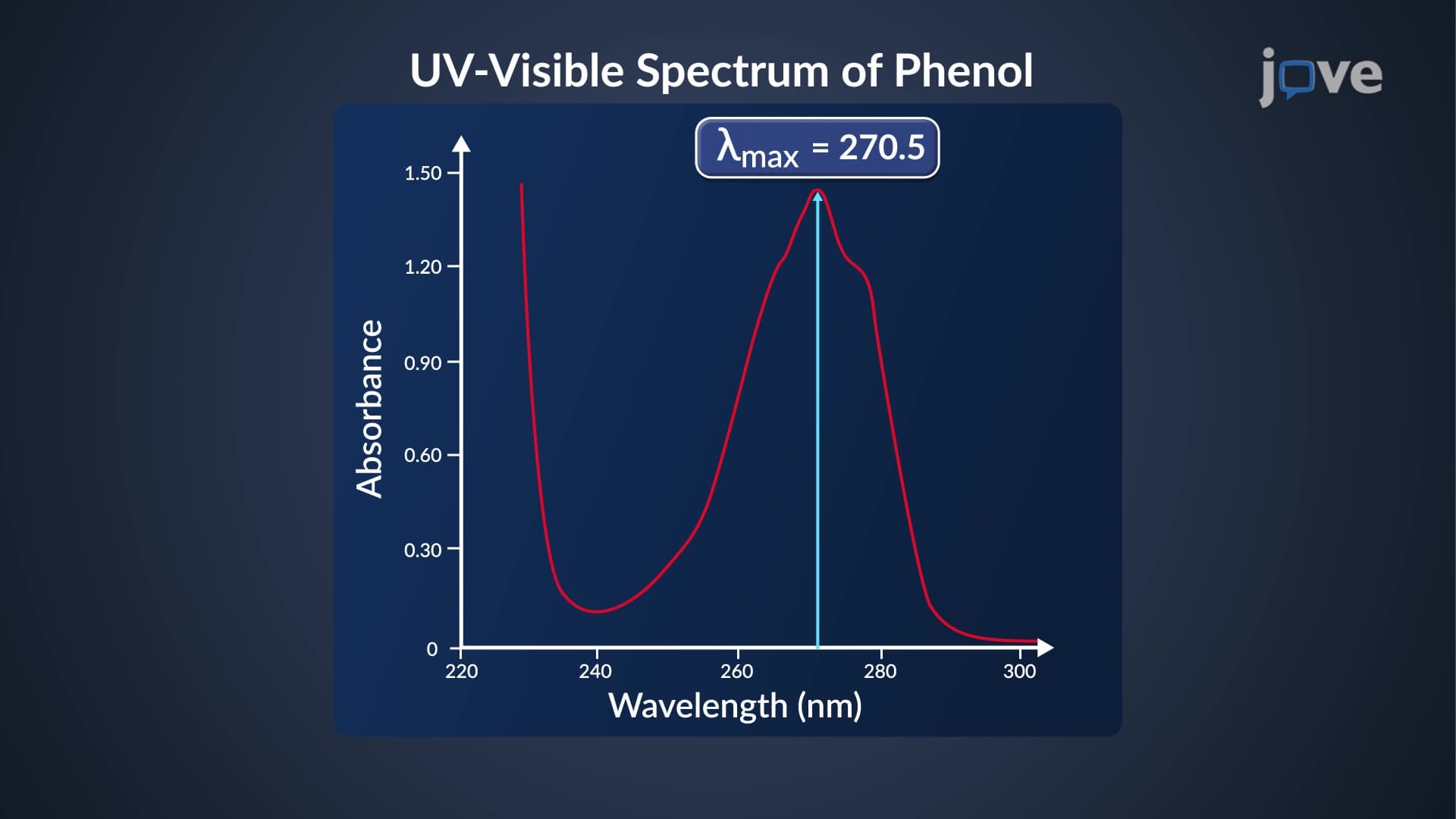
MCAT questions often focus on Beer-Lambert Law applications, concentration calculations, and spectral interpretation for biological molecules like proteins and nucleic acids. AP Chemistry emphasizes wavelength-absorption relationships, electronic transitions, and quantitative analysis techniques. Students should master absorbance calculations, understand why different compounds absorb at specific wavelengths, and interpret spectral data for molecular identification and concentration determination.
UV Vis spectrometers are essential across numerous US industries including pharmaceutical manufacturing for drug purity testing, environmental monitoring by EPA-certified laboratories measuring pollutants, clinical diagnostics in hospitals analyzing blood chemistry, and food safety testing ensuring product quality. Companies like Abbott Laboratories use these instruments for medical device calibration, while water treatment facilities monitor chlorine levels to ensure safe drinking water nationwide.
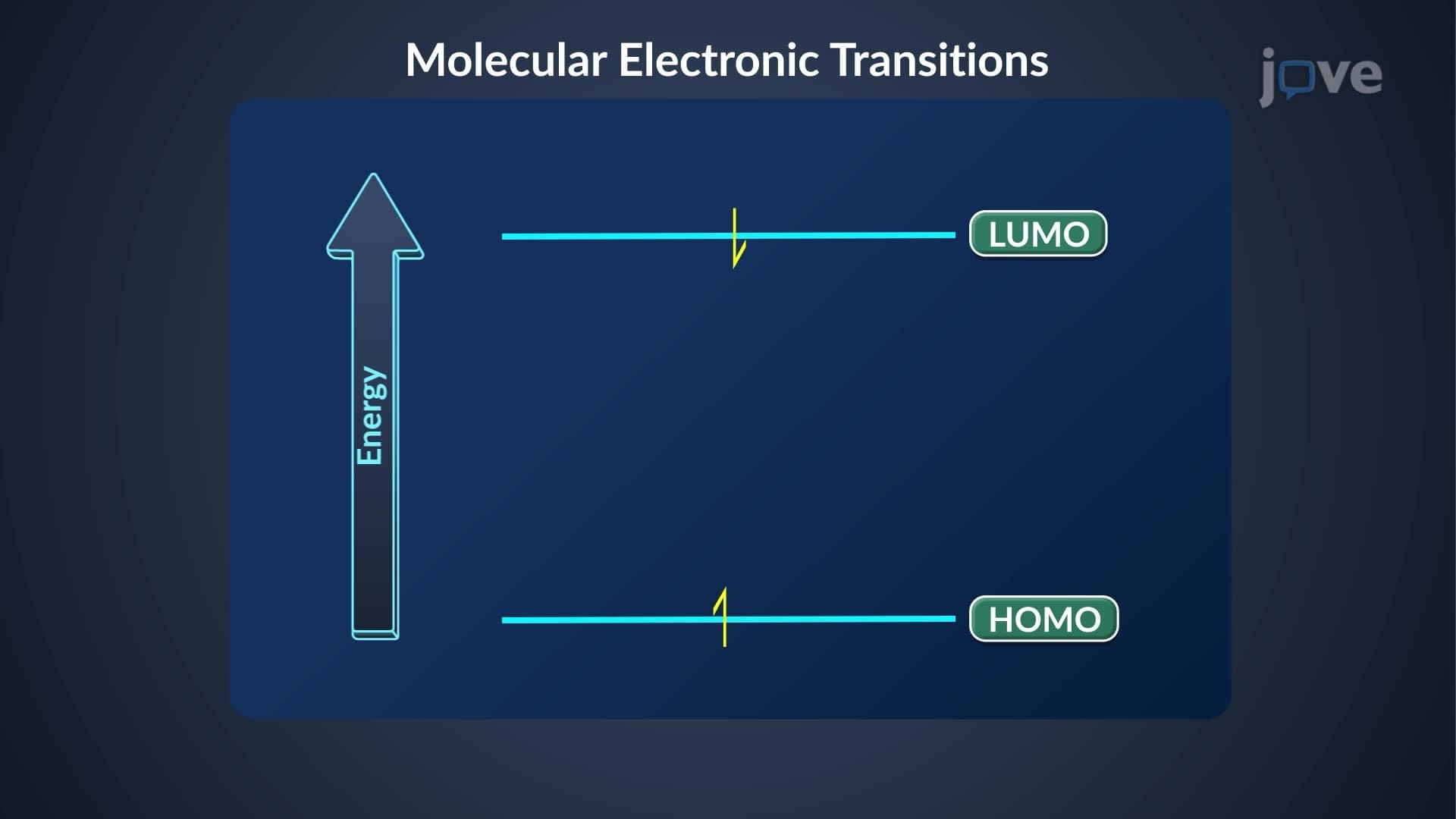
Basic understanding of atomic structure, molecular orbital theory, and concentration units provides sufficient foundation for learning UV Vis spectroscopy. High school chemistry covering electron transitions and college-level general chemistry discussing electromagnetic radiation prepare students well. The mathematical requirements involve primarily algebra for Beer-Lambert Law calculations, making this technique accessible to students with solid chemistry fundamentals rather than requiring advanced physical chemistry background.
Focus on three key areas: understanding Beer-Lambert Law and its mathematical applications, recognizing how molecular structure affects absorption wavelengths, and interpreting spectral data for quantitative analysis. Practice calculating concentrations from absorbance data, predict absorption patterns for different compound types, and understand instrumental components' roles in data quality. Create concept maps linking molecular structure to spectroscopic behavior for comprehensive exam preparation.
Photomultiplier tubes provide exceptional sensitivity for trace analysis and low-light applications, making them ideal for environmental monitoring and pharmaceutical impurity detection. Silicon photodiodes offer excellent stability and linearity for routine quantitative work in clinical laboratories. Diode array detectors enable rapid full-spectrum acquisition essential for kinetic studies and quality control applications requiring simultaneous multi-wavelength monitoring for process optimization.
Progress to infrared spectroscopy for molecular structure determination, fluorescence spectroscopy for enhanced sensitivity applications, and atomic absorption spectroscopy for elemental analysis. These techniques complement UV Vis capabilities and appear frequently in advanced analytical chemistry courses, graduate programs, and professional laboratory settings. Understanding their relationships helps build comprehensive analytical chemistry expertise essential for careers in research, quality control, and method development.
Related Micro-courses

19 Concepts

17 Concepts

15 Concepts