Loading subject page…


36,707 views

Video Summary: What Is Fluorescence and Phosphorescence Instrumentation
Did you know that the same technology behind crime scene investigations at the FBI also powers medical diagnostics in hospitals across America? Fluorescence phosphorescence instrumentation makes this possible through specialized devices that detect and measure light emission from excited molecules. These instruments, including fluorometers and spectrofluorometers, are essential tools in forensic labs, pharmaceutical research, and clinical diagnostics throughout the United States. Watch the full video on JoVE Coach to master this concept with expert-led visuals and step-by-step explanations.
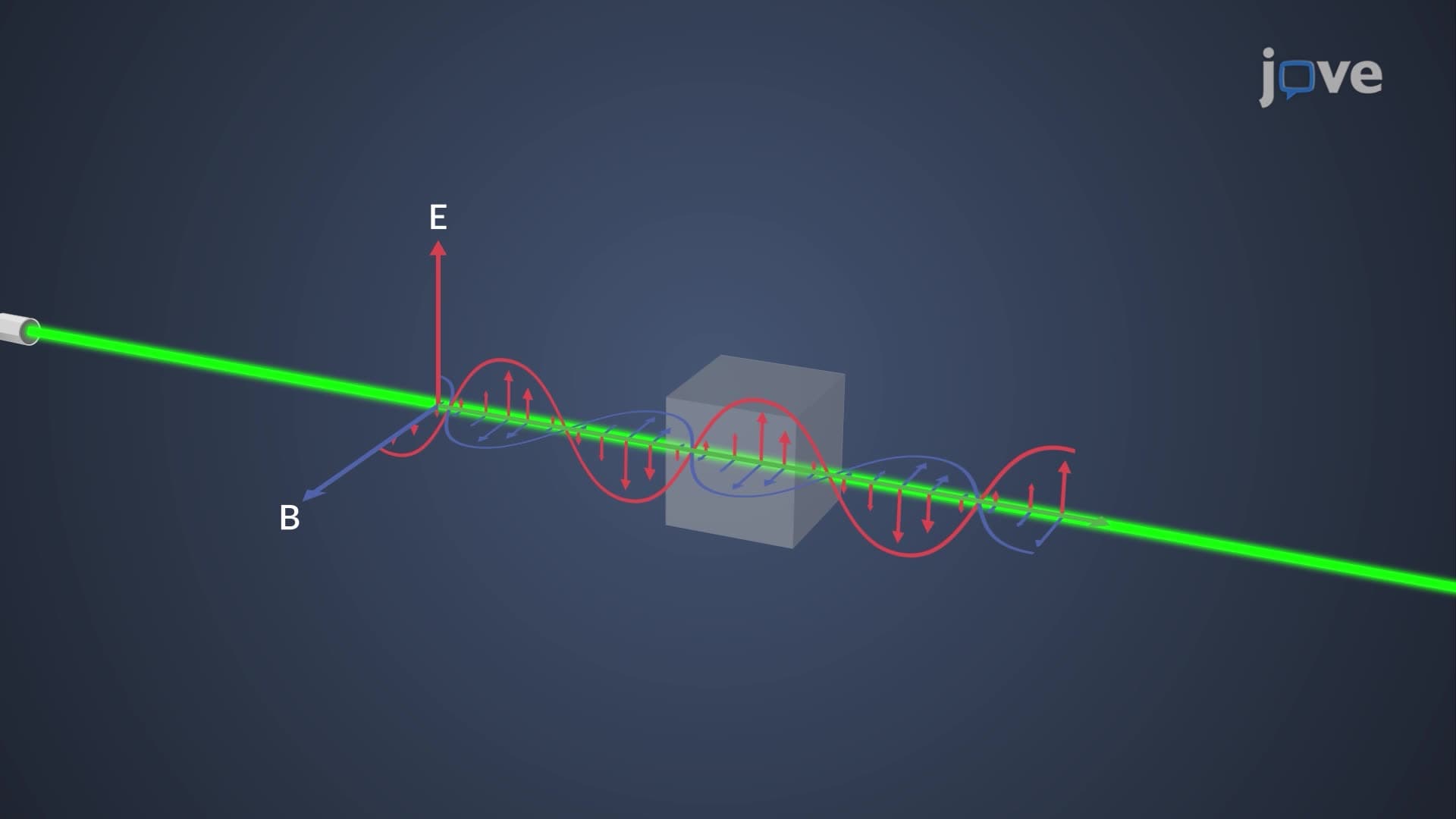
Fluorescence phosphorescence instrumentation represents a critical family of analytical tools that detect and quantify light emission from excited molecules. These sophisticated devices operate on the principle that certain compounds absorb light at specific wavelengths and then re-emit light at longer wavelengths-a phenomenon exploited in applications ranging from DNA sequencing at the National Institutes of Health to drug screening by the FDA.
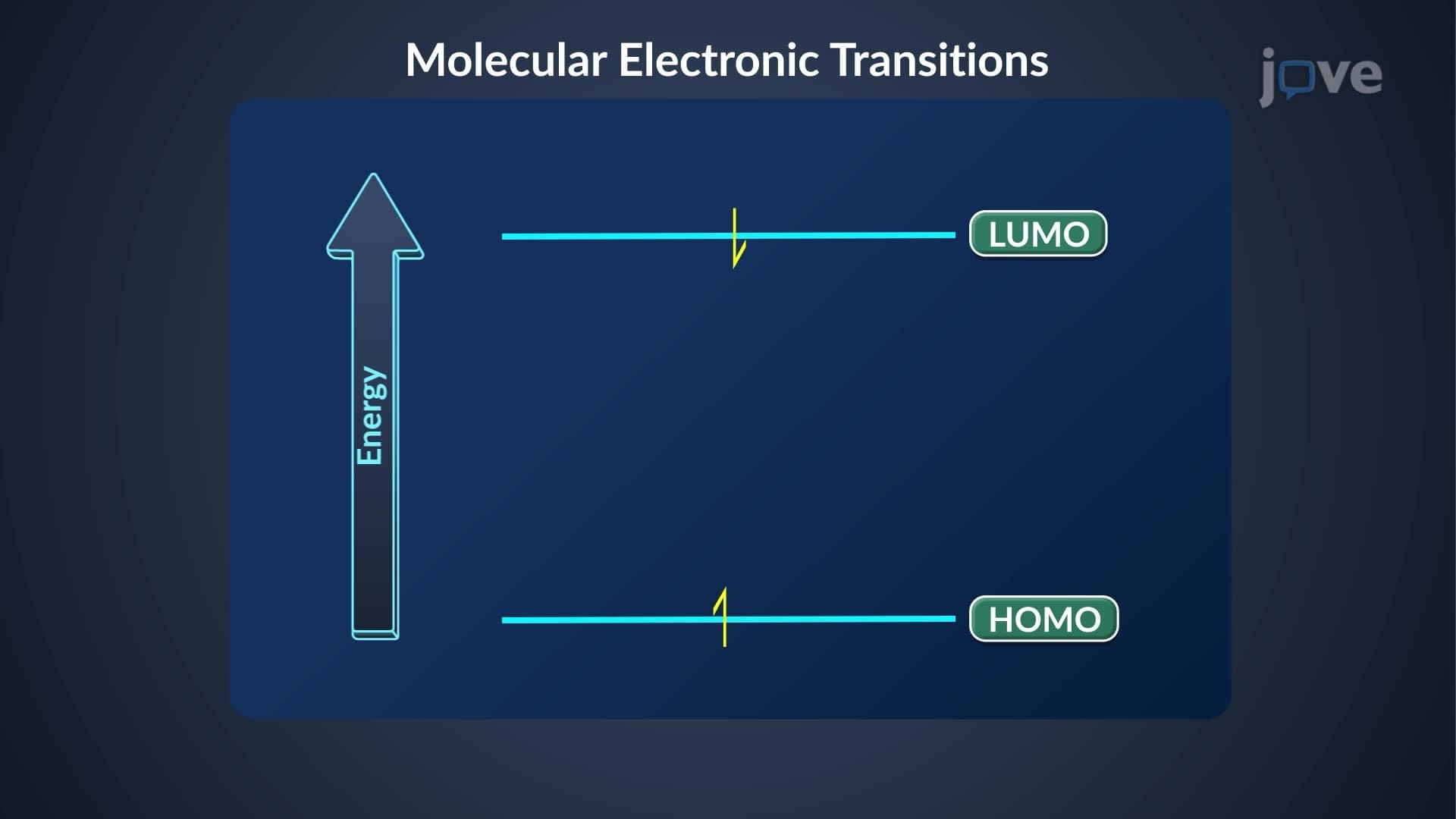
The fundamental difference between fluorescence and phosphorescence lies in timing: fluorescence occurs almost instantaneously (nanoseconds), while phosphorescence involves a delayed emission (milliseconds to seconds) due to quantum mechanical spin restrictions. This timing difference requires distinctly different instruments used for fluorescence measurement and specialized phosphorescence detection systems.
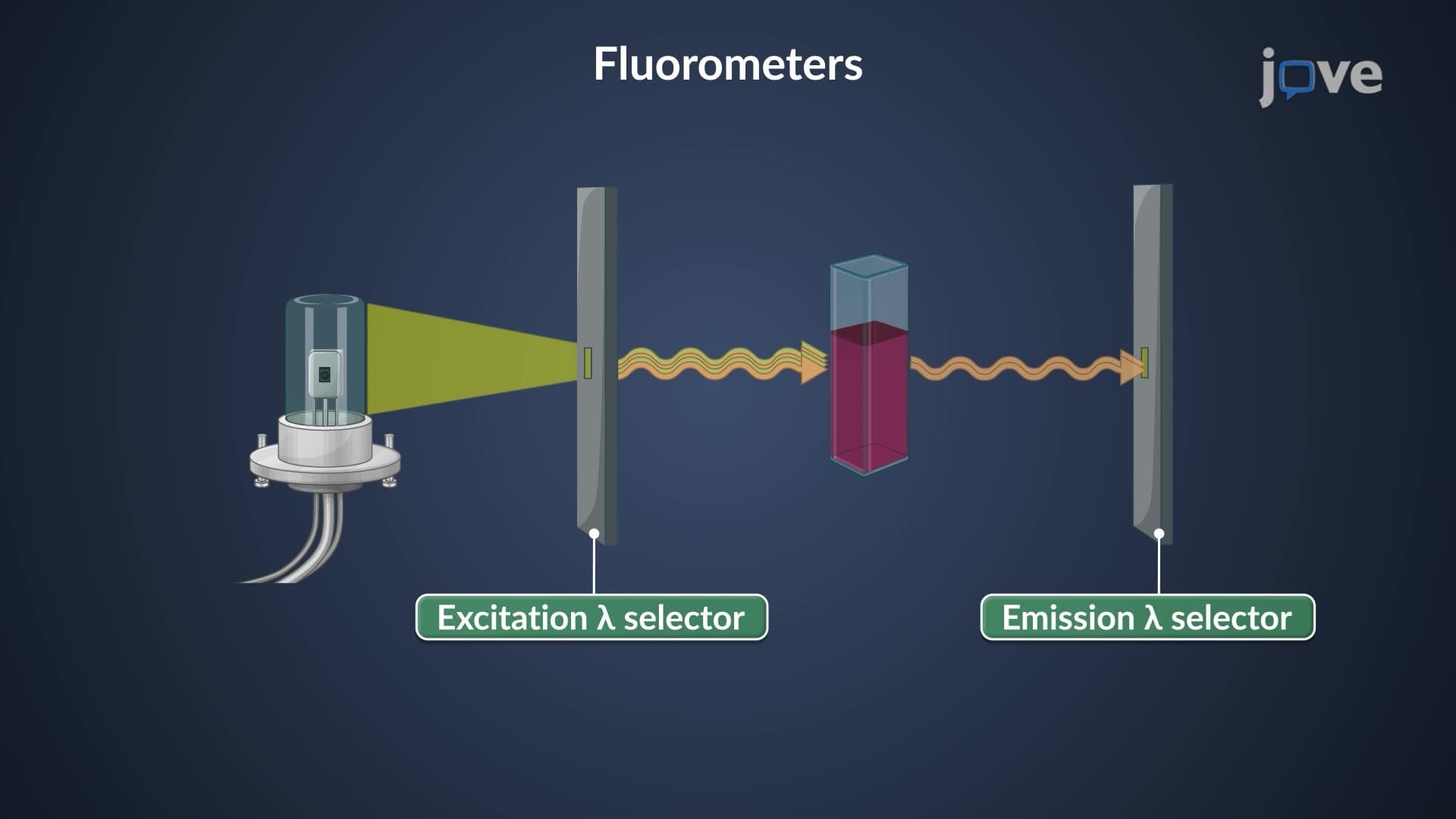
Modern fluorescence spectrometer components follow a standardized architecture optimized for sensitivity and precision. The excitation pathway begins with a light source-typically a 150-watt xenon arc lamp in spectrofluorometers or mercury vapor lamps in simpler fluorometers. These sources provide broad-spectrum illumination that excitation monochromators then filter to select precise wavelengths.
Spectrofluorometer components include sophisticated grating-based monochromators that offer superior wavelength resolution compared to filter-based systems. The sample compartment maintains precise temperature control and accommodates various cell types, from standard 1-cm cuvettes to specialized microplates used in high-throughput pharmaceutical screening.
Detection systems employ fluorescence detector PMT (photomultiplier tube) technology or modern CCD arrays. PMTs excel in single-wavelength detection with exceptional sensitivity-capable of detecting individual photons-making them ideal for trace analysis applications like environmental monitoring by the EPA.
Phosphorescence measurement instruments address the unique challenge of separating delayed phosphorescence from immediate fluorescence emission. These devices employ synchronized rotating choppers that alternately block excitation light and fluorescence while allowing phosphorescence measurement during dark periods.
Sample preparation for phosphorescence typically requires rigid matrix conditions-either frozen organic solvents at liquid nitrogen temperatures (-196°C) or solid substrate immobilization. This prevents molecular motion that would otherwise quench the excited triplet state responsible for phosphorescence.
These instruments appear frequently on AP Chemistry and college-level analytical chemistry exams, particularly in questions about excitation emission monochromator configurations and detector selection criteria. Students preparing for the MCAT encounter fluorescence principles in biochemistry contexts, such as fluorescent protein markers used in medical research.
Professional applications span from quality control in pharmaceutical manufacturing-where companies like Pfizer use these instruments to verify drug purity-to forensic laboratories where fluorescence reveals fingerprints and trace evidence invisible to the naked eye.
Related Micro-courses