Loading subject page…


36,707 views

Video Summary: What Is Interaction of Em Radiation
Every time you use your smartphone's touchscreen or see a rainbow after rain, you're witnessing EM radiation interaction matter in action. This fundamental process governs how electromagnetic waves behave when they encounter atoms and molecules, from the GPS satellites that help navigate US highways to the MRI machines in American hospitals. Understanding what is interaction of (EM) radiation reveals why some materials are transparent while others absorb light, and how photons transfer energy to create the phenomena we observe daily. Watch the full video on JoVE Coach to master this concept with expert-led visuals and step-by-step explanations.
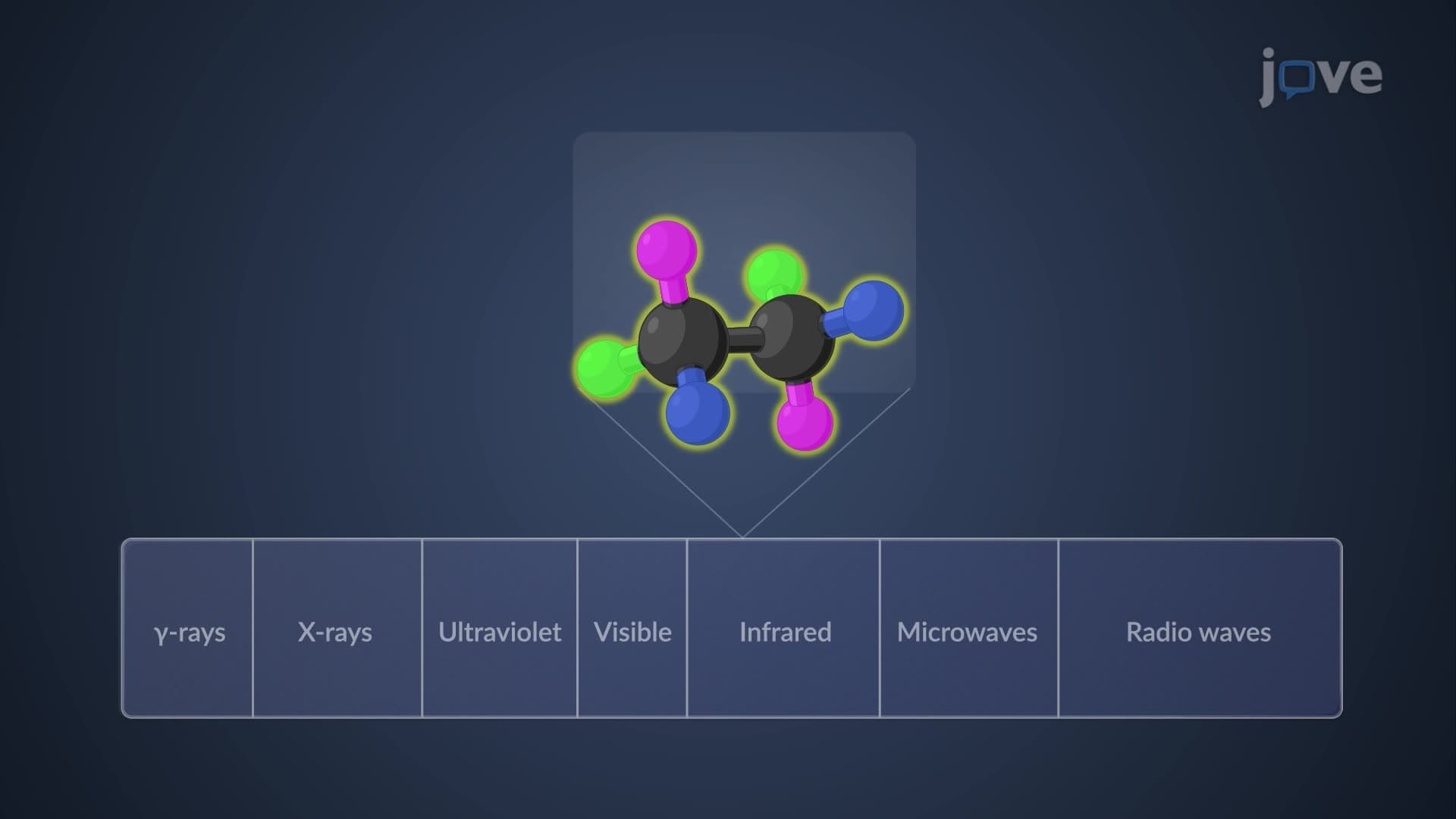
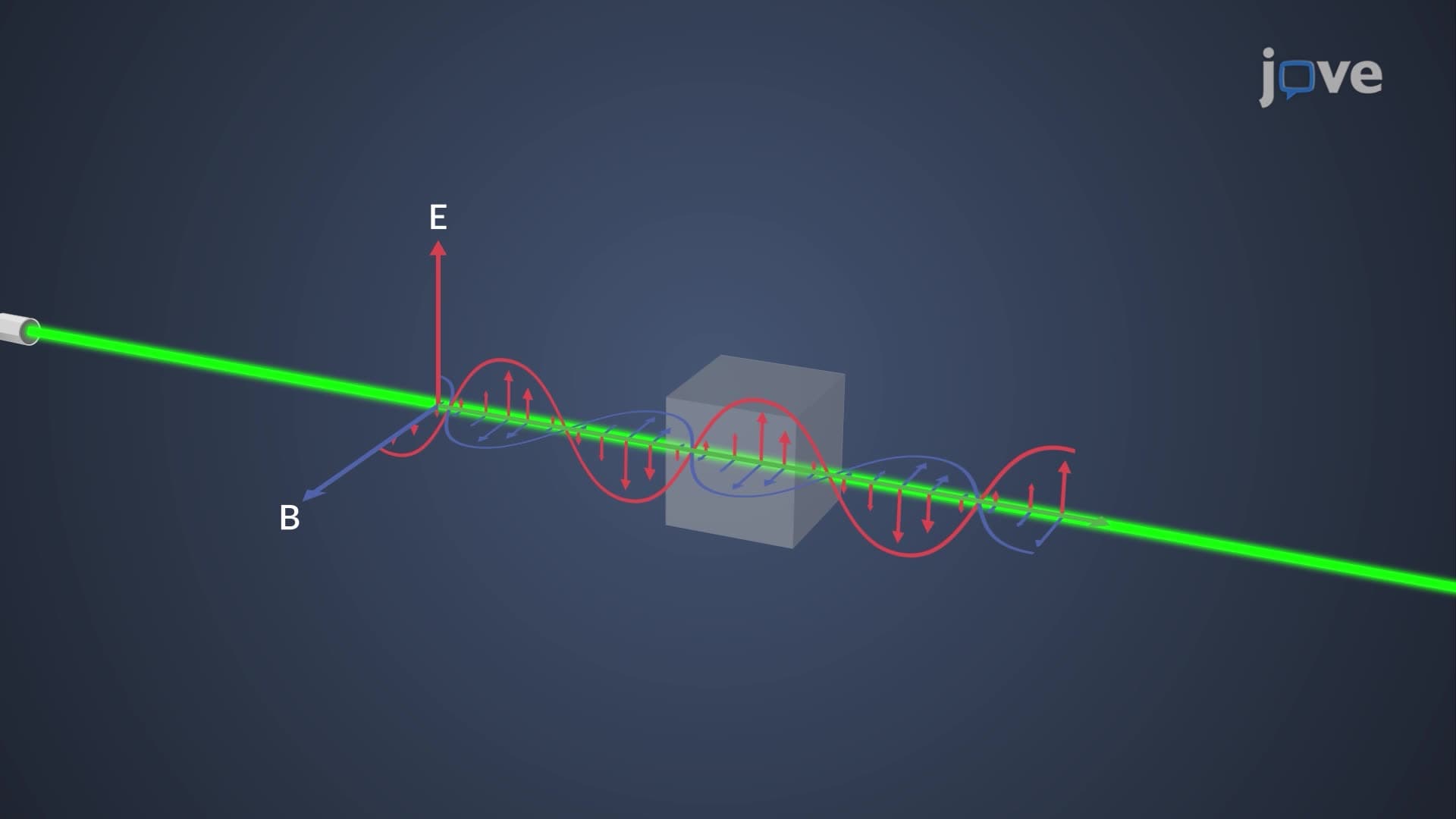
EM radiation interaction matter forms the foundation of spectroscopy and countless technologies we use daily. When electromagnetic waves encounter matter, two distinct field components come into play: the electric field interacts with electrical charges in molecules, while the magnetic field component interacts with magnetic dipoles in atoms. This dual interaction mechanism explains phenomena ranging from why leaves appear green to how X-ray machines create medical images in US hospitals.
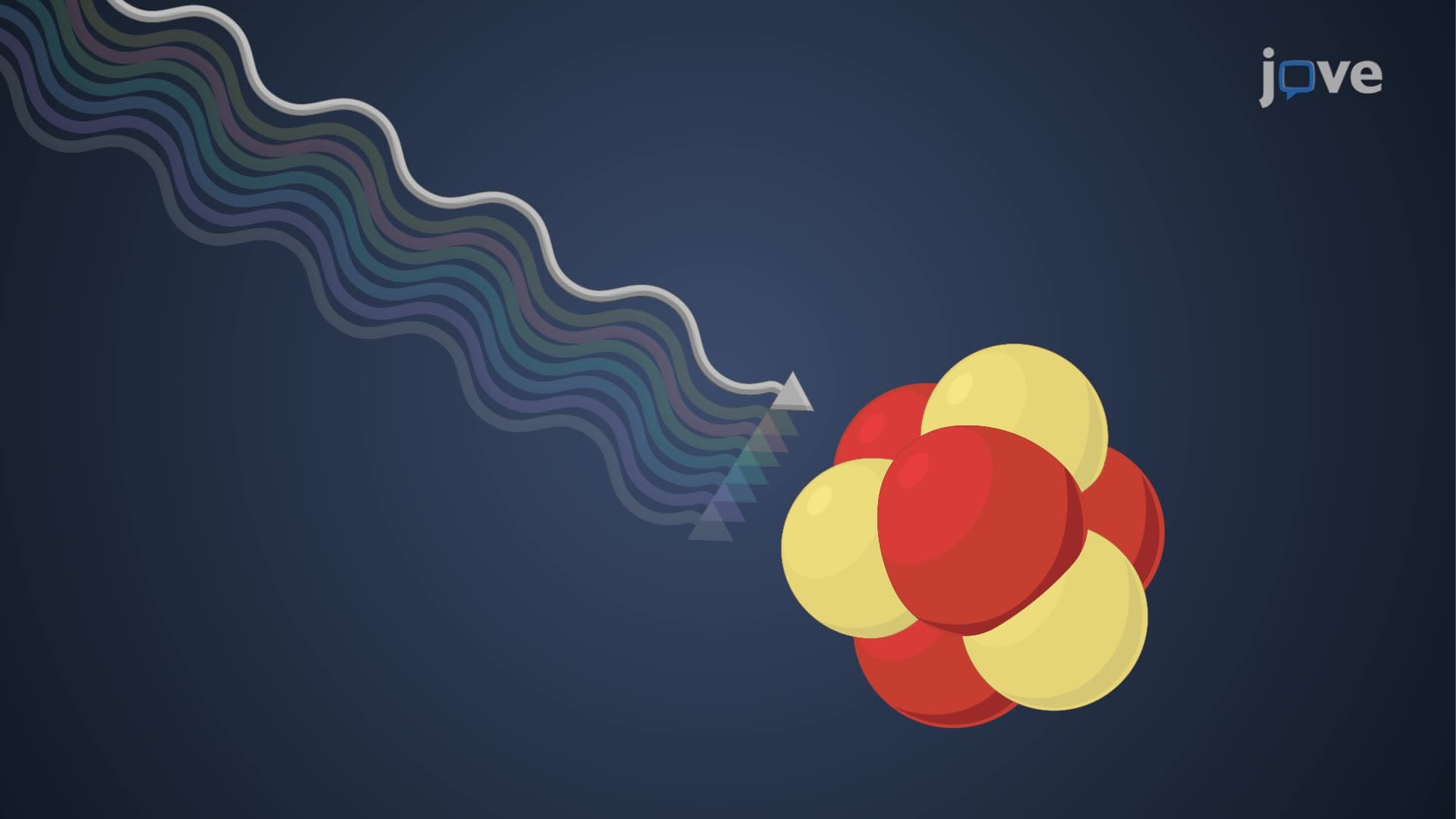
The concept becomes clearer when visualized as photons-discrete packets of electromagnetic energy-striking atomic particles. This particle-wave duality helps students understand complex interactions that govern everything from solar panel efficiency to the operation of fiber optic cables carrying internet data across America.
Two critical properties determine how electromagnetic radiation interaction explained affects matter: intensity and amplitude. Intensity, also called irradiance, measures the number of photons striking a given surface area within a specific time interval. This concept directly impacts real-world applications-solar engineers in California calculate panel efficiency based on solar radiation intensity, while radiologists adjust X-ray machine settings based on the intensity needed for clear imaging.
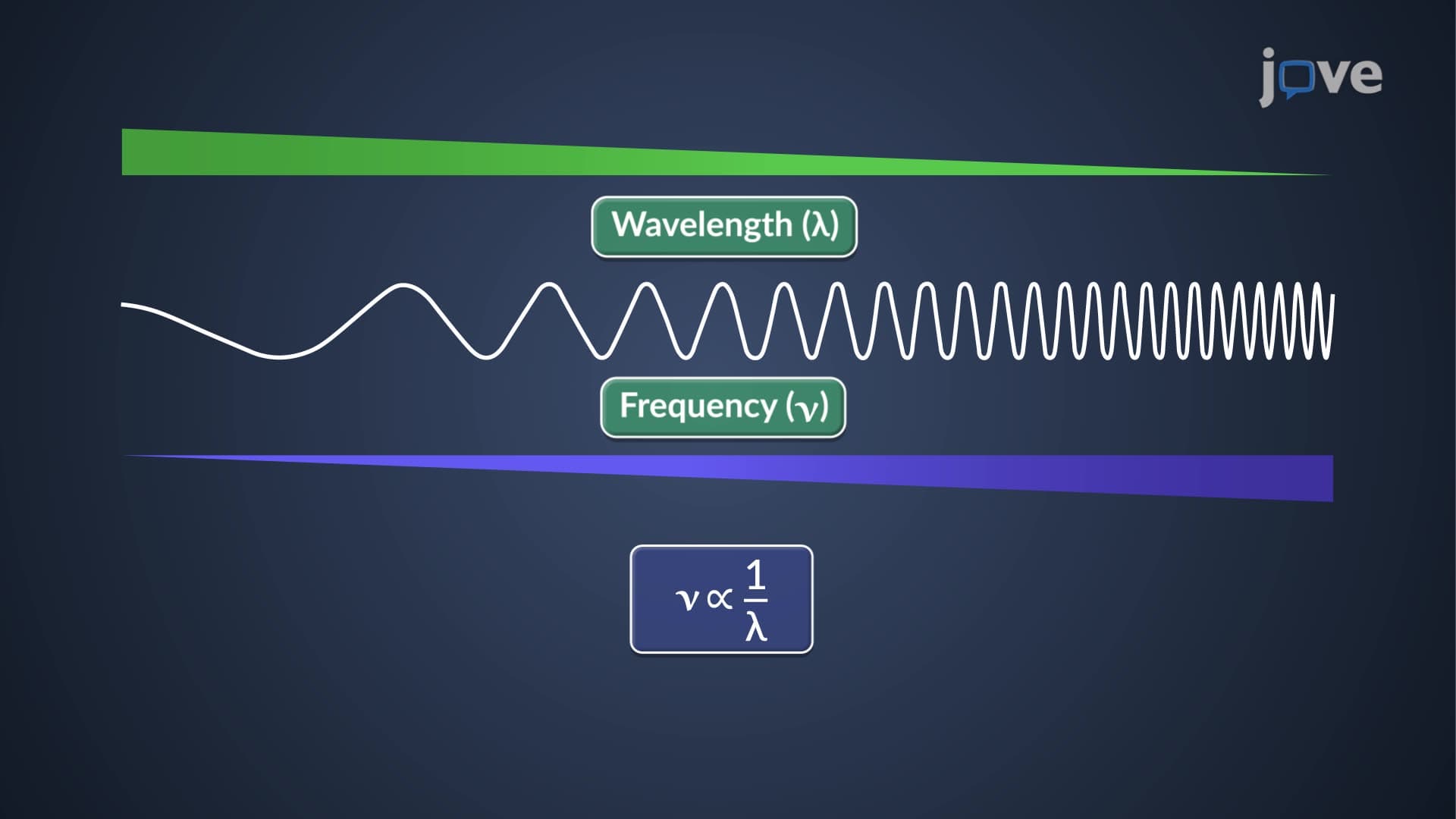
Amplitude represents the wave height from midpoint to peak, and intensity relates to amplitude squared (I ∝ A²). This mathematical relationship appears frequently on AP Physics exams and college-level physical chemistry courses, making it essential for students pursuing STEM careers.
When exploring how electromagnetic radiation interacts with matter, four distinct outcomes occur: transmission, absorption, reflection, and scattering. Understanding these mechanisms helps explain everyday observations and advanced technologies.
Transmission occurs when EM radiation passes through matter without interaction, maintaining both energy and intensity. Clear glass windows demonstrate this principle-visible light transmits through with minimal energy loss, allowing us to see outside while staying protected from weather.
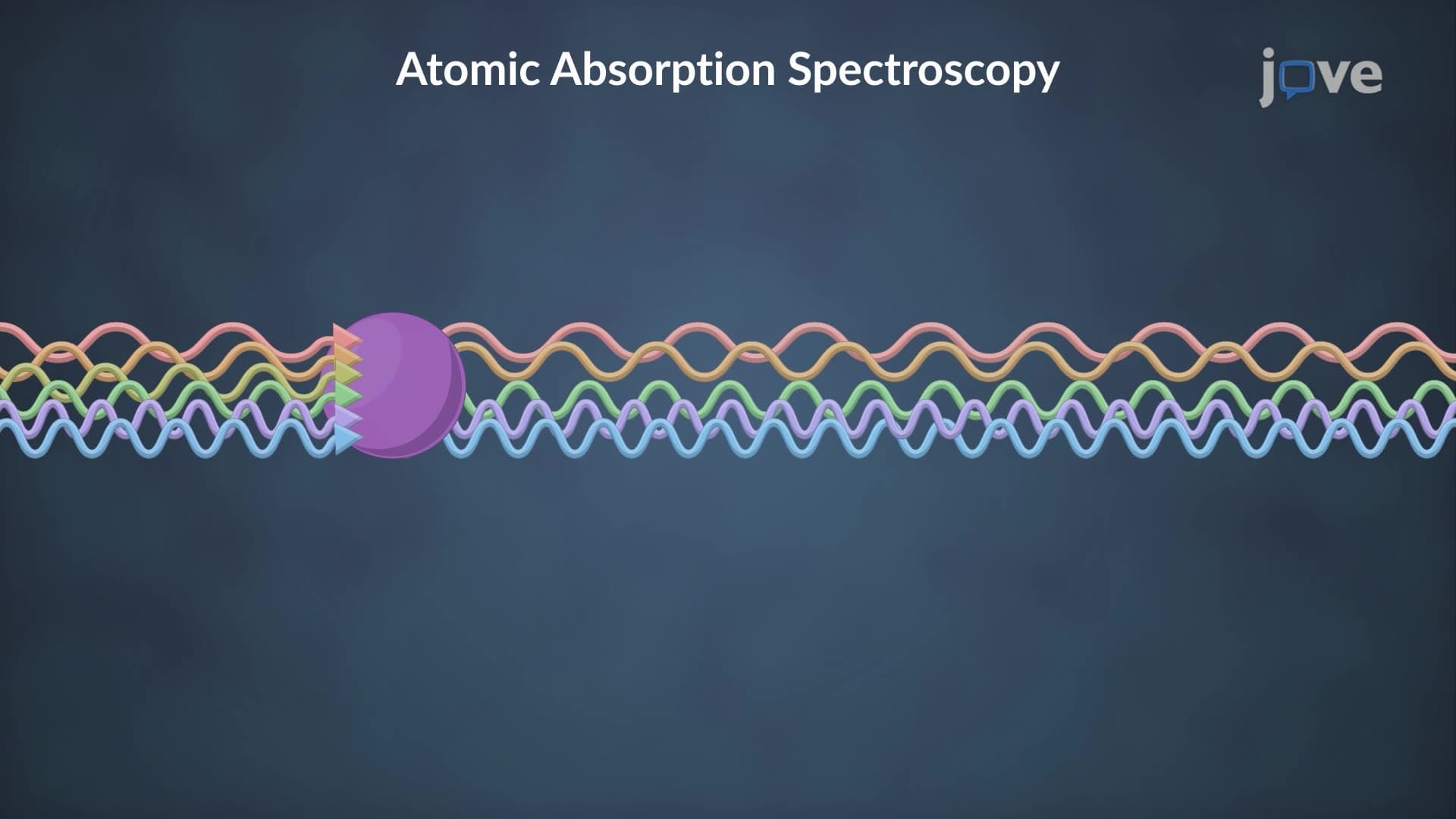
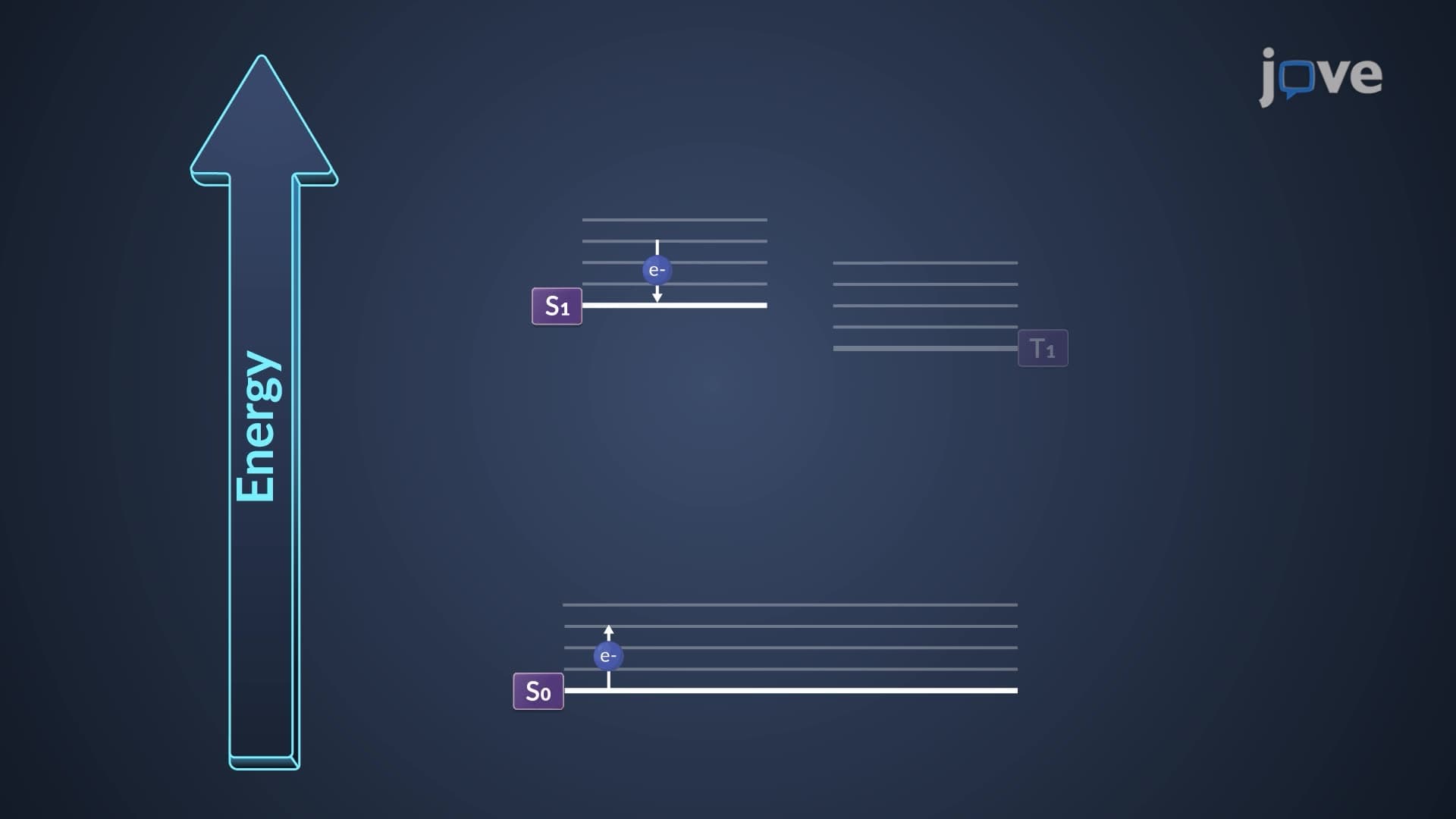
Absorption happens when matter captures photon energy, often converting it to heat or chemical energy. This process drives photosynthesis in plants and enables solar cells to generate electricity for American homes and businesses.
Reflection and scattering redirect electromagnetic radiation in different directions. Mirrors reflect light specularly, while atmospheric particles scatter sunlight, creating blue skies and red sunsets visible across the United States.
These concepts appear extensively in standardized testing. The MCAT includes questions about electromagnetic radiation interactions in biological tissues, while AP Chemistry and Physics courses test understanding of spectroscopic principles. Medical students preparing for the USMLE encounter these concepts when studying diagnostic imaging techniques used in American healthcare systems.
Related Micro-courses