Loading subject page…


36,707 views

Video Summary: What Is Photoluminescence Applications
Ever wondered how crime scene investigators detect trace amounts of blood that are invisible to the naked eye? Photoluminescence applications in chemistry make this possible through fluorescence techniques that can identify substances at incredibly low concentrations. From DNA analysis in FBI laboratories to drug detection in clinical diagnostics, what is photoluminescence applications reveals how light-emitting molecular processes revolutionize analytical chemistry. Watch the full video on JoVE Coach to master this concept with expert-led visuals and step-by-step explanations.
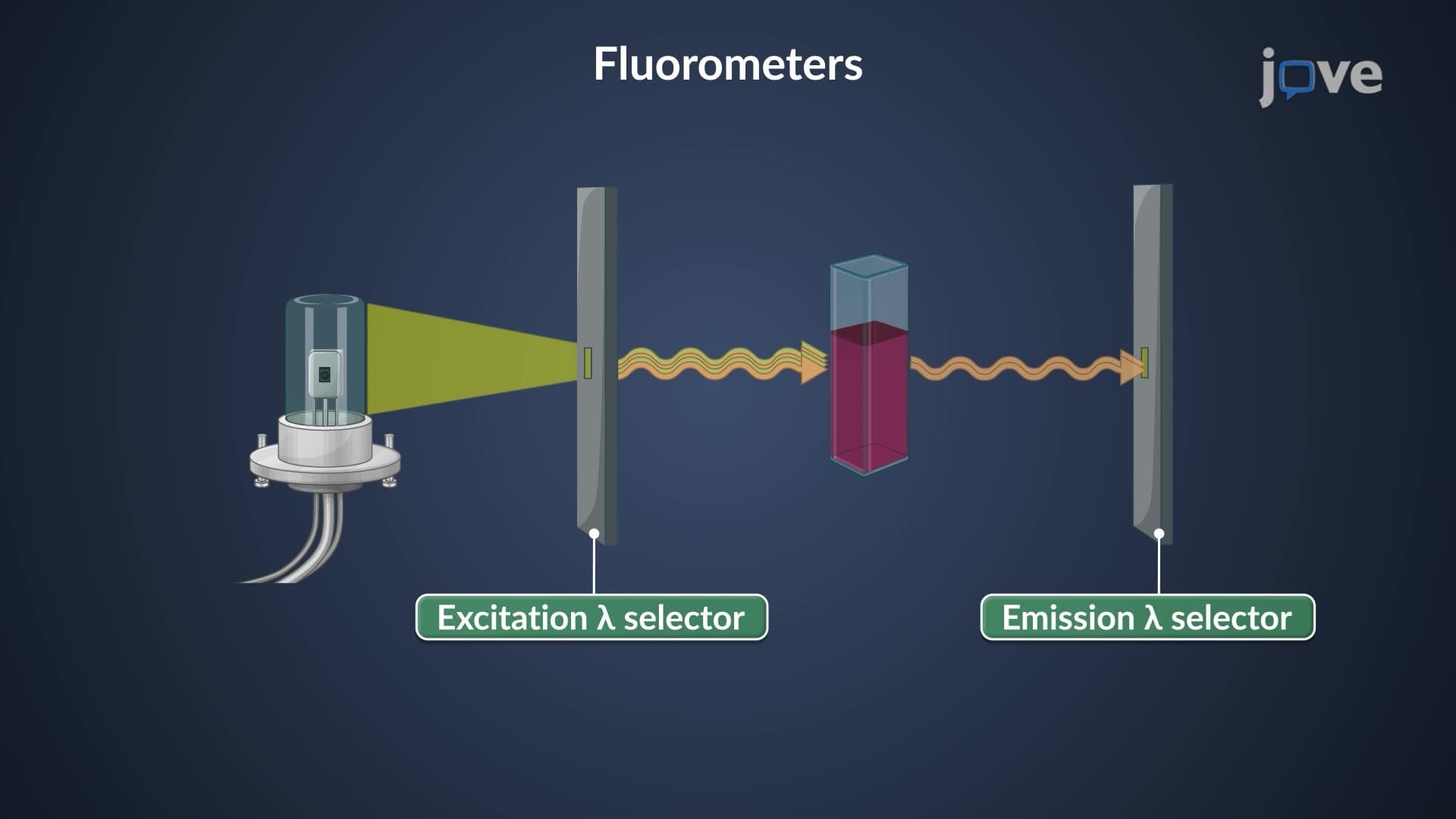
Photoluminescence applications in chemistry represent some of the most powerful analytical tools available to scientists today. These techniques exploit the ability of certain molecules to absorb light energy and re-emit it at different wavelengths, creating highly sensitive detection methods that surpass traditional absorption spectroscopy by several orders of magnitude.
The fundamental advantage lies in the exceptional detection limits achievable through photoluminescence. While absorption spectrophotometry typically reaches micromolar detection limits, fluorescence analytical applications can detect substances at nanomolar or even picomolar concentrations. This sensitivity makes photoluminescence indispensable in fields ranging from environmental monitoring to clinical diagnostics.
The two primary types of photoluminescence-fluorescence and phosphorescence-offer complementary analytical capabilities. Fluorescence occurs when molecules rapidly emit light (within nanoseconds) after excitation, while phosphorescence involves slower emission (microseconds to seconds) through a different electronic pathway.
Organic compounds containing aromatic ring systems typically exhibit strong fluorescence, making them ideal candidates for direct analysis. Examples include polycyclic aromatic hydrocarbons (PAHs) detected in environmental samples by the EPA, or tryptophan and tyrosine amino acids analyzed in protein studies. Conversely, aromatic heterocycles-rings containing atoms like nitrogen or sulfur-often display phosphorescence, providing an alternative analytical pathway when fluorescence is weak.
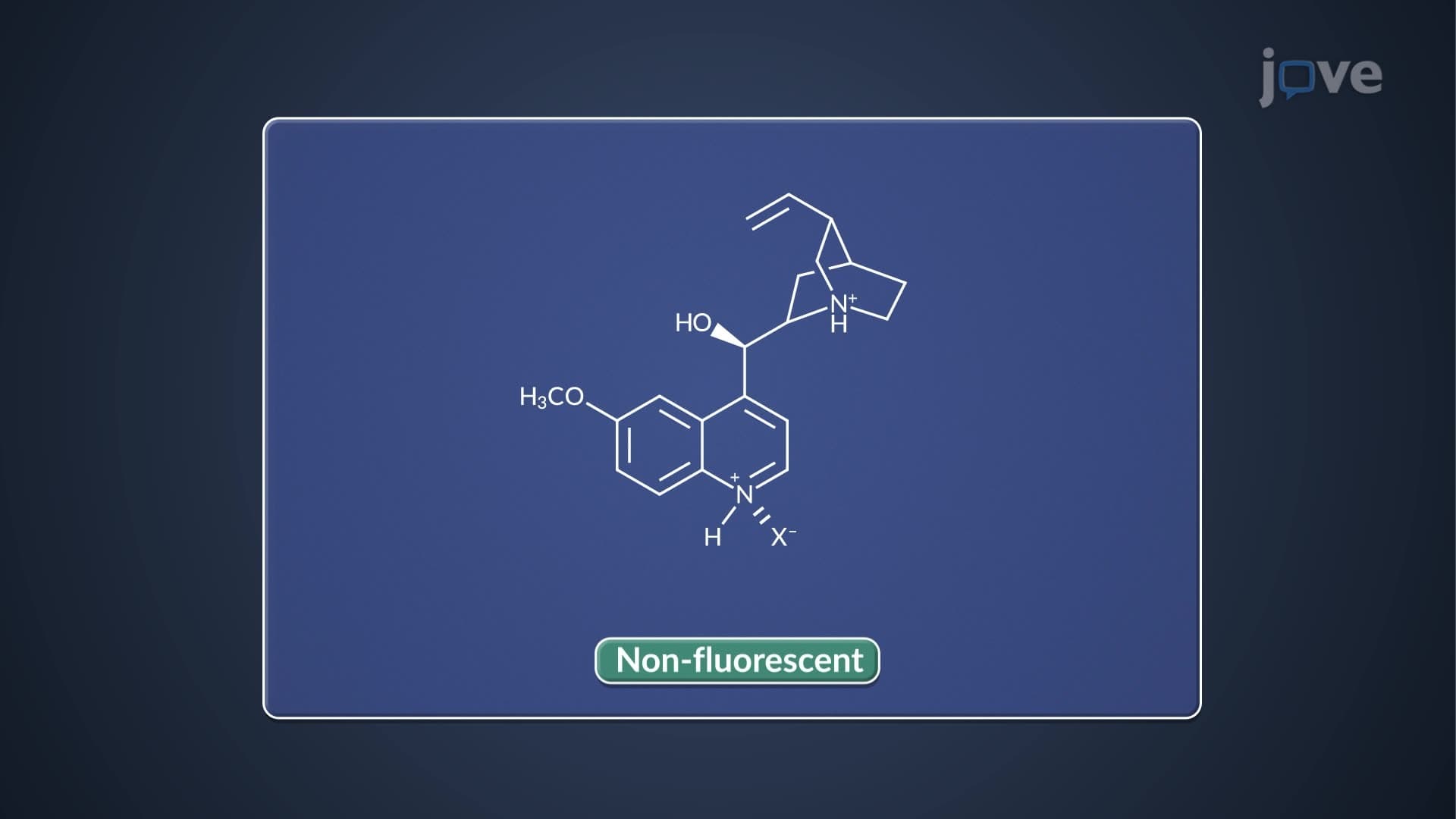
What are the applications of photoluminescence in chemistry becomes particularly interesting when analyzing non-fluorescent substances. Analytical chemists employ several creative strategies to overcome this limitation. One approach involves forming fluorescent metal-ligand complexes, where a non-fluorescent metal ion binds to an organic ligand that becomes fluorescent upon complexation. For instance, aluminum analysis often uses the formation of fluorescent complexes with 8-hydroxyquinoline.
Another strategy measures fluorescence quenching, where the analyte causes a decrease in fluorescence intensity of a probe molecule. This technique is widely used in fluorescence sensing applications for detecting heavy metals in water supplies or monitoring oxygen levels in biological systems.
Recent developments have expanded photoluminescence applications significantly. Room-temperature phosphorimetry, once limited by cryogenic requirements, now utilizes solid supports like filter paper or micelle environments to protect the excited triplet state. This advancement has enabled luminescence trace analysis in field applications, such as on-site environmental monitoring by the EPA.
In clinical laboratories across the United States, fluorescence immunoassay techniques detect everything from cardiac markers to infectious disease antigens. These methods are essential for rapid diagnostic testing, including COVID-19 antigen tests that provide results within minutes.
Students preparing for AP Chemistry, MCAT, or college analytical chemistry courses should understand that photoluminescence represents a cornerstone of modern analytical science, with applications spanning from forensic analysis to pharmaceutical quality control.
Related Micro-courses