Loading subject page…


36,707 views

Video Summary: What Is Photoluminescence Fluorescence and Phosphorescence
Did you know that the glow-in-the-dark stars on your bedroom ceiling and the fluorescent highlighter on your desk work through completely different light-emission mechanisms? Photoluminescence fluorescence and phosphorescence are two distinct ways molecules release light after absorbing energy, with fluorescence happening in nanoseconds while phosphorescence can last minutes. These processes power everything from medical imaging in US hospitals to forensic investigations by the FBI. Watch the full video on JoVE Coach to master this concept with expert-led visuals and step-by-step explanations.
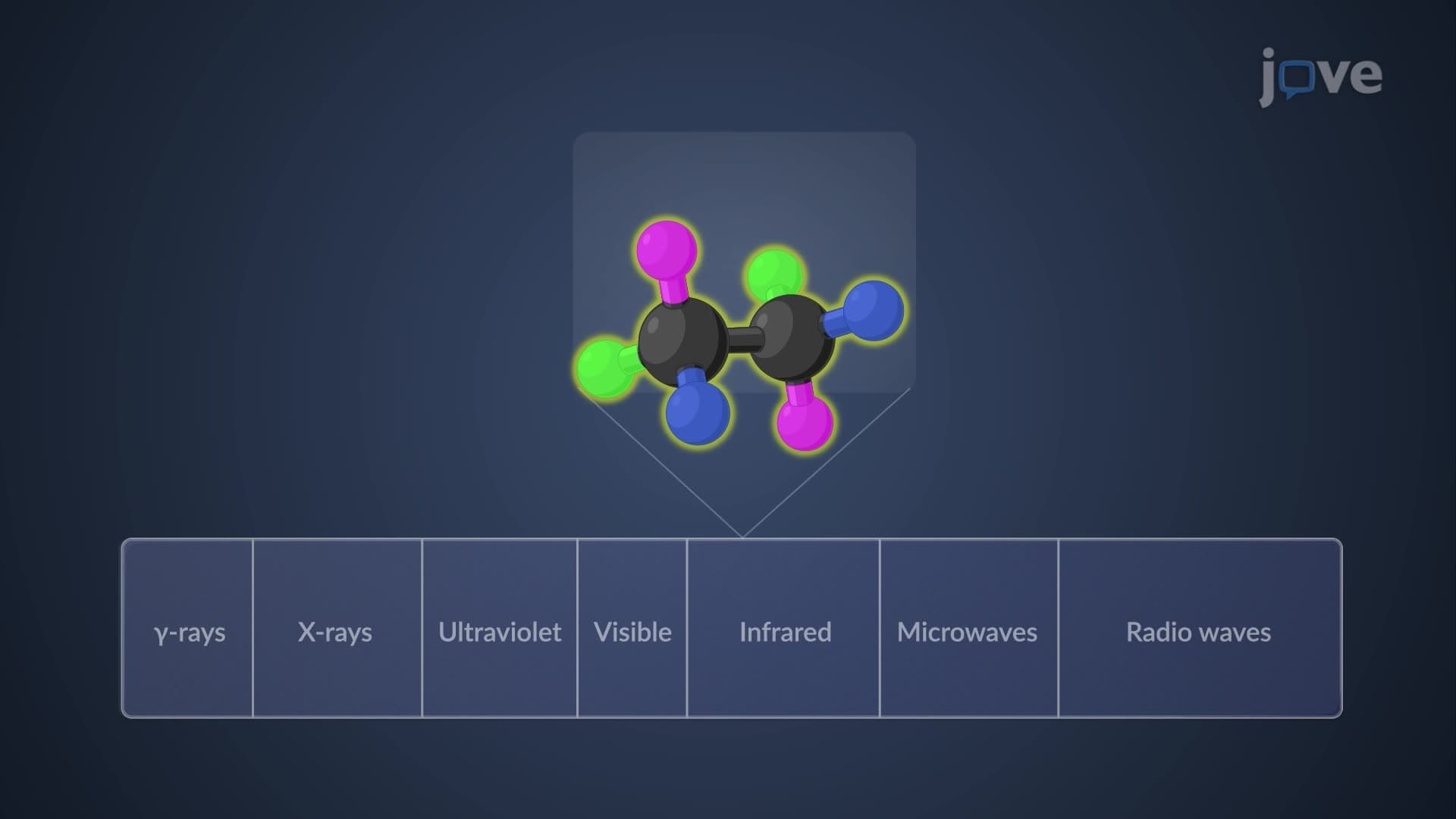
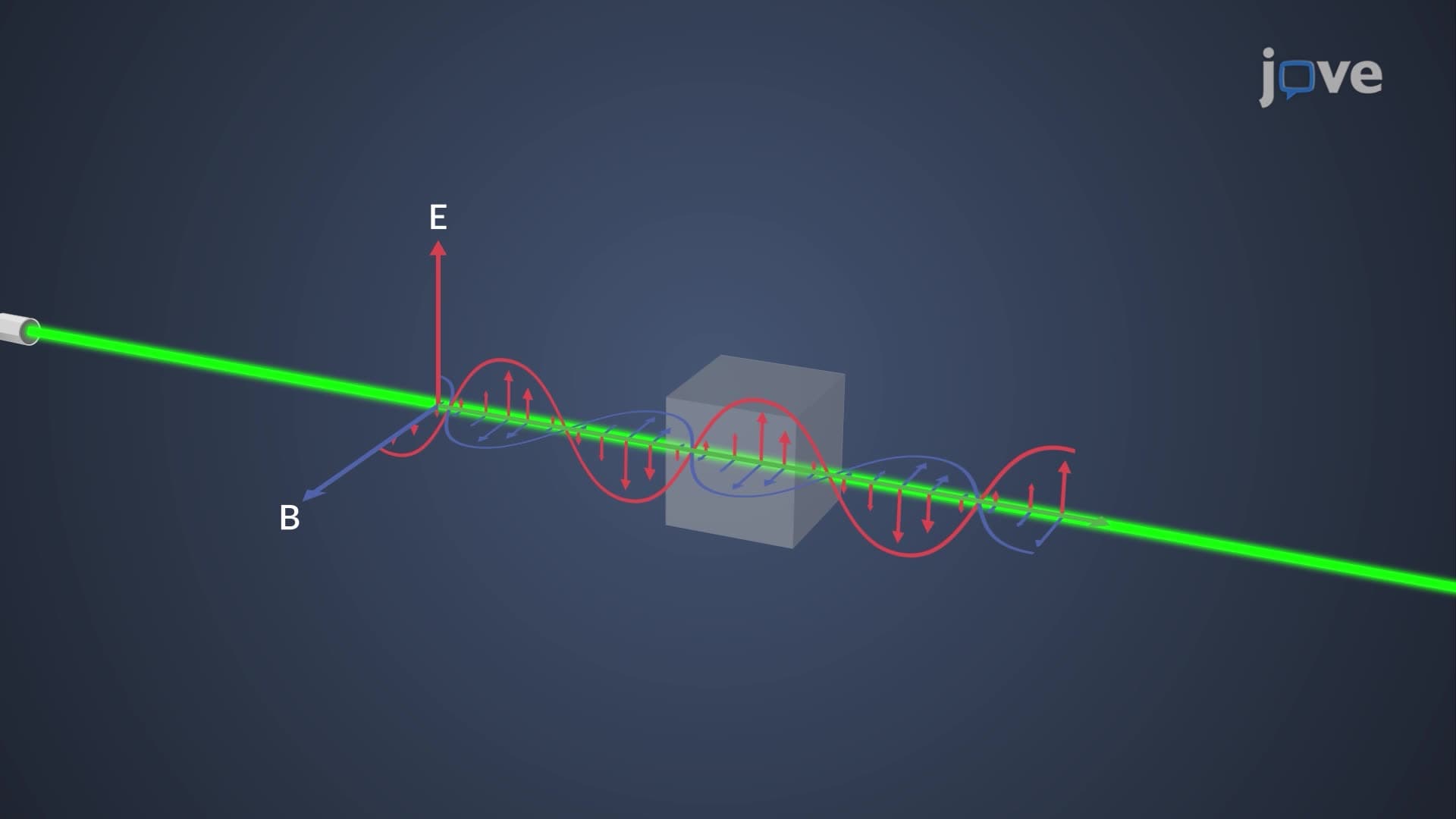
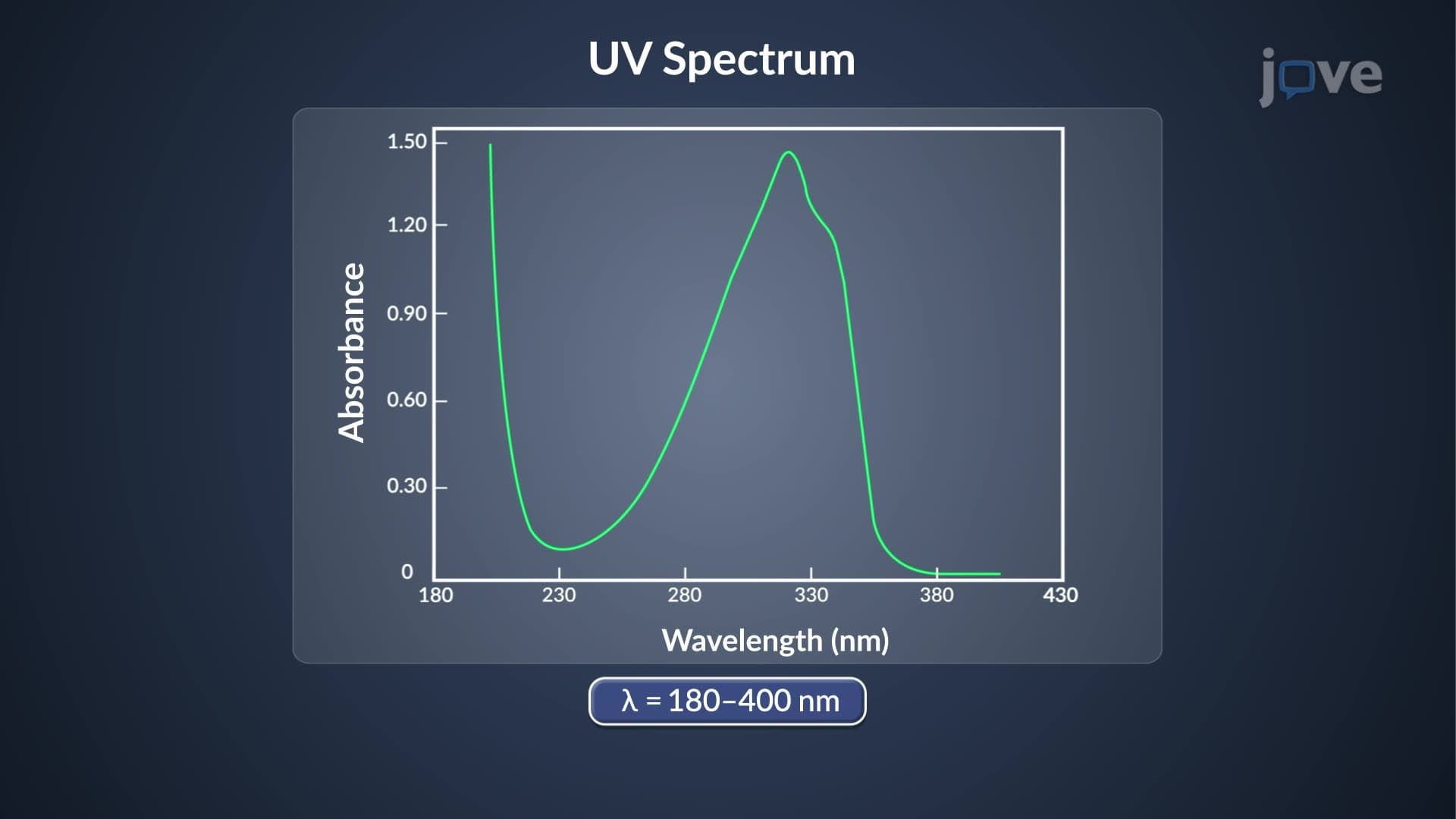
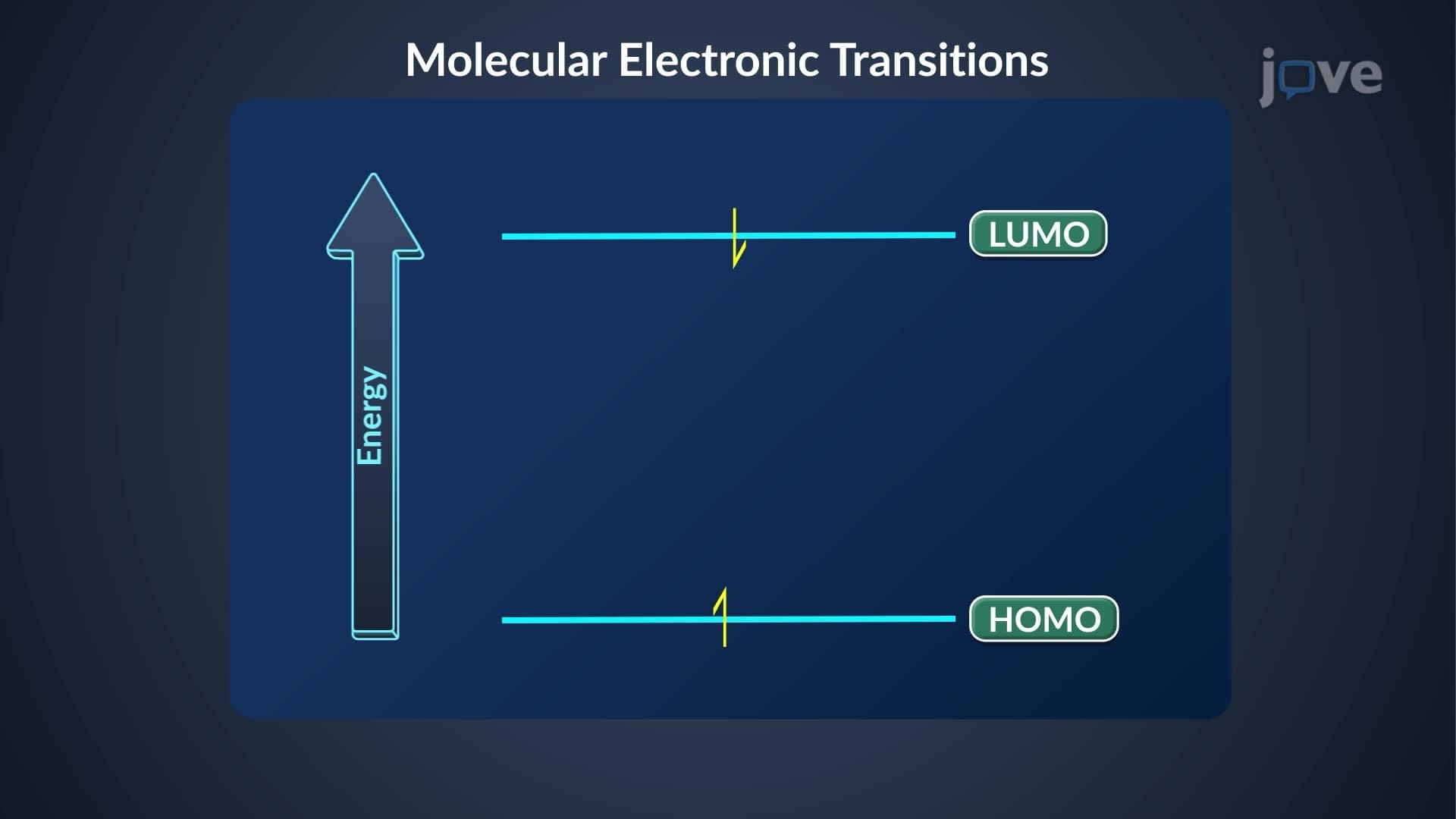
When molecules absorb electromagnetic radiation-whether ultraviolet, visible, or infrared-they promote electrons from ground states to higher energy levels. The fascinating part happens next: as these excited electrons return to their original states, they can emit light through a process called photoluminescence. This umbrella term encompasses both fluorescence and phosphorescence, two mechanisms that differ dramatically in their timing and underlying physics.
The key distinction lies in electron spin behavior. In fluorescence, electrons maintain their original spin orientation during the transition, allowing rapid return to the ground state. This process occurs within nanoseconds, making fluorescent materials appear to glow instantly when illuminated. Conversely, phosphorescence involves a spin flip-electrons change their spin state during excitation, creating what chemists call a "forbidden" transition back to the ground state. This spin change dramatically slows the emission process, causing phosphorescent materials to glow for seconds, minutes, or even hours after the initial excitation stops.
The type of molecular orbital transition determines whether a substance will fluoresce or phosphoresce. Fluorescence typically occurs in molecules with π→π* (pi to pi-star) transitions, commonly found in aromatic compounds like those in fluorescent dyes used in US biology laboratories. These transitions involve electrons moving between bonding and antibonding π orbitals, maintaining spin throughout the process.
Phosphorescence favors molecules with n→π* (n to pi-star) transitions, where electrons jump from non-bonding orbitals to antibonding π orbitals. This transition type, combined with heavy atom effects or rigid molecular environments, promotes the intersystem crossing that enables phosphorescence. Understanding these transitions is crucial for AP Chemistry students and appears frequently on MCAT physical sciences sections.
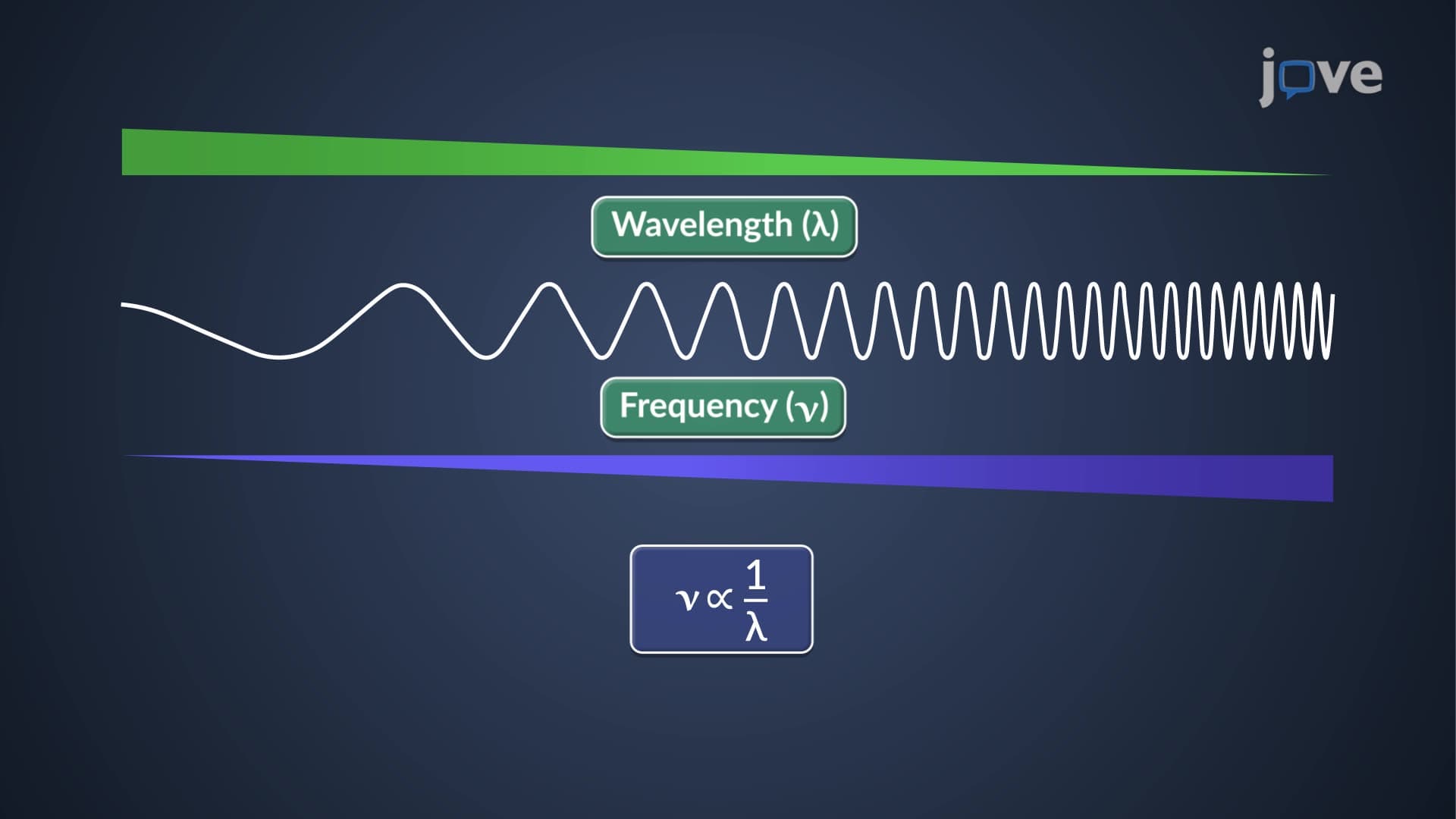
Both fluorescence and phosphorescence exhibit the Stokes shift-a fundamental principle stating that emitted light has longer wavelengths (lower energy) than absorbed light. This energy difference results from vibrational relaxation and internal conversion processes that occur before light emission. In emission spectroscopy fluorescence applications, scientists use this predictable wavelength shift to identify and quantify specific molecules in samples.
These principles drive numerous technologies across the United States. Medical facilities use fluorescence-based imaging for cancer detection, with fluorescent markers helping surgeons identify tumor boundaries during operations. The FBI employs both fluorescence and phosphorescence in forensic investigations-fingerprint powders often fluoresce under UV light, while certain phosphorescent materials help detect trace evidence. College chemistry programs frequently use fluorescence spectroscopy in analytical chemistry coursework, teaching students to measure phosphorescence lifetime and interpret luminescence analytical chemistry data for compound identification.
Related Micro-courses