Loading…
Loading video…

27,600 views
Did you know that your arms and legs were once tiny cartilage buds smaller than a pencil eraser? Appendicular skeleton changes biology reveals how these limb buds transform into the complex bone structures that allow a basketball player at Duke University to dunk or a gymnast to perform on uneven bars. Understanding Changes in The Appendicular Skeleton Explained helps us grasp why teenage growth spurts happen and why elderly adults face increased fracture risks. Watch the full video on JoVE Coach to master this concept with expert-led visuals and step-by-step explanations.
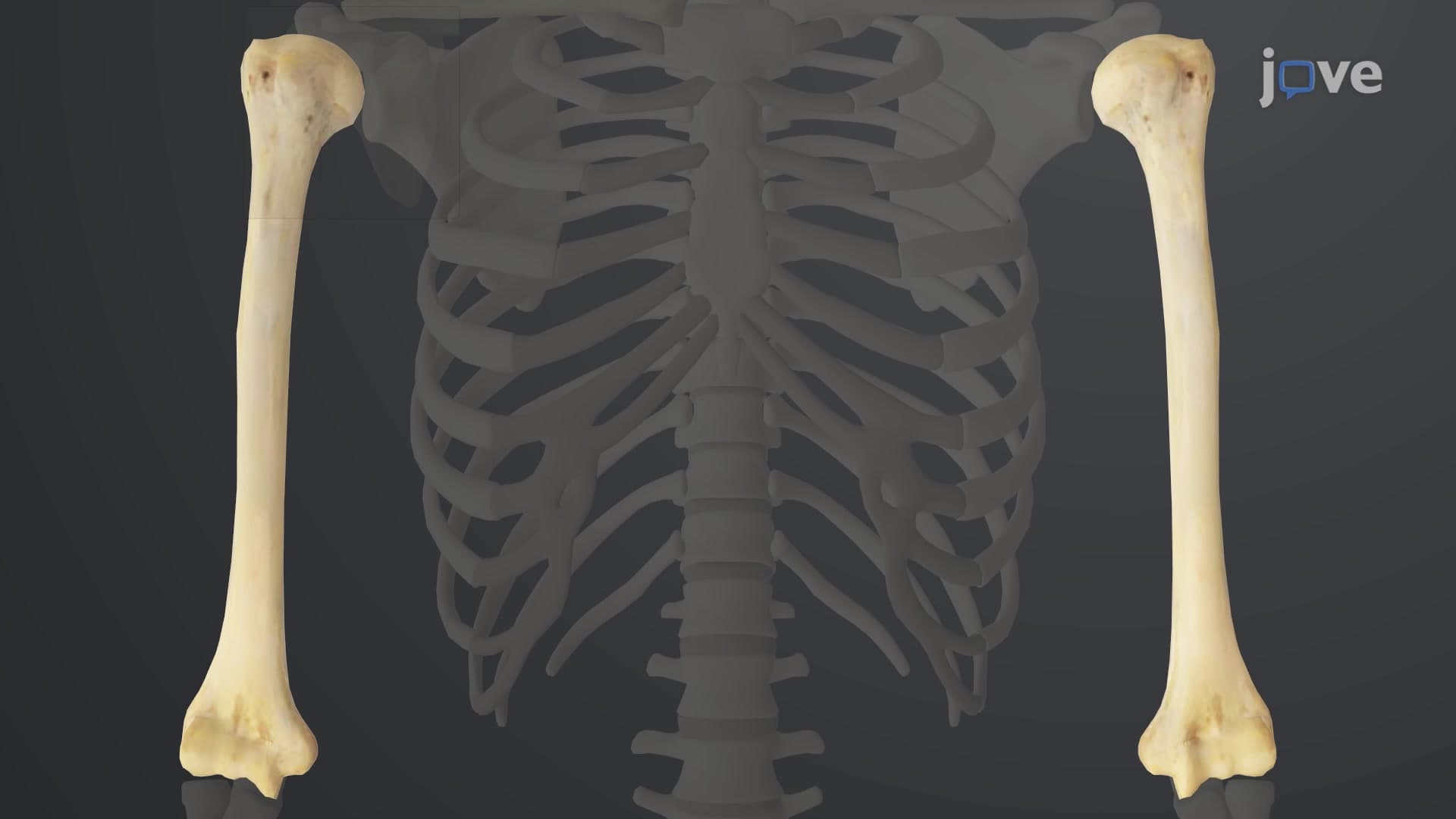
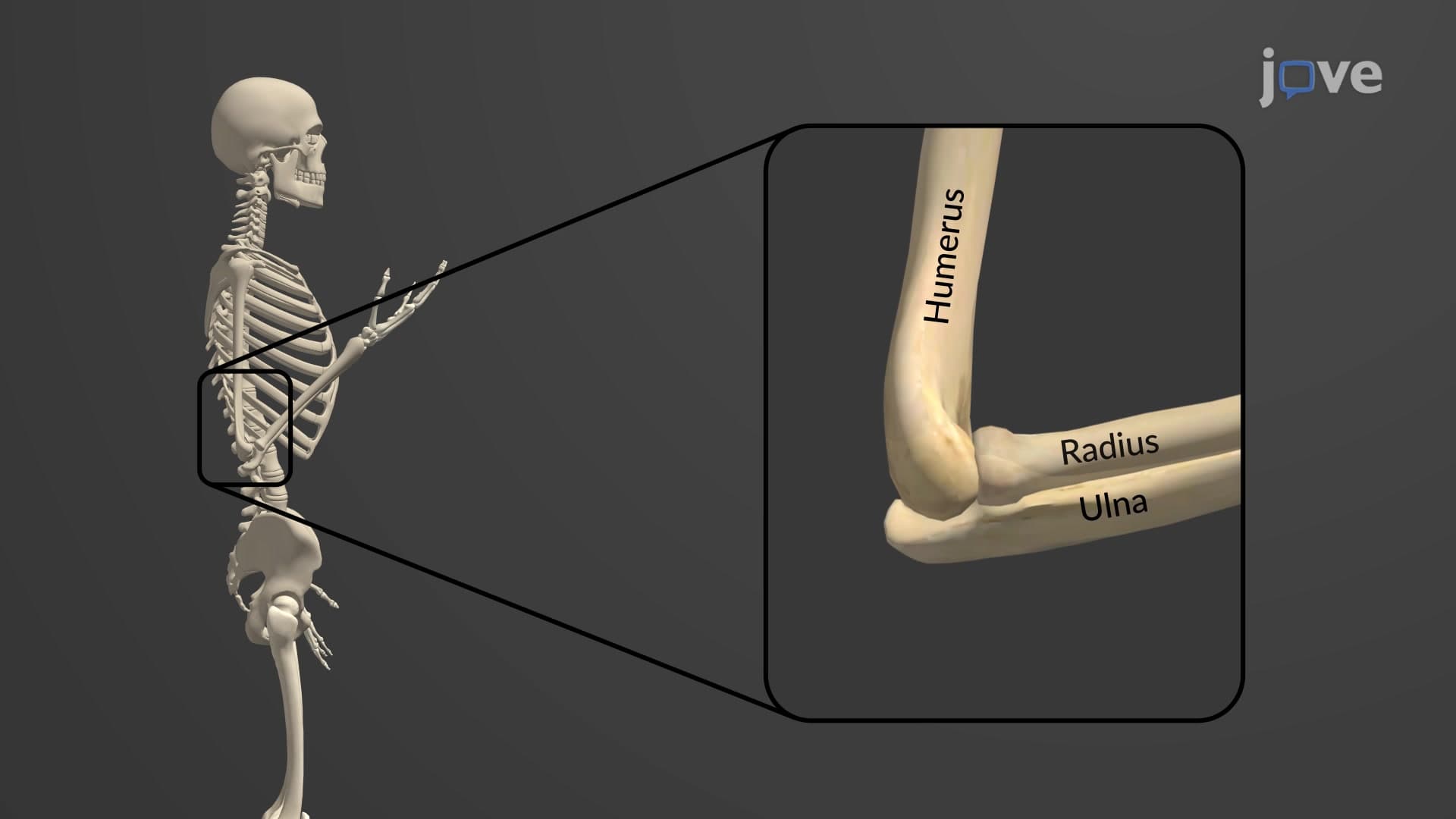
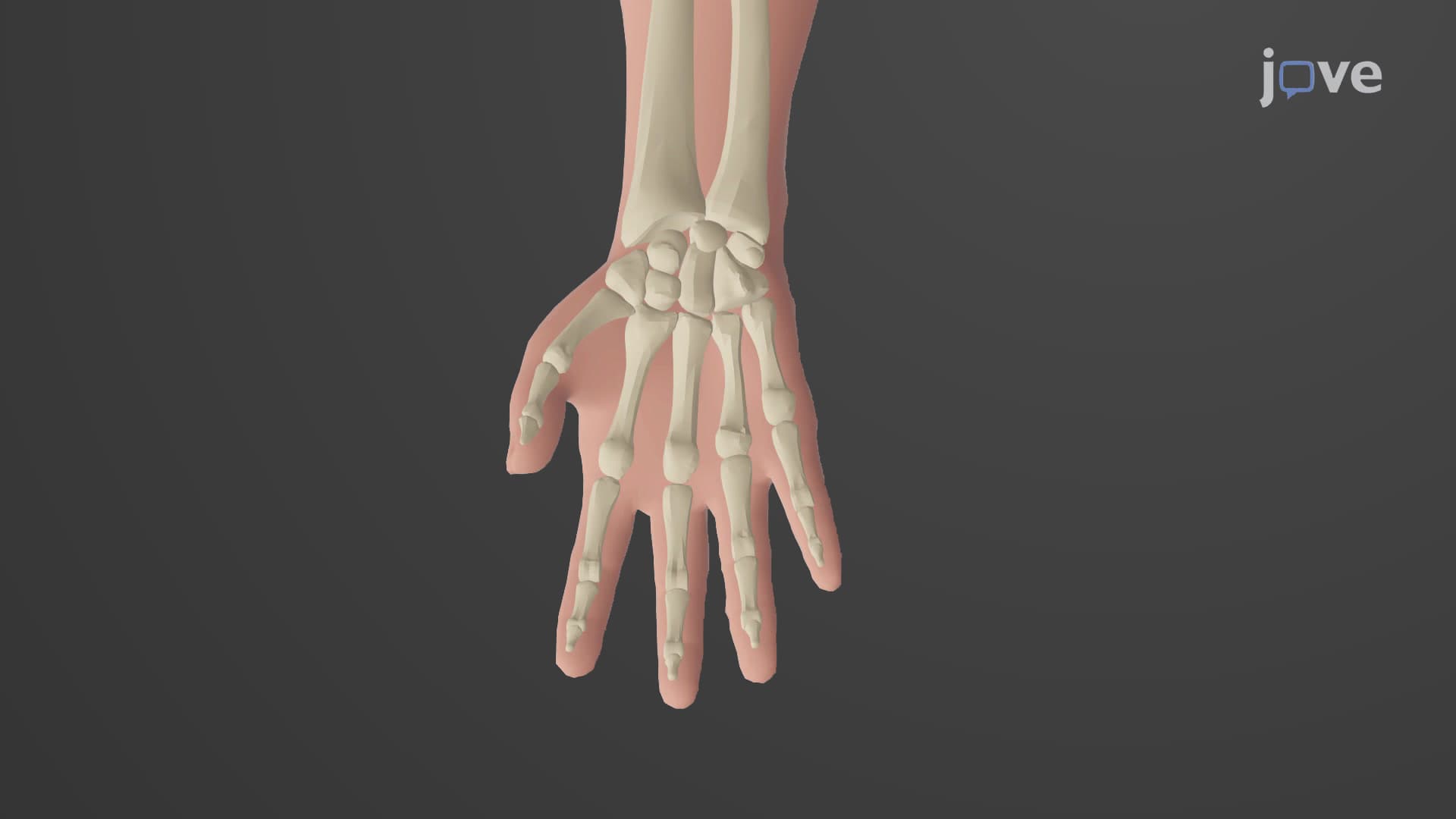
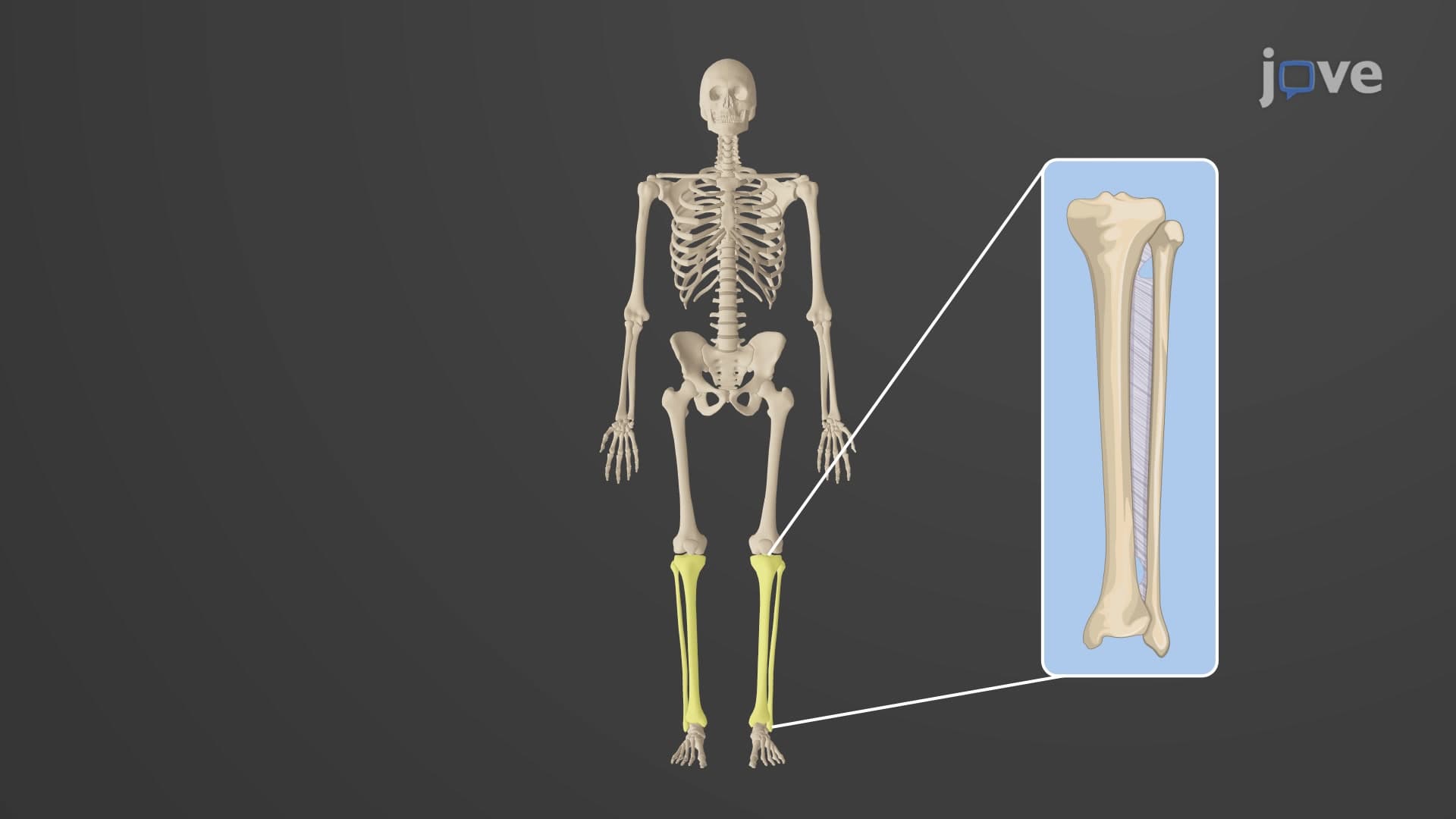
The appendicular skeleton changes biology encompasses a fascinating journey from embryonic development through aging. Unlike the axial skeleton (skull, spine, ribs), the appendicular skeleton—comprising arms, legs, pelvis, and shoulder girdle—undergoes distinct developmental patterns that directly impact human mobility and function.
During the first eight weeks of human development, appendicular skeleton development begins as small tissue projections called limb buds. These structures initially consist entirely of hyaline cartilage, serving as templates for future bones. The transformation process varies significantly between different bones. Most appendicular bones develop through endochondral ossification, where cartilage gradually gets replaced by bone tissue in a highly organized manner.
However, the clavicles (collarbones) represent a unique exception in appendicular skeleton variation explained. These bones develop through intramembranous ossification, forming directly from mesenchymal tissue without a cartilage intermediate. This difference explains why clavicular fractures heal differently than other appendicular bones—a concept frequently tested in medical school anatomy courses and MCAT physiology sections.
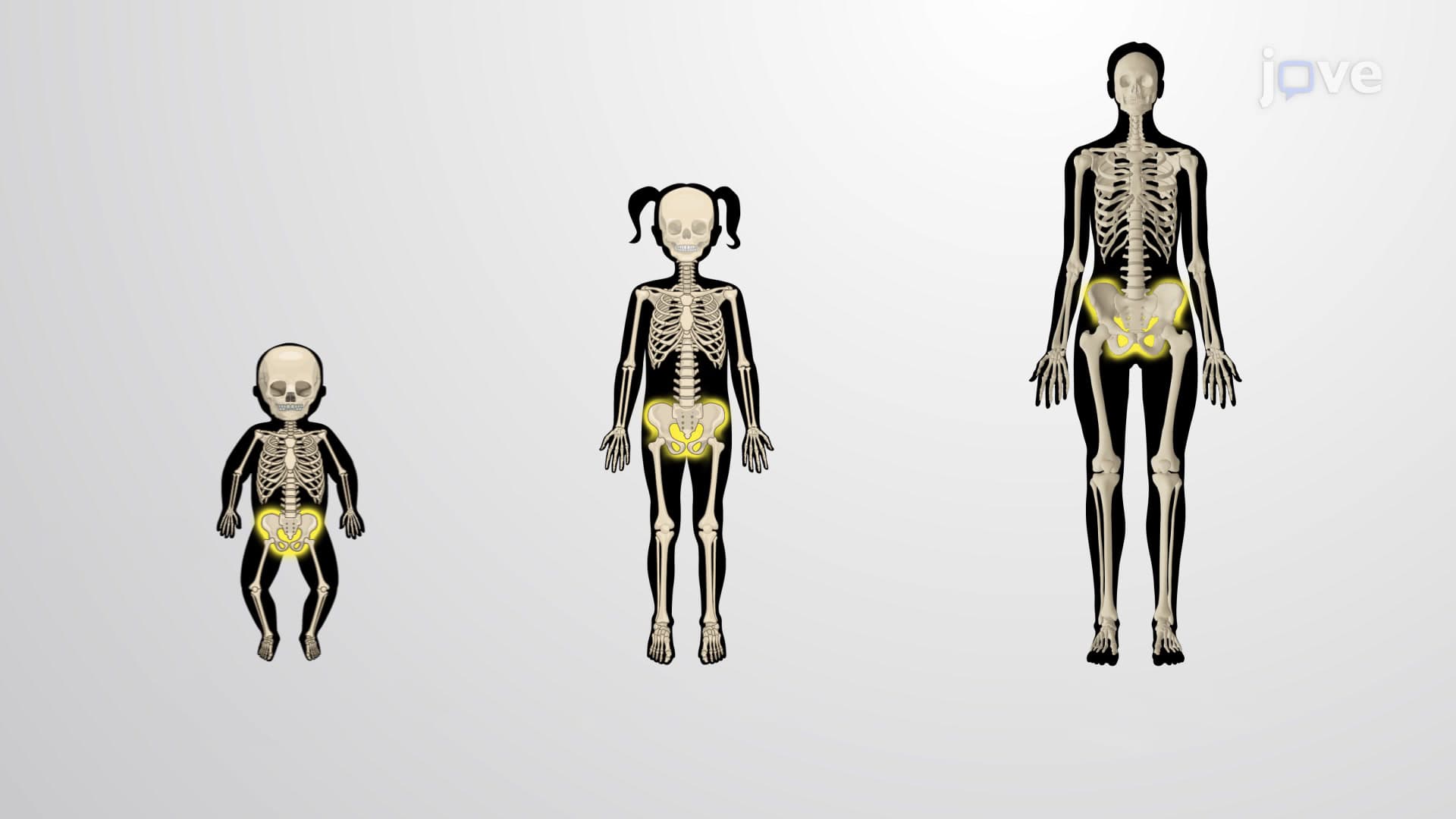
What changes occur in the appendicular skeleton varies dramatically with age and biological sex. During childhood, lower limbs experience rapid growth, achieving proportional balance with the trunk by age ten. This growth surge explains why children often appear "top-heavy" in early years.
Sex differences appendicular skeleton become particularly pronounced during puberty. Female pelvic bones undergo significant broadening to accommodate potential childbearing, with changes continuing until approximately age 25. These modifications involve both increased bone width and altered pelvic angles—concepts crucial for understanding obstetric anatomy in nursing programs and medical school curricula.
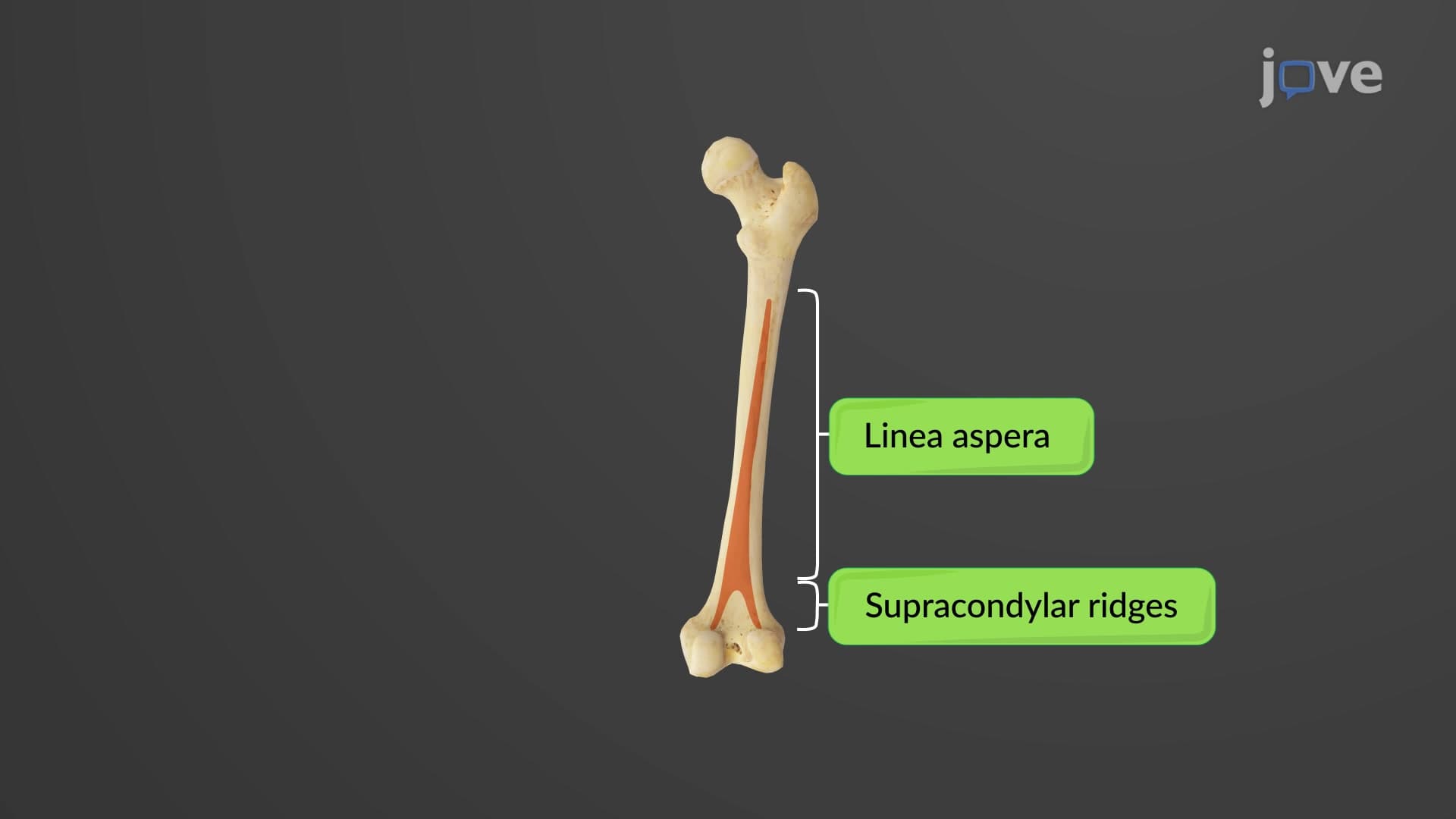
After age 25, healthy individuals maintain bone homeostasis through balanced resorption and deposition. However, aging appendicular changes accelerate after middle age when bone breakdown exceeds formation. This imbalance particularly affects weight-bearing bones like the femur, making the femoral neck a common fracture site in elderly patients—a critical consideration for physical therapy students and healthcare providers.
The limb bone variation observed in aging populations reflects decreased osteoblast activity and increased osteoclast function, processes frequently examined in biochemistry courses and tested on standardized exams like the USMLE Step 1.
Frequently Asked Questions
The appendicular skeleton includes all limb bones, shoulder girdle, and pelvis, undergoing continuous changes from embryonic cartilage formation through adult bone remodeling. During development, most bones form through endochondral ossification, while aging brings increased fracture risk due to imbalanced bone resorption and formation rates.
MCAT biology sections frequently test endochondral vs. intramembranous ossification differences, particularly why clavicles develop differently from other appendicular bones. Expect questions linking bone development to hormonal regulation, growth factors, and cellular mechanisms of osteoblast and osteoclast function.
AP Biology emphasizes the molecular basis of bone formation, including signaling pathways controlling limb bud development and ossification processes. Students should understand how growth factors like BMPs (bone morphogenetic proteins) regulate skeletal development and the relationship between bone remodeling and calcium homeostasis.
College athletes experience enhanced bone density in weight-bearing appendicular bones due to mechanical stress, following Wolff's Law. However, female athletes may face unique challenges like the female athlete triad, where inadequate nutrition affects bone formation, particularly impacting appendicular skeleton health during peak bone-building years.
Not at all! While the terminology seems complex, the concepts build logically from basic cell biology principles you already know. Focus on understanding the timeline: embryonic cartilage → childhood growth → adult stability → aging changes, and you'll master the fundamentals needed for advanced courses.
Create timeline charts showing development from limb buds through aging, emphasizing key transition points like puberty and middle age. Use active recall by drawing and labeling bone development stages, and connect concepts to clinical examples like osteoporosis prevention and fracture healing mechanisms.
Understanding these changes is fundamental for PT programs and licensure exams like the NPTE. You'll apply this knowledge when treating pediatric growth disorders, adult sports injuries, and geriatric fracture rehabilitation, making it essential for evidence-based treatment planning.
After mastering basic developmental changes, investigate molecular signaling pathways controlling bone formation, particularly Wnt, BMP, and FGF signaling cascades. Explore epigenetic factors influencing bone development and the emerging field of mechanobiology in skeletal adaptation.
Related Micro-courses
Related Subjects
 Medical-Surgical Nursing 28 micro-courses›
 Nursing 14 micro-courses›