- Anatomy and Physiology
- Muscle Tissue
Micro-courses:31

Muscle Tissue
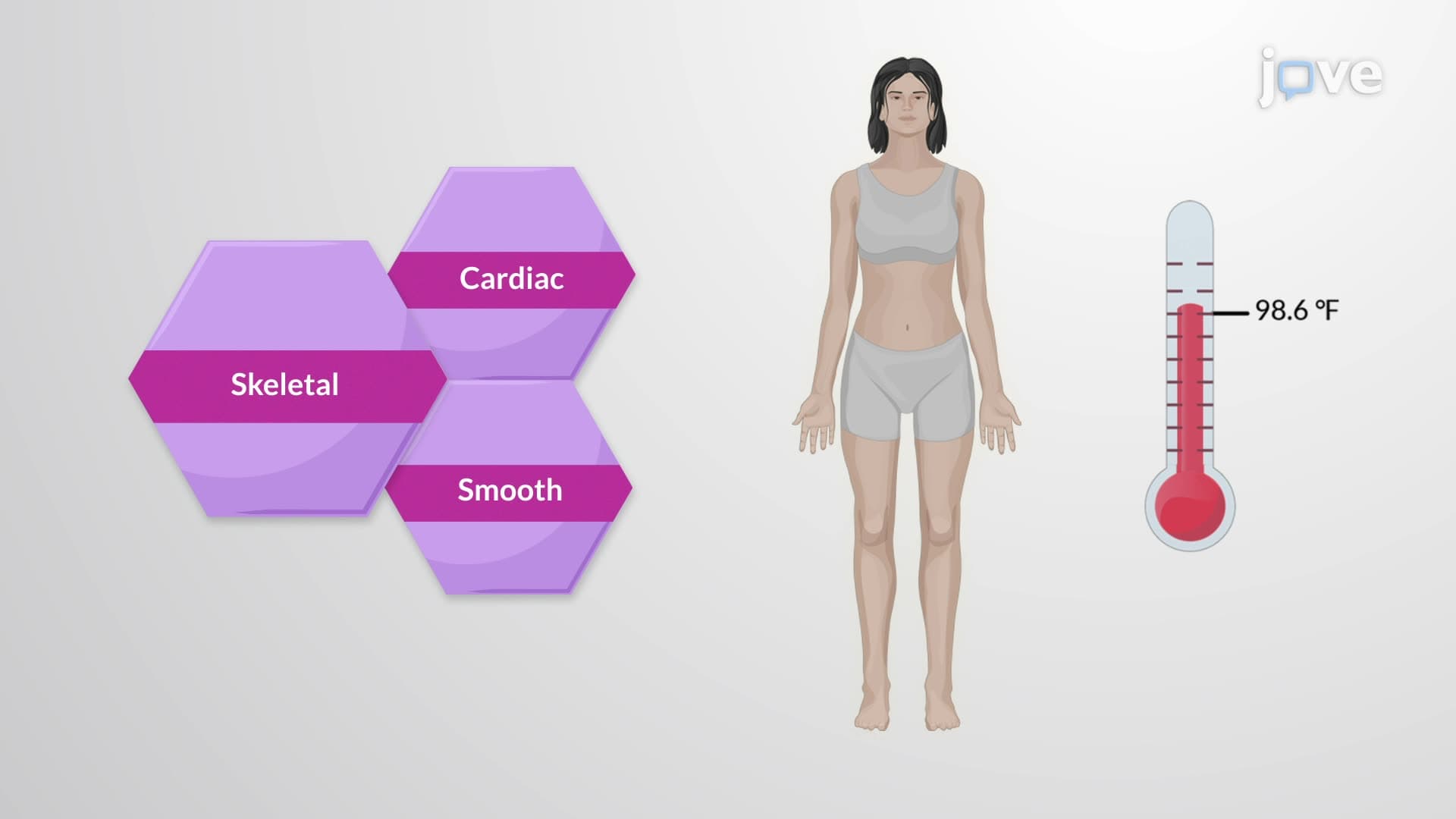
1. Overview of Muscle Tissues
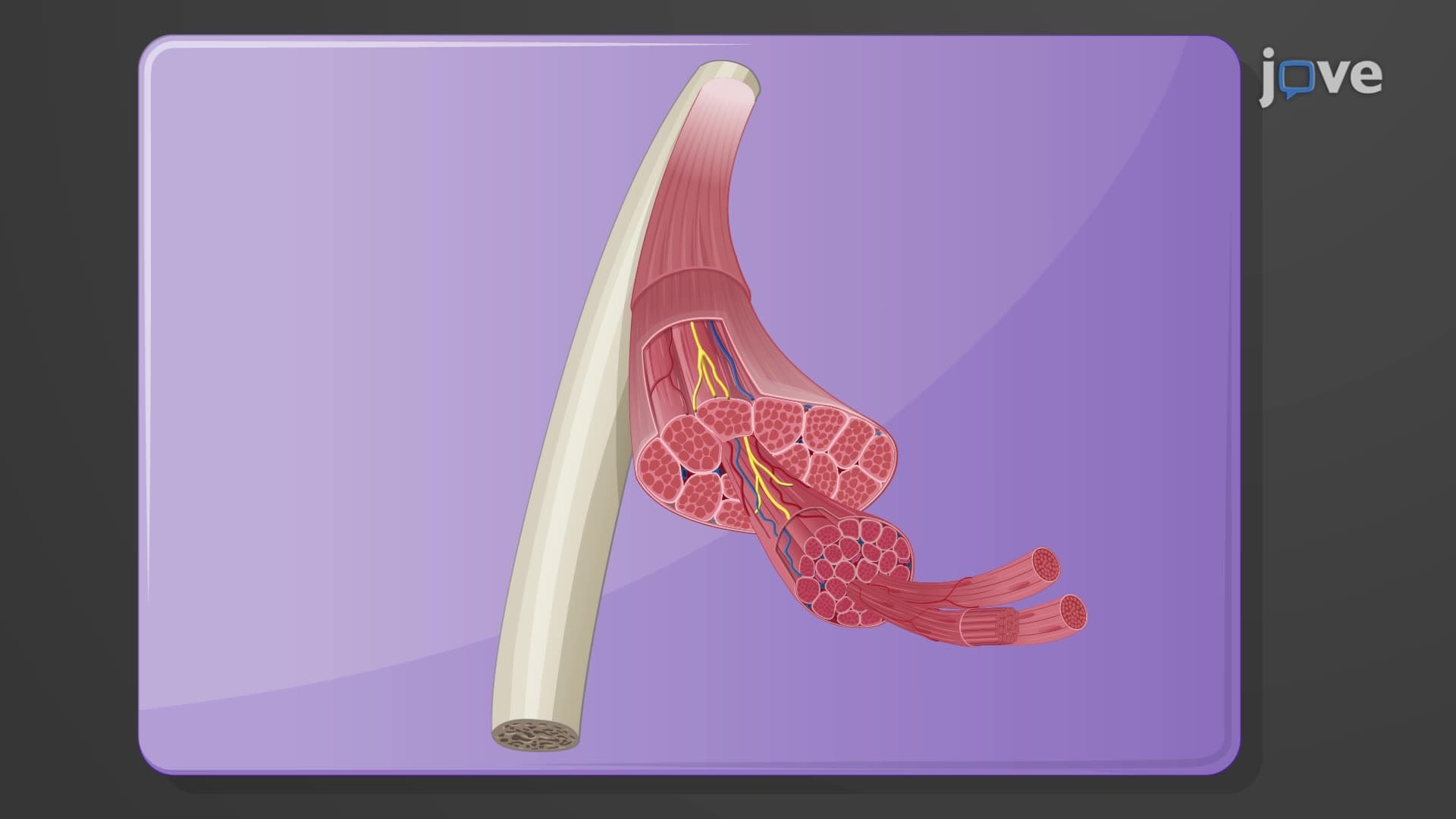
2. Gross Anatomy of Skeletal Muscles
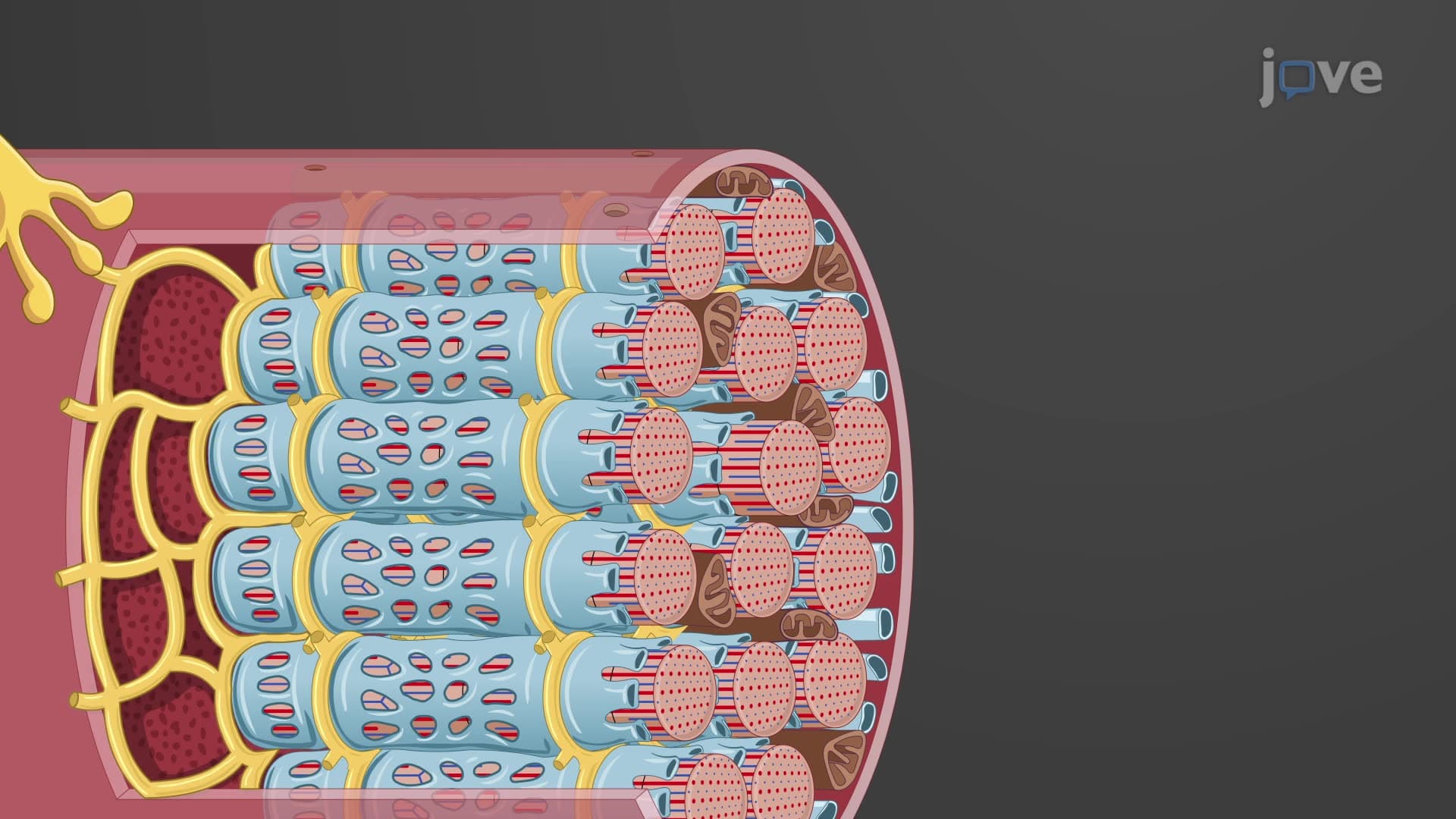
3. Microscopic Anatomy of Skeletal Muscles
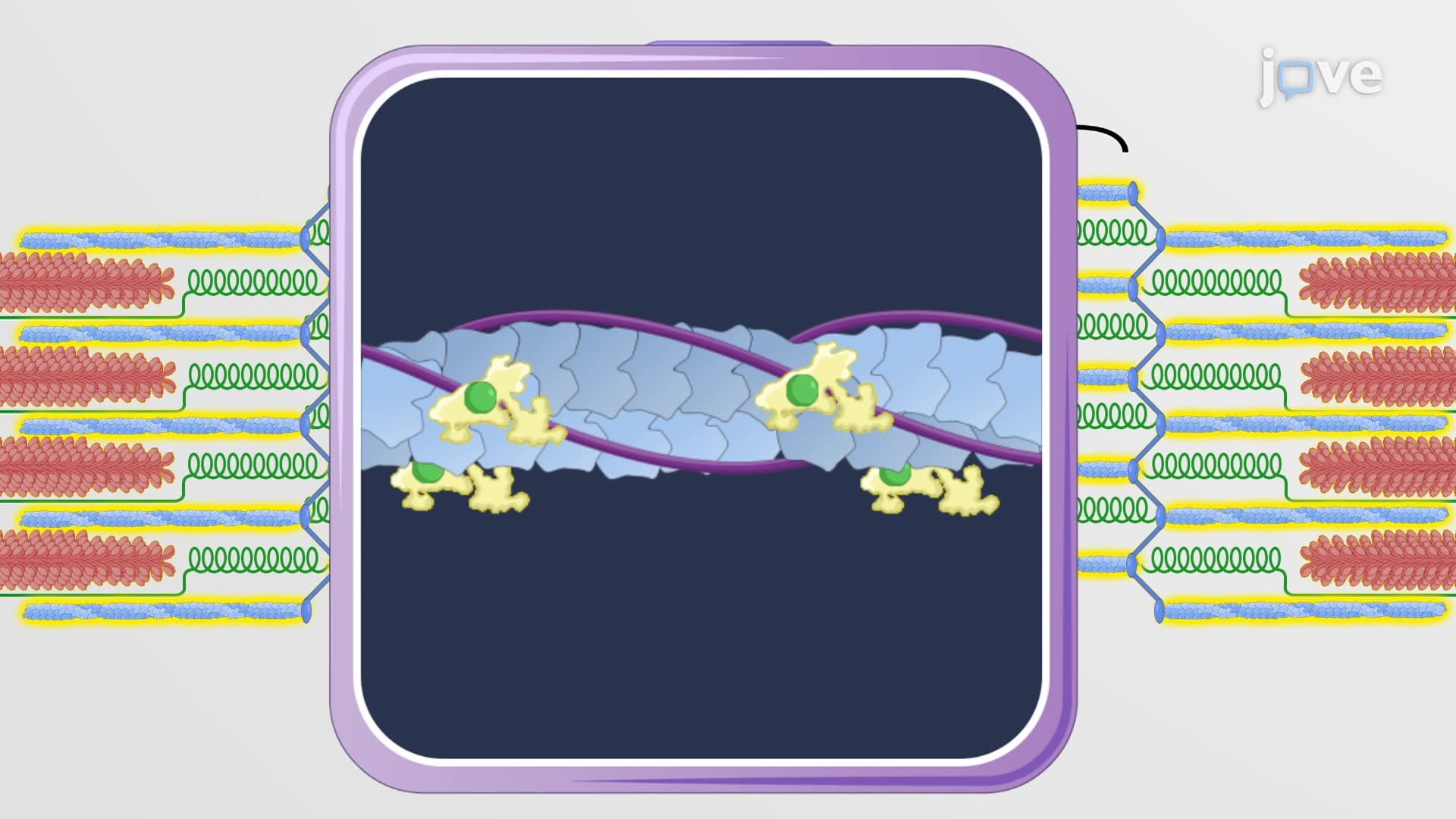
4. The Sarcomere
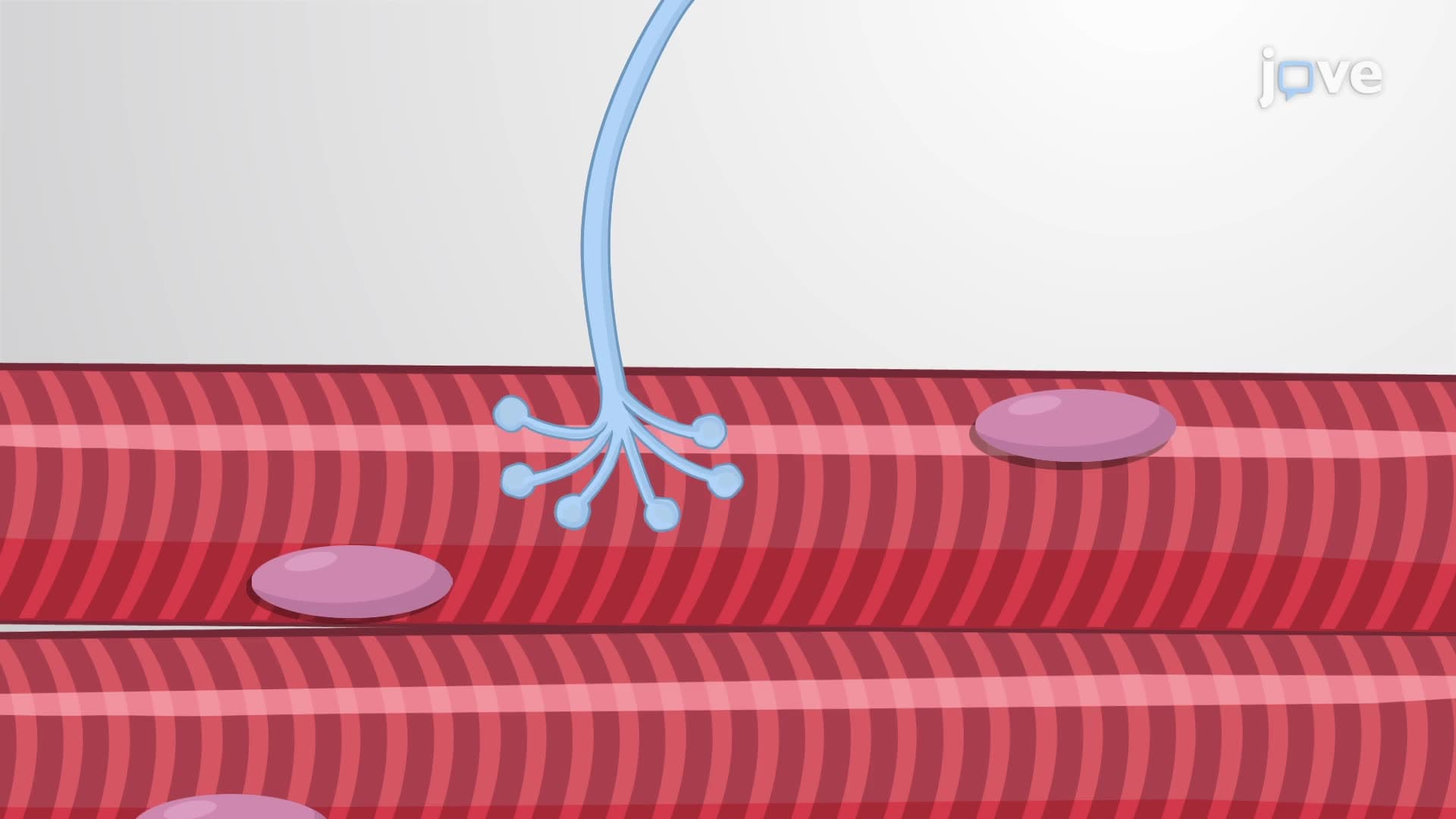
5. The Neuromuscular Junction
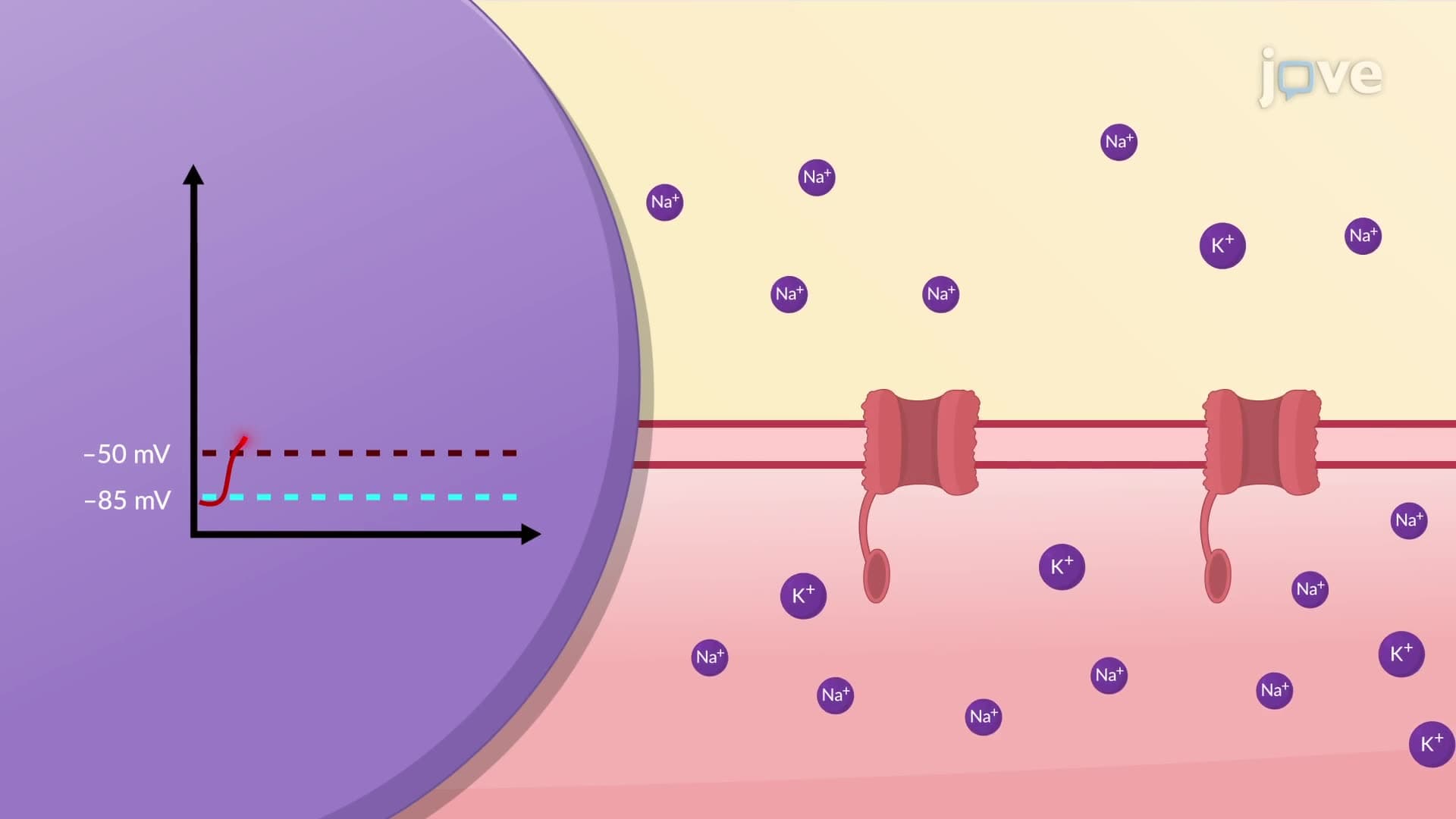
6. Generation of Action Potential in Skeletal Muscles
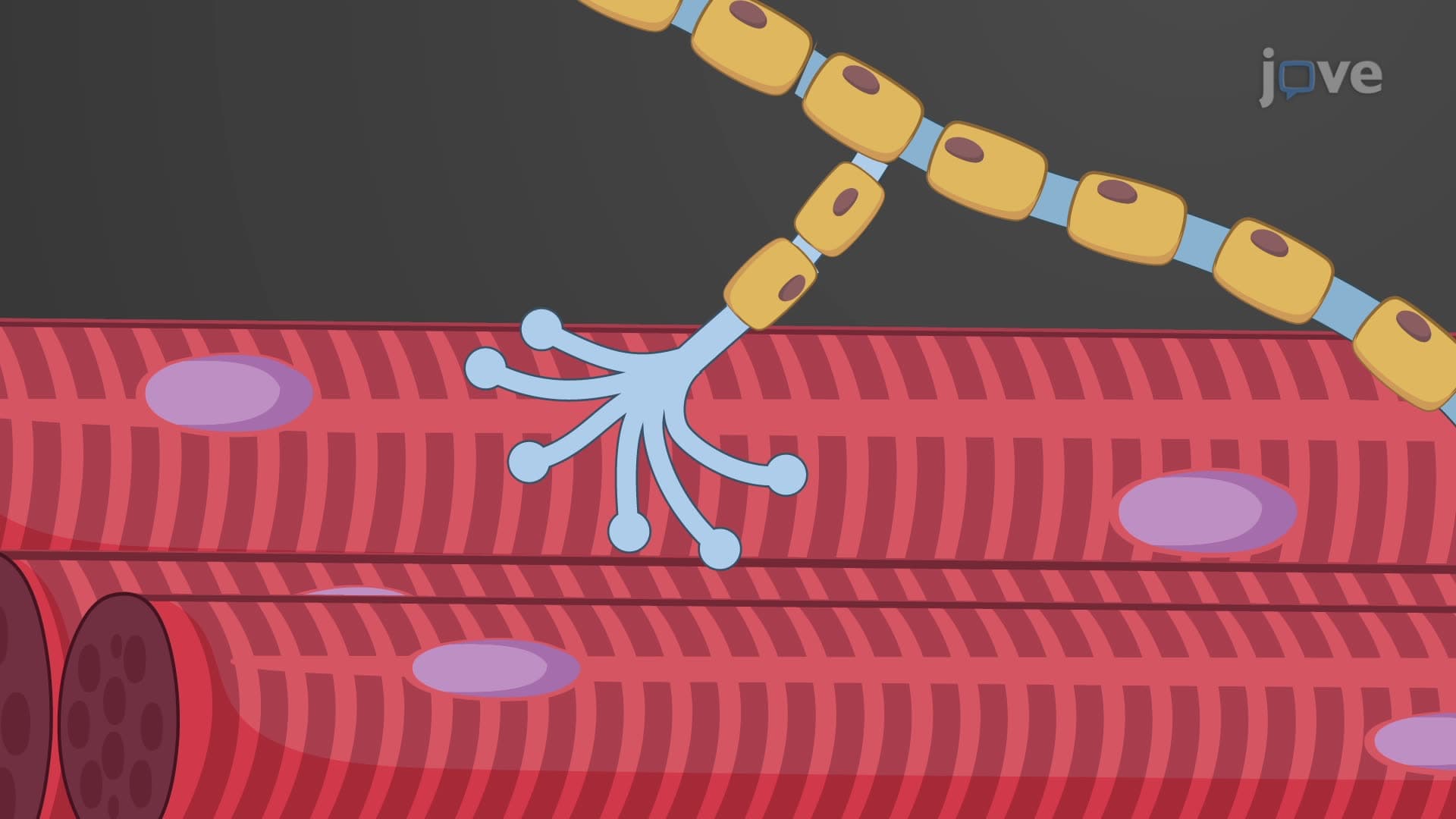
7. Excitation-Contraction Coupling in Skeletal Muscles
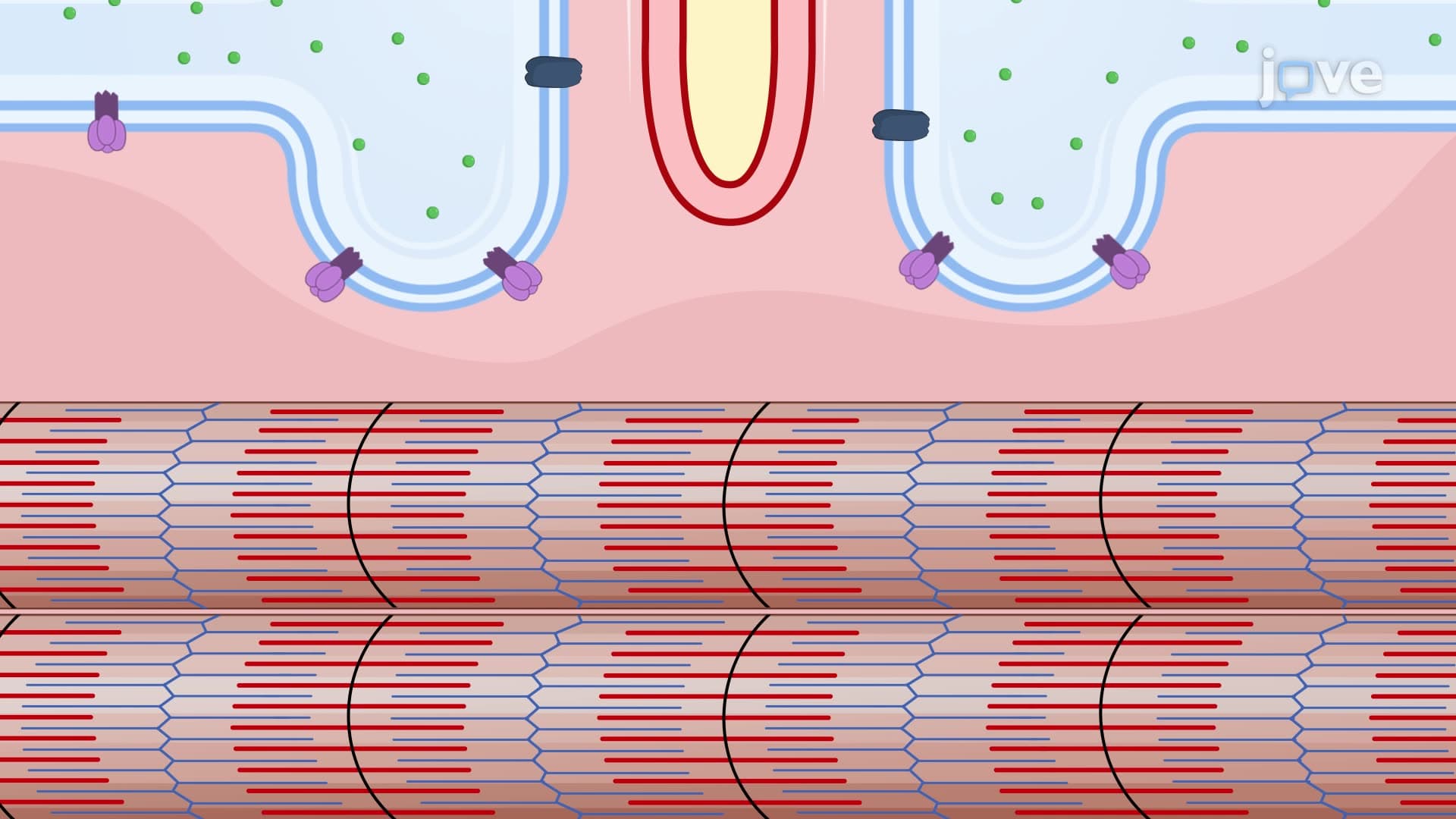
8. Relaxation of Skeletal Muscles
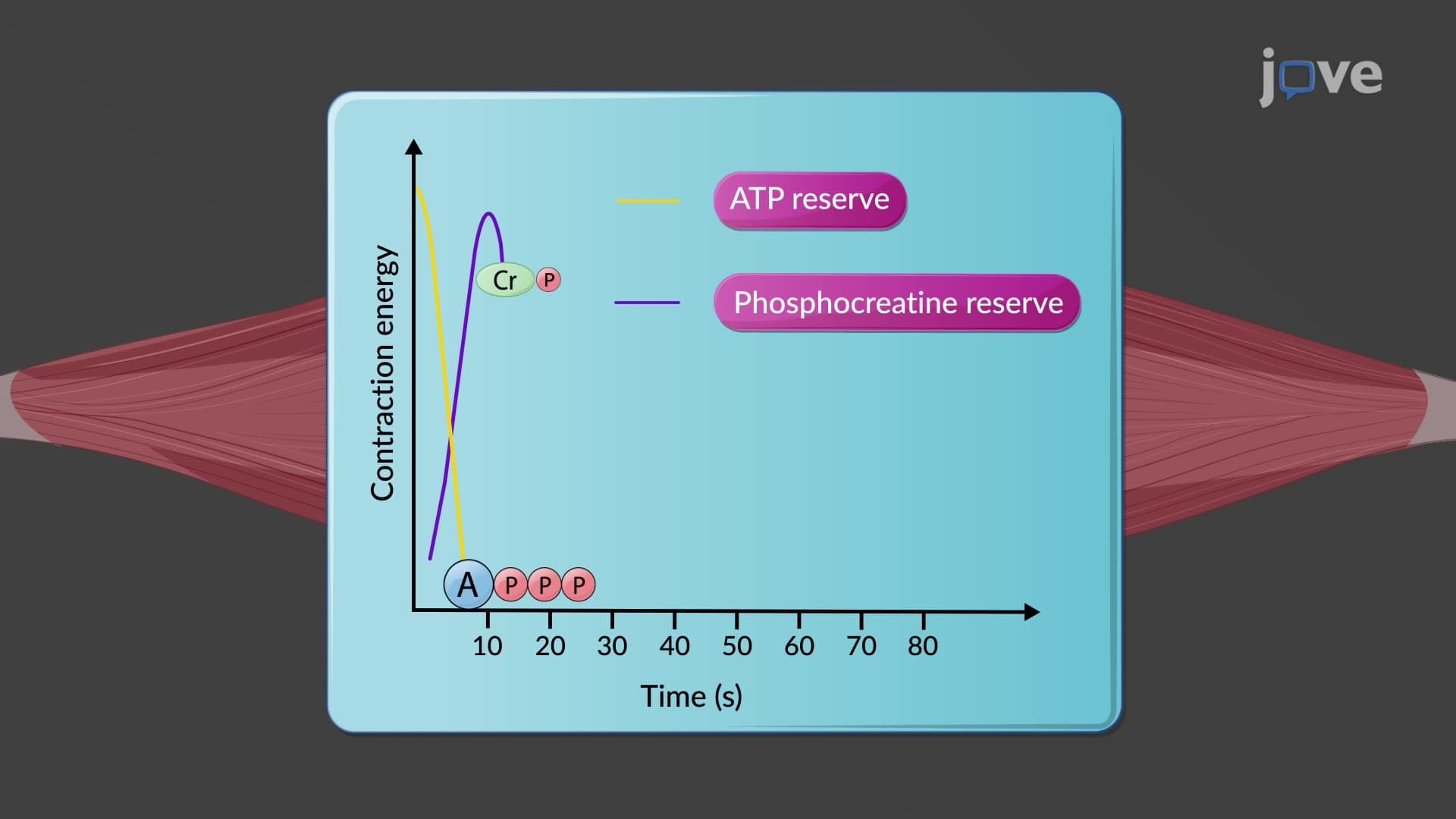
9. Energy Supply for Muscle Contraction
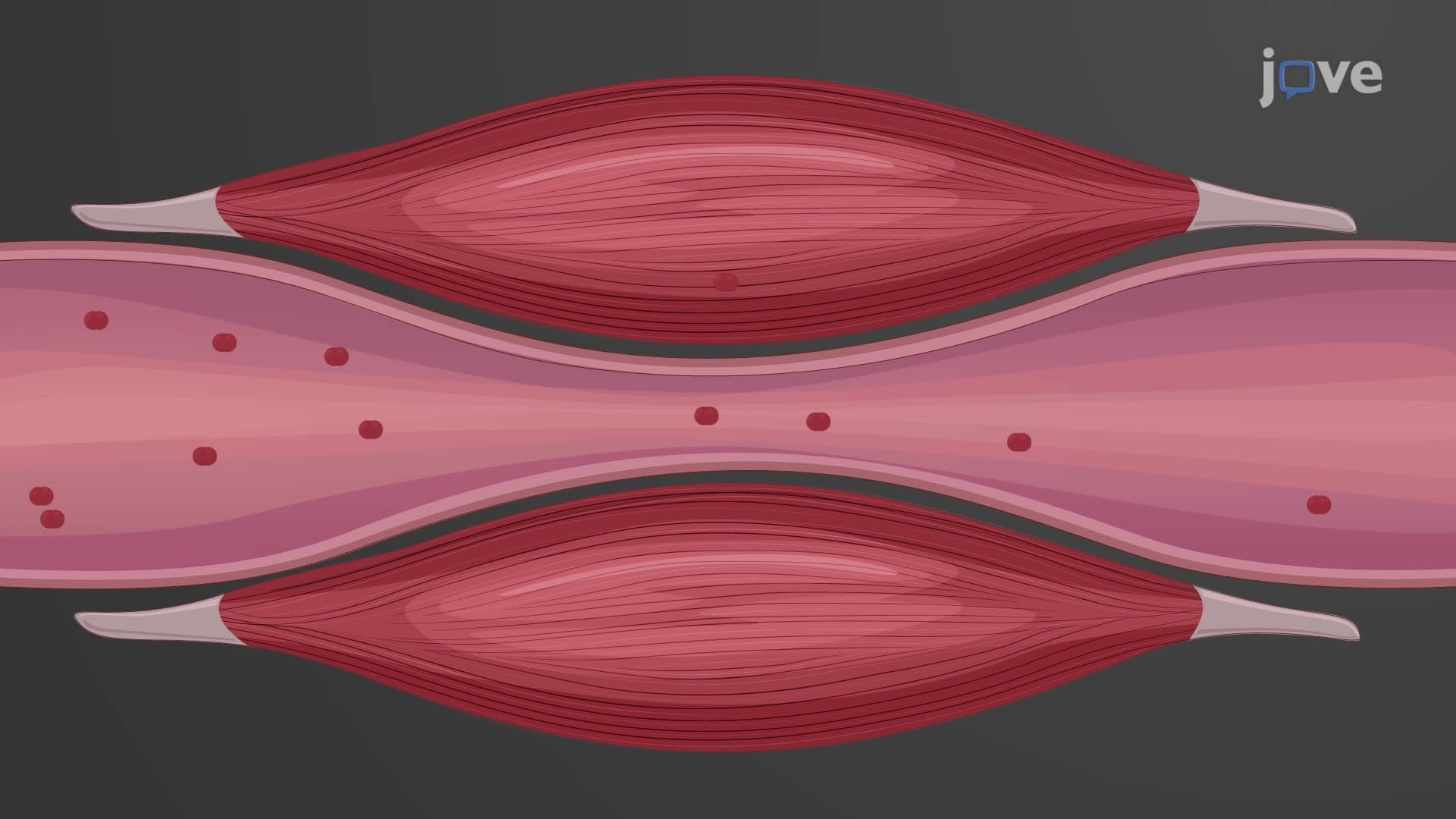
10. Muscle Recovery and Fatigue
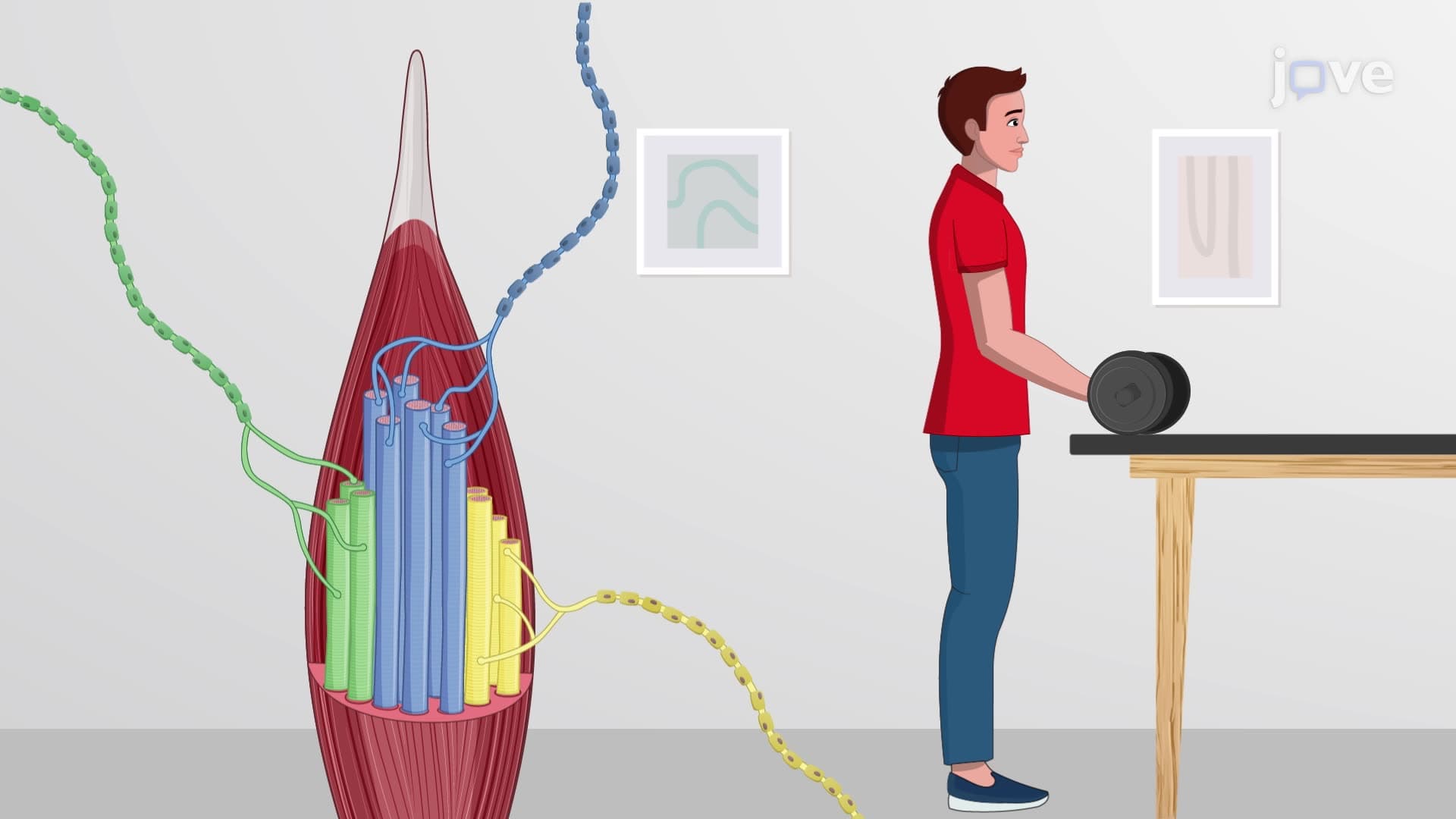
11. Motor Units
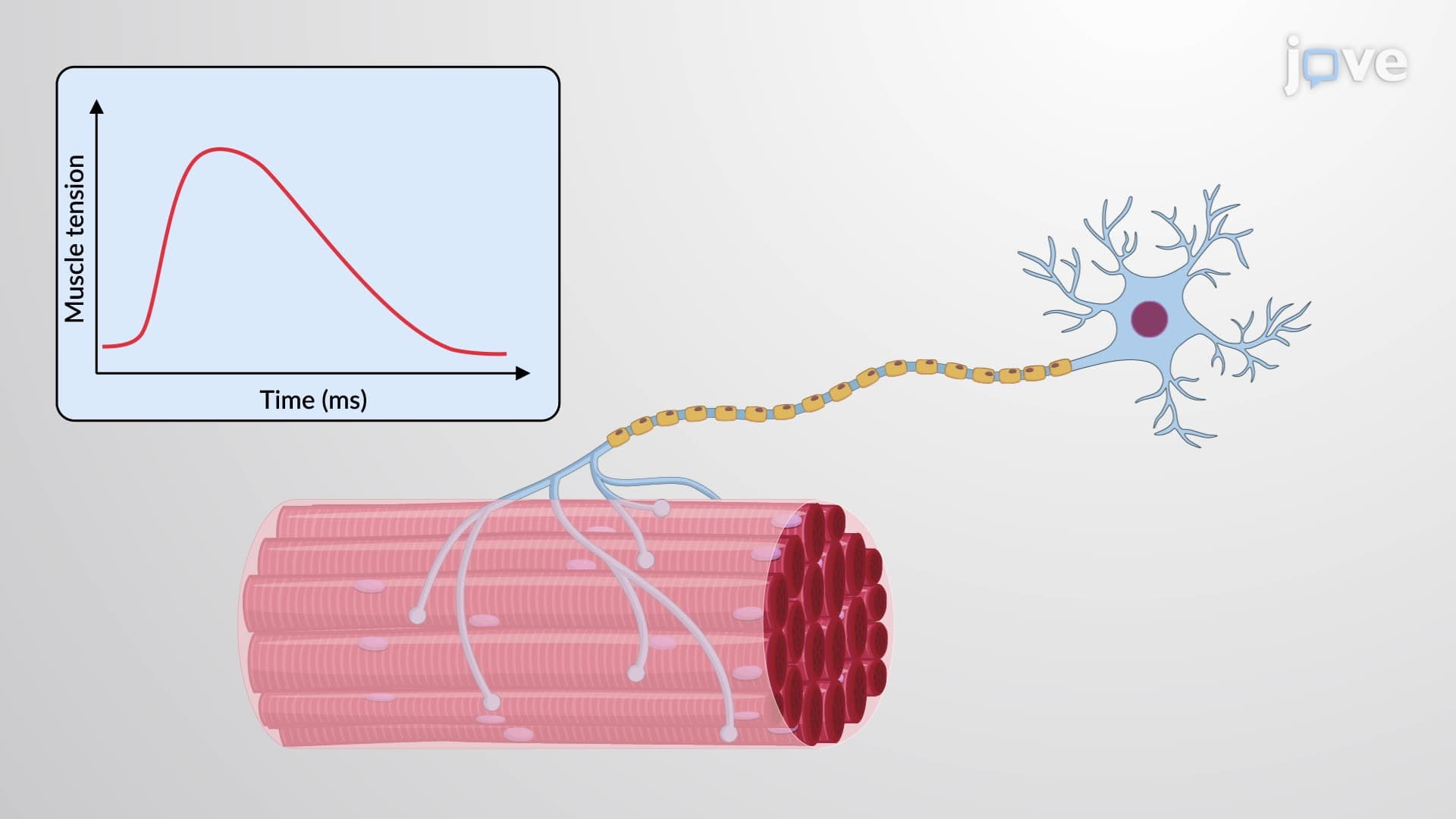
12. Motor Unit Stimulation
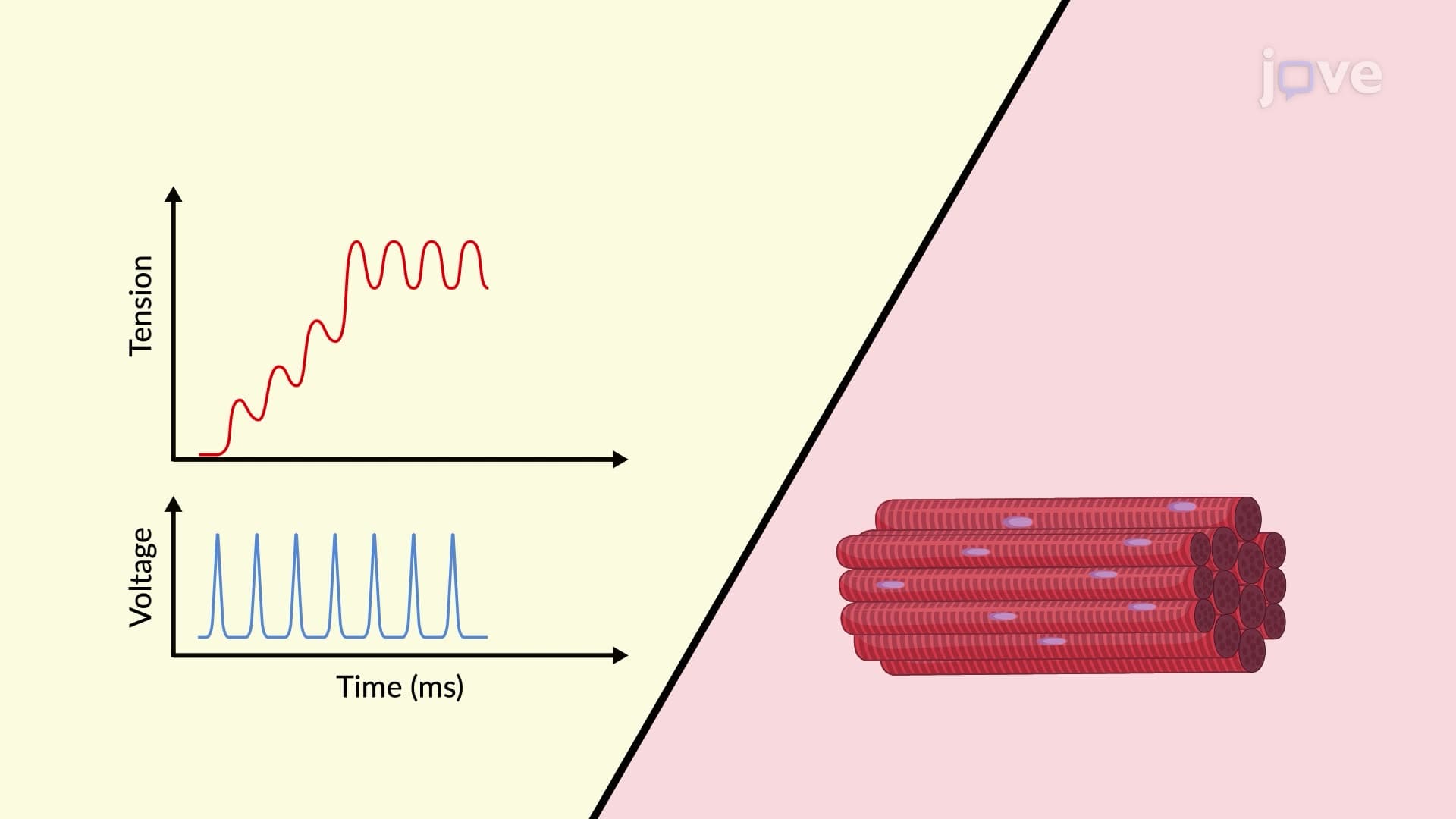
13. Muscle Stimulation Frequency
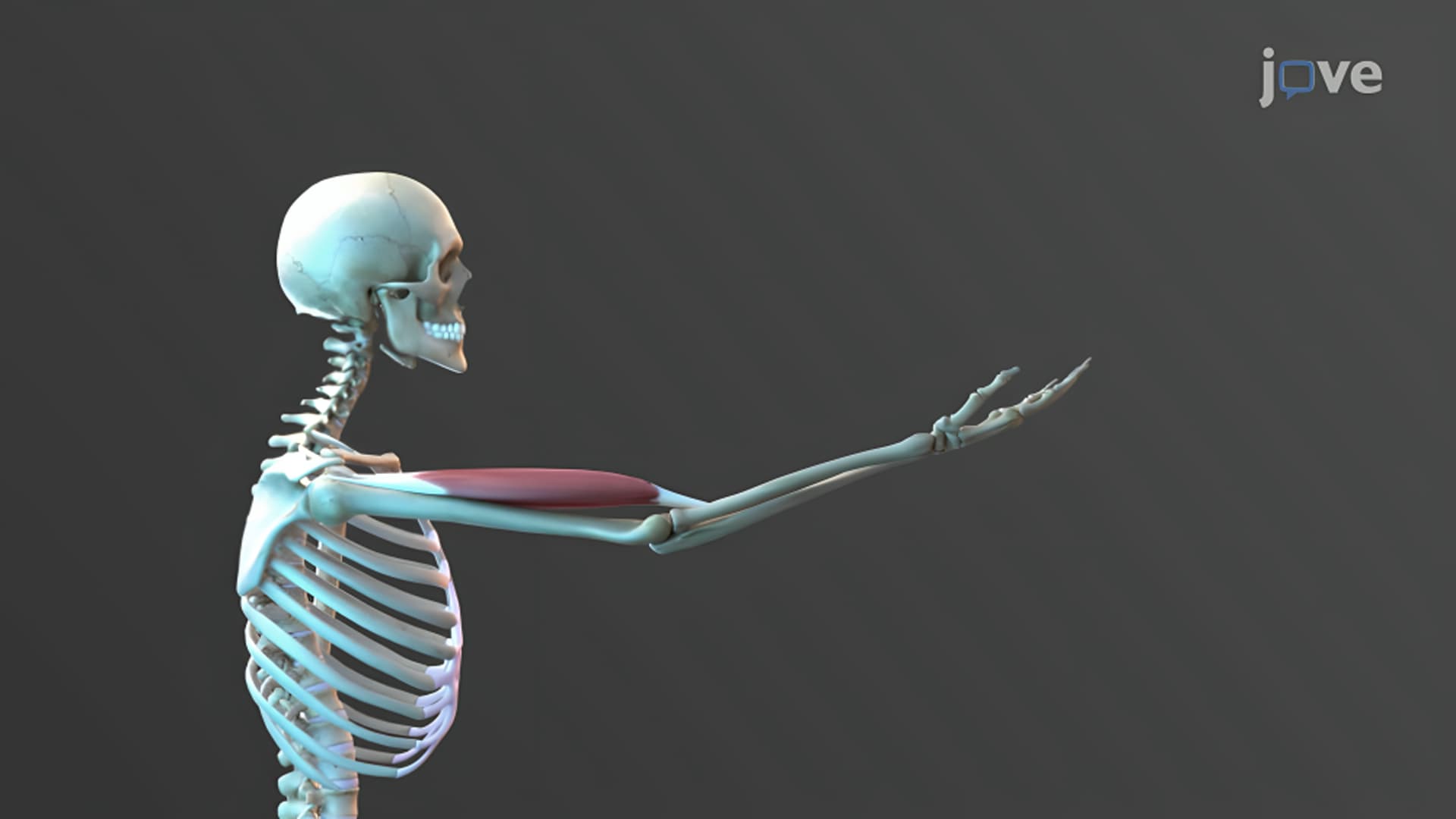
14. Isotonic and Isometric Muscle Contractions
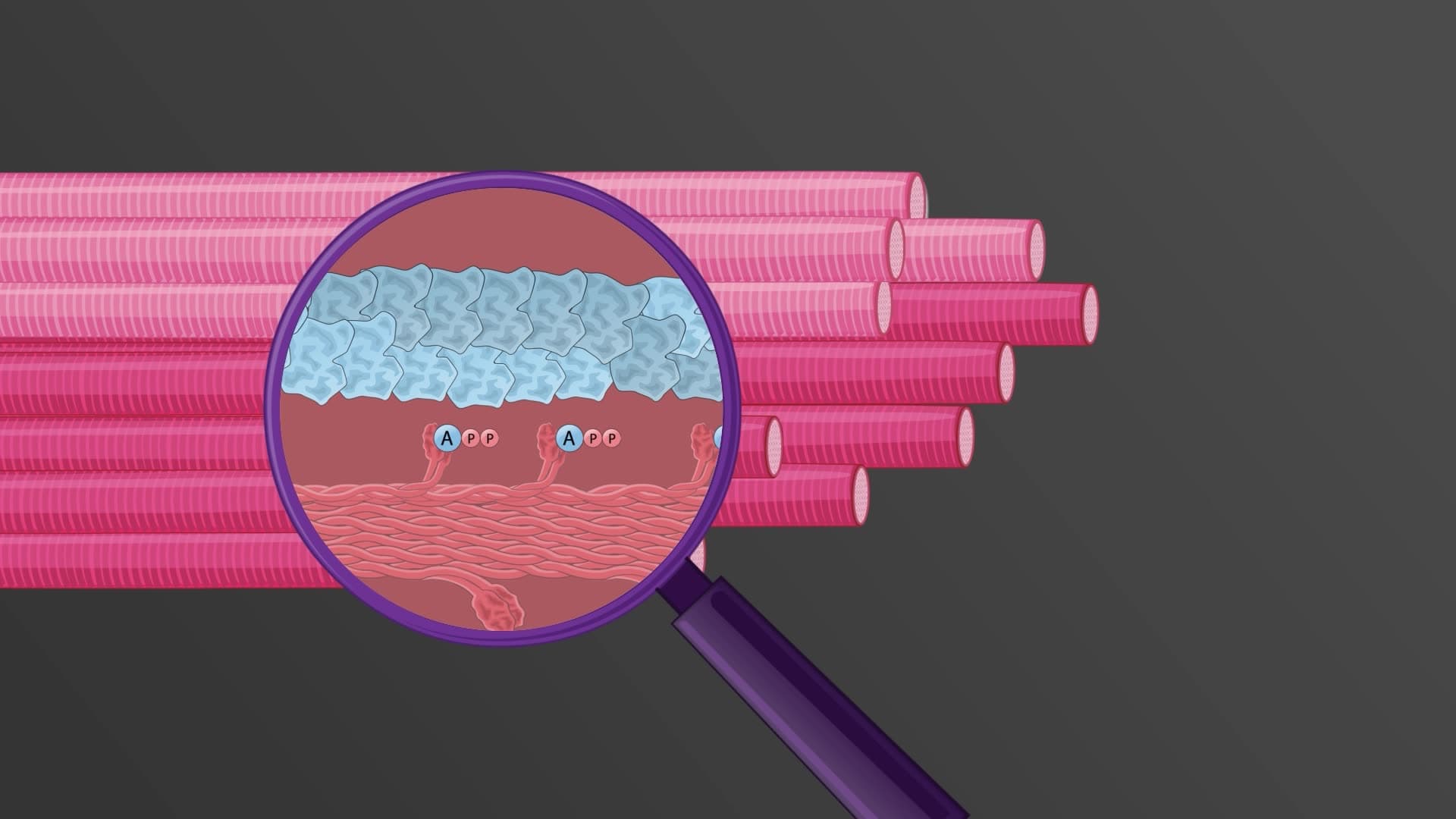
15. Types of Skeletal Muscle Fibers
16. Disorders of the Skeletal Muscle
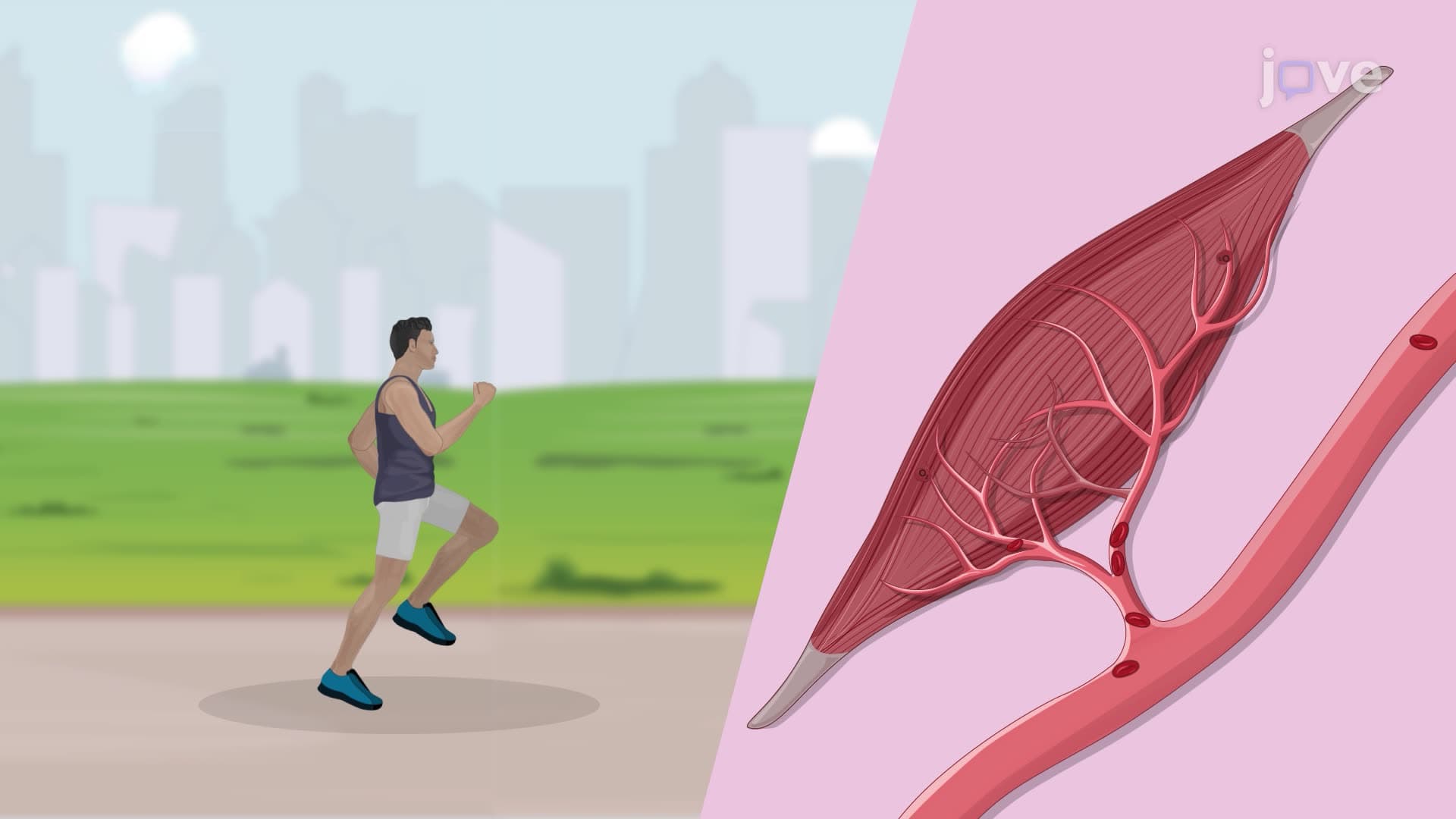
17. Exercise and Muscle Performance
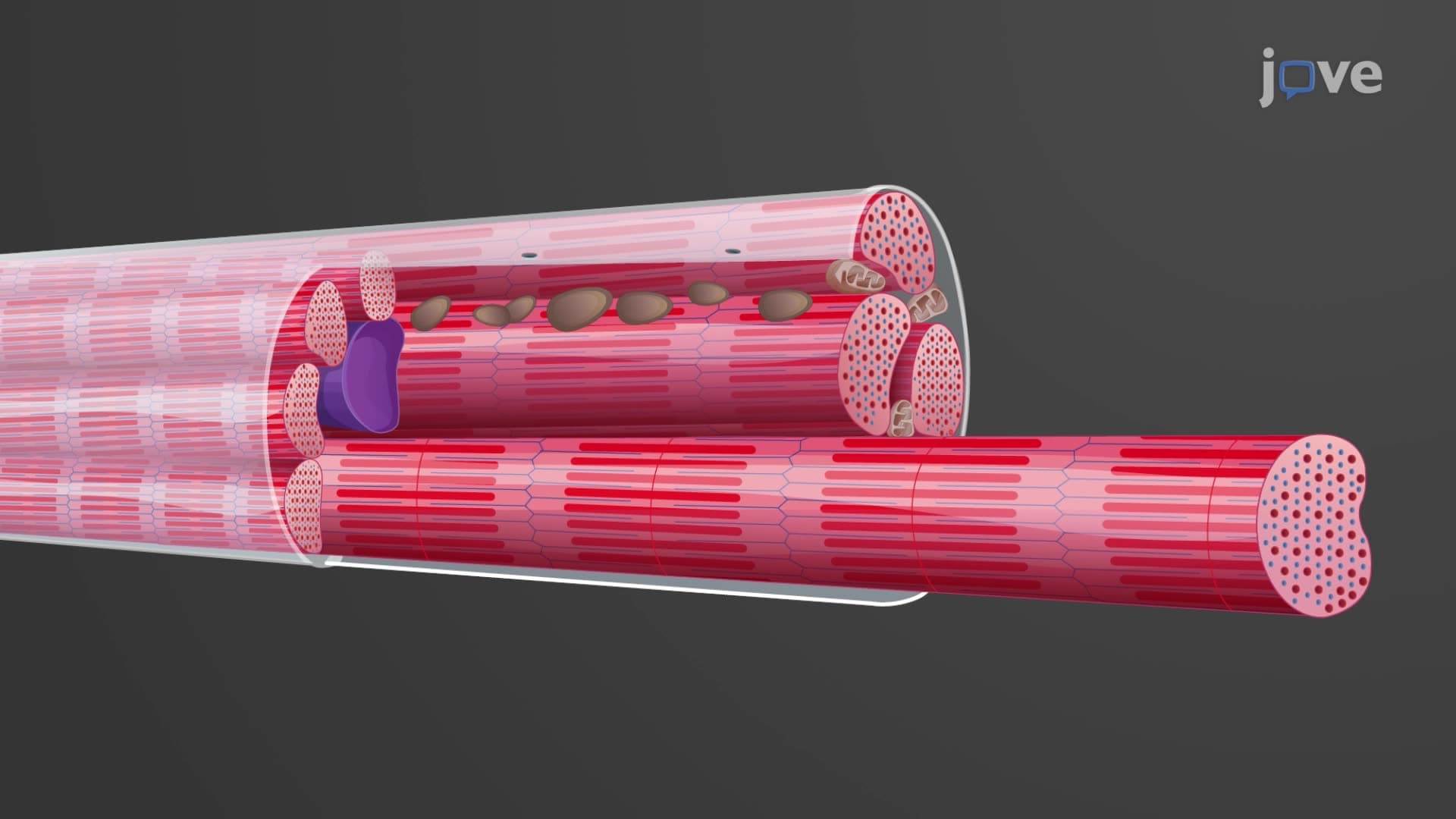
18. Structure of Cardiac Muscles
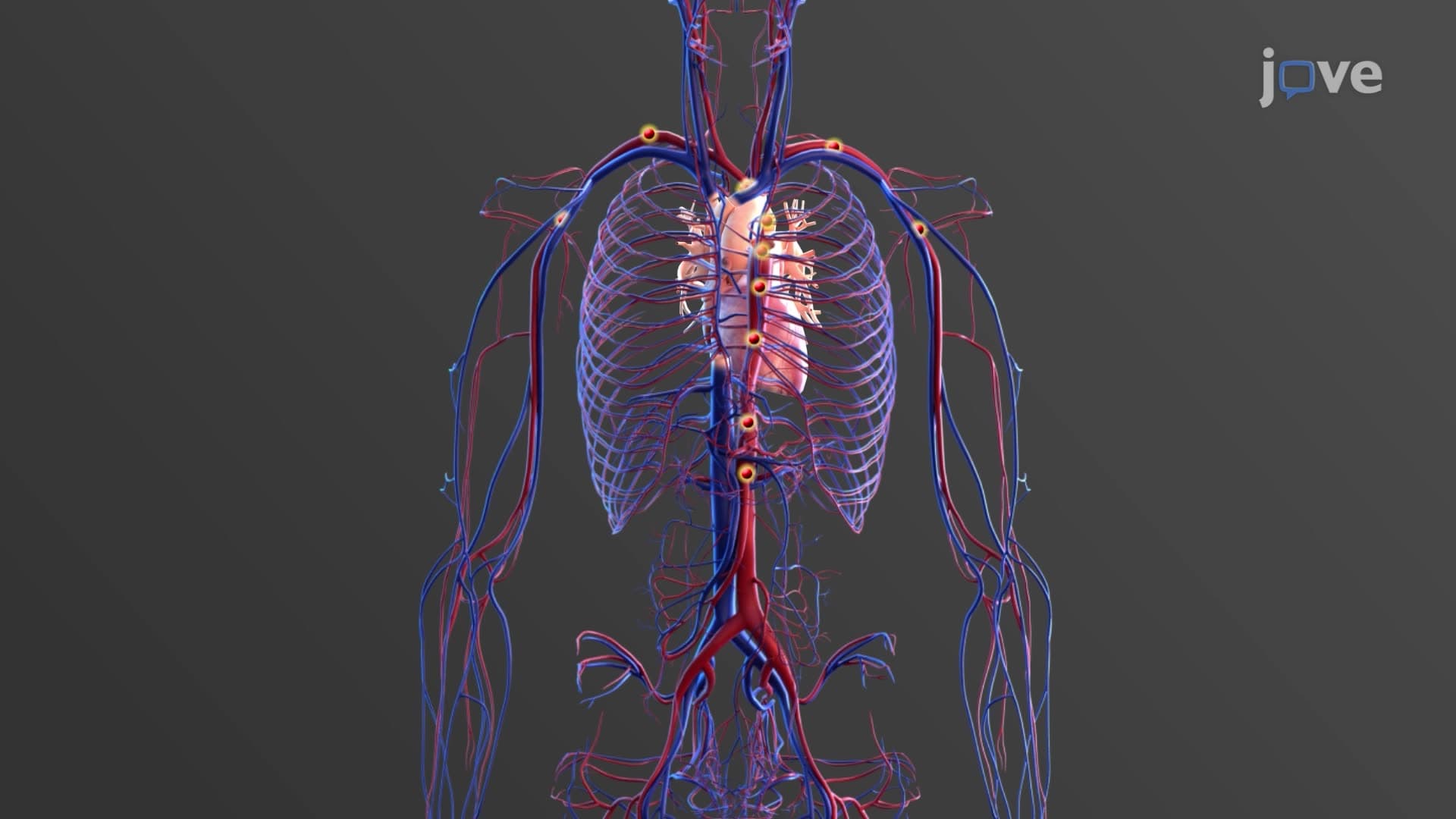
19. Specialized Characteristics of Cardiac Muscles
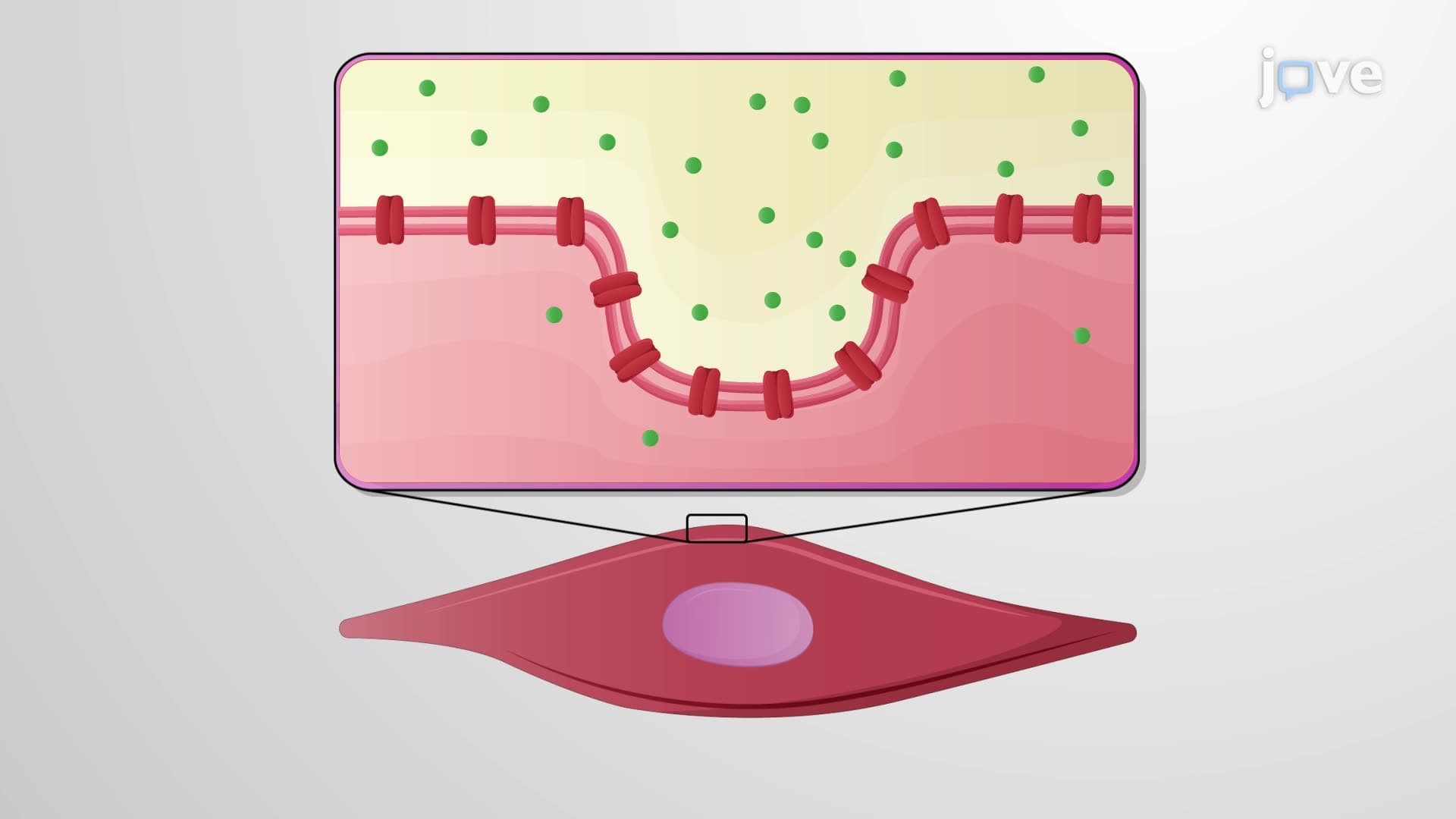
20. Structure and Organization of Smooth Muscles

21. Smooth Muscle Contraction
22. Functions of Smooth Muscles
Muscle tissue represents one of the four fundamental tissue types in the human body, comprising specialized cells capable of contraction to enable movement, maintain posture, and support vital physiological functions. This comprehensive course examines the three distinct types of muscle tissue—skeletal, cardiac, and smooth muscle—exploring their unique structural characteristics, molecular mechanisms of contraction, and clinical significance. From the intricate sarcomere structure of skeletal muscle to the autorhythmic properties of cardiac tissue, students will master the complex interactions between myosin, actin, and regulatory proteins that drive muscle function through JoVE Coach's systematic approach.
- Understand the three types of muscle tissue and their distinguishing structural and functional characteristics
- Analyze the hierarchical organization of skeletal muscle from gross anatomy to molecular components
- Explore sarcomere structure and the sliding filament mechanism of muscle contraction
- Learn the process of excitation-contraction coupling and neuromuscular junction function
- Identify different skeletal muscle fiber types and their metabolic properties
- Understand cardiac muscle's specialized features including intercalated discs and autorhythmicity
- Examine smooth muscle organization and calcium-mediated contraction mechanisms
- Apply knowledge of muscle physiology to clinical disorders and exercise performance
1. Muscle Tissue Classification and General Properties The human body contains three distinct types of muscle tissue, each specialized for specific functions. Skeletal muscle tissue enables voluntary movement and posture maintenance through striated, multinucleated fibers attached to bones via tendons. Cardiac muscle tissue, found exclusively in the heart, displays striations but functions involuntarily with autorhythmic contractions to pump blood throughout the cardiovascular system. Smooth muscle tissue lines hollow organs and blood vessels, exhibiting non-striated appearance and involuntary contractions that control substance passage through body systems. All muscle types contribute to thermoregulation through heat generation during contraction, with skeletal muscle providing the most significant contribution to maintaining normal body temperature of 98.6°F.
2. Skeletal Muscle Gross Anatomy and Connective Tissue Organization Skeletal muscles exhibit a highly organized structure with three distinct connective tissue layers that provide support, protection, and force transmission. The epimysium surrounds the entire muscle, while the perimysium groups muscle fibers into fascicles, and the endomysium wraps individual muscle fibers. These continuous connective tissue sheaths extend beyond the muscle to form tendons (rope-like structures) or aponeuroses (sheet-like structures) that attach muscles to bones. During contraction, force generated by muscle fibers transmits through these connective tissue layers to move skeletal structures. This organization is clearly demonstrated in muscles like the biceps brachii, where the tendon attachment to the radius bone enables forearm flexion during activities such as lifting weights or performing pull-ups in American fitness centers.
3. Sarcomere Structure and Sliding Filament Mechanism The sarcomere represents the fundamental contractile unit of striated muscle, containing precisely arranged thick (myosin) and thin (actin, troponin, tropomyosin) filaments. The characteristic banding pattern includes the A band (containing myosin), I band (containing only actin), H zone (myosin only), and Z-discs (sarcomere boundaries). Titin proteins provide elasticity and anchor thick filaments, while the M line connects adjacent myosin filaments. During contraction, myosin heads bind to actin filaments in the presence of calcium ions, forming cross-bridges that use ATP hydrolysis to slide filaments past each other. This sliding mechanism shortens sarcomeres without changing individual filament lengths, generating the force necessary for muscle contraction. Understanding this mechanism is crucial for MCAT questions about muscle physiology and ATP utilization in cellular processes.
4. Neuromuscular Junction and Action Potential Generation The neuromuscular junction represents a specialized synapse where somatic motor neurons communicate with skeletal muscle fibers through acetylcholine release. Motor neurons originating in the spinal cord extend axons that branch to innervate multiple muscle fibers, with synaptic end bulbs releasing acetylcholine into the synaptic cleft. When acetylcholine binds to nicotinic receptors on the motor end plate, sodium ion influx causes local depolarization. If the threshold potential (-50 to -55 mV) is reached, voltage-gated sodium channels open, generating an action potential that propagates along the entire muscle fiber. This electrical signal initiates the contraction process, demonstrating the integration of nervous and muscular systems. Disruption of this process occurs in conditions like myasthenia gravis, commonly tested on USMLE examinations.
5. Excitation-Contraction Coupling and Calcium Regulation Excitation-contraction coupling links electrical stimulation to mechanical contraction through calcium ion regulation within muscle fibers. Action potentials traveling along T-tubules trigger calcium release from the sarcoplasmic reticulum into the sarcoplasm. Calcium ions bind to troponin, causing tropomyosin to shift and expose myosin-binding sites on actin filaments. This enables cross-bridge formation and subsequent muscle contraction through the sliding filament mechanism. During relaxation, calcium ATPase pumps actively transport calcium back into the sarcoplasmic reticulum, allowing tropomyosin to block binding sites and terminate contraction. This process requires significant ATP expenditure, explaining why muscle fatigue occurs during prolonged exercise sessions common in American high school and college athletics programs.
6. Energy Metabolism and Muscle Fatigue Muscle contraction demands enormous ATP quantities, supplied through three distinct pathways: phosphocreatine system, aerobic respiration, and anaerobic glycolysis. The phosphocreatine system provides immediate energy for initial seconds of contraction, utilizing creatine kinase to transfer phosphate groups from phosphocreatine to ADP. Aerobic respiration in mitochondria produces abundant ATP when oxygen supply is adequate, breaking down glucose and fatty acids completely. During intense exercise when oxygen becomes limiting, anaerobic glycolysis provides rapid ATP production but generates lactic acid as a byproduct. Lactic acid accumulation causes muscle fatigue and the characteristic "burn" experienced during high-intensity workouts. Recovery involves converting lactate back to pyruvate and replenishing phosphocreatine stores, explaining the rest periods needed between sets in weightlifting routines popular in American gyms.
7. Motor Units and Graded Muscle Contractions Motor units consist of a single motor neuron and all muscle fibers it innervates, ranging from few fibers in precision muscles (like those controlling eye movement) to hundreds in powerful muscles (like the quadriceps used in American football). Muscle contraction strength is regulated through motor unit recruitment and stimulation frequency. Low-frequency stimulation produces individual twitches, while increased frequency causes wave summation, incomplete tetanus (20-30 Hz), or complete tetanus (80-100 Hz). This graded response system allows precise force control, from delicate movements required for writing standardized tests like the SAT to powerful contractions needed for activities like shot put throwing in track and field competitions common in American high schools.
8. Skeletal Muscle Fiber Types and Exercise Adaptations Skeletal muscles contain different fiber types optimized for specific activities: slow oxidative (Type I), fast oxidative-glycolytic (Type IIa), and fast glycolytic (Type IIx) fibers. Slow oxidative fibers excel in endurance activities like marathon running, utilizing aerobic respiration and showing high fatigue resistance. Fast oxidative-glycolytic fibers support moderate-intensity activities requiring both strength and endurance, such as middle-distance running or basketball. Fast glycolytic fibers generate maximum force for brief periods, powering explosive movements like sprinting or powerlifting. Exercise training adaptations include increased mitochondrial density and capillarization for endurance training, and fiber hypertrophy with enhanced glycolytic capacity for resistance training. Understanding these adaptations explains why American athletes specialize in specific sports and training regimens.
9. Cardiac Muscle Structure and Autorhythmic Function Cardiac muscle exhibits unique structural features that enable its specialized function in blood circulation. Cardiomyocytes are smaller, typically mononucleated, and interconnected through intercalated discs containing gap junctions and desmosomes. Gap junctions facilitate rapid electrical conduction, while desmosomes prevent cell separation during forceful contractions. Pacemaker cells in the sinoatrial node generate spontaneous action potentials approximately 75 times per minute, creating the intrinsic heart rate independent of nervous stimulation. The cardiac muscle's extended refractory period prevents tetanic contractions, ensuring adequate ventricular filling between beats. This autorhythmic property explains why transplanted hearts function without nervous connections, a concept frequently tested on MCAT cardiology questions and relevant to understanding cardiac pathophysiology in American healthcare settings.
10. Smooth Muscle Organization and Contraction Mechanisms Smooth muscle tissue exists in two organizational patterns: visceral (single-unit) smooth muscle in hollow organs like the intestines and blood vessels, and multi-unit smooth muscle in structures requiring precise control like the iris and large arteries. Smooth muscle cells lack organized sarcomeres, giving them a non-striated appearance, with actin and myosin filaments arranged irregularly throughout the cytoplasm. Contraction occurs through calcium-calmodulin activation of myosin light chain kinase, which phosphorylates myosin heads to enable cross-bridge formation. The slow calcium removal process creates sustained contractions that maintain organ tone, such as the constant tension in arteriolar walls that helps regulate blood pressure. This mechanism is essential for understanding hypertension treatment approaches commonly used in American cardiovascular medicine and frequently appears on NCLEX examinations.
Frequently Asked Questions
Skeletal muscle is striated, multinucleated, and under voluntary control, enabling body movement and posture. Cardiac muscle is striated, typically mononucleated, involuntary, and autorhythmic, pumping blood through the cardiovascular system. Smooth muscle is non-striated, mononucleated, involuntary, and controls passage of substances through hollow organs. Each type has specialized cellular structures and functions that match their physiological roles.
During contraction, calcium ions bind to troponin, moving tropomyosin away from myosin-binding sites on actin filaments. Myosin heads bind to exposed sites, forming cross-bridges that use ATP hydrolysis to pull actin filaments toward the center of the sarcomere. This sliding action shortens the sarcomere without changing filament lengths, generating contractile force that ultimately moves bones or maintains posture.
Focus on sarcomere structure and the sliding filament mechanism, excitation-contraction coupling, energy metabolism pathways (especially ATP sources), motor unit function, and muscle fiber types. Understanding calcium regulation, neuromuscular junction function, and the differences between cardiac, skeletal, and smooth muscle are also frequently tested. Practice relating molecular mechanisms to physiological functions and clinical applications.
Emphasize clinical applications such as recognizing signs of muscle disorders, understanding medication effects on neuromuscular function, and applying knowledge of muscle metabolism to patient care. Focus on conditions like myasthenia gravis, muscular dystrophy, and the effects of immobility on muscle tissue. Connect muscle physiology to assessment findings and nursing interventions for musculoskeletal conditions.
Cardiac muscle cells are autorhythmic, meaning they can generate their own electrical impulses without nervous system input. They're connected by intercalated discs with gap junctions that allow coordinated contraction as a functional syncytium. Cardiac muscle has a longer refractory period that prevents tetanic contractions, ensuring proper filling and emptying cycles. These features enable the heart to function as an effective pump throughout life.
Different fiber types optimize performance for specific activities. Slow oxidative fibers excel in endurance activities due to high mitochondrial content and fatigue resistance. Fast glycolytic fibers generate maximum power for brief periods through anaerobic metabolism. Fast oxidative-glycolytic fibers provide intermediate characteristics. Athletes typically have fiber type distributions that match their sport's demands, though training can modify fiber properties to some extent.
Create step-by-step flowcharts connecting electrical stimulation to mechanical contraction, focusing on calcium's central role. Use visual aids to understand sarcomere structure and filament interactions. Practice explaining the process aloud, from action potential generation through cross-bridge cycling to relaxation. Connect molecular events to observable muscle function and clinical conditions to reinforce understanding through multiple perspectives.
Study myasthenia gravis (autoimmune disorder affecting neuromuscular junctions), muscular dystrophies (genetic conditions causing progressive muscle weakness), and musculoskeletal injuries like strains and tendonitis. Understand how these conditions relate to normal muscle physiology and their effects on patient function. Learn to recognize symptoms and understand treatment approaches that target specific aspects of muscle function.
Endurance training increases mitochondrial density, capillarization, and oxidative enzyme activity in muscle fibers, improving aerobic capacity and fatigue resistance. Resistance training causes muscle fiber hypertrophy through increased protein synthesis, particularly myosin and actin filaments. Training can also shift fiber characteristics, with fast oxidative fibers becoming more glycolytic with high-intensity training. These adaptations explain why specific training methods produce distinct performance improvements.
This microcourse includes 22 concept videos that walk you through the building blocks of Anatomy and Physiology. Each video is short, about 1 minute, so you can cover a full topic during a coffee break or between classes. The full sequence starts with Overview of Muscle Tissues and ends with Functions of Smooth Muscles.
The playlist moves from big-picture ideas to the precise vocabulary used in Anatomy and Physiology. Early videos introduce Overview of Muscle Tissues, Gross Anatomy of Skeletal Muscles, and Microscopic Anatomy of Skeletal Muscles. The middle of the series focuses on The Neuromuscular Junction, Generation of Action Potential in Skeletal Muscles, and Excitation-Contraction Coupling in Skeletal Muscles. The final stretch covers Relaxation of Skeletal Muscles, Energy Supply for Muscle Contraction, Muscle Recovery and Fatigue, Motor Units, Motor Unit Stimulation, Muscle Stimulation Frequency, and Functions of Smooth Muscles.
The natural next step is The Muscular System. From there, you can move to The Nervous System and Nervous Tissue, Anatomy of the Central and Peripheral Nervous System, and Functions of the Central and Peripheral Nervous System. Once you finish those, the full Anatomy and Physiology curriculum of 31 microcourses on JoVE Coach opens up, taking you from foundational concepts to advanced systems.
Related Subjects
 Medical-Surgical Nursing 28 micro-courses›
 Nursing 14 micro-courses›