Loading subject page…
- Anatomy and Physiology
- The Nervous System and Nervous Tissue
Anatomy And Physiology
All Micro-courses:31

1.
Introduction to the Human Body
14 Concepts
2.
Diagnostic Imaging Techniques
6 Concepts
3.
Fundamentals of Chemistry
21 Concepts
4.
Biochemistry of the Cell
23 Concepts
5.
Cells and their Components
21 Concepts
6.
Cell Membrane Structure and Functions
15 Concepts
7.
Essential Cellular Processes
16 Concepts
8.
Tissues of the Human Body
26 Concepts
9.
The Integumentary System
18 Concepts
10.
Bone Tissue and the Skeletal System
19 Concepts
11.
The Axial Skeleton
11 Concepts
12.
The Appendicular Skeleton
6 Concepts
13.
The Joints
10 Concepts
14.
Muscle Tissue
22 Concepts
15.
The Muscular System
20 Concepts
16.
The Nervous System and Nervous Tissue
26 Concepts
17.
Anatomy of the Central and Peripheral Nervous System
26 Concepts
18.
Functions of the Central and Peripheral Nervous System
14 Concepts
19.
The Autonomic Nervous System
10 Concepts
20.
The Special Senses
12 Concepts
21.
The Endocrine System
23 Concepts
22.
Blood
29 Concepts
23.
The Heart
19 Concepts
24.
Blood Vessels and Circulation
38 Concepts
25.
The Lymphatic and Immune System
38 Concepts
26.
The Respiratory System
25 Concepts
27.
Digestive System
40 Concepts
28.
Absorption of Nutrients
25 Concepts
29.
The Urinary System
25 Concepts
30.
Fluid, Electrolyte, and Acid-Base Balance
20 Concepts
31.
The Reproductive System
37 Concepts
The Nervous System and Nervous Tissue
 26 Concepts
 111.9K Views
 Popular topics
Concepts: 26
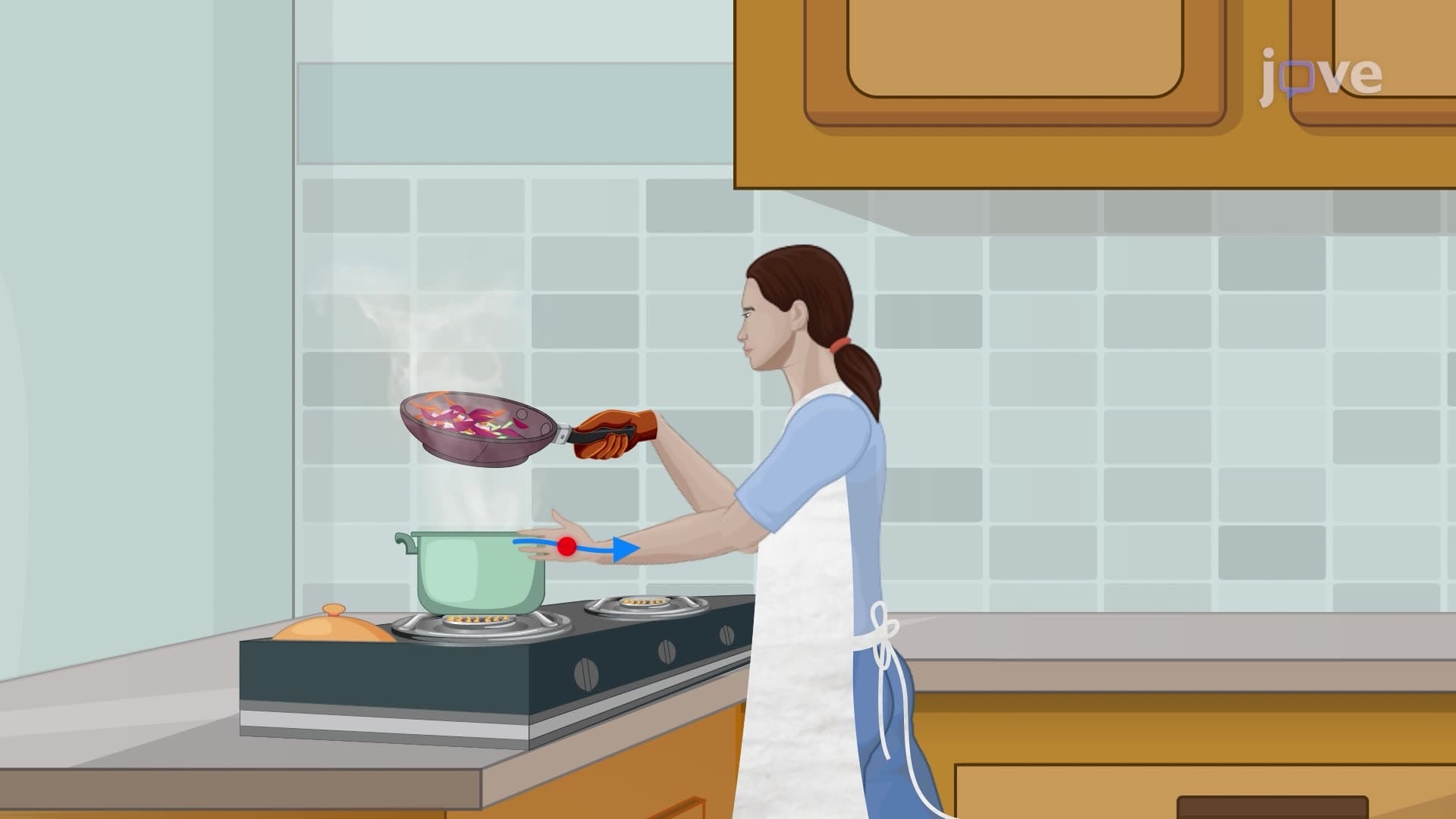
01:13
8.5K views
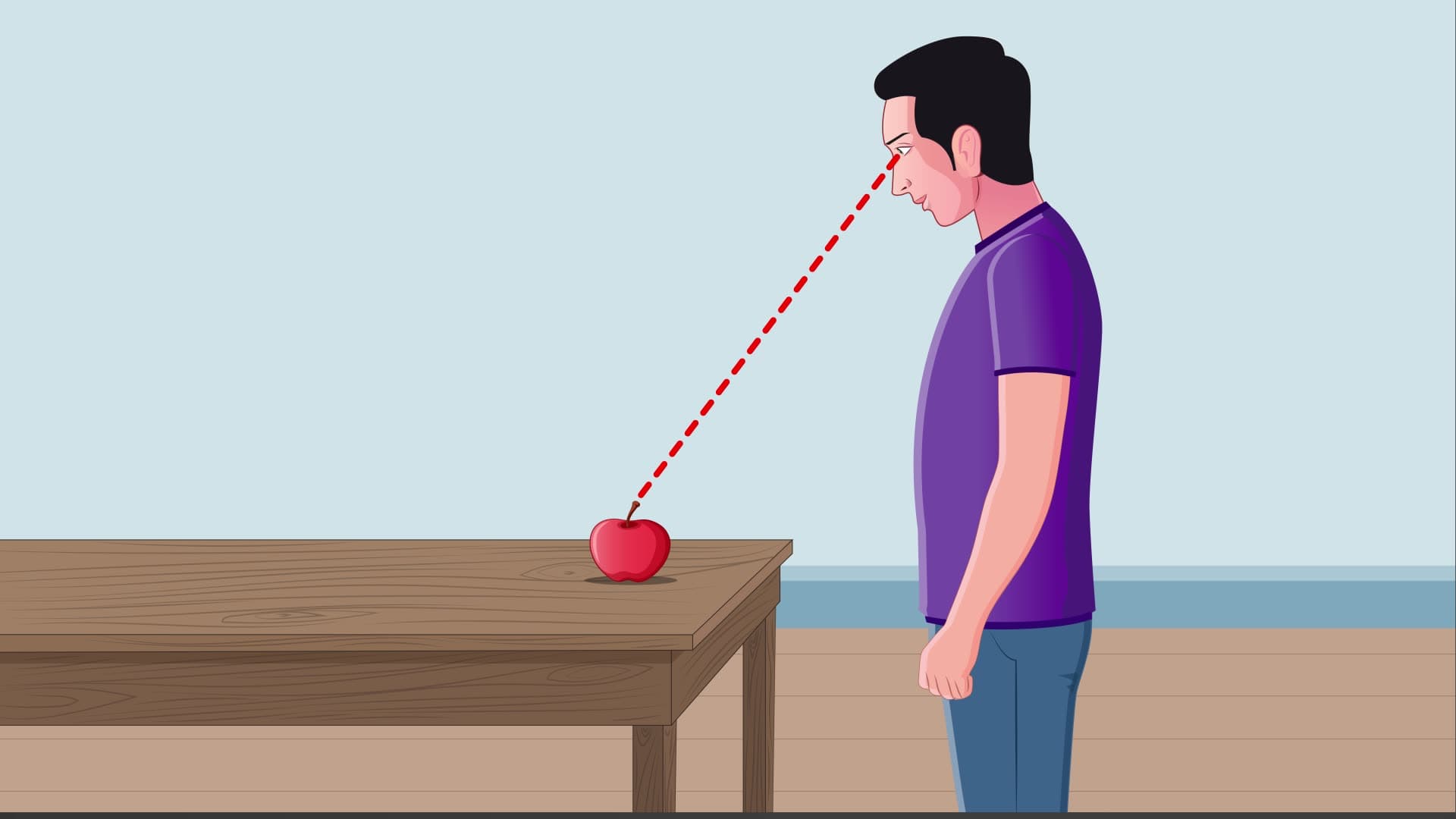
01:23
7.1K views
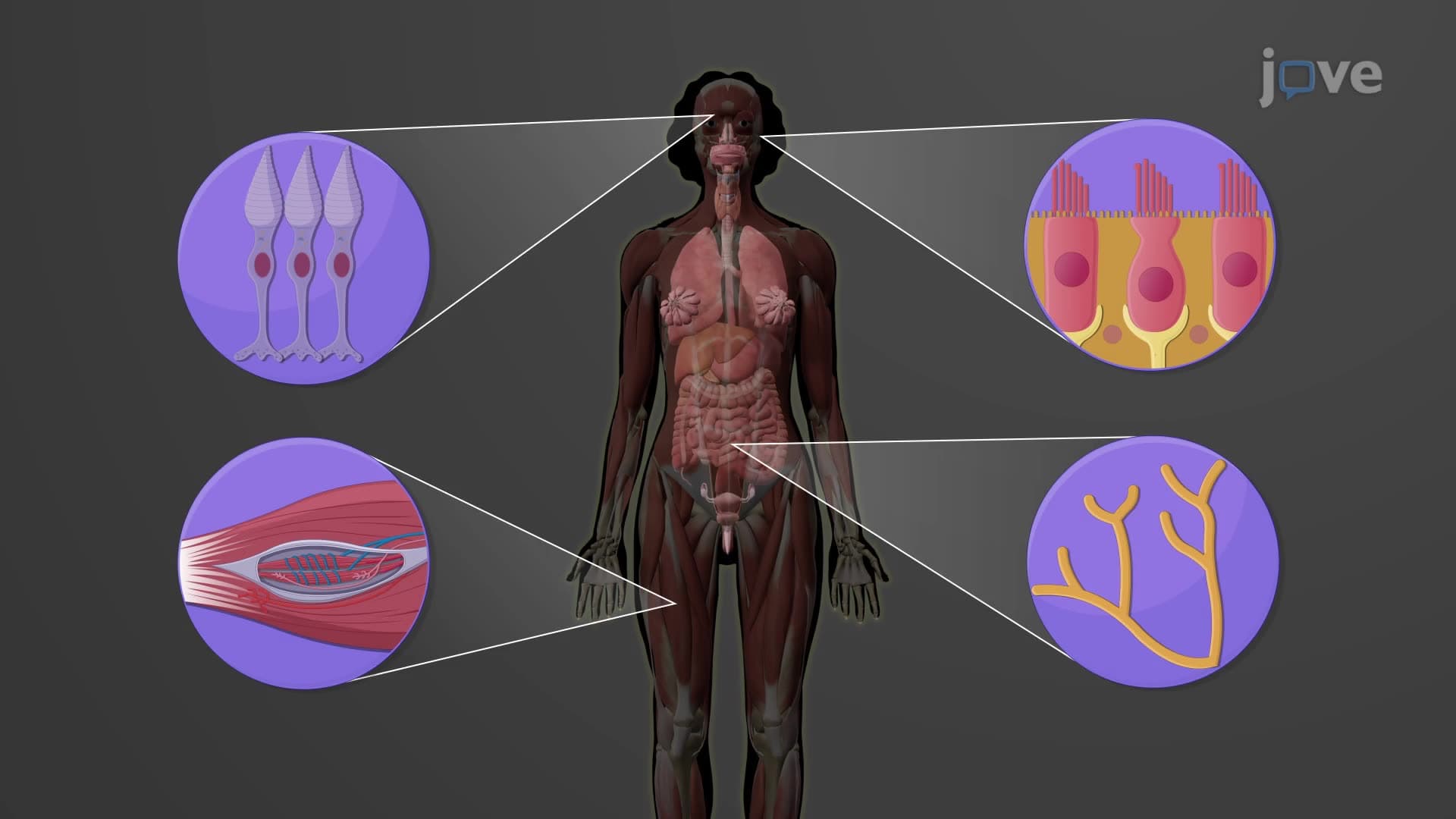
01:18
5.8K views

01:23
5.4K views

01:21
5.9K views
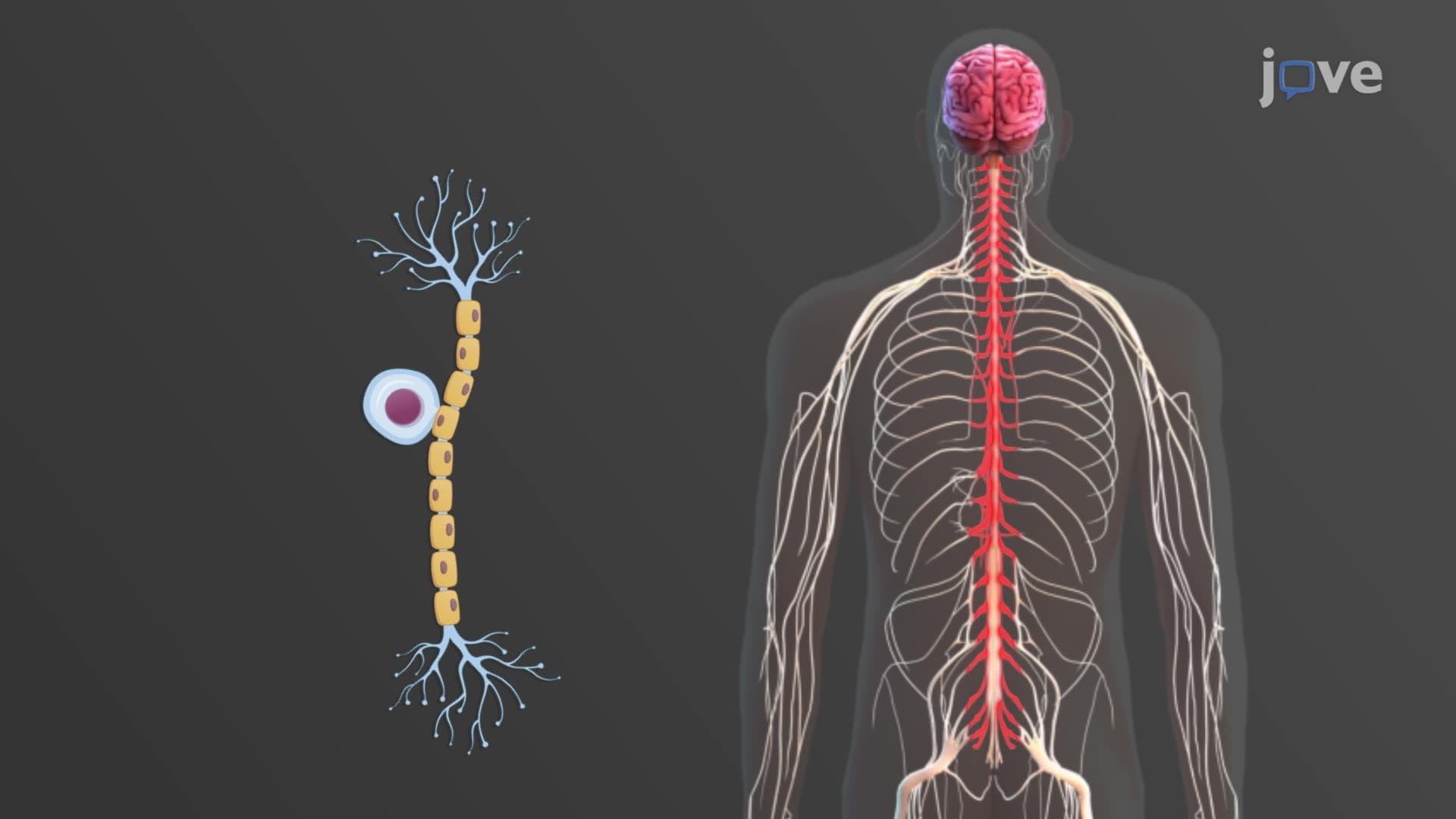
01:19
4.6K views

01:31
5.4K views
01:25
4.2K views
01:21
3.6K views

01:19
2.7K views
01:26
2.5K views

01:12
1.3K views

01:24
3.1K views

01:15
1.4K views

01:19
5.8K views
01:14
3.6K views
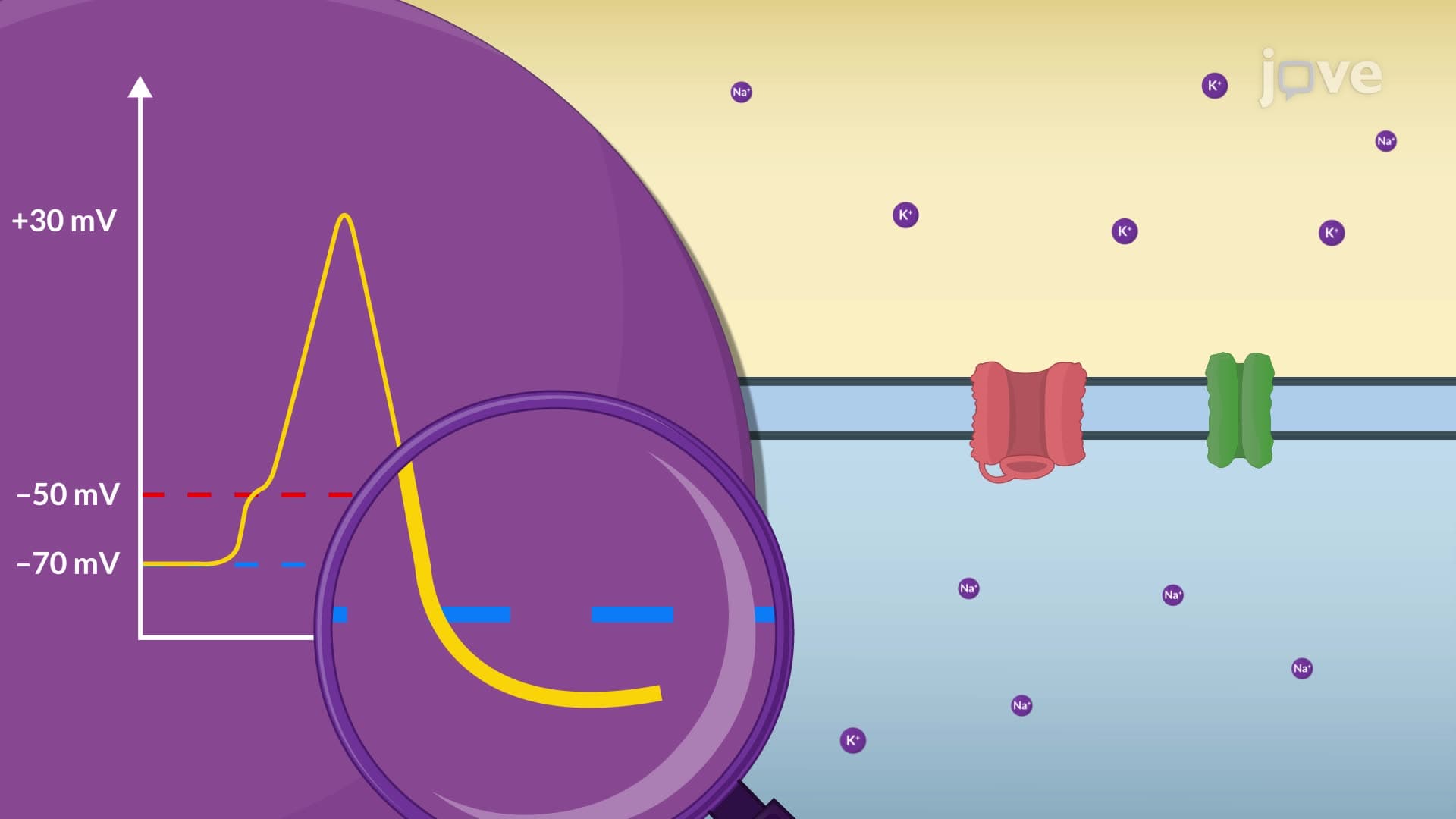
01:28
9.1K views
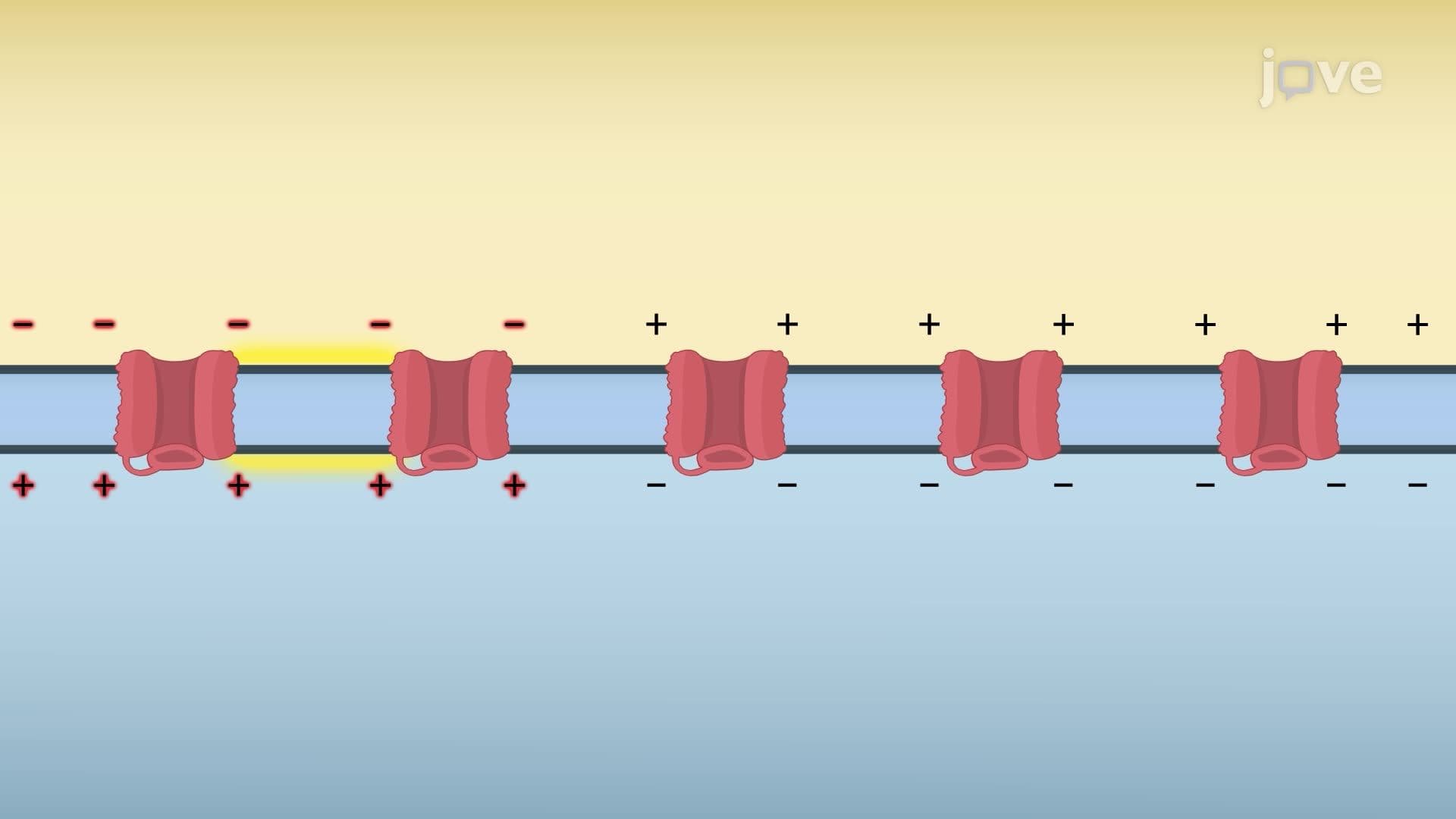
01:23
7.9K views

01:25
3.9K views

01:26
3.7K views

01:30
4.3K views

01:32
3.9K views

01:28
2.8K views
01:25
2.1K views

01:15
1.2K views
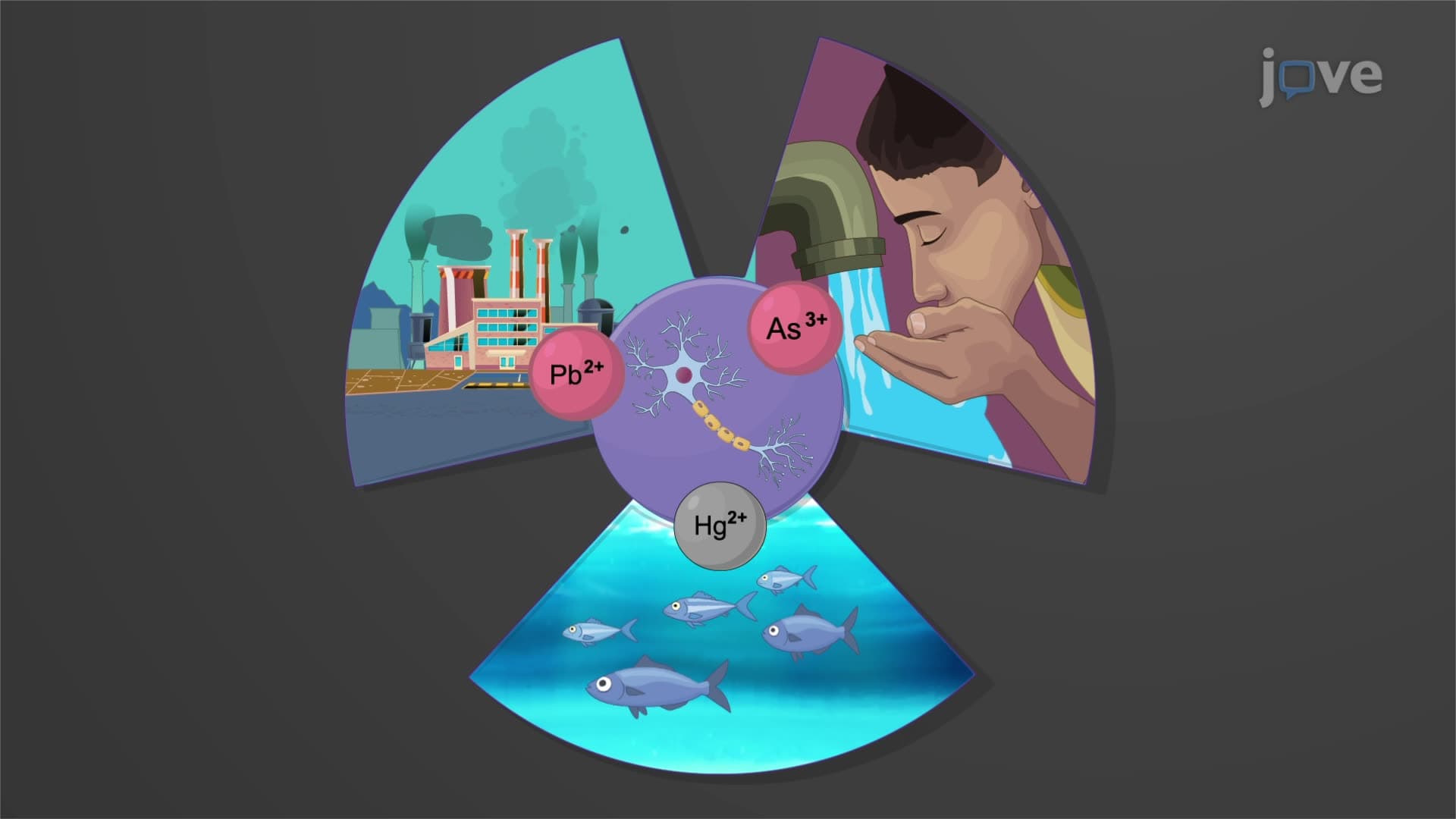
01:28
2.1K views
The nervous system serves as the body's primary control and communication center, coordinating sensory input, integration, and motor responses through specialized neural tissue. This comprehensive course explores nervous system organization, neuron structure and function, synaptic transmission, and the cellular mechanisms underlying nerve impulse propagation. Students will examine real-world applications from reflexes to complex behaviors, building foundational knowledge essential for understanding human physiology. Perfect preparation for US medical and nursing entrance exams with JoVE Coach support.
- Understand the structural and functional divisions of the central and peripheral nervous systems
- Identify the anatomical components of neurons including cell bodies, dendrites, and axons
- Learn the classification and roles of different neuron types and glial cells in nervous tissue
- Explore the formation and function of myelin sheaths in nerve impulse transmission
- Analyze the mechanisms of membrane potential, including resting, graded, and action potentials
- Apply knowledge of synaptic transmission and neurotransmitter function in neural communication
- Understand neural circuit organization and integration of synaptic events
- Examine neurogenesis, nerve regeneration, and common nervous system disorders
1. Nervous System Organization and Divisions - The nervous system divides into central (CNS) and peripheral (PNS) components, with the CNS containing the brain and spinal cord, while the PNS includes all nervous tissue outside these structures. The PNS further subdivides functionally into sensory (afferent) and motor (efferent) divisions, with the motor division containing somatic and autonomic branches. The autonomic system includes sympathetic, parasympathetic, and enteric divisions that control involuntary functions. Understanding this organization helps explain how reflexes work, such as the knee-jerk reflex involving spinal cord circuits, and how the autonomic system manages heart rate during exercise or stress responses.
2. Neuron Structure and Classification - Neurons consist of three main components: the cell body (perikaryon) containing the nucleus and metabolic machinery, dendrites that receive signals, and axons that transmit impulses to target cells. Structural classification includes multipolar neurons (most CNS neurons), bipolar neurons (found in sensory organs like the retina), and unipolar neurons (most sensory neurons). Functional classification distinguishes sensory neurons that detect stimuli, motor neurons that activate muscles and glands, and interneurons that process information. For example, when touching a hot stove, unipolar sensory neurons detect heat, interneurons in the spinal cord process this information, and multipolar motor neurons trigger muscle contraction to withdraw the hand.
3. Glial Cells and Support Functions - Glial cells outnumber neurons and provide essential support functions throughout the nervous system. In the CNS, astrocytes maintain the blood-brain barrier and regulate ion concentrations, oligodendrocytes produce myelin sheaths, microglia act as immune cells, and ependymal cells line ventricles and produce cerebrospinal fluid. In the PNS, Schwann cells myelinate axons and support regeneration, while satellite cells surround neuron cell bodies in ganglia. These cells are crucial for conditions like multiple sclerosis, where oligodendrocyte damage leads to demyelination, and Alzheimer's disease, where microglial activation contributes to neuroinflammation.
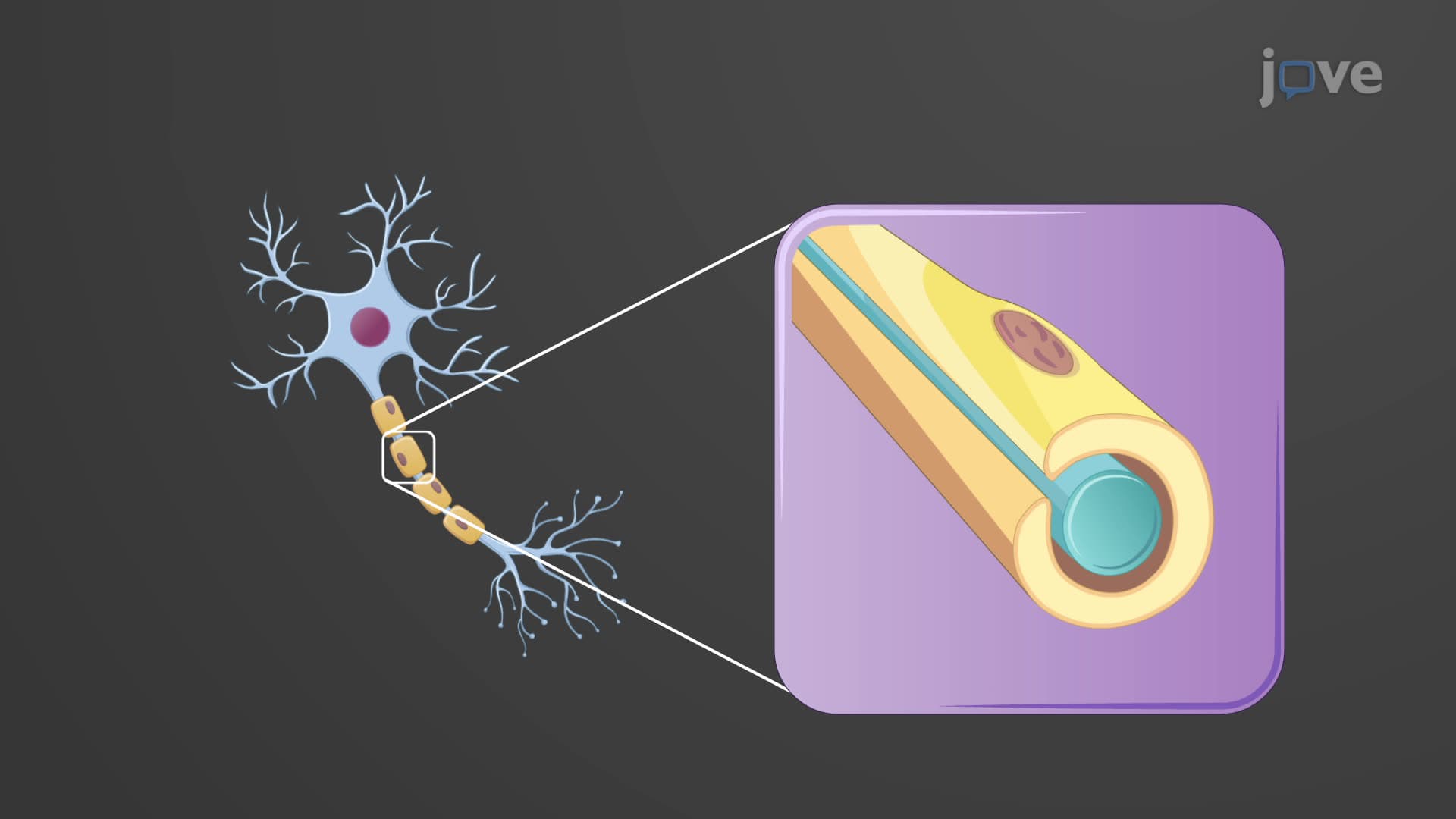
4. Myelin Sheath Formation and Function - Myelin is a lipid-rich membrane wrapping that insulates axons and dramatically increases conduction velocity through saltatory conduction. In the PNS, individual Schwann cells wrap around single axon segments, creating internodes separated by nodes of Ranvier. In the CNS, oligodendrocytes extend processes to myelinate multiple axons simultaneously. This organization allows action potentials to "jump" between nodes, increasing conduction speed from 1-2 m/s in unmyelinated fibers to over 100 m/s in heavily myelinated fibers. Diseases affecting myelin, such as multiple sclerosis or Guillain-Barré syndrome, cause significant functional deficits by slowing or blocking nerve conduction.
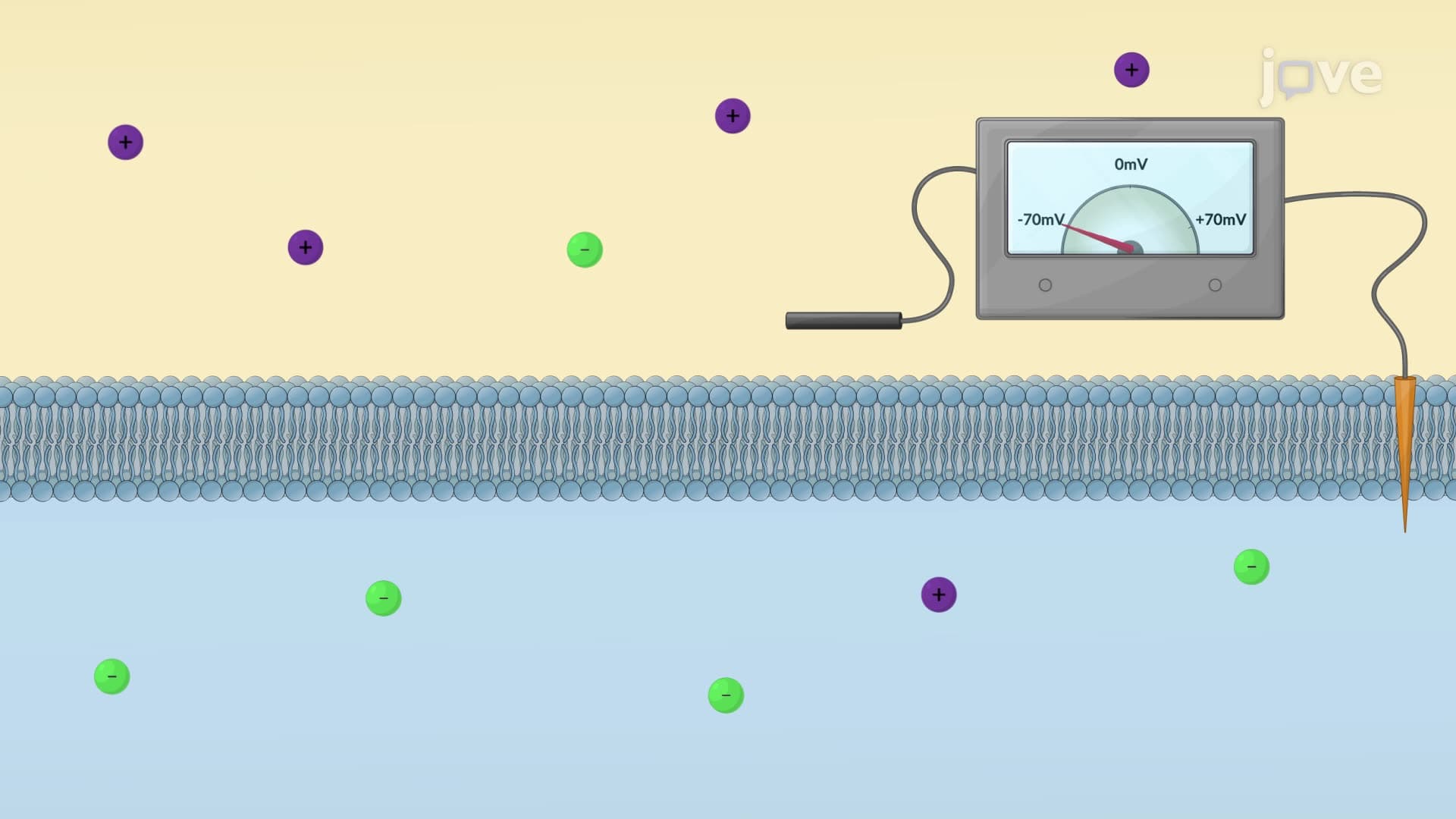
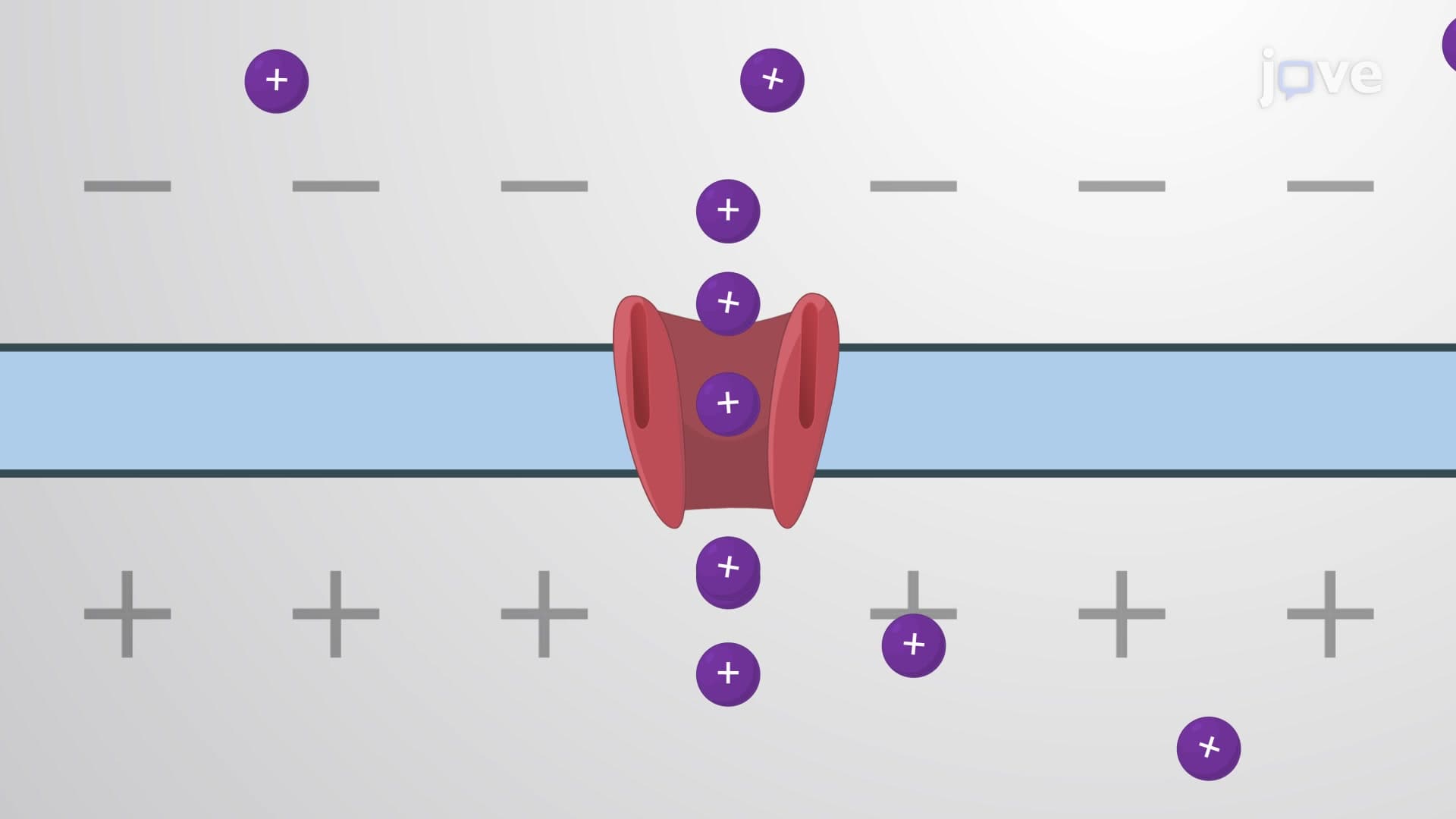
5. Membrane Potential and Ion Movement - Neural function depends on electrochemical gradients created by unequal ion distribution across cell membranes. The resting membrane potential of approximately -70mV results from potassium leak channels and the sodium-potassium pump maintaining concentration gradients. Ion channels respond to different stimuli: ligand-gated channels open when neurotransmitters bind, voltage-gated channels respond to membrane potential changes, and mechanically-gated channels detect physical stimuli. Understanding these mechanisms explains how local anesthetics like novocaine work by blocking sodium channels, preventing action potential generation and eliminating pain sensation during dental procedures.
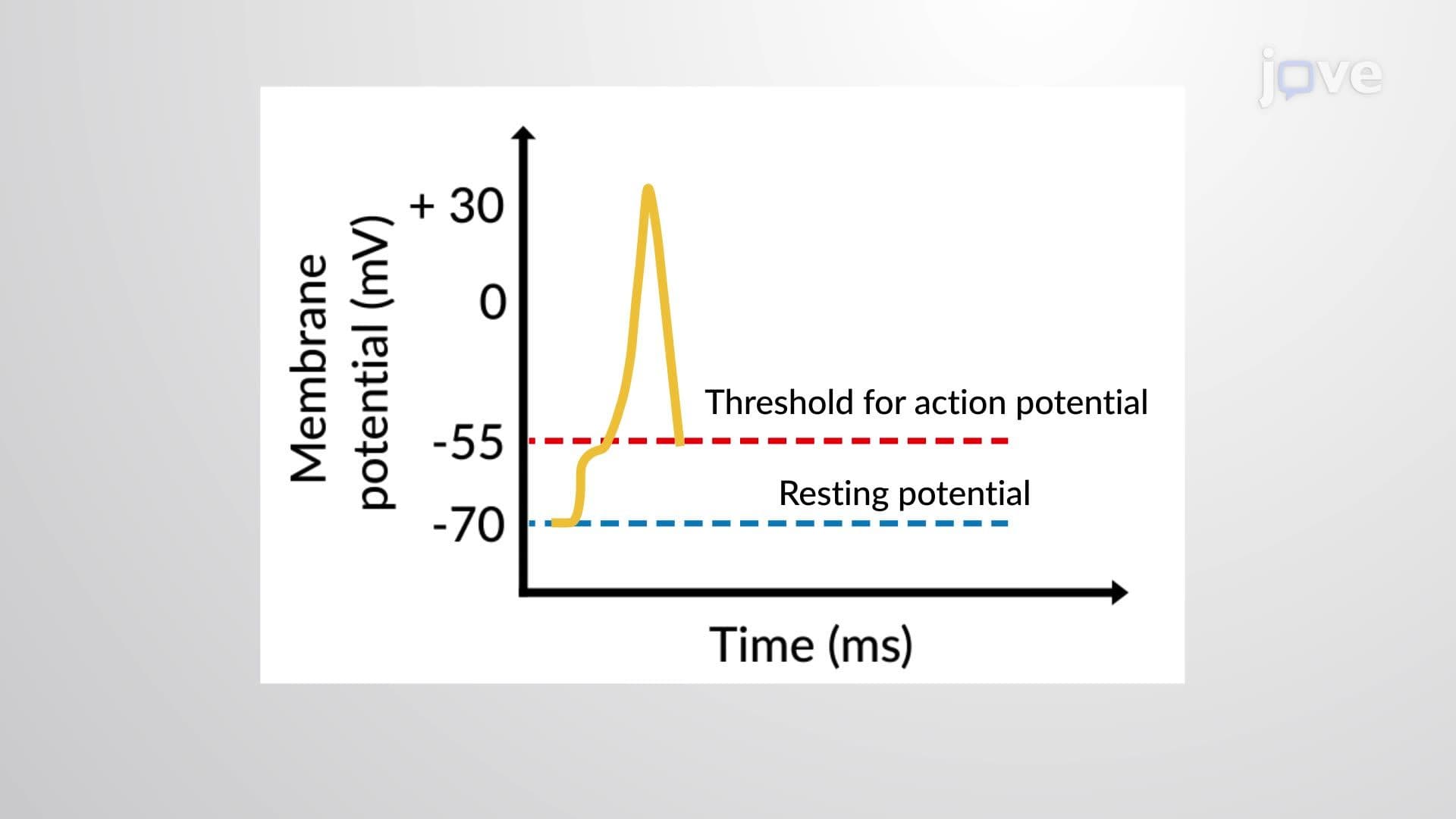
6. Action Potential Generation and Propagation - Action potentials are all-or-nothing electrical signals that propagate along axons without decreasing in amplitude. They occur when depolarization reaches threshold (approximately -55mV), triggering voltage-gated sodium channels to open rapidly. The resulting sodium influx causes further depolarization to +30mV, followed by sodium channel inactivation and potassium channel opening for repolarization. In unmyelinated axons, continuous propagation occurs as each membrane segment depolarizes adjacent regions. In myelinated axons, saltatory conduction allows faster transmission by jumping between nodes of Ranvier. This mechanism explains why nerve injuries can cause both sensory loss and motor dysfunction below the injury site.
7. Synaptic Transmission and Neurotransmitters - Chemical synapses enable communication between neurons through neurotransmitter release and reception. When an action potential reaches the axon terminal, calcium channels open, triggering synaptic vesicle fusion and neurotransmitter release into the synaptic cleft. Different neurotransmitters produce distinct effects: acetylcholine activates skeletal muscles and enhances memory formation, dopamine regulates movement and reward processing, serotonin influences mood and sleep, and GABA provides inhibitory control. Understanding synaptic transmission explains how medications work, such as antidepressants that block serotonin reuptake, or how botulinum toxin prevents acetylcholine release to treat muscle spasticity.
8. Neural Integration and Circuit Function - Neurons integrate multiple synaptic inputs through spatial and temporal summation at the axon hillock, where excitatory postsynaptic potentials (EPSPs) and inhibitory postsynaptic potentials (IPSPs) combine to determine whether threshold is reached. Neural circuits organize into patterns including divergent circuits (one input activating multiple outputs), convergent circuits (multiple inputs converging on one output), and reverberating circuits (positive feedback loops). These organizational principles explain complex behaviors like motor learning, where cerebellar circuits integrate sensory feedback to refine movement patterns, or pain processing, where spinal cord circuits can either facilitate or inhibit pain signals based on competing inputs.