Loading subject page…
- Anatomy and Physiology
- Fluid, Electrolyte, and Acid Base Balance
Anatomy And Physiology
All Micro-courses:31

1.
Introduction to the Human Body
14 Concepts
2.
Diagnostic Imaging Techniques
6 Concepts
3.
Fundamentals of Chemistry
21 Concepts
4.
Biochemistry of the Cell
23 Concepts
5.
Cells and their Components
21 Concepts
6.
Cell Membrane Structure and Functions
15 Concepts
7.
Essential Cellular Processes
16 Concepts
8.
Tissues of the Human Body
26 Concepts
9.
The Integumentary System
18 Concepts
10.
Bone Tissue and the Skeletal System
19 Concepts
11.
The Axial Skeleton
11 Concepts
12.
The Appendicular Skeleton
6 Concepts
13.
The Joints
10 Concepts
14.
Muscle Tissue
22 Concepts
15.
The Muscular System
20 Concepts
16.
The Nervous System and Nervous Tissue
26 Concepts
17.
Anatomy of the Central and Peripheral Nervous System
26 Concepts
18.
Functions of the Central and Peripheral Nervous System
14 Concepts
19.
The Autonomic Nervous System
10 Concepts
20.
The Special Senses
12 Concepts
21.
The Endocrine System
23 Concepts
22.
Blood
29 Concepts
23.
The Heart
19 Concepts
24.
Blood Vessels and Circulation
38 Concepts
25.
The Lymphatic and Immune System
38 Concepts
26.
The Respiratory System
25 Concepts
27.
Digestive System
40 Concepts
28.
Absorption of Nutrients
25 Concepts
29.
The Urinary System
25 Concepts
30.
Fluid, Electrolyte, and Acid-Base Balance
20 Concepts
31.
The Reproductive System
37 Concepts
Fluid, Electrolyte, and Acid-Base Balance
 20 Concepts
 38.7K Views
 Popular topics
Concepts: 20

01:19
3.3K views

01:29
1.9K views

01:18
2.8K views
01:25
2.1K views
01:26
1.6K views

01:29
2K views

01:24
1.3K views
01:29
571 views

01:27
800 views
01:26
1.5K views

01:25
1.8K views
01:19
2.6K views
01:20
2.8K views
01:22
3.8K views
01:22
4K views

01:18
972 views

01:29
1K views

01:29
1.5K views

01:28
1.6K views
01:24
739 views
Fluid, electrolyte, and acid-base balance represents one of the most critical homeostatic mechanisms in human physiology. This comprehensive guide explores how the body maintains proper fluid distribution between intracellular and extracellular compartments, regulates essential electrolytes like sodium and potassium, and preserves blood pH within the narrow range necessary for cellular function. Through JoVE Coach's systematic approach, students will master the interconnected systems that prevent dehydration, electrolyte imbalances, and dangerous pH fluctuations.
- Understand the distribution of body water between intracellular and extracellular compartments
- Learn how osmotic and hydrostatic pressures drive fluid movement across cell membranes
- Identify the roles of major electrolytes including sodium, potassium, chloride, and bicarbonate
- Explore hormonal regulation of water balance through ADH, aldosterone, and natriuretic peptides
- Analyze the three primary buffer systems that maintain blood pH stability
- Apply respiratory and renal compensation mechanisms to acid-base disorders
- Understand clinical presentations of dehydration, water intoxication, and electrolyte imbalances
- Learn diagnostic approaches for identifying acidosis and alkalosis conditions
1. Body Water Distribution and Compartments: Approximately 60% of adult male body weight consists of water, distributed as two-thirds intracellular fluid (ICF) and one-third extracellular fluid (ECF). The ECF includes blood plasma, interstitial fluid, and specialized fluids like cerebrospinal fluid. Understanding this distribution is crucial for clinical interventions, as IV saline primarily expands the ECF compartment. Age and sex significantly influence water content, with infants having 73% body water compared to 45% in elderly individuals, explaining why dehydration poses greater risks for these populations.
2. Fluid Movement and Pressure Gradients: Hydrostatic pressure from cardiac output drives fluid from capillaries into tissues at the arteriolar end, while osmotic pressure draws fluid back into circulation at the venular end. This Starling mechanism maintains proper fluid distribution and prevents edema formation. In the kidneys, glomerular hydrostatic pressure enables filtration, while osmotic gradients in the nephron allow for concentrated or dilute urine production. Disruption of these pressures, such as in heart failure or kidney disease, leads to fluid accumulation in tissues.
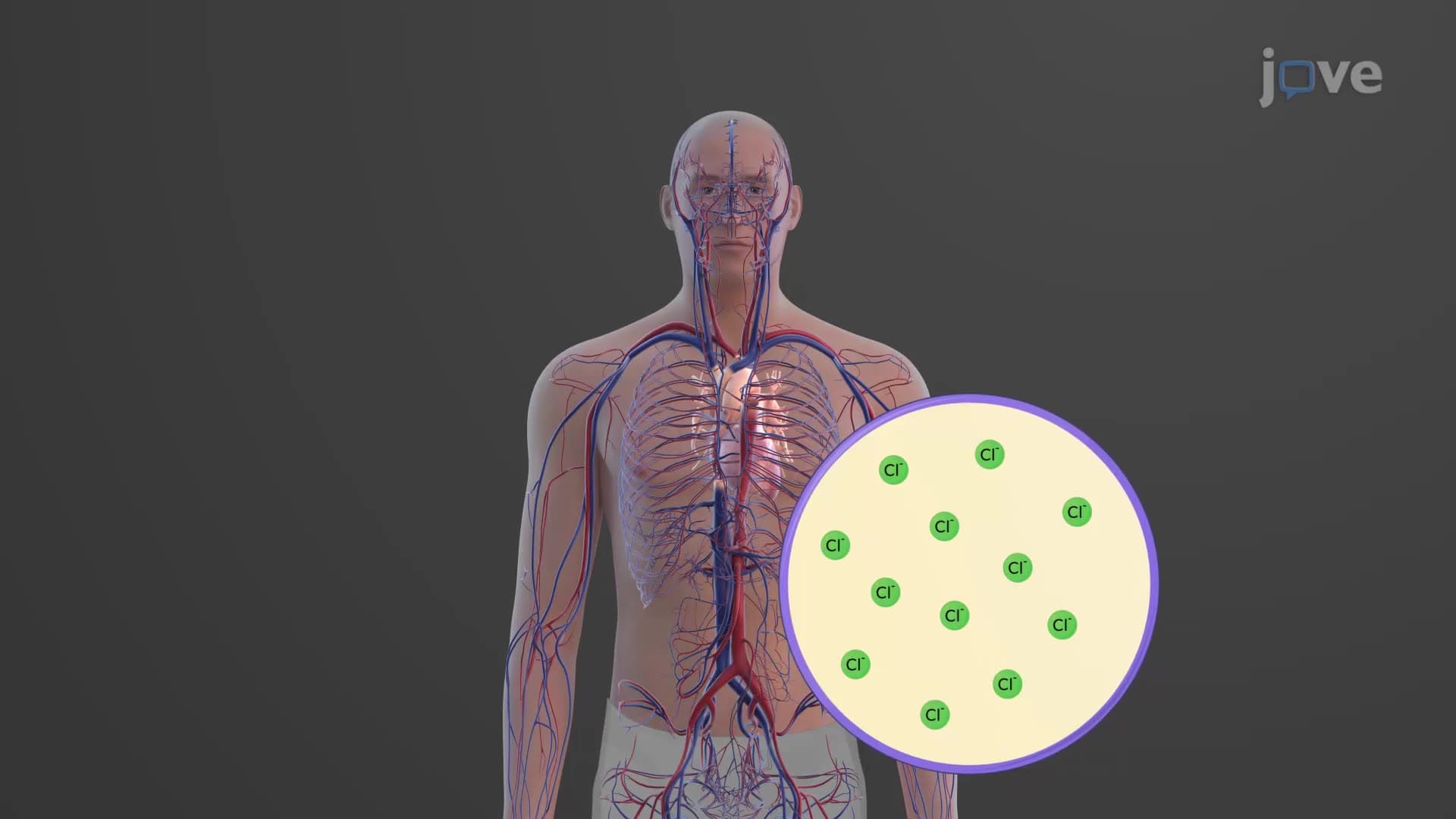
3. Electrolyte Functions and Distribution: Sodium serves as the primary extracellular cation (135-145 mEq/L in plasma) and maintains ECF osmolality, while potassium acts as the major intracellular cation (140 mEq/L inside cells, 3.5-5.0 mEq/L in plasma). These gradients are essential for nerve impulse transmission and muscle contraction. Chloride and bicarbonate function as major anions, with chloride maintaining electrical neutrality and bicarbonate serving as the body's primary pH buffer. Calcium and phosphate primarily exist in bone but play vital roles in blood clotting, neurotransmitter release, and cellular energy metabolism.
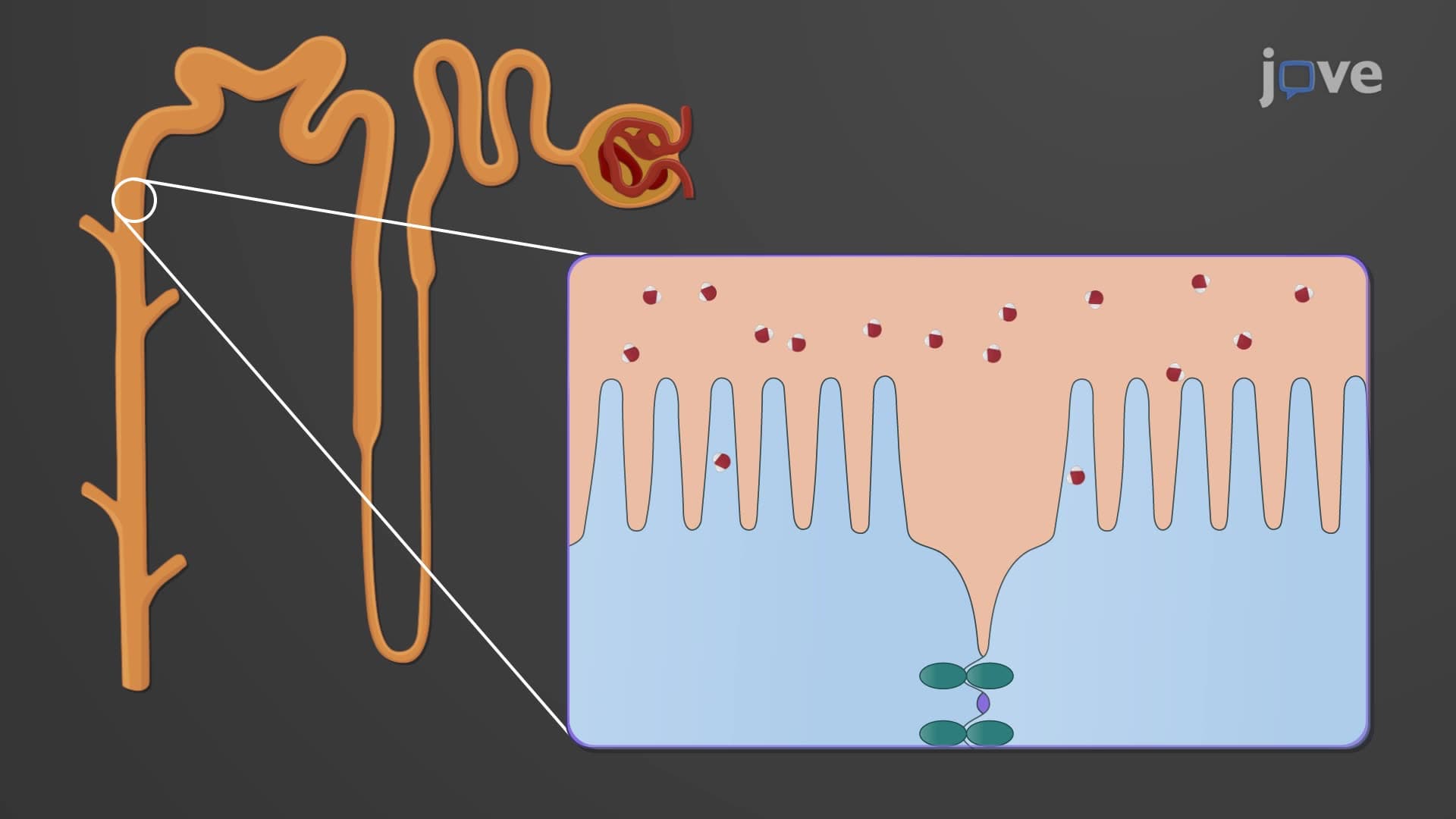
4. Hormonal Regulation of Fluid Balance: Antidiuretic hormone (ADH) responds to increased plasma osmolality by promoting water reabsorption in kidney collecting ducts, concentrating urine when the body needs to conserve water. Aldosterone regulates sodium retention, with water following osmotically, while atrial natriuretic peptide (ANP) promotes sodium and water excretion when blood volume is excessive. The renin-angiotensin-aldosterone system coordinates these responses during volume depletion. Clinical conditions like diabetes insipidus (ADH deficiency) or SIADH (excess ADH) demonstrate the critical importance of proper hormonal regulation.
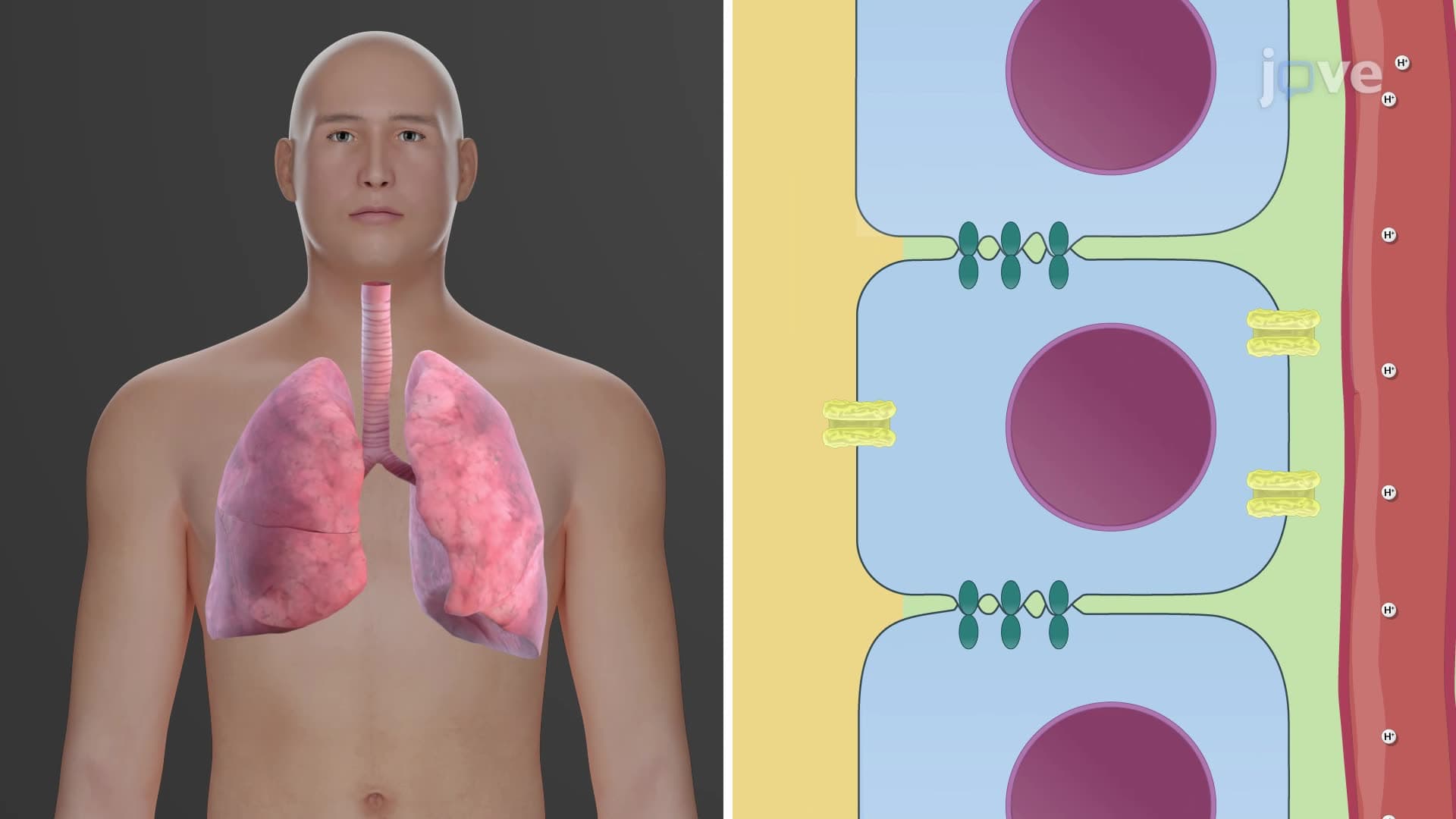
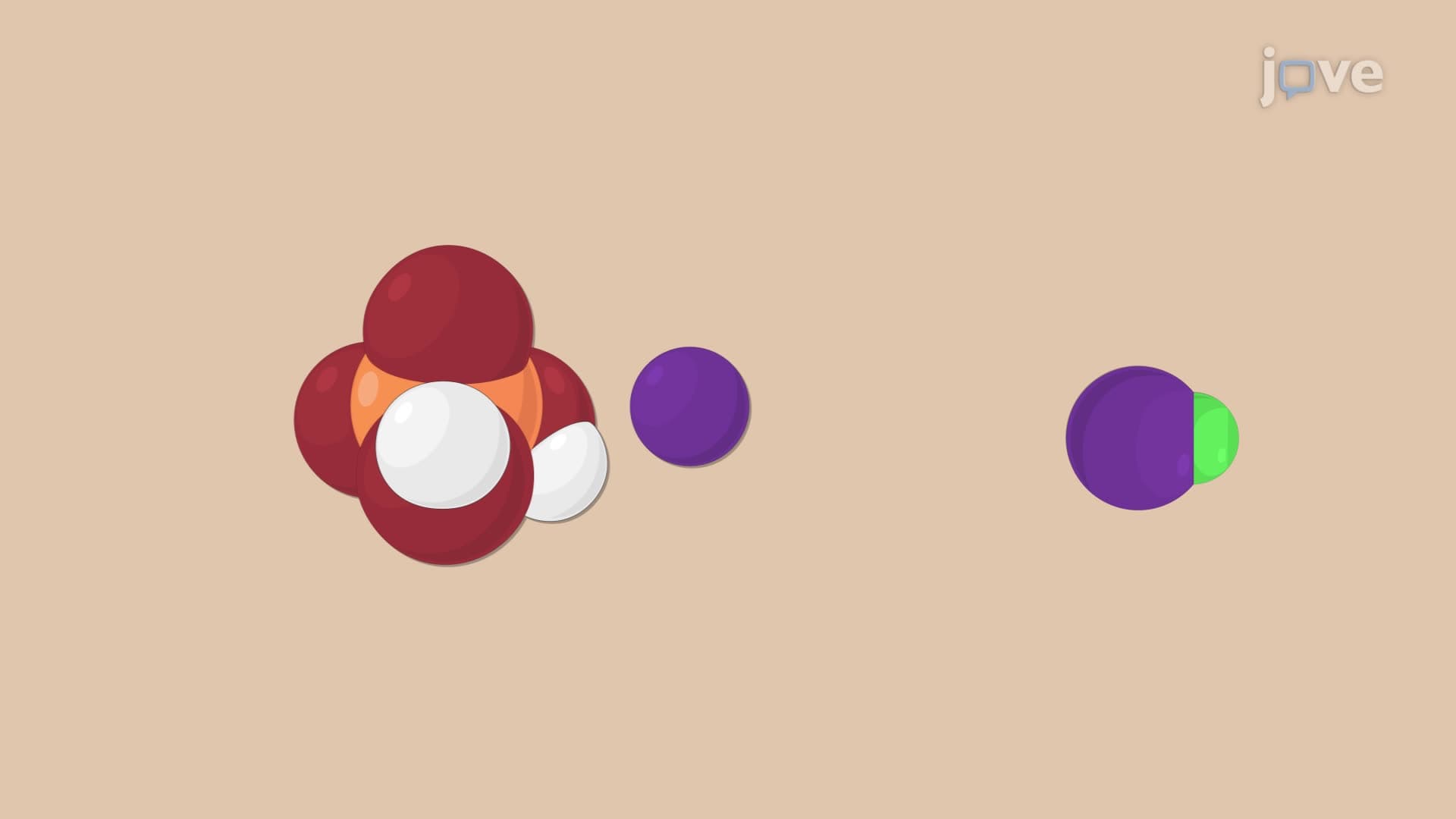
5. Buffer Systems and pH Regulation: The body maintains arterial blood pH between 7.35-7.45 through three buffer systems: bicarbonate-carbonic acid (most important), phosphate (crucial in urine and cells), and protein buffers (including hemoglobin). The bicarbonate system works because excess acid is converted to CO₂ and exhaled, while the kidneys can regenerate bicarbonate ions. Protein buffers utilize amino acid side chains to accept or donate hydrogen ions, with hemoglobin serving as a particularly important buffer in red blood cells during CO₂ transport.
6. Respiratory and Renal Compensation: When metabolic acidosis occurs, the respiratory system compensates within minutes by increasing ventilation to blow off CO₂, reducing carbonic acid formation. Conversely, metabolic alkalosis triggers slower, shallow breathing to retain CO₂. Renal compensation takes hours to days but provides more complete correction by adjusting hydrogen ion secretion and bicarbonate reabsorption. The kidneys use specialized intercalated cells in collecting ducts to fine-tune acid-base balance, with type A cells secreting acid during acidosis and type B cells secreting bicarbonate during alkalosis.
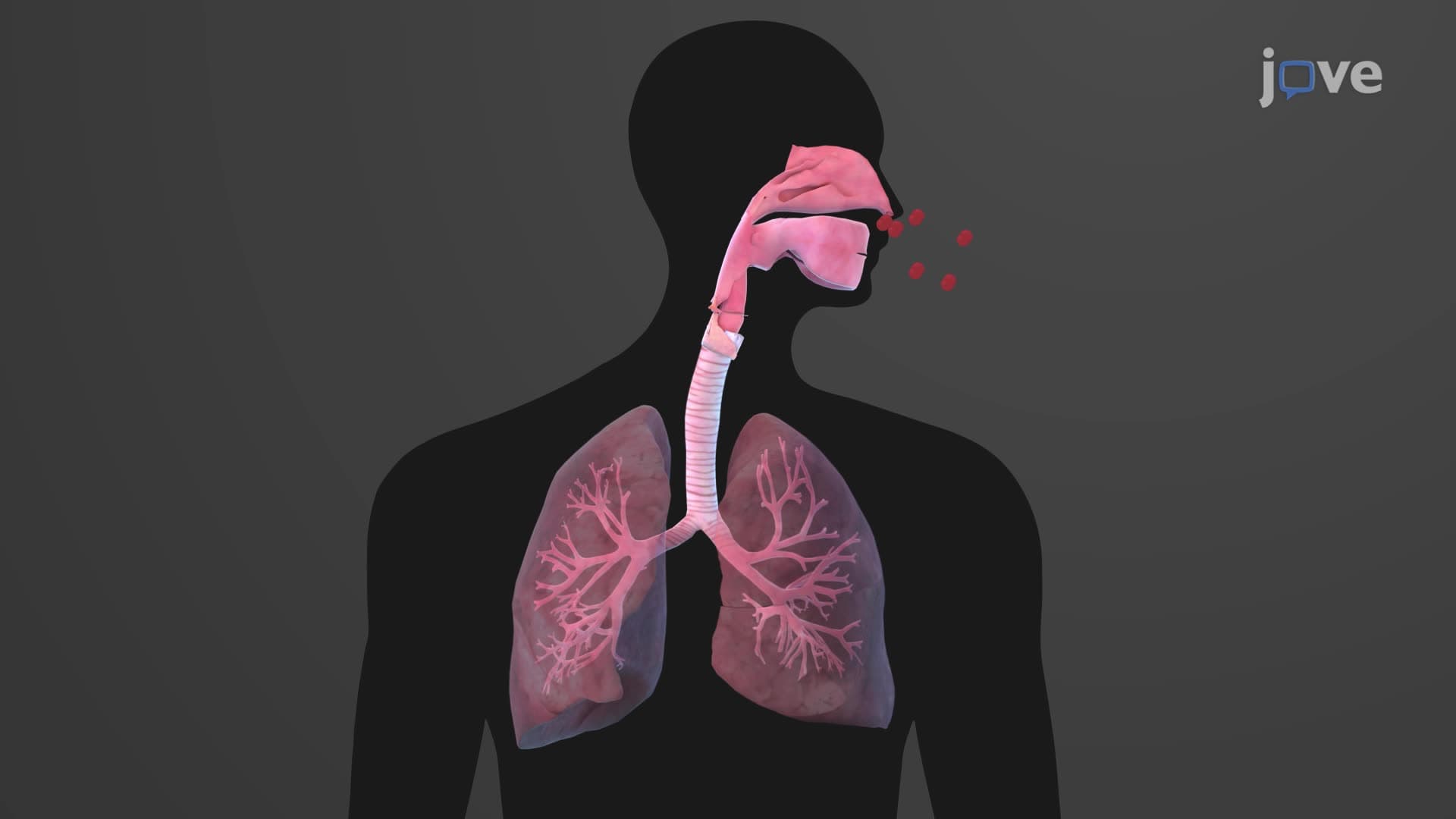
7. Clinical Acid-Base Disorders: Respiratory acidosis (pH <7.35, PCO₂ >45 mmHg) results from conditions like pneumonia or COPD that impair CO₂ elimination, while respiratory alkalosis (pH >7.45, PCO₂ <35 mmHg) occurs with hyperventilation from anxiety or high altitude. Metabolic acidosis (low bicarbonate <22 mEq/L) can result from diabetic ketoacidosis, diarrhea, or kidney failure, while metabolic alkalosis (high bicarbonate >28 mEq/L) may follow prolonged vomiting or diuretic use. Arterial blood gas analysis provides the definitive diagnosis by measuring pH, PCO₂, and bicarbonate levels simultaneously.