Loading subject page…
- Anatomy and Physiology
- Fundamentals of Chemistry
Anatomy And Physiology
All Micro-courses:31

1.
Introduction to the Human Body
14 Concepts
2.
Diagnostic Imaging Techniques
6 Concepts
3.
Fundamentals of Chemistry
21 Concepts
4.
Biochemistry of the Cell
23 Concepts
5.
Cells and their Components
21 Concepts
6.
Cell Membrane Structure and Functions
15 Concepts
7.
Essential Cellular Processes
16 Concepts
8.
Tissues of the Human Body
26 Concepts
9.
The Integumentary System
18 Concepts
10.
Bone Tissue and the Skeletal System
19 Concepts
11.
The Axial Skeleton
11 Concepts
12.
The Appendicular Skeleton
6 Concepts
13.
The Joints
10 Concepts
14.
Muscle Tissue
22 Concepts
15.
The Muscular System
20 Concepts
16.
The Nervous System and Nervous Tissue
26 Concepts
17.
Anatomy of the Central and Peripheral Nervous System
26 Concepts
18.
Functions of the Central and Peripheral Nervous System
14 Concepts
19.
The Autonomic Nervous System
10 Concepts
20.
The Special Senses
12 Concepts
21.
The Endocrine System
23 Concepts
22.
Blood
29 Concepts
23.
The Heart
19 Concepts
24.
Blood Vessels and Circulation
38 Concepts
25.
The Lymphatic and Immune System
38 Concepts
26.
The Respiratory System
25 Concepts
27.
Digestive System
40 Concepts
28.
Absorption of Nutrients
25 Concepts
29.
The Urinary System
25 Concepts
30.
Fluid, Electrolyte, and Acid-Base Balance
20 Concepts
31.
The Reproductive System
37 Concepts
Fundamentals of Chemistry
 21 Concepts
 215.8K Views
 Popular topics
Concepts: 21

01:13
13.7K views
01:27
9.9K views
01:17
15.3K views

01:09
9.7K views
01:12
13.9K views
01:25
11.2K views

01:28
10.5K views

01:09
10.7K views
01:01
10.3K views

00:42
8.3K views

01:08
9.4K views
01:04
11.5K views
01:23
11.6K views
01:20
2.1K views
01:17
2.6K views

01:23
11.1K views
01:19
18.3K views
01:08
9.9K views

01:16
10.1K views
01:22
6.9K views
01:27
8.8K views
Chemistry fundamentals form the foundation for understanding matter and atoms, chemical bonds, and reactions that govern our physical world. This comprehensive course covers basic chemistry concepts from atomic structure and the periodic table to chemical reactions and acid-base interactions. Students explore fundamental chemistry principles for beginners through real-world applications in biological systems, environmental processes, and everyday phenomena, building essential knowledge for advanced chemistry studies with JoVE Coach.
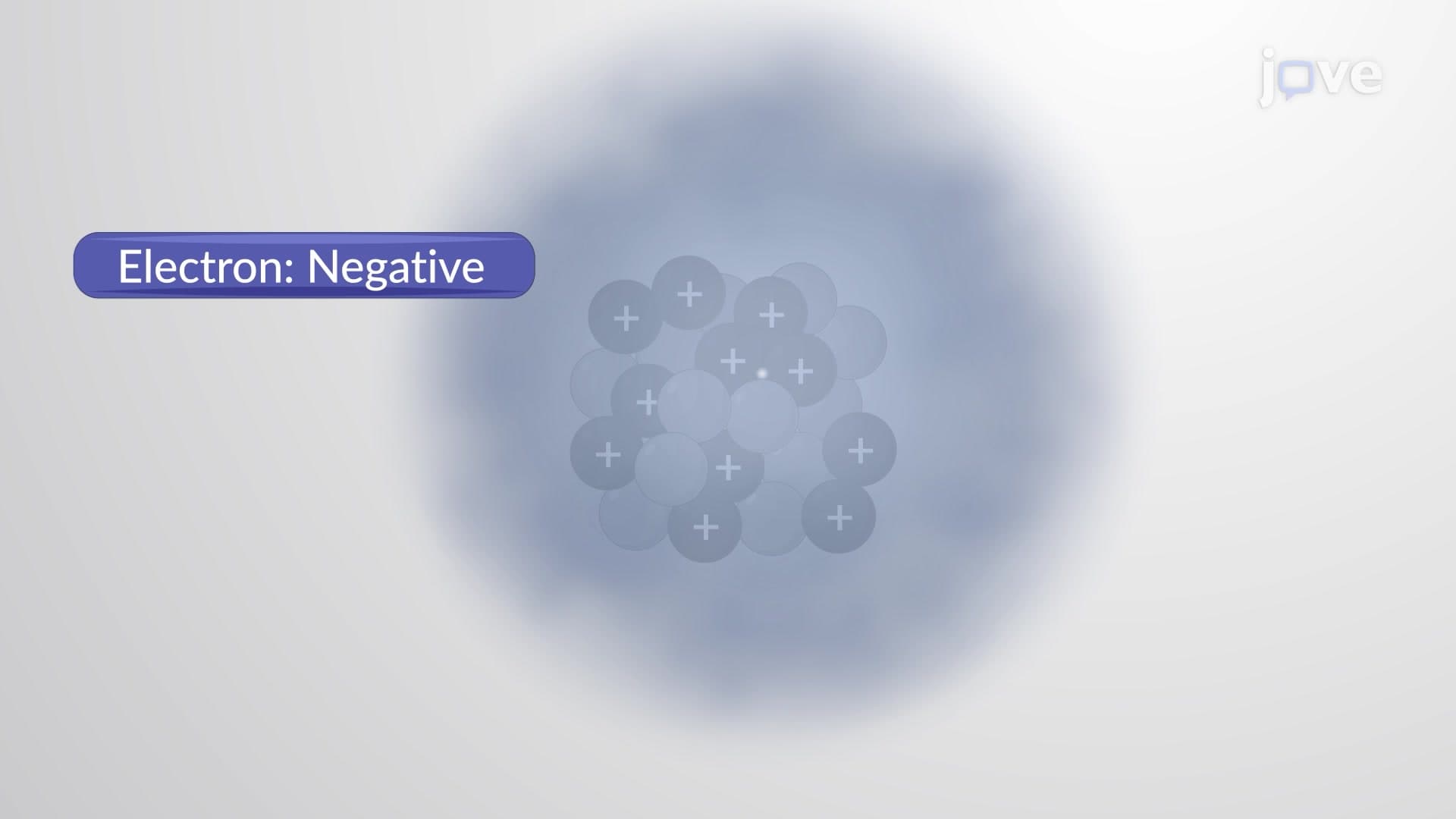
- Understand the structure of atoms, including protons, neutrons, and electrons, and their role in determining elemental properties
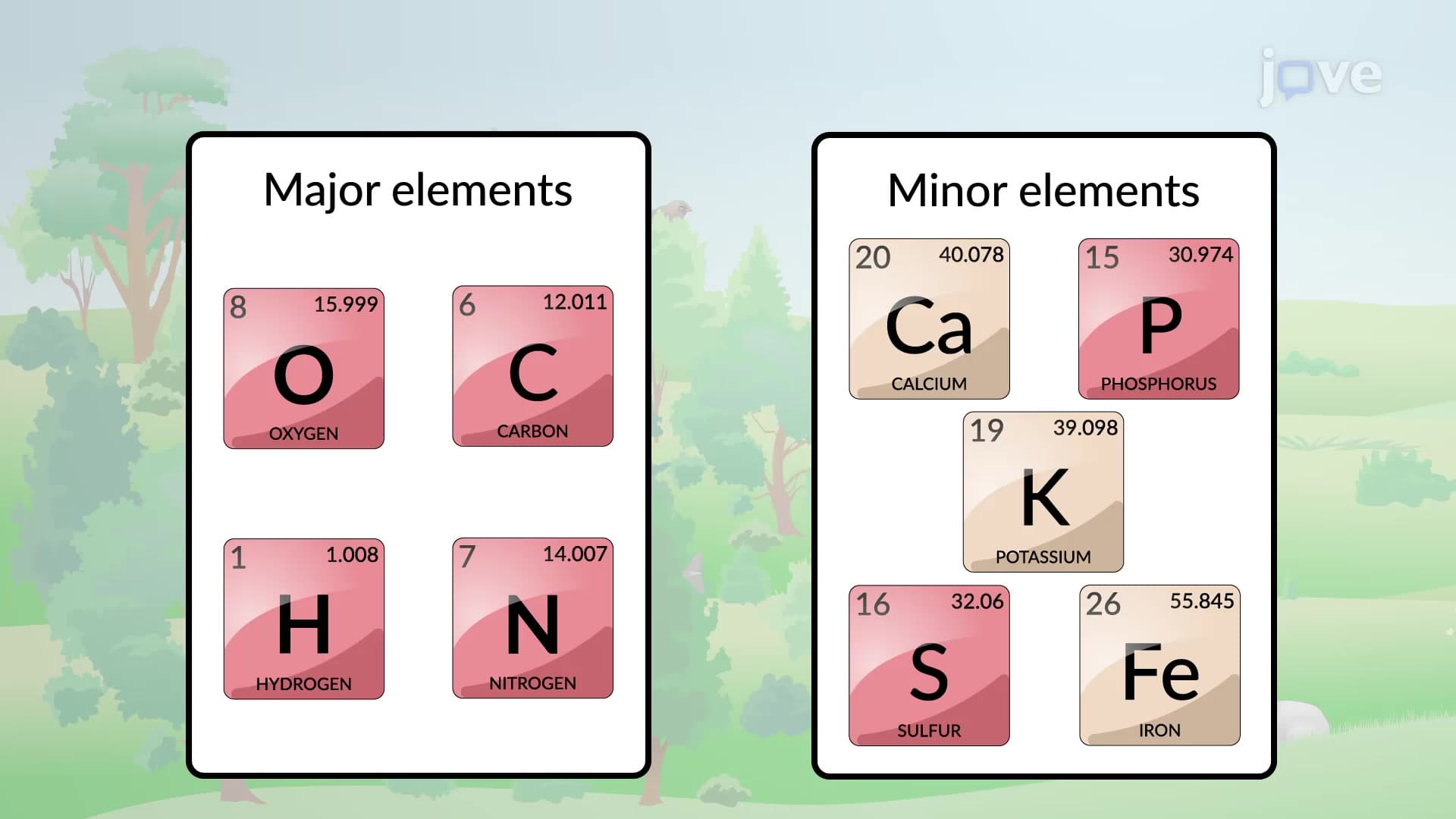
- Learn how elements are organized in the periodic table and identify biologically important elements
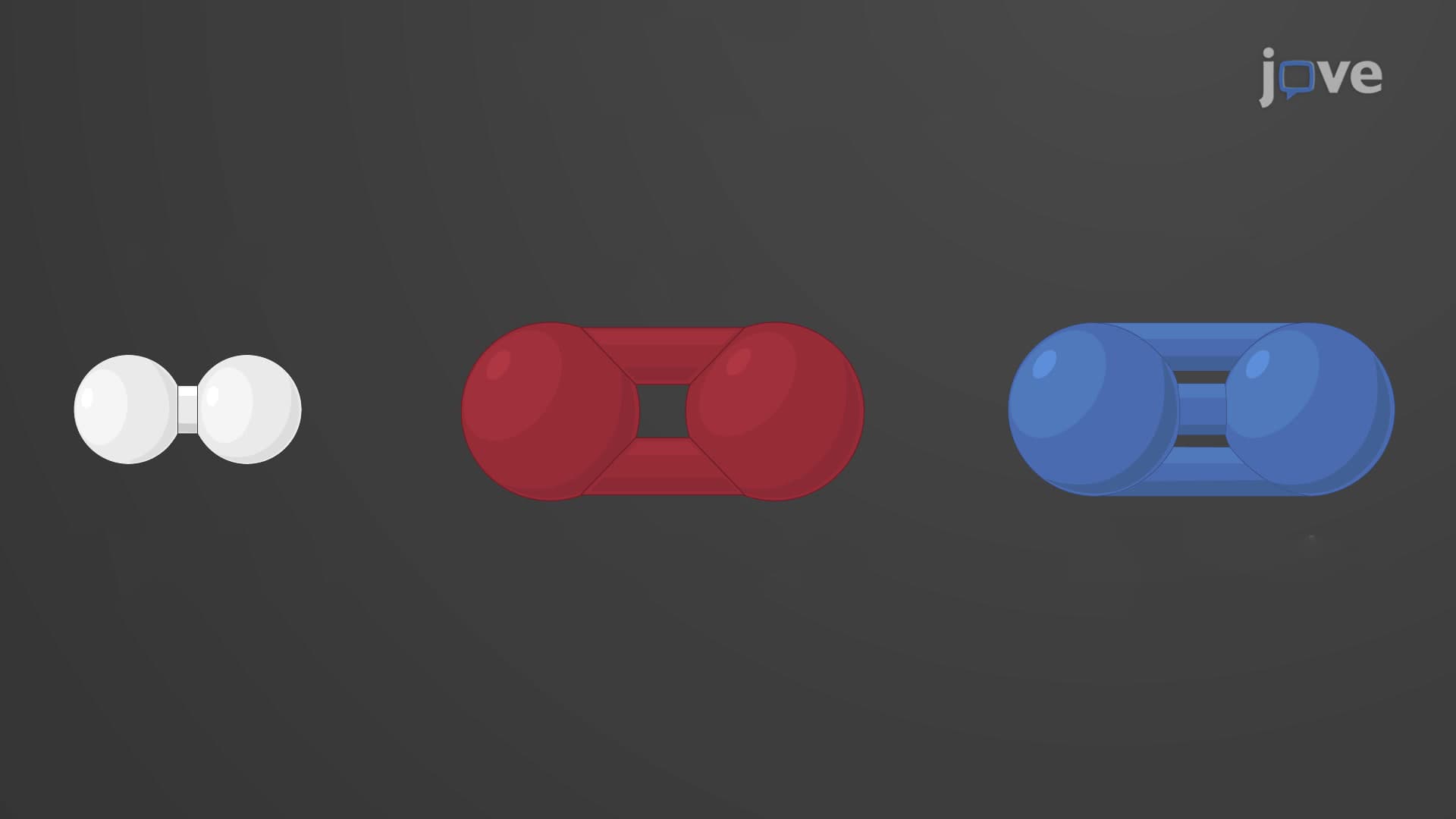
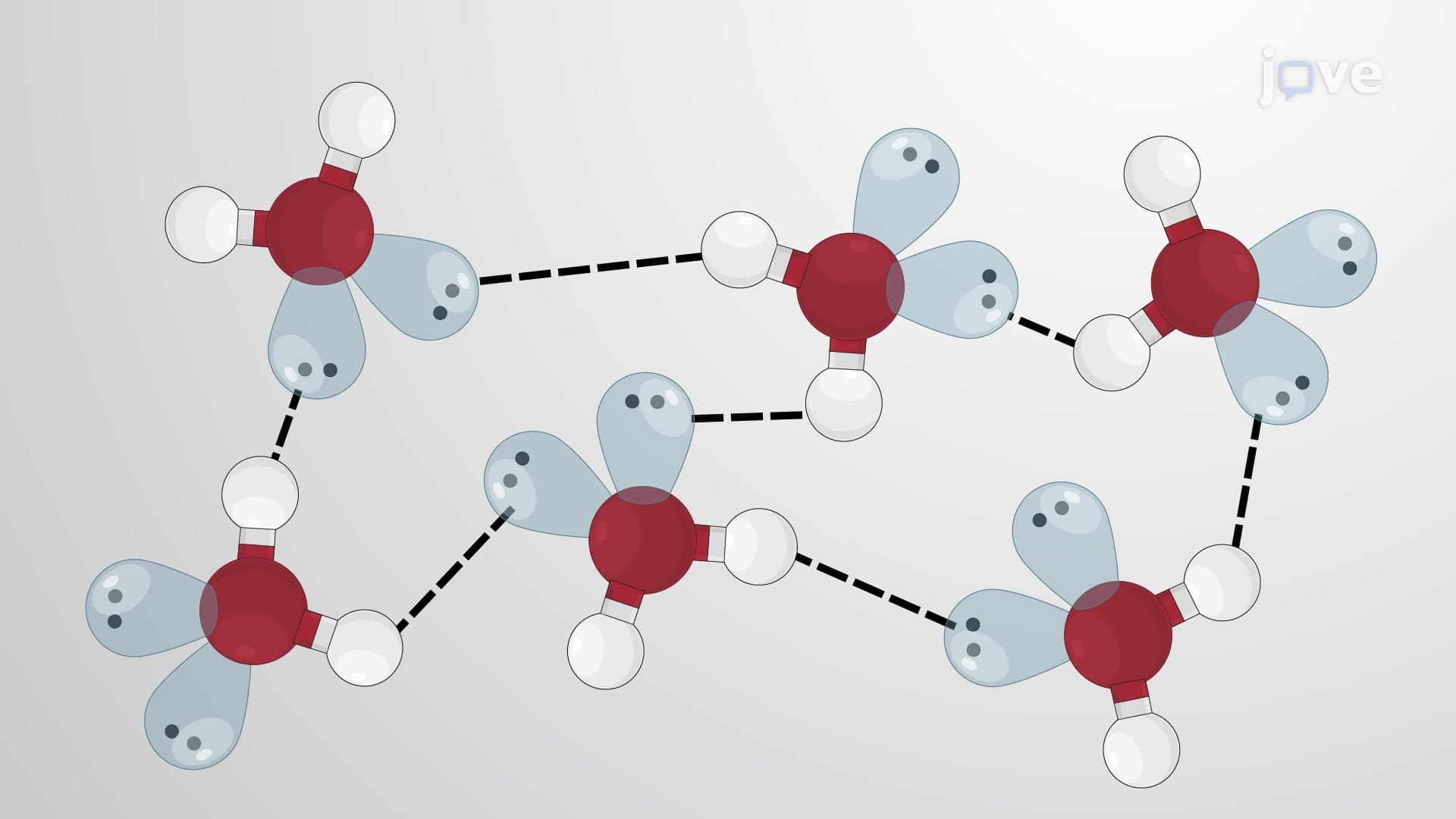
- Explore different types of chemical bonds, including ionic, covalent, and hydrogen bonds
- Analyze the formation of ions, molecules, and compounds through electron transfer and sharing
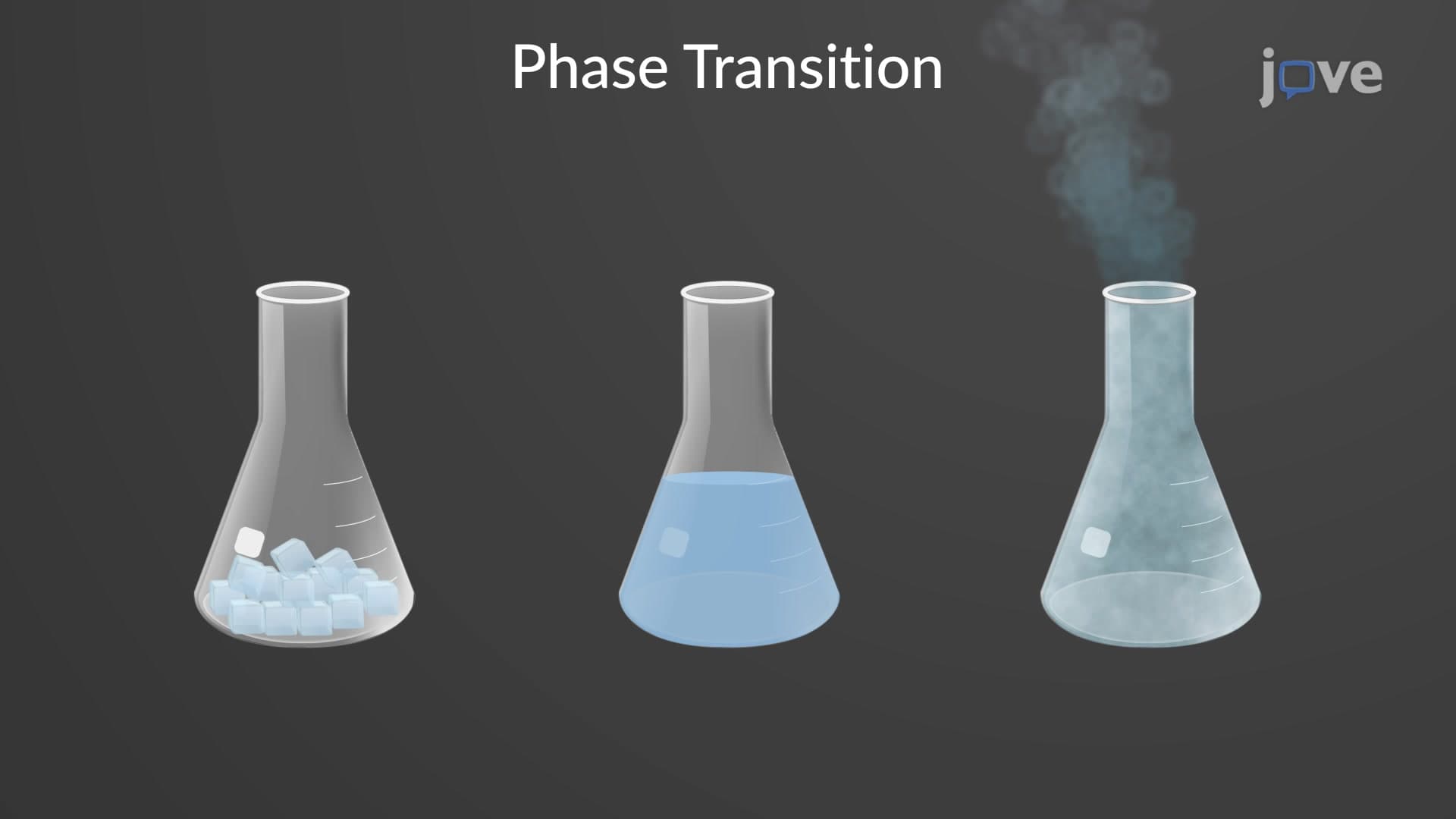
- Identify the three states of matter and understand phase transitions based on molecular kinetic energy
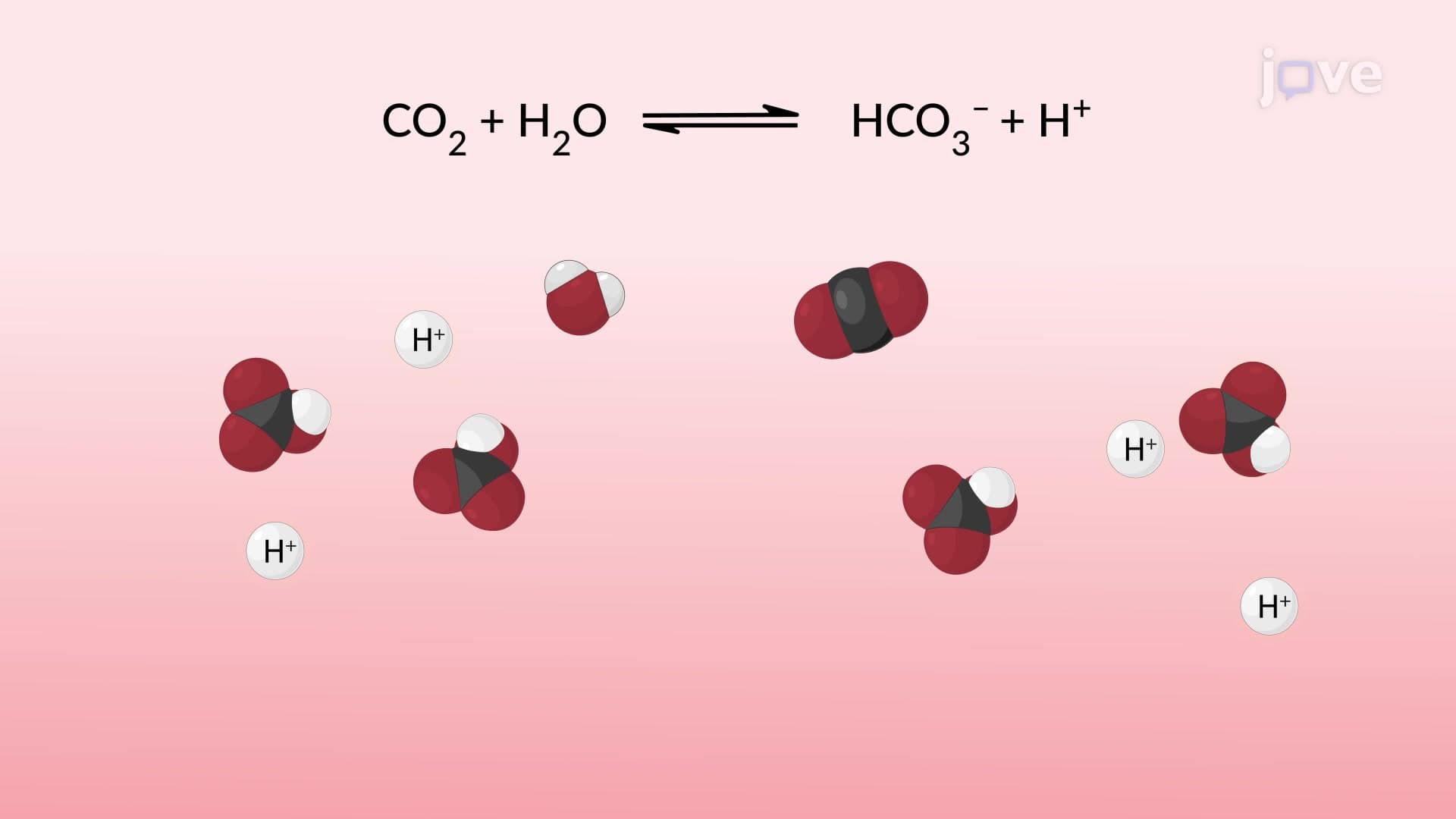
- Apply knowledge of chemical reactions, including anabolic, catabolic, exchange, and reversible processes
- Understand acids, bases, and neutralization reactions in biological and environmental contexts
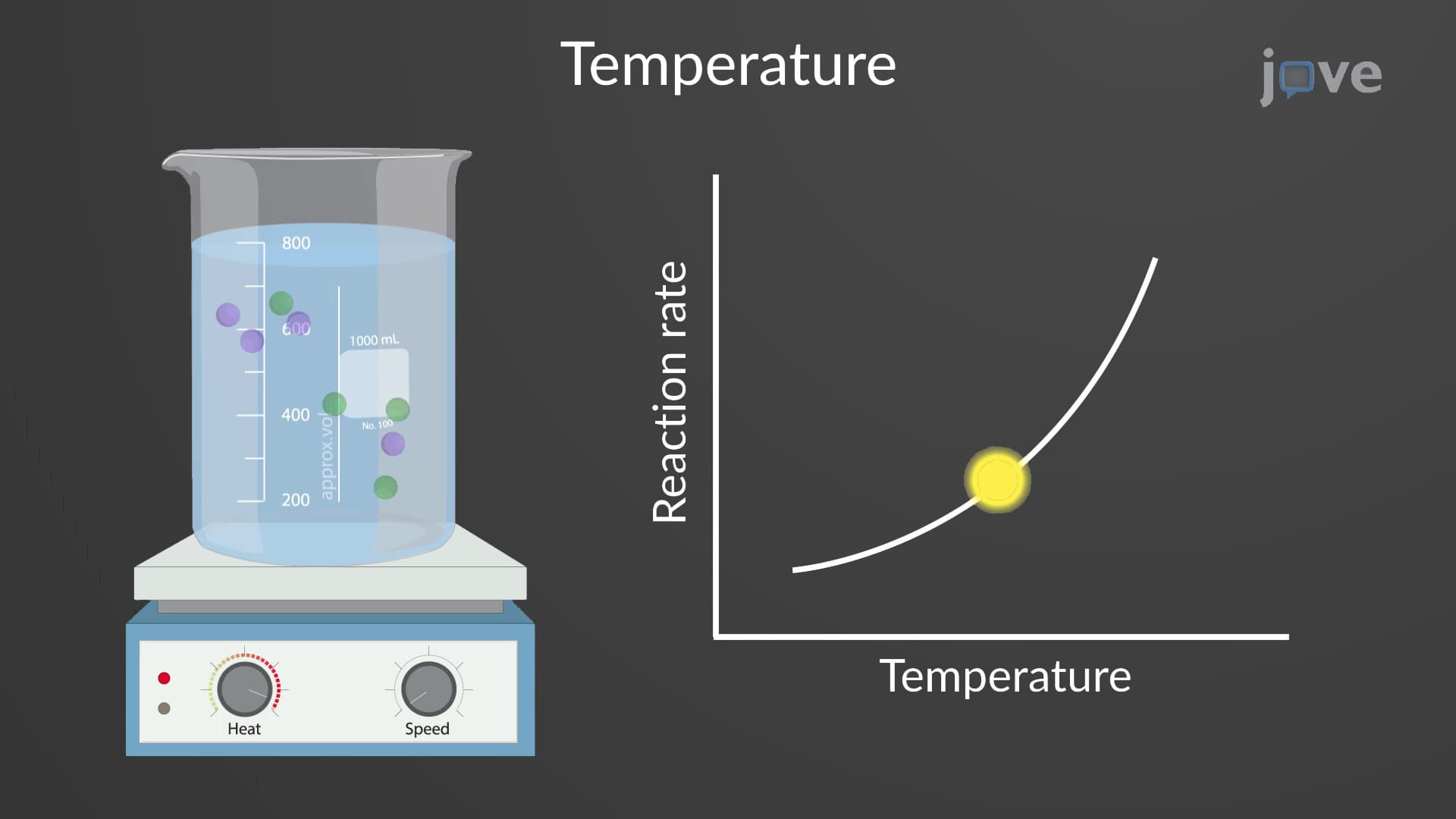
- Examine factors that influence reaction rates and energy transfer in chemical processes
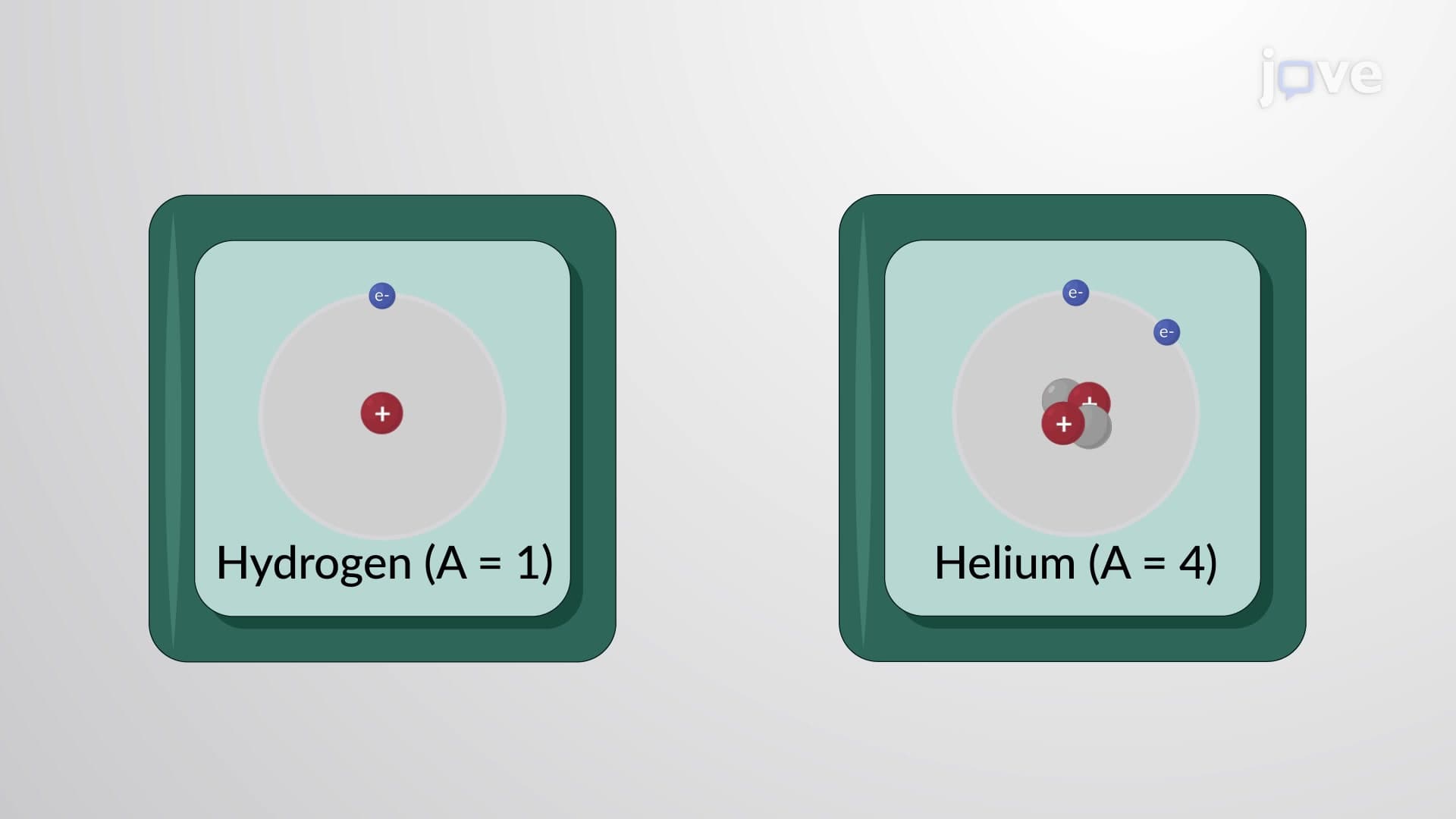
1. Matter, Elements, and Atomic Structure: Matter consists of elements composed of unique atoms containing protons, neutrons, and electrons. The atomic number (number of protons) defines each element, while the mass number represents the sum of protons and neutrons. Understanding atomic structure explains how elements like carbon, oxygen, and nitrogen form the basis of biological molecules. Physical properties (mass, density, color) can be observed without changing composition, while chemical properties (flammability, reactivity) require compositional changes. This foundation helps explain why certain elements are essential for life processes.
2. The Periodic Table and Chemical Symbols: Elements are systematically arranged by increasing atomic number, with chemical symbols providing standardized abbreviations (H for hydrogen, O for oxygen, Fe for iron from Latin "ferrum"). The periodic table reveals patterns in elemental properties and helps predict chemical behavior. Biologically important elements occupy specific regions, with carbon's unique bonding capacity making it central to organic chemistry. Understanding periodic trends explains why elements like sodium and chlorine readily form ionic compounds, while carbon and hydrogen form stable covalent bonds.
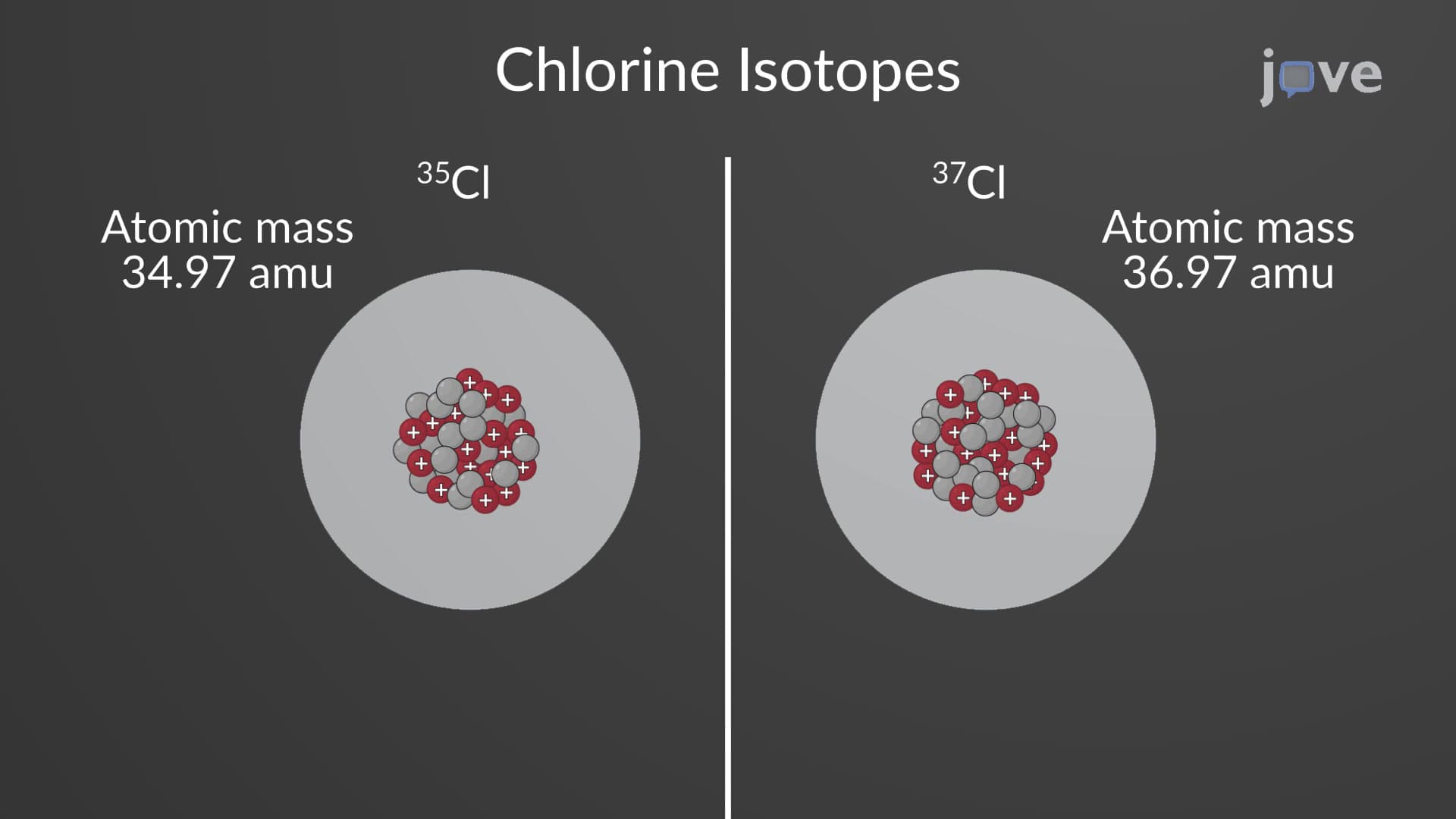
3. Isotopes and Atomic Weight: Isotopes are atoms with identical proton numbers but different neutron counts, creating variants like carbon-12, carbon-13, and carbon-14. Atomic weight represents the weighted average of all naturally occurring isotopes. Radioisotopes like fluorine-18 and thallium-201 serve crucial roles in medical imaging, including PET scans for cancer detection and cardiac blood flow monitoring. This concept explains why atomic weights aren't whole numbers and demonstrates practical applications in healthcare and research.
4. Chemical Bonding and Electron Behavior: Valence electrons determine bonding behavior, with atoms achieving stability through electron sharing or transfer. Ionic bonds form when electrons transfer between atoms (sodium chloride), while covalent bonds involve electron sharing (water, methane). Electronegativity differences create polar covalent bonds, as in water where oxygen attracts electrons more strongly than hydrogen. Hydrogen bonds, though individually weak, provide collective strength in biological systems. Understanding bonding explains molecular properties and biological function.
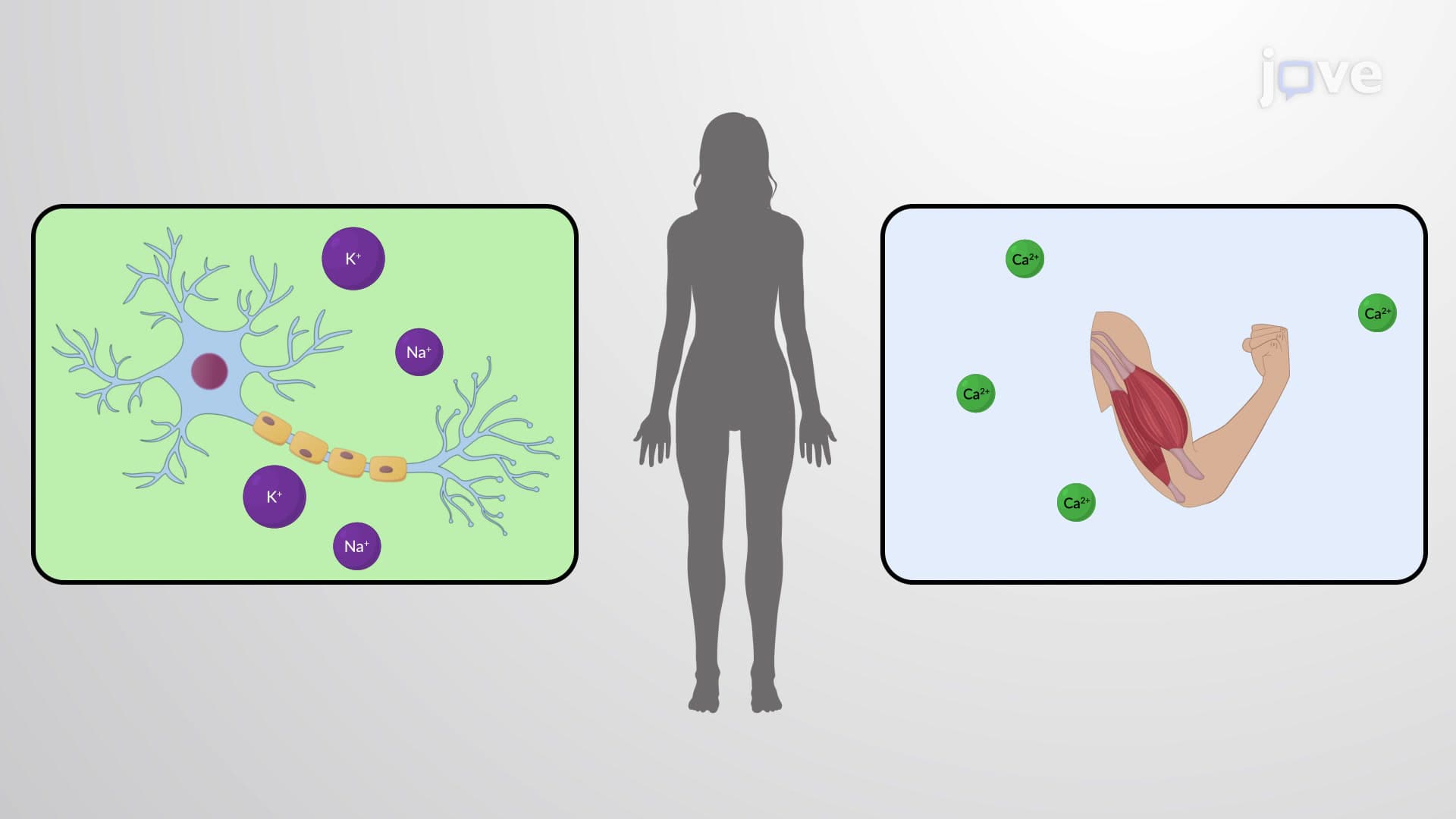
5. Ions, Molecules, and Compounds: Cations (positively charged) form when atoms lose electrons, while anions (negatively charged) result from electron gain. Molecules contain two or more bonded atoms, which may be identical (oxygen gas) or different (water). Compounds always contain different elements in fixed proportions, whether ionic (sodium chloride) or molecular (methane). These distinctions explain how table salt dissolves in water, how nerve impulses transmit through ion movement, and why certain substances conduct electricity while others don't.
6. States of Matter and Molecular Motion: Solids, liquids, and gases differ in molecular kinetic energy and intermolecular forces. Solids maintain definite shape and volume with tightly packed, vibrating molecules. Liquids flow due to sufficient molecular energy to overcome some intermolecular forces while maintaining definite volume. Gases expand to fill containers as high-energy molecules overcome most intermolecular attractions. Temperature and pressure changes drive phase transitions, explaining phenomena like ice melting, water boiling, and atmospheric pressure effects on cooking at high altitudes.
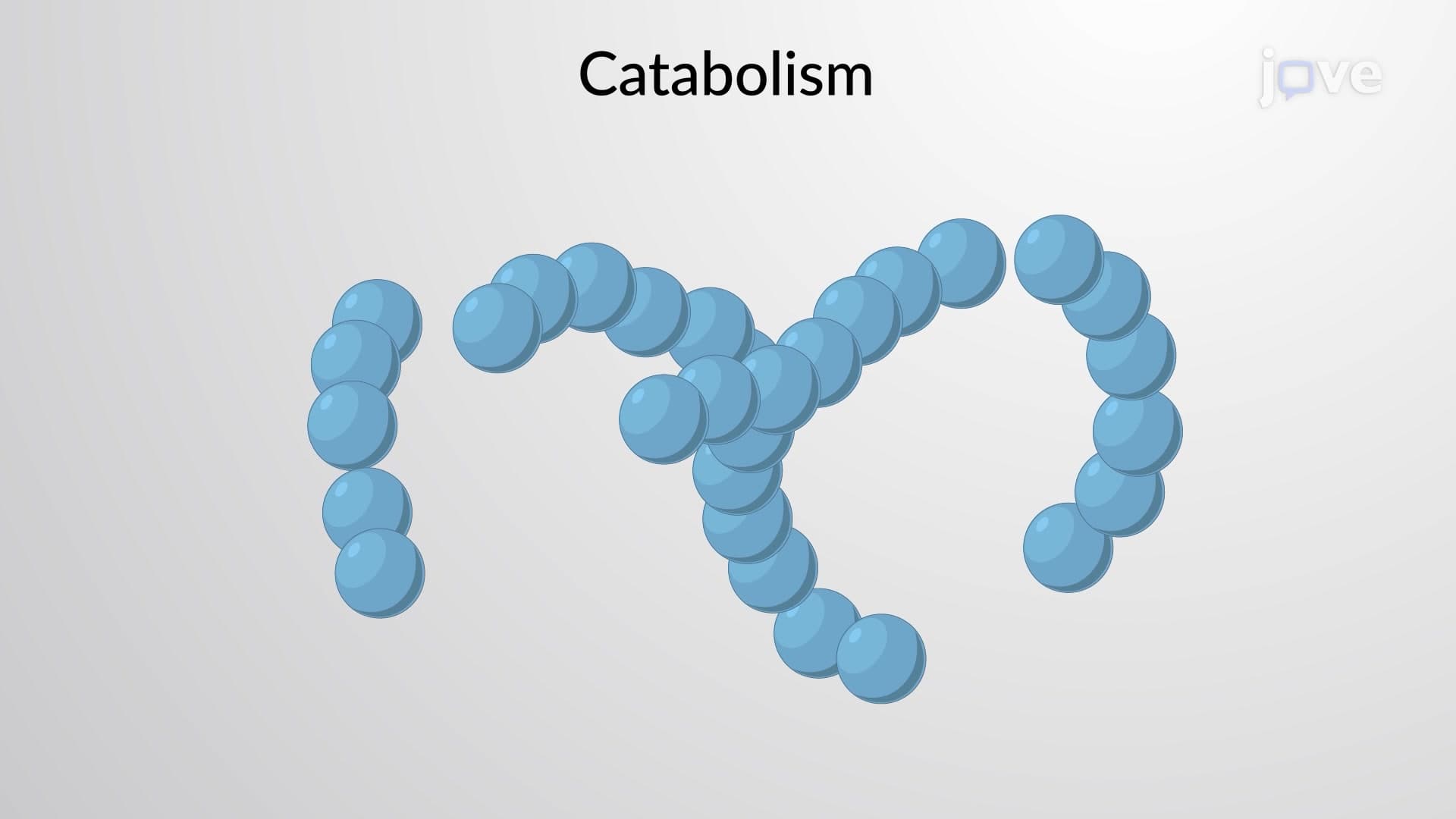
7. Chemical Reactions and Energy Transfer: Chemical reactions involve breaking existing bonds and forming new ones, with energy changes determining whether reactions release (exergonic) or absorb (endergonic) energy. Anabolic reactions build complex molecules from simpler ones (protein synthesis), while catabolic reactions break down complex substances (glucose metabolism). Exchange reactions involve atom transfer between molecules. Understanding energy coupling explains how cellular metabolism links energy-releasing and energy-requiring processes, maintaining biological function and homeostasis.
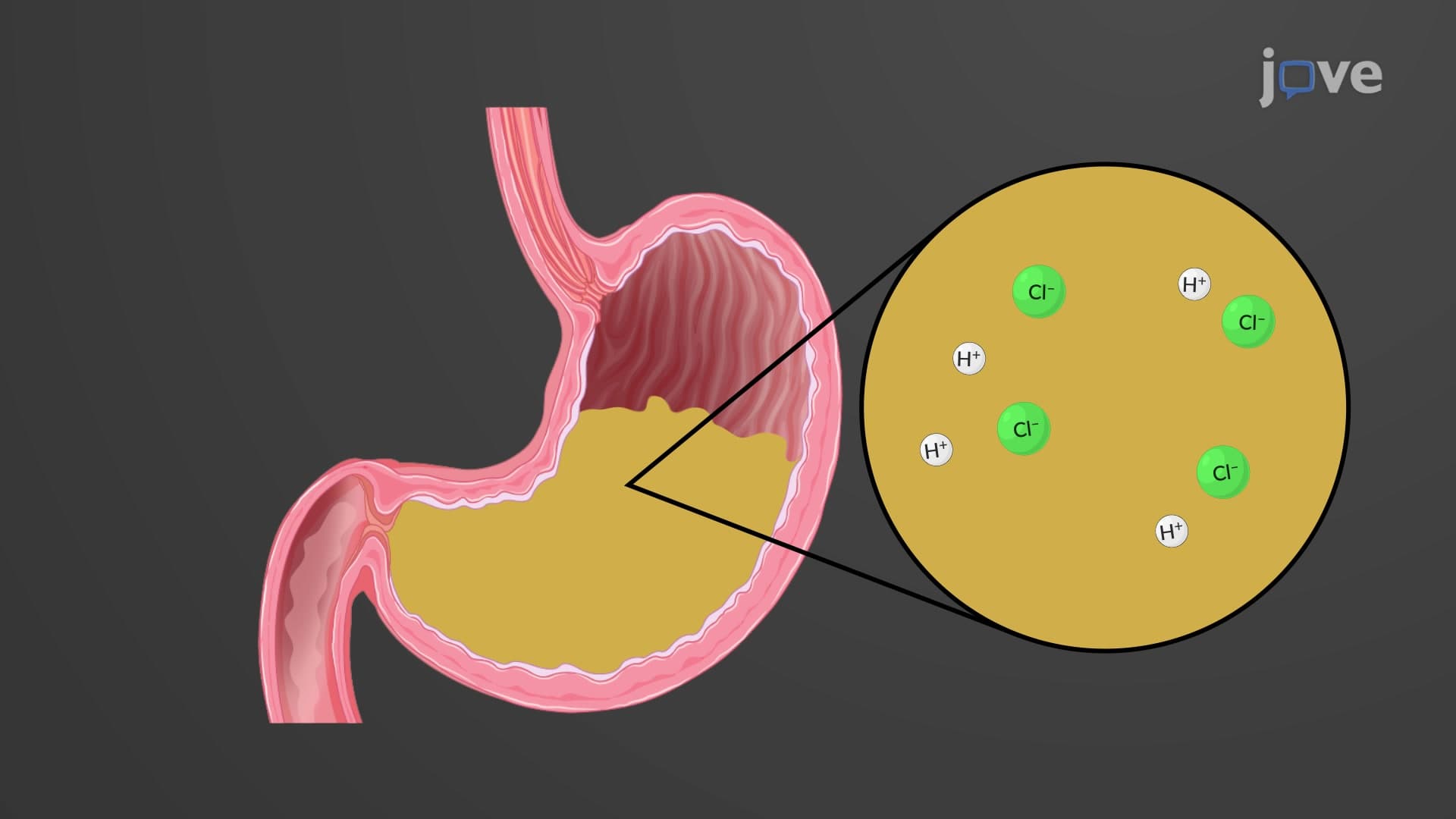
8. Acids, Bases, and Neutralization: Acids release hydrogen ions (protons) in solution, while bases produce hydroxide ions or accept protons. Monoprotic acids like hydrochloric acid release one proton, while polyprotic acids like phosphoric acid can release multiple protons. Neutralization reactions produce water and salt when acids and bases react in equal proportions. This concept explains stomach acid function, antacid effectiveness, blood pH regulation, and industrial processes like water treatment and pharmaceutical manufacturing.