Loading subject page…


178,811 views

Video Summary: What Is Generation of Action Potential
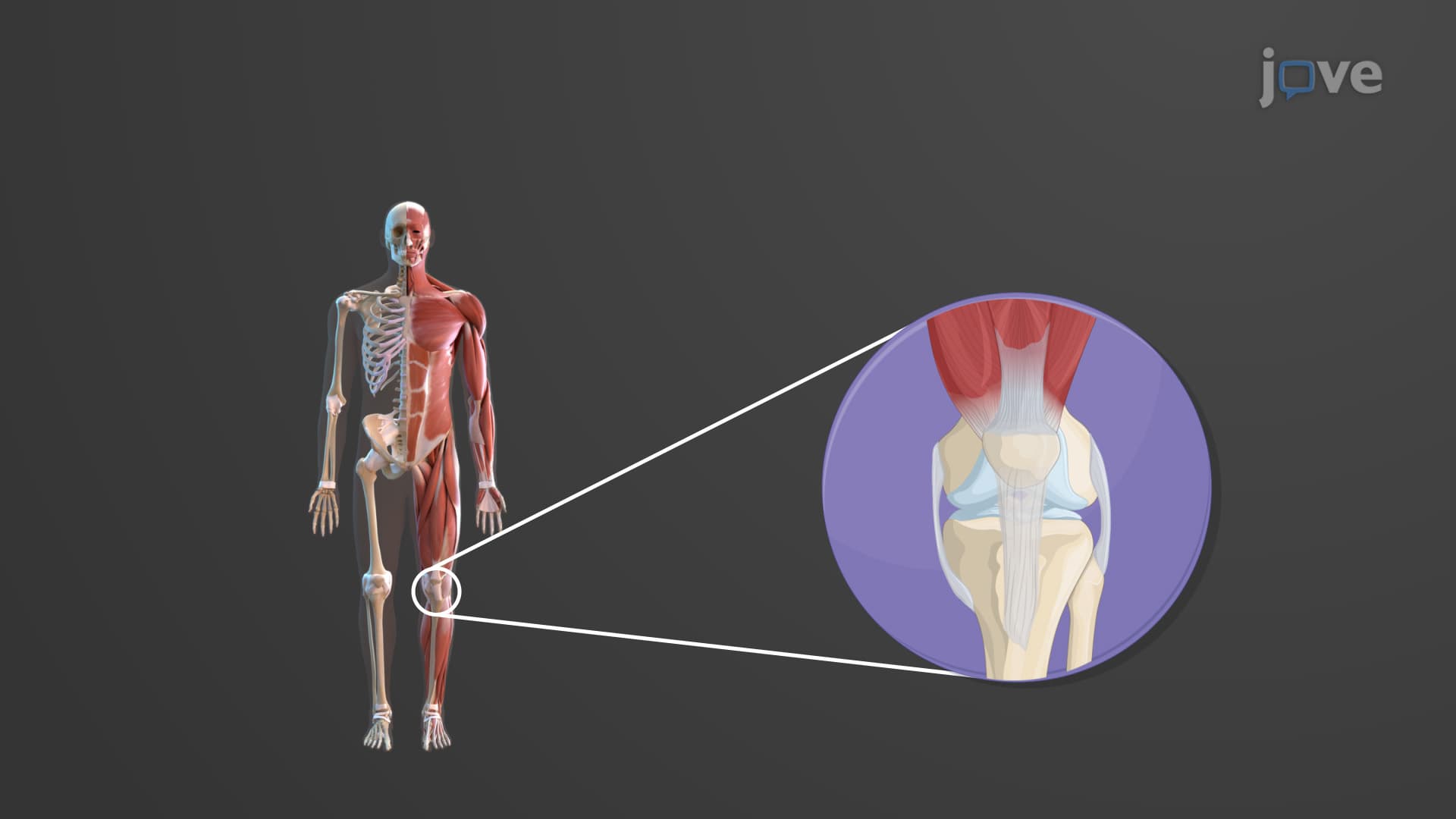
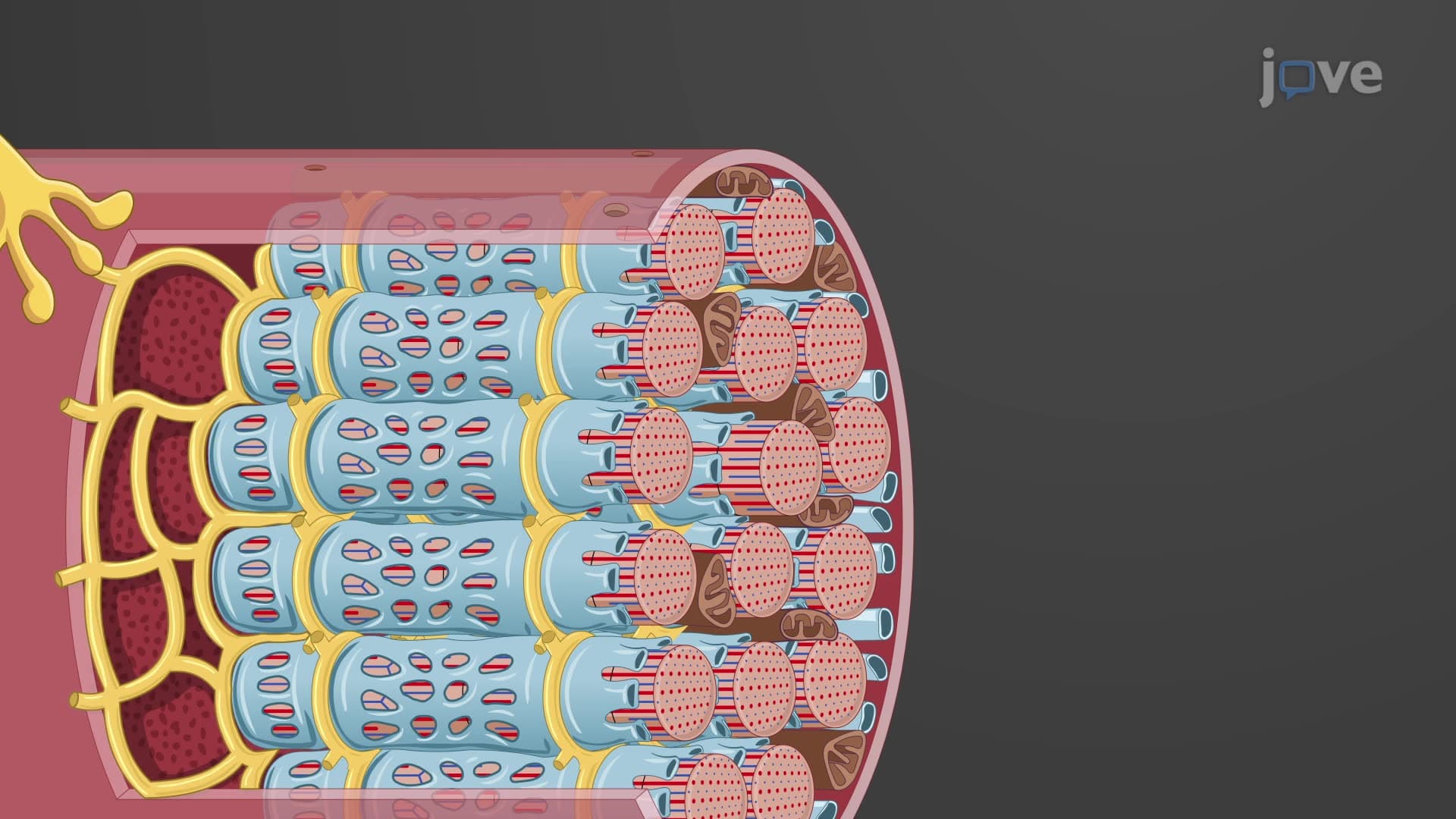
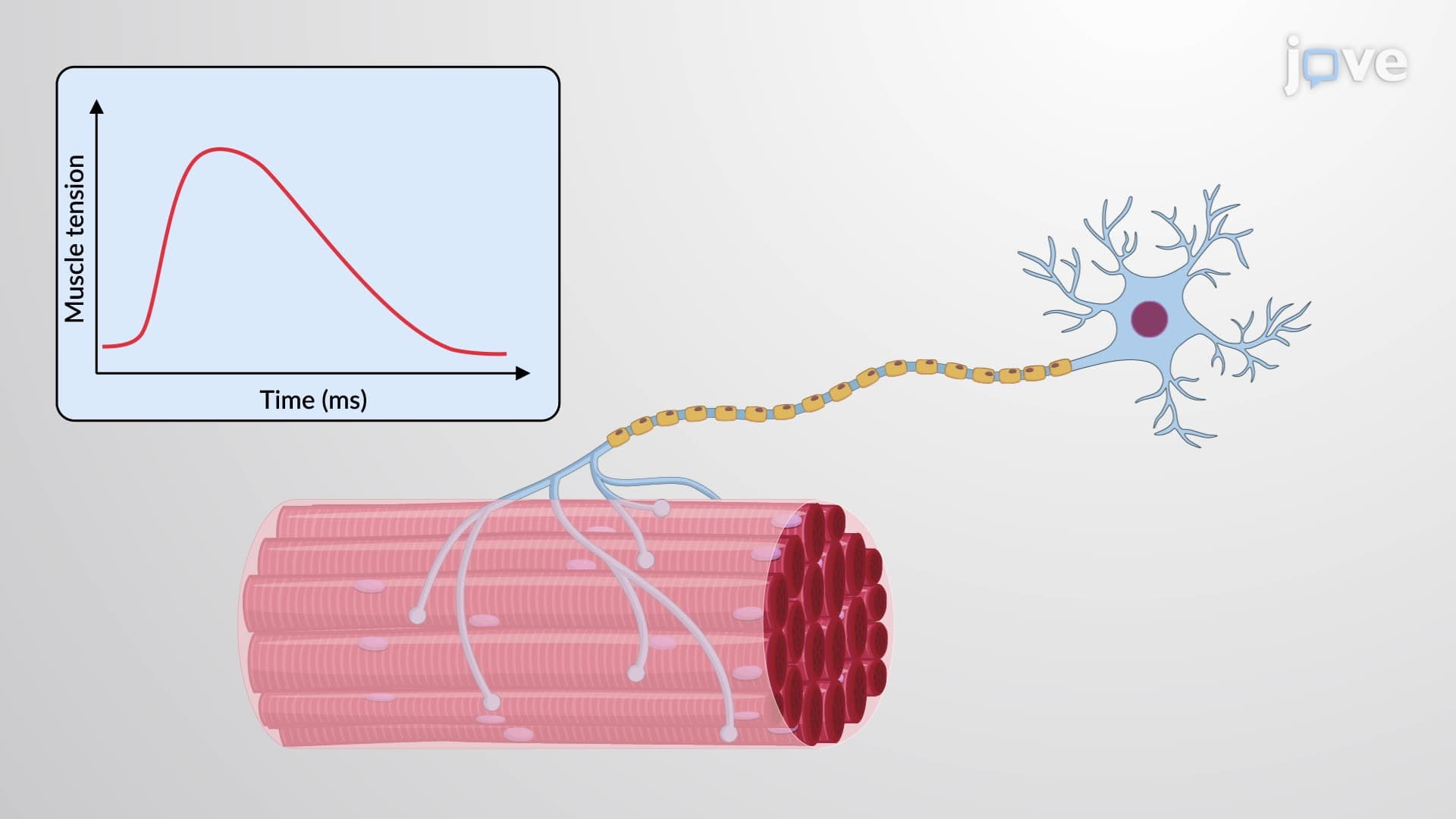
Ever wonder how your bicep contracts in just milliseconds when you flex? Action potential generation muscle mechanisms make this lightning-fast response possible through precise electrical signaling. During a clinical reflex test at Johns Hopkins Hospital, doctors tap your knee tendon and witness this exact process-sodium channels open, depolarization spreads, and your quadriceps muscle fibers contract almost instantly. Understanding what is generation of action potential reveals how our bodies coordinate complex movements from typing to sprinting. Watch the full video on JoVE Coach to master this concept with expert-led visuals and step-by-step explanations.
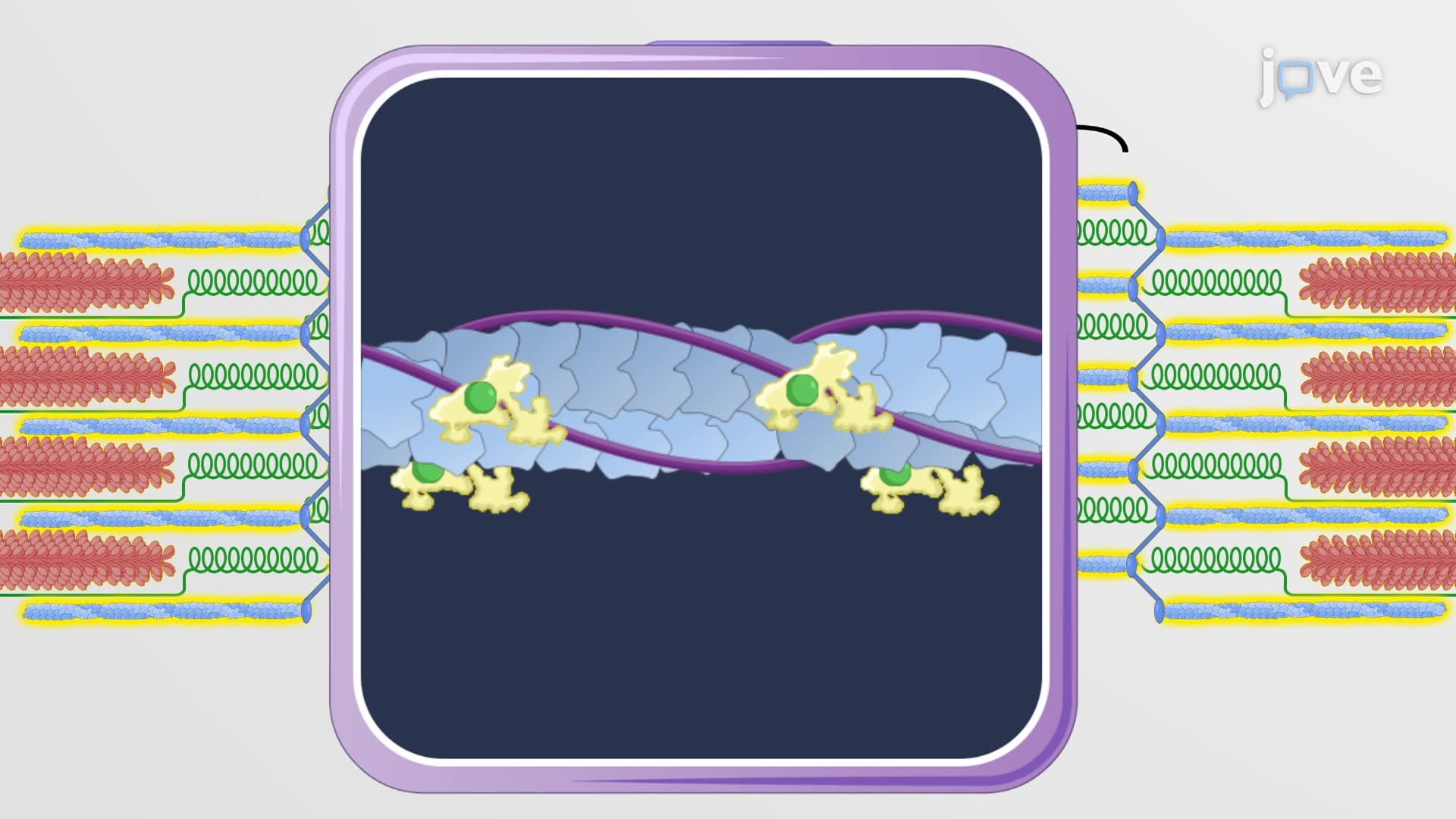
Action potential generation muscle physiology represents one of the most elegant examples of bioelectrical signaling in human biology. This process transforms chemical signals from motor neurons into the electrical events that ultimately trigger muscle contraction. For students preparing for the MCAT or AP Biology exams, mastering this concept provides essential foundation knowledge for understanding neuromuscular physiology.
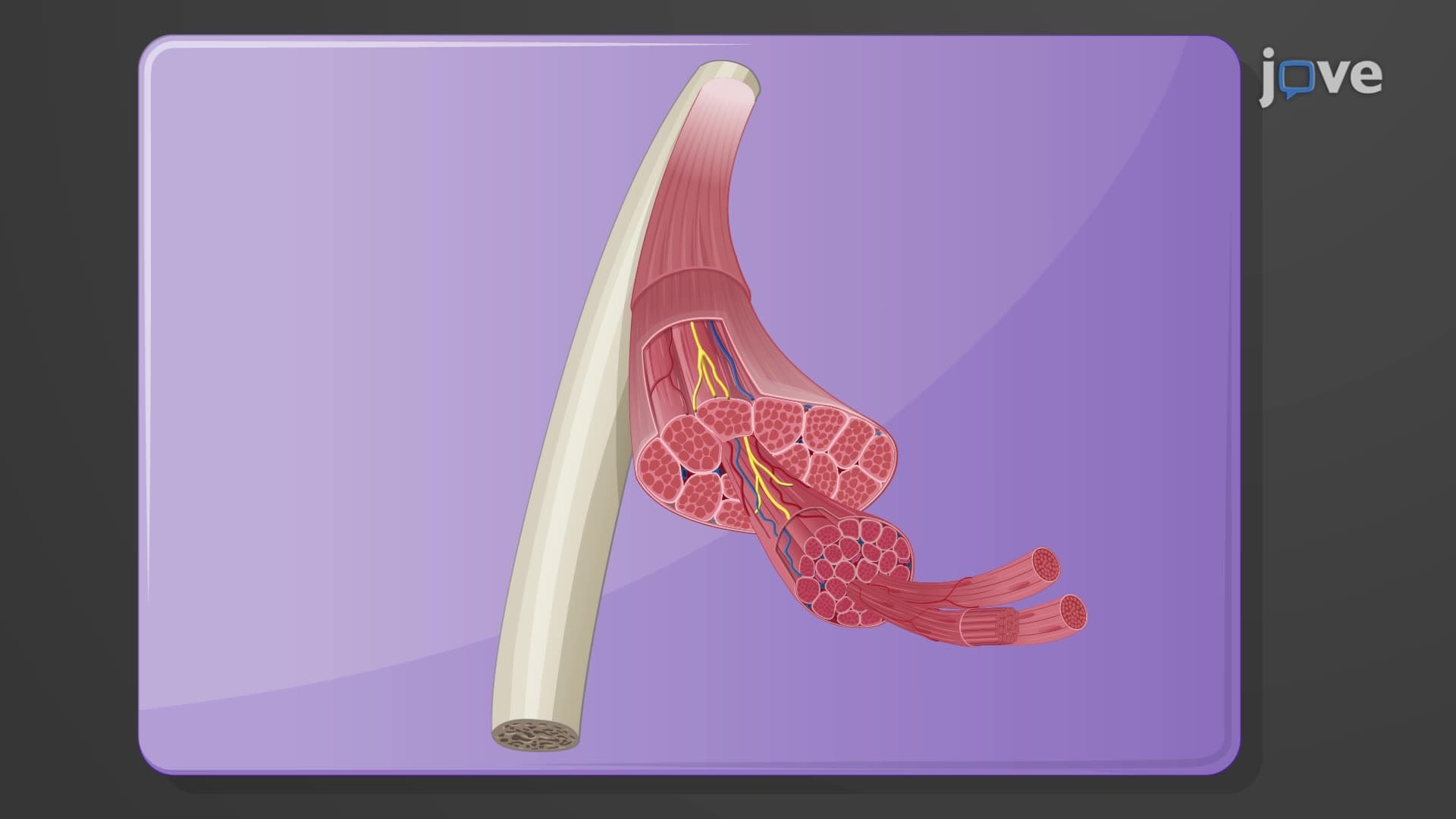
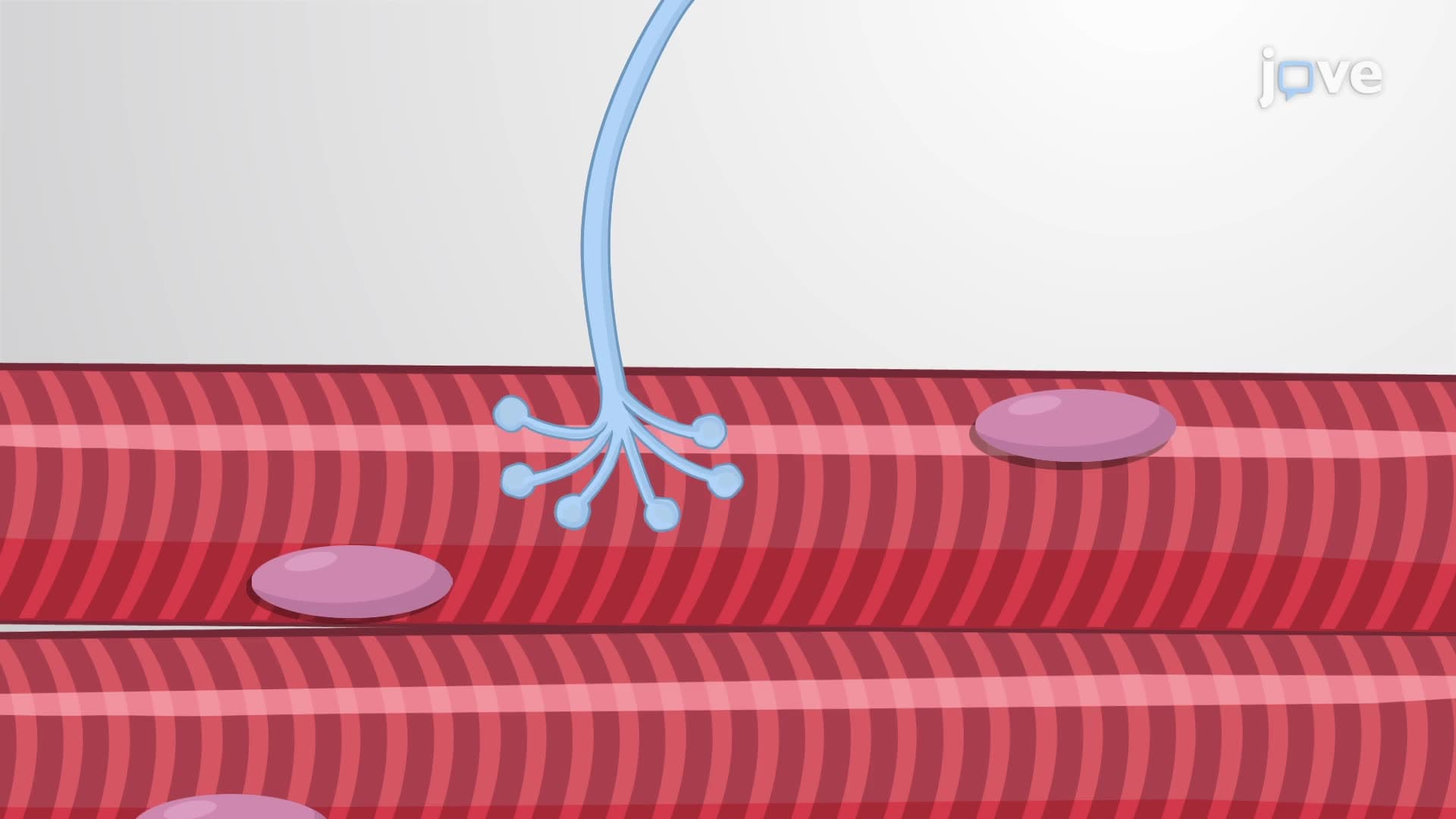
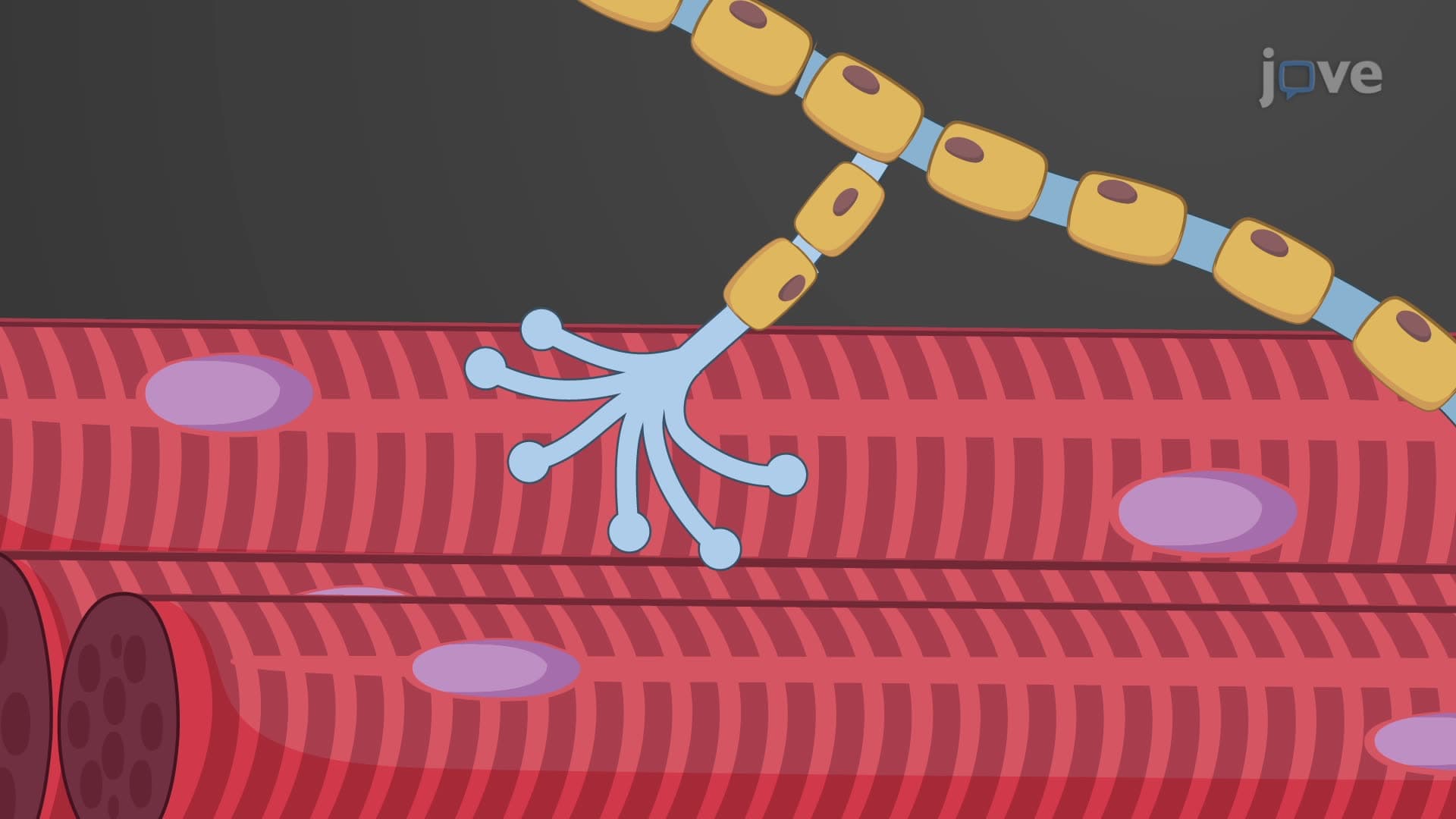
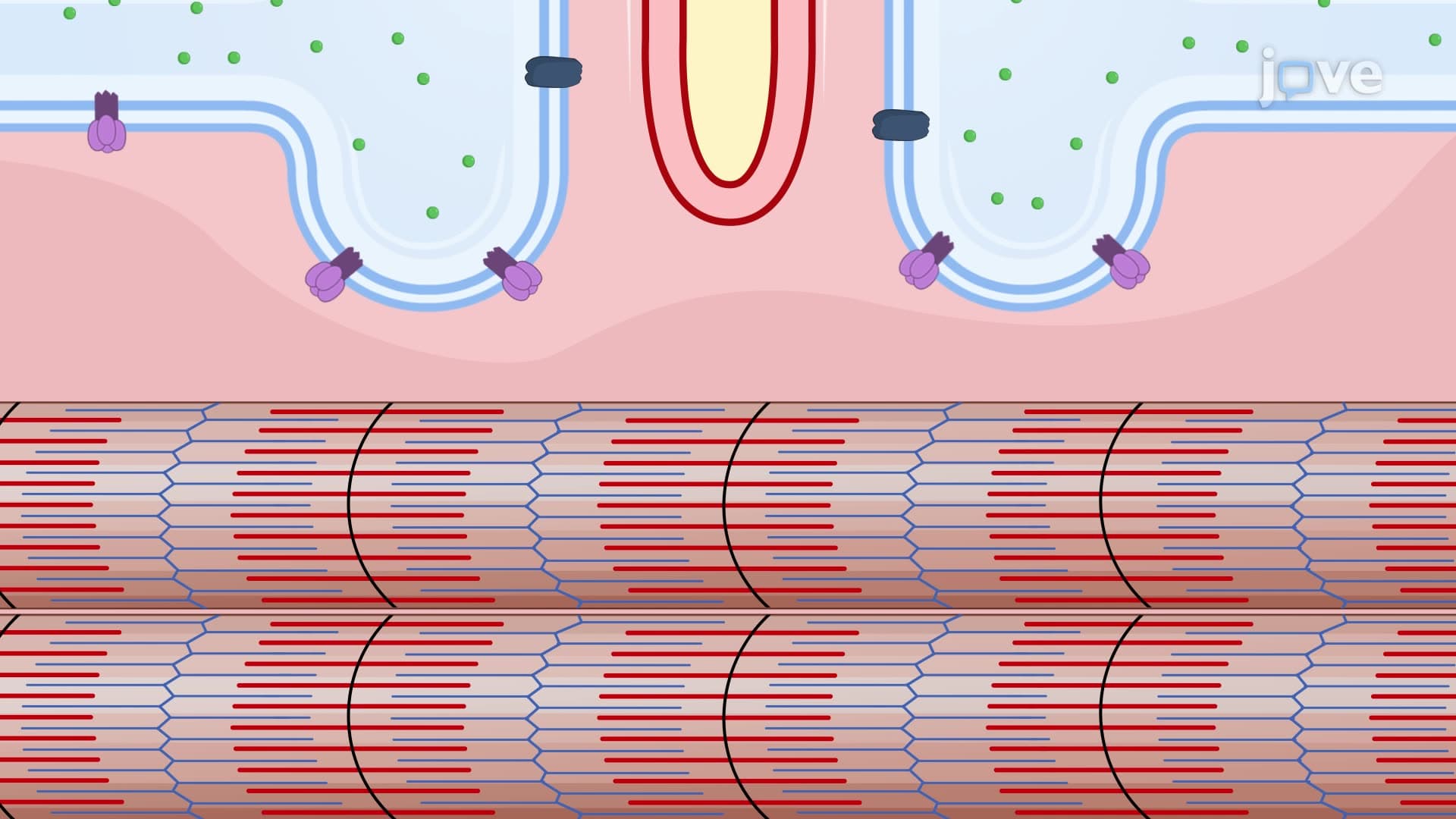
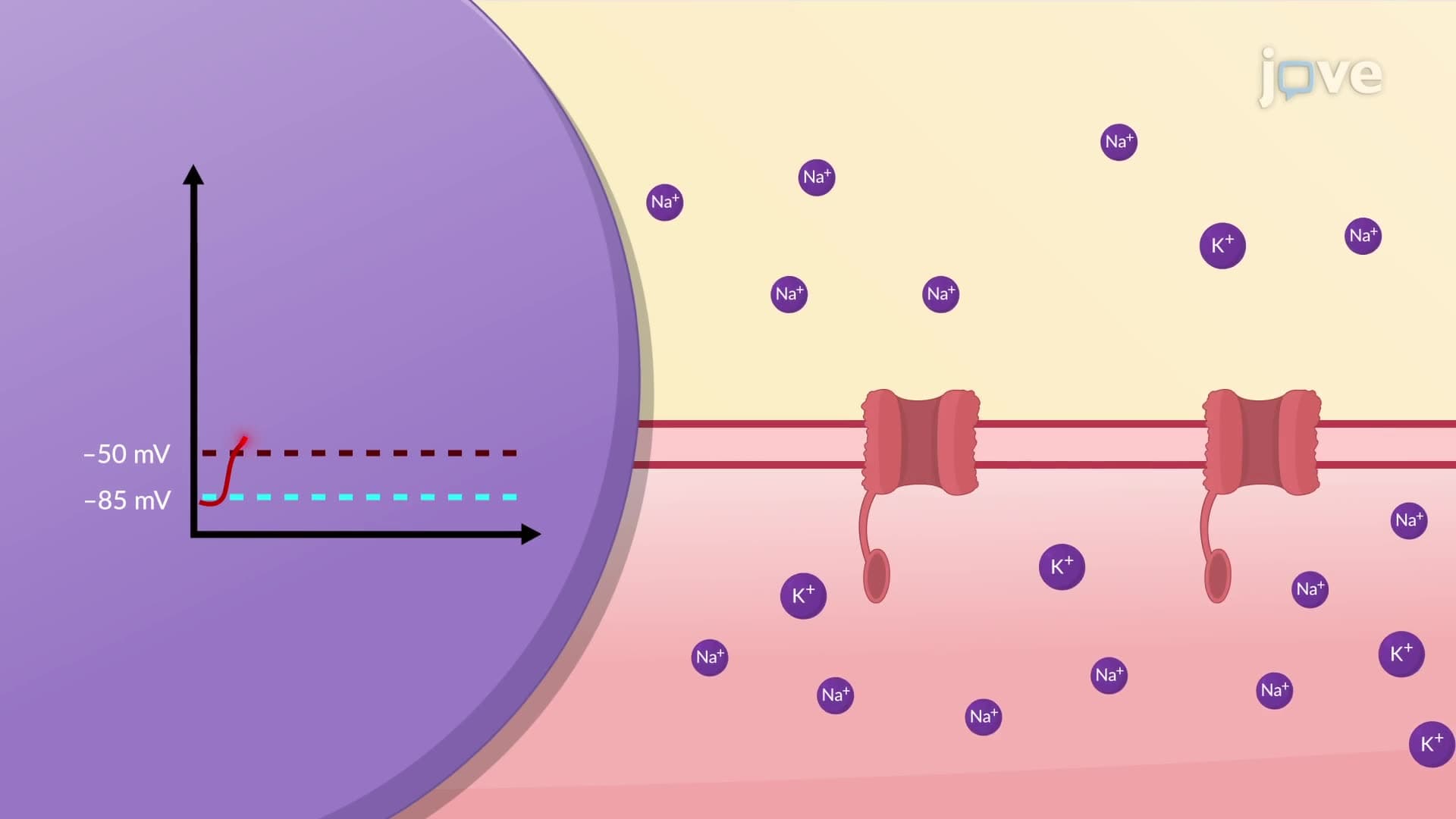
Muscle fibers maintain a resting membrane potential of approximately -85 mV, more negative than typical neurons. This polarized state results from the sodium-potassium pump's continuous activity and selective membrane permeability. When acetylcholine from motor neurons binds nicotinic receptors at the neuromuscular junction, depolarization sodium influx begins the action potential cascade.
The critical threshold potential muscle value ranges from -50 to -55 mV. Once this threshold is reached, voltage-gated sodium channels open rapidly, creating positive feedback that drives membrane potential toward +40 mV. This overshoot phase distinguishes muscle action potentials from graded potentials, demonstrating the all or none AP muscle principle that ensures reliable signal transmission.
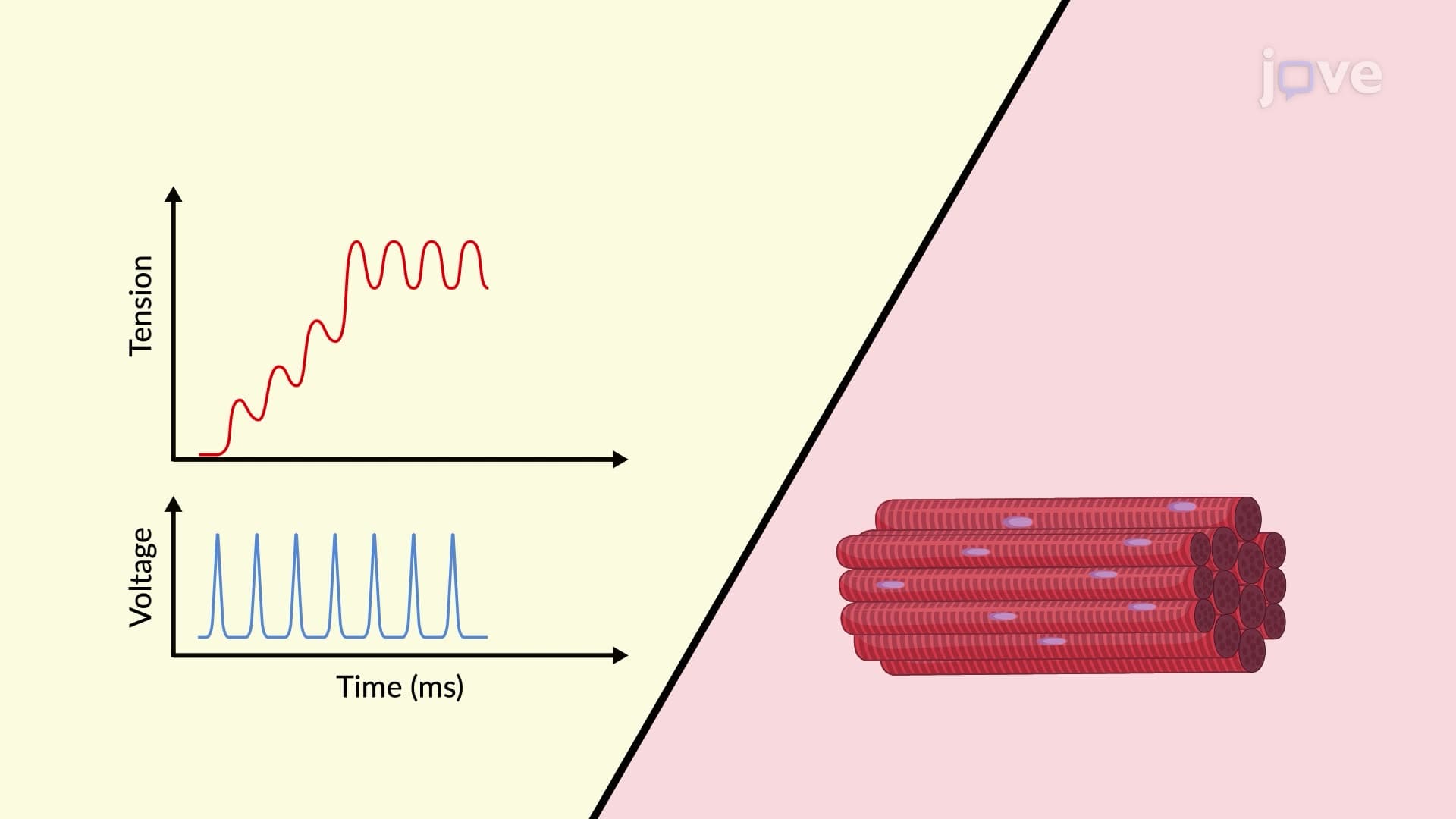
Following peak depolarization, sodium channels inactivate while voltage-gated potassium channels open, initiating repolarization. This sodium potassium AP generation sequence ensures the action potential propagates unidirectionally along the muscle fiber. The entire process completes within 1-2 milliseconds, allowing for rapid, coordinated muscle activation.
Understanding how is action potential generated in muscle cells proves essential for medical students studying conditions like myasthenia gravis, where neuromuscular transmission fails. At institutions like Harvard Medical School, students learn how local anesthetics block sodium channels, preventing action potential generation and providing pain relief during procedures. For college undergraduates, this concept appears frequently on physiology exams and provides foundation knowledge for advanced topics in exercise science and kinesiology.
Related Micro-courses