Loading video…


 22 Concepts
 178.8K views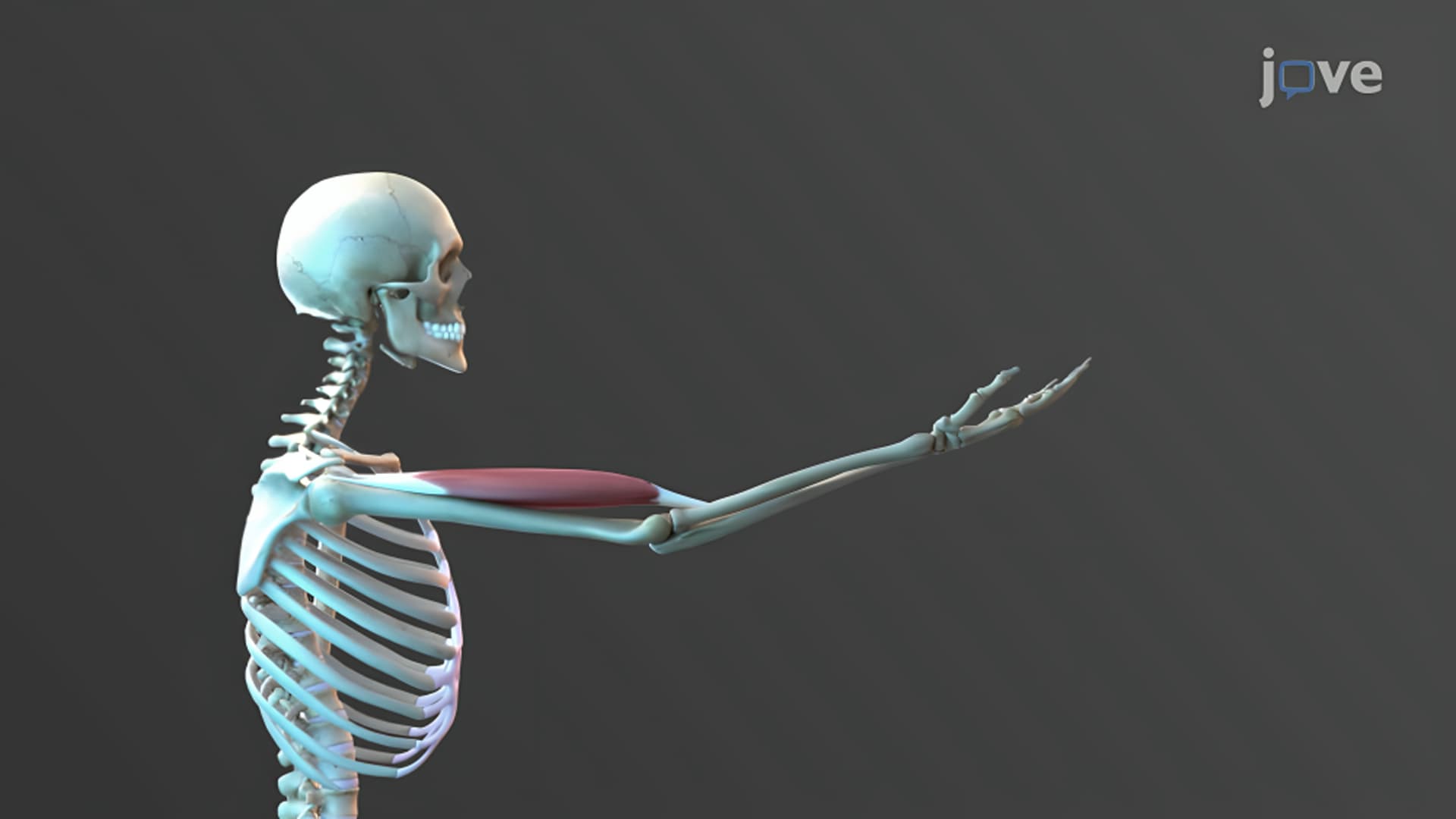

Video Summary: Isotonic and Isometric Muscle Contractions Explained
Ever wonder why your muscles shake when you hold a plank position but not when you're doing bicep curls? The key difference lies in isotonic and isometric muscle contractions, two fundamental movement patterns that power every athletic performance, from NFL quarterbacks throwing passes to gymnasts holding steady poses. Isotonic and Isometric Muscle Contractions Explained reveals how muscles generate force through dynamic length changes versus static tension maintenance. Watch the full video on JoVE Coach to master this concept with expert-led visuals and step-by-step explanations.
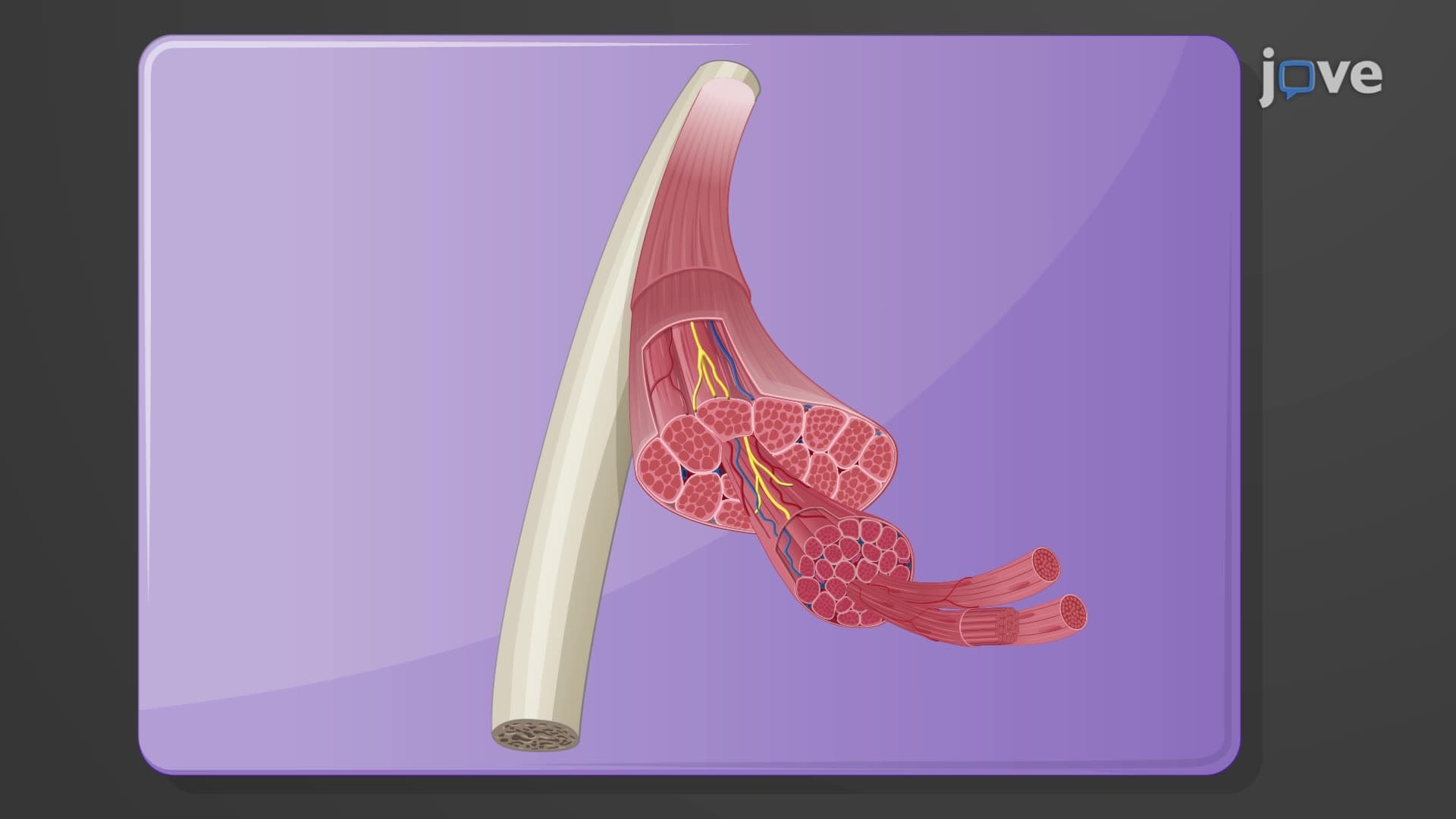
Muscle contraction types isotonic isometric represent the two primary mechanisms by which skeletal muscles generate force and produce movement. This classification system, fundamental to exercise physiology and biomechanics, determines whether muscles change length during contraction or maintain constant dimensions while producing tension.
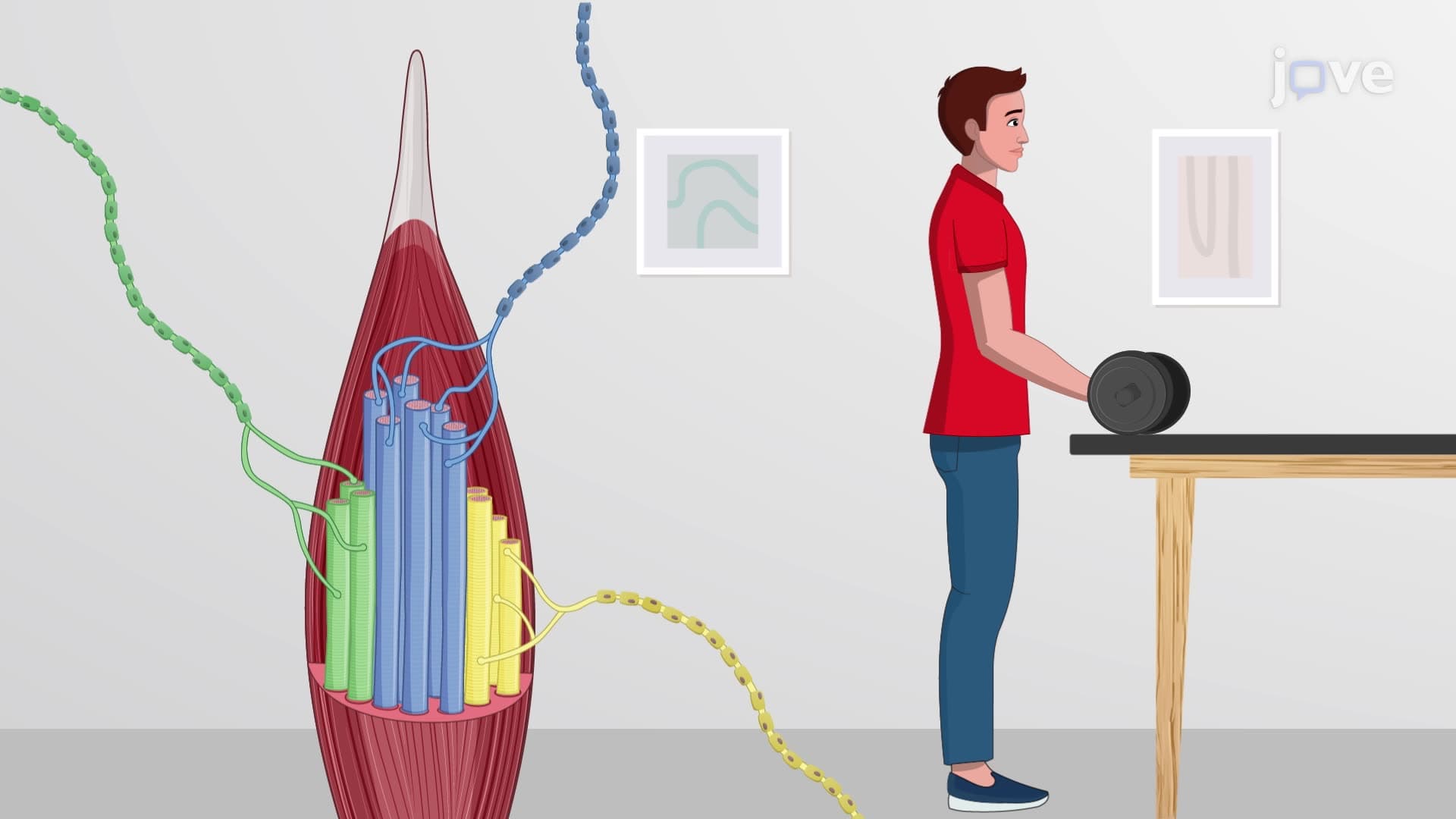
Isotonic contractions involve muscle length change contraction patterns where muscles alter their dimensions while maintaining relatively constant tension. The term "isotonic" literally means "same tension," though in practice, tension varies slightly throughout the movement range.
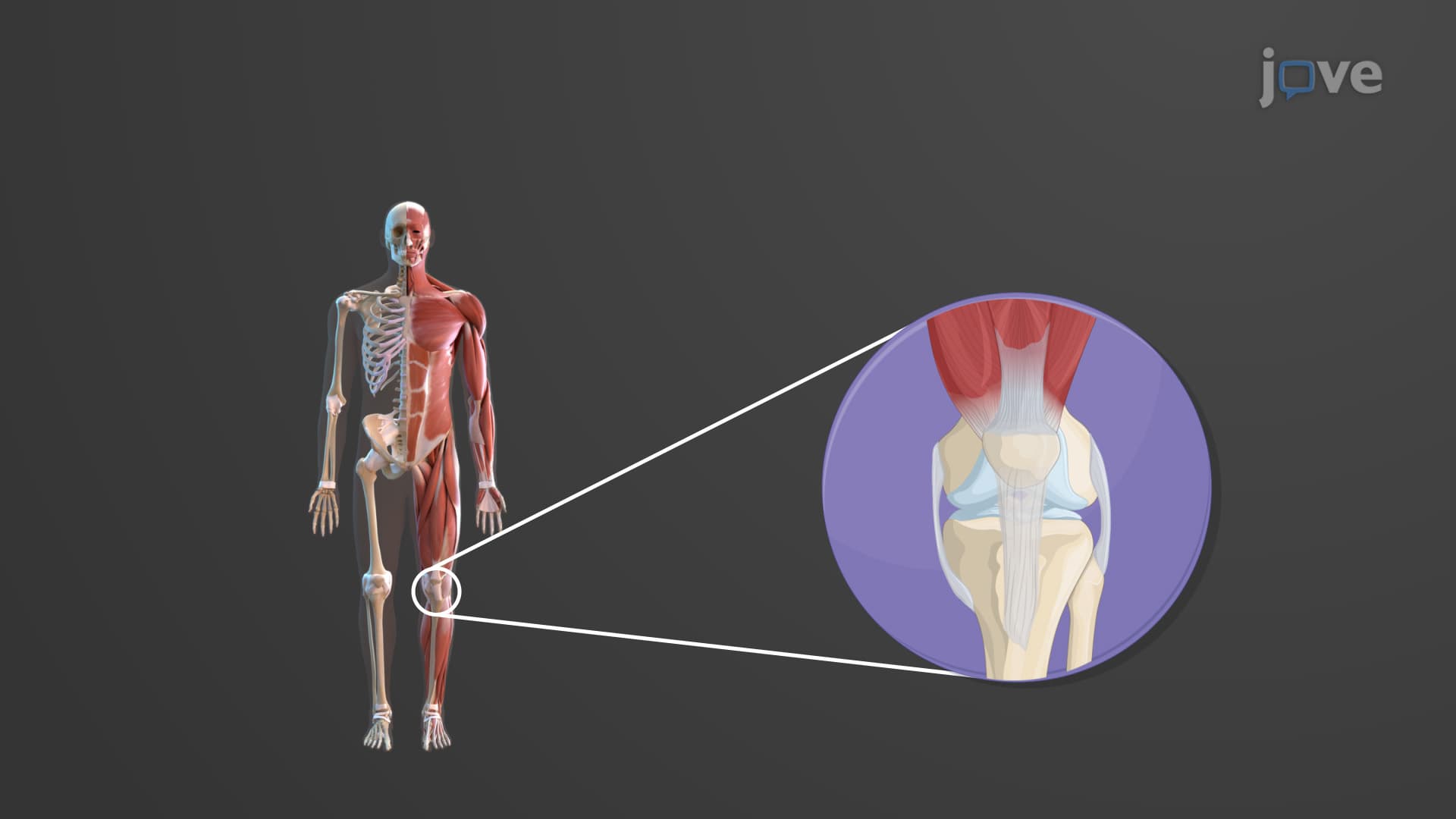
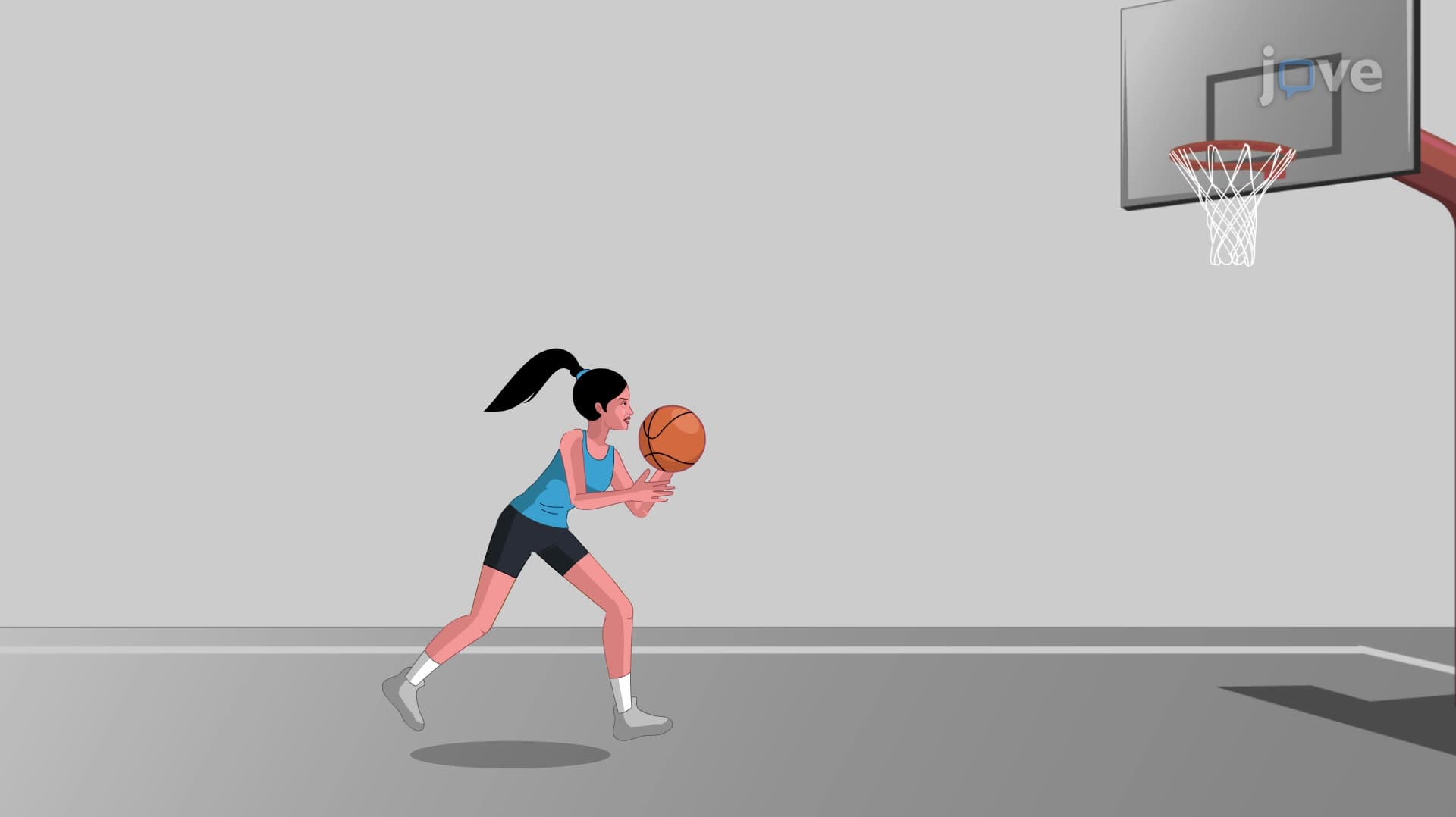
Concentric shortening contraction occurs when muscles actively shorten while contracting. During a basketball player's jump shot, the quadriceps muscles undergo concentric contractions as they shorten to extend the knee joint, propelling the athlete upward. Similarly, when performing push-ups, the pectoral muscles concentrically contract during the upward pushing phase.
Eccentric lengthening isotonic contractions represent the controlled lengthening phase where muscles generate force while extending. This occurs when the same basketball player lands from their jump, the quadriceps muscles eccentrically contract to control knee flexion and absorb impact forces. Eccentric contractions typically generate 20-30% more force than concentric contractions, making them crucial for injury prevention and athletic performance.
Isometric static tension develops when muscles generate force without changing length. During a gymnast's iron cross routine, the pectoral and deltoid muscles maintain isometric contractions to hold the challenging position. Wall sits, planks, and handstand holds all demonstrate isometric contractions in action.
Understanding what are isotonic and isometric muscle contractions proves essential for AP Biology students studying muscle physiology and pre-med students preparing for MCAT questions. Physical therapy programs emphasize both contraction types, isotonic exercises rebuild strength and range of motion, while isometric exercises provide safe strengthening for injured joints.
Contraction type comparison appears frequently on college anatomy and physiology exams, where students must distinguish between movement patterns and explain their biomechanical advantages. NCAA strength coaches utilize this knowledge to design sport-specific training programs that optimize both dynamic power and static stability.
Related Micro-courses