Loading video…


 22 Concepts
 178.8K views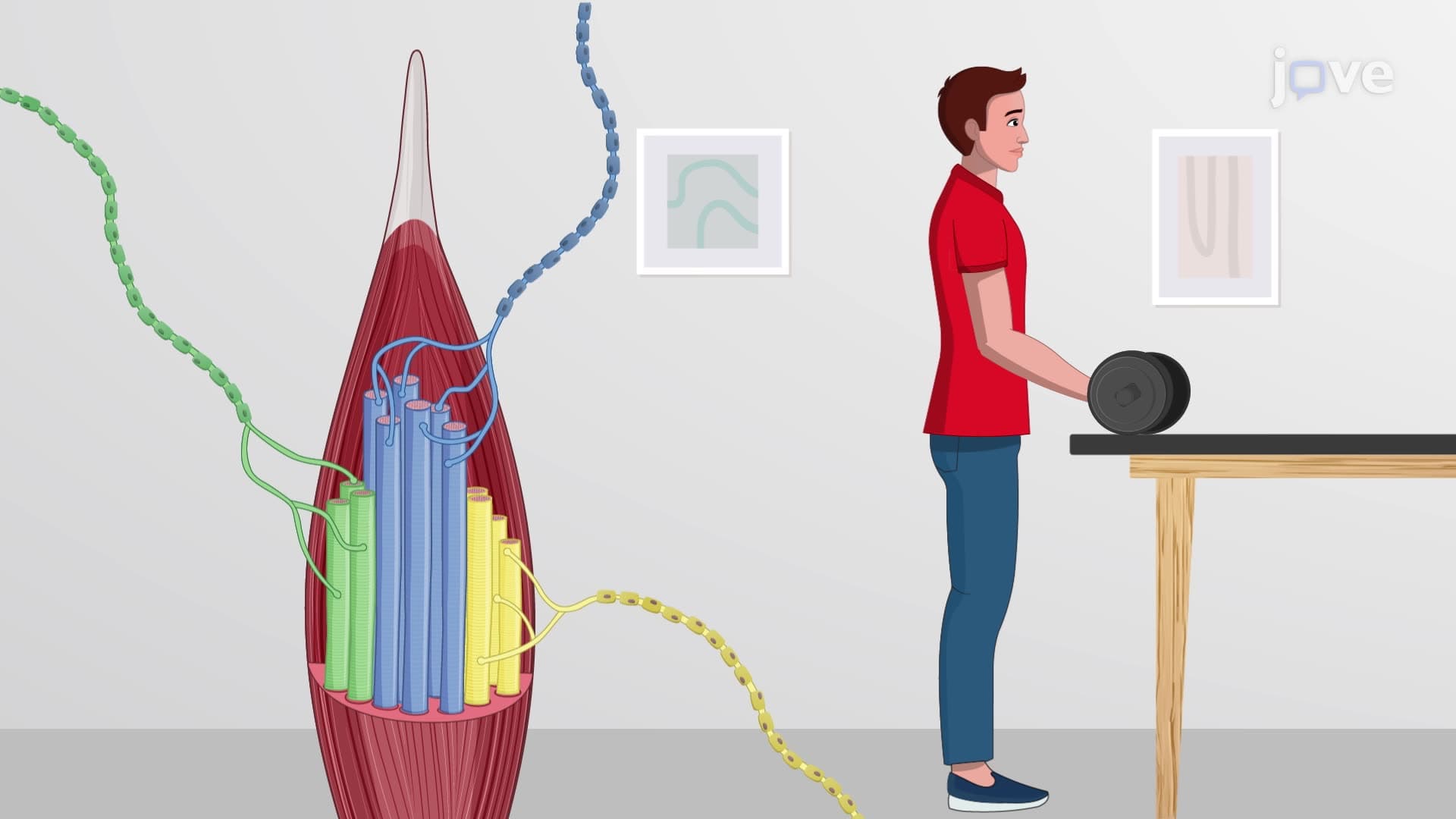

Video Summary: What are Motor Units
Ever wonder how your hand can gently pick up an egg without crushing it, yet still lift a heavy textbook? Motor units physiology explains this incredible precision through the coordinated action of somatic motor neurons and skeletal muscle fibers working as functional teams. For example, when a basketball player at Duke University shoots a free throw, different sized motor units allow for the exact force control needed for accuracy. Watch the full video on JoVE Coach to master this concept with expert-led visuals and step-by-step explanations.
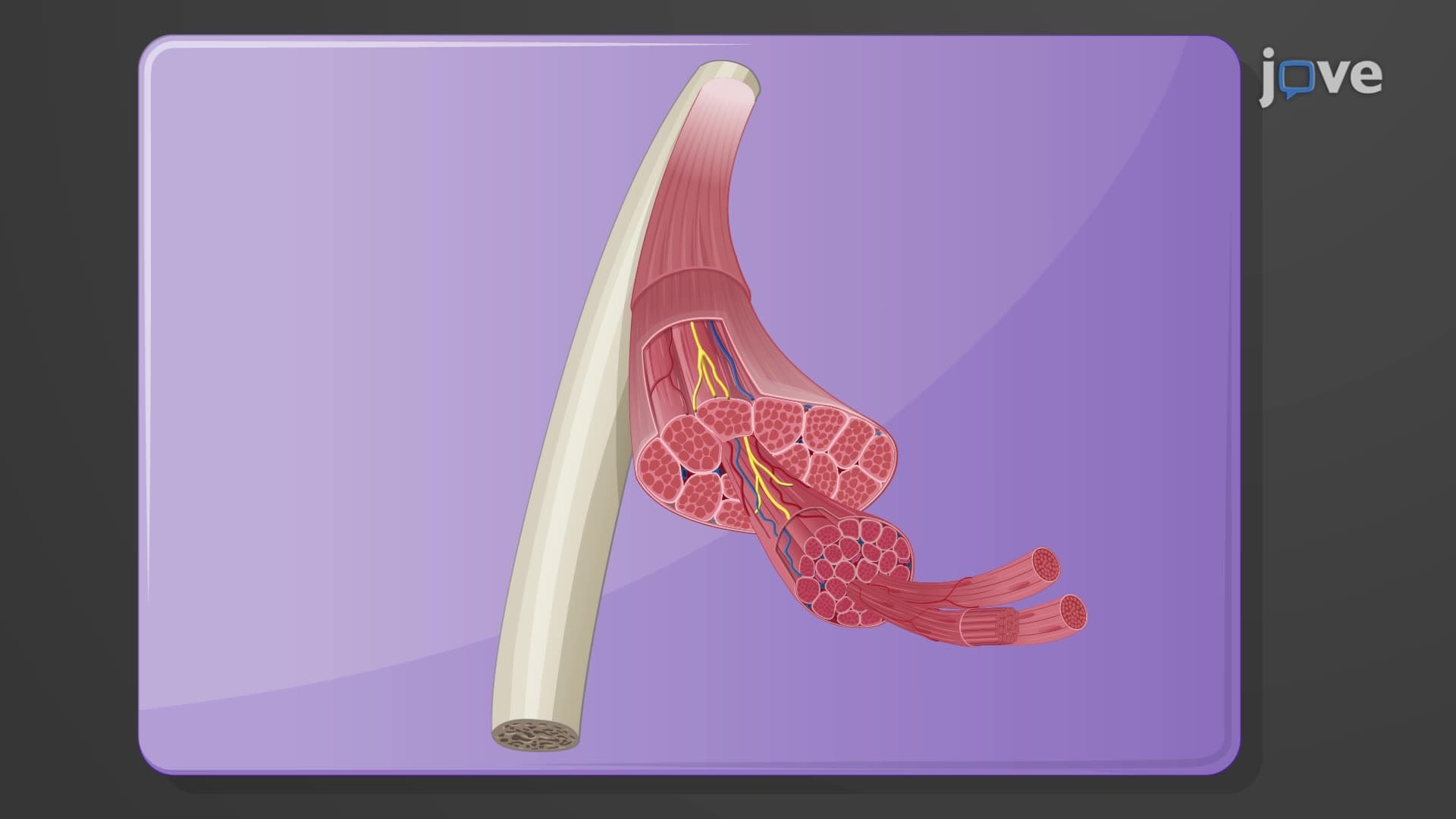
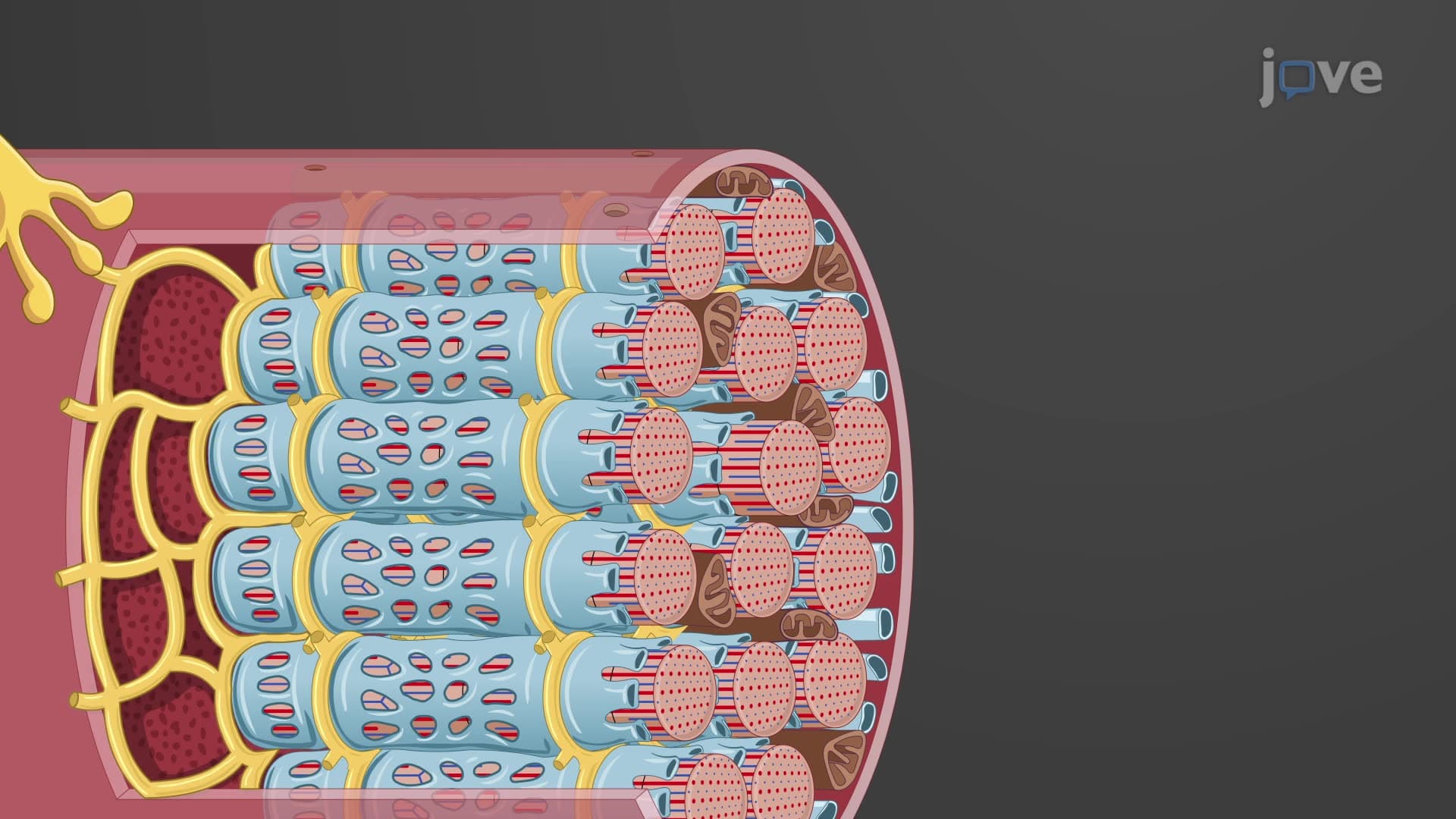
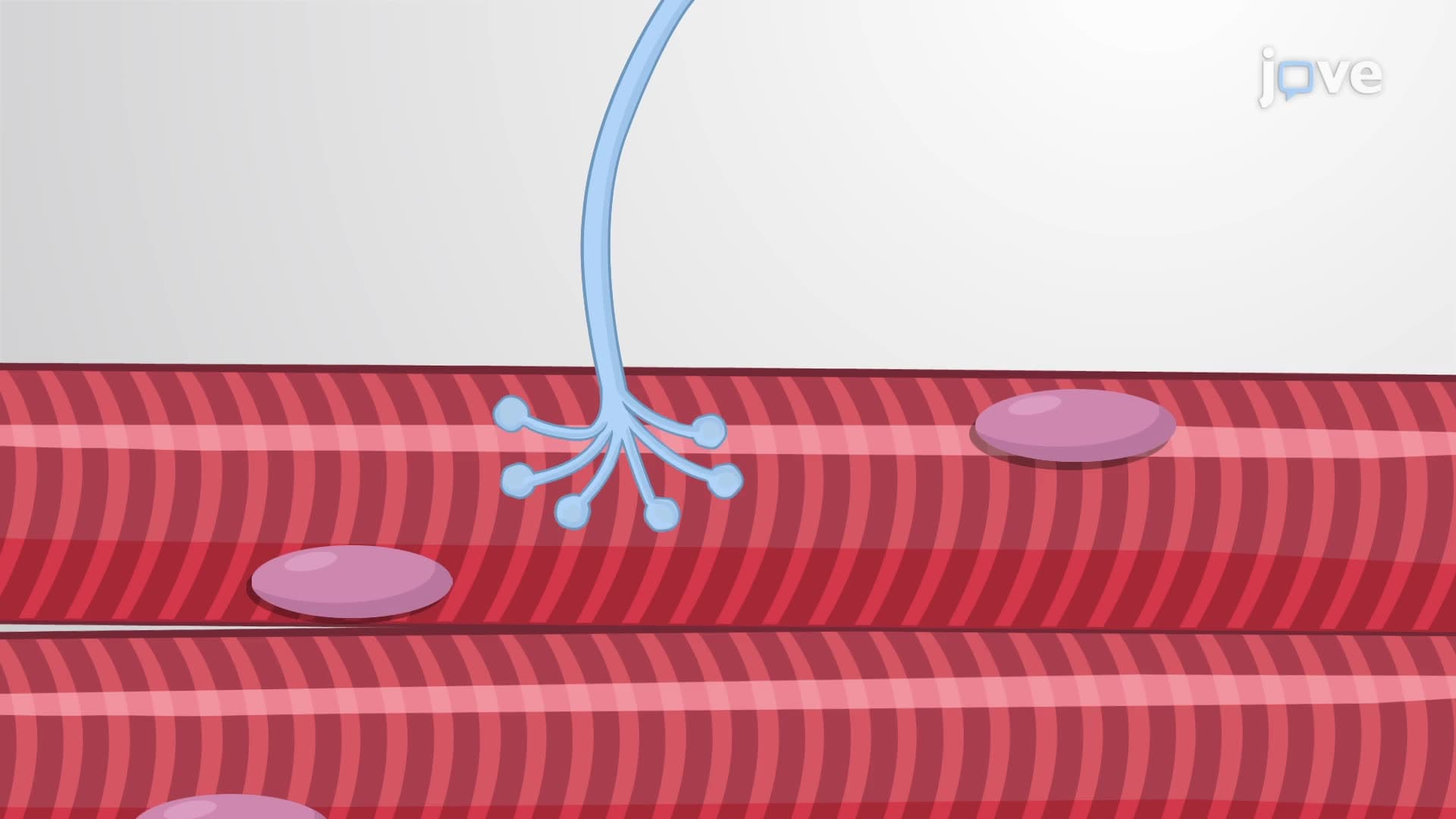
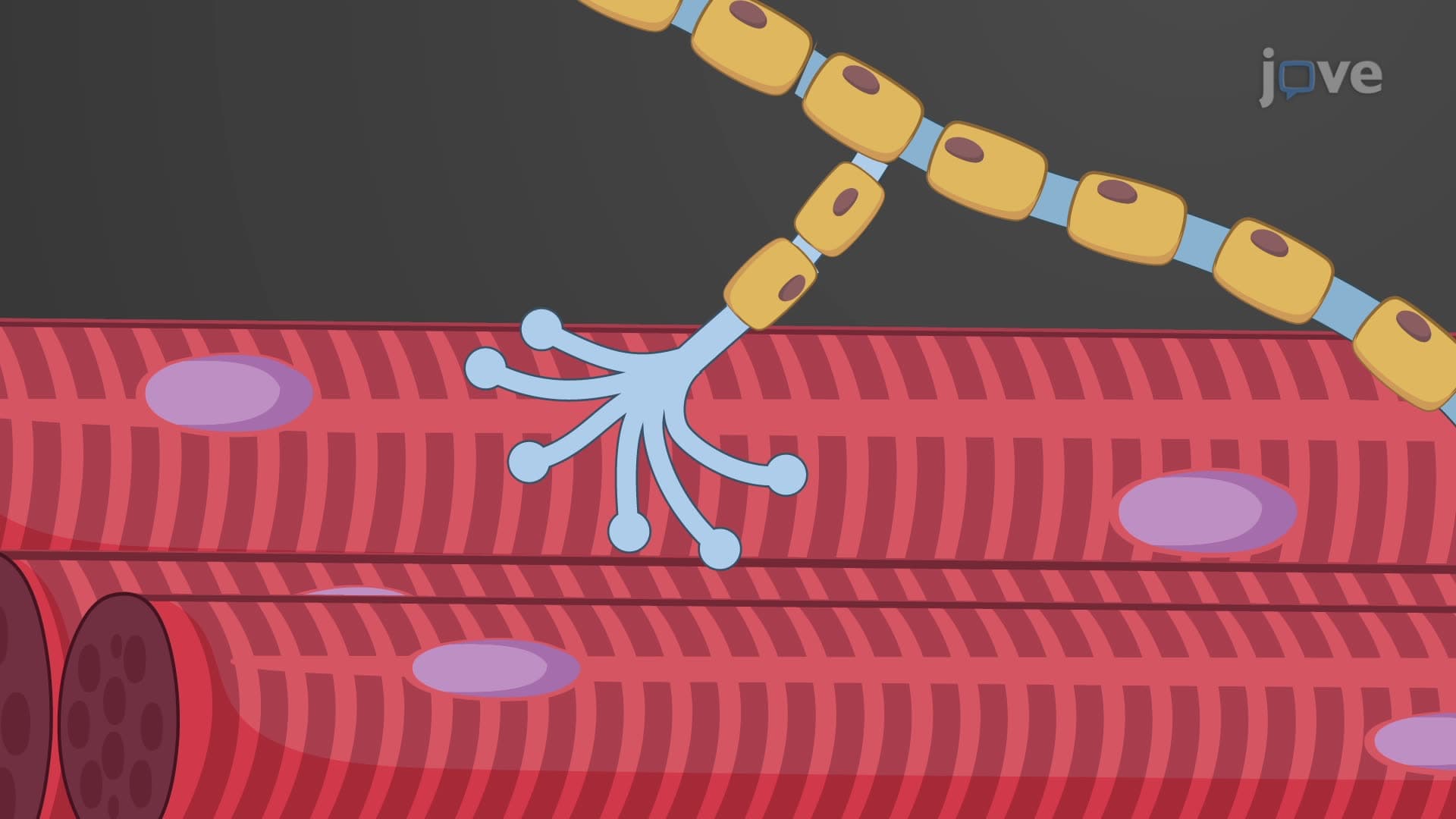
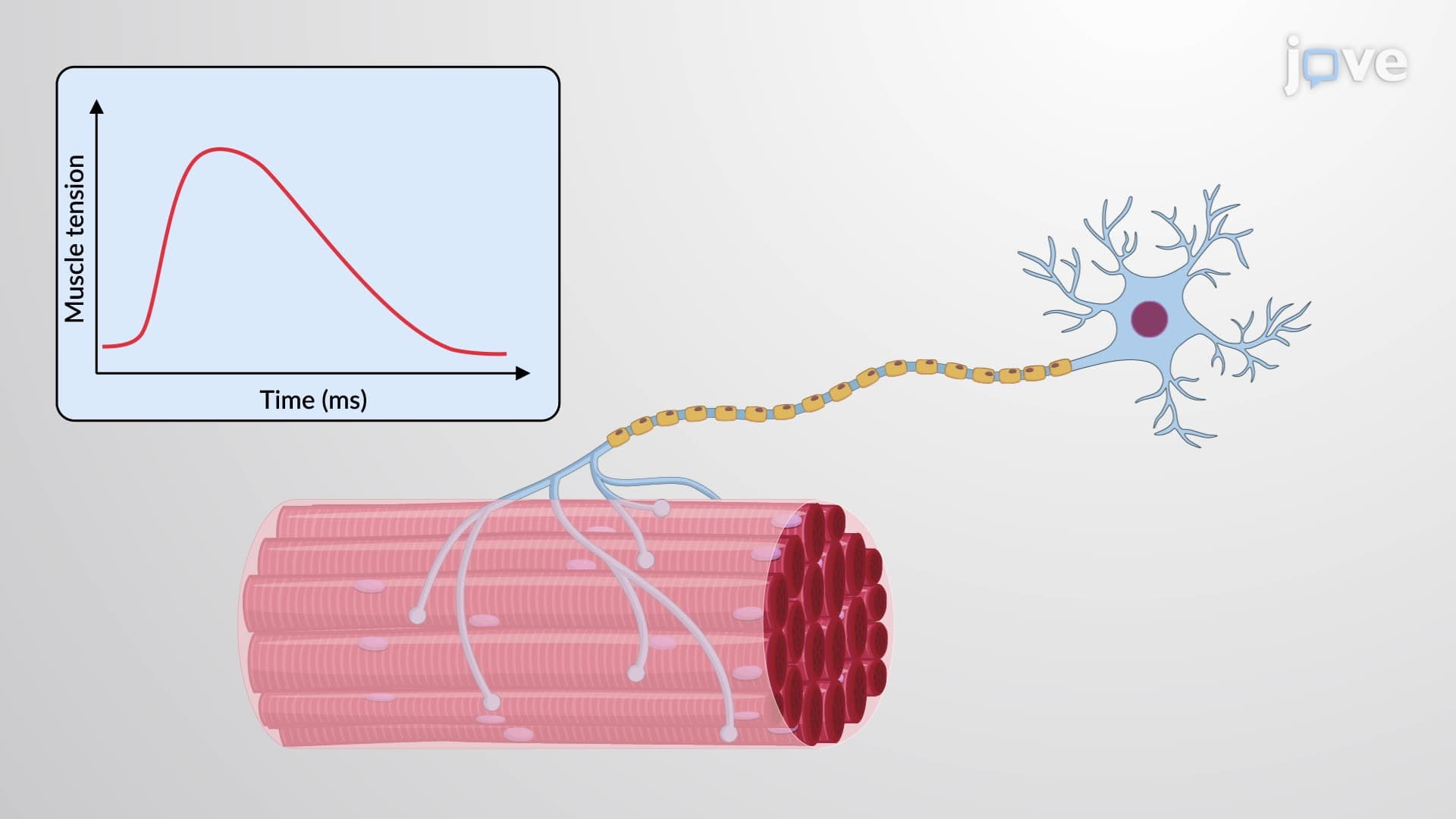
Motor units represent the smallest controllable elements in the human muscular system. Each motor unit consists of a single alpha motor neuron originating in the spinal cord and all the skeletal muscle fibers it innervates through branching axonal connections. This one-to-many relationship creates discrete functional packages that the nervous system can activate independently or in combination to produce precisely controlled movements.
The motor unit innervation ratio-the number of muscle fibers controlled by one motor neuron-varies dramatically throughout the body based on functional demands. In muscles requiring fine motor control, such as the extraocular muscles that move your eyes or the intrinsic hand muscles used for writing, motor units are small, typically containing 10-100 muscle fibers. Conversely, large postural muscles like the gastrocnemius (calf muscle) contain motor units with 1,000-2,000 muscle fibers each, prioritizing force generation over precision.
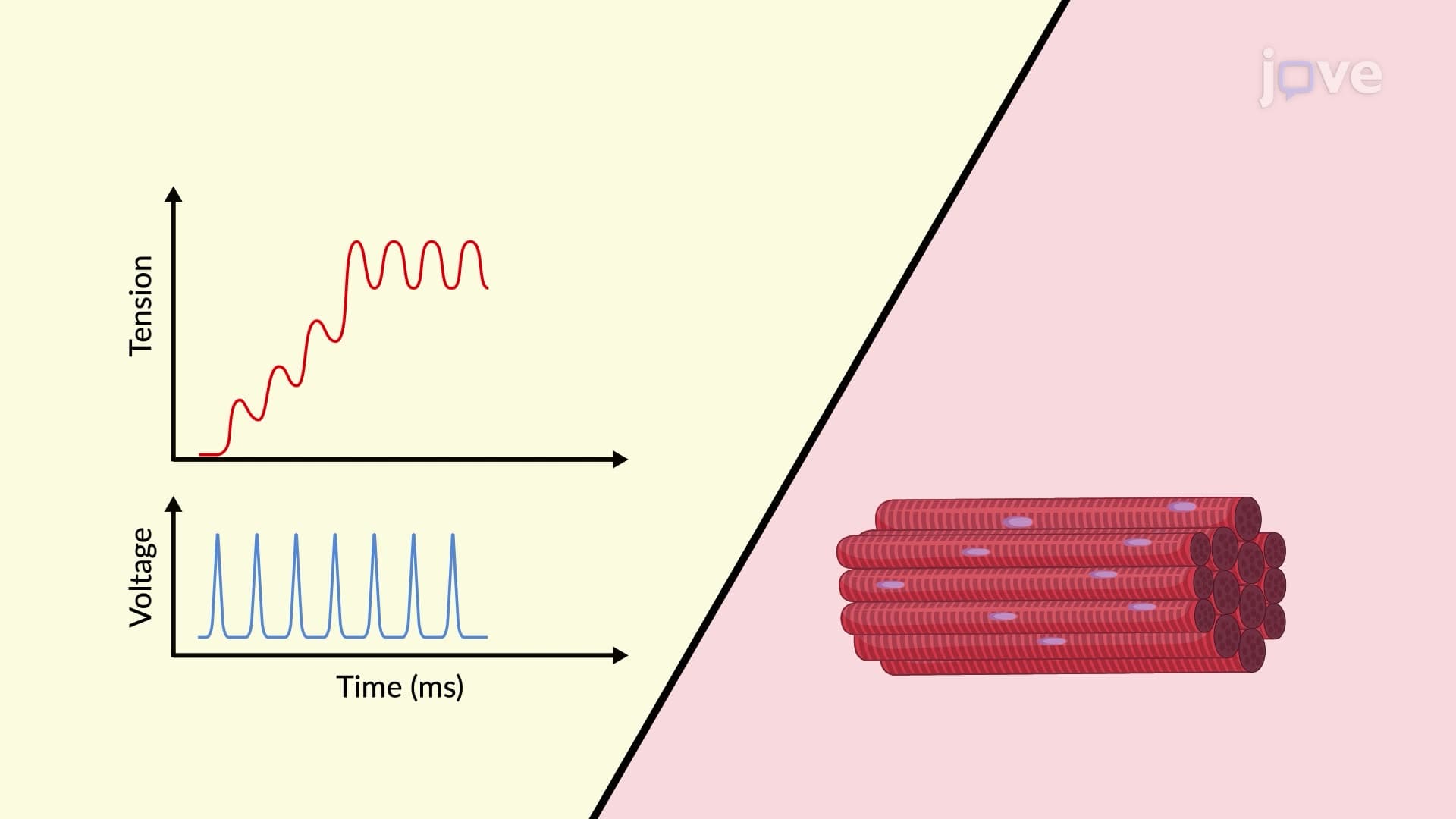
Motor units physiology follows a predictable recruitment pattern known as the Henneman Size Principle, critical for understanding neuromuscular control. Small motor units activate first during low-force contractions because their motor neurons have higher excitability thresholds. As force demands increase, progressively larger motor units join the effort. This orderly recruitment explains why you can thread a needle (small motor units only) or deadlift 200 pounds (small plus large motor units) with the same muscle groups.
Understanding motor unit function proves essential for students preparing for the MCAT, AP Biology exams, and college-level anatomy and physiology courses. Questions often focus on comparing motor unit properties between different muscle types or explaining how diseases like ALS (amyotrophic lateral sclerosis) affect motor unit integrity. Physical therapy students studying at universities like the University of Southern California use motor unit concepts to design rehabilitation protocols that target specific recruitment patterns for optimal patient recovery.
Related Micro-courses