Loading subject page…

- Anatomy and Physiology
- Muscle Tissue
- Motor Unit Stimulation
Micro-course: Muscle Tissue
178,810 views
Learn key concepts and earn your certificate.



Motor Unit Stimulation

00:00
01:20
Video Summary: What Is Motor Unit Stimulation
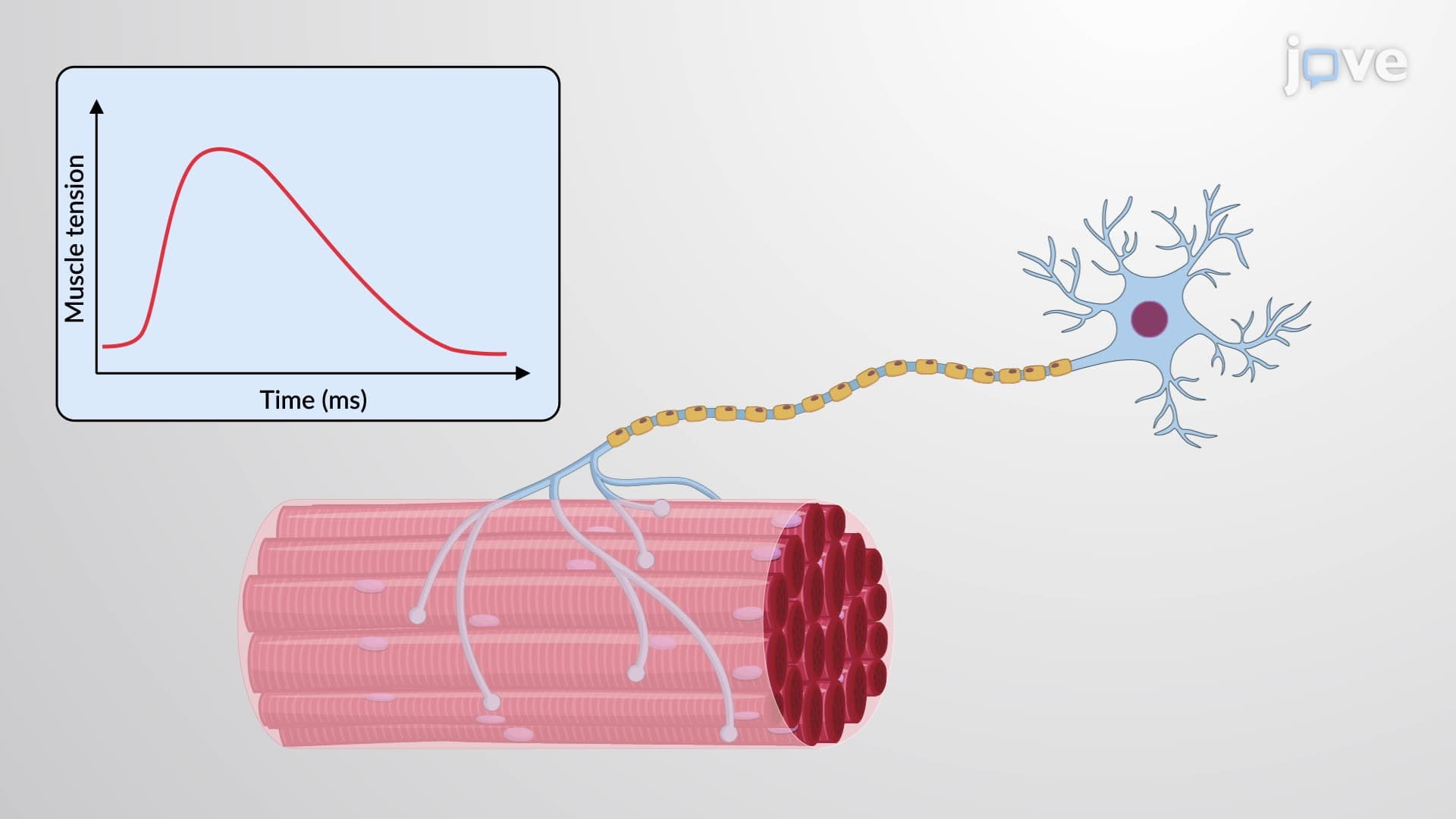
Ever wonder why a gentle tap feels different from a firm handshake? Motor unit stimulation physiology explains how your nervous system controls muscle force by adjusting both firing frequency and recruiting different numbers of motor units. When pitching a baseball, a Major League pitcher like those in the Houston Astros uses precise motor unit stimulation to generate forces exceeding 100 mph, while the same muscles produce gentle throws during warm-up. What is motor unit stimulation involves the coordinated firing of neurons that control muscle fiber contractions, creating the smooth, graded movements essential for everything from writing to sprinting. Watch the full video on JoVE Coach to master this concept with expert-led visuals and step-by-step explanations.
- Understand what is motor unit stimulation and how neurons control muscle fiber contraction through action potential firing patterns
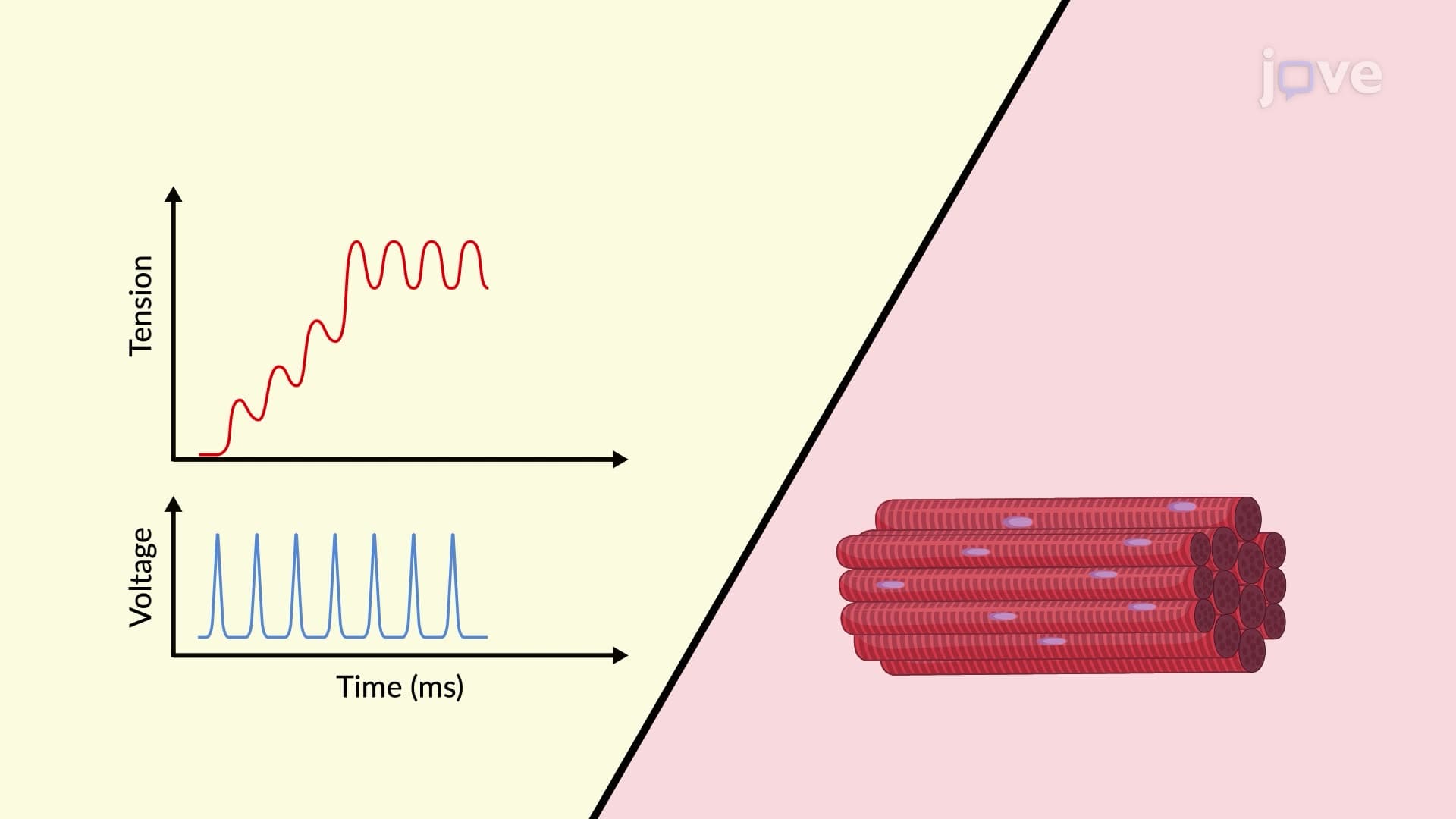
- Identify the three phases of muscle twitch: latent period, contraction phase, and relaxation phase during motor unit activation
- Analyze how stimulation frequency affects contraction strength, from weak low-frequency firing to powerful high-frequency stimulation
- Compare motor unit recruitment patterns and how increasing stimulus voltage activates additional motor units for stronger contractions
- Evaluate the difference between single muscle twitches and graded muscle contractions in producing functional movement
- Apply knowledge of excitation-contraction coupling to explain how electrical signals become mechanical force
- Recognize how threshold motor unit firing and the size principle recruitment create smooth, controlled movements
- Explore asynchronous motor unit firing patterns that prevent muscle fatigue during sustained contractions
Understanding Motor Unit Stimulation Fundamentals
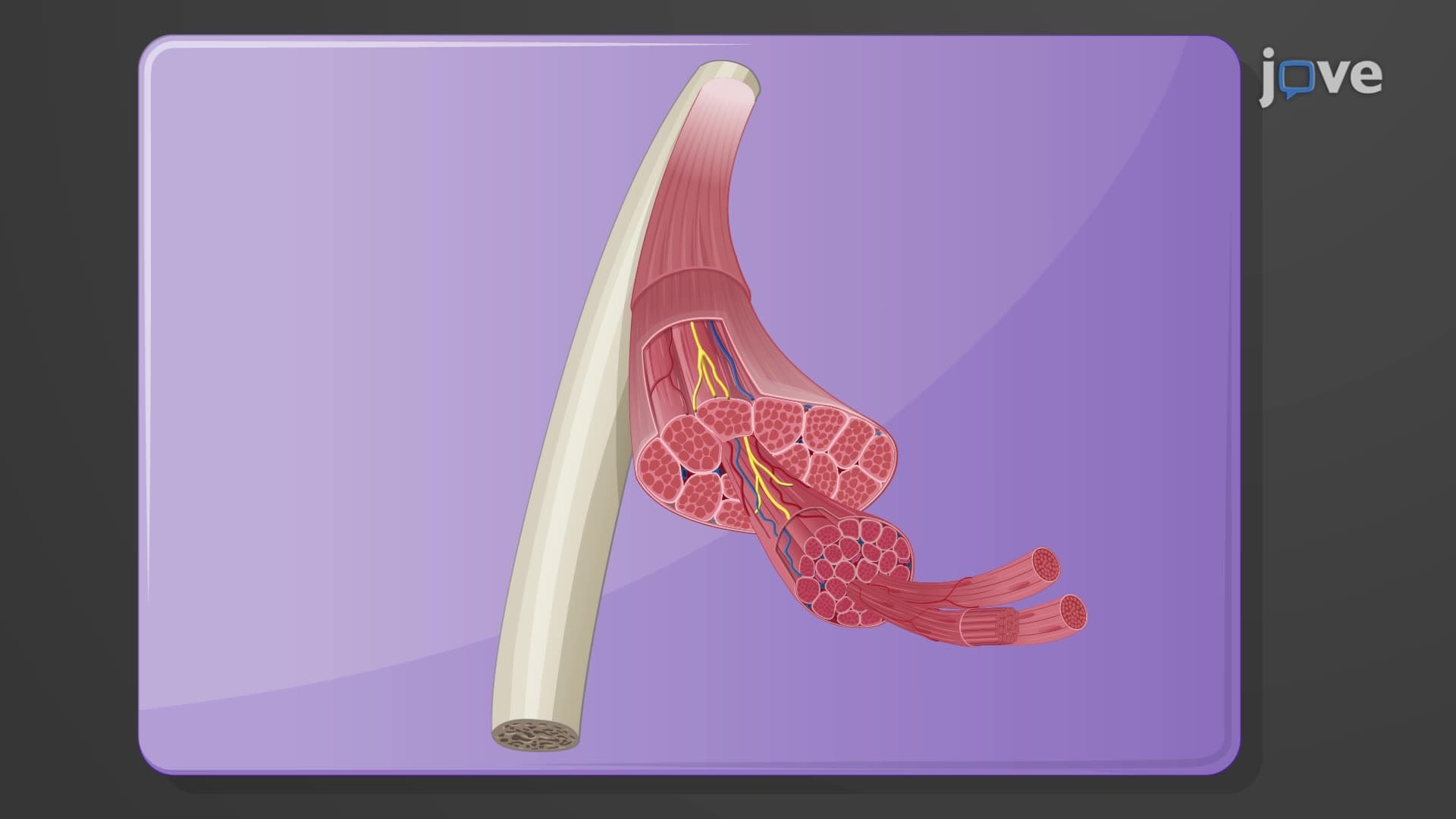
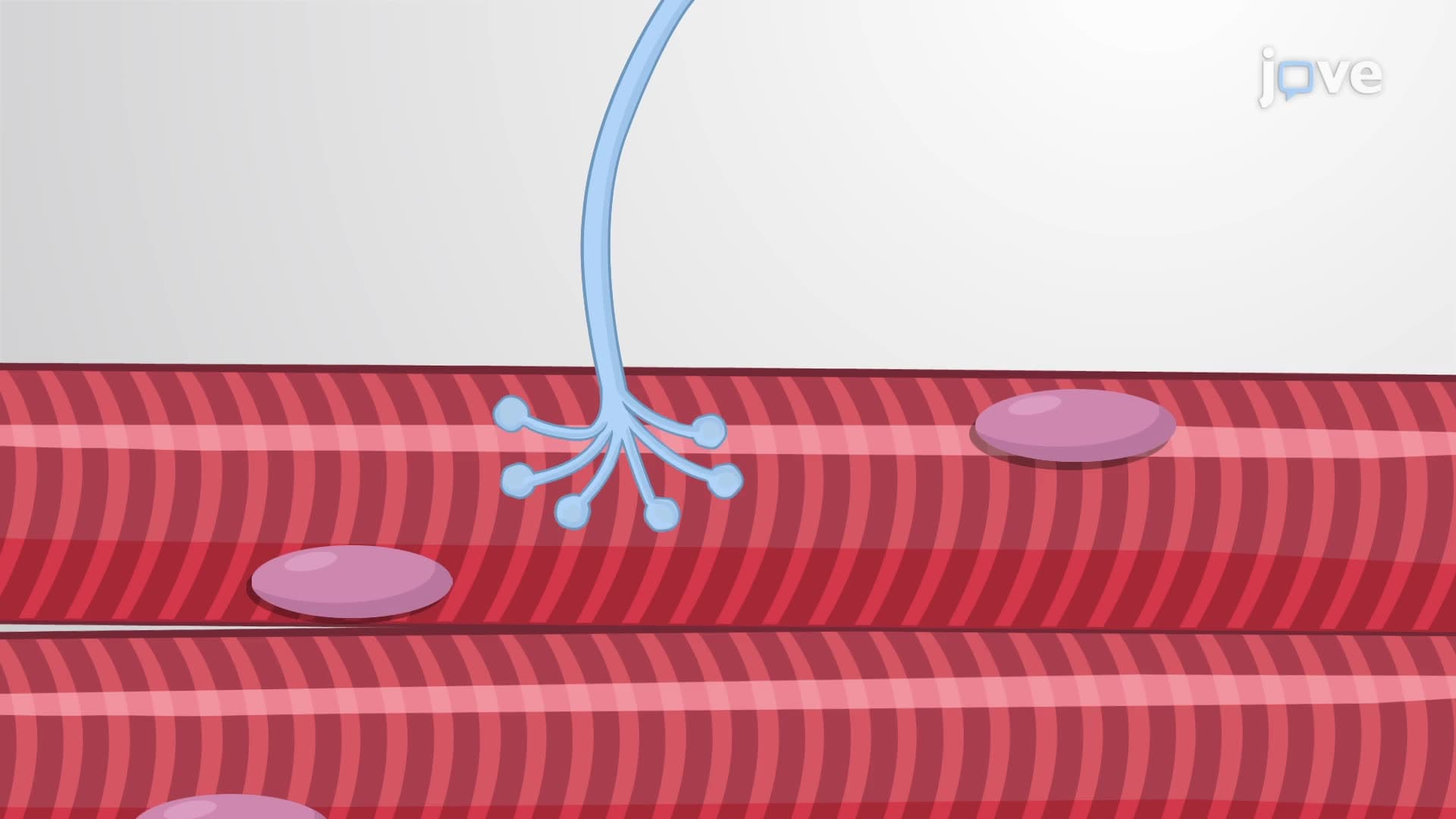
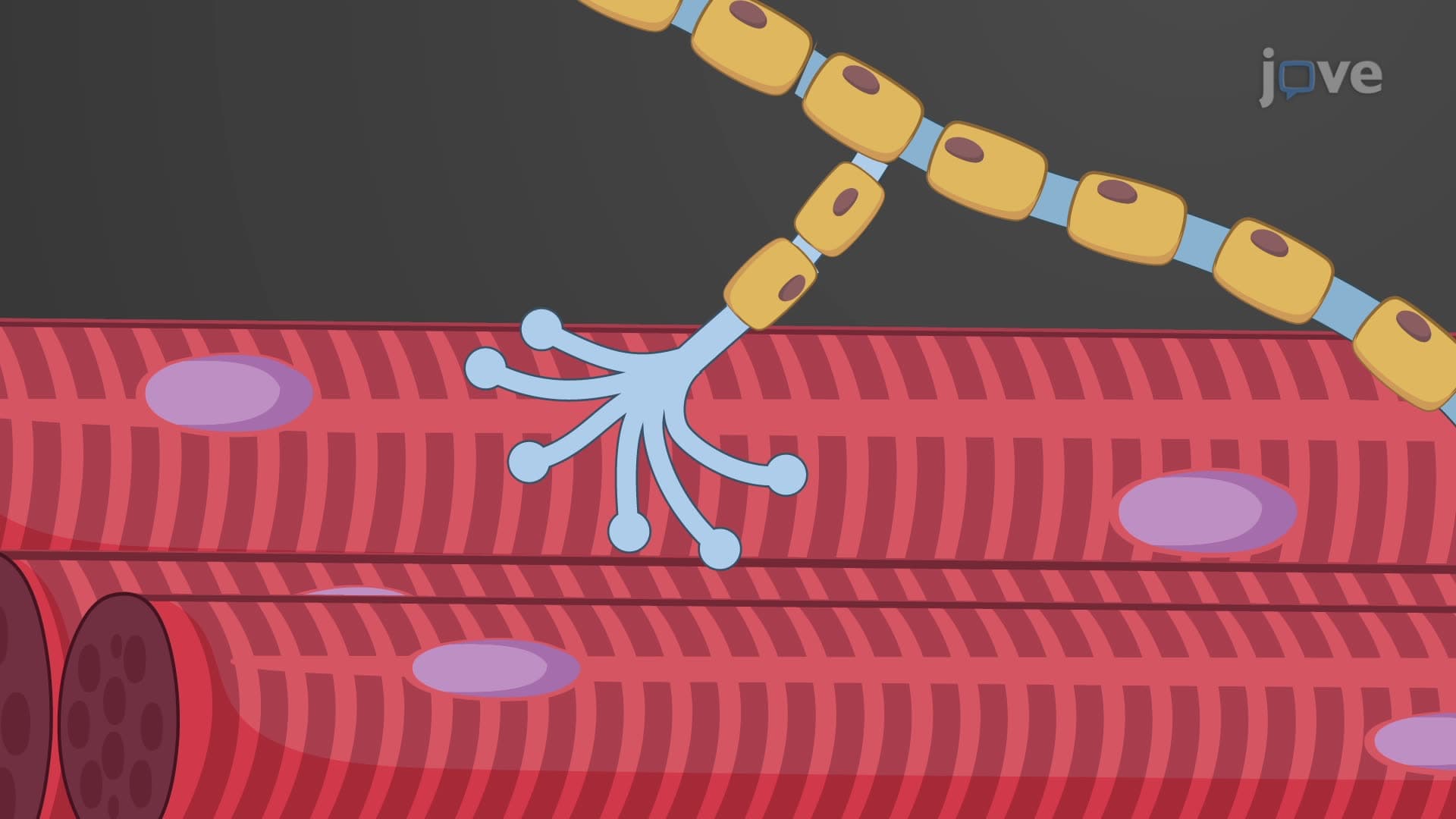
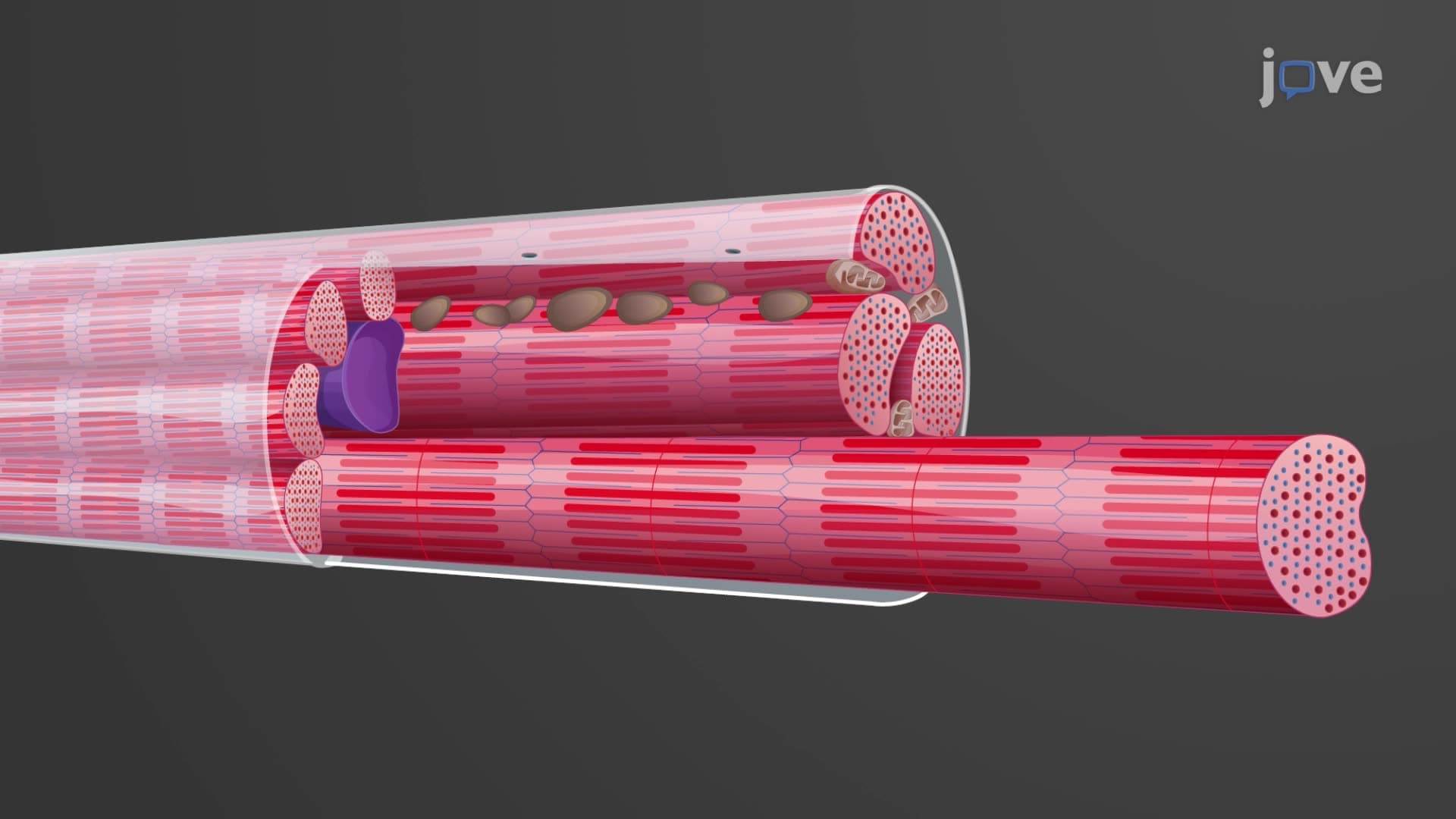
What is motor unit stimulation begins with understanding that a motor unit consists of a single motor neuron and all the muscle fibers it controls. When this neuron fires an action potential, it triggers a coordinated response across dozens to thousands of muscle fibers simultaneously. This process represents one of the most elegant examples of electrical-to-mechanical energy conversion in human physiology.
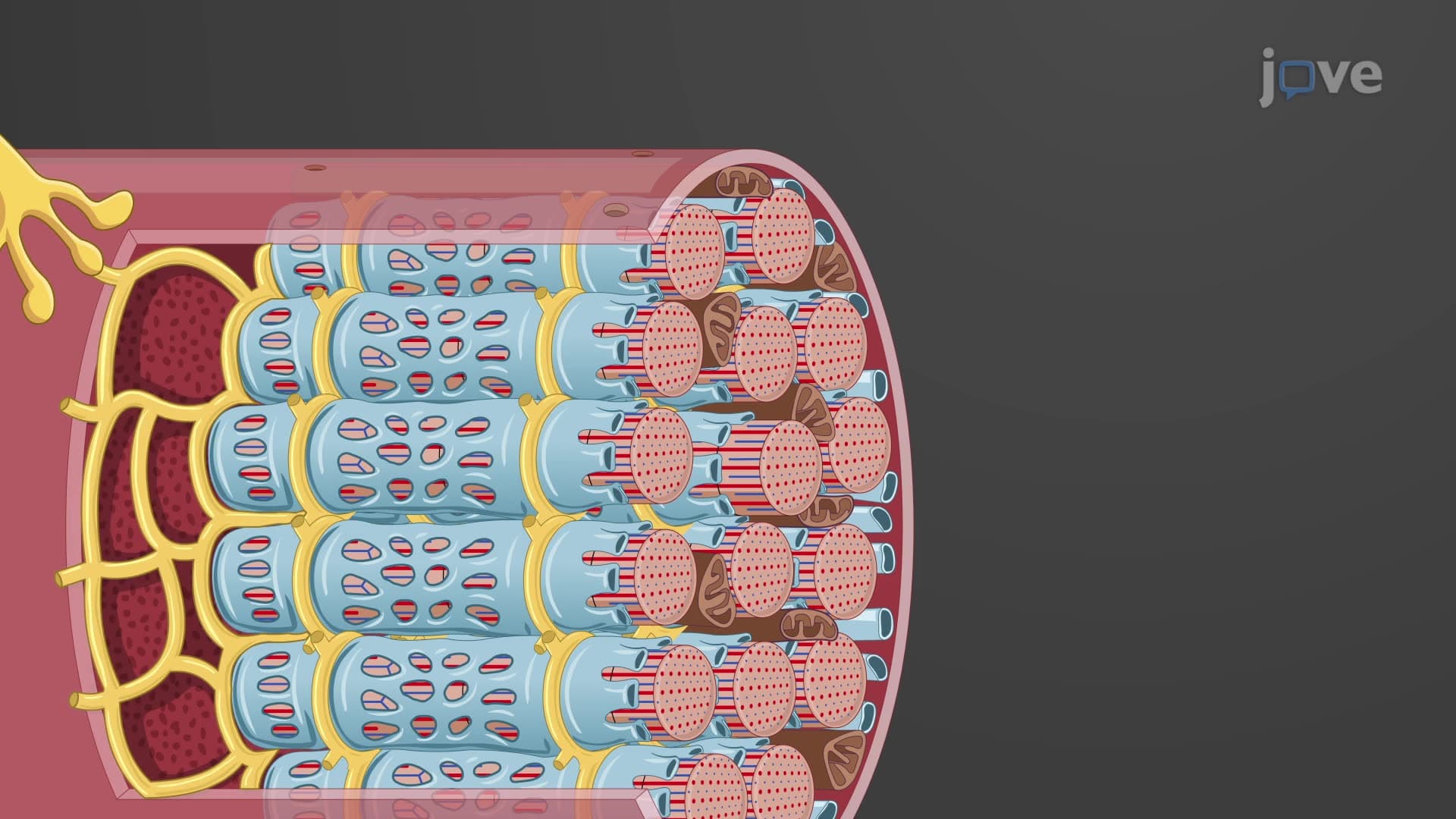
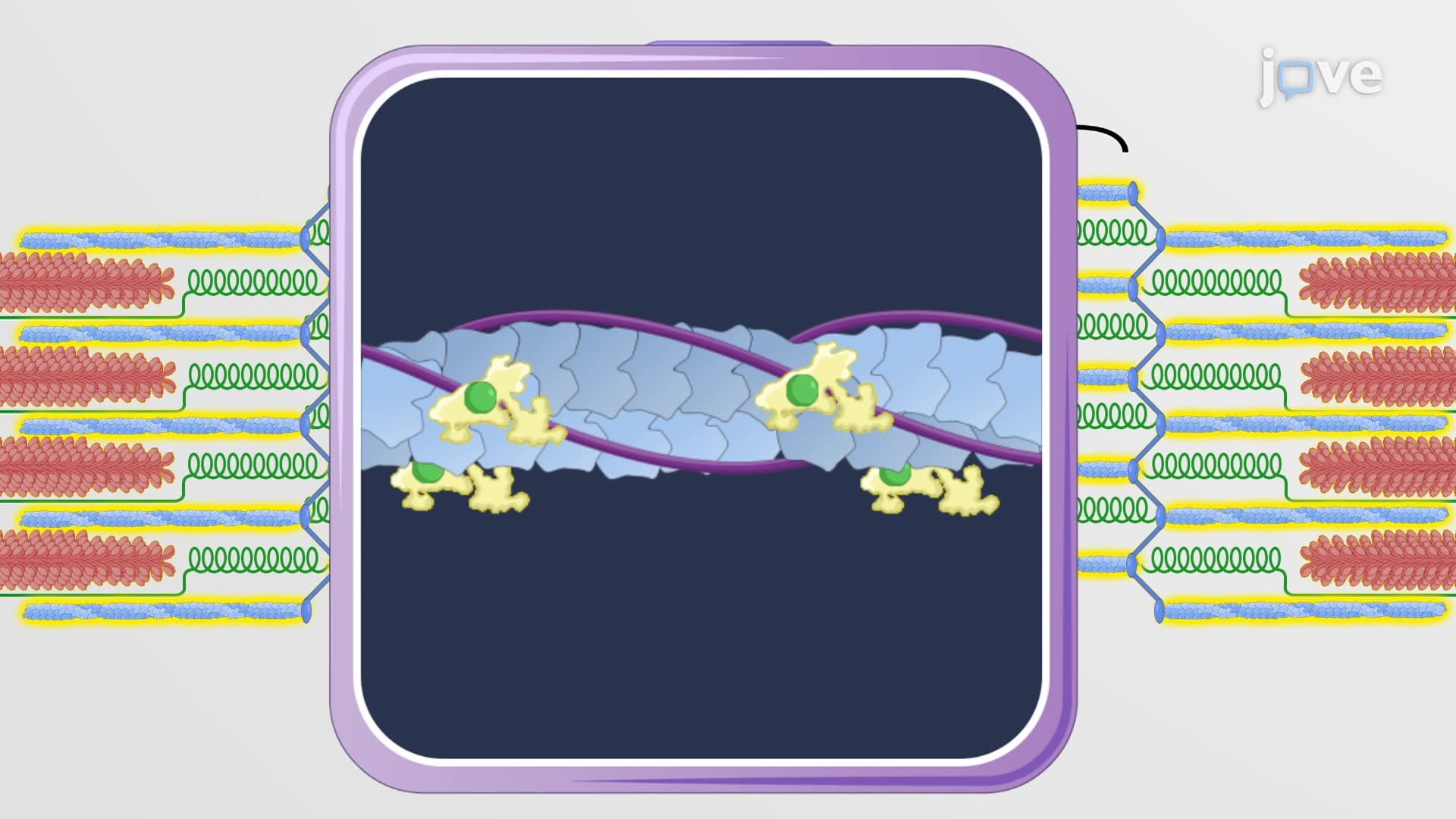
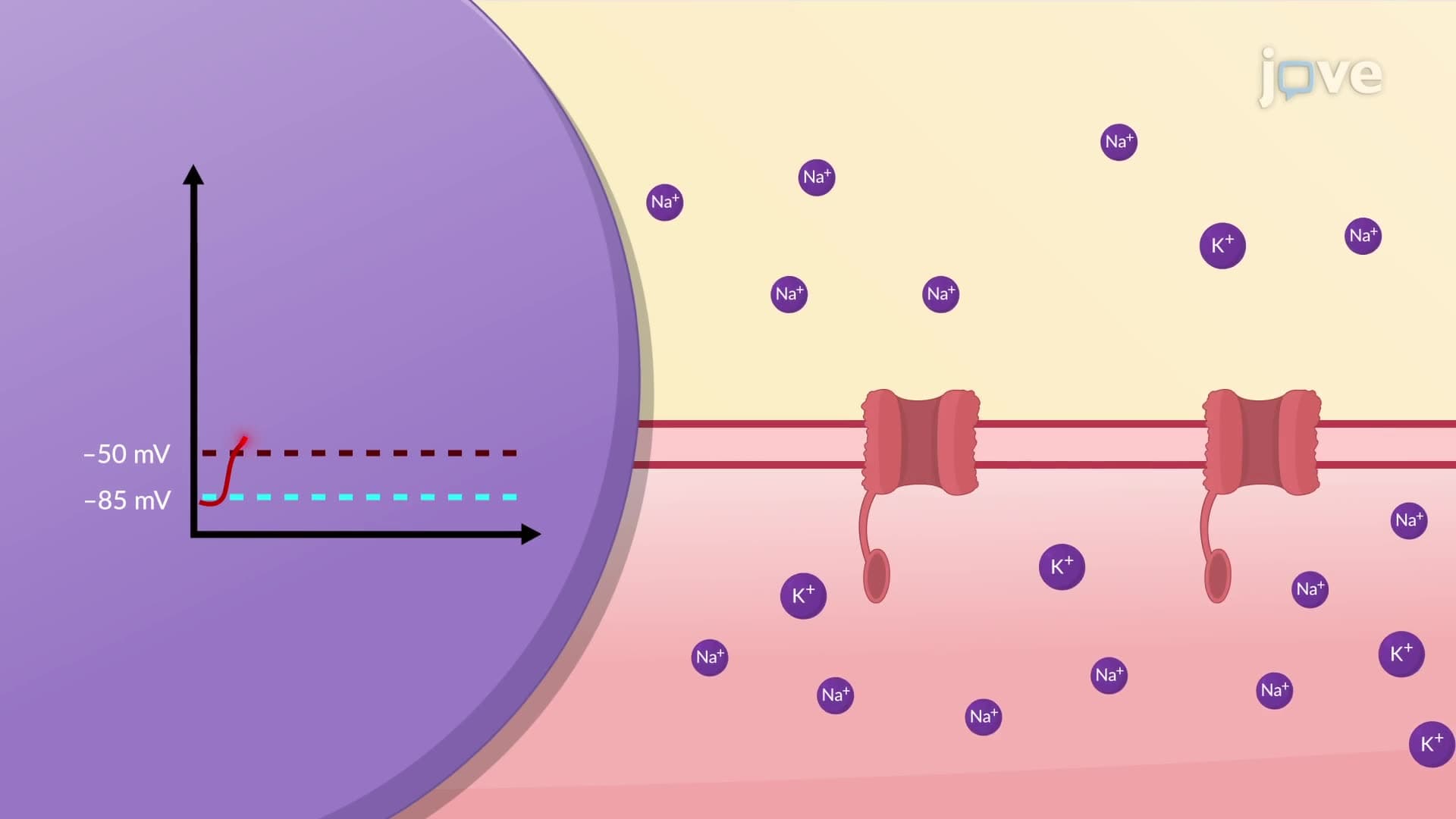
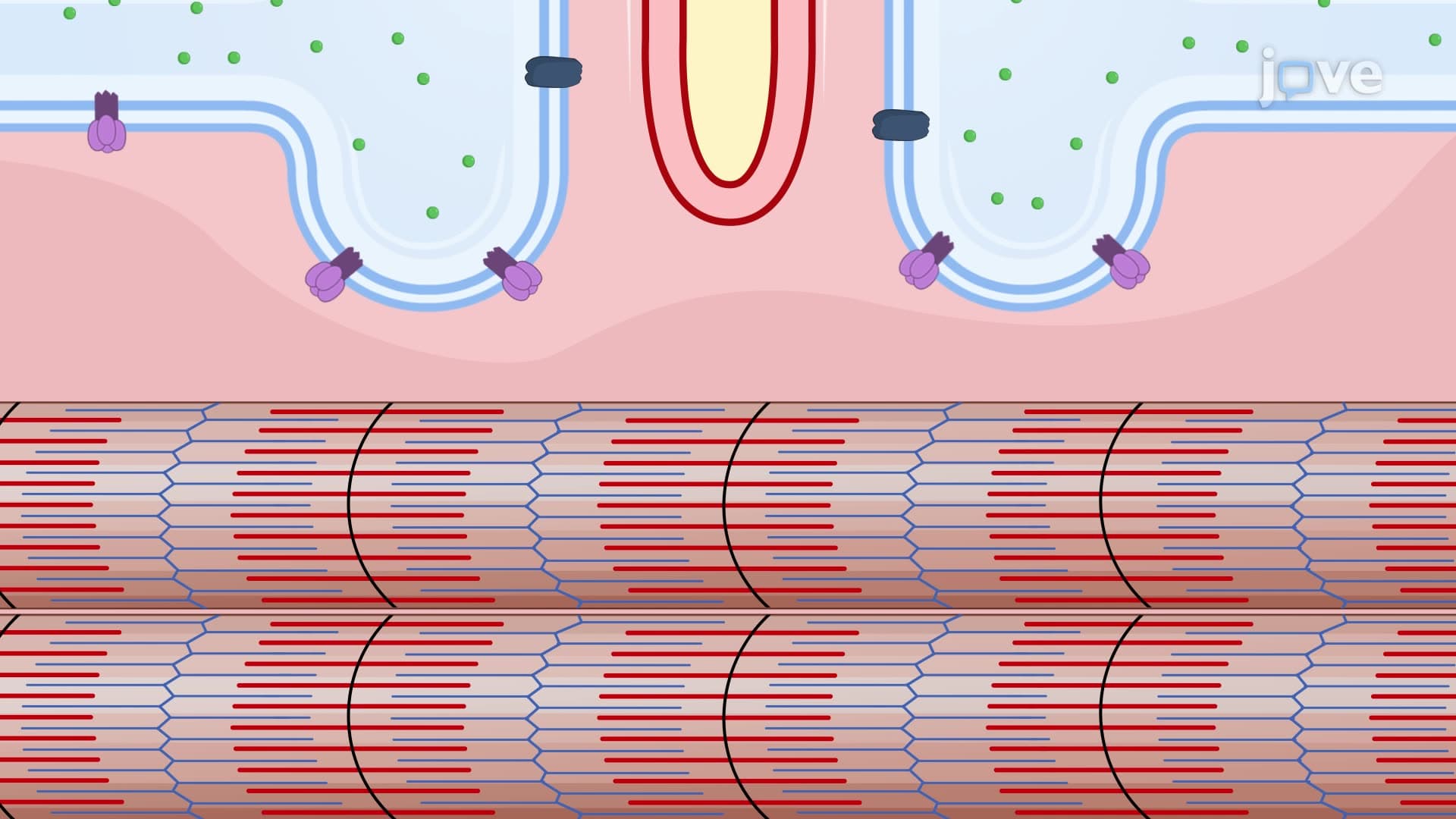
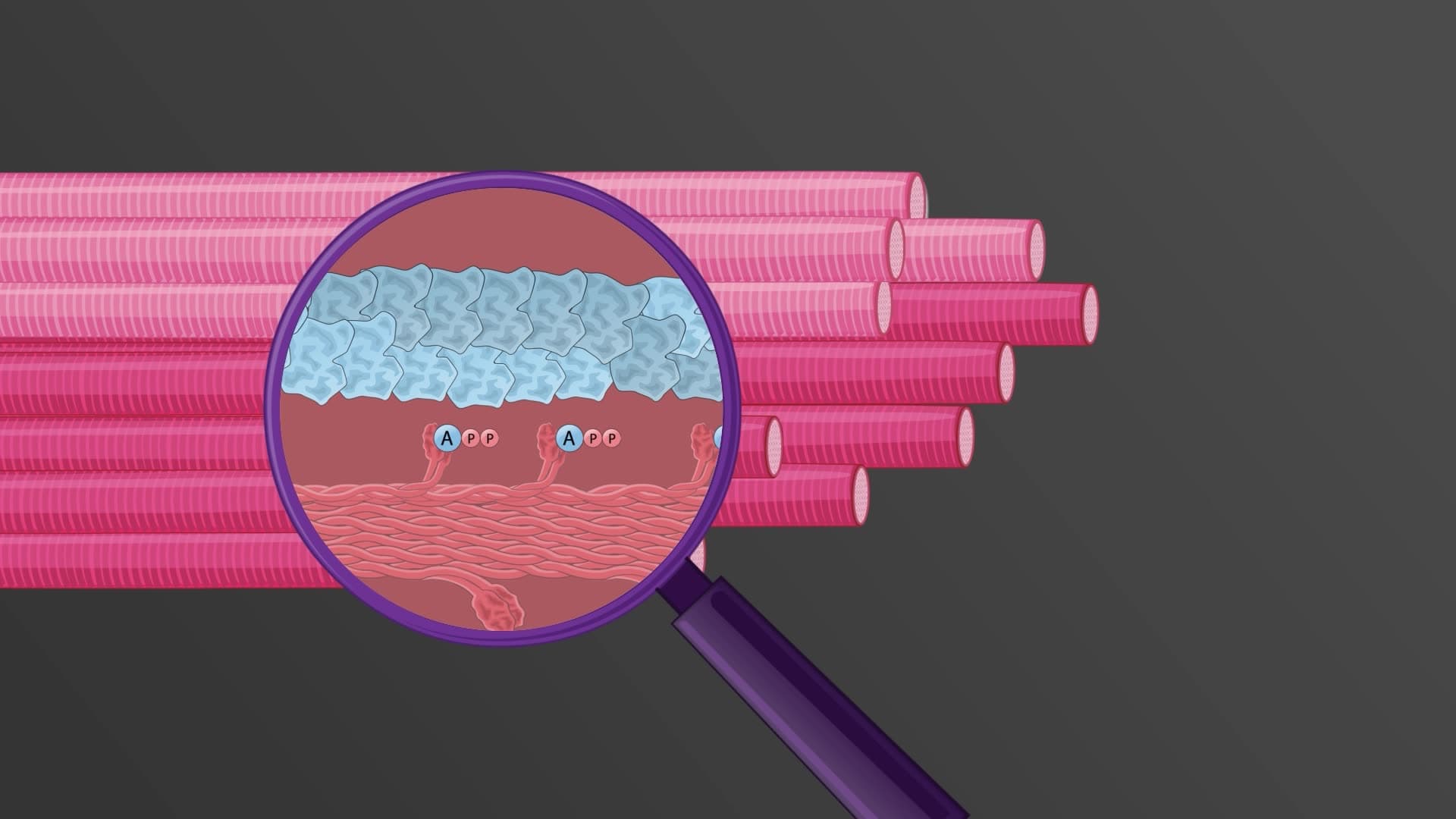
The stimulation of motor units follows a precise sequence. During the latent period, excitation-contraction coupling occurs as the action potential spreads across the sarcolemma and triggers calcium release from the sarcoplasmic reticulum. This brief delay, lasting only 2-5 milliseconds, precedes visible muscle contraction. Students preparing for AP Biology or college anatomy courses should recognize this as the critical link between nervous system signals and muscular responses.
Frequency Modulation and Force Generation
How are motor units stimulated during muscle contraction involves two primary mechanisms: frequency modulation and recruitment. Frequency modulation occurs when individual motor neurons increase their firing rate from low-frequency twitches (around 8-10 Hz) to high-frequency contractions (up to 50-100 Hz). At low frequencies, muscle fibers have time to relax completely between stimuli, producing weak, jerky movements. As frequency increases, contractions begin to summate, creating smooth, powerful forces.
Consider a basketball player at Duke University shooting free throws. The delicate finger movements require low-frequency stimulation for precise control, while the explosive jump for a slam dunk demands high-frequency firing across multiple motor units. This frequency coding allows the same muscle groups to perform vastly different tasks.
Motor Unit Recruitment and the Size Principle
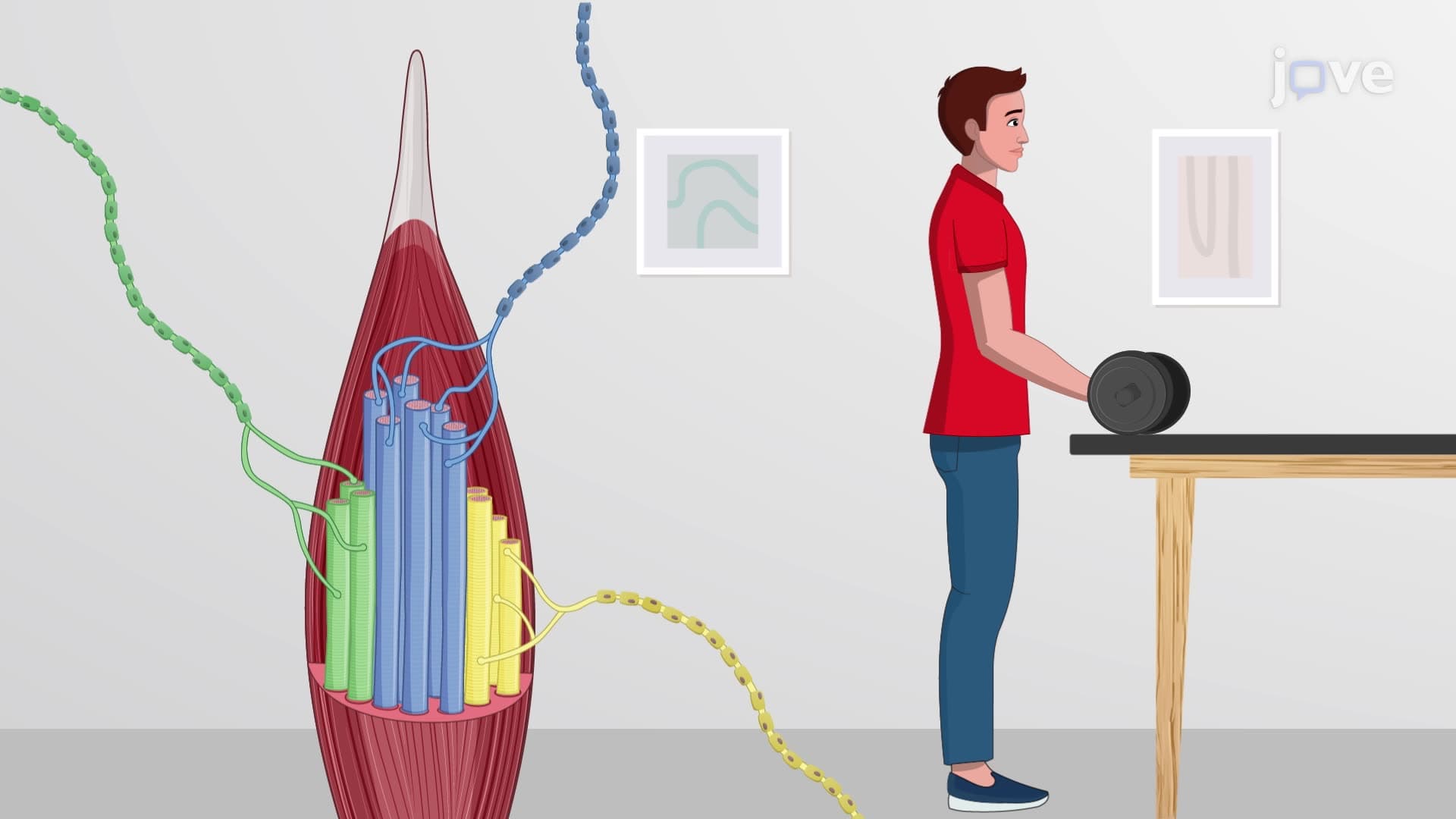
Muscle motor unit activation follows Henneman's size principle, discovered at Harvard Medical School in the 1960s. Smaller motor units with fatigue-resistant fibers activate first, followed by progressively larger, more powerful units as force demands increase. This recruitment order ensures energy efficiency and prevents premature fatigue.
For MCAT preparation, understanding threshold motor unit firing patterns proves essential. Type I (slow-twitch) motor units activate at low thresholds around 5-10% of maximum voluntary contraction, while Type II (fast-twitch) units require higher stimulation intensities. This hierarchical activation explains why endurance athletes like marathon runners from the Boston Athletic Association can maintain steady paces for hours, while sprinters generate explosive power for brief periods.
Clinical and Practical Applications
Asynchronous motor unit firing prevents all motor units from contracting simultaneously, which would cause muscle fatigue and tremors. Instead, motor units fire in rotating patterns, allowing some to rest while others work. This principle underlies rehabilitation techniques used at major medical centers like Johns Hopkins Hospital, where electrical stimulation therapy helps patients recover motor function after stroke or spinal cord injury.
Understanding motor unit stimulation physiology also explains common medical conditions. In amyotrophic lateral sclerosis (ALS), motor neuron degeneration disrupts normal stimulation patterns, while in multiple sclerosis, demyelination affects action potential transmission to motor units.
Frequently Asked Questions
Motor unit stimulation is the process by which motor neurons fire action potentials to activate muscle fibers under their control. It controls muscle contractions through two mechanisms: adjusting firing frequency (rate coding) and recruiting additional motor units (recruitment coding). Together, these create the graded muscle contractions necessary for all voluntary movements, from delicate finger movements to powerful jumping motions.
MCAT questions often test motor unit recruitment patterns, the size principle, and excitation-contraction coupling mechanisms. AP Biology exams focus on action potential propagation and the relationship between stimulus intensity and muscle response. Expect diagram analysis showing twitch summation, tetanus formation, and motor unit recruitment curves. Practice questions typically connect neural firing patterns to observable muscle contractions.
Create flowcharts connecting stimulus intensity to motor unit recruitment, then practice drawing twitch summation curves at different frequencies. Use active recall by explaining how a pianist's finger movements differ from a weightlifter's grip in terms of motor unit activation patterns. Connect molecular events (calcium release) to observable outcomes (muscle tension) for comprehensive understanding.
Not at all! While the molecular details can be complex, the basic concept mirrors everyday experiences like dimmer switches controlling light intensity. Start with the simple idea that muscles work like volume controls-more stimulation creates stronger contractions. Build complexity gradually by adding frequency and recruitment concepts once the foundation is solid.
Physical therapists at facilities like the Mayo Clinic use motor unit principles to design rehabilitation programs, adjusting exercise intensity to target specific fiber types. Nurses administering muscle relaxants need to understand how drugs affect neuromuscular transmission. Athletic trainers working with college teams apply recruitment patterns to design sport-specific conditioning programs.
Absolutely! College courses frequently test motor unit concepts through case studies, graph interpretation, and experimental design questions. Expect questions comparing slow-twitch versus fast-twitch recruitment, analyzing electromyography data, and explaining how diseases affect motor unit function. Many professors include clinical correlations linking motor unit disorders to observable symptoms.
USMLE questions often present clinical vignettes involving neuromuscular diseases, then ask about underlying motor unit pathophysiology. Expect questions about botulism affecting neurotransmitter release, myasthenia gravis disrupting receptor function, or ALS causing motor neuron degeneration. Understanding normal stimulation helps identify disease-related abnormalities.
Professional athletes at training centers like the Olympic Training Center in Colorado Springs use electrical muscle stimulation (EMS) devices that mimic natural motor unit activation patterns. Physical therapy clinics employ functional electrical stimulation to retrain motor units after stroke. Even video game controllers use force feedback that mimics the graded responses of human motor unit recruitment.
Investigate motor learning and plasticity, exploring how practice changes motor unit coordination patterns. Study fatigue mechanisms and how training adaptations affect motor unit properties. Advanced students might explore computational models of motor unit pools or research applications in prosthetics and brain-computer interfaces.
Related Micro-courses

20 Concepts

26 Concepts