Loading subject page…


178,810 views

Video Summary: Energy Supply for Muscle Contraction Explained
Ever wonder why your muscles burn during a 400-meter sprint but feel fine during a leisurely walk? The energy supply muscle contraction mechanisms determine whether you can power through that final sprint or hit the wall completely. During high-intensity activities like American football plays, muscles cycle through three distinct energy pathways in precise order to fuel contraction. Energy Supply For Muscle Contraction Explained reveals how your body strategically manages ATP production under different exercise demands. Watch the full video on JoVE Coach to master this concept with expert-led visuals and step-by-step explanations.
Muscle contraction requires tremendous energy input, with a single muscle fiber consuming ATP at rates up to 1000 times faster during maximal contraction compared to rest. The human body employs three sophisticated energy systems that activate in a specific sequence, each optimized for different exercise demands and durations.
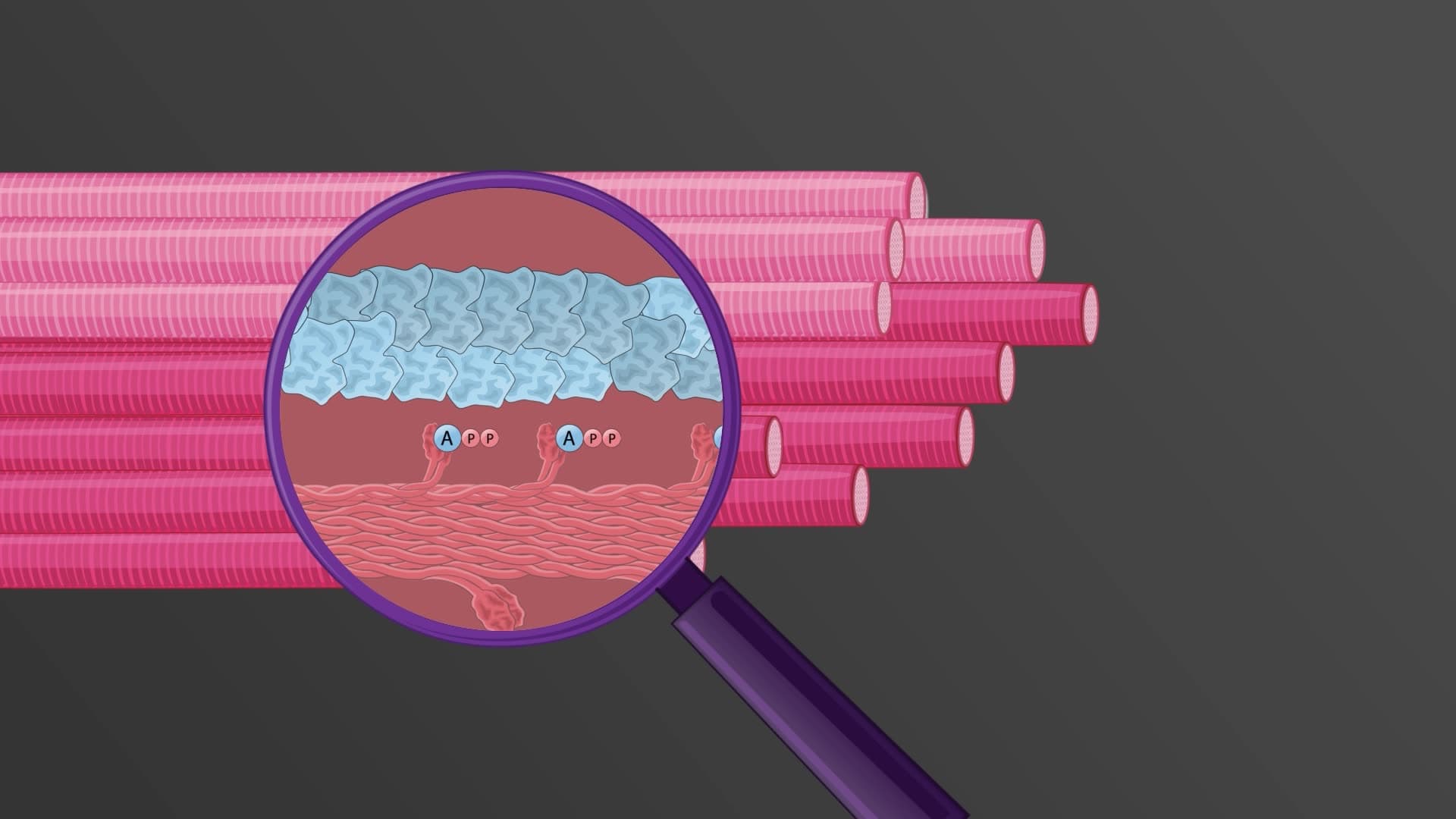
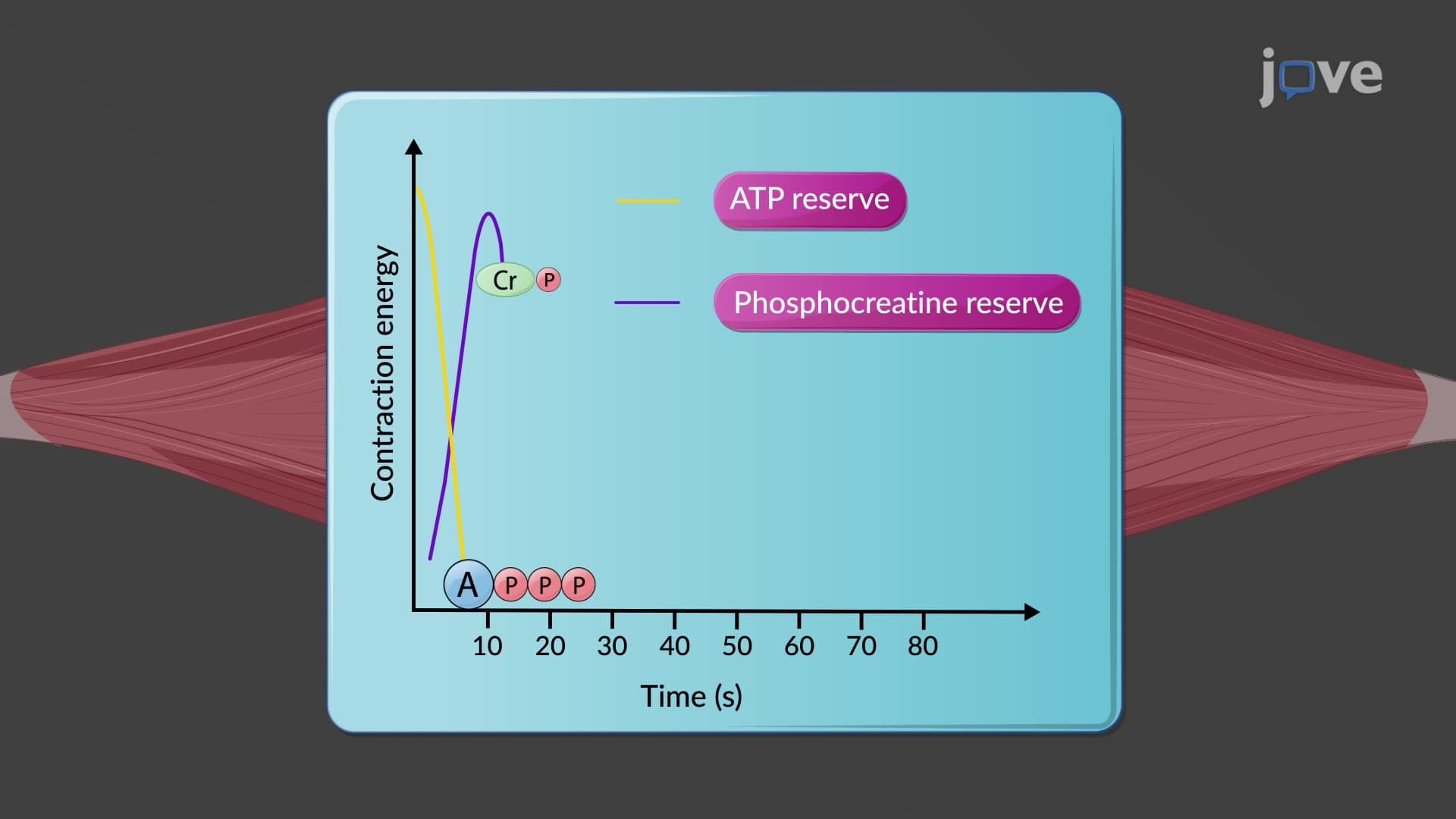
The ATP phosphocreatine system serves as your muscle's emergency energy reserve, providing immediate power for explosive movements like a baseball swing or vertical jump. Phosphocreatine stores in muscle contain approximately 3-5 times more energy than ATP reserves, but this system depletes within 10-15 seconds of maximal effort.
The enzyme creatine kinase facilitates this energy transfer with remarkable efficiency - the reaction occurs nearly instantaneously without requiring oxygen. This explains why powerlifters and shot putters can generate enormous force for brief periods. Understanding this system proves crucial for AP Biology students studying cellular energetics and appears frequently on MCAT biochemistry sections.
When phosphocreatine reserves deplete, glycolytic energy muscle systems activate to break down glucose and glycogen. This pathway produces ATP rapidly enough to fuel high-intensity exercise lasting 1-3 minutes - think 800-meter races or intense basketball possessions.
During adequate oxygen supply, pyruvate enters mitochondria for complete oxidation, yielding approximately 36-38 ATP molecules per glucose. However, when oxygen demand exceeds supply, anaerobic glycolysis converts pyruvate to lactate, producing only 2 ATP per glucose but maintaining rapid energy output. This lactate accumulation creates the familiar "burn" sensation during intense exercise.
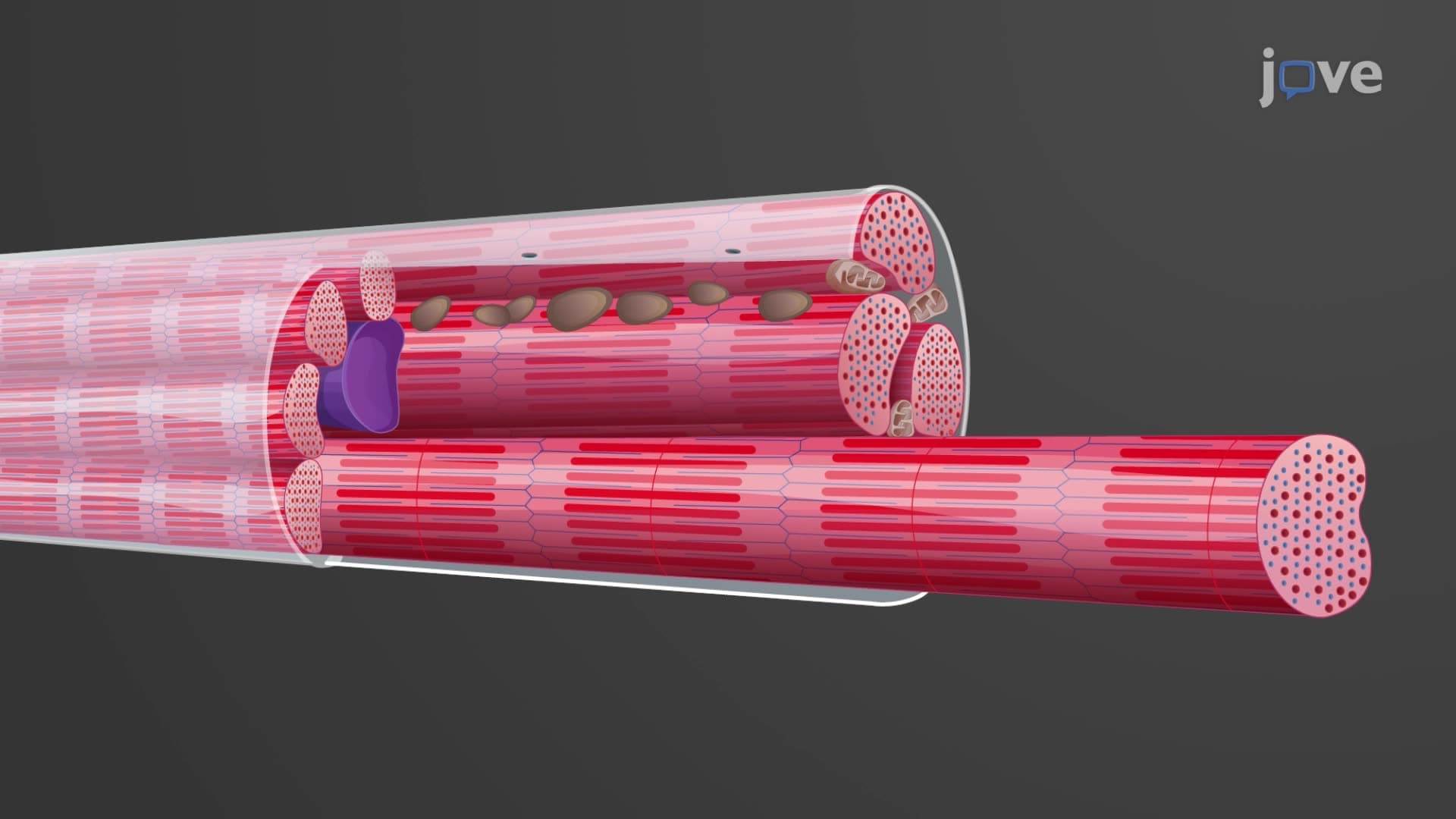
The oxidative aerobic muscle energy system represents the most efficient long-term energy source, completely oxidizing carbohydrates, fats, and occasionally proteins in mitochondria. This system supports activities like marathon running, where athletes maintain steady-state energy production for hours.
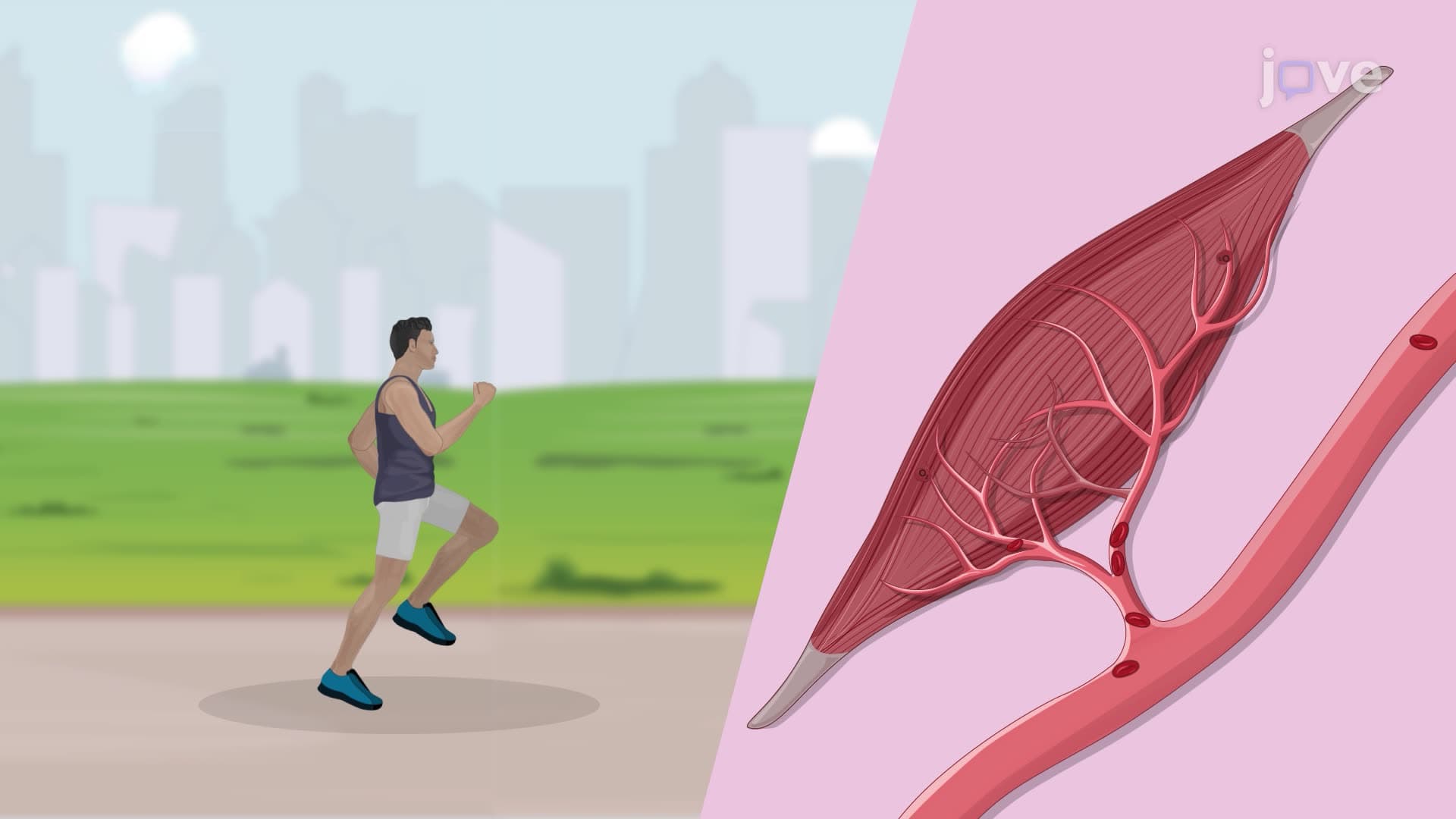
Aerobic metabolism produces the highest ATP yield but requires several minutes to fully activate. Elite endurance athletes develop exceptional mitochondrial density and capillary networks, enabling superior oxygen delivery and oxidative capacity. This concept frequently appears in college exercise physiology courses and ACSM certification exams.
Related Micro-courses