Loading video…


 22 Concepts
 178.8K views

Video Summary: What are Functions of Smooth Muscles
Did you know that your stomach churns food without you thinking about it, yet precise muscle coordination makes this possible? Smooth muscle functions body systems control involuntary movements throughout your internal organs, from digesting your lunch to regulating blood pressure during a basketball game at your local high school gym. These specialized muscle tissues work continuously behind the scenes, managing everything from pupil dilation to blood vessel constriction. Watch the full video on JoVE Coach to master this concept with expert-led visuals and step-by-step explanations.
Smooth muscle functions body systems serve as the unsung heroes of human physiology, controlling involuntary processes that keep us alive and healthy. Unlike the voluntary skeletal muscles that move your arms and legs, smooth muscles work automatically under control of the autonomic nervous system. These muscles form the structural foundation of most hollow organs and blood vessels, creating the muscular walls that can contract and relax to move substances throughout your body.
The majority of smooth muscle in your body consists of visceral smooth muscle, which functions as a coordinated unit. In your digestive tract, these muscles arrange themselves in two distinct layers: longitudinal fibers running lengthwise and circular fibers wrapping around the organ's circumference. When longitudinal muscles contract, they shorten the organ; when circular muscles contract, they narrow the internal space. This arrangement enables peristalsis GI smooth muscle action - the wave-like contractions that push food through your intestines during digestion.
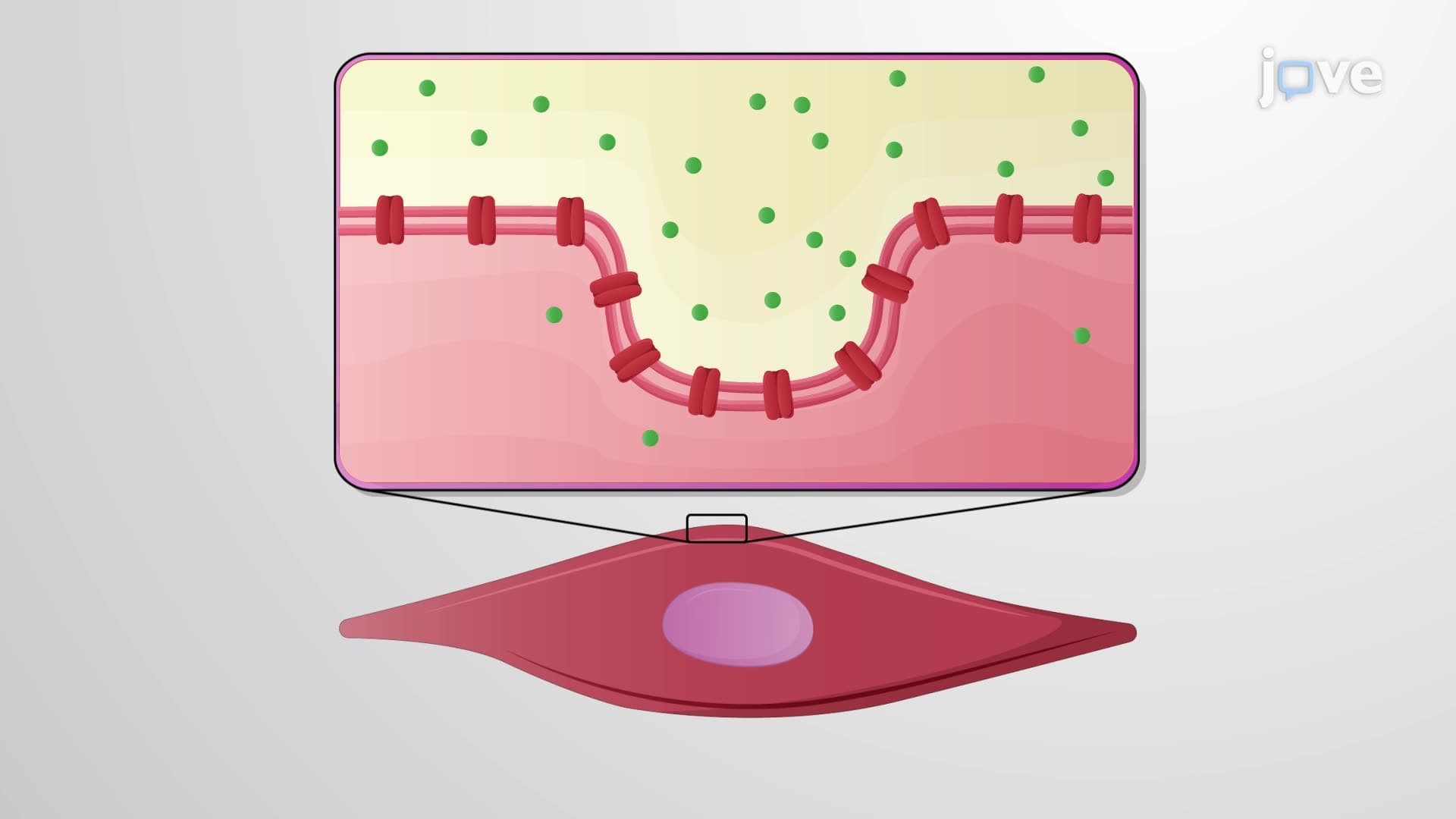
Gap junctions connect these muscle cells, allowing electrical signals to spread rapidly throughout the tissue. This creates synchronized contractions that are essential for effective visceral smooth muscle function. For students preparing for the AP Biology exam or college anatomy courses, understanding this cellular communication is crucial for explaining how your stomach can churn food or how your bladder can empty completely.
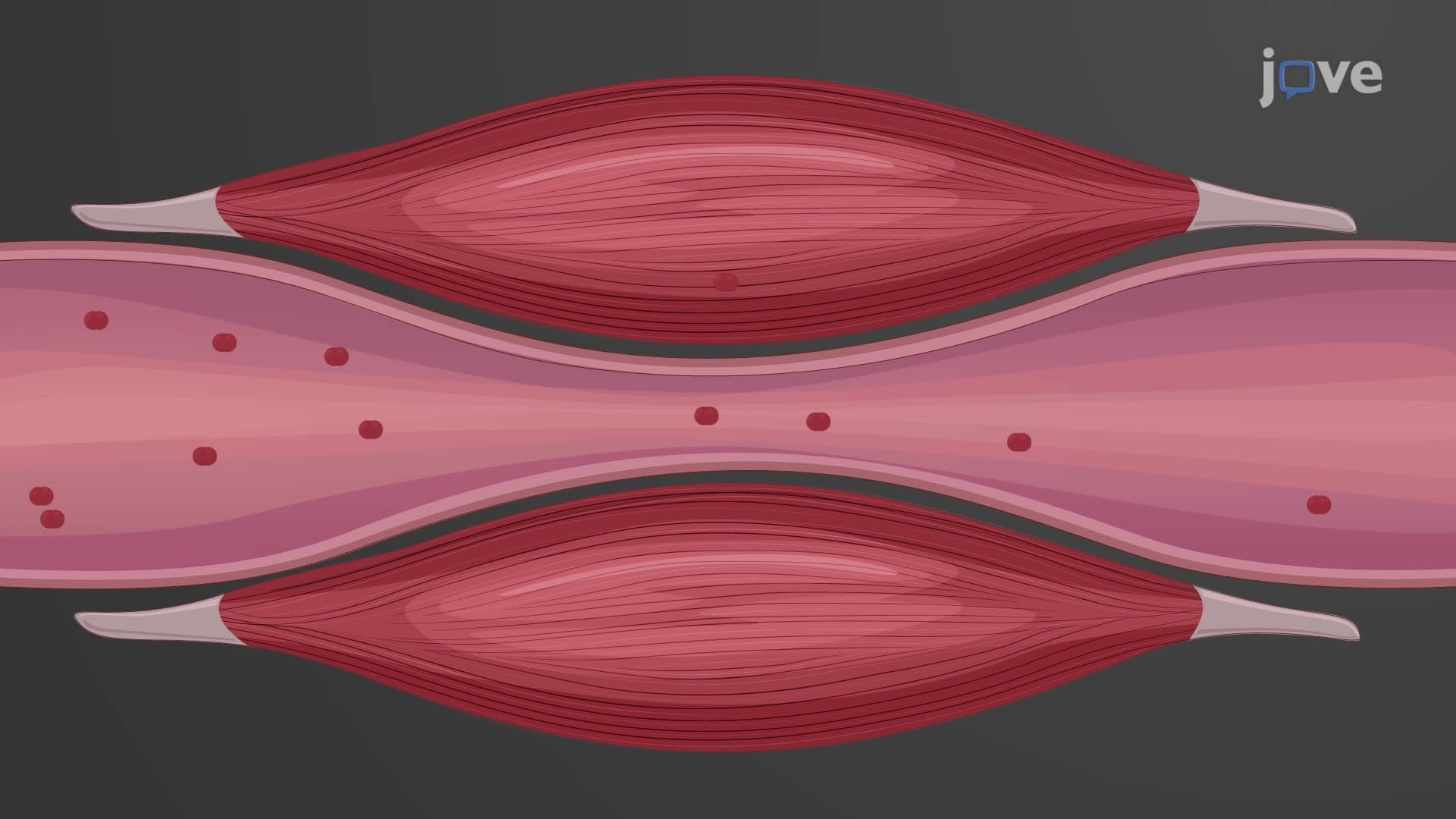
Multi-unit smooth muscles operate differently, with each fiber receiving individual nerve stimulation for precise control. The pupil iris smooth muscle exemplifies this precision - muscles in your iris can rapidly adjust pupil size to control light entering your eye. Similarly, vasoconstriction smooth vessel walls contain multi-unit smooth muscles that fine-tune blood flow to specific organs based on immediate needs.
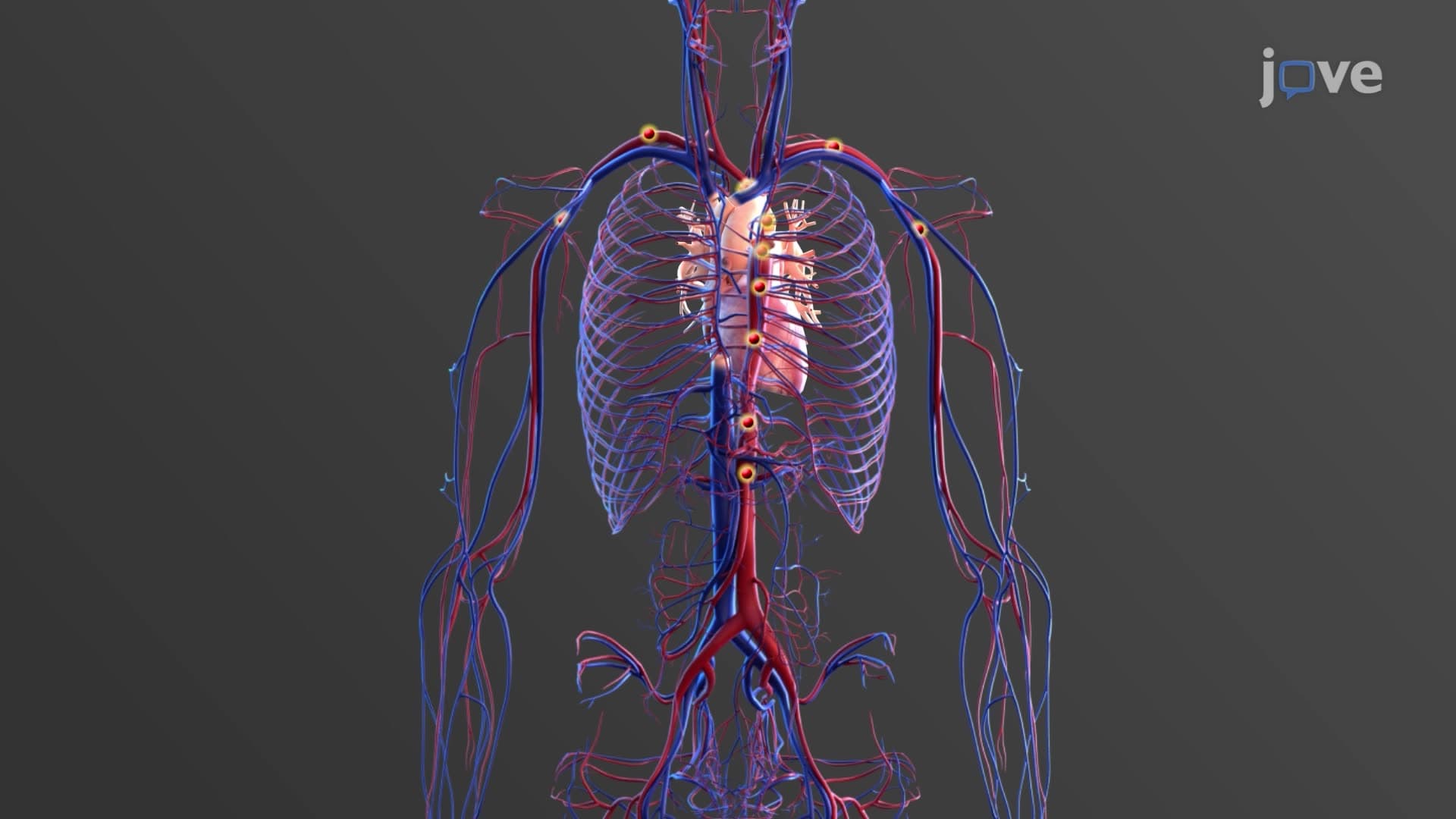
In large pulmonary arteries, these muscles regulate vessel diameter to direct blood toward well-ventilated lung areas, optimizing oxygen exchange. This concept frequently appears on MCAT questions about cardiovascular physiology and respiratory system integration.
Understanding smooth muscle function proves essential for healthcare career preparation. USMLE Step 1 and NCLEX examinations regularly test knowledge of how medications affect smooth muscle in conditions like asthma (bronchial smooth muscle) and hypertension (vascular smooth muscle). Students studying for the HESI A2 or TEAS should focus on how smooth muscle involuntary movement maintains homeostasis through blood pressure regulation and digestive processes.
Related Micro-courses