Loading subject page…


178,810 views

Video Summary: What Is Muscle Stimulation Frequency
Ever wonder why a gentle handshake feels different from a crushing grip, even though both use the same muscles? The muscle stimulation frequency effect determines how motor neurons control contraction strength by varying action potential firing rates. When a baseball pitcher winds up for a fastball, their motor neurons fire at specific frequencies to generate maximum force through complete tetanus - sustained muscle contractions reaching up to 100 stimulations per second. This precise neural control separates amateur athletes from professionals competing in Major League Baseball. Watch the full video on JoVE Coach to master this concept with expert-led visuals and step-by-step explanations.
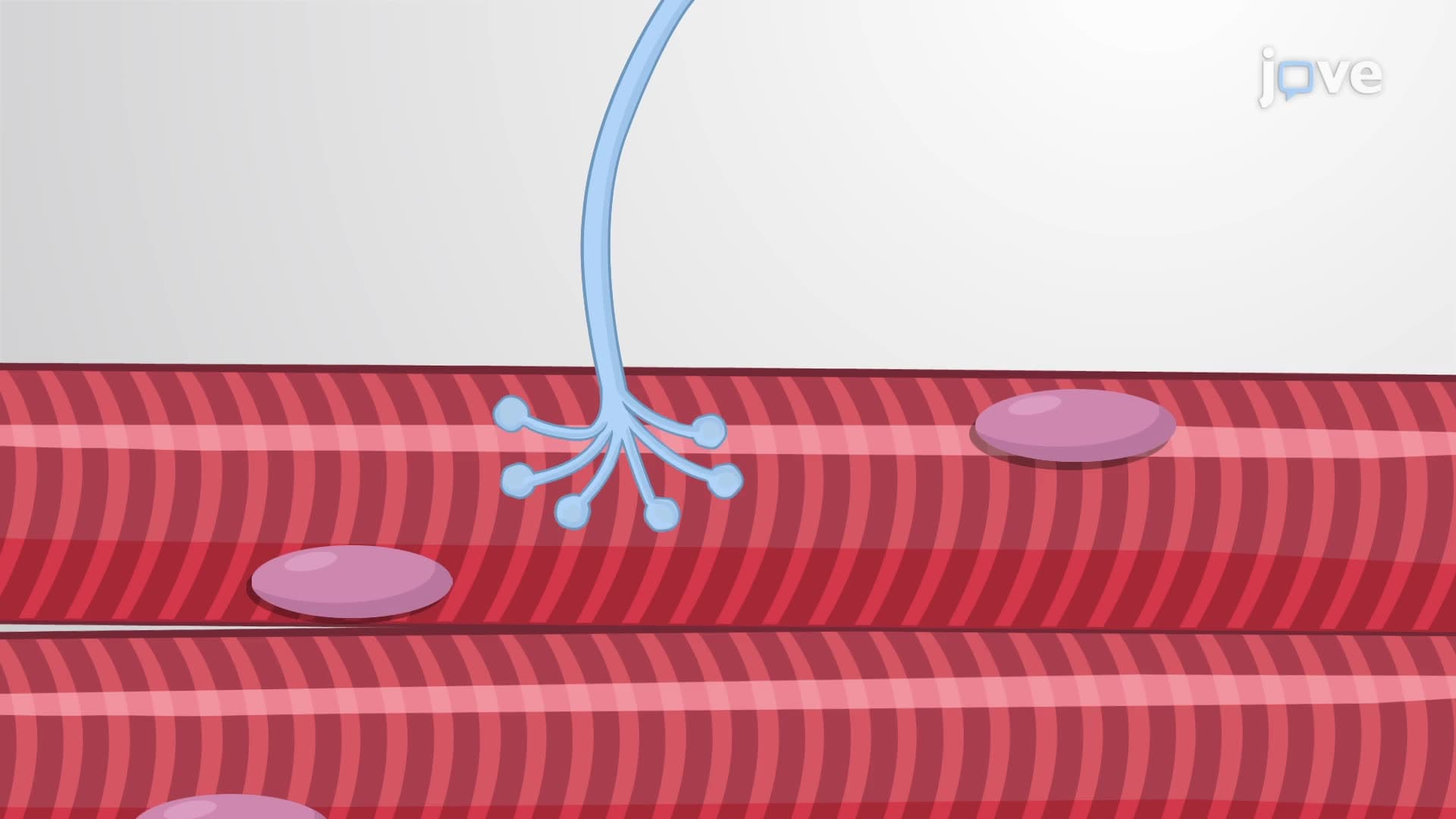
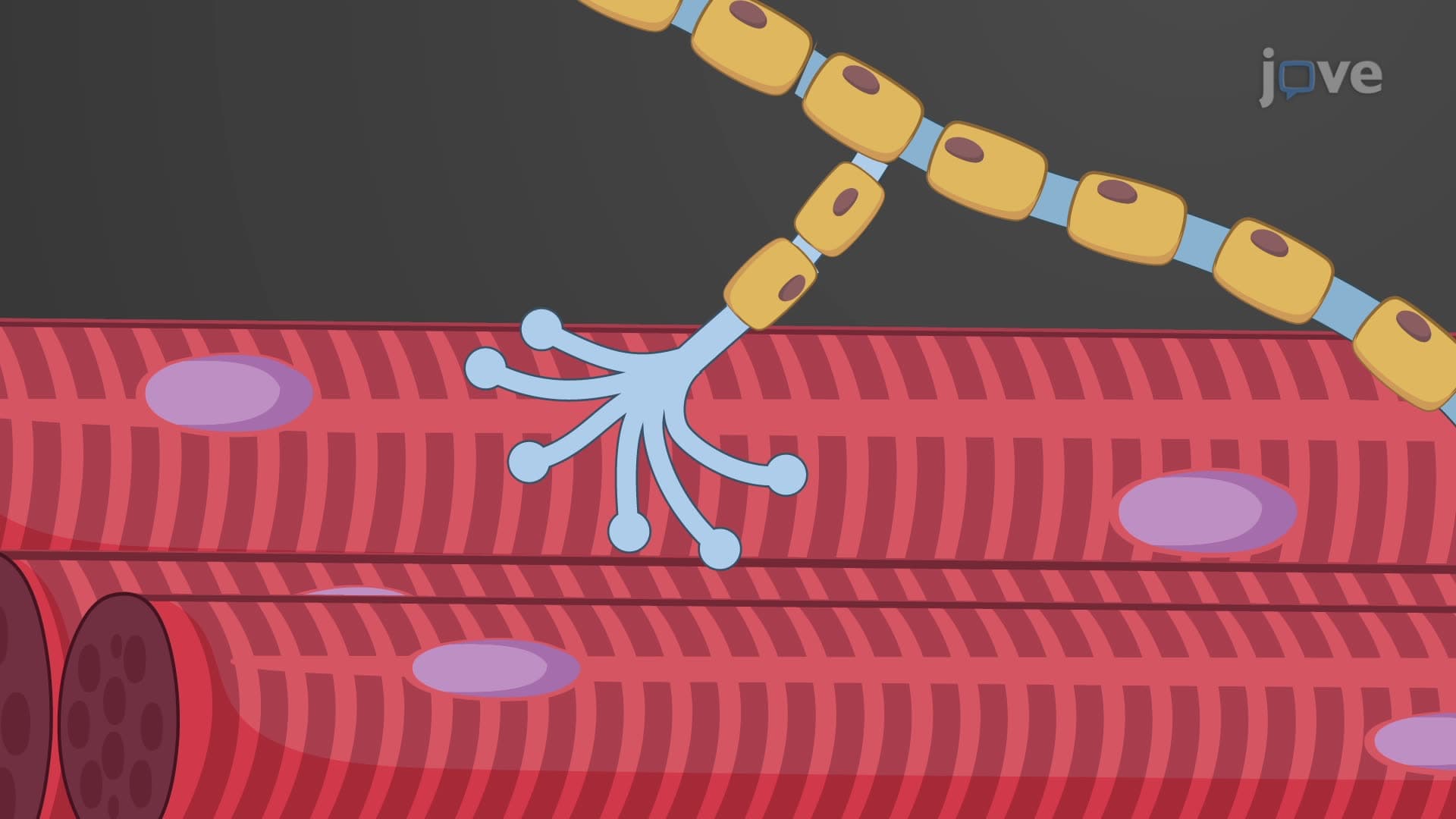
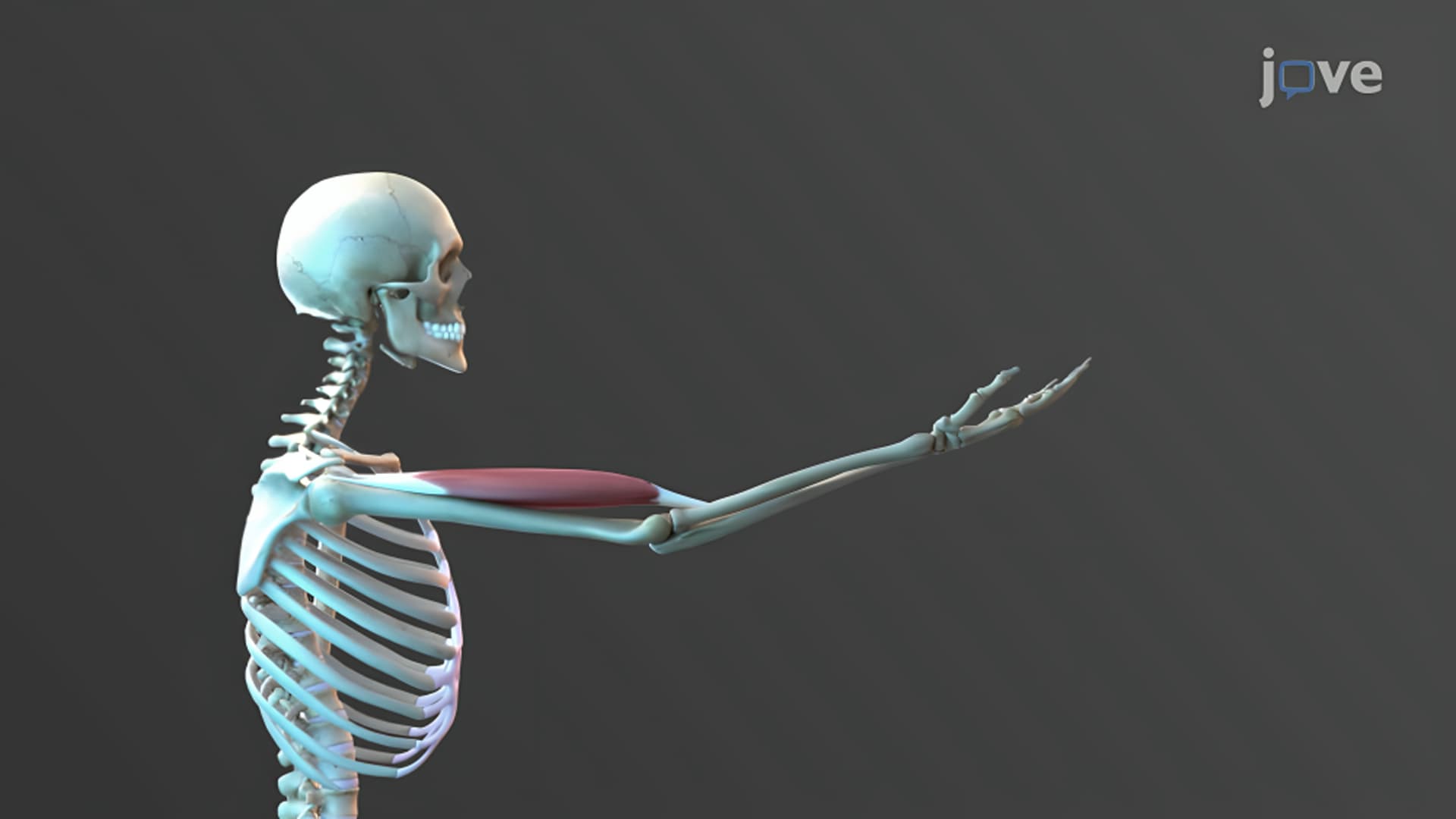
Muscle stimulation frequency represents the rate at which motor neurons send electrical signals to muscle fibers, directly controlling contraction strength and duration. This neurophysiological mechanism enables humans to perform tasks requiring vastly different force outputs - from threading a needle to deadlifting 400 pounds at a powerlifting competition in Texas.
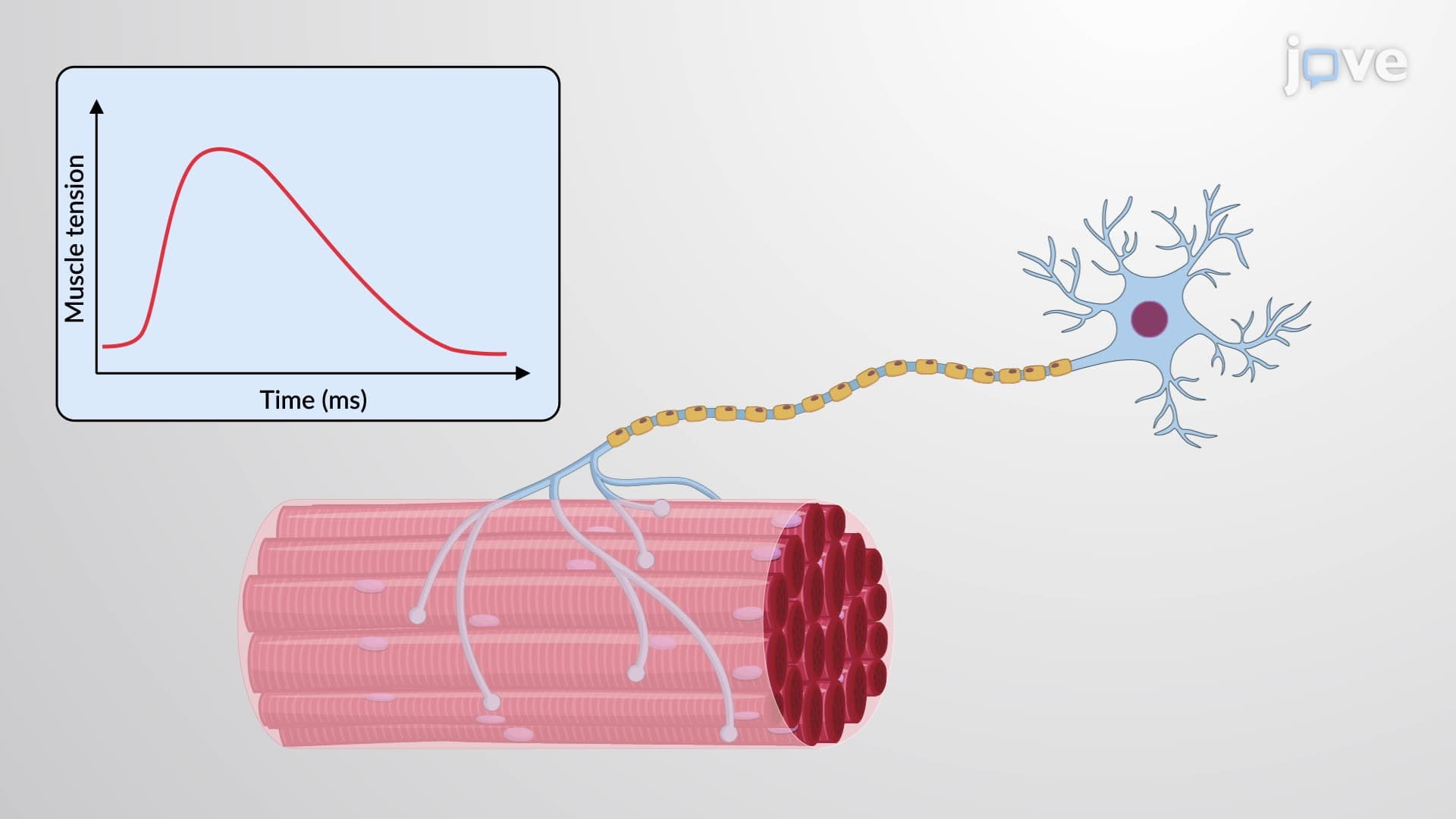
Motor neurons achieve this remarkable control through frequency modulation, similar to how radio stations broadcast on different frequencies. At low firing rates (1-5 Hz), individual muscle twitches occur with complete relaxation between stimuli. However, real-world activities demand sustained contractions requiring higher frequencies and sophisticated neural coordination.
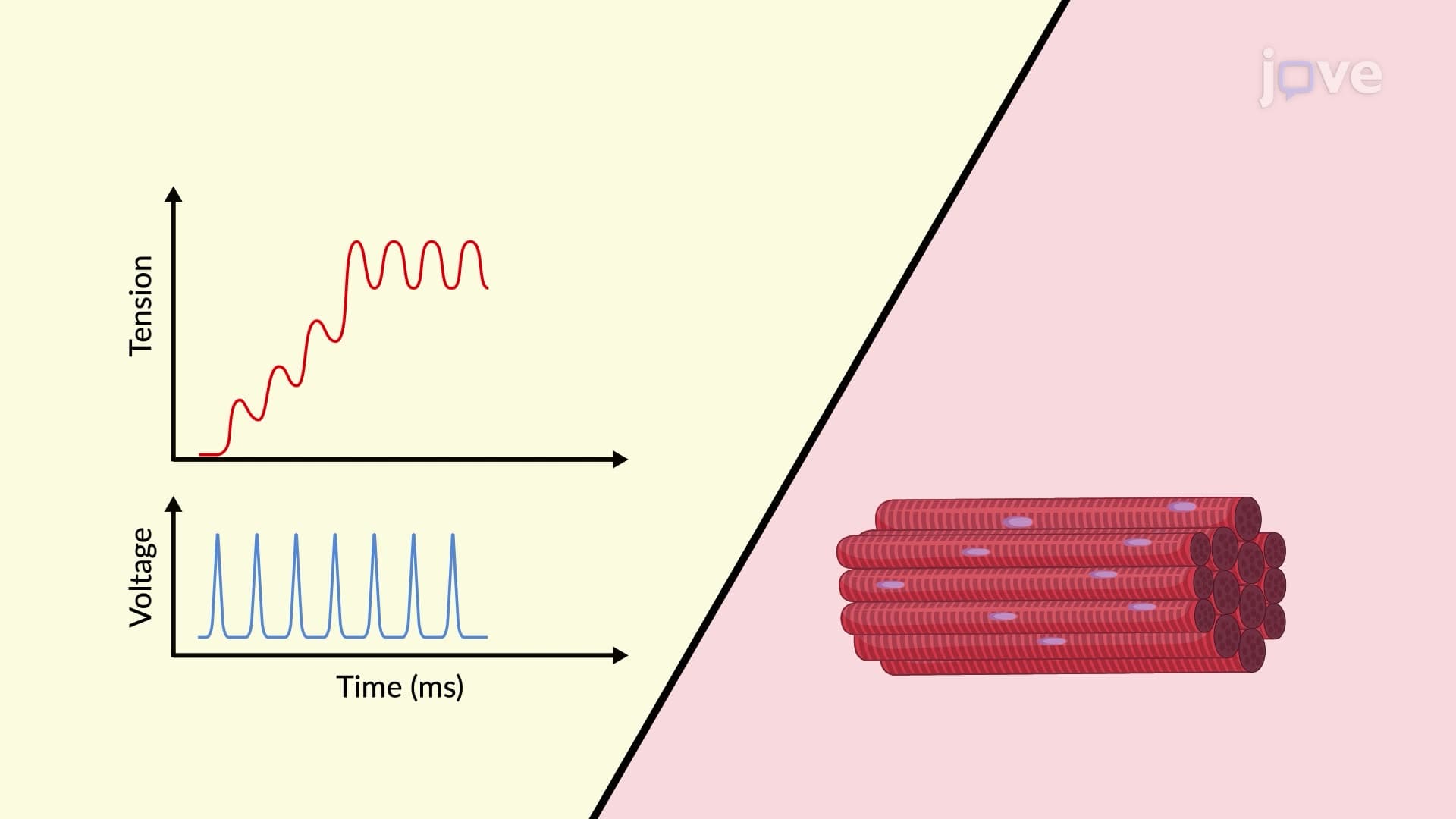
The frequency effect muscle contraction becomes apparent when motor neurons fire before complete muscle relaxation occurs. This phenomenon, called wave summation, allows subsequent contractions to build upon previous ones, generating greater total force. Consider a rock climber scaling El Capitan in Yosemite - their forearm muscles utilize wave summation to maintain grip strength for extended periods.
Wave summation frequency typically ranges from 10-20 Hz, creating a staircase-like increase in tension. This mechanism proves essential for activities requiring graduated force control, such as a surgeon performing delicate procedures at Johns Hopkins Hospital or a violinist executing crescendos with the Philadelphia Orchestra.
How does stimulation frequency affect muscle contraction depends on specific frequency ranges producing distinct physiological responses. At 20-30 Hz, muscles exhibit incomplete tetanus characterized by partially fused contractions with visible fluctuations in tension. This frequency range proves optimal for sustained activities like marathon running, where Boston Marathon competitors maintain consistent muscle output over 26.2 miles.
Complete tetanus occurs at 80-100 Hz, producing smooth, sustained contractions with maximum force generation. NFL linemen utilize complete tetanus during explosive blocking movements, achieving peak power output through optimized stimulus frequency response. This frequency range eliminates visible tension fluctuations, creating the smooth muscle contractions essential for athletic performance.
Understanding tetanic contraction frequency proves crucial for MCAT preparation and AP Biology coursework. Students frequently encounter questions comparing twitch unfused tetanus with complete tetanus fused contractions, requiring knowledge of specific frequency thresholds and physiological outcomes.
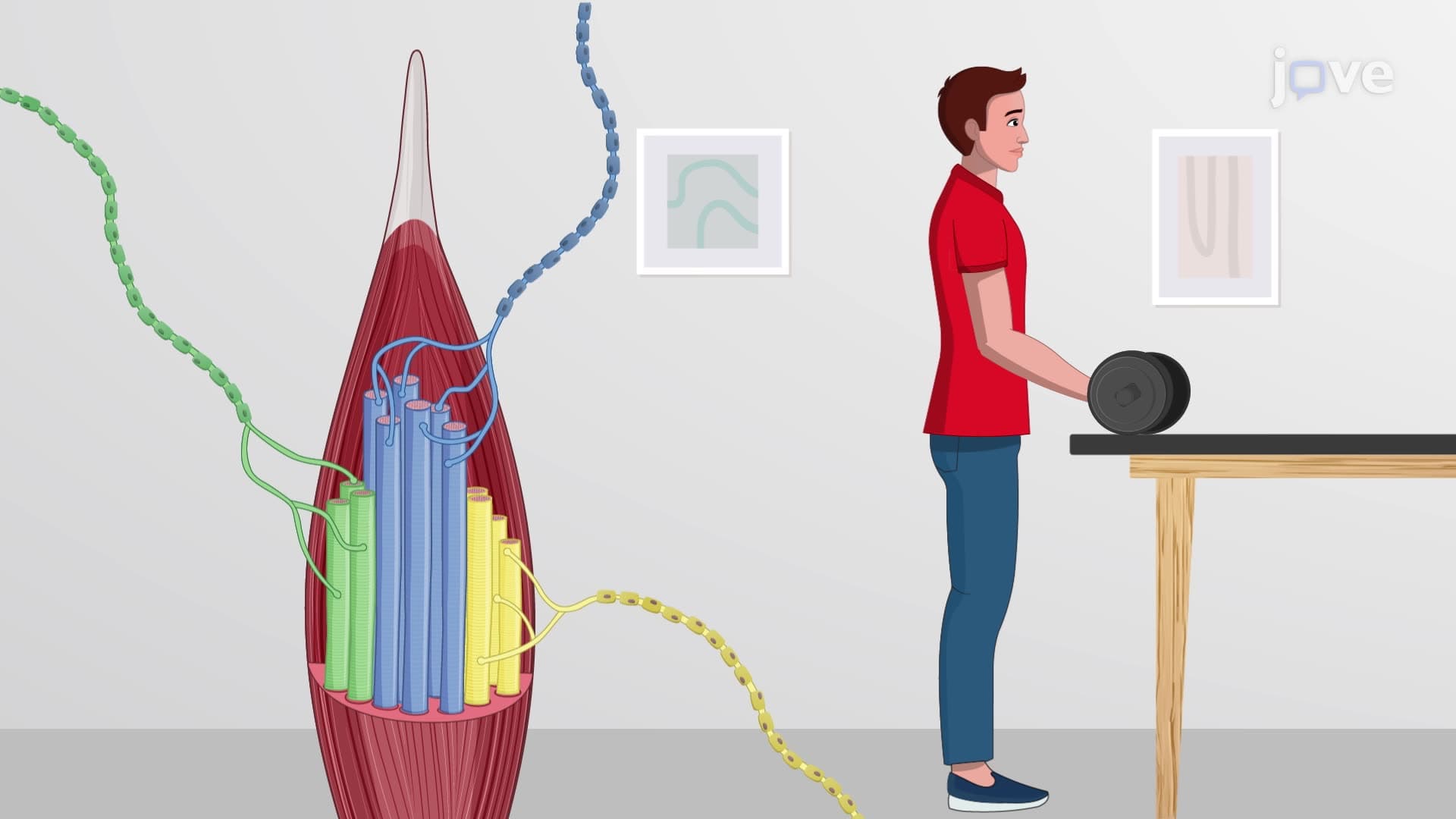
Physical therapists at rehabilitation centers nationwide apply these principles when designing recovery protocols for stroke patients, gradually increasing stimulation frequencies to restore normal muscle function. Similarly, strength coaches optimize training programs by manipulating exercise frequency to target different muscle fiber recruitment patterns.
Related Micro-courses