Loading video…


 22 Concepts
 178.8K views

Video Summary: What Is Muscle Recovery and Fatigue
Ever wonder why your legs feel like jelly after sprinting up stadium stairs during high school track practice? Muscle fatigue recovery biology explains this phenomenon through complex cellular processes that occur when muscles exhaust their energy reserves. During intense exercise, like a basketball player's repeated sprints during March Madness, muscles accumulate lactic acid and experience pH changes that temporarily impair contraction ability. Understanding what is muscle fatigue and recovery in physiology reveals how oxygen debt and metabolic restoration allow muscles to return to peak performance. Watch the full video on JoVE Coach to master this concept with expert-led visuals and step-by-step explanations.
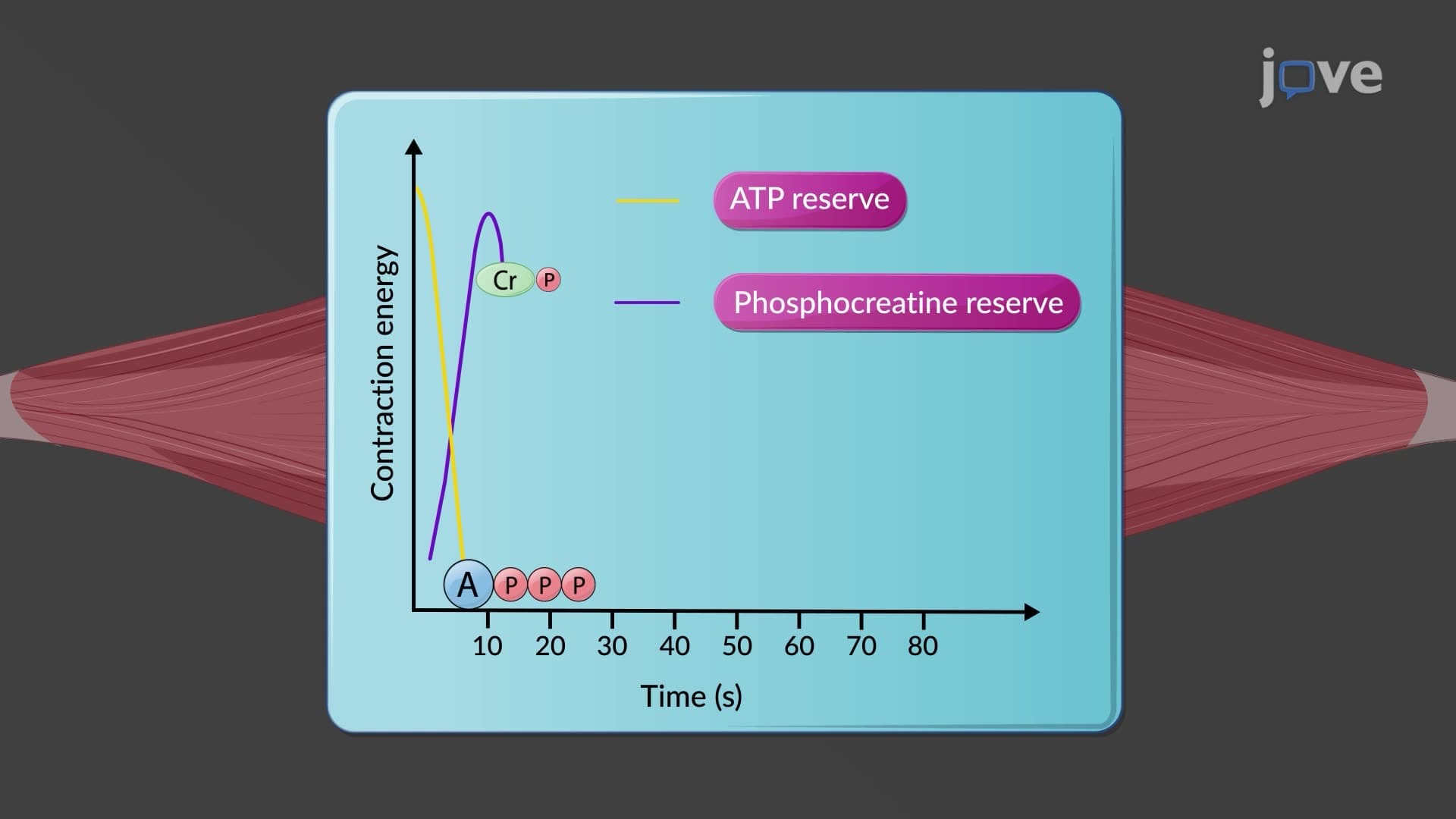
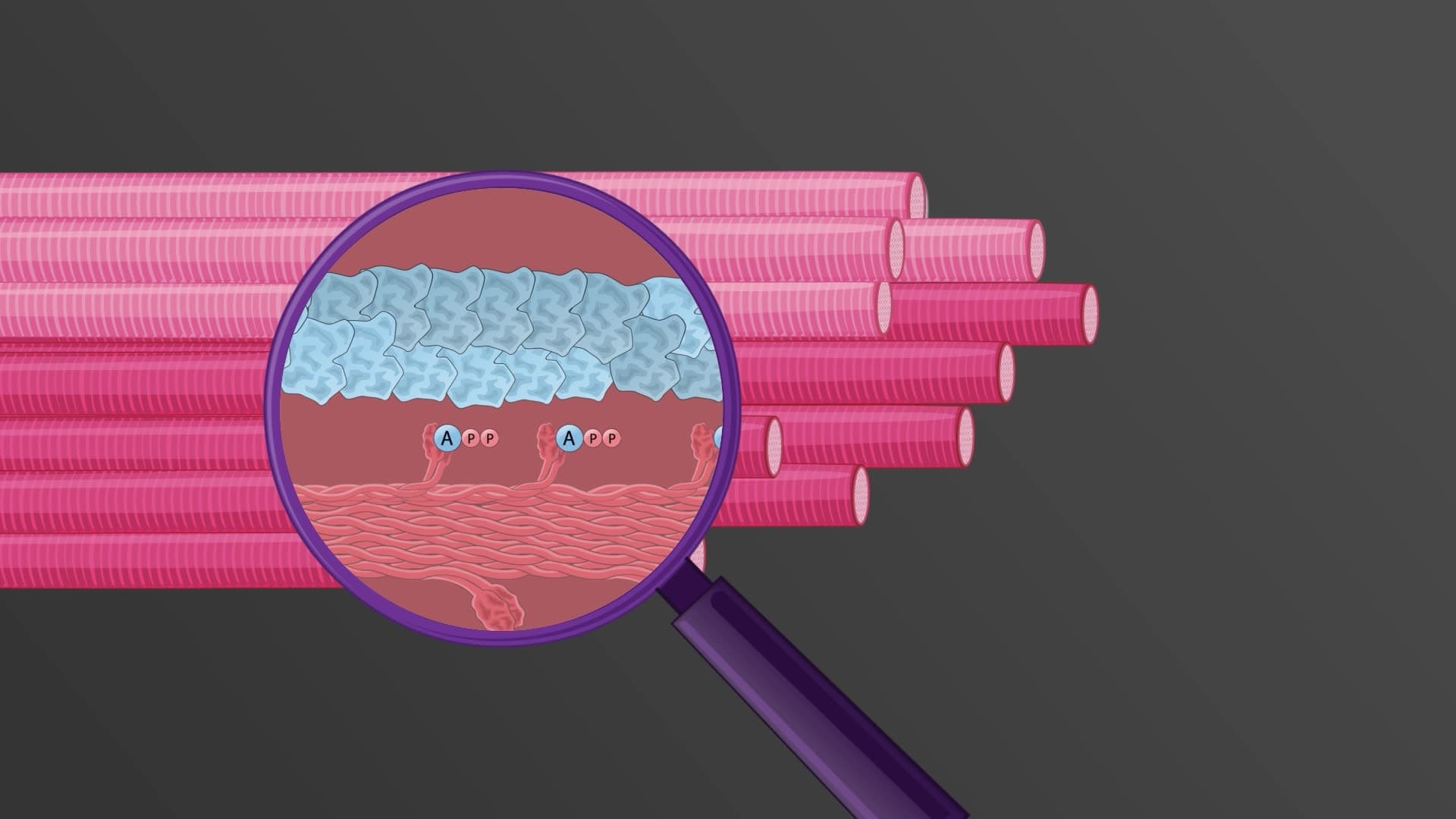
Muscle fatigue recovery biology encompasses the intricate cellular processes that occur when muscles transition from high-energy demand states to restoration phases. During intense physical activity, such as a high school wrestler's match or a college football player's training session, muscles rapidly consume ATP (adenosine triphosphate) faster than aerobic metabolism can replenish it. This energy crisis triggers a cascade of biochemical events that temporarily impair muscle function while simultaneously initiating recovery mechanisms.
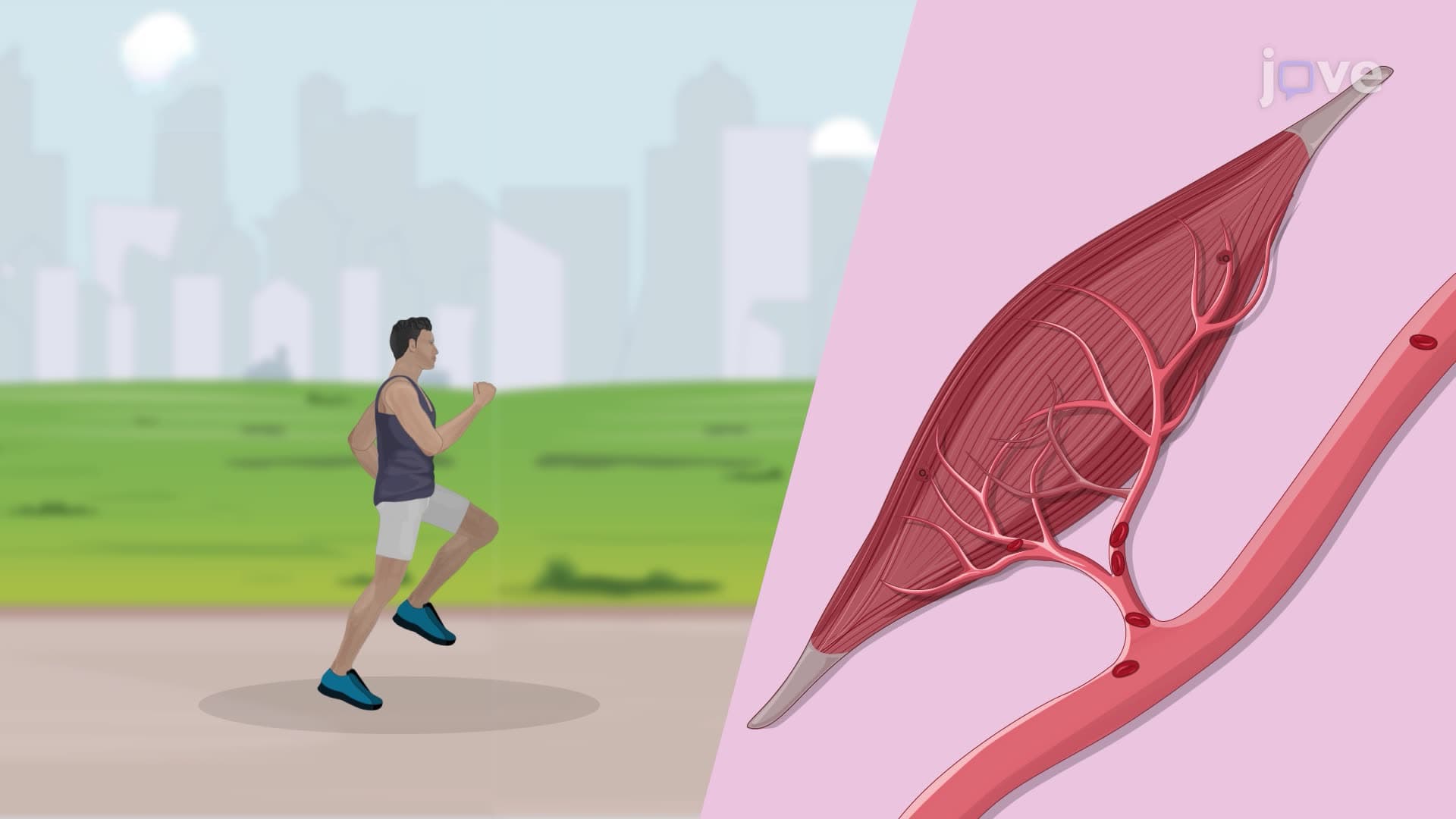
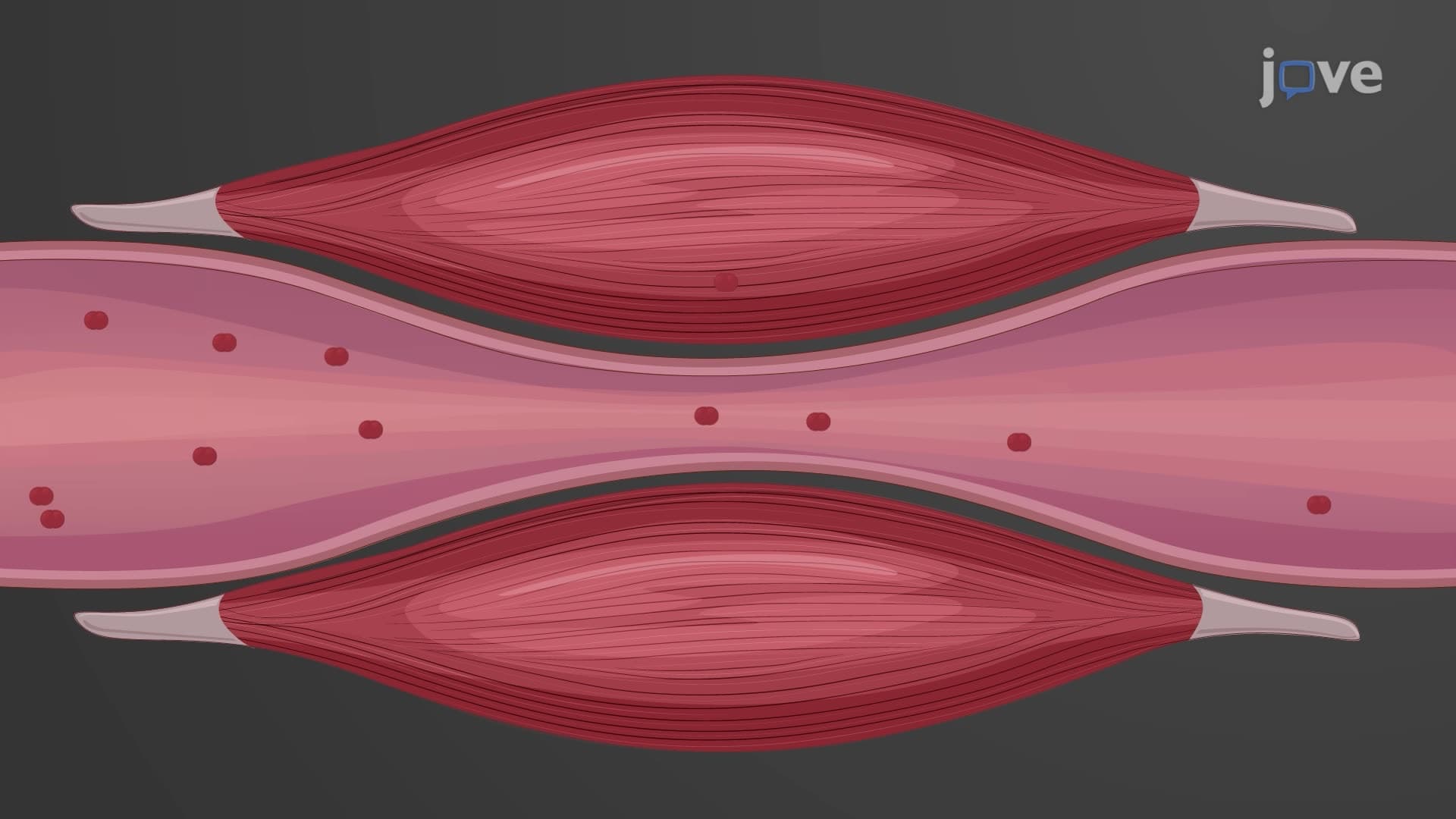
The metabolic muscle fatigue cause stems from the muscle's desperate attempt to maintain energy production under oxygen-limited conditions. When blood vessels compress during vigorous contractions, oxygen delivery becomes insufficient for aerobic metabolism. Muscles then shift to anaerobic glycolysis, a less efficient but faster energy pathway that produces ATP without oxygen. However, this emergency energy system generates lactic acid as a byproduct, creating the acidic environment responsible for that familiar "burning" sensation athletes experience during intense exercise.
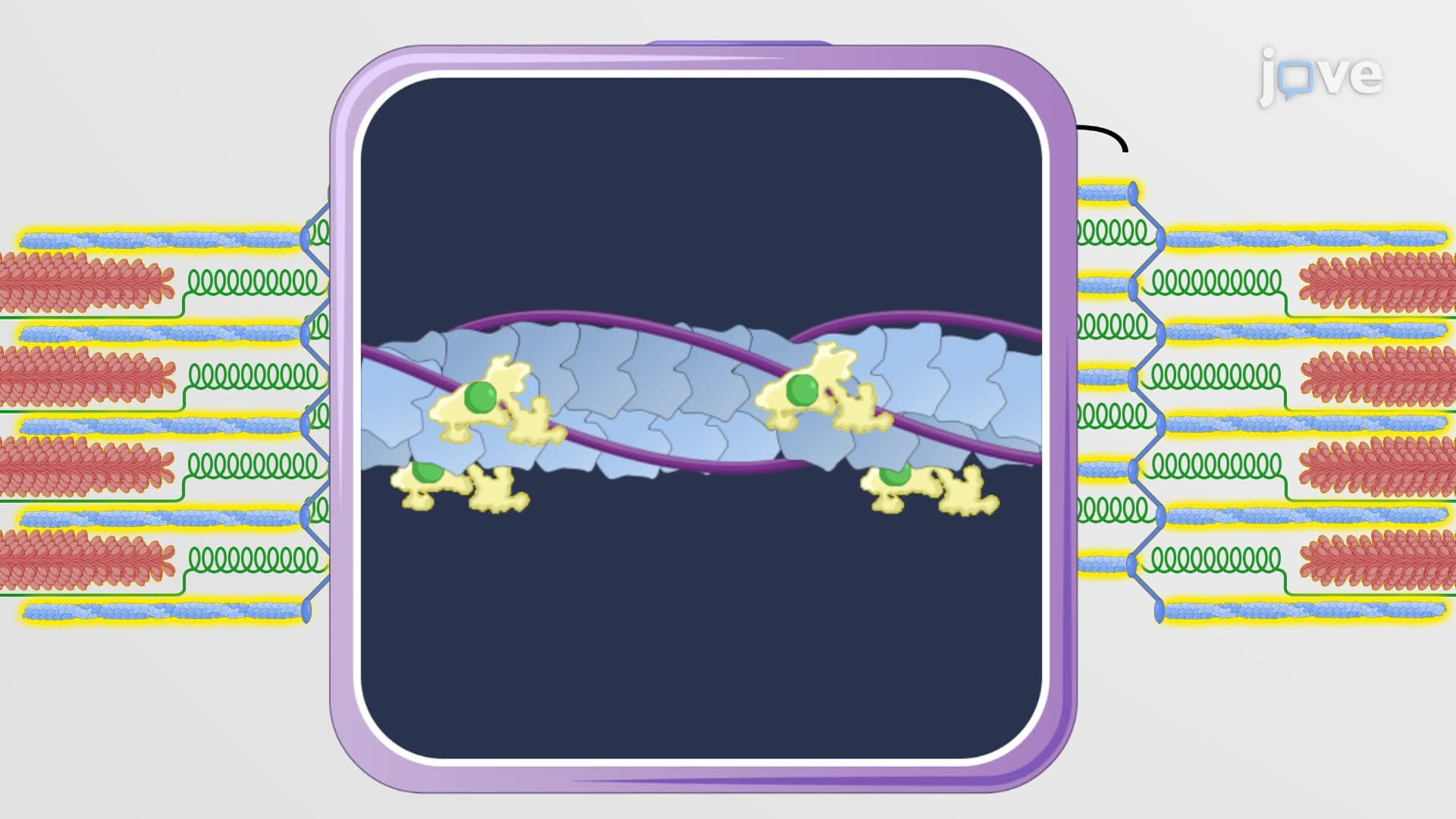
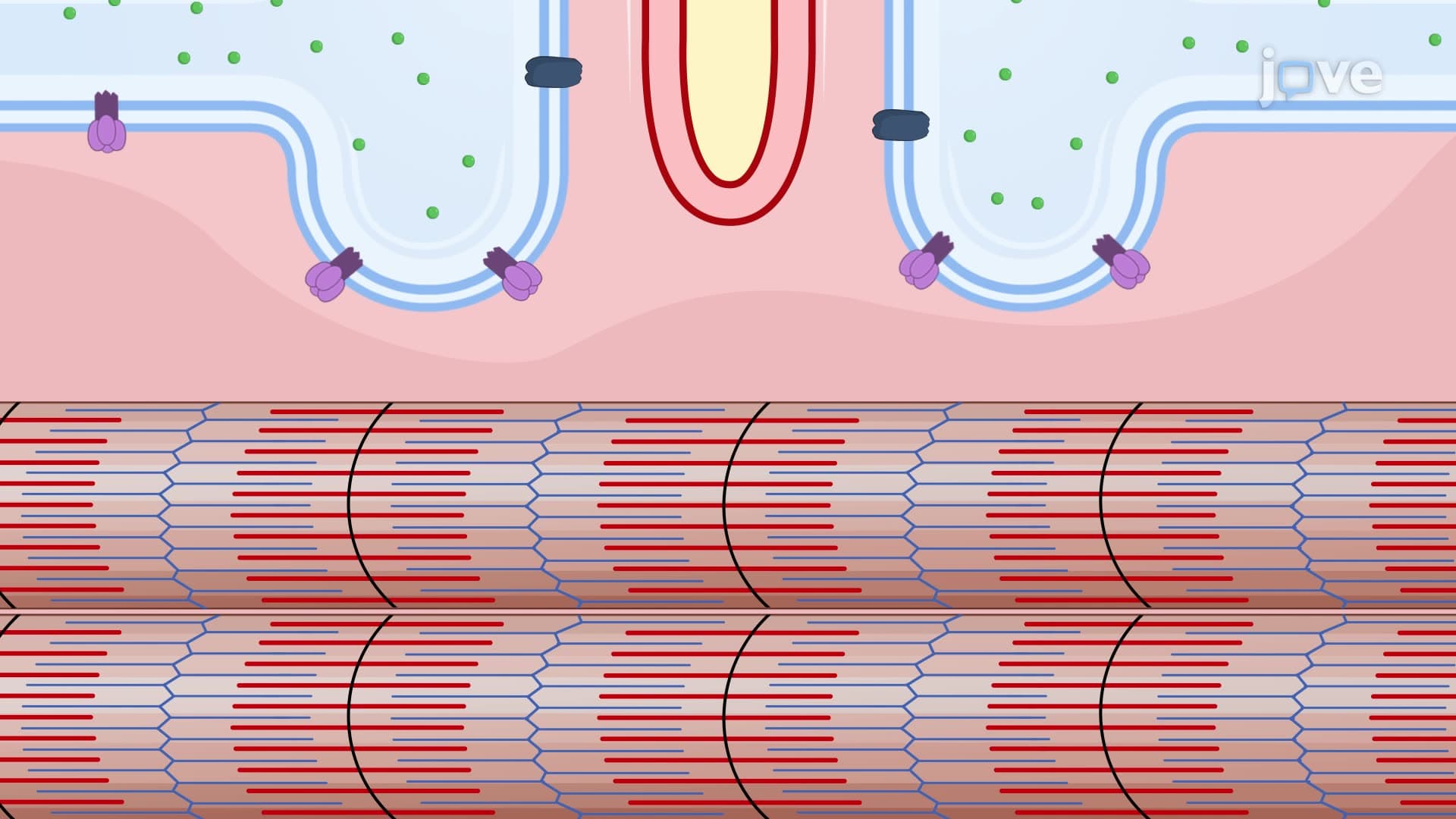
Lactic acid accumulation fatigue occurs when lactate and hydrogen ions overwhelm the muscle's buffering capacity. As tissue pH drops below normal levels (typically from 7.0 to 6.5 or lower), a condition called lactic acidosis develops. This acidic environment interferes with calcium release from the sarcoplasmic reticulum and reduces the sensitivity of contractile proteins to calcium, effectively preventing further muscle contractions. This protective mechanism prevents permanent cellular damage by forcing muscles to rest before critical injury occurs.
Understanding muscle fatigue mechanisms explained helps explain why a sprinter slows dramatically in the final meters of a 400-meter race, or why a basketball player's shooting accuracy declines in overtime periods. The body's wisdom prioritizes cellular preservation over immediate performance, creating the fatigue sensation that forces recovery periods.
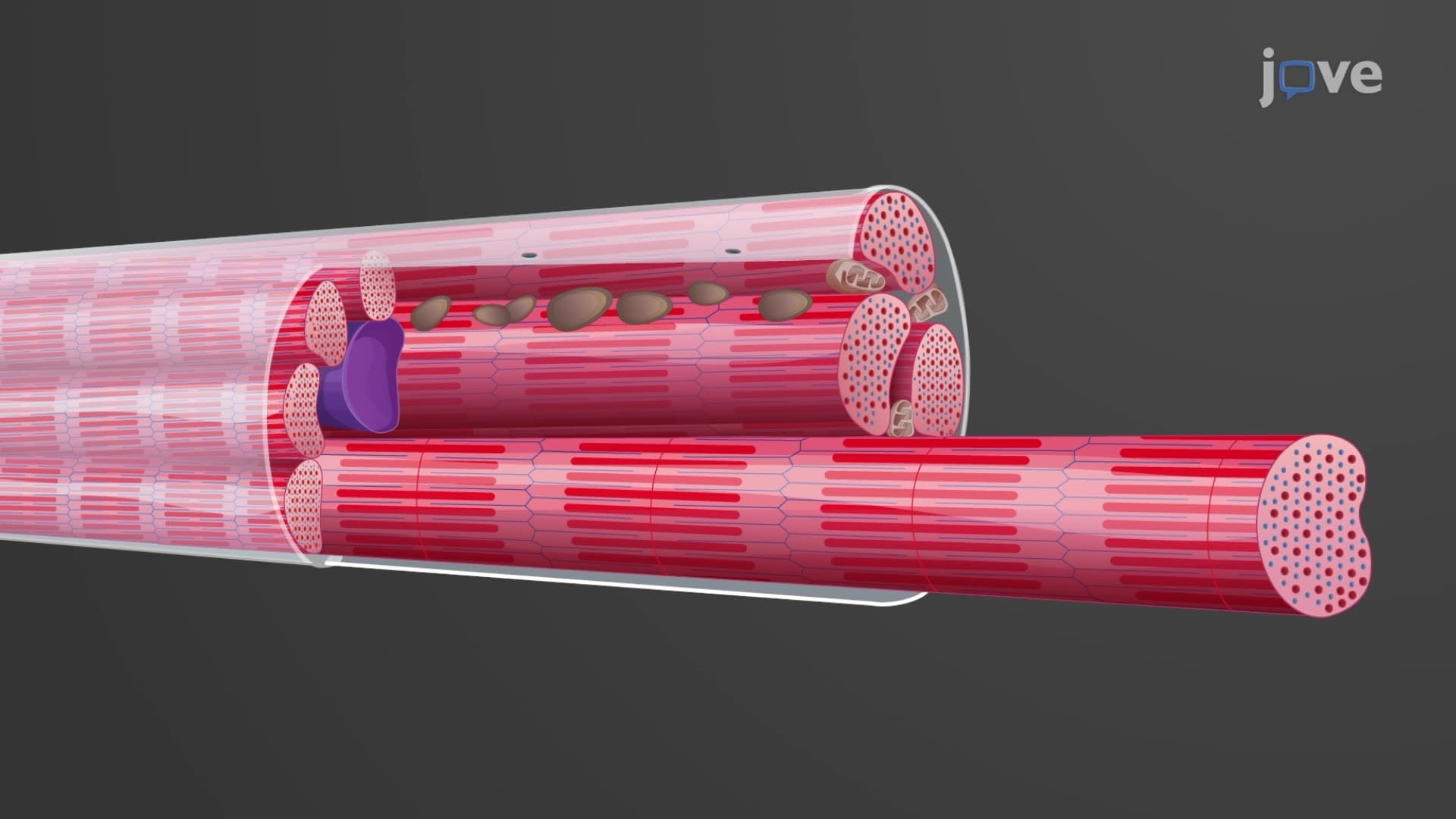
Oxygen debt recovery represents the fascinating process by which muscles restore their energy systems and clear metabolic waste products. Once oxygen availability increases during rest periods, the enzyme lactate dehydrogenase converts accumulated lactate back to pyruvate, effectively reversing the anaerobic pathway. This pyruvate can then enter mitochondria for aerobic ATP production or undergo conversion to glycogen for future energy storage.
The muscle glycogen recovery process involves multiple pathways working simultaneously. The Cori cycle shuttles excess lactate to the liver, where it's converted back to glucose and returned to muscles for glycogen synthesis. Meanwhile, surplus ATP generated during recovery helps rebuild phosphocreatine reserves through creatine kinase activity, preparing muscles for the next high-intensity effort.
These concepts frequently appear on AP Biology exams, MCAT questions, and college physiology midterms. Students should understand how neuromuscular fatigue mechanism knowledge applies to exercise science, physical therapy, and sports medicine careers. Medical professionals use this understanding to develop rehabilitation protocols for athletes and patients recovering from muscle injuries or metabolic disorders.
Related Micro-courses