Loading subject page…


99,206 views

Video Summary: Brainstem Control Centers of Medulla Explained
Ever wonder why holding your breath becomes impossible after just a few minutes, even with intense concentration? The medulla control centers anatomy reveals automatic systems that override conscious control to keep you alive. For instance, when a patient at Johns Hopkins Hospital suffers brainstem trauma, neurologists immediately assess medullary function because these centers control heartbeat, breathing, and blood pressure. Watch the full video on JoVE Coach to master this concept with expert-led visuals and step-by-step explanations.
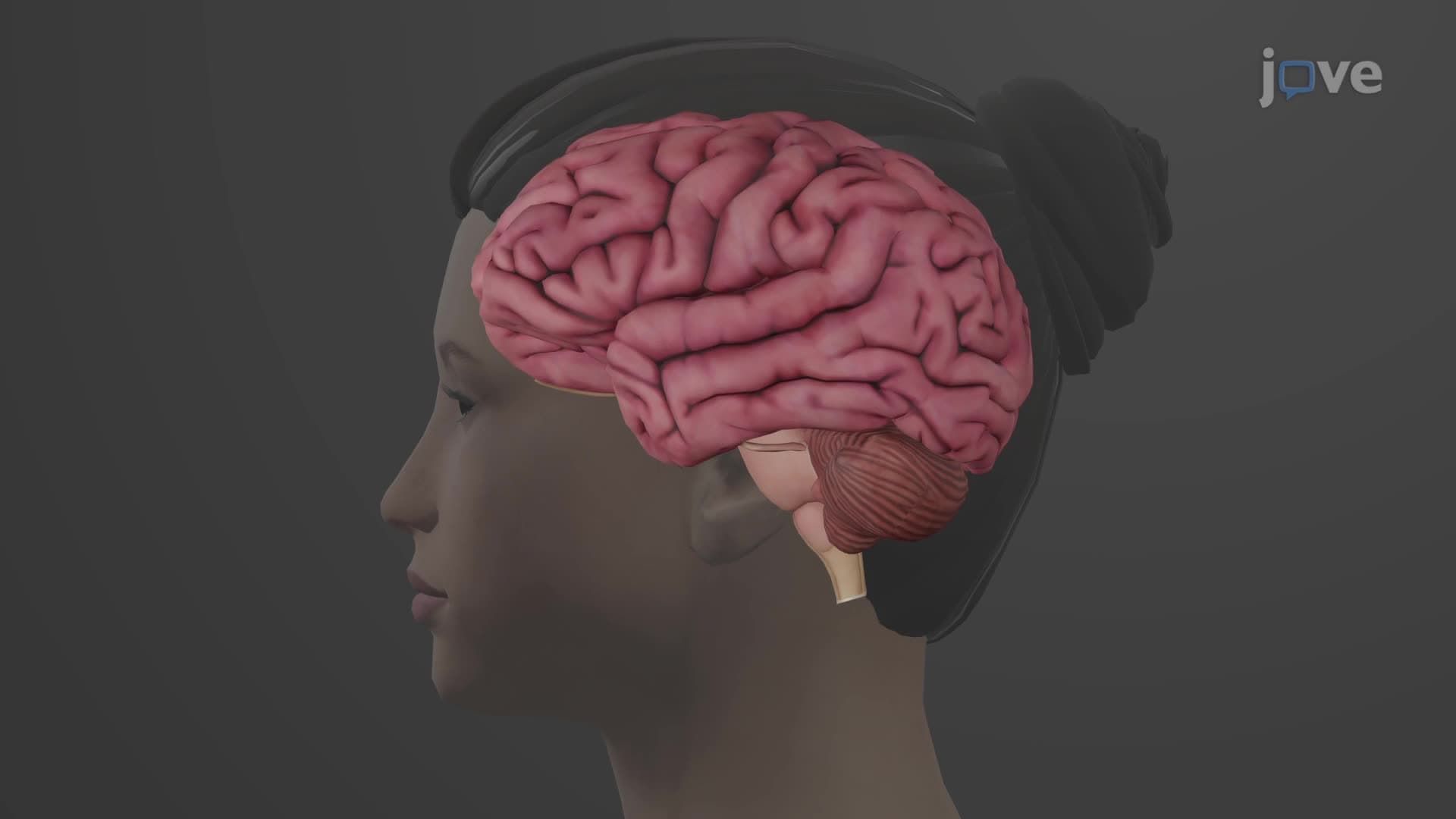
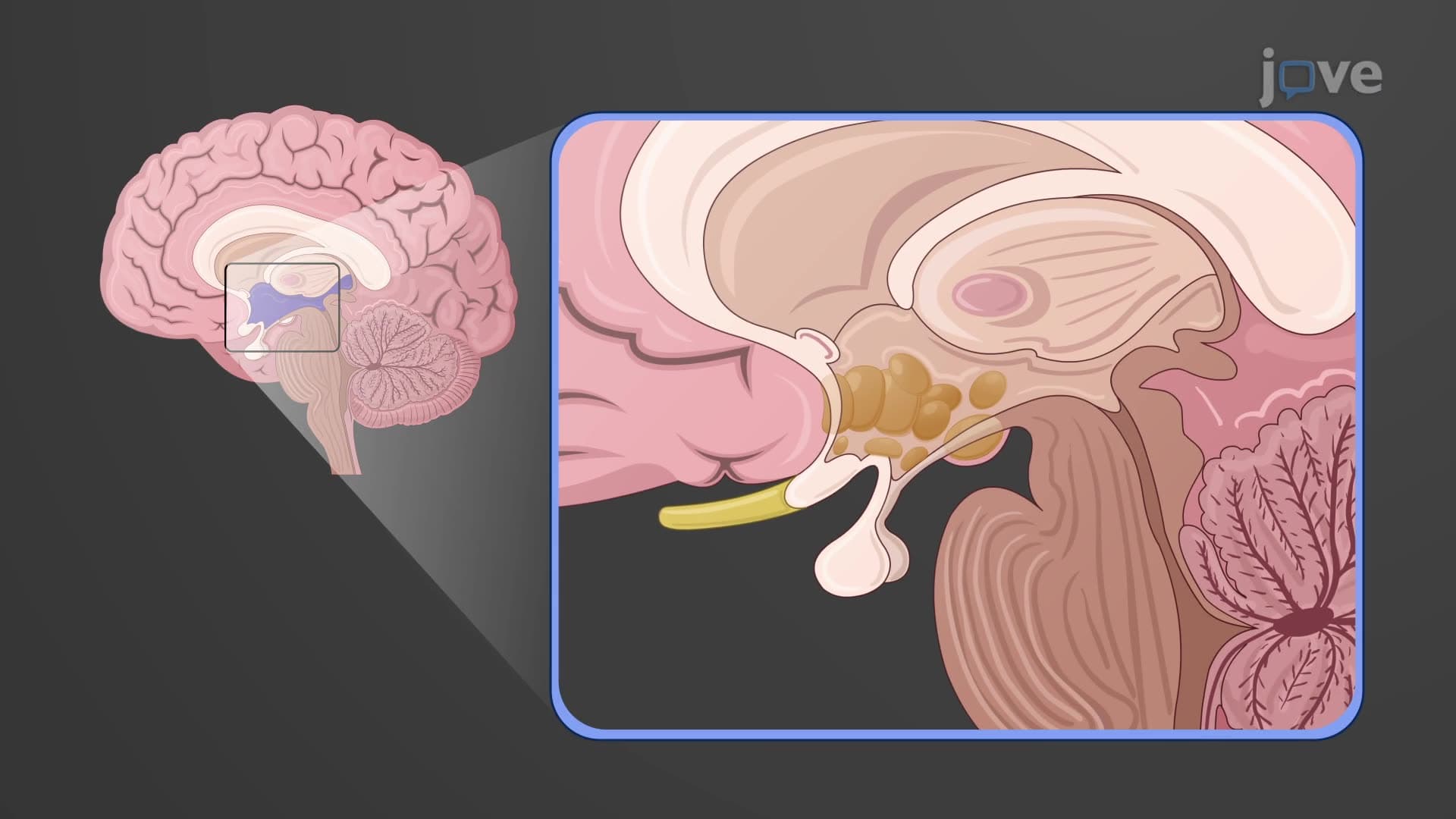
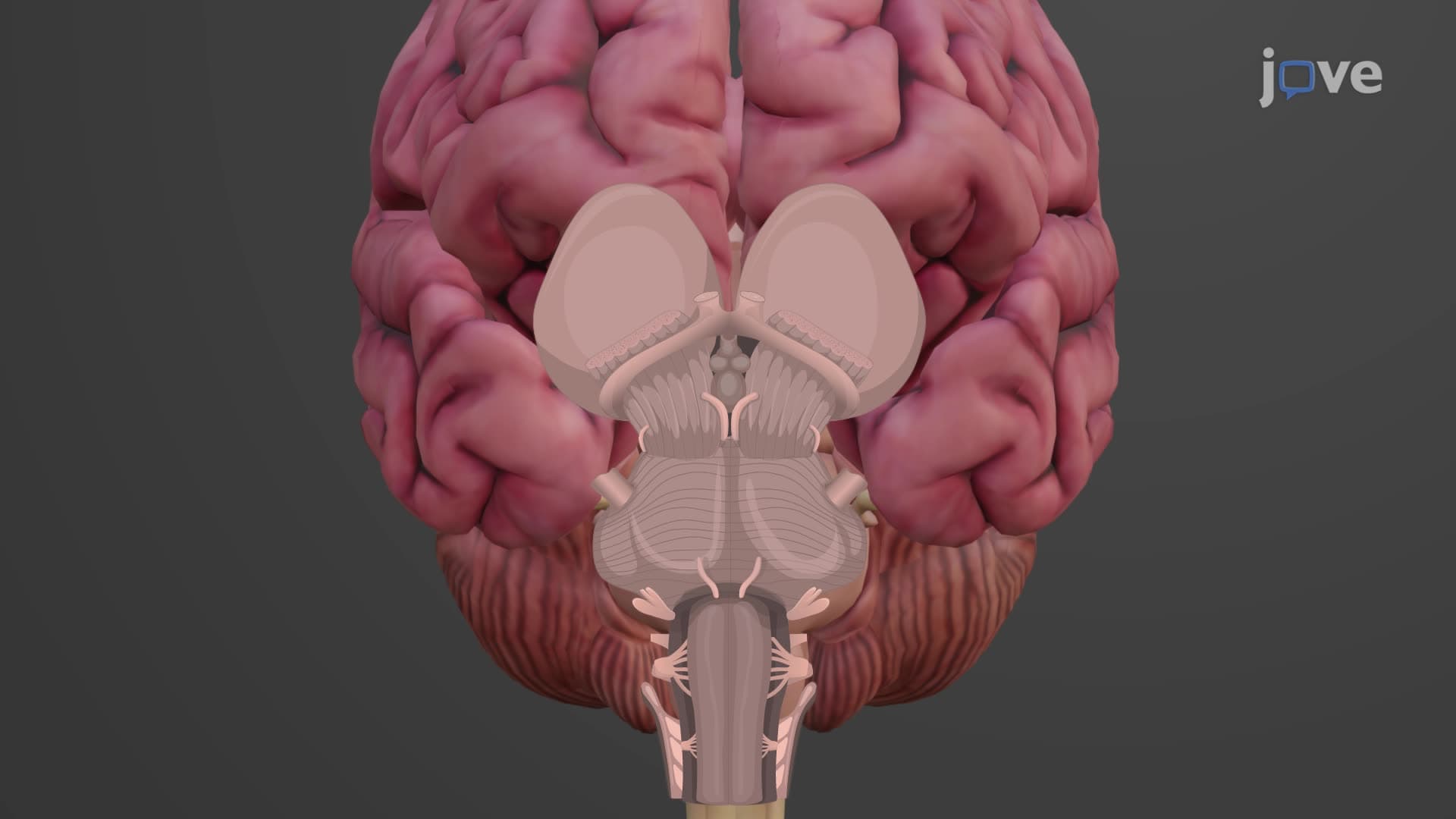
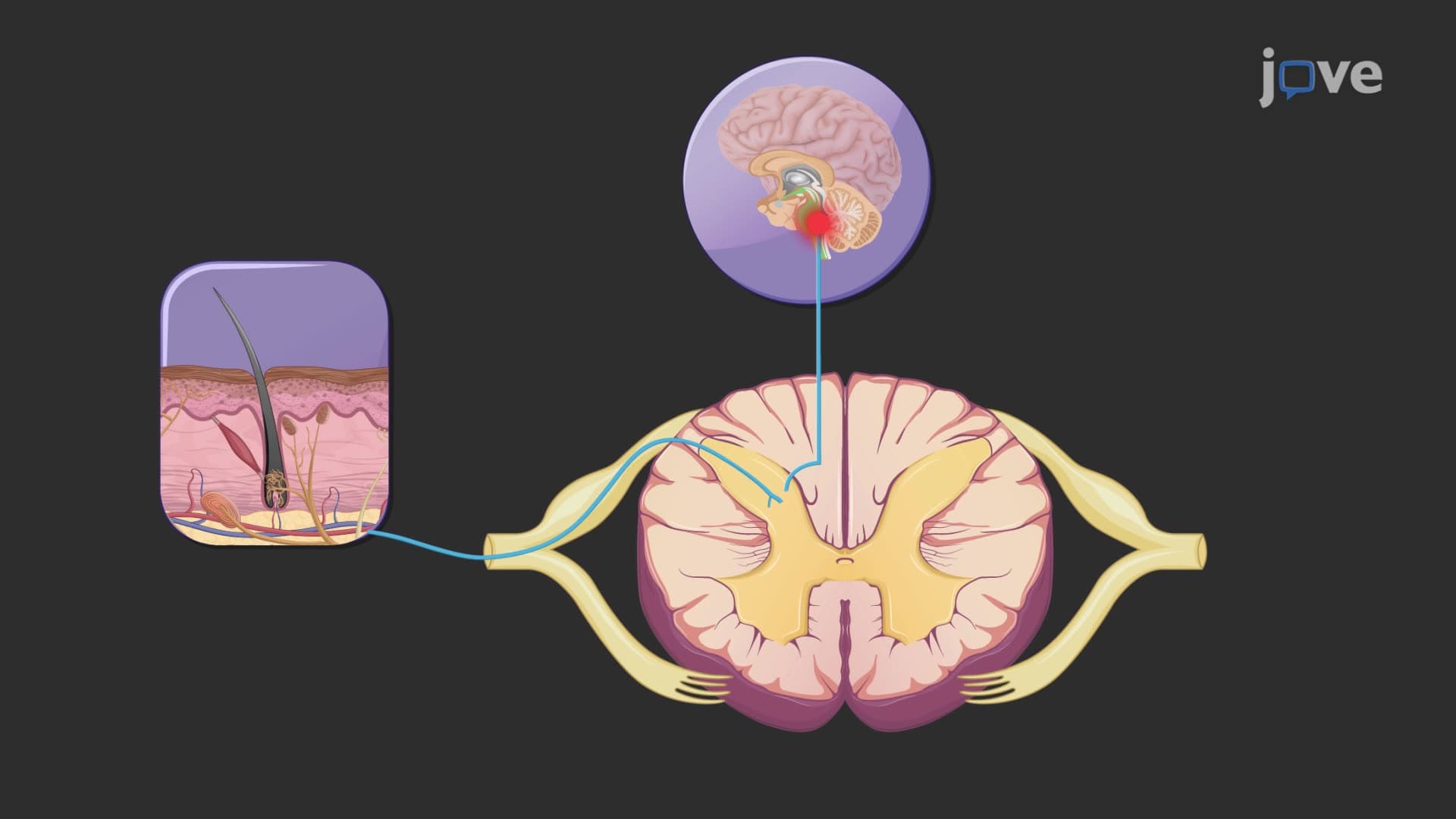
The medulla oblongata serves as your body's autopilot, housing critical control centers that operate without conscious thought. Located at the junction between the spinal cord and brain, this 3-centimeter structure contains nuclei that literally keep you alive every second of every day.
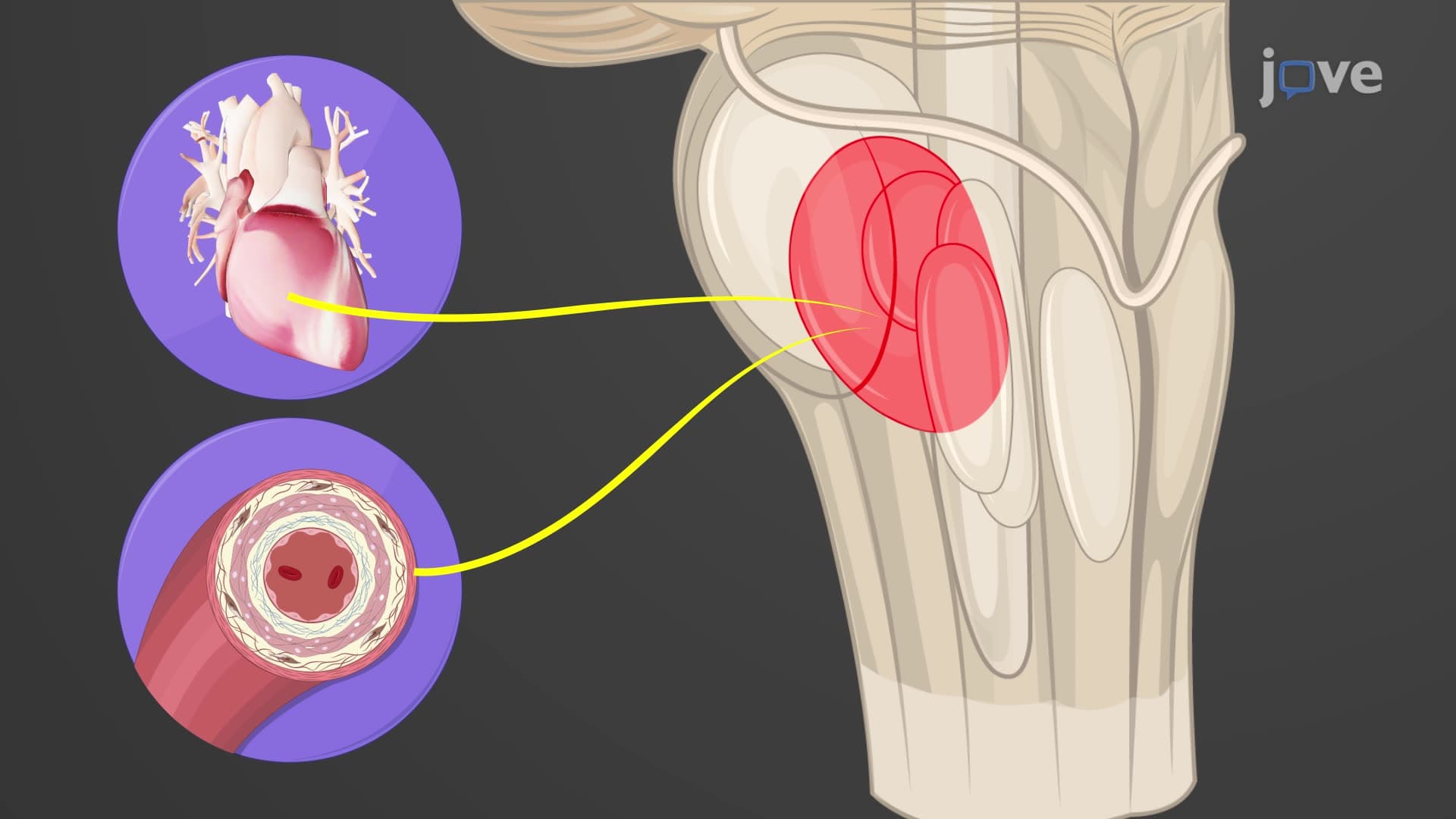
The cardiovascular medullary center and respiratory medullary center work in perfect synchronization. The cardiovascular center, also called the vasomotor center medulla, regulates heart rate through the cardiac acceleratory and inhibitory centers. Meanwhile, the medullary rhythmicity center controls breathing patterns through inspiratory and expiratory neurons.
Consider what happens during a medical emergency at Massachusetts General Hospital: when paramedics assess a patient's vital signs, they're essentially checking the output of these medullary centers. Blood pressure reflects vasomotor center activity, while respiratory rate indicates medullary respiratory center function.
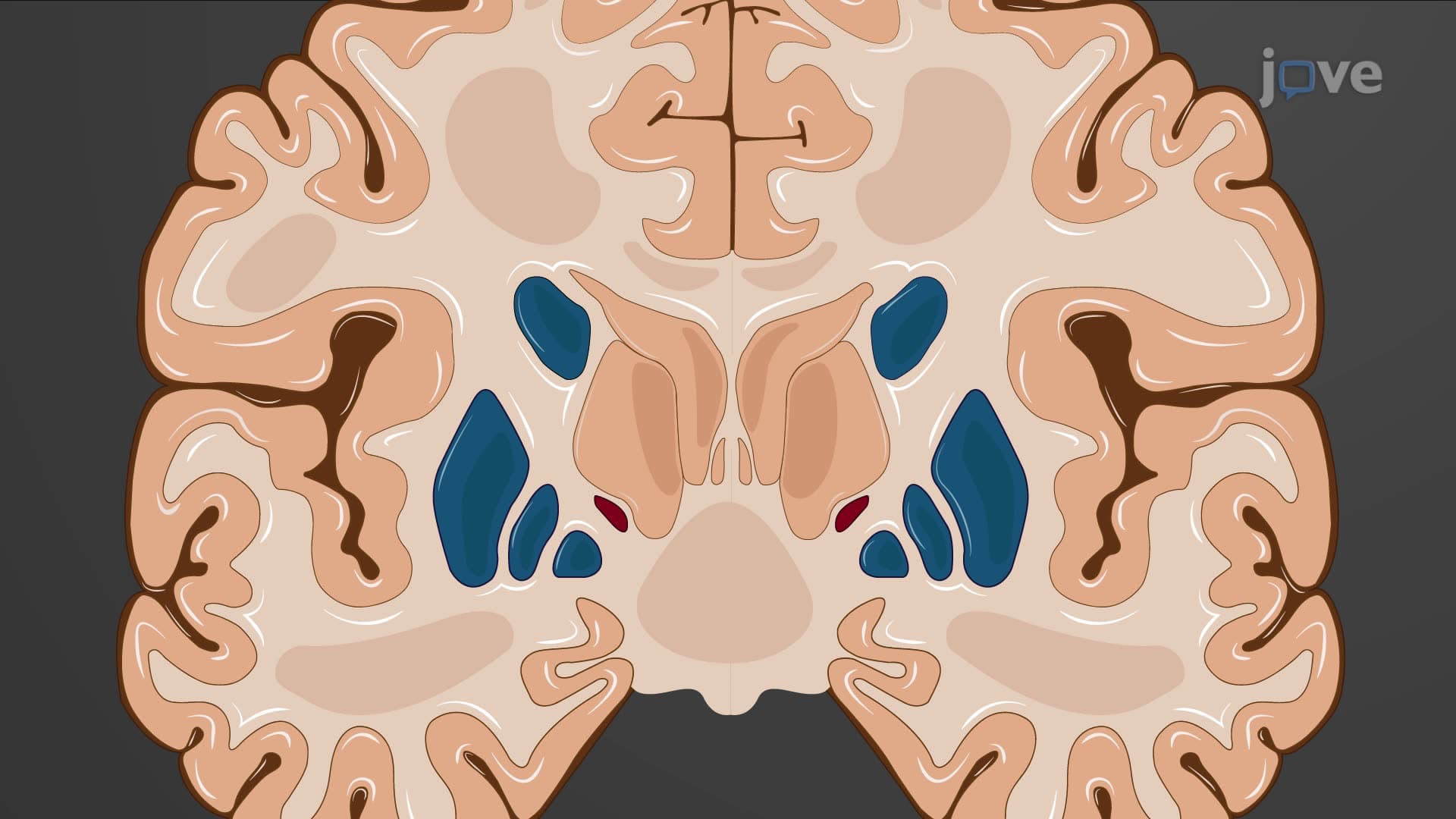
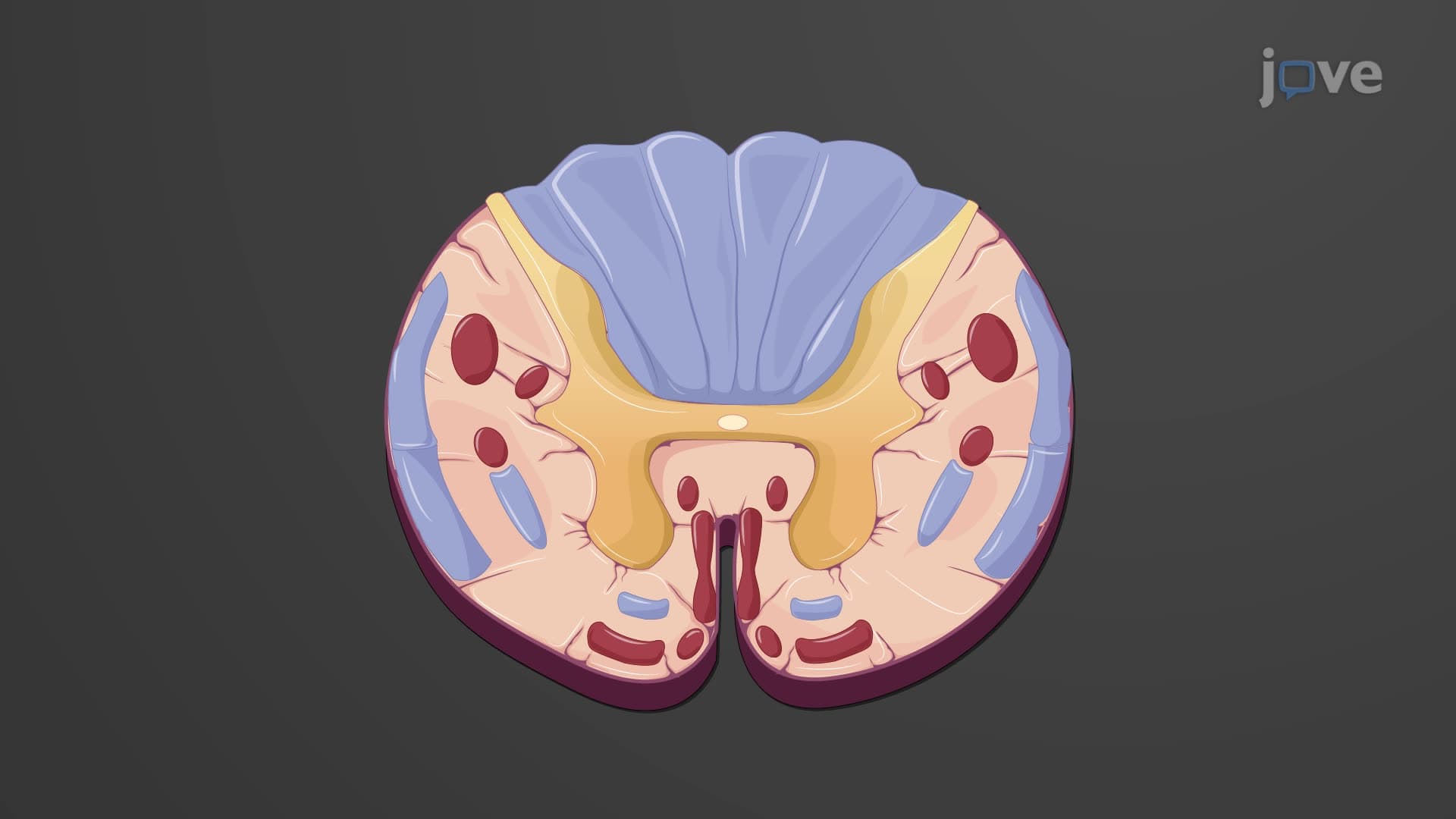
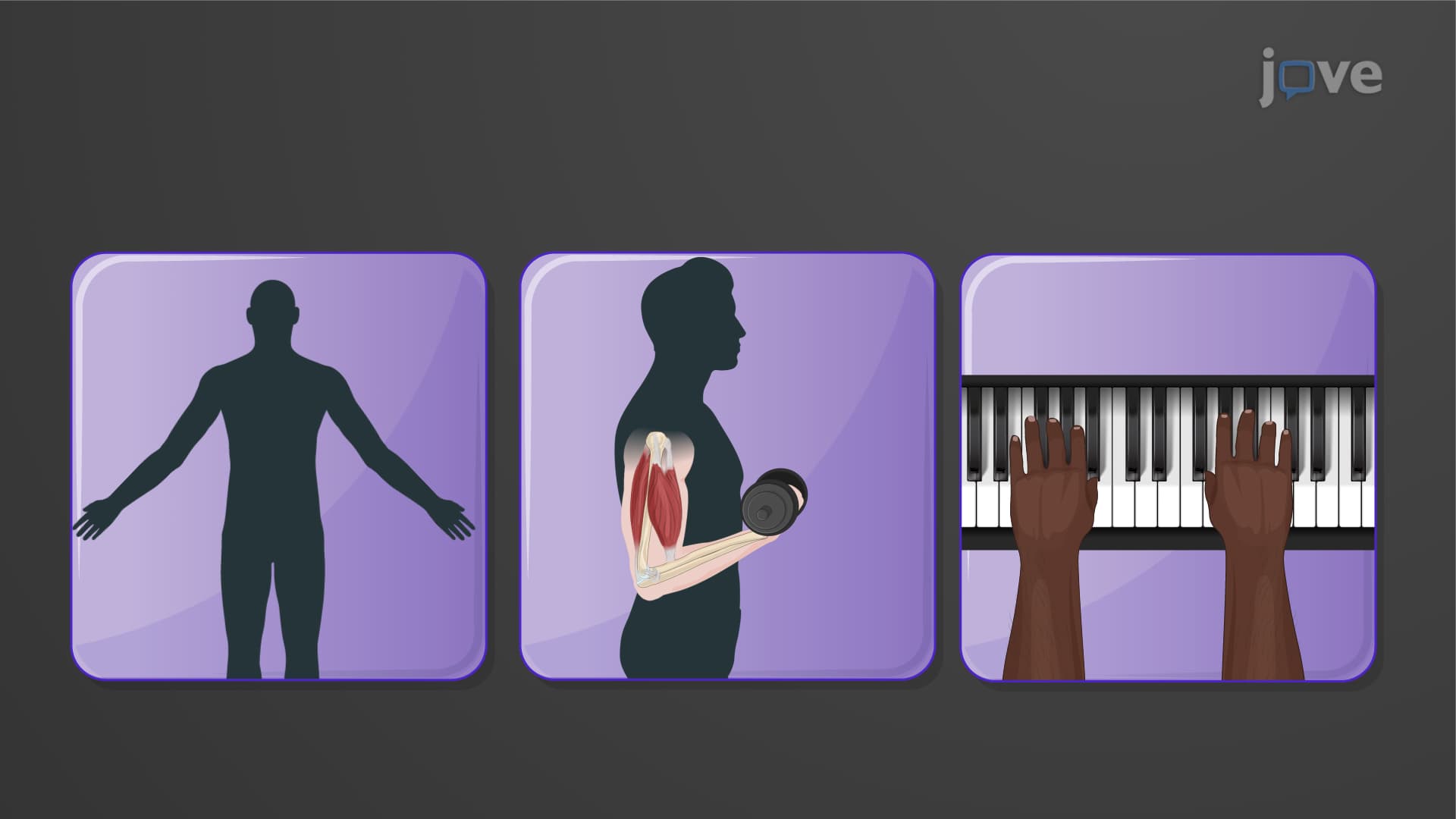
The inferior olivary nuclei contribute to motor learning and coordination-crucial for athletes training complex movements. The cuneate and gracile nuclei process touch and proprioception from the upper and lower body, respectively. When medical students at Harvard Medical School learn neurological examinations, they test these pathways by assessing patients' ability to identify objects by touch or detect vibrations.
The solitary nuclei integrate visceral sensory information and help coordinate the vital center medulla oblongata functions. These nuclei receive input from taste buds, blood pressure sensors, and internal organs, making them central to homeostatic regulation.
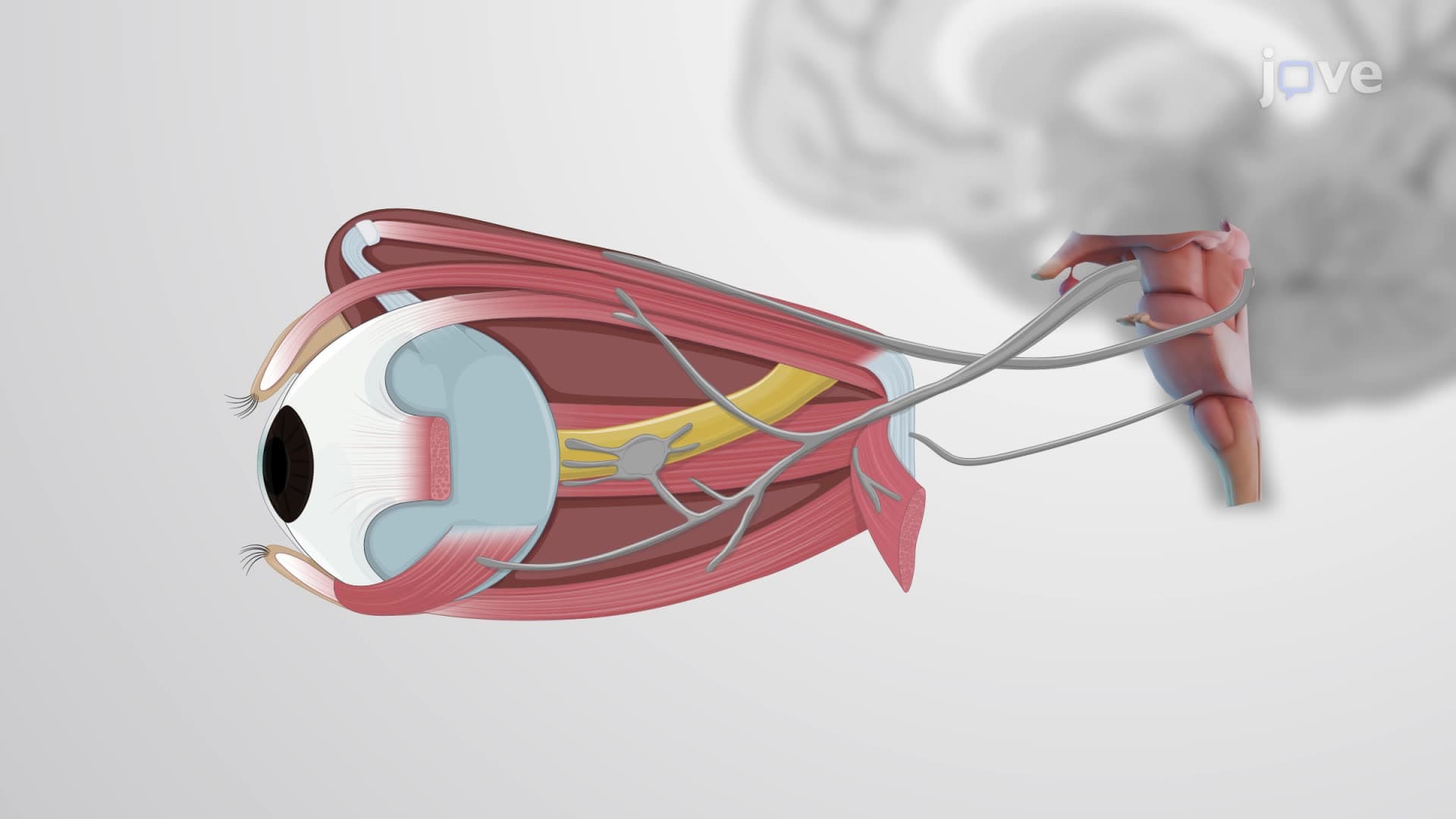
The vomiting swallowing center medulla protects against ingested toxins, while cough and sneeze centers clear respiratory passages. These reflexes demonstrate how medullary control systems prioritize survival over comfort. For AP Biology students, understanding these centers explains why certain drugs affect multiple systems-they target shared medullary pathways.
On the MCAT, questions often test understanding of how medullary damage affects multiple body systems simultaneously, emphasizing the integrated nature of these vital control centers.
Related Micro-courses