Loading video…


 26 Concepts
 99.2K views

Video Summary: Cranial Nerves Overview and Anatomy Explained
Ever wonder why you can smell pizza while your eyes automatically track a moving car? The cranial nerves overview anatomy reveals how twelve specialized nerve pairs coordinate everything from detecting your favorite food's aroma to controlling precise eye movements during a driver's test at the DMV. These remarkable neural pathways emerge directly from your brain and brainstem, forming the critical communication bridge between your central nervous system and the rest of your body. Watch the full video on JoVE Coach to master this concept with expert-led visuals and step-by-step explanations.
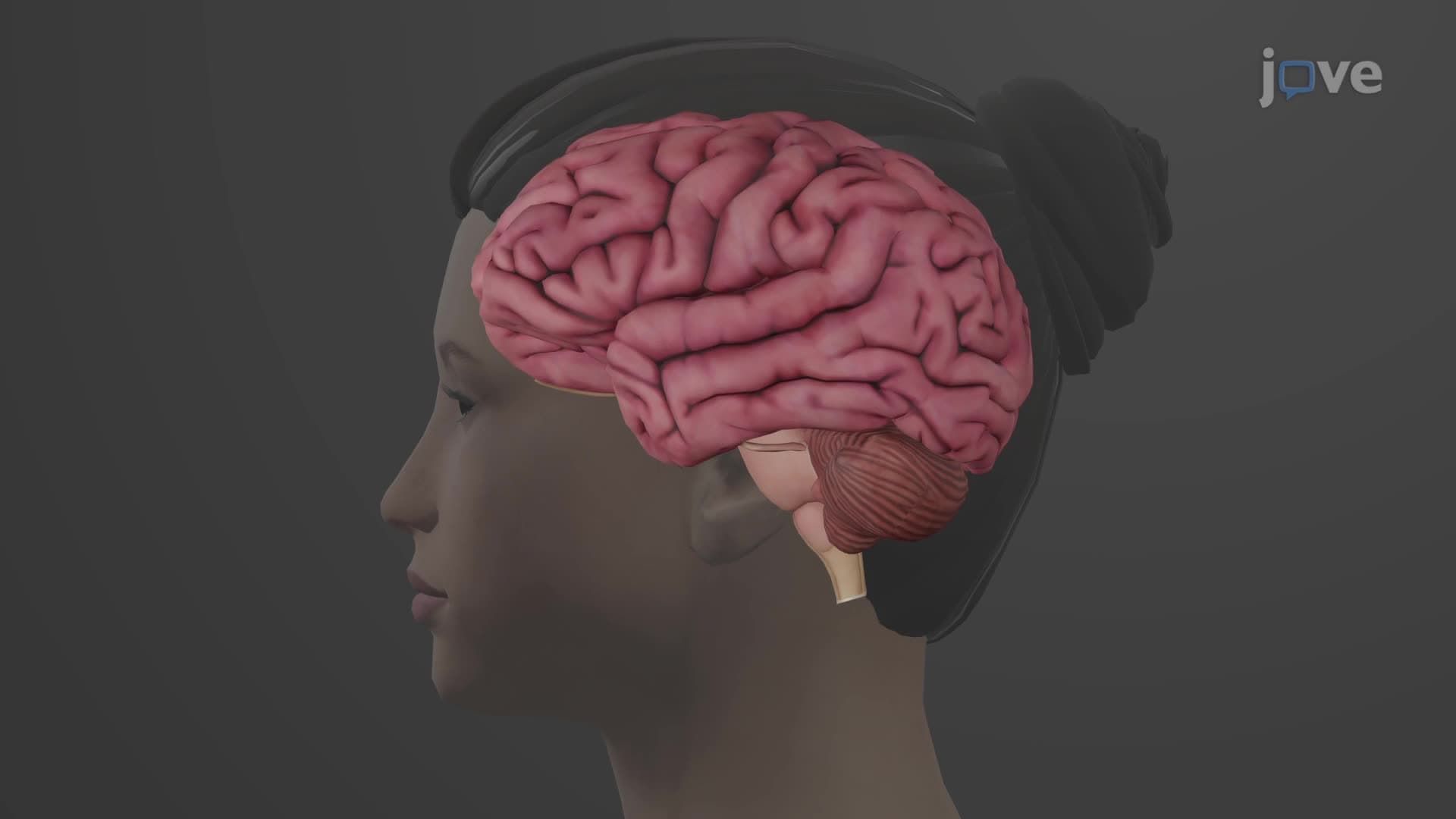
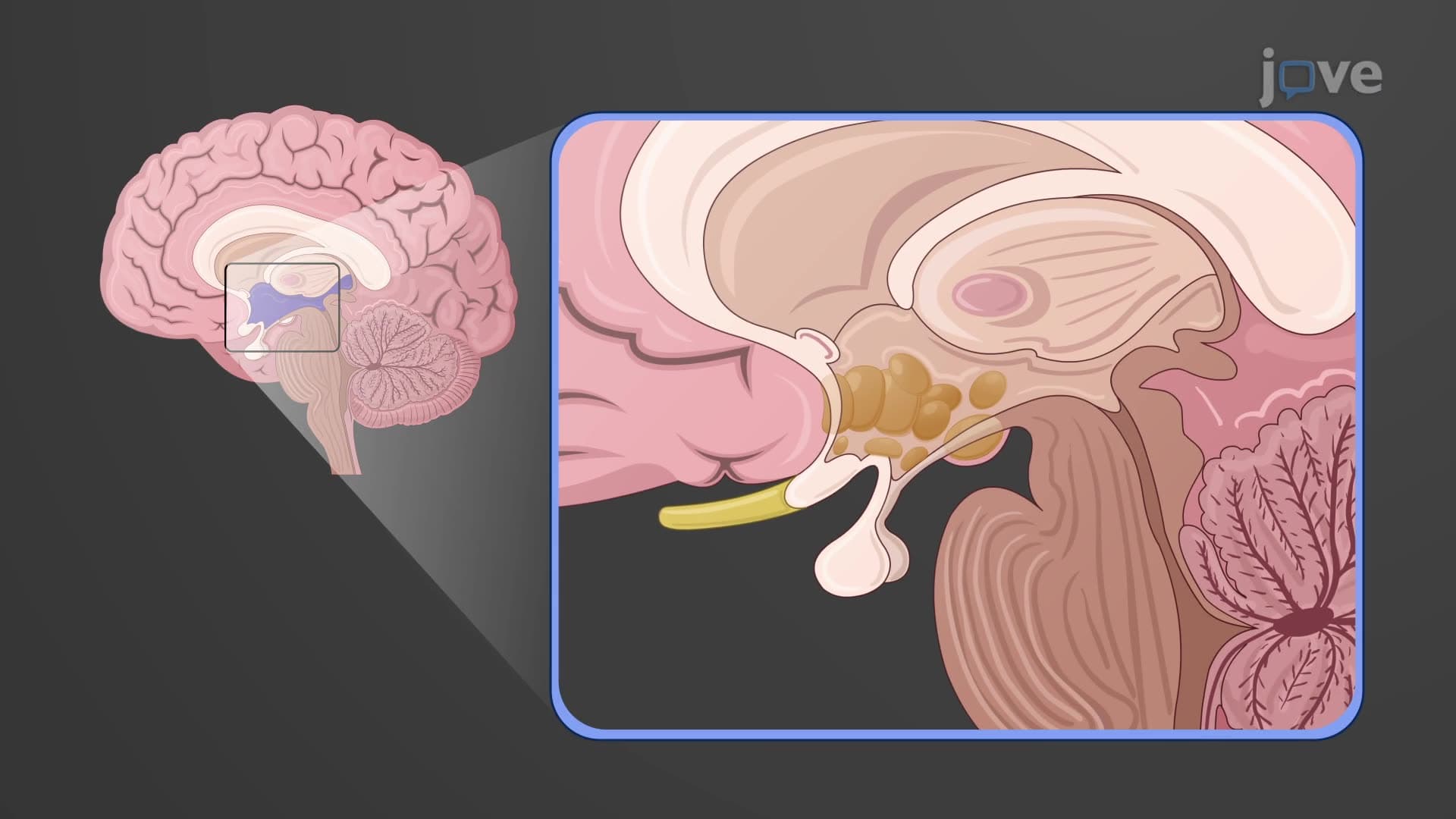
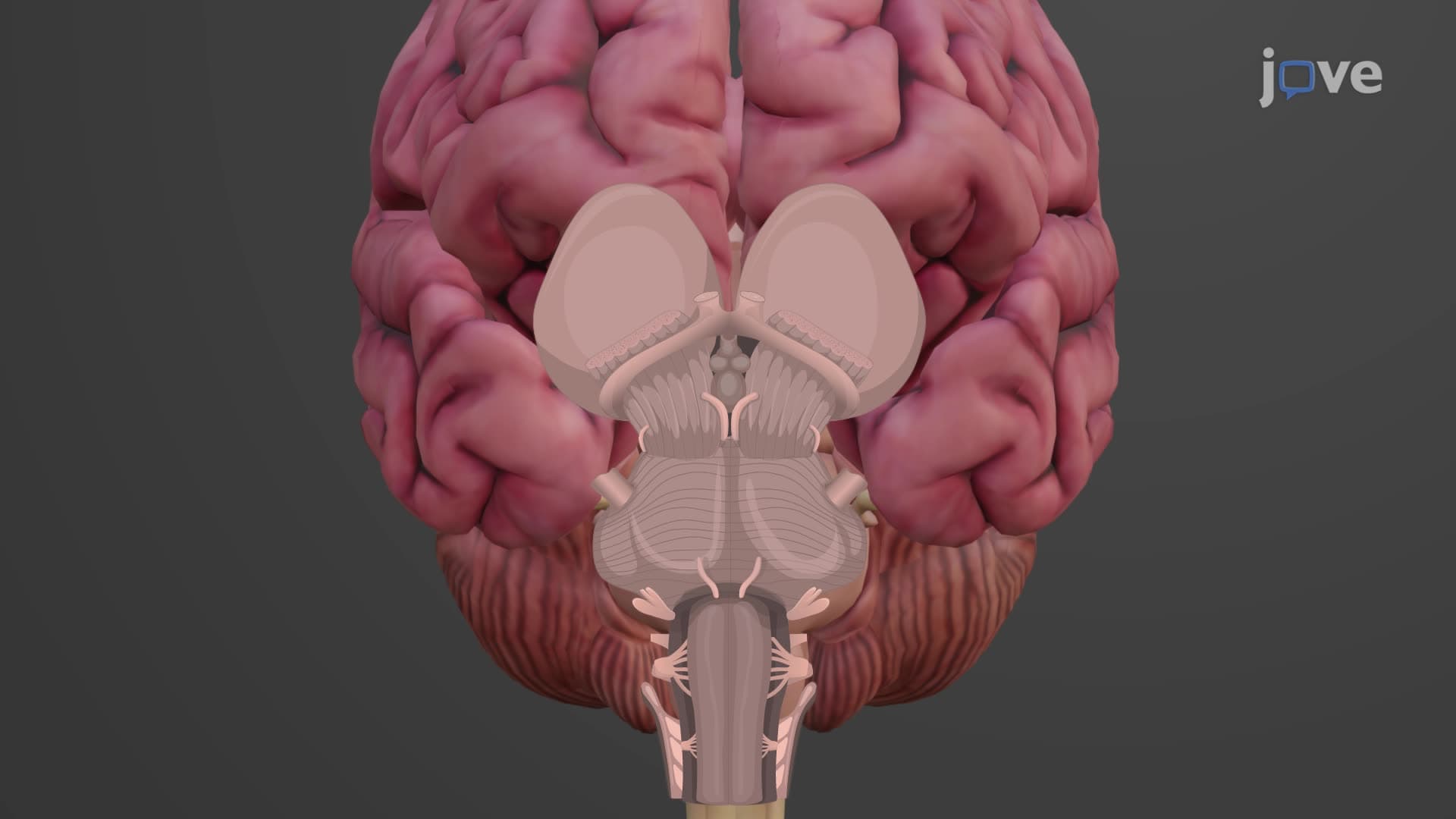
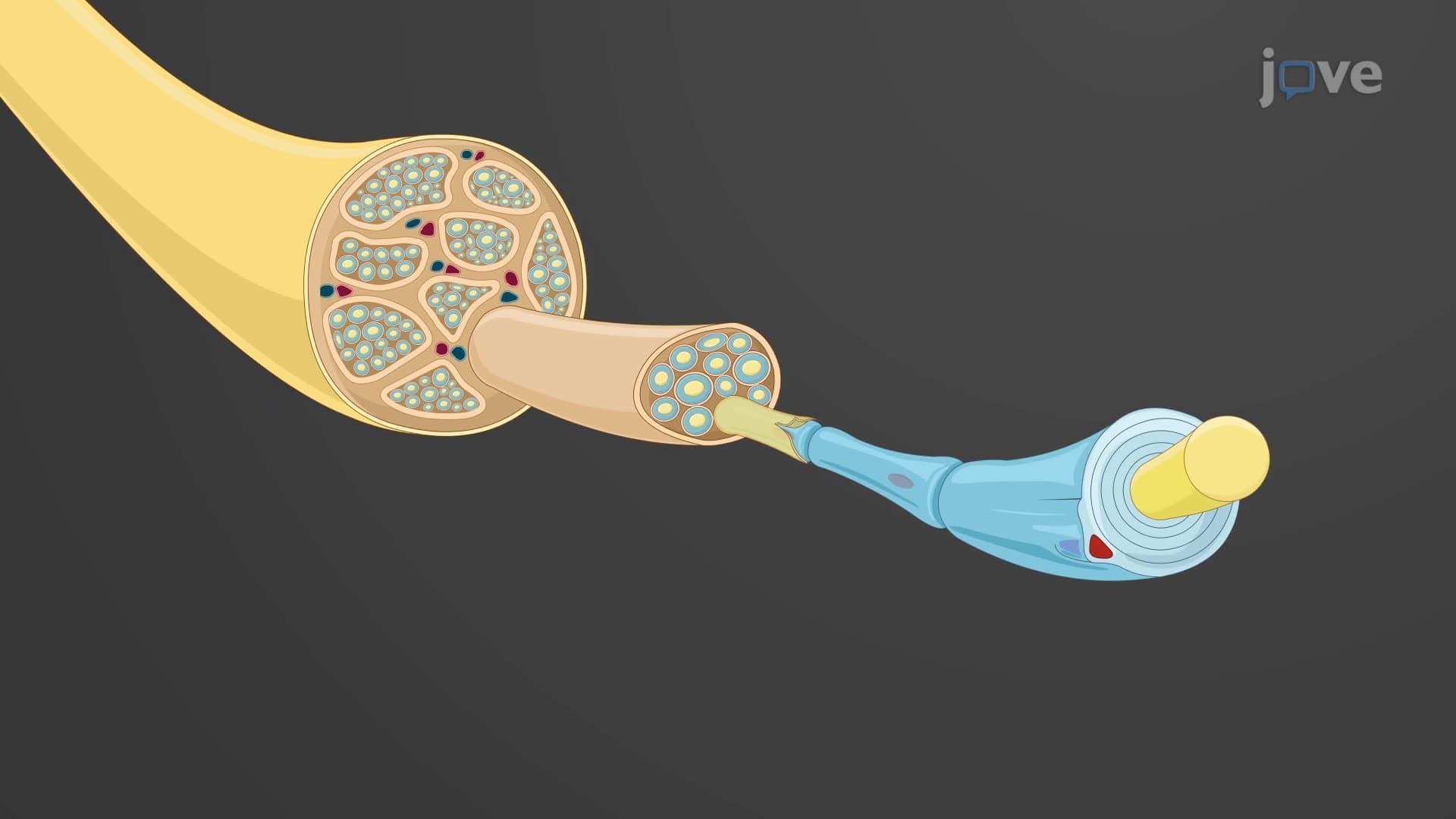
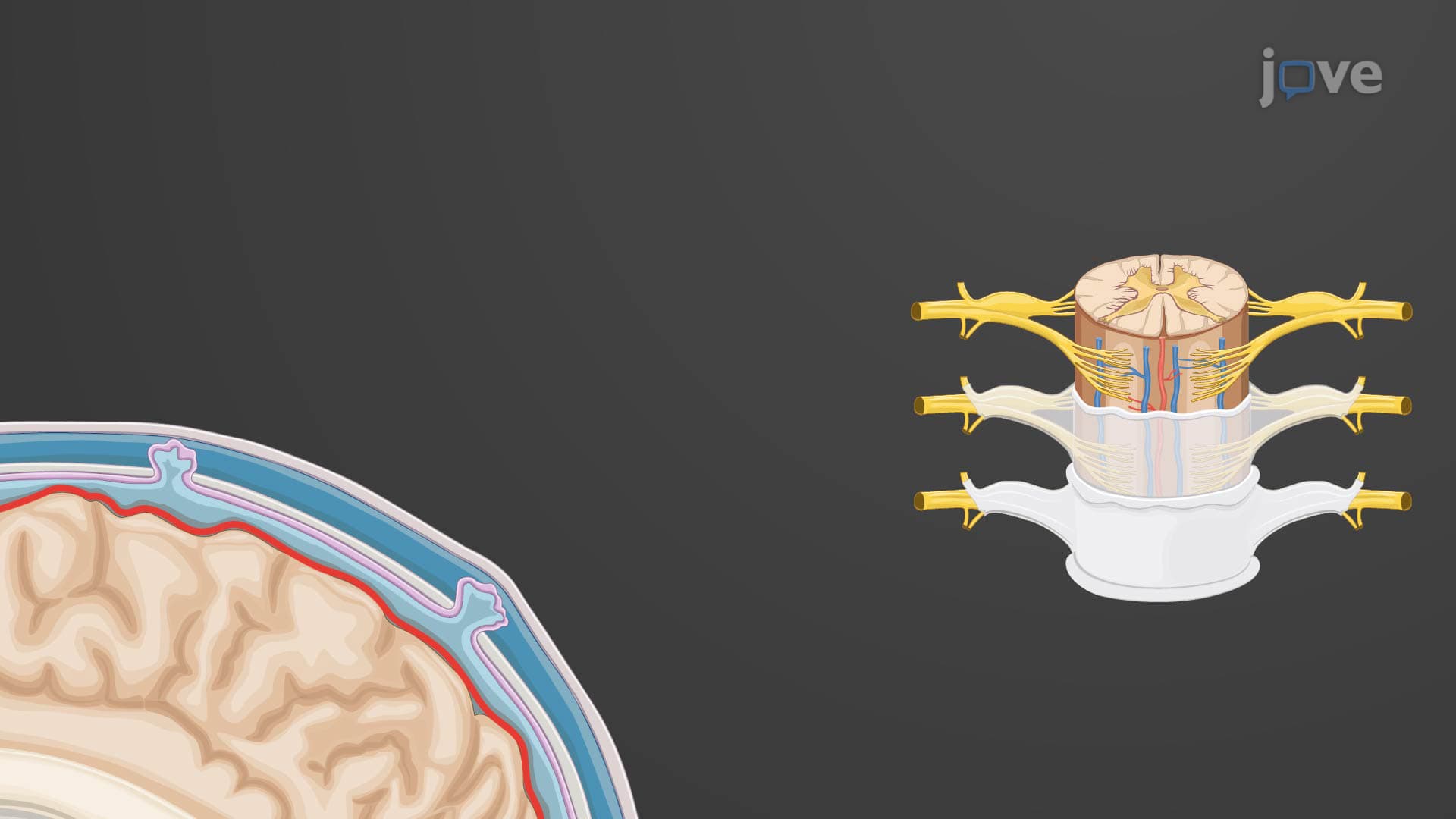
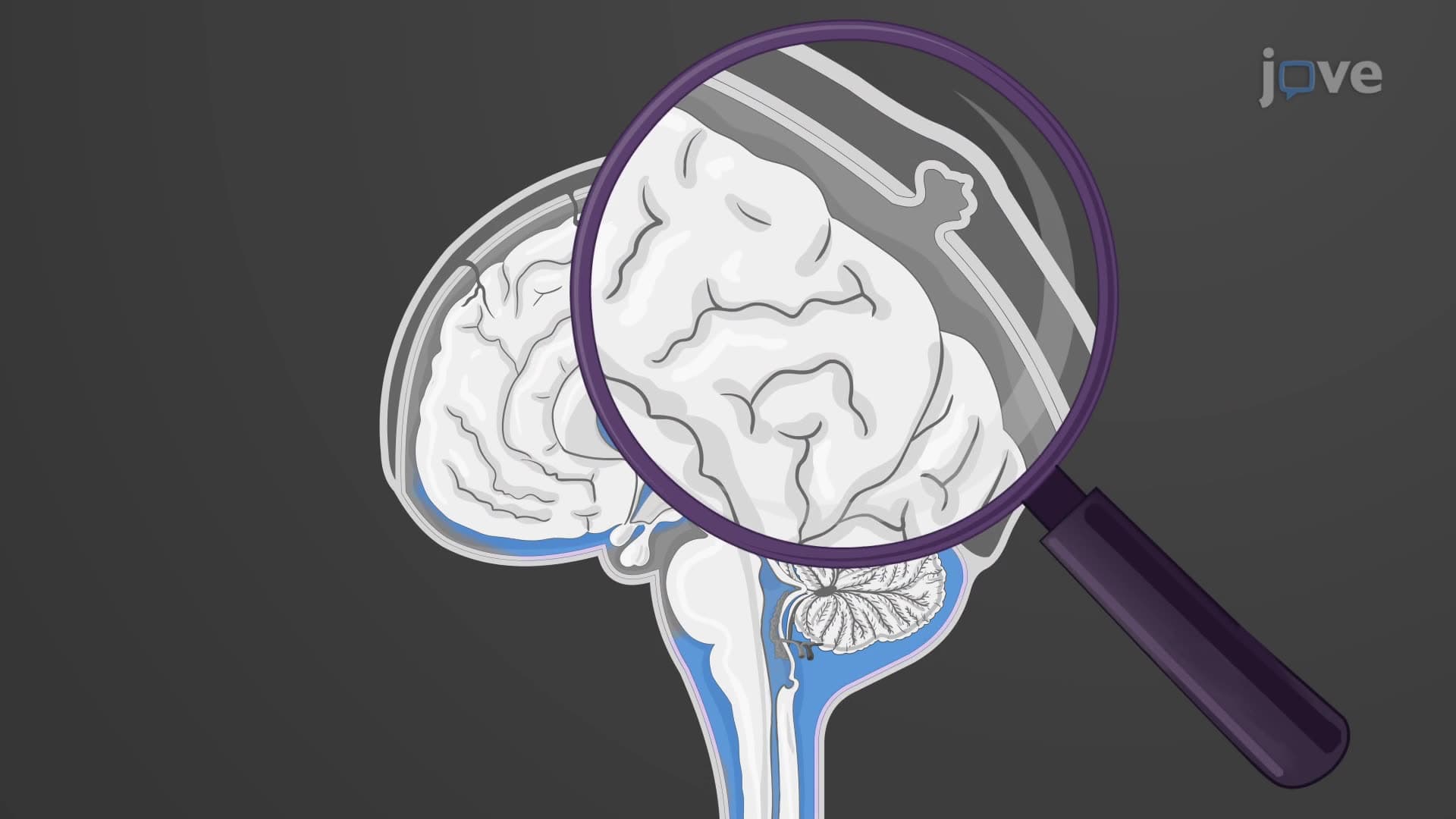
The twelve cranial nerves list represents one of anatomy's most elegant organizational systems. Unlike spinal nerves that emerge from the spinal cord, these specialized pathways originate directly from the brain and brainstem, creating immediate connections between your central nervous system and critical body functions. Medical students at institutions like Johns Hopkins University and UCLA learn that this direct brain origin makes cranial nerves essential for neurological examinations and diagnostics.
The cranial nerve I-XII overview follows a logical anterior-to-posterior arrangement along the brain's surface. Cranial nerve I (olfactory) emerges from the frontal region, while cranial nerve XII (hypoglossal) originates from the medulla oblongata. This systematic organization helps healthcare professionals predict which brain regions might be affected when specific cranial nerve deficits appear. For instance, emergency room physicians at Massachusetts General Hospital use this anatomical knowledge to rapidly assess stroke patients.
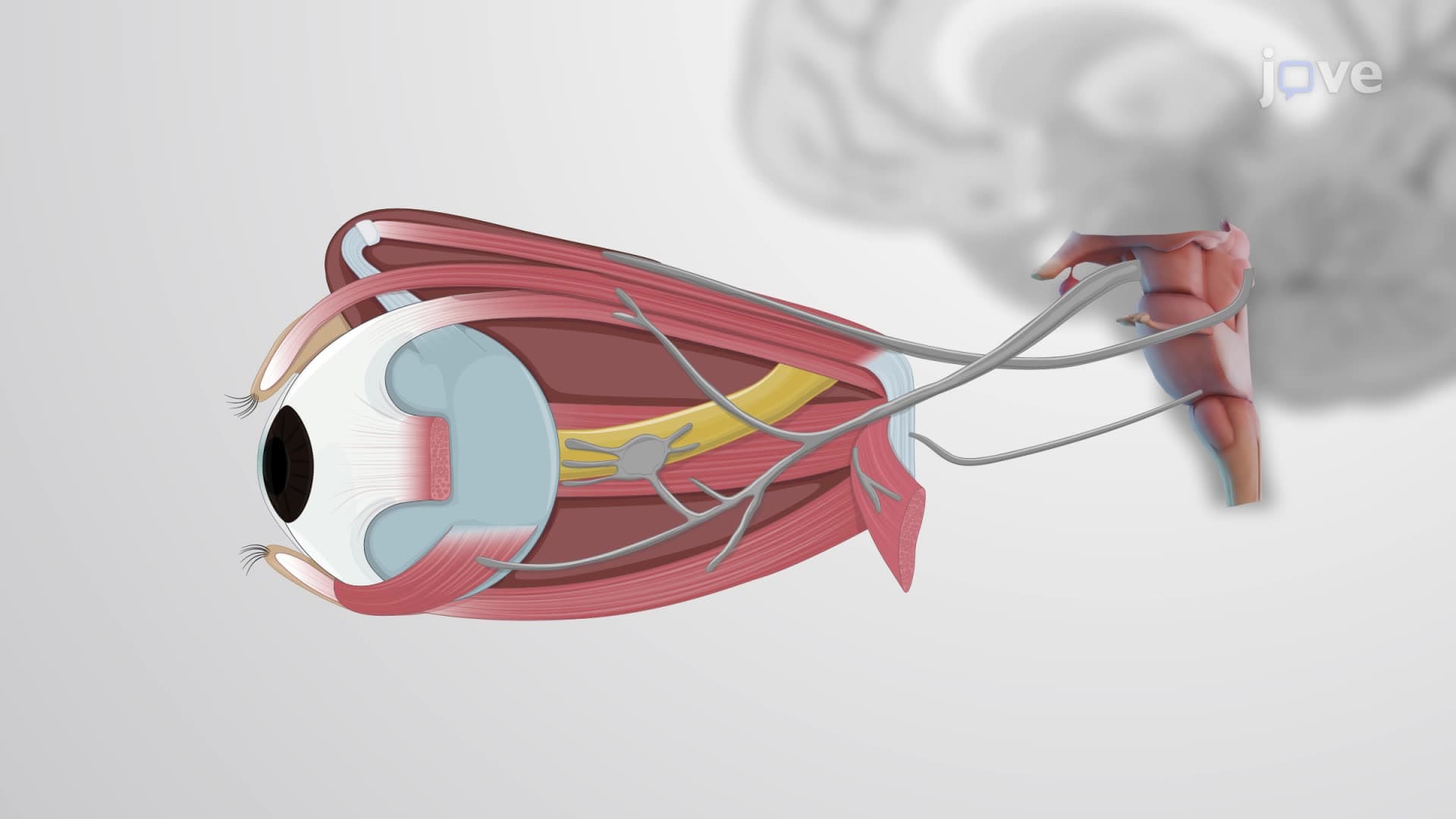
The cranial nerve function type classification divides these pathways into three distinct categories. Special sensory nerves (I, II, VIII) handle your most sophisticated sensory experiences-the olfactory nerve detects that morning coffee aroma, the optic nerve processes visual information for reading SAT questions, and the vestibulocochlear nerve maintains balance during gymnastic routines. Motor cranial nerves (III, IV, VI, XI, XII) control precise movements like tracking words across a page or articulating speech during oral presentations.
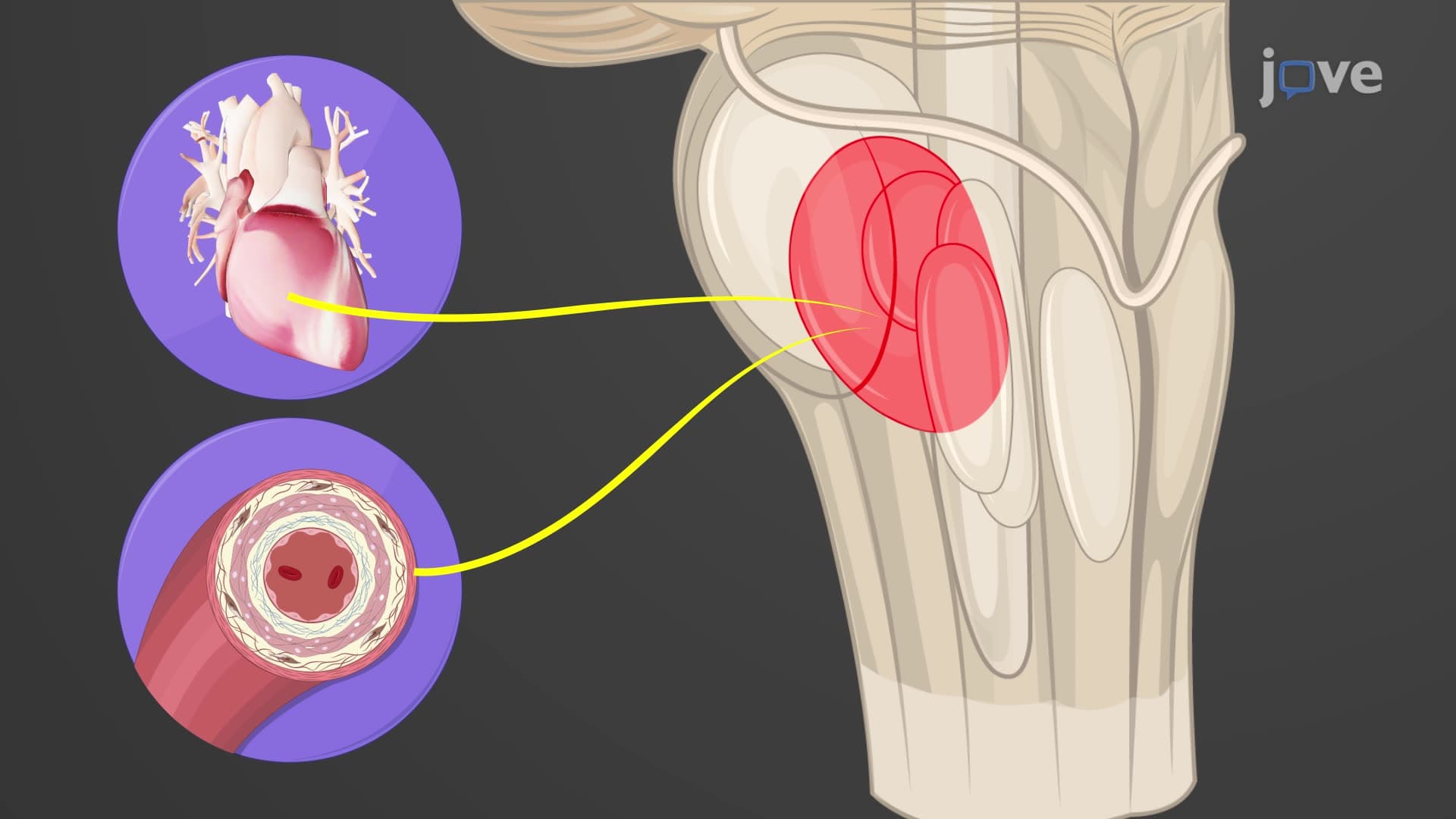
The all cranial nerves explained concept becomes most complex with mixed nerves (V, VII, IX, X), which combine both sensory and motor functions. The trigeminal nerve (V) provides facial sensation while controlling chewing muscles-crucial for both detecting hot pizza and safely consuming it. Four cranial nerves also serve parasympathetic functions, regulating heart rate, digestion, and glandular secretions. This dual role explains why dental procedures affecting the facial nerve can influence both taste sensation and tear production.
Understanding this anatomy proves essential for MCAT preparation, AP Biology exams, and undergraduate neuroscience courses, where students must integrate structural knowledge with functional applications.
Related Micro-courses