Loading subject page…


99,205 views


Video Summary: Cranial Nerves Types Part Ii Explained
Ever wondered why a stroke patient at Johns Hopkins might lose their smile on one side but still feel touch on their face? Cranial nerve types part two reveals how nerves VII through XII each serve distinct, life-sustaining functions. From the facial nerve controlling your expressions during a job interview to the vagus nerve regulating your heart rate during finals week, these six remaining cranial nerves orchestrate complex behaviors we take for granted daily. Watch the full video on JoVE Coach to master this concept with expert-led visuals and step-by-step explanations.
What are the types of cranial nerves seven through twelve represents some of the most functionally diverse neural pathways in human anatomy. Unlike the primarily sensory focus of cranial nerves I-VI, these final six nerves demonstrate sophisticated mixed nerve architecture, combining motor, sensory, and autonomic functions essential for survival and social interaction.
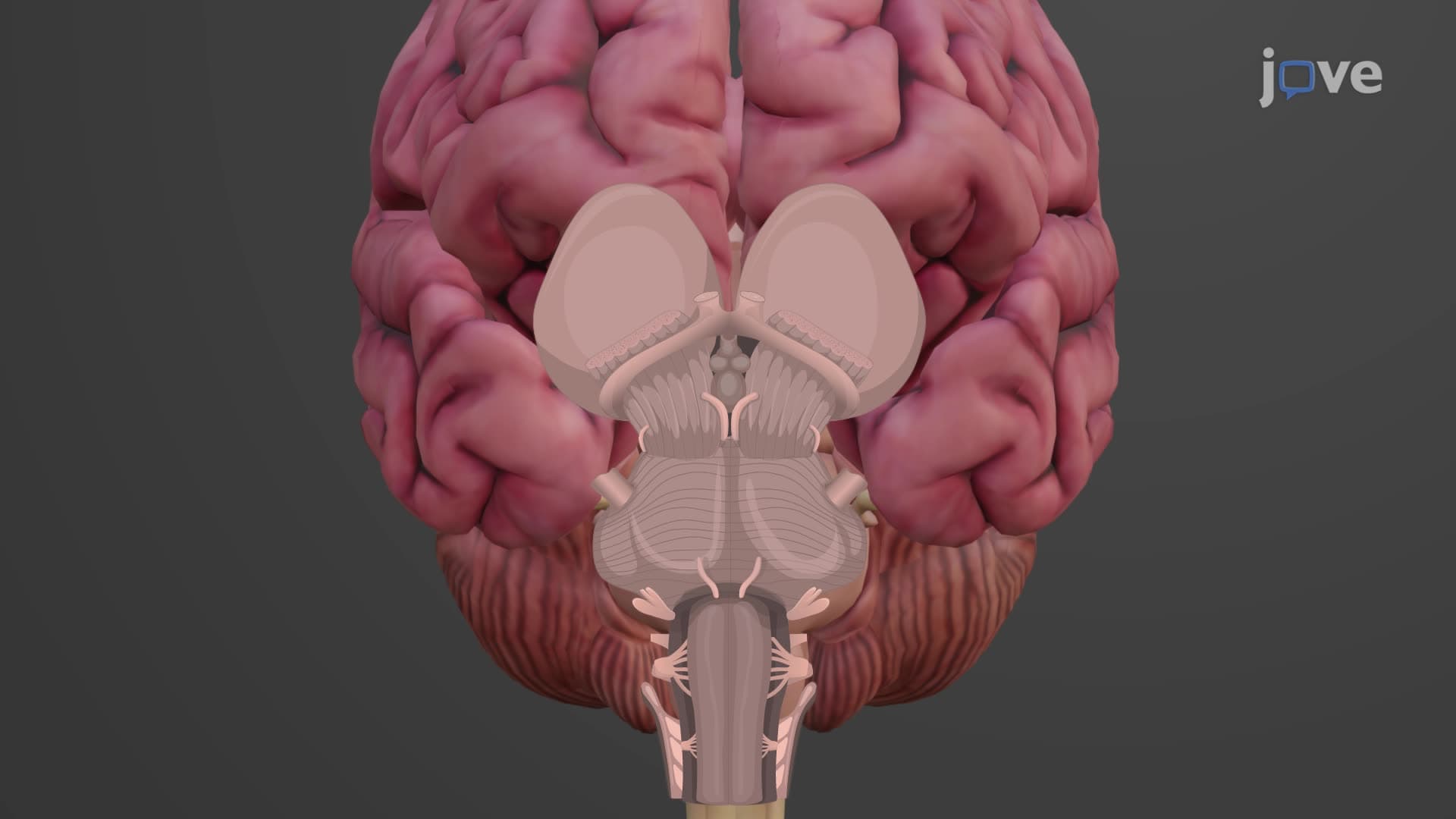
The facial vestibulocochlear glossopharyngeal nerve group begins with CN VII, emerging from the cerebellopontine angle. This mixed cranial nerve type controls seventeen facial muscles responsible for expressions-critical for nonverbal communication in American social and professional contexts. Beyond movement, CN VII's parasympathetic cranial nerve fibers stimulate the submandibular and sublingual salivary glands, plus lacrimal glands for tear production. Medical students preparing for the USMLE Step 1 must recognize Bell's palsy as CN VII dysfunction, presenting as unilateral facial weakness affecting everything from smiling to eye closure.
CN VIII (vestibulocochlear) uniquely processes auditory and vestibular information from the inner ear, making balance and hearing possible. Ménière's disease, commonly tested on the MCAT, exemplifies CN VIII pathology. The vagus accessory hypoglossal trio (CN X-XII) demonstrates increasing motor specialization. CN IX (glossopharyngeal) monitors carotid body oxygen levels-crucial for respiratory drive-while also controlling the parotid gland and posterior tongue taste sensation.
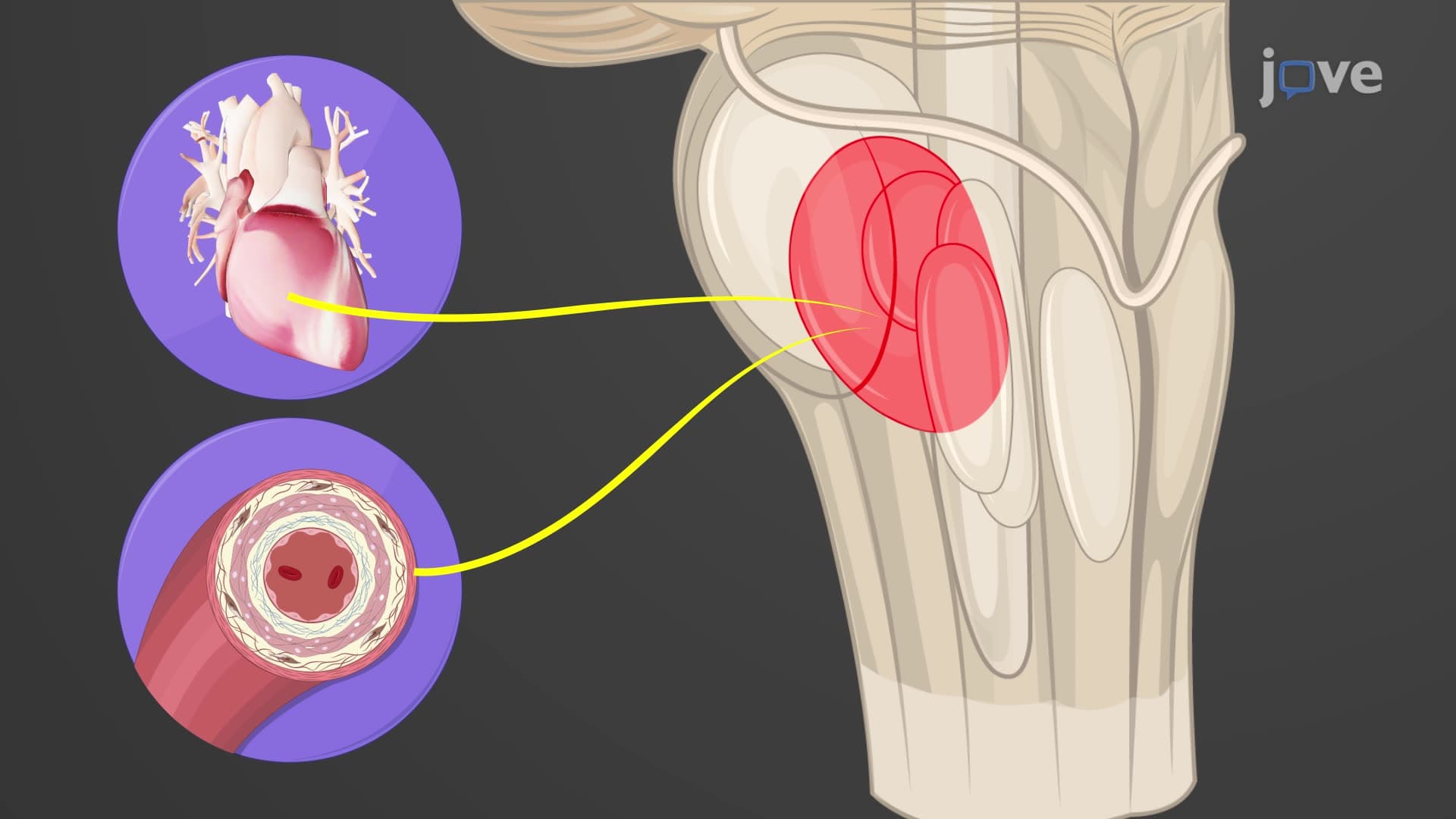
CN VII VIII IX X XI XII culminates with the vagus nerve, extending from brainstem to abdomen. This parasympathetic cranial nerve powerhouse regulates heart rate, bronchial constriction, and digestive peristalsis. AP Biology students encounter vagal stimulation in autonomic nervous system units, particularly its role in "rest and digest" responses. Clinical correlations include vagal maneuvers for supraventricular tachycardia treatment in emergency medicine.
The accessory nerve (CN XI) and hypoglossal nerve (CN XII) complete this series as purely motor nerves, controlling neck muscle movement and tongue articulation respectively. Speech-language pathologists frequently assess CN XII function in stroke rehabilitation, as hypoglossal damage severely impacts speech clarity and swallowing safety-critical considerations in US healthcare settings.
Related Micro-courses