Loading subject page…


99,203 views


Video Summary: Functional Brain Systems Reticular Formation Explained
Ever wonder why you can focus intensely during a high-stakes AP Biology exam while ignoring distracting noises around you? The reticular formation brain function controls this remarkable ability through its role in consciousness and attention. This complex brainstem network, including the reticular activating system, determines whether you stay alert during a late-night study session or drift off to sleep. Watch the full video on JoVE Coach to master this concept with expert-led visuals and step-by-step explanations.
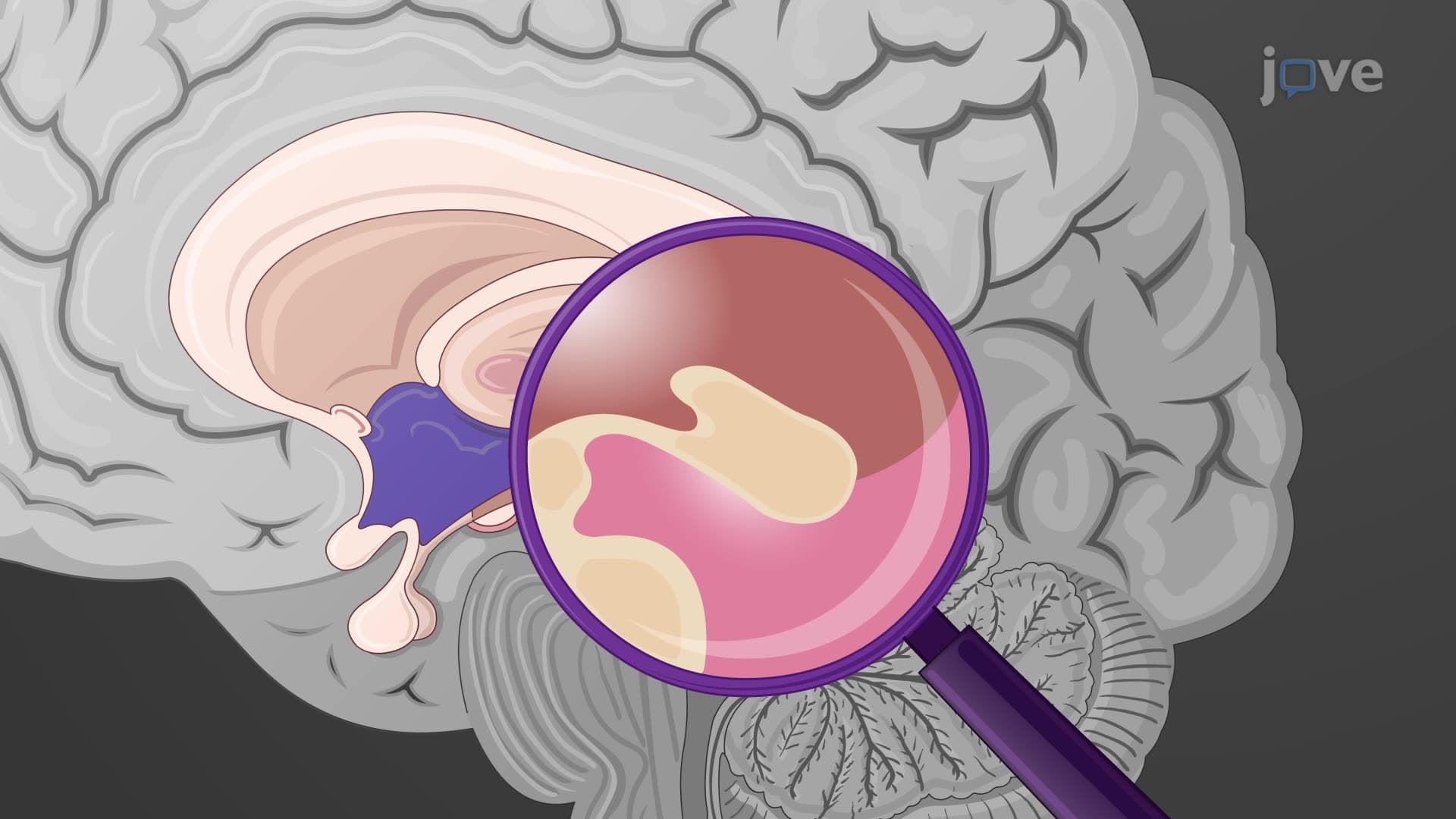
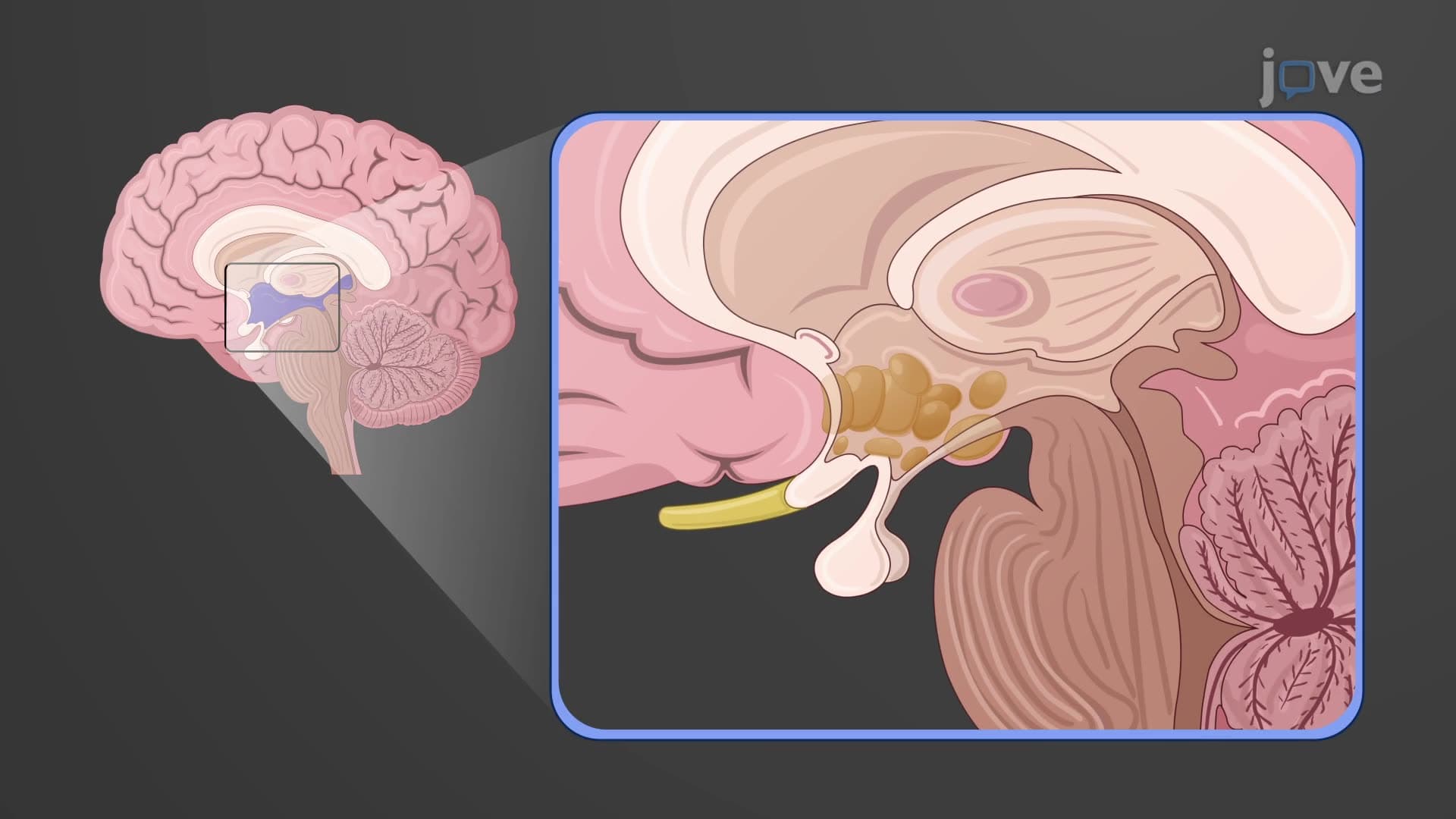
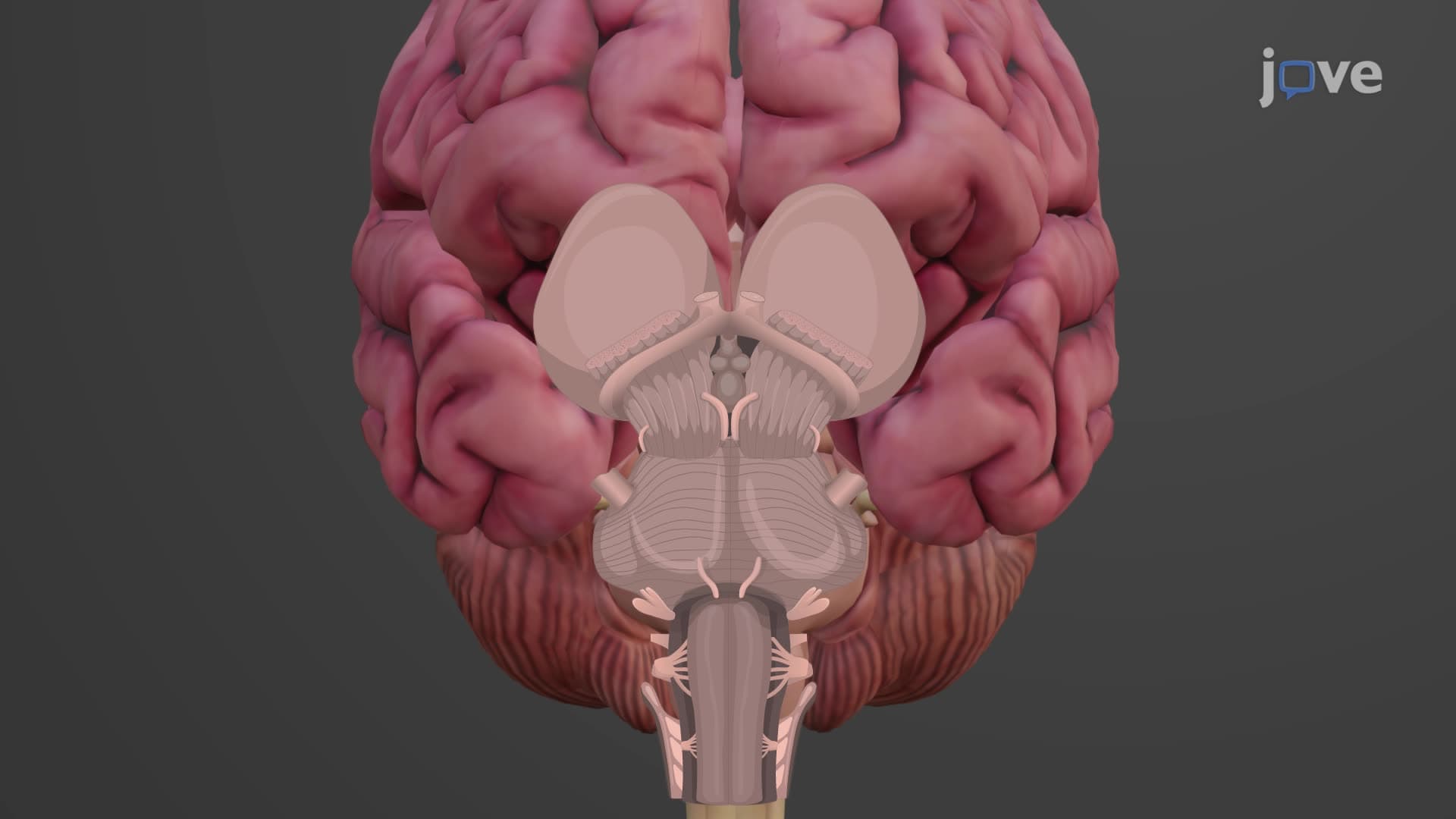
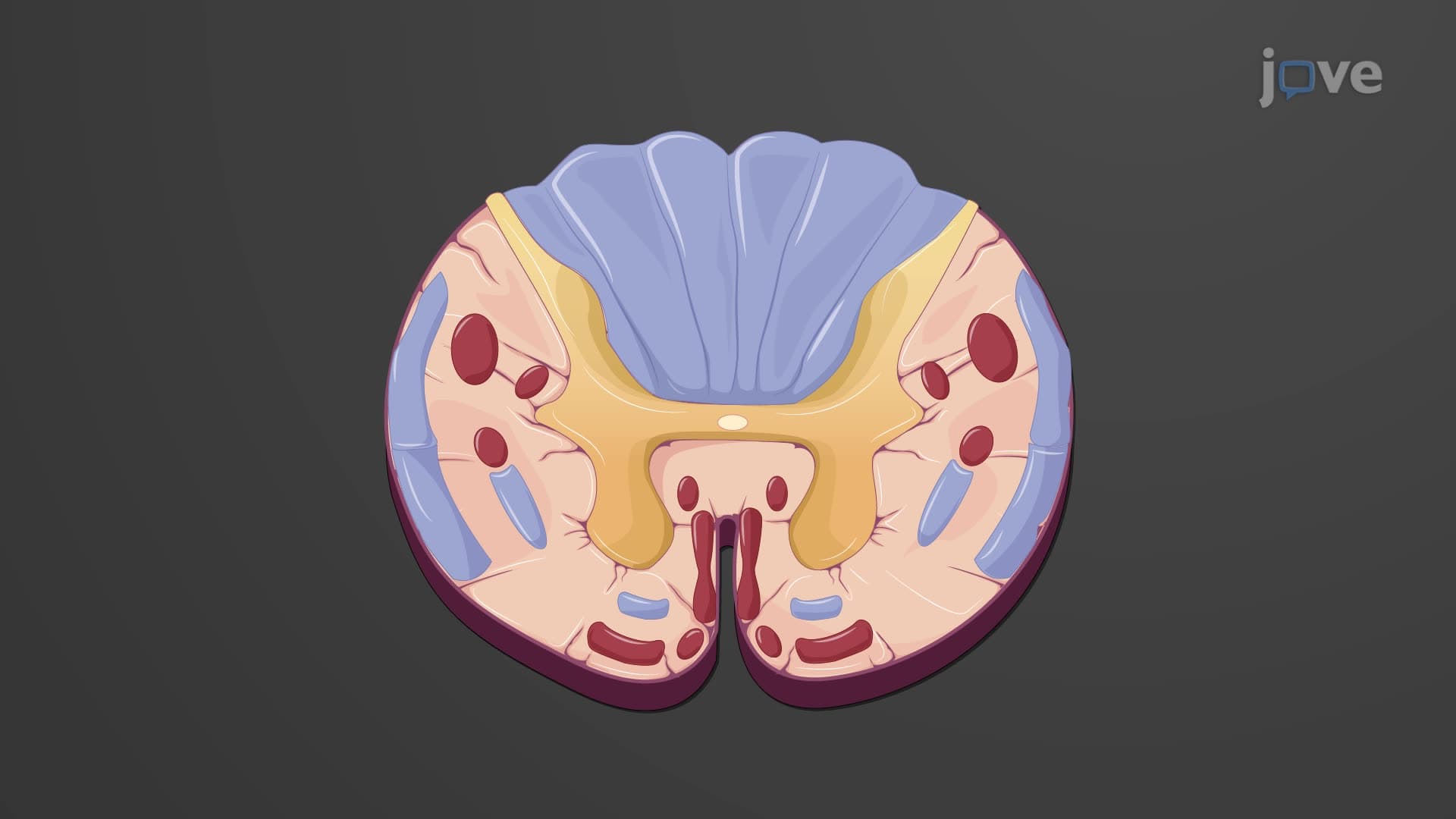
The reticular formation brain function operates as the brain's central command center for maintaining consciousness and coordinating essential life functions. This intricate network spans from the upper medulla through the pons and into the midbrain, forming a mesh-like structure that earned its name from the Latin word "reticulum," meaning net. Unlike other brain regions with clearly defined boundaries, the reticular formation integrates seamlessly with surrounding structures, making it one of the most evolutionarily ancient and functionally critical brain systems.
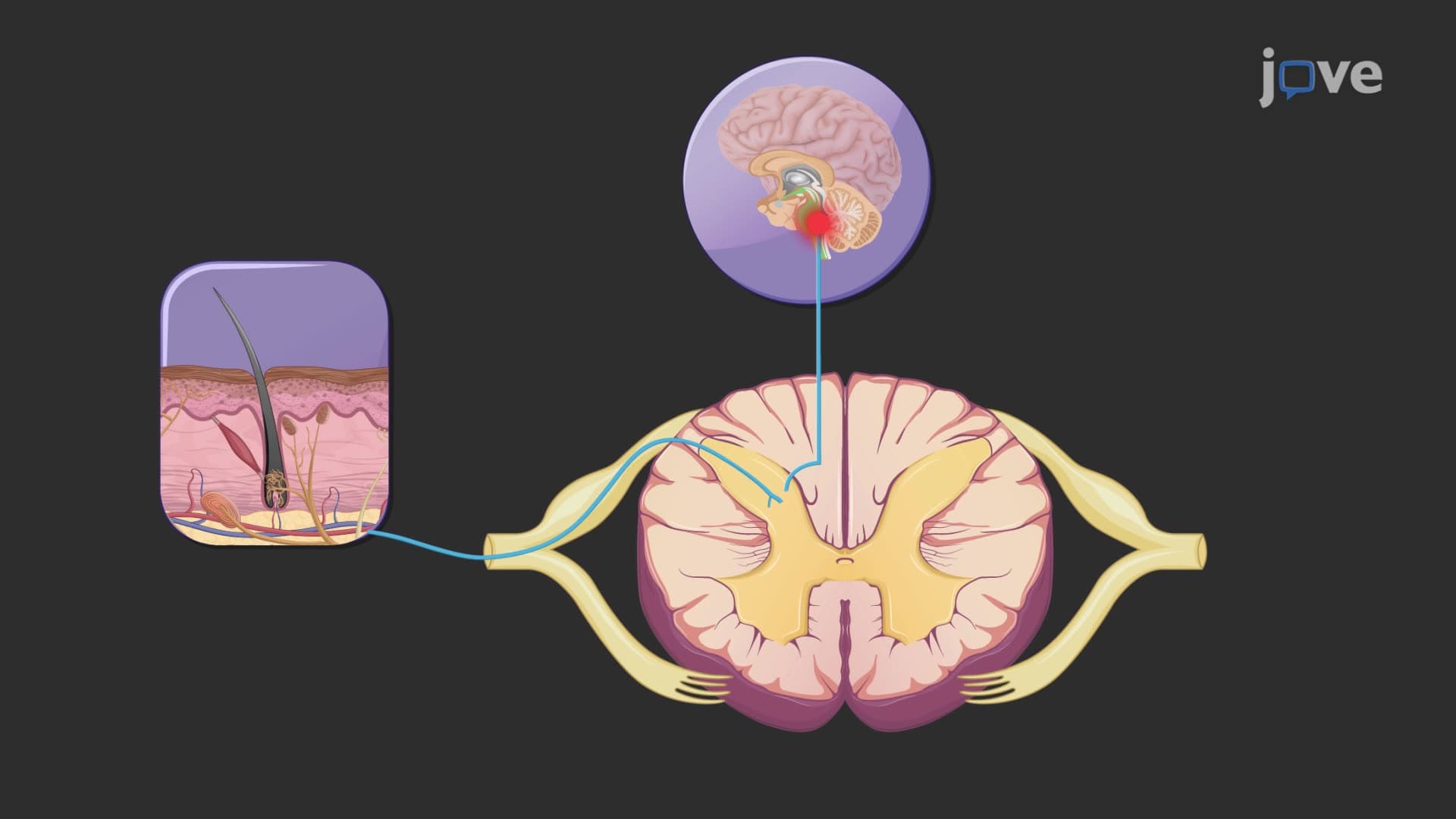
The reticular activating system RAS serves as your brain's filtering mechanism, determining which sensory information reaches conscious awareness. When you're cramming for the MCAT and suddenly notice every mention of neurotransmitters in conversations around you, that's your RAS at work. This system explains why medical students at Johns Hopkins suddenly notice ambulances everywhere after starting their emergency medicine rotations. The RAS processes visual and auditory stimuli while remarkably excluding olfactory input, which follows separate neural pathways directly to the limbic system.
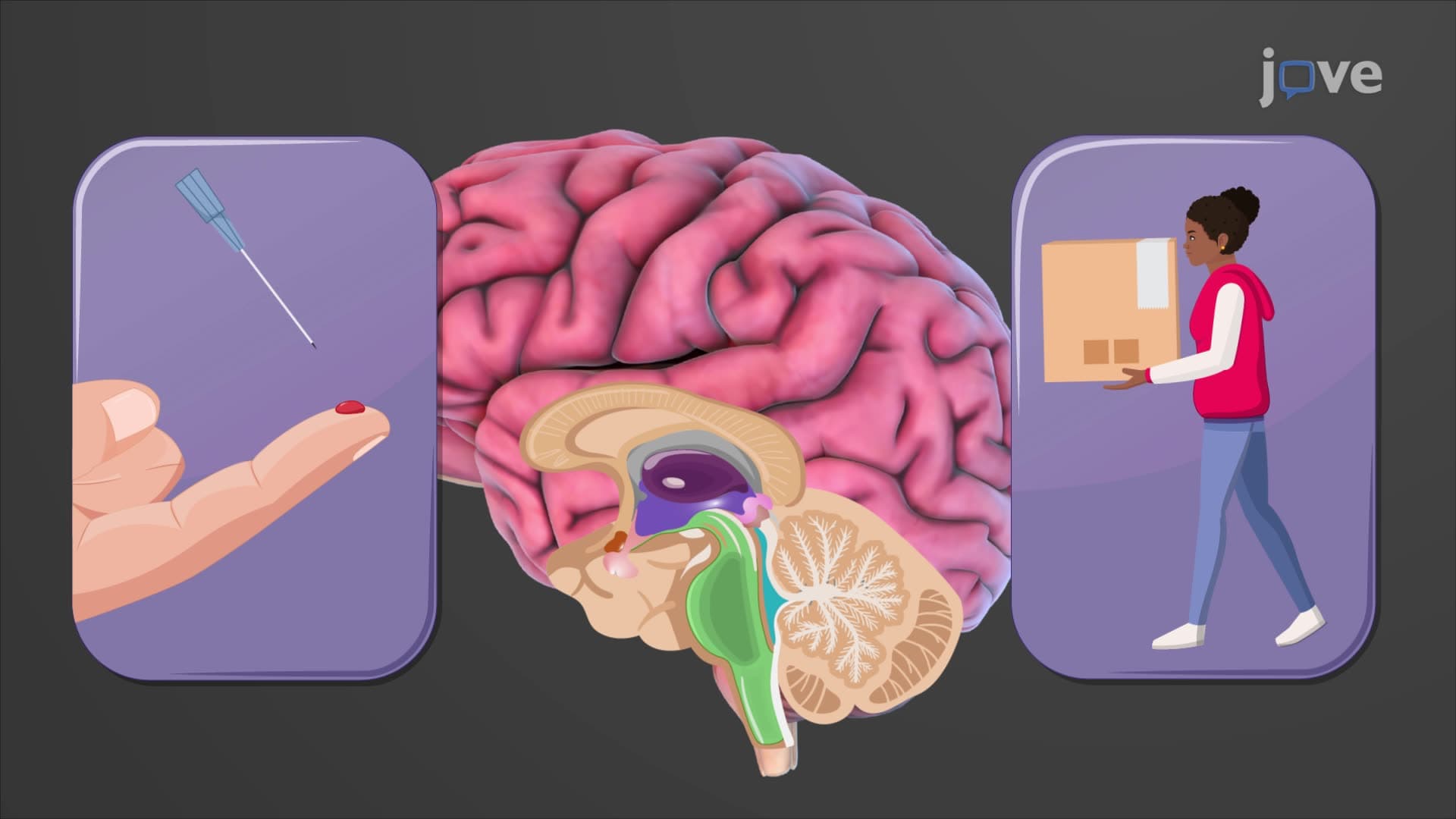
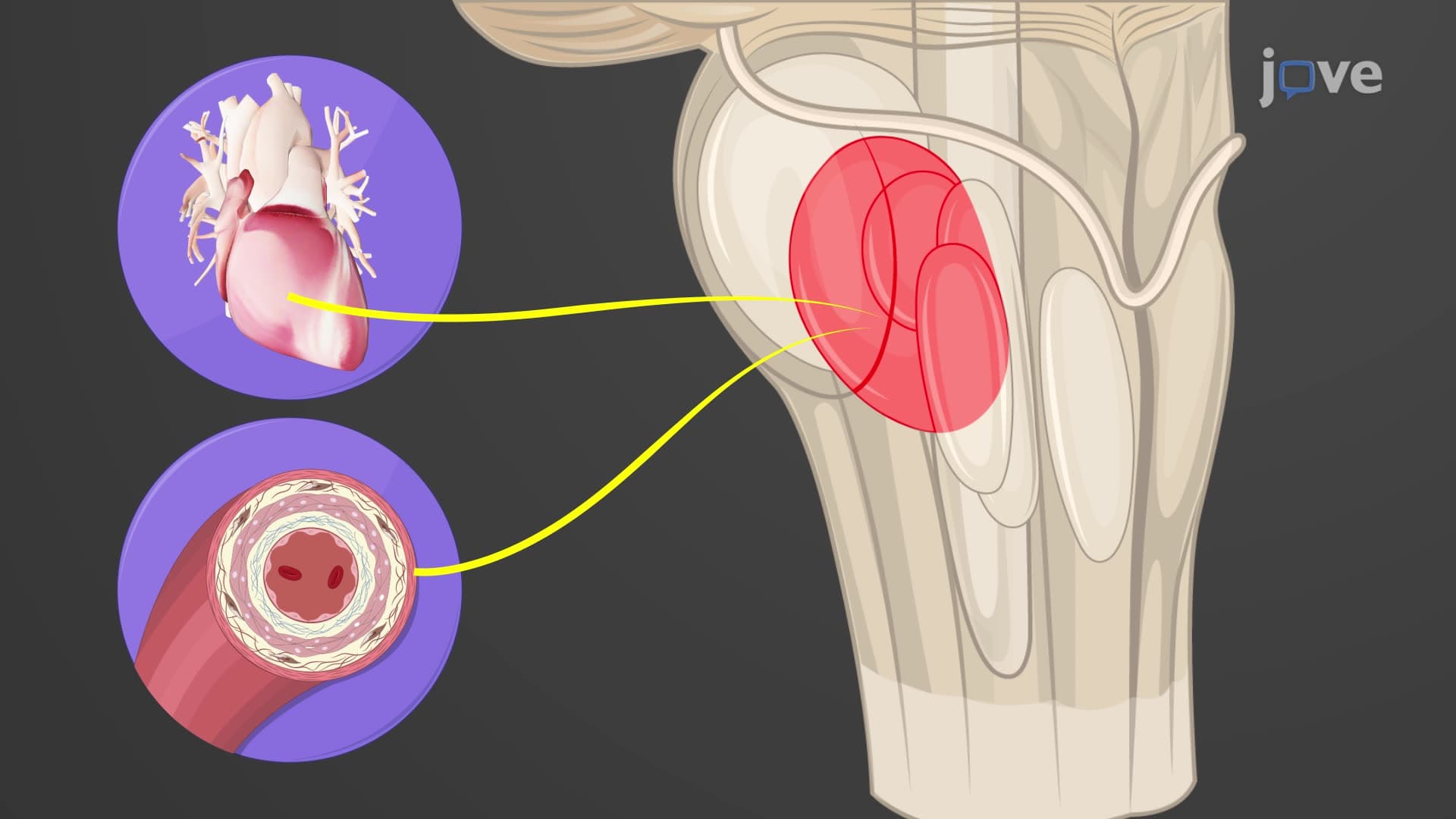
Beyond consciousness, reticular autonomic control governs vital functions that keep you alive without conscious effort. The motor portion coordinates gross limb movements-think of the automatic balance adjustments you make while walking across a college campus while texting. During high-stress situations like presenting research at a university symposium, reticular networks regulate heart rate, breathing, and blood pressure through their extensive connections with the autonomic nervous system.
Understanding arousal wakefulness reticular mechanisms proves essential for AP Psychology, pre-med courses, and USMLE preparation. Neurologists at institutions like Mayo Clinic regularly assess reticular function when evaluating patients with altered consciousness. The Glasgow Coma Scale, commonly tested on nursing exams like NCLEX, directly measures reticular formation integrity. Students should recognize that barbiturate overdoses and brainstem strokes can damage these networks, explaining why such conditions cause profound alterations in consciousness-a concept frequently appearing on medical board examinations.
Related Micro-courses