Loading video…


 26 Concepts
 99.2K views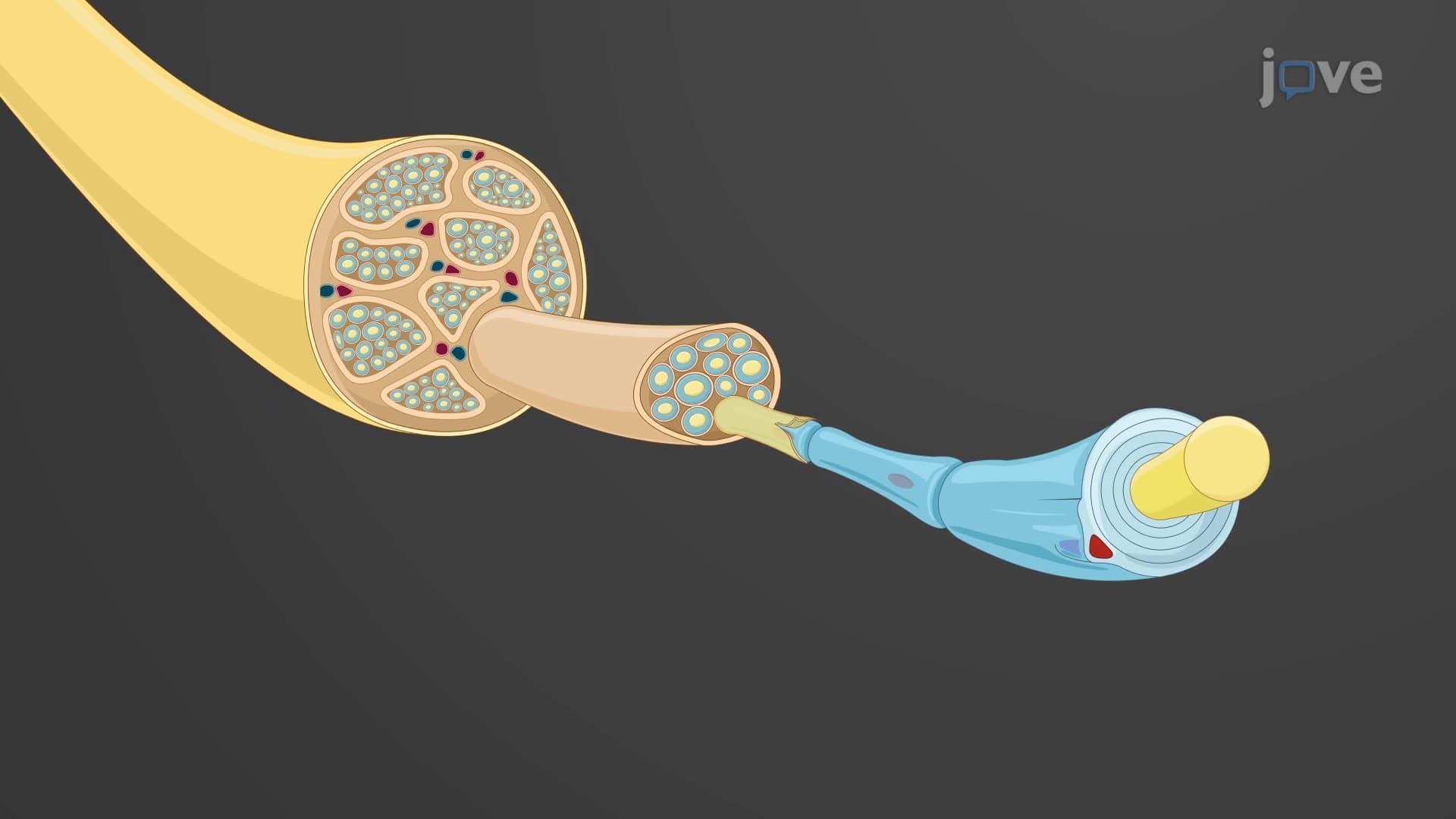

Video Summary: Peripheral Nervous System Ganglia and Nerves Explained
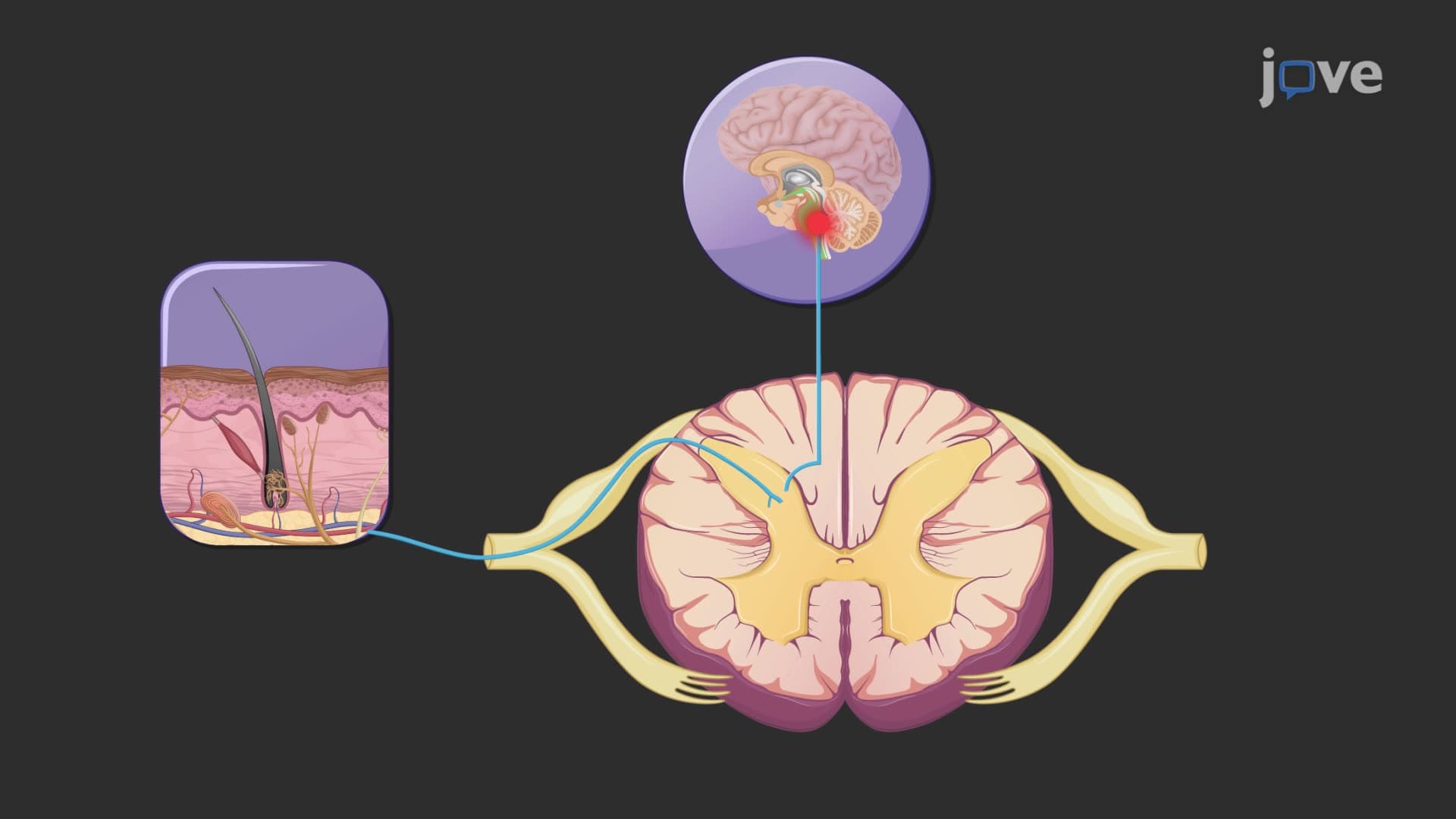
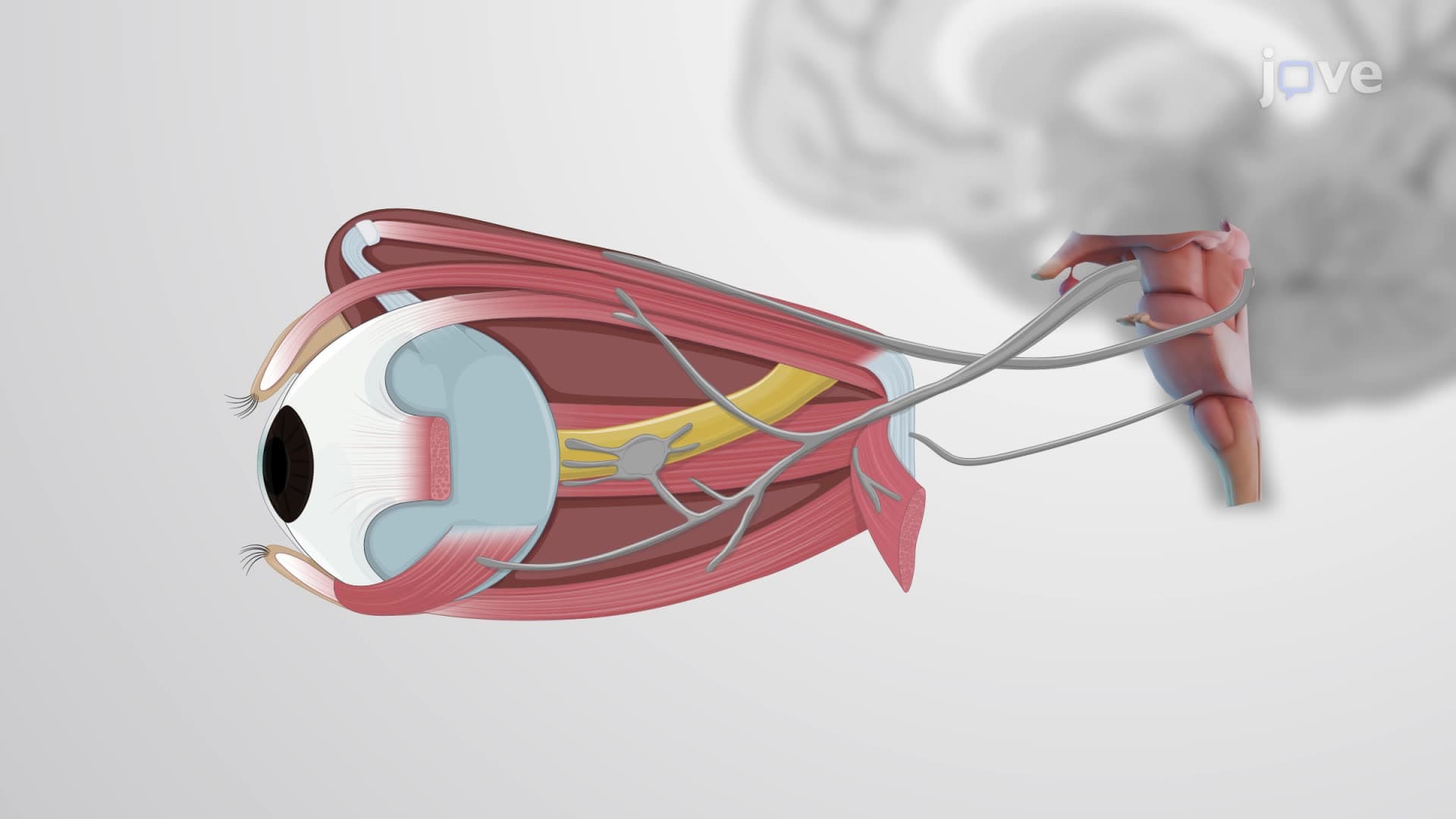
Did you know that when you touch a hot stove, signals travel through specialized nerve bundles at speeds up to 120 meters per second? PNS ganglia nerves biology reveals how your peripheral nervous system structures create this lightning-fast communication network. From the moment sensory receptors in your fingertips detect heat to the instant your spinal cord processes this information, cranial and spinal nerves work through organized clusters called ganglia. This intricate system includes 12 pairs of cranial nerves and 31 pairs of spinal nerves that keep you connected to your environment. Watch the full video on JoVE Coach to master this concept with expert-led visuals and step-by-step explanations.
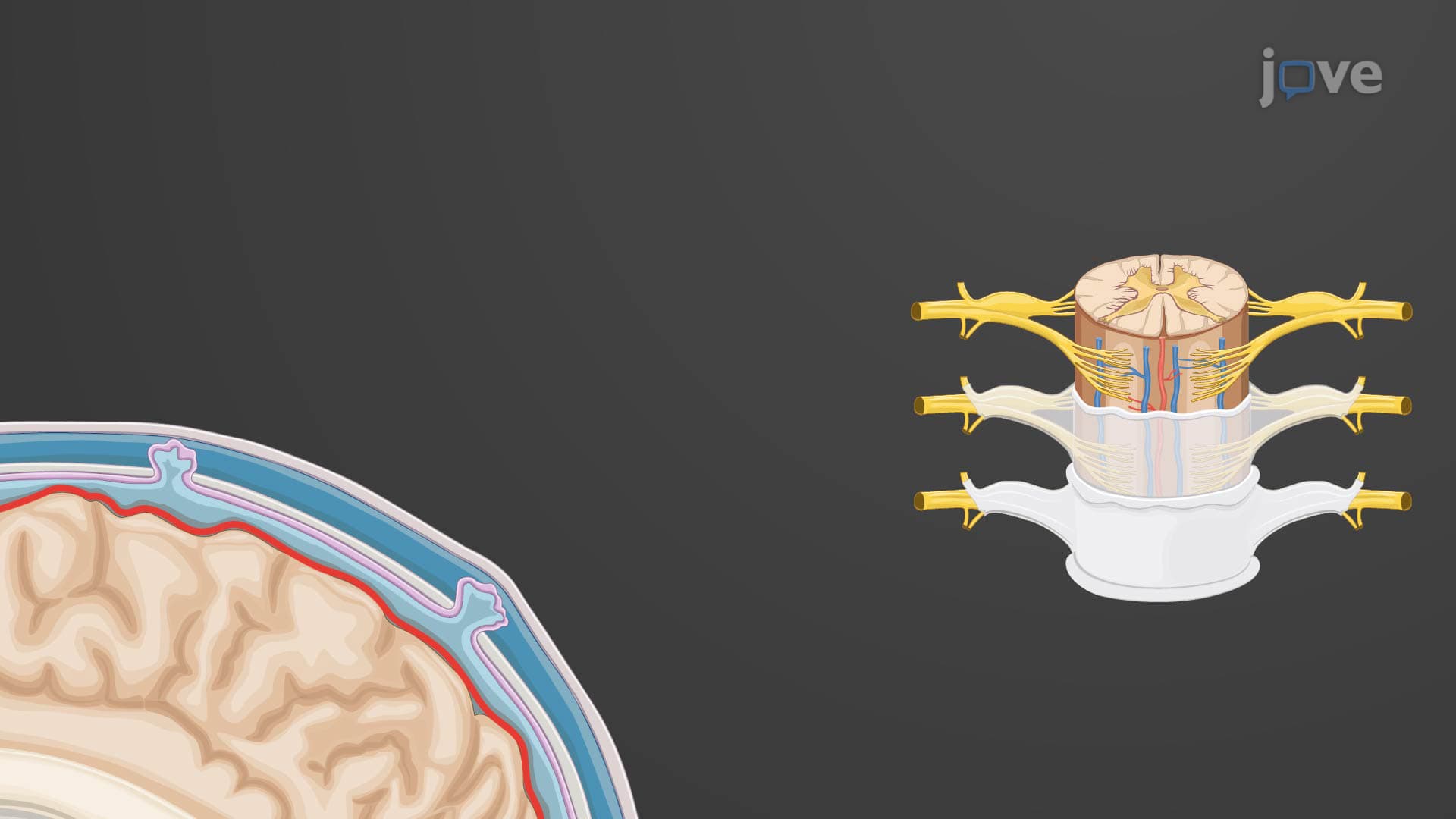
The peripheral nervous system represents one of biology's most sophisticated communication networks, extending beyond the brain and spinal cord to connect every part of your body. Unlike the central nervous system's protected environment, PNS structures must withstand mechanical stress while maintaining precise signal transmission. This remarkable feat requires specialized organizational principles that have evolved over millions of years.
Each peripheral nerve functions like a high-tech cable system with multiple protective layers. The outermost epineurium acts as a tough protective sheath, similar to the rubber coating on electrical cables. Within this layer, fascicles group together like individual wires in a cable bundle, each surrounded by perineurium that maintains proper internal pressure and prevents signal interference.
At the microscopic level, the endoneurium creates individual compartments for each axon-Schwann cell unit. This three-layered organization proves critical during nerve injuries-surgeons at institutions like Johns Hopkins use this anatomical knowledge to perform precise nerve repairs, aligning fascicles to restore function in patients with traumatic injuries.
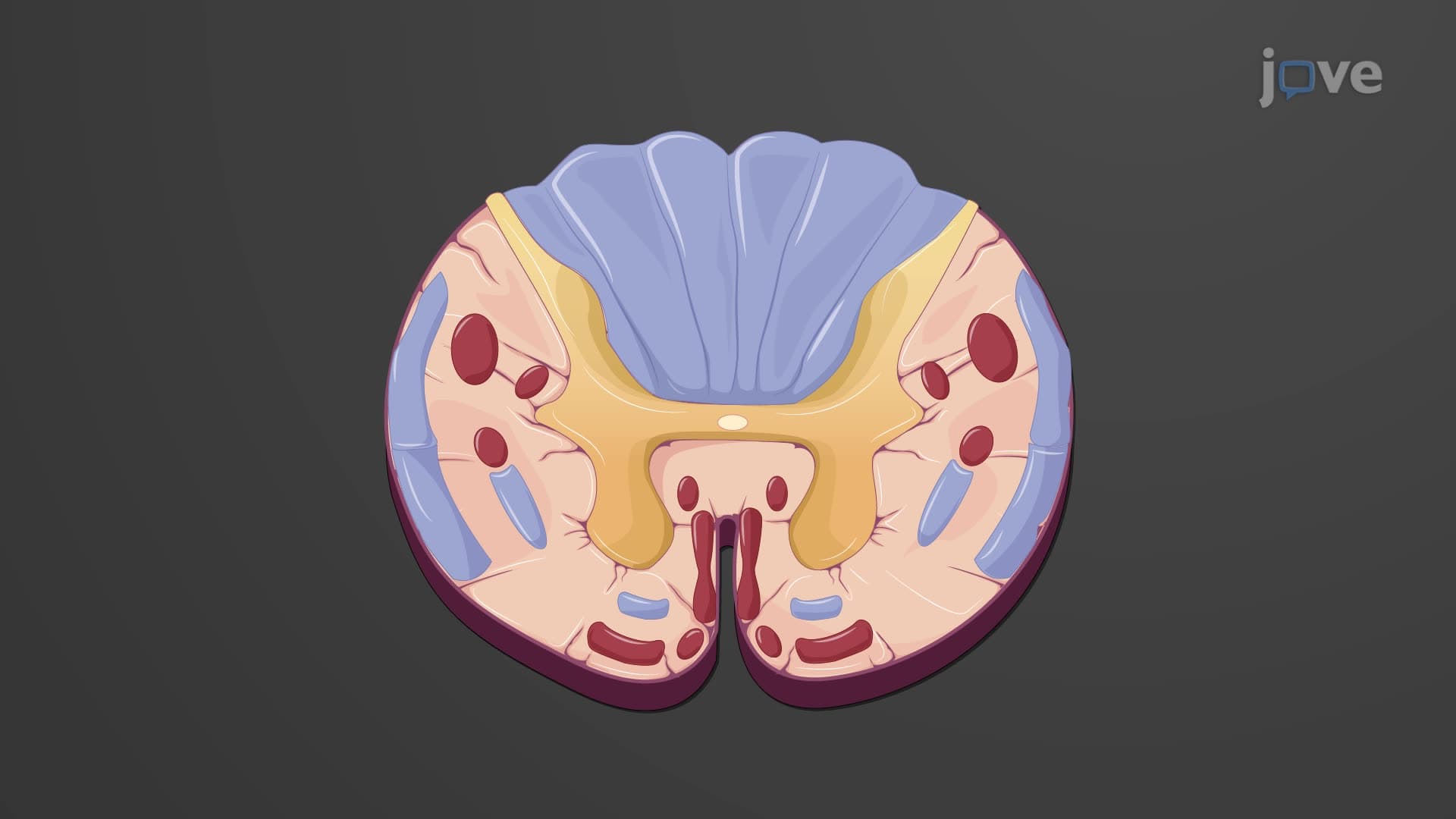
What are the ganglia and nerves of the peripheral nervous system without understanding their functional roles? Dorsal root ganglia serve as sensory processing hubs, housing pseudo-unipolar neurons that carry information from skin, muscles, and internal organs to the spinal cord. When you step on a sharp object, these ganglia immediately process pain signals before conscious awareness occurs.
Autonomic ganglia operate differently, serving as relay stations for motor commands. Sympathetic ganglia, clustered near the spinal column in structures called sympathetic chains, coordinate your body's "fight-or-flight" responses. During stressful situations like taking the SAT or MCAT, these ganglia simultaneously increase heart rate, redirect blood flow, and heighten alertness.
Understanding PNS structural components proves essential for pre-med students preparing for the MCAT's biological sciences section. Questions frequently test knowledge of nerve organization, particularly regarding autonomic versus somatic pathways. Similarly, AP Biology students encounter these concepts when studying nervous system coordination and homeostasis.
Medical professionals regularly apply this knowledge in clinical settings. Anesthesiologists target specific nerve bundles during regional blocks, while neurologists use ganglia locations to diagnose conditions like diabetic neuropathy, which affects millions of Americans annually.
Related Micro-courses