Loading subject page…


99,206 views


Video Summary: What Is Association Areas Cortex
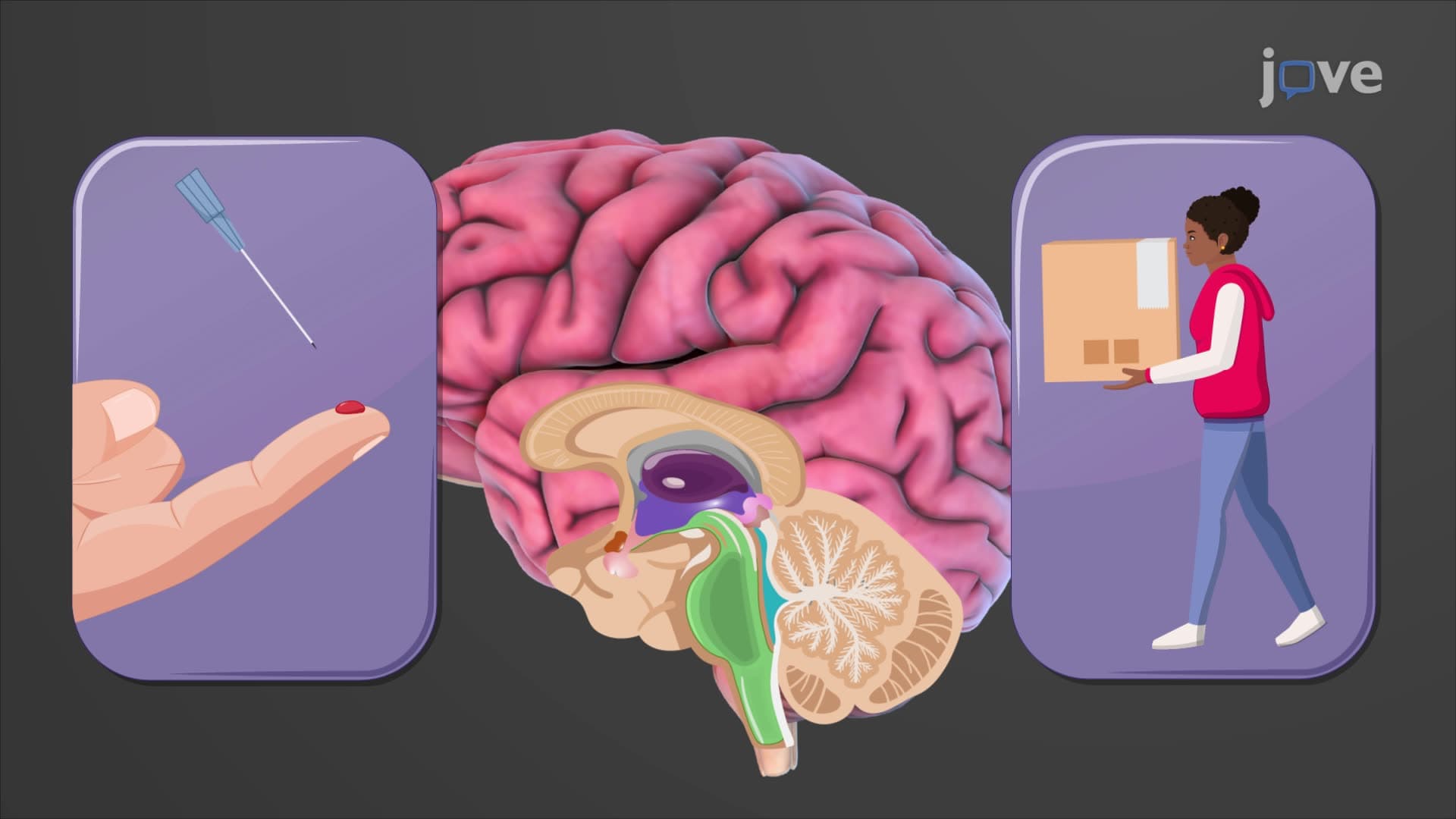
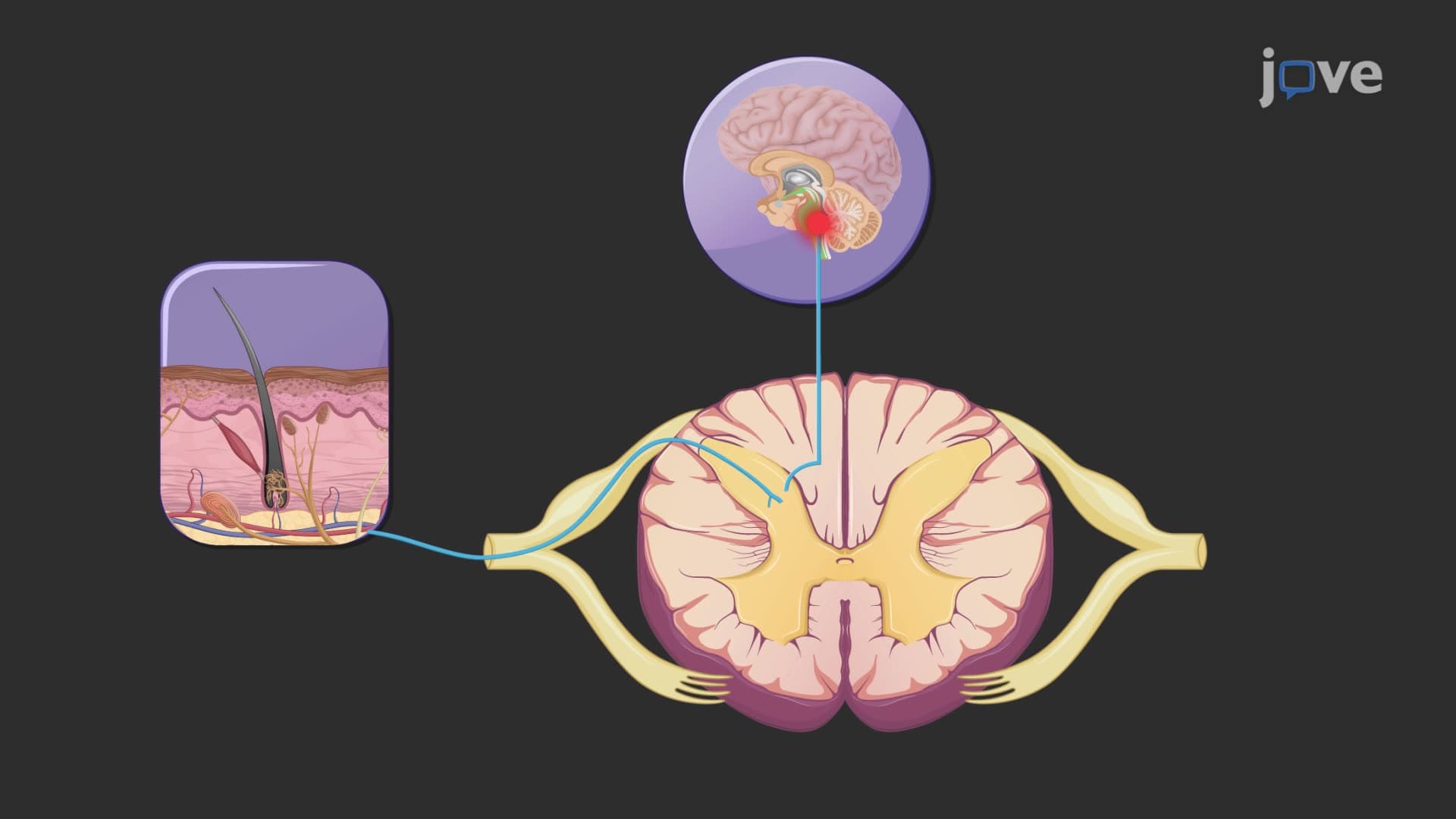
Ever wonder how your brain instantly recognizes your smartphone's shape in your pocket without looking? The cortex association areas function as sophisticated integration centers, connecting sensory input with motor responses to create meaningful experiences. When a medical student at Johns Hopkins touches different surgical instruments during training, their somatosensory association area processes texture and shape to identify each tool precisely. Watch the full video on JoVE Coach to master this concept with expert-led visuals and step-by-step explanations.
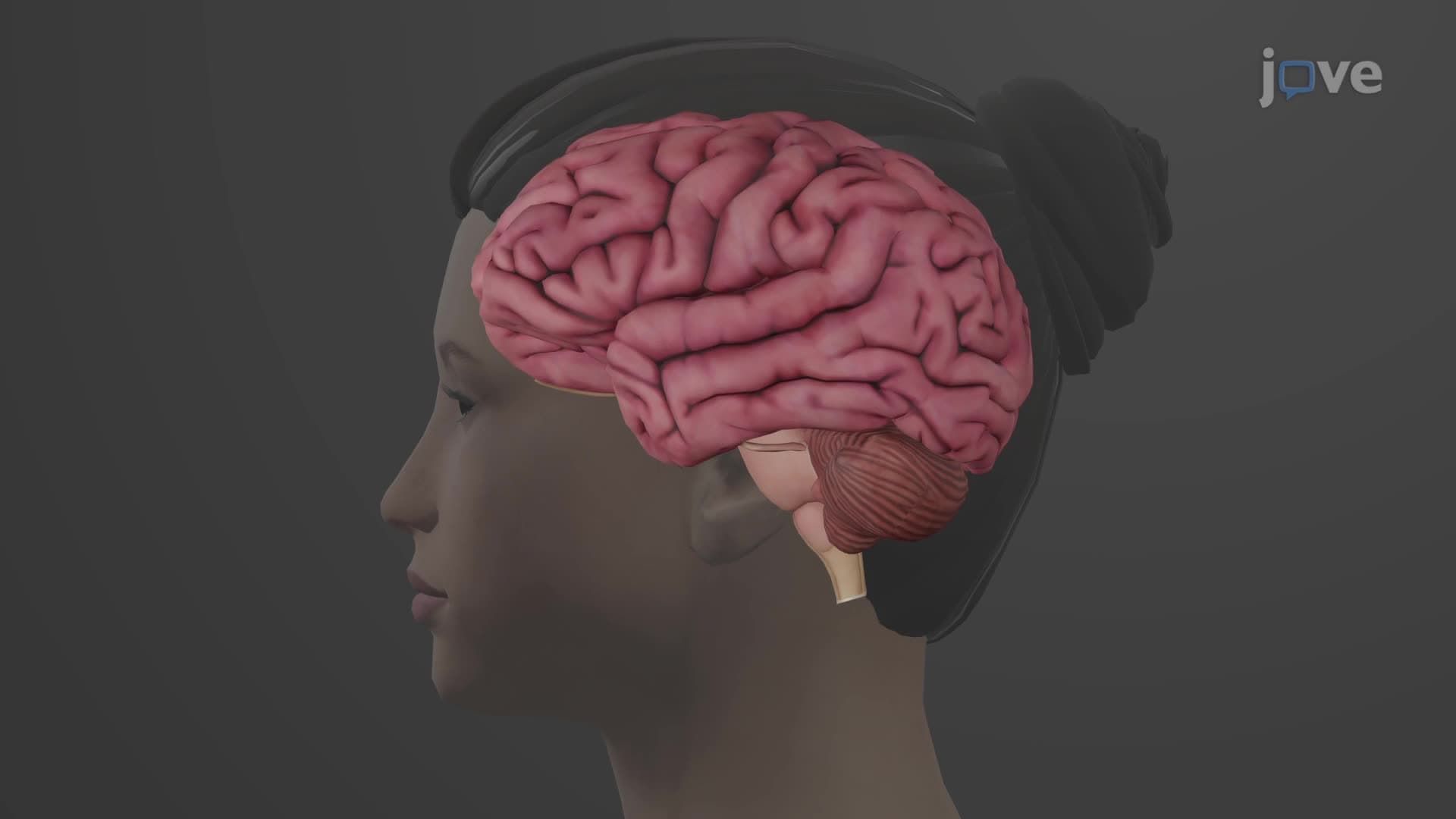
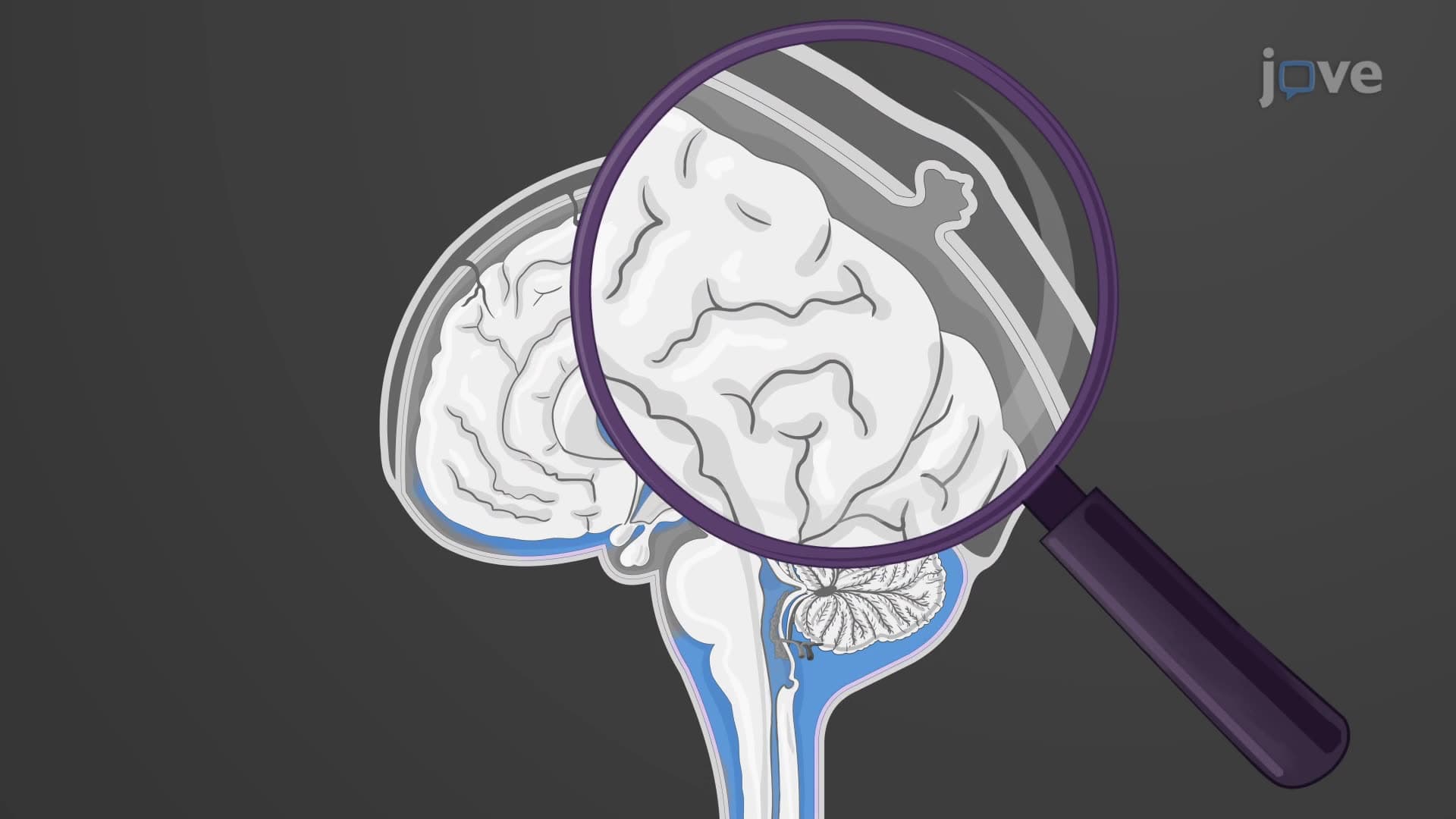
The association areas cortex represents some of the most evolutionarily advanced regions of the human brain, distinguishing our cognitive abilities from other species. Unlike primary sensory or motor areas that handle basic input and output, these regions perform the critical work of integration, interpretation, and executive control. Located primarily in the frontal, parietal, and temporal lobes, association areas occupy approximately 75% of the human cerebral cortex-a proportion much higher than in other mammals.
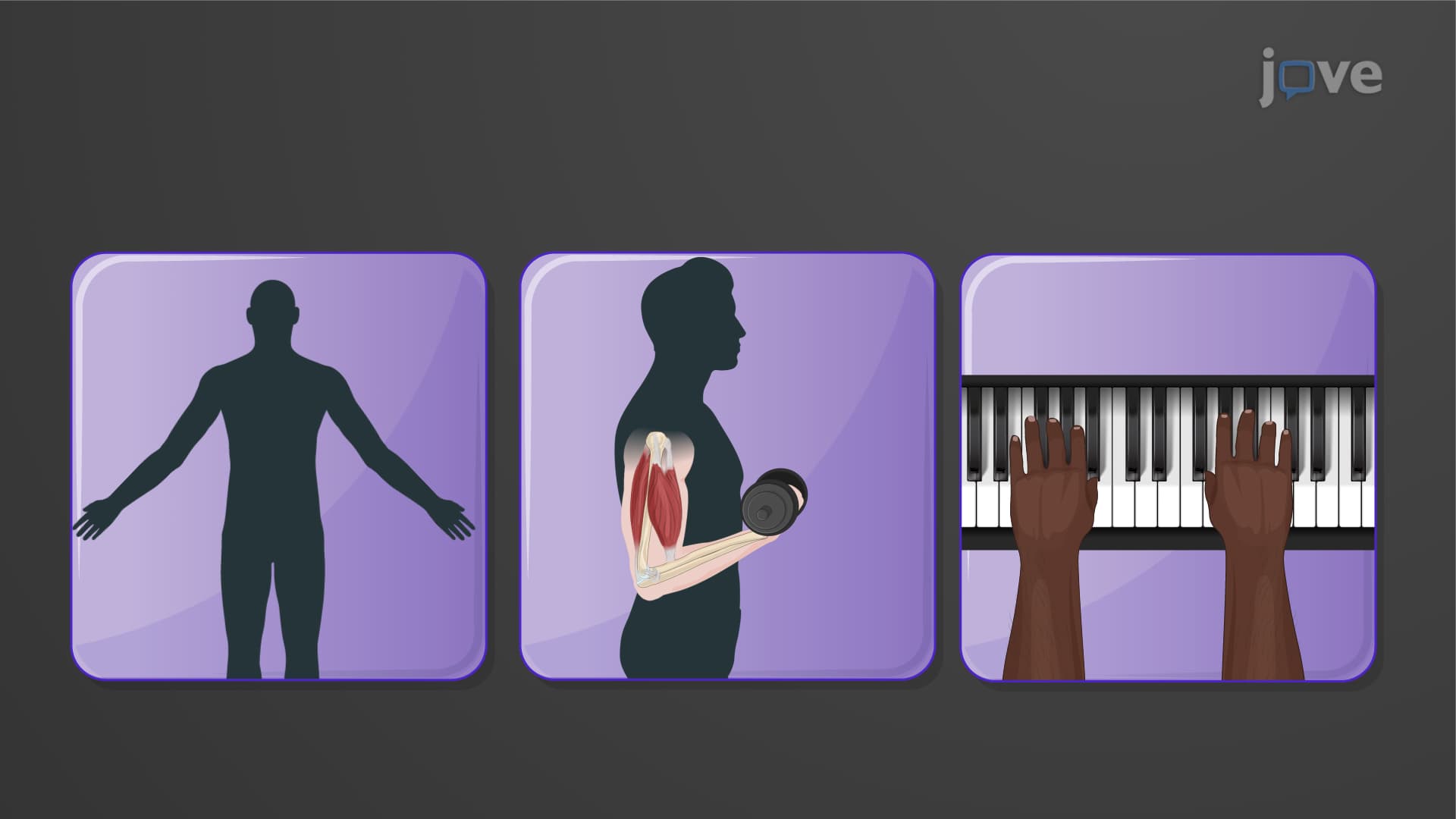
The parietal association sensory regions excel at spatial processing and tactile discrimination. When nursing students at UCLA practice identifying medical equipment through touch alone, they're training their somatosensory association areas to create detailed mental maps of object properties. These regions integrate information about texture, temperature, pressure, and proprioception to generate our sense of body position and object recognition. This processing proves essential for activities requiring fine motor control, from surgical procedures to playing musical instruments.
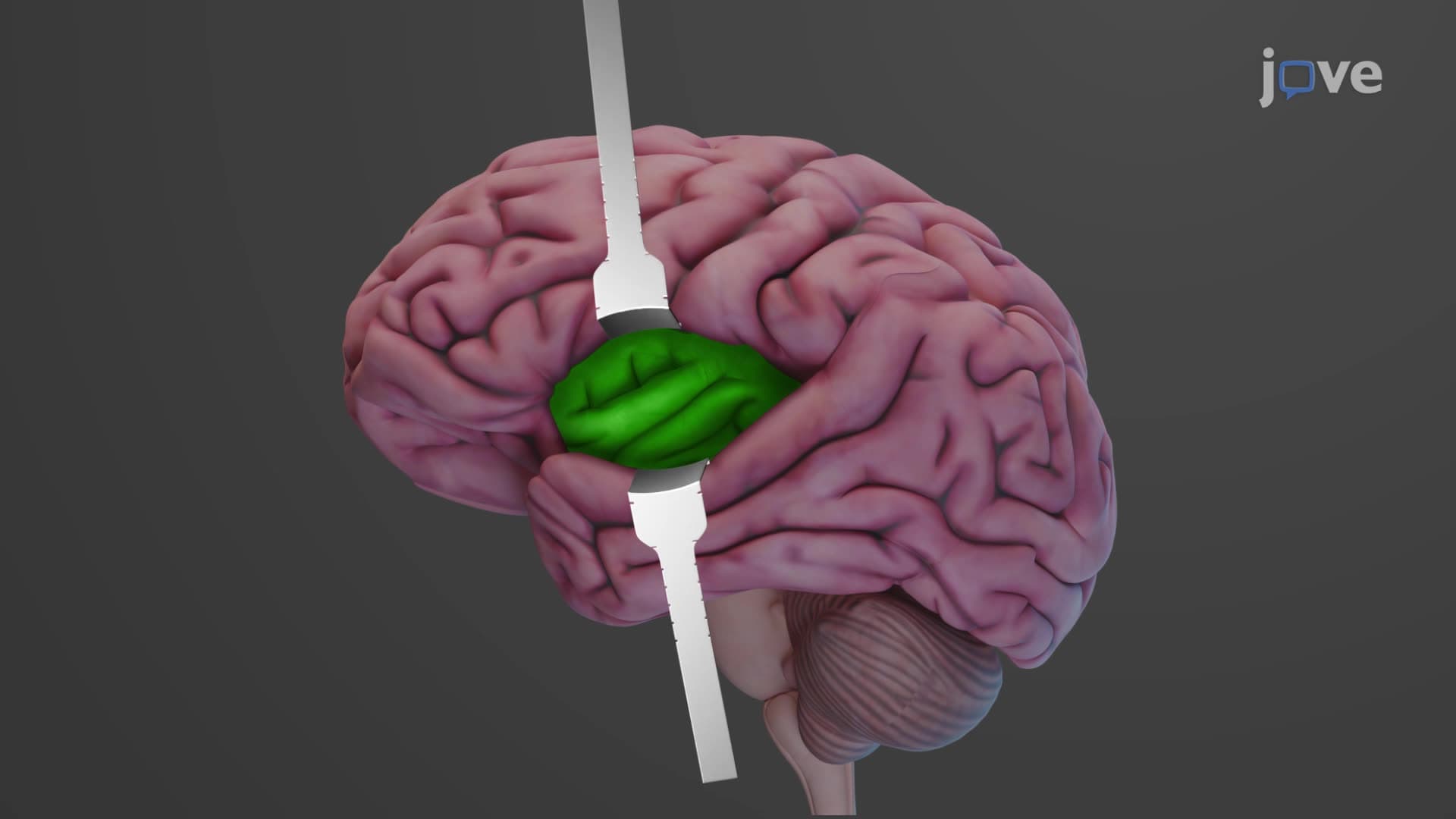
Wernicke's area exemplifies specialized temporal language association function, typically located in the left hemisphere's superior temporal gyrus. This region transforms acoustic patterns into meaningful language, working in concert with Broca's area to enable fluent communication. Students preparing for the MCAT often study cases where Wernicke's area damage results in fluent but meaningless speech-patients can speak grammatically but lack comprehension. Understanding this distinction helps pre-med students grasp language processing complexities that appear frequently on standardized exams.
The prefrontal executive function cortex serves as the brain's CEO, orchestrating complex decision-making and abstract reasoning. This multimodal association cortex region receives inputs from virtually every other brain area, enabling sophisticated planning and behavioral control. When high school students tackle AP Psychology exam questions about executive function, they're examining the same neural networks that allow them to plan study schedules, weigh college choices, and solve complex problems. These higher cognitive cortex areas don't fully mature until age 25, explaining why adolescent decision-making often differs from adult reasoning patterns.
Research from Stanford University and other leading institutions demonstrates that association area development correlates strongly with academic achievement and standardized test performance, making this topic particularly relevant for students preparing for college admissions and professional school entrance exams.
Related Micro-courses