Loading subject page…


99,205 views

Video Summary: What Is Brainstem
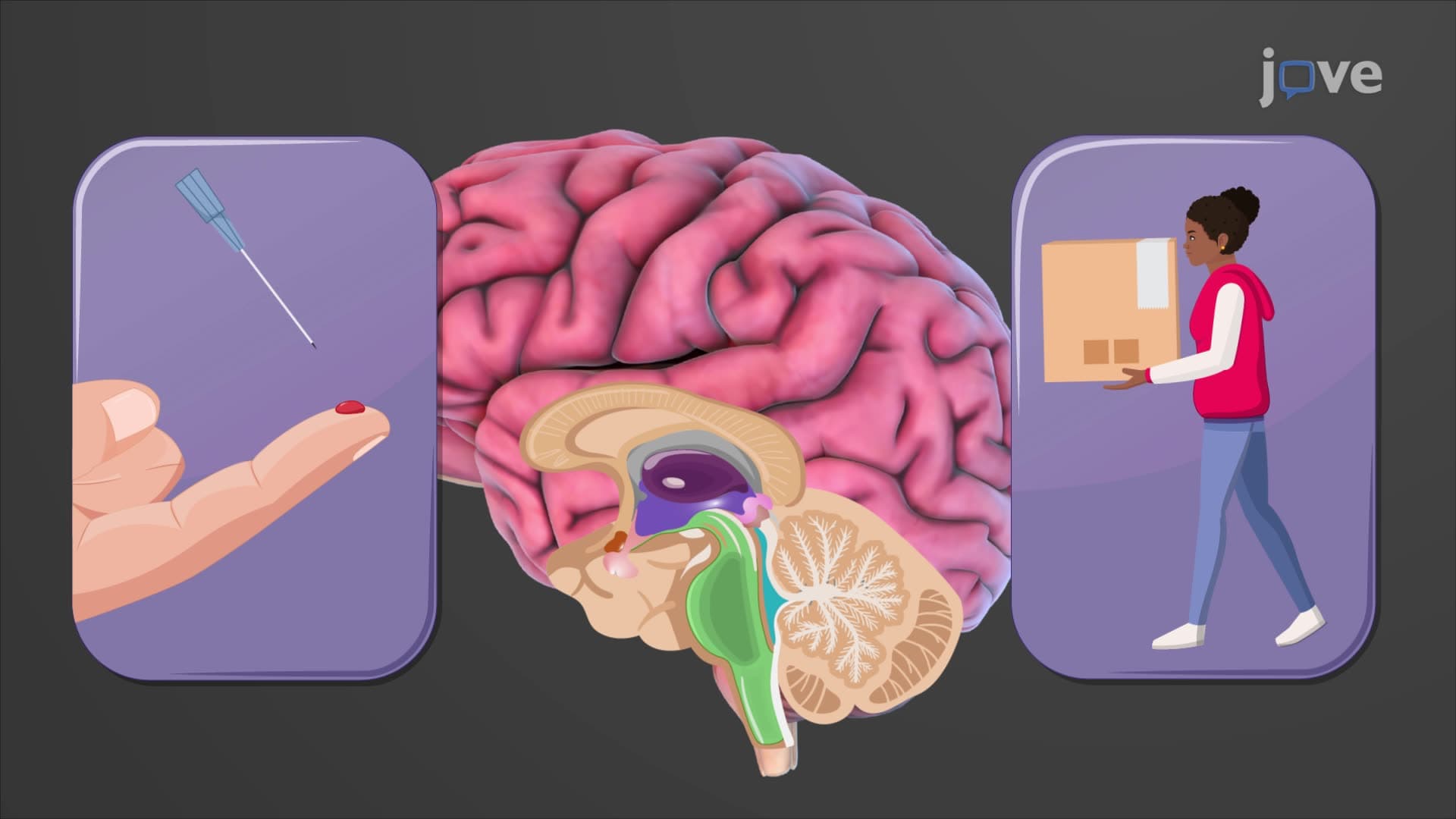
Ever wonder what controls your heartbeat while you sleep or keeps you breathing without conscious effort? The brainstem anatomy overview reveals this critical neural control center that manages life's essential functions. Consider how a patient at Johns Hopkins Hospital might survive a severe cerebral stroke yet maintain vital signs-that's the brainstem at work. This compact yet powerful structure coordinates everything from reflexes to consciousness through its three distinct regions. Watch the full video on JoVE Coach to master this concept with expert-led visuals and step-by-step explanations.
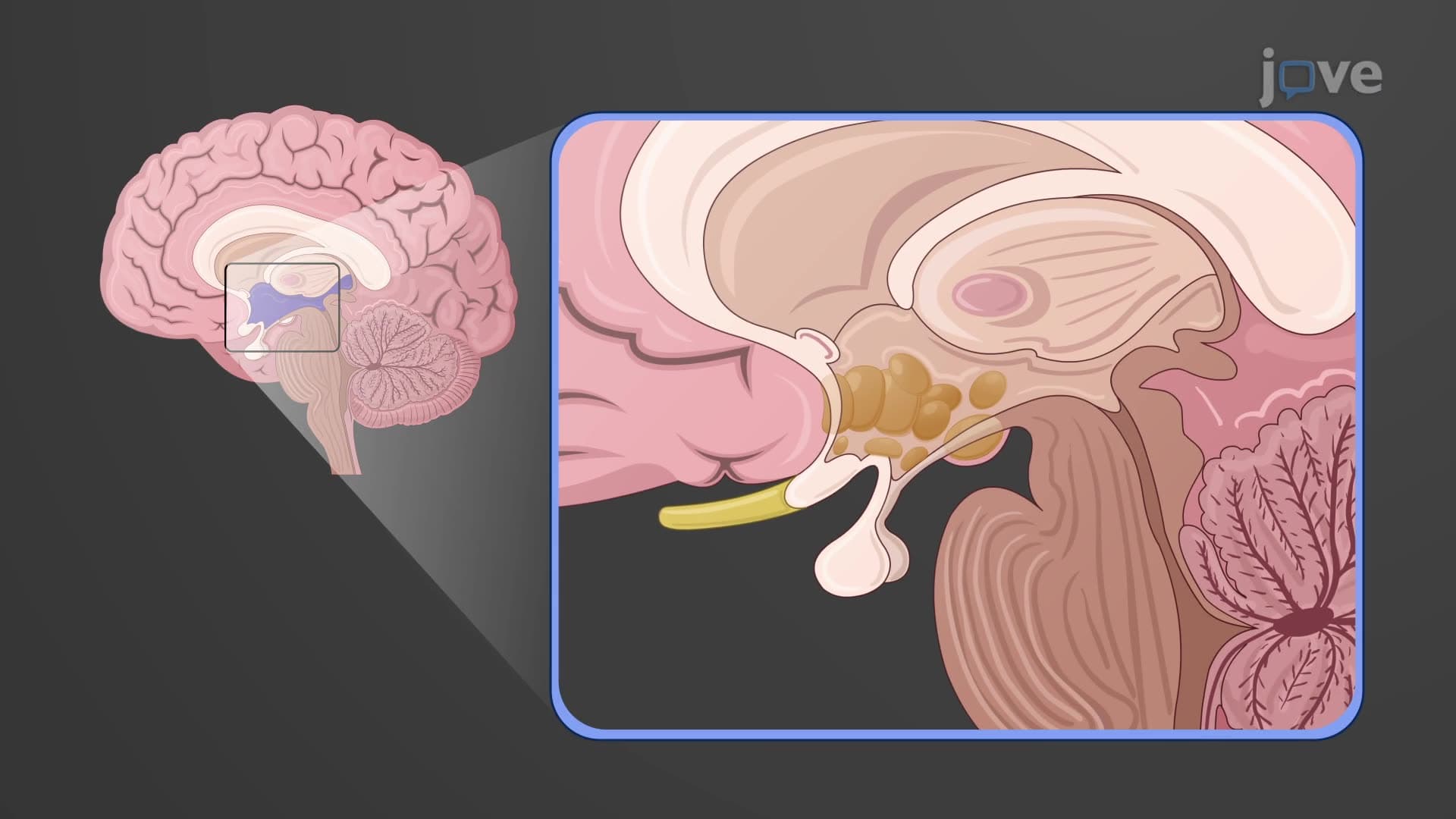
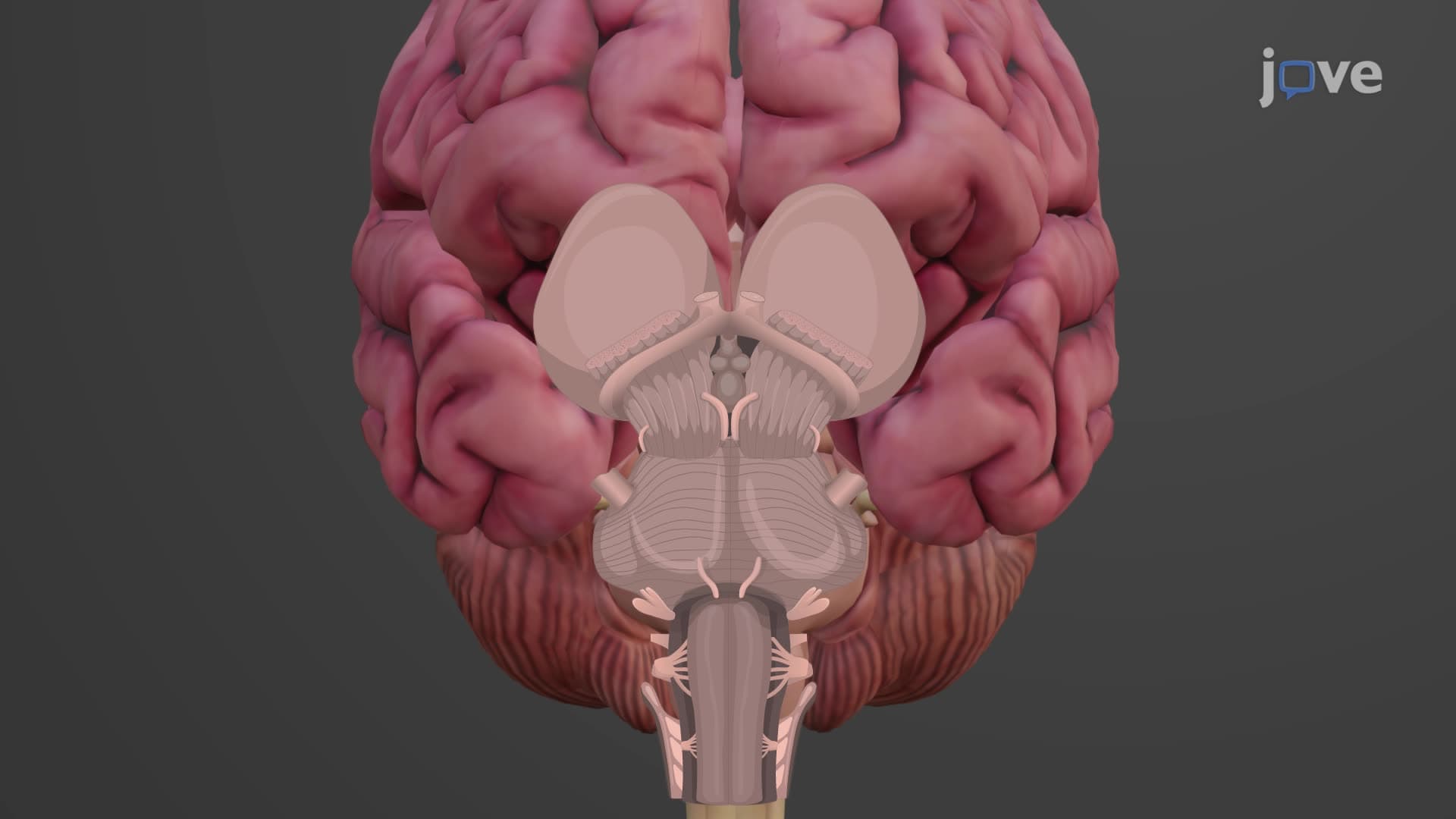
The brainstem serves as the critical bridge between higher brain centers and the spinal cord, orchestrating vital functions that keep us alive. This compact structure, measuring only about 3 inches long, demonstrates remarkable functional density. What is the brainstem in neuroanatomy becomes clear when we examine its three distinct yet interconnected regions: the midbrain, pons, and medulla oblongata.
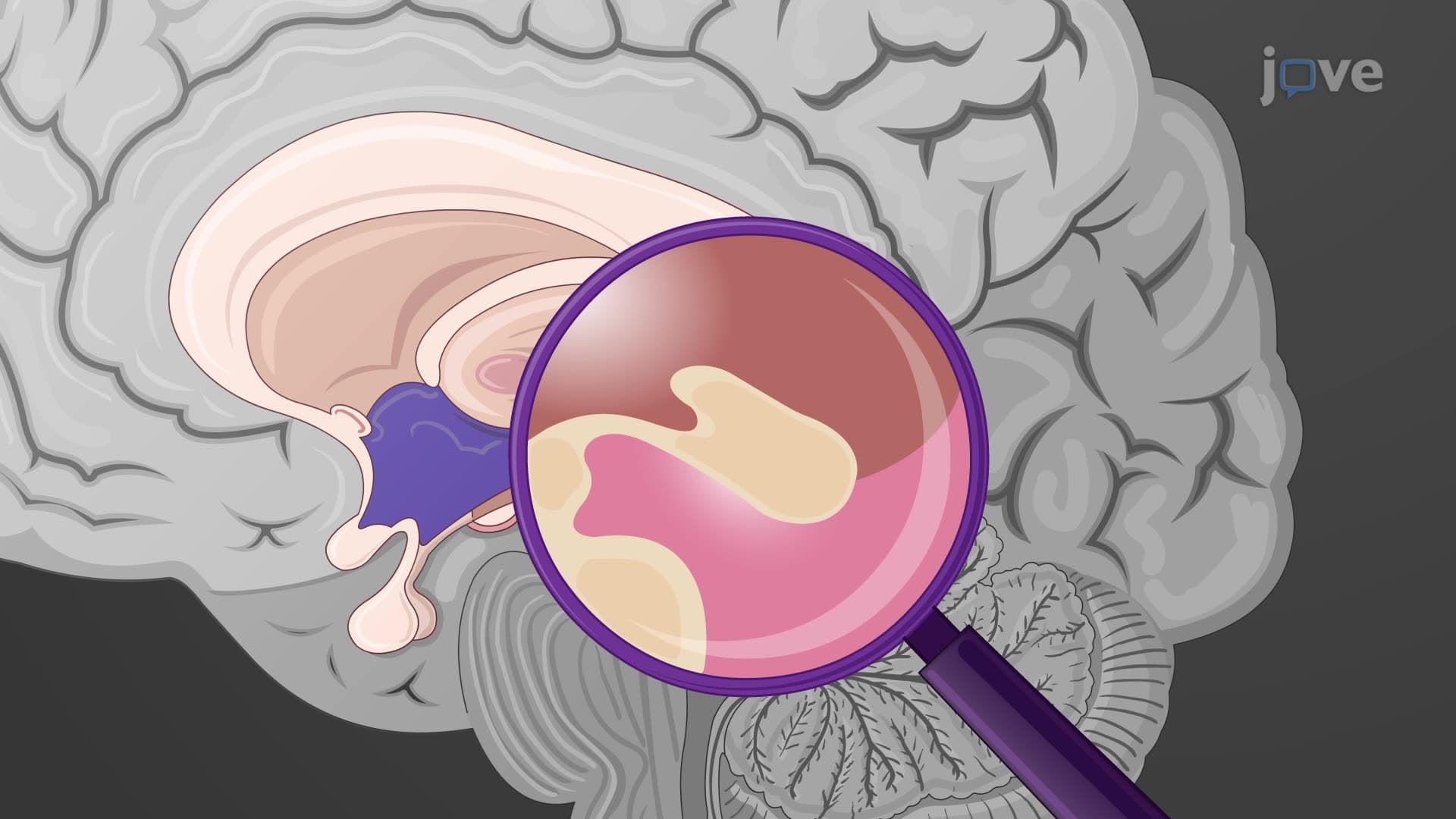
The midbrain, or mesencephalon, represents the most superior portion of the brainstem. The prominent cerebral peduncles contain crucial motor pathways connecting the cerebral cortex to lower brain centers. The corpora quadrigemina-four distinctive bumps on the posterior surface-coordinate visual and auditory reflexes. Medical students preparing for the USMLE often focus on the substantia nigra, whose dopamine-producing neurons are devastated in Parkinson's disease, affecting over 1 million Americans.
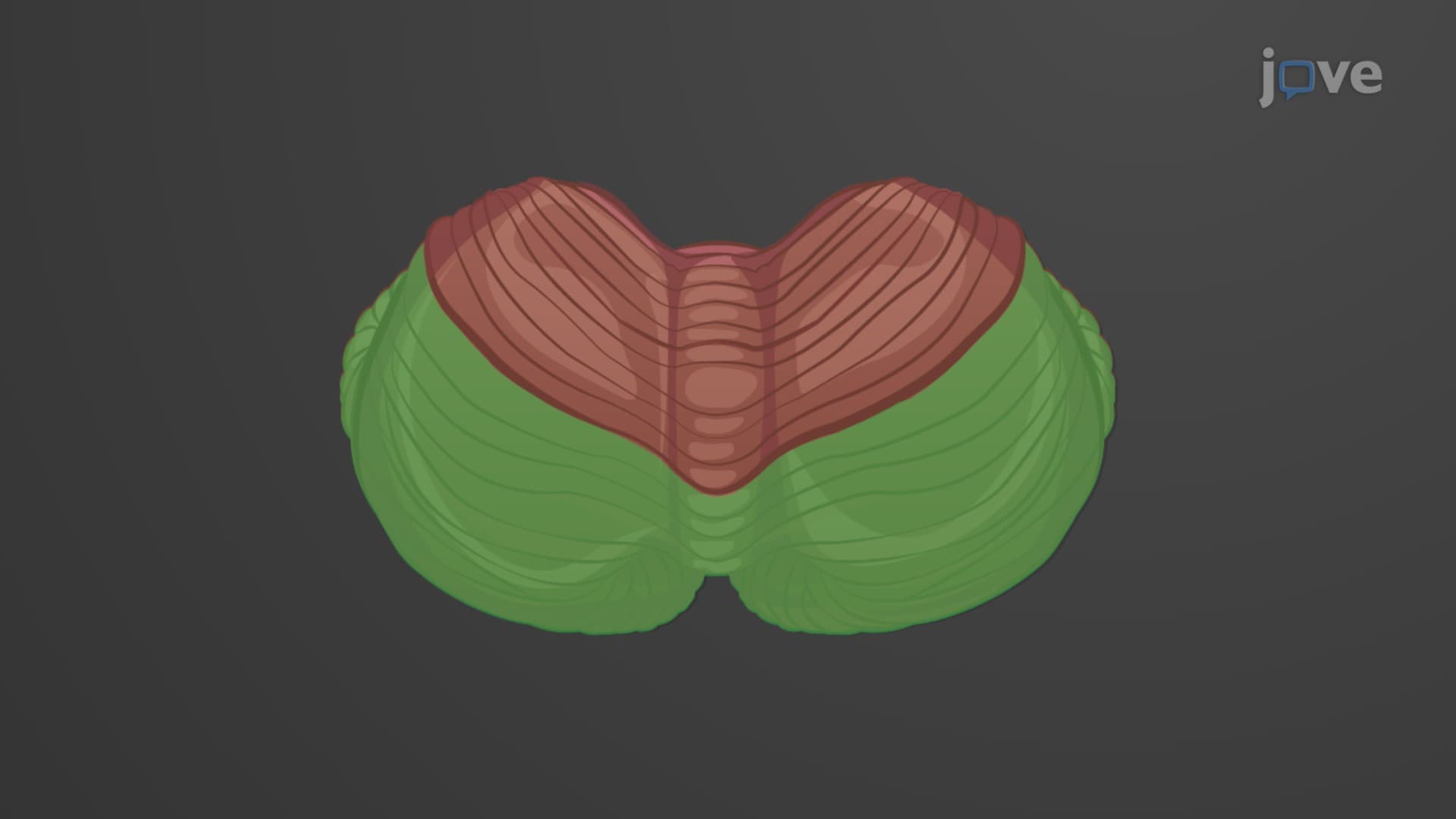
The pons, meaning "bridge" in Latin, lives up to its name by connecting the cerebellum to the brainstem via middle cerebellar peduncles. This brainstem structure function biology relationship becomes clinically relevant when pontine strokes disrupt coordination. The numerous pontine nuclei facilitate communication between the motor cortex and cerebellum, essential for smooth, coordinated movement. AP Biology students should note how this exemplifies the nervous system's hierarchical organization.
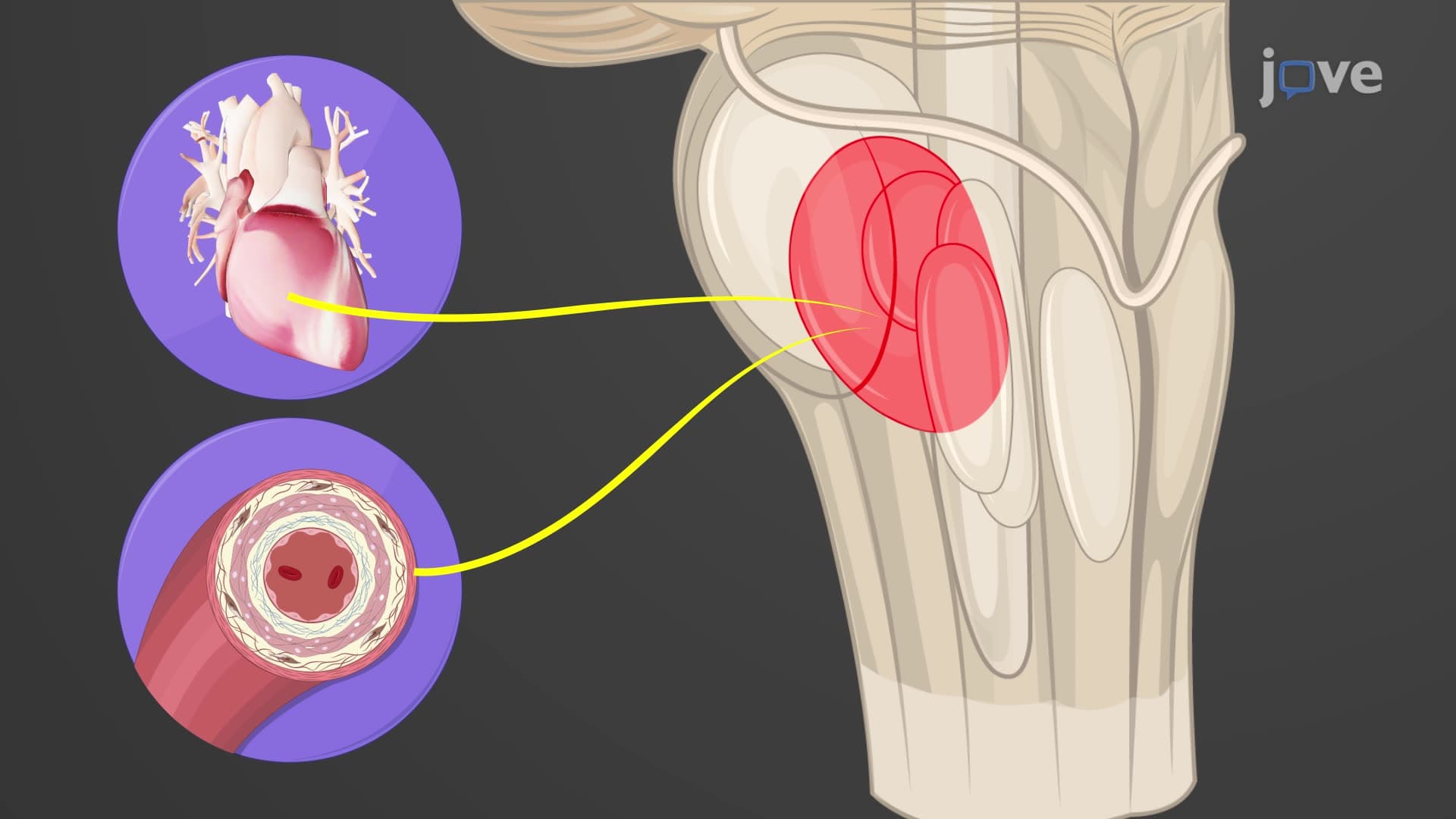
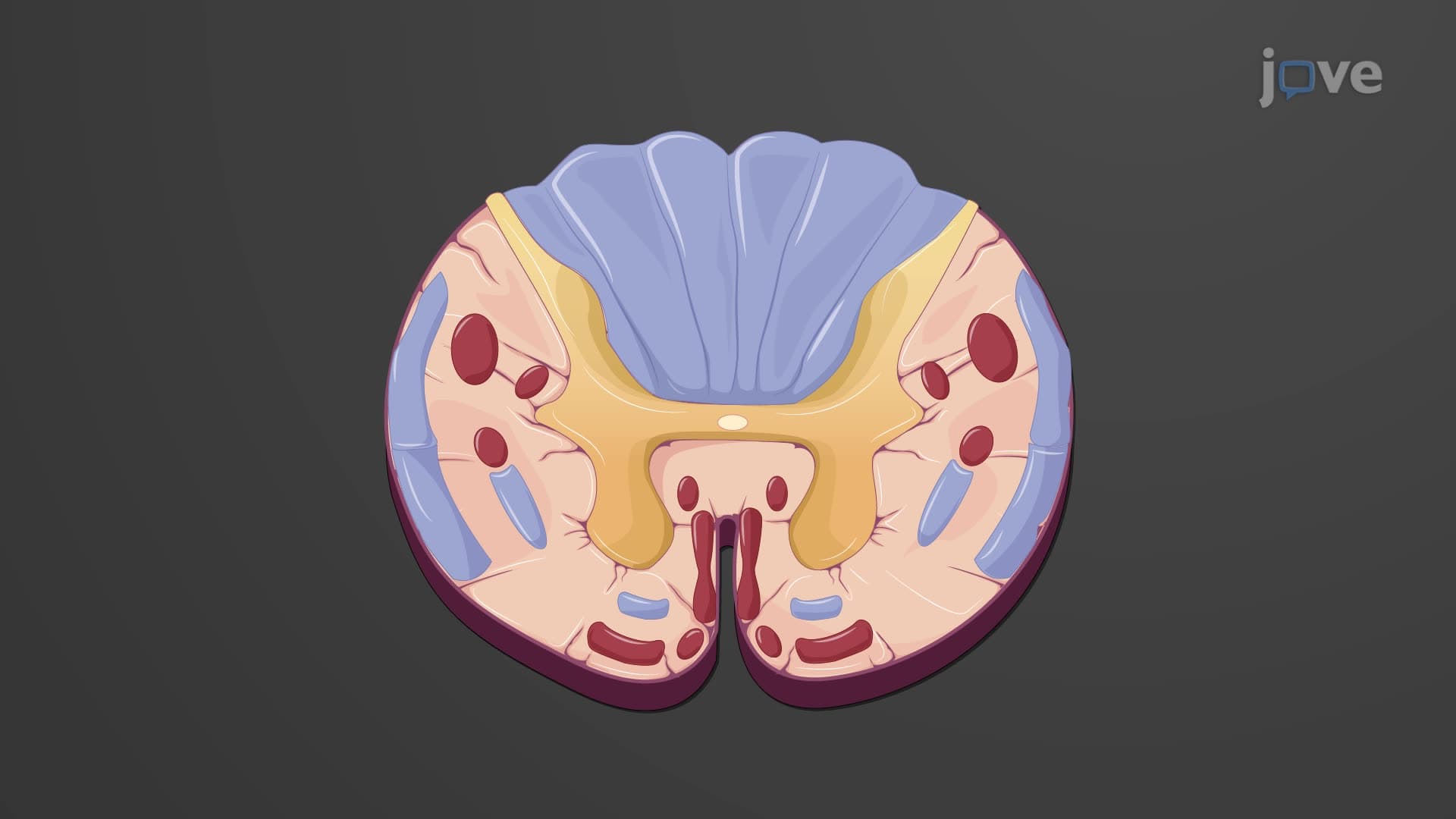
The medulla oblongata houses the brainstem vital center controlling respiration, heart rate, and blood pressure. The pyramidal decussation-where motor fibers cross-explains why left brain damage affects the right body side. Clinical neurologists at institutions like the Cleveland Clinic regularly assess these brainstem cranial nerve nuclei when evaluating unconscious patients. The medulla's failure typically proves incompatible with life, highlighting its fundamental importance in human physiology.
Related Micro-courses