Loading subject page…


99,207 views


Video Summary: What Is Cerebrospinal Fluid
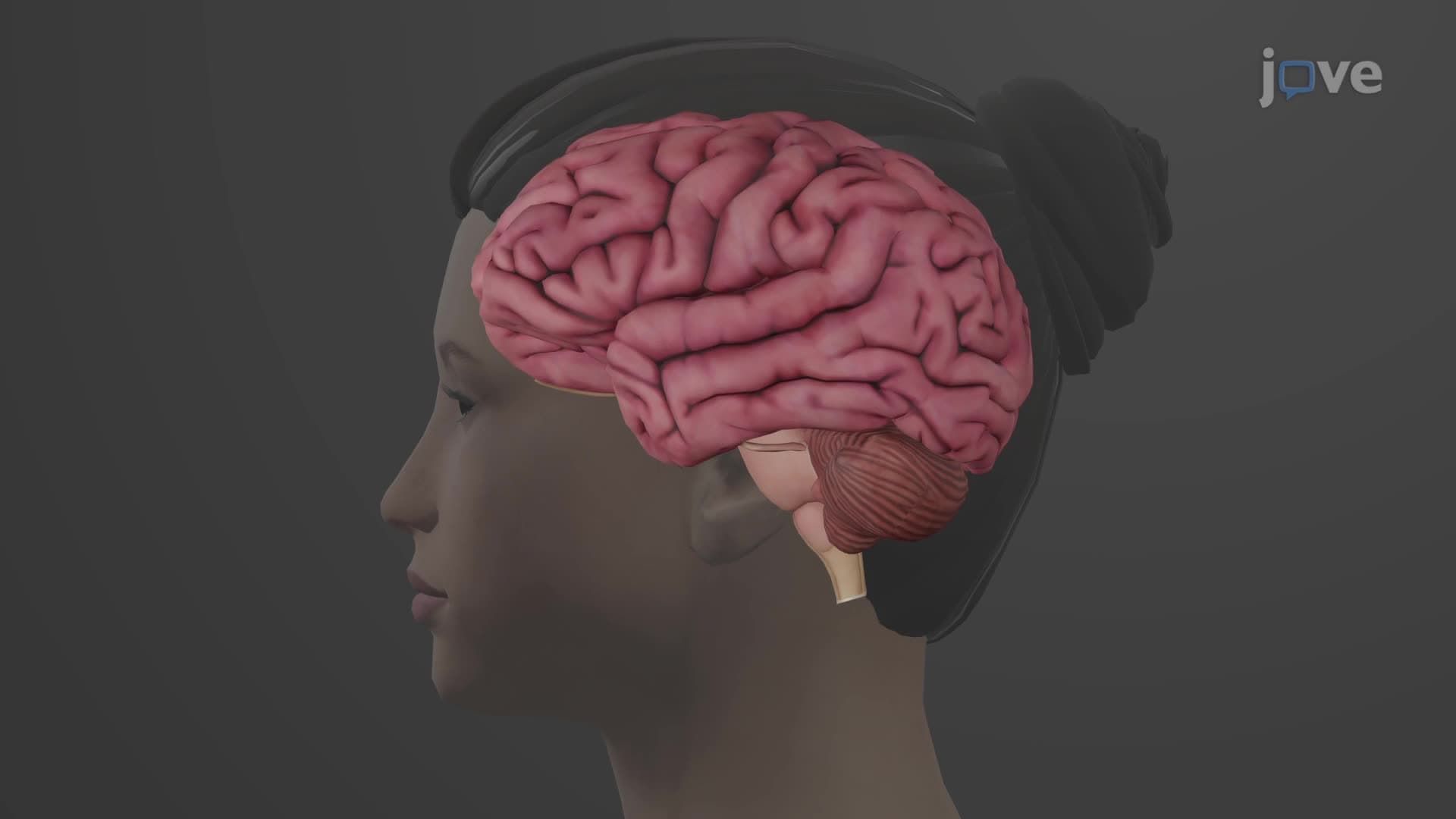
Did you know that your brain literally floats inside your skull? This remarkable phenomenon occurs thanks to cerebrospinal fluid biology, a specialized liquid system that bathes and protects your central nervous system. When medical students at Harvard Medical School study neuroanatomy, they learn that this clear, protective fluid performs multiple critical functions beyond simple cushioning. From providing essential nutrients to maintaining optimal chemical balance for neural transmission, cerebrospinal fluid represents one of the body's most sophisticated biological systems. Watch the full video on JoVE Coach to master this concept with expert-led visuals and step-by-step explanations.
Cerebrospinal fluid (CSF) represents one of the most critical yet often overlooked components of human neuroanatomy. This crystal-clear liquid serves as both guardian and supporter of our most vital organ systems-the brain and spinal cord. For students preparing for advanced coursework like AP Biology or college-level neuroscience, understanding cerebrospinal fluid biology provides essential foundation knowledge for more complex neurological concepts.
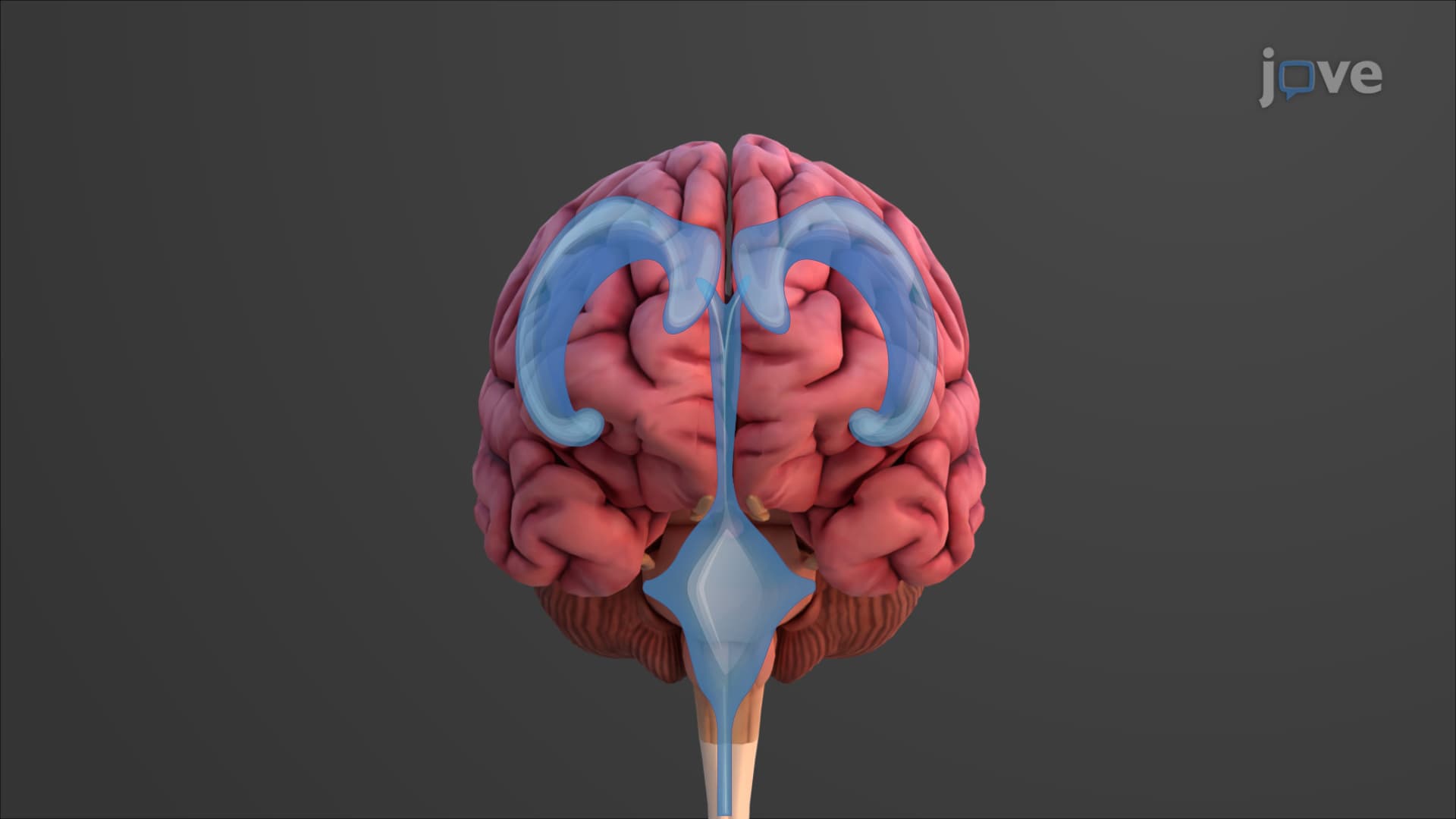
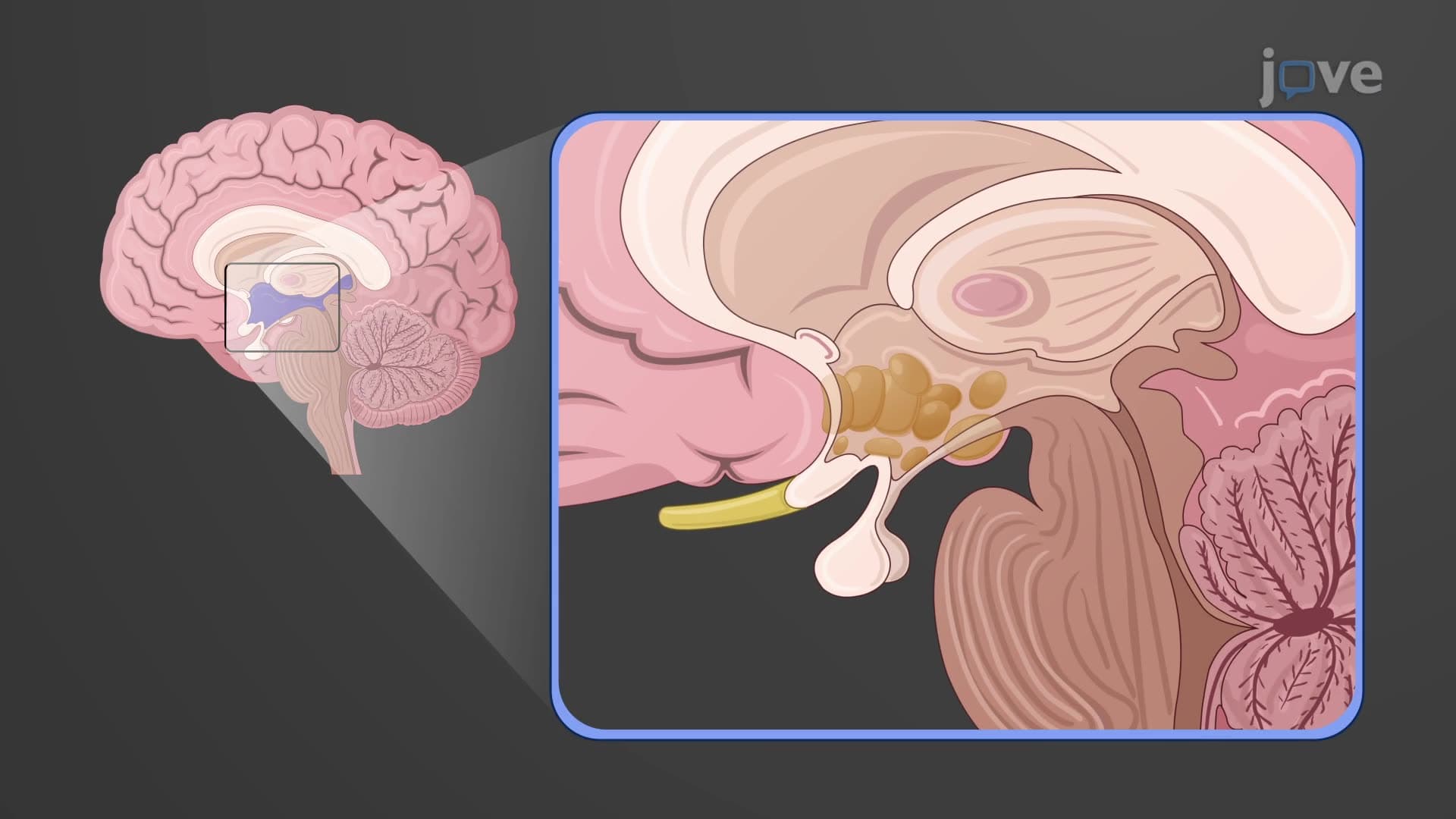
The story of CSF begins in specialized structures called choroid plexuses, located within each of the brain's four ventricles. These highly vascularized tissues function like sophisticated filtration systems, selectively extracting components from blood plasma to create cerebrospinal fluid. Students studying for the MCAT will recognize this as an excellent example of selective permeability in biological membranes. The choroid plexus produces approximately 500 milliliters of CSF daily-enough to completely replace the brain's entire CSF volume three to four times each day.
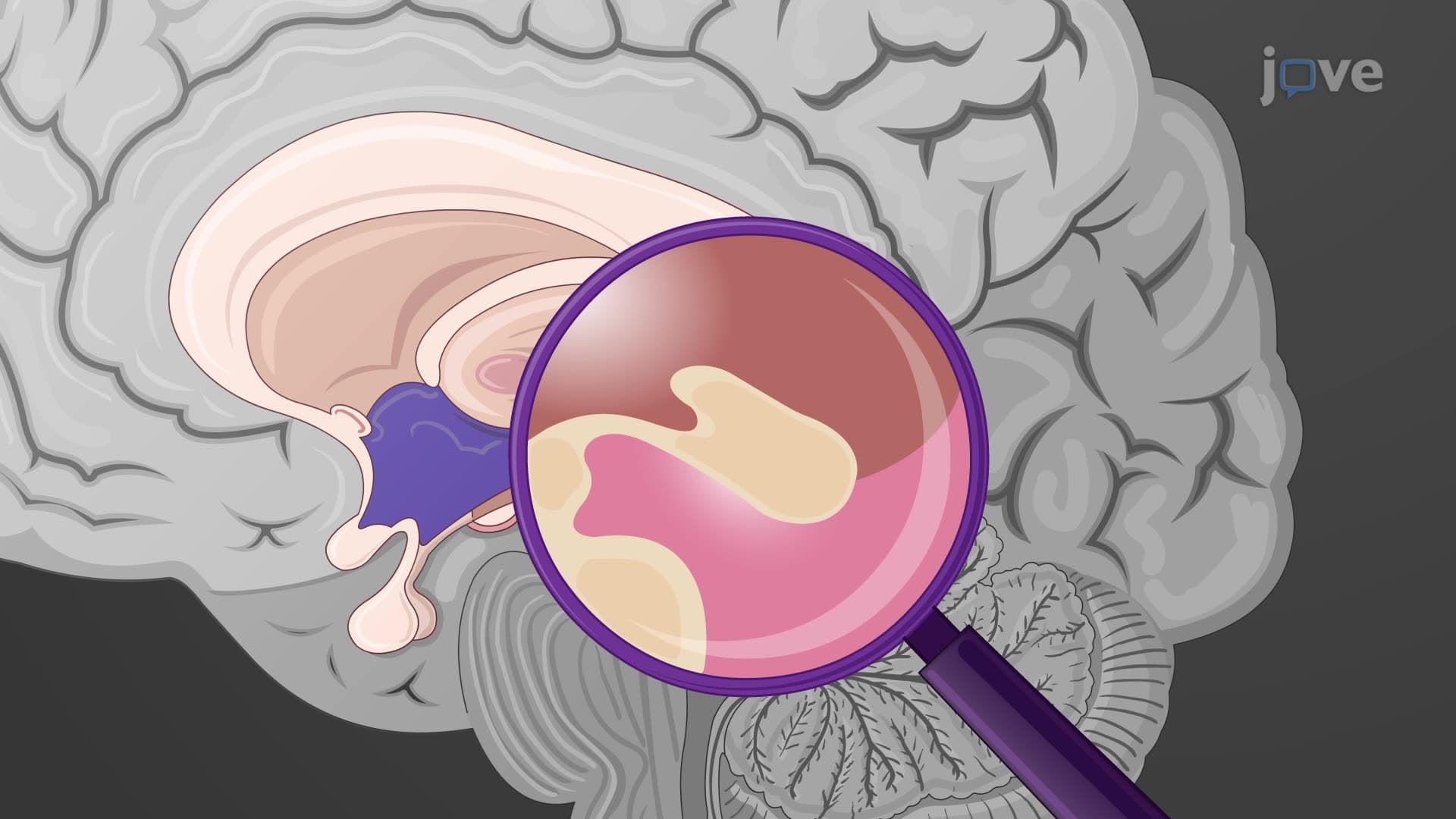
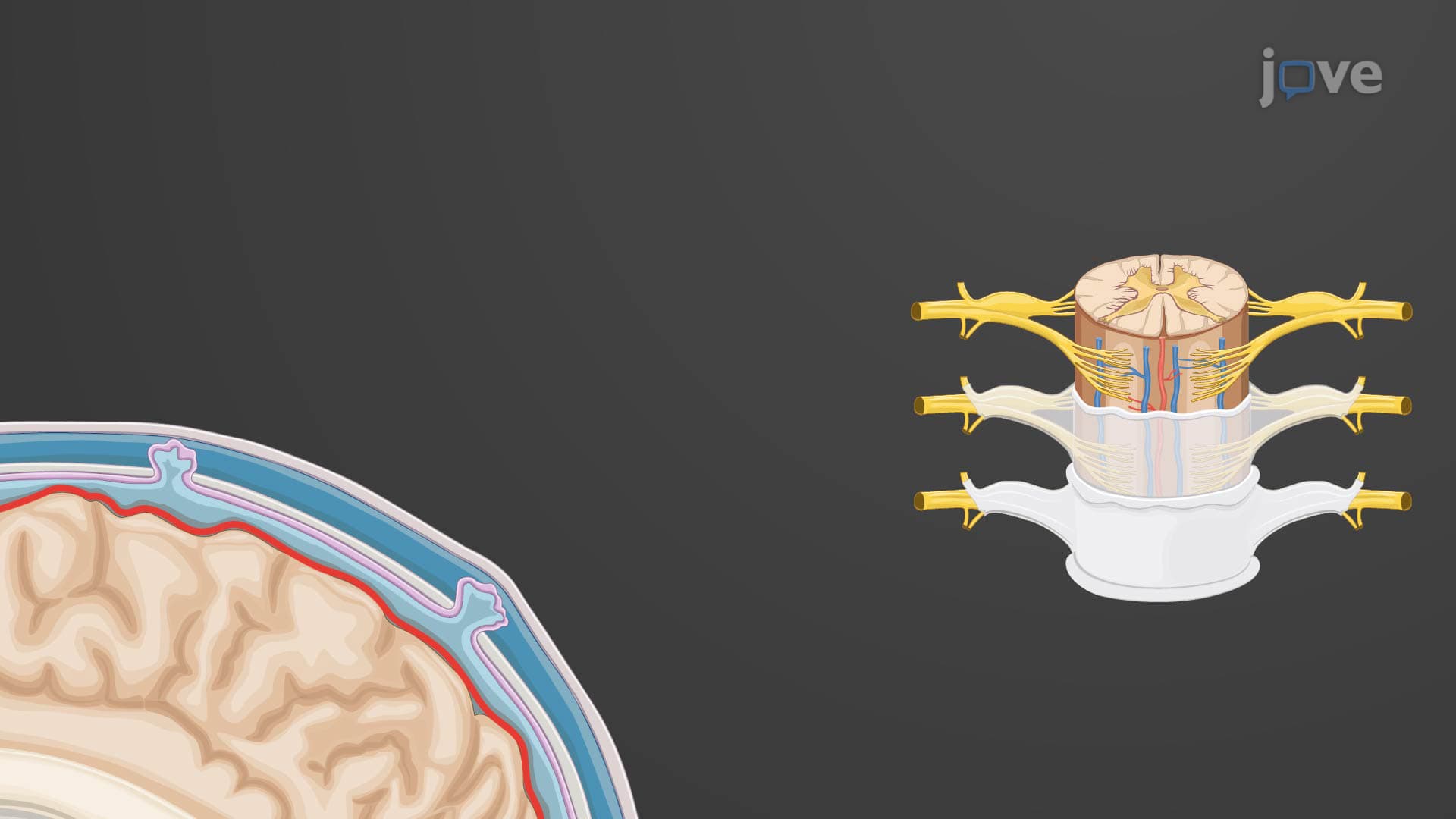
Once produced, cerebrospinal fluid follows a precisely orchestrated circulation pattern. From the lateral ventricles, CSF flows through the third ventricle, then via the cerebral aqueduct into the fourth ventricle. This pathway, frequently tested in anatomy courses at institutions like Johns Hopkins University School of Medicine, demonstrates the interconnected nature of brain anatomy. The fluid then exits through three apertures-two lateral foramina of Luschka and the median foramen of Magendie-entering the subarachnoid space that surrounds both brain and spinal cord.
Perhaps the most remarkable aspect of cerebrospinal fluid biology involves its protective mechanisms. The brain, which would weigh approximately 3.3 pounds in air, effectively weighs only 1.8 ounces when suspended in CSF. This buoyancy effect, studied extensively at research institutions like the Mayo Clinic, prevents the brain from crushing under its own weight against the skull's interior. Additionally, CSF acts as a hydraulic shock absorber, distributing impact forces during head trauma-a concept particularly relevant for students interested in sports medicine or emergency medicine careers.
Related Micro-courses