Loading video…


 26 Concepts
 99.2K views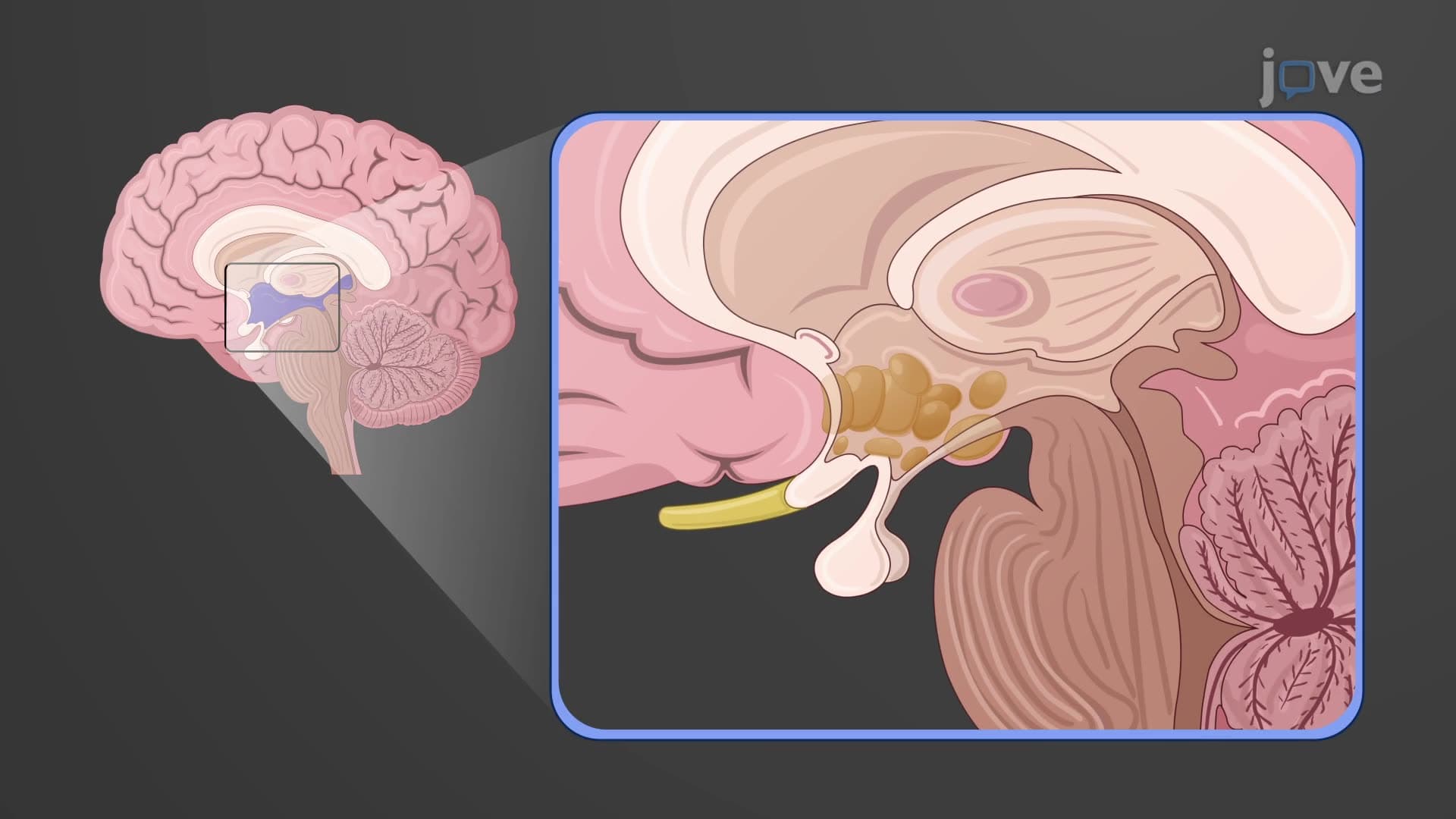

Video Summary: What Is Diencephalon Hypothalamus and Coordination
Ever wonder why you feel hungry at regular times or wake up naturally each morning? The hypothalamus coordination brain functions as your body's master control center, orchestrating everything from hunger to sleep cycles. Consider how patients with traumatic brain injuries affecting the hypothalamus at Johns Hopkins Hospital often struggle with temperature regulation and disrupted sleep patterns. Understanding what is diencephalon hypothalamus and coordination reveals how this small but mighty brain region maintains life's essential rhythms through its four specialized regions and intricate neural networks. Watch the full video on JoVE Coach to master this concept with expert-led visuals and step-by-step explanations.
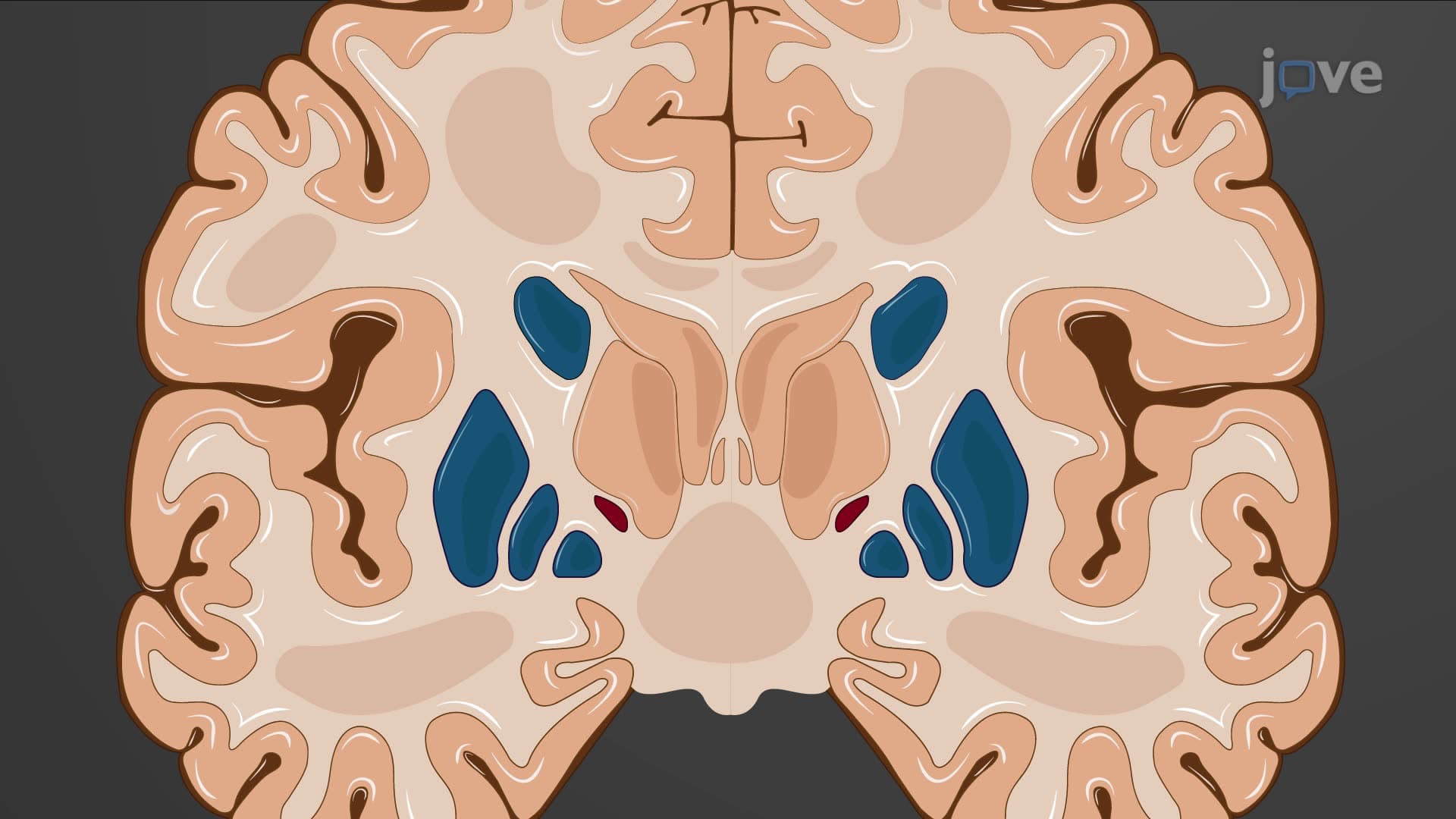
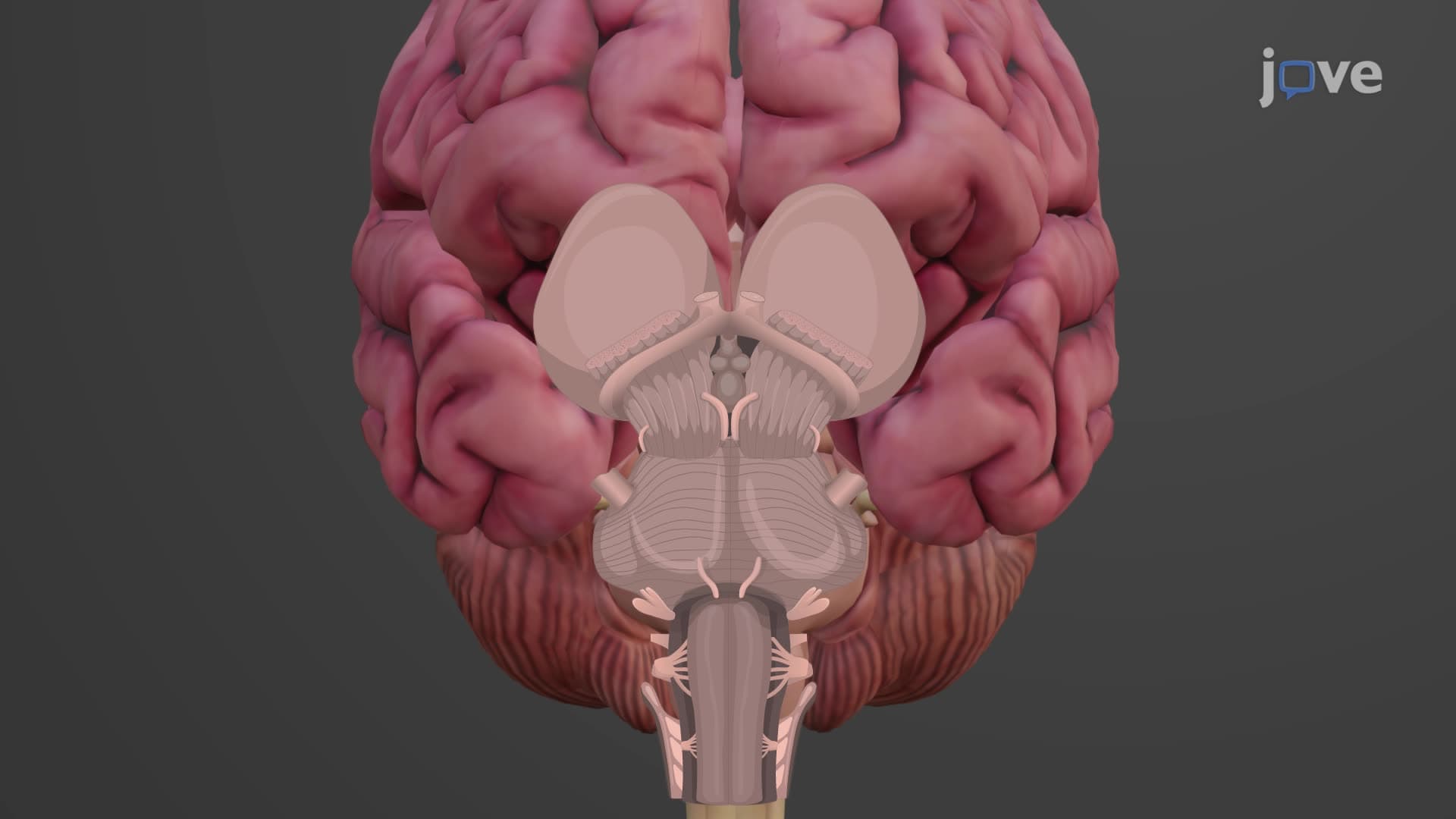
The diencephalon hypothalamus function extends far beyond simple neural processing-it serves as the body's primary coordination hub for maintaining internal balance. This walnut-sized structure, weighing less than 5 grams, manages an extraordinary range of physiological processes that keep us alive and healthy. Students preparing for AP Biology or college-level anatomy courses must grasp how this region integrates multiple inputs to produce coordinated outputs affecting every body system.
The mammillary region acts as both a relay station and thermostat. Its mammillary bodies process olfactory information while posterior hypothalamic nuclei generate heat production responses. When a student shivers during a cold Minnesota winter, these nuclei are coordinating muscle contractions to maintain core body temperature at 98.6°F.
The tuberal region houses the body's appetite control center through its ventromedial and arcuate nuclei. These structures detect hormones like leptin from fat cells and ghrelin from the stomach, explaining why students feel hungry before lunch period or satisfied after eating. The infundibulum connects directly to the pituitary gland, making this region crucial for neuroendocrine hypothalamus pituitary communication.
The supraoptic region produces oxytocin and vasopressin-hormones essential for social bonding and water balance. Paraventricular nuclei respond to stress by triggering cortisol release, while the suprachiasmatic nucleus (SCN) maintains our 24-hour biological clock. Medical students studying for the MCAT must understand how SCN disruption causes jet lag and shift work disorders commonly seen in healthcare professionals.
The preoptic region's thermoregulatory functions become critical in clinical settings. When patients at Mayo Clinic develop hypothalamic lesions, they may experience poikilothermia-inability to regulate body temperature. Understanding hypothalamus homeostasis mechanisms helps explain conditions from diabetes insipidus to seasonal affective disorder, making this topic essential for pre-med students and those pursuing healthcare careers.
Related Micro-courses