Loading subject page…


99,205 views

Video Summary: What Is Spinal Cord Information Processing
When you accidentally touch a hot stove, your hand pulls back before you even consciously feel the pain-this lightning-fast response showcases spinal cord information processing in action. This sophisticated neural system manages the constant flow of sensory data from your fingertips to your brain while simultaneously coordinating motor commands that control everything from walking to reflexive movements. Watch the full video on JoVE Coach to master this concept with expert-led visuals and step-by-step explanations.
Spinal cord information processing represents one of the most elegant examples of biological engineering in the human nervous system. This complex network serves as the primary communication highway between your brain and the rest of your body, processing millions of neural signals every second. Unlike a simple relay station, the spinal cord actively filters, integrates, and responds to information, making split-second decisions that can mean the difference between injury and safety.
The spinal cord's processing capabilities become particularly evident during emergencies. When a medical student at Johns Hopkins accidentally contacts a scalpel during dissection, their spinal reflexes withdraw the hand in approximately 50 milliseconds-far faster than the 200+ milliseconds required for conscious brain processing. This demonstrates how neural processing spinal cord mechanisms can override slower cognitive responses.
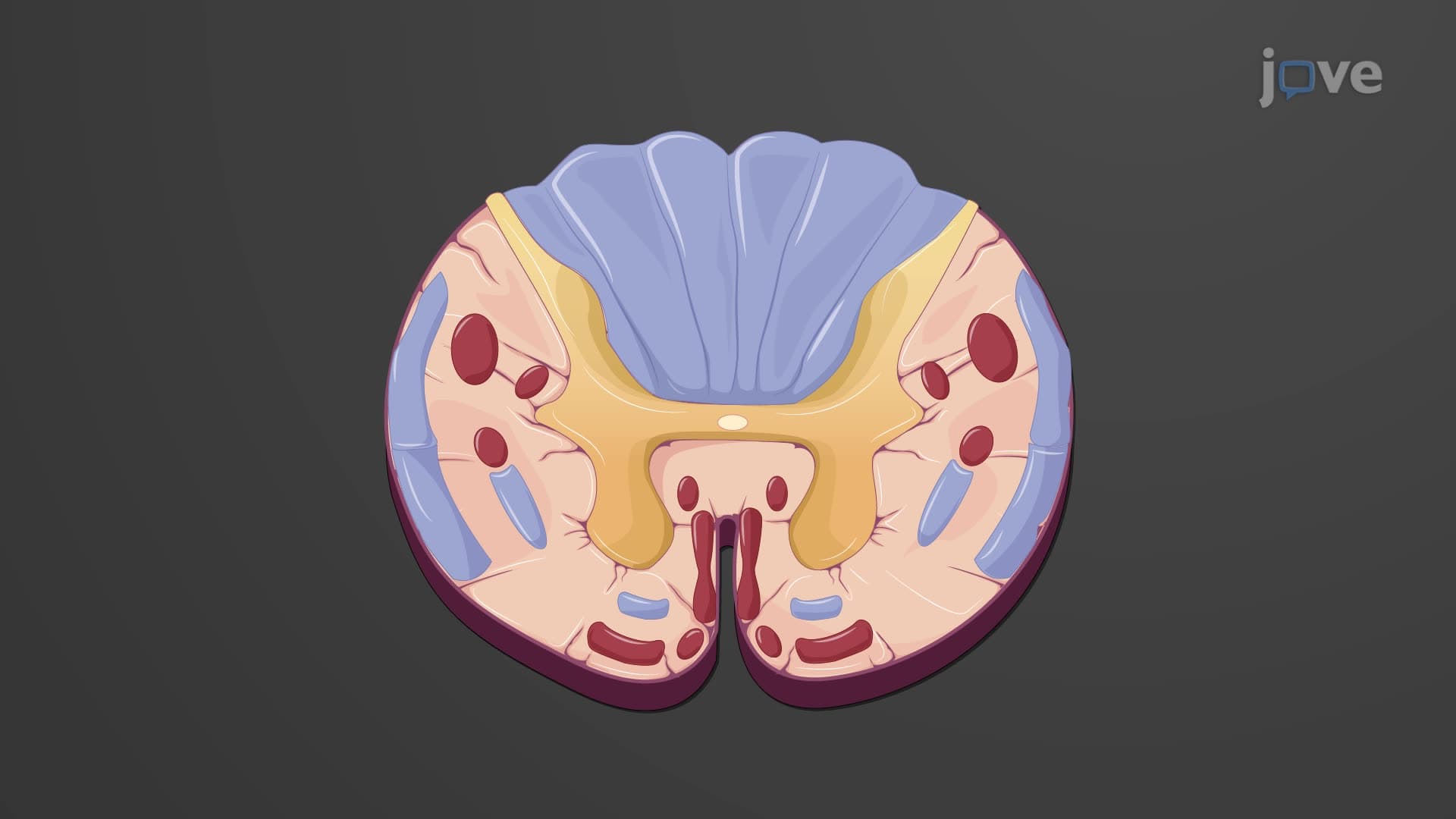
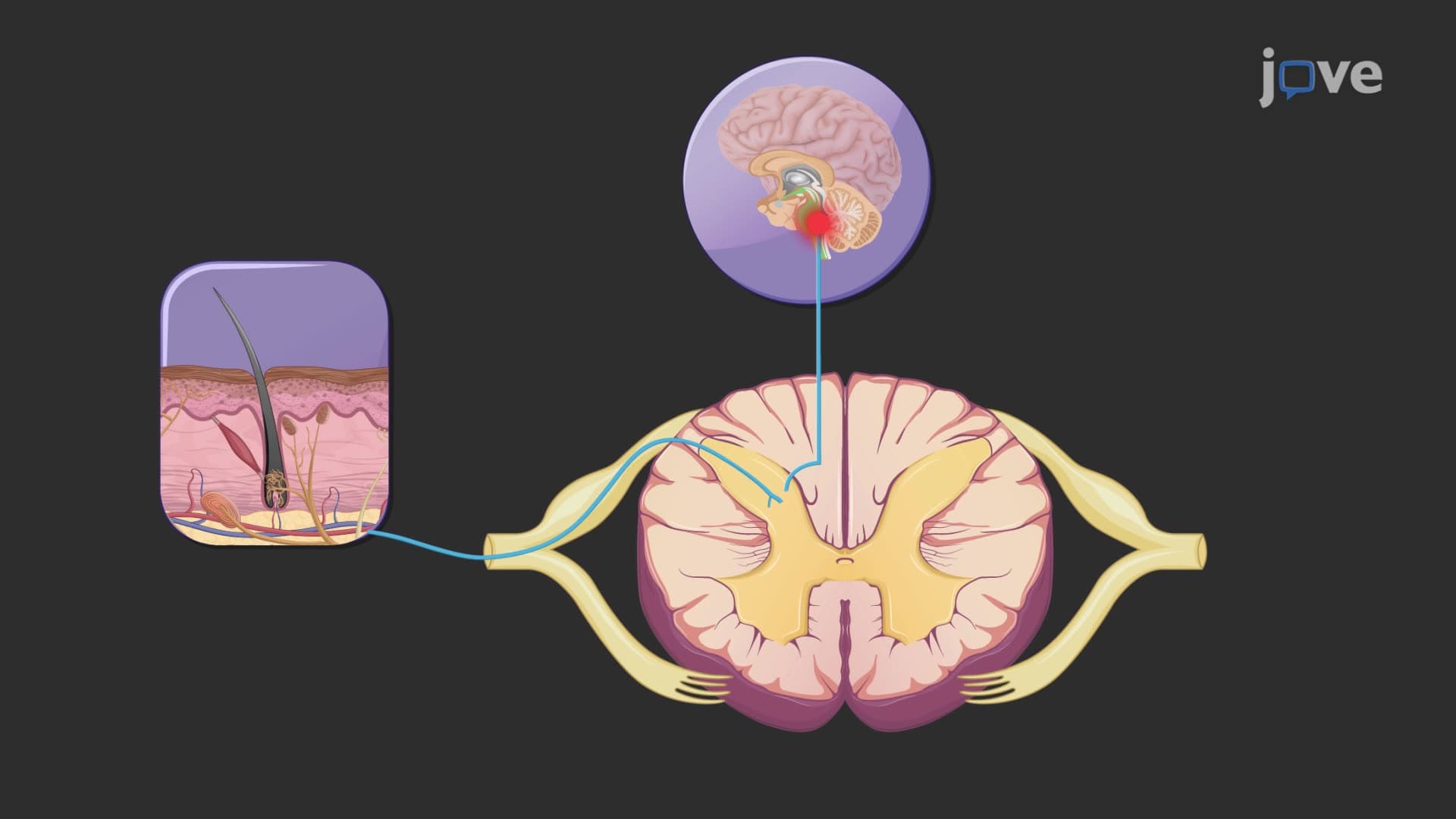
Sensory information entering the spinal cord follows three distinct pathways, each serving different functional purposes. The first pathway involves direct transmission to the brain via ascending sensory tracts in the white matter. These tracts, including the dorsal column-medial lemniscal pathway and spinothalamic tract, carry precise information about touch, pressure, temperature, and pain to the brain's sensory cortex.
The second pathway involves interneuron spinal processing within the dorsal gray horn. These interneurons can modify, amplify, or inhibit sensory signals before transmitting them to the brain. This processing explains why rubbing a bumped elbow reduces pain sensation-the gate control theory demonstrates how non-painful touch signals can suppress pain transmission at the spinal level.
The third pathway enables immediate spinal reflex responses without brain involvement. When sensory neurons synapse directly with motor neurons in the ventral gray horn, they create monosynaptic reflexes like the knee-jerk response tested in medical examinations across US hospitals.
Descending motor pathway spinal processing begins when the brain's motor cortex generates commands for voluntary movement. These signals travel through the corticospinal tract, crossing at the medulla before reaching the spinal cord's white matter. At the appropriate spinal level, these descending signals enter the ventral gray horn, where they synapse with motor neurons.
Motor neurons in the ventral gray horn integrate multiple inputs-descending commands from the brain, local sensory feedback, and signals from spinal interneurons. This integration allows for smooth, coordinated movements. Physical therapy programs at institutions like the Mayo Clinic utilize this understanding to help stroke patients retrain motor pathways and recover function.
Understanding spinal cord information processing proves essential for success on the MCAT Biology section, where questions frequently test knowledge of neural pathways and reflex arcs. AP Biology students encounter this topic when studying nervous system coordination and integration. Medical students preparing for USMLE Step 1 must thoroughly understand these pathways to answer questions about neurological disorders and spinal cord injuries.
In clinical practice, this knowledge helps healthcare providers understand conditions like spinal cord compression, multiple sclerosis, and amyotrophic lateral sclerosis (ALS), where specific processing pathways become compromised.
Related Micro-courses