Loading subject page…

- Anatomy and Physiology
- The Endocrine System
- Diabetes Mellitus: Overview and Type I Subtype
Micro-course: The Endocrine System
112,914 views
Learn key concepts and earn your certificate.







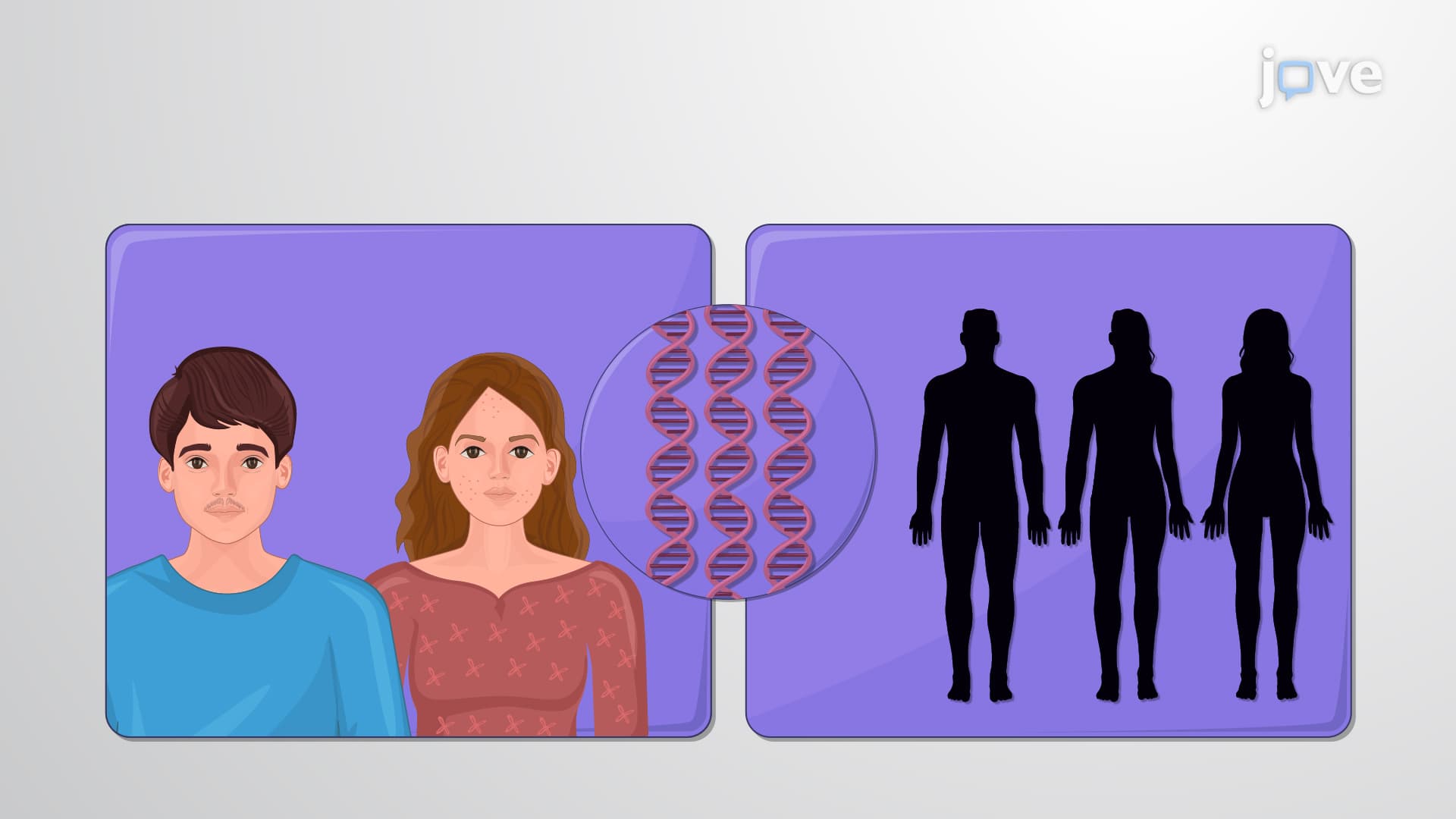

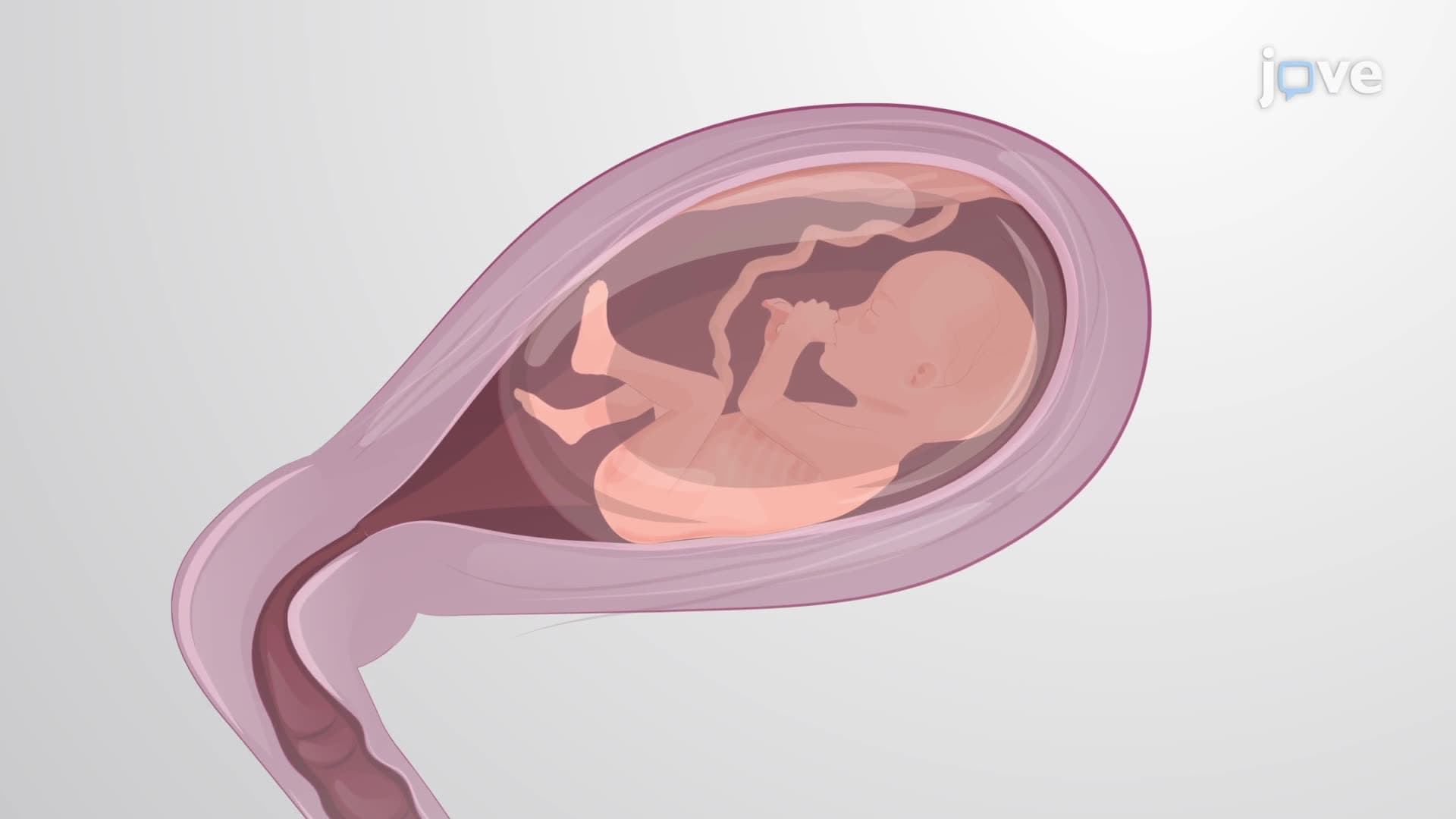
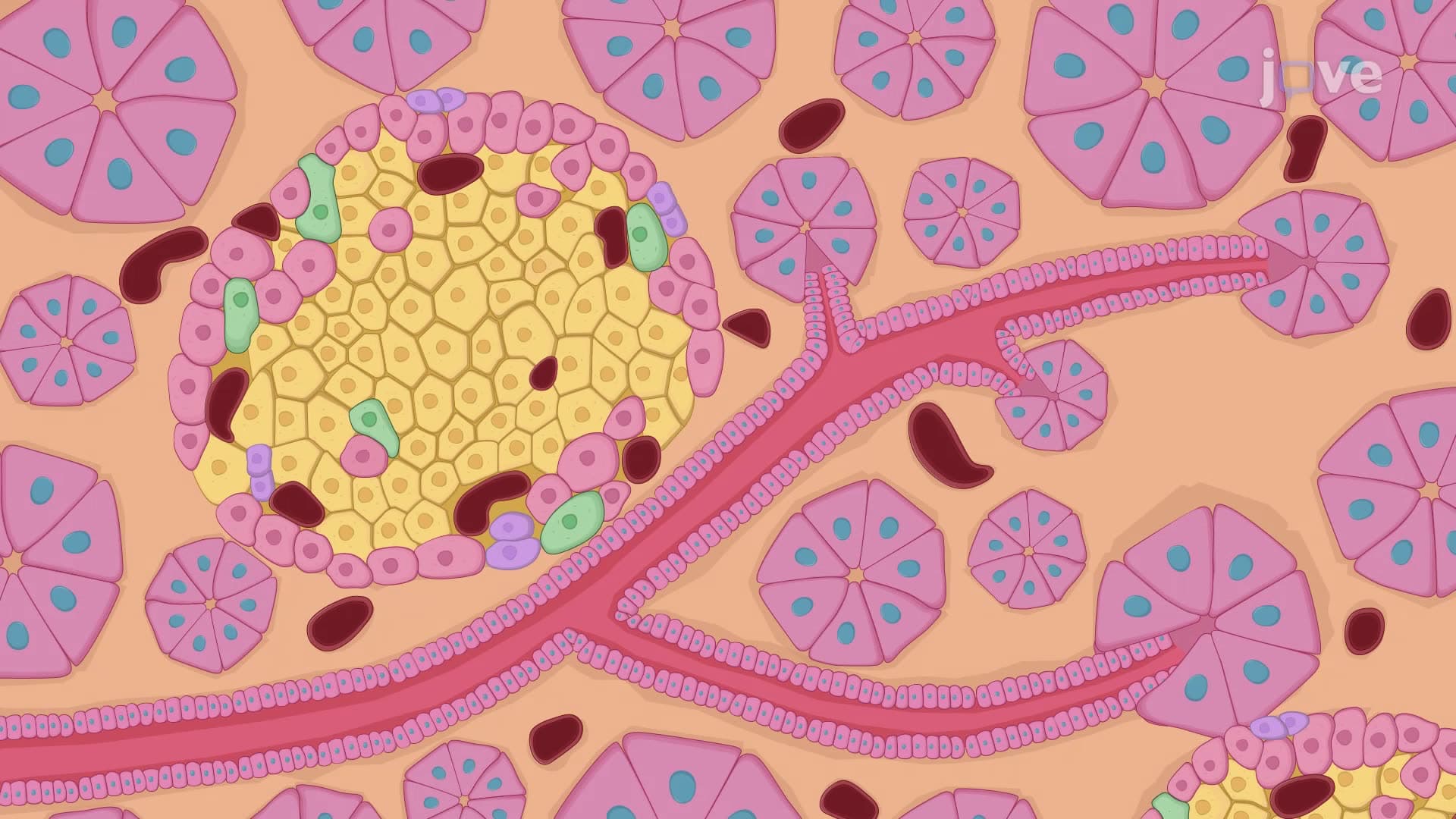


Diabetes Mellitus: Overview and Type I Subtype


00:00
01:22
Video Summary: Diabetes Mellitus Overview and Type Explained
Did you know that over 37 million Americans live with diabetes, yet many don't understand the critical differences between its types? This diabetes mellitus overview types exploration reveals how this endocrine disorder disrupts insulin function, leading to dangerous blood sugar accumulation. From the autoimmune destruction seen in juvenile diabetes to the insulin resistance patterns affecting millions of adults, understanding Diabetes Mellitus Overview And Type Explained is essential for recognizing symptoms like those experienced by the estimated 1.9 million Americans diagnosed annually. Watch the full video on JoVE Coach to master this concept with expert-led visuals and step-by-step explanations.
- Understand the fundamental mechanisms behind Diabetes Mellitus Overview And Type Explained, including how insulin dysfunction leads to hyperglycemia
- Identify the key differences between Type 1, Type 2, and gestational diabetes based on underlying pathophysiology
- Analyze how autoimmune destruction of pancreatic beta cells creates insulin-dependent diabetes in young patients
- Compare the risk factors and onset patterns between different diabetes classifications
- Evaluate the relationship between glucose transporters, insulin binding, and cellular glucose uptake
- Apply knowledge of diabetes diagnosis criteria to recognize symptoms in clinical scenarios
- Recognize the long-term complications of untreated diabetes, including cardiovascular and renal damage
- Explore treatment approaches ranging from insulin replacement therapy to lifestyle interventions
Understanding Diabetes Mellitus Overview And Type Explained
Diabetes mellitus represents one of the most significant health challenges in modern America, affecting how the body processes glucose-the primary fuel for cellular energy. This complex endocrine disorder fundamentally disrupts the delicate balance between insulin production, insulin sensitivity, and glucose metabolism. Unlike simple sugar fluctuations from eating candy, diabetes involves chronic dysfunction of the pancreatic insulin system, creating persistent hyperglycemia that can damage virtually every organ system.
The Insulin-Glucose Connection and Hyperglycemia Development
In healthy individuals, insulin acts as a cellular "key," binding to receptors and triggering the expression of glucose transporter proteins (particularly GLUT4) that allow cells to absorb glucose from the bloodstream. When this system fails-either through inadequate insulin production or cellular insulin resistance-glucose accumulates in the blood, creating the hallmark hyperglycemia of diabetes mellitus. This process explains why diabetic patients often experience symptoms like excessive thirst, frequent urination, and unexplained fatigue as their bodies attempt to eliminate excess glucose.
Type 1 Diabetes: Autoimmune Destruction and Insulin Dependence
Type 1 diabetes, formerly called juvenile diabetes, typically emerges during childhood or adolescence through an autoimmune process that destroys insulin-producing beta cells in the pancreatic islets of Langerhans. Unlike Type 2 diabetes, which develops gradually, Type 1 often presents dramatically-children may suddenly develop severe symptoms requiring immediate medical intervention. Students preparing for the MCAT or AP Biology exams should understand that Type 1 diabetes patients become completely insulin-dependent, requiring lifelong insulin replacement therapy through injections or continuous insulin pumps. The exact triggers remain unclear, though genetic predisposition plays a significant role, with certain HLA gene variants increasing susceptibility.
Clinical Implications and Long-term Complications
Untreated or poorly managed diabetes leads to devastating complications affecting multiple body systems. Cardiovascular disease remains the leading cause of death among diabetic patients, while diabetic nephropathy can progress to kidney failure requiring dialysis. Diabetic neuropathy causes nerve damage, potentially leading to amputations, while diabetic retinopathy threatens vision. These complications underscore why early diagnosis and proper management are crucial-concepts frequently tested on nursing exams like NCLEX and medical school assessments like USMLE Step 1.
Frequently Asked Questions
Diabetes mellitus is an endocrine disorder where the body cannot properly regulate blood glucose due to insulin problems. Type 1 involves autoimmune destruction of insulin-producing cells, while Type 2 typically involves insulin resistance where cells don't respond properly to insulin. Gestational diabetes occurs during pregnancy due to hormonal changes affecting insulin sensitivity.
MCAT questions often focus on the molecular mechanisms of insulin signaling and glucose transport, while AP Biology emphasizes the feedback loops in glucose homeostasis. Both exams may present data interpretation scenarios involving blood glucose levels and insulin responses. Students should understand the cellular biology of GLUT4 transporters and pancreatic beta cell function.
NCLEX emphasizes clinical management, including recognizing signs of hyperglycemia, understanding insulin administration protocols, and identifying complications like diabetic ketoacidosis. Questions often involve patient education scenarios and medication timing. The exam frequently tests knowledge of different insulin types and their onset/peak/duration profiles.
Diabetes serves as an excellent model for understanding endocrine system dysfunction, cellular signaling pathways, and homeostatic mechanisms. It connects concepts from biochemistry (glucose metabolism), anatomy (pancreatic structure), and pathophysiology (disease progression). Many physiology courses use diabetes case studies to integrate multiple body systems.
Consider that diabetes affects over 11% of the US population, with higher rates in certain communities-Native Americans and African Americans face disproportionate risks. The economic burden exceeds $327 billion annually in healthcare costs and lost productivity. Students can relate to this through school health screenings or family experiences with diabetes management.
Not at all-while diabetes involves sophisticated biochemistry, the core concepts are highly accessible. Students already understand basic nutrition and metabolism from biology classes. Starting with the simple analogy of insulin as a "cellular key" for glucose entry makes the complex signaling pathways more comprehensible. Many high school students successfully master these concepts for AP exams.
Create concept maps connecting insulin function, glucose metabolism, and disease complications. Practice with clinical scenarios and data interpretation questions. Focus on understanding the "why" behind each diabetes type rather than memorizing isolated facts. Use active recall techniques by explaining the insulin signaling pathway without notes, then checking your understanding against authoritative sources.
Students should investigate diabetes complications in greater detail, including the molecular basis of diabetic nephropathy and retinopathy. Advanced topics include incretin hormones, continuous glucose monitoring technology, and emerging immunotherapies for Type 1 diabetes. Understanding diabetes genetics and pharmacology provides excellent preparation for advanced health science coursework.
Related Micro-courses


