Loading subject page…


112,914 views


Video Summary: Diabetes Mellitus Type 2 and Gestational Explained
Did you know that over 37 million Americans live with type 2 gestational diabetes and related conditions, yet many don't understand how insulin resistance differs from insulin deficiency? Type 2 diabetes occurs when cells become resistant to insulin, while gestational diabetes develops during pregnancy, affecting about 10% of pregnancies in the US according to the CDC. Both conditions in Diabetes Mellitus Type 2 And Gestational Explained share similar mechanisms but have distinct triggers and outcomes. Watch the full video on JoVE Coach to master this concept with expert-led visuals and step-by-step explanations.
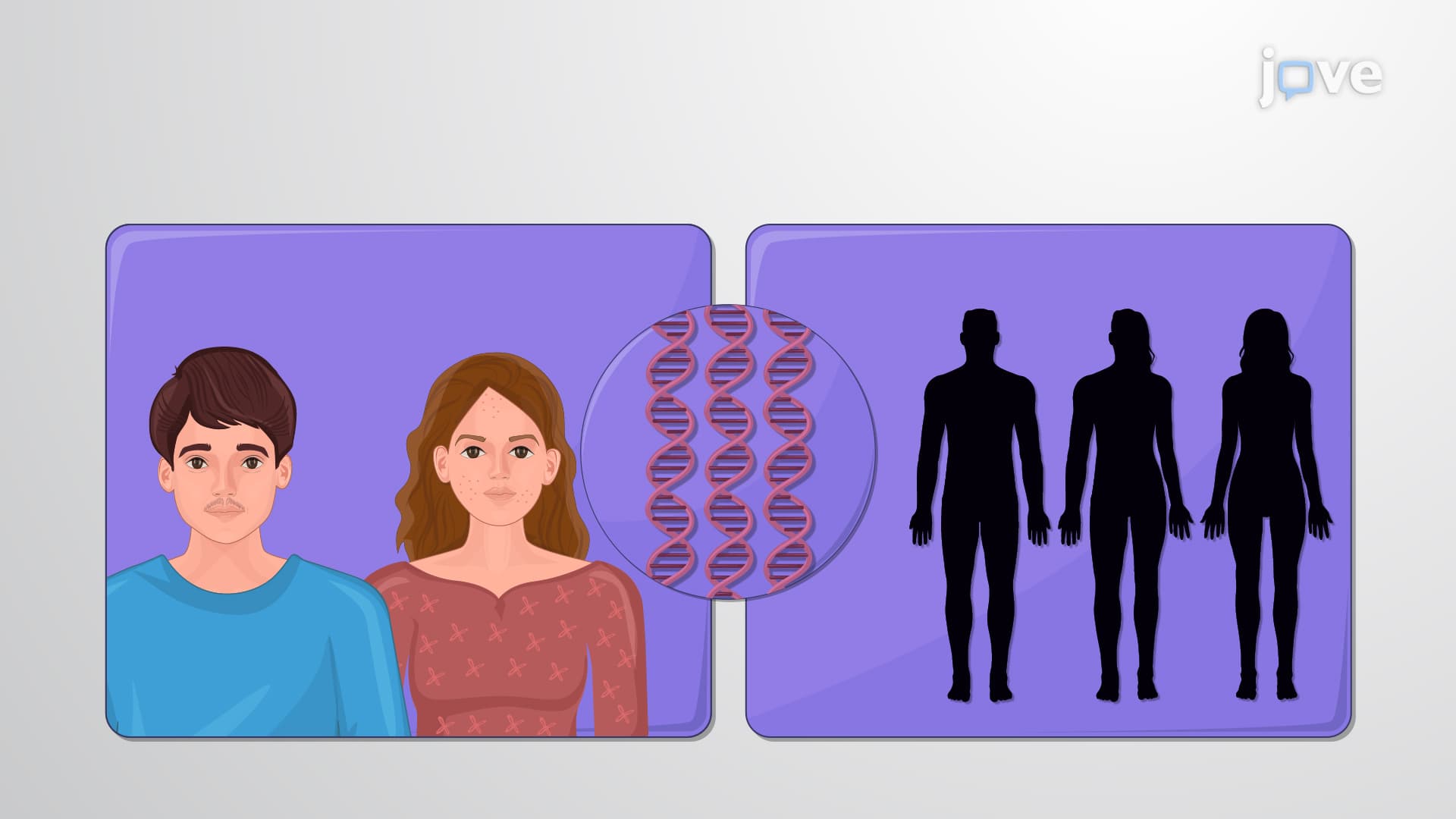
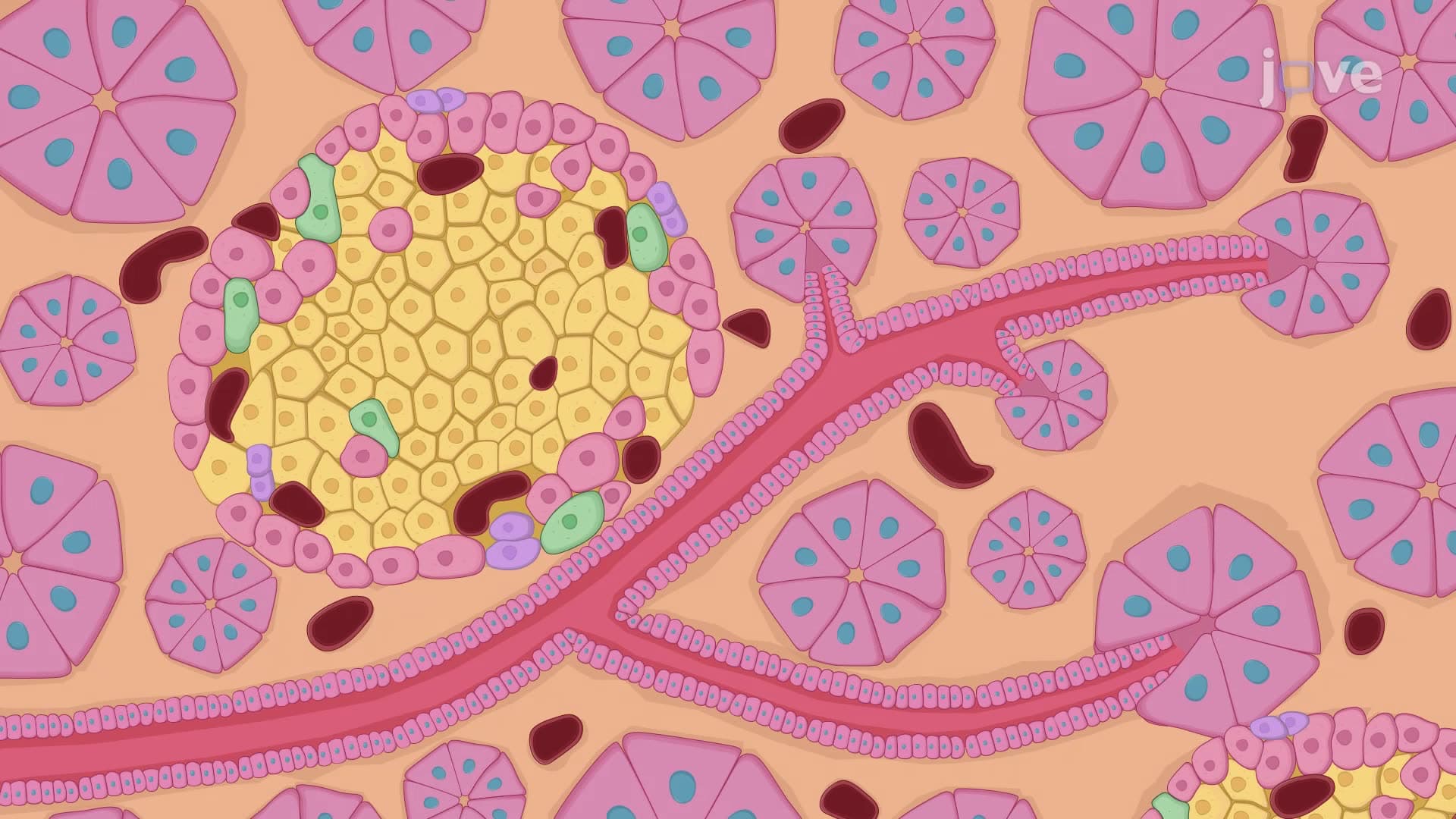
Type 2 diabetes represents a fundamentally different disease process than type 1 diabetes. While type 1 involves autoimmune destruction of pancreatic beta cells, type 2 diabetes centers on insulin resistance type 2 mechanisms. In healthy individuals, insulin acts like a key, unlocking cellular doors to allow glucose entry. However, in type 2 diabetes, these cellular "locks" become damaged or altered, preventing insulin from working effectively despite normal or even elevated insulin production.
This insulin resistance type 2 pathophysiology typically develops gradually over years. Initially, the pancreas compensates by producing more insulin, but eventually, this compensation fails, leading to hyperglycemia. The American Diabetes Association defines diabetes using specific glucose thresholds: fasting plasma glucose ≥126 mg/dL, random plasma glucose ≥200 mg/dL with symptoms, or HbA1c ≥6.5%.
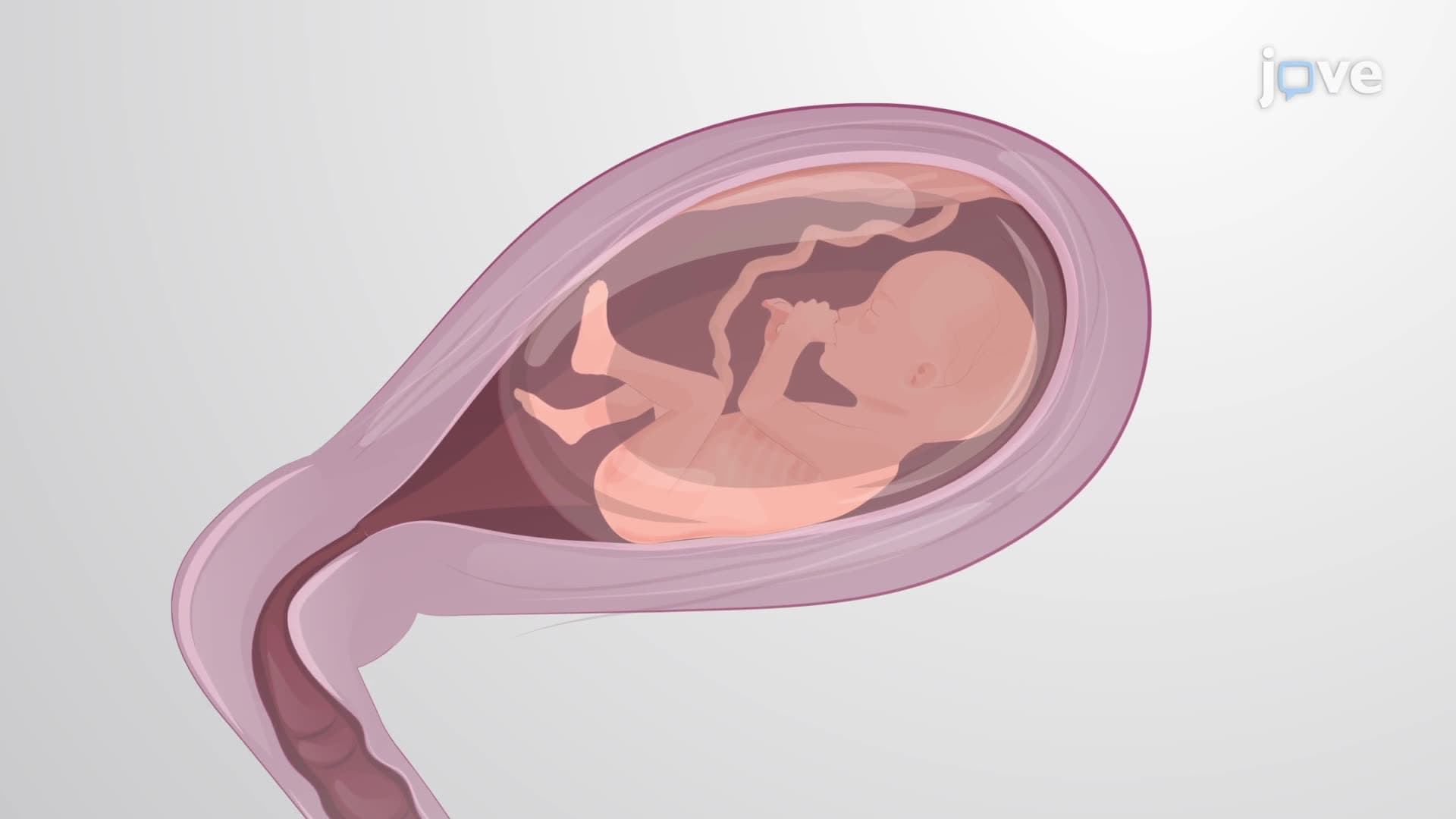
Gestational glucose intolerance affects approximately 6-9% of pregnancies in the United States, making it one of the most common pregnancy complications. GDM pregnancy diabetes develops when hormones produced by the placenta, particularly human placental lactogen and progesterone, interfere with maternal insulin action. This creates a state of physiological insulin resistance that normally helps ensure adequate glucose delivery to the developing fetus.
However, when this resistance becomes excessive, gestational diabetes risk increases significantly. The condition typically develops around 24-28 weeks of pregnancy when placental hormone production peaks. Unlike type 2 diabetes, GDM usually resolves after delivery, but it serves as a powerful predictor of future metabolic dysfunction.
Healthcare providers use the oral glucose tolerance test (OGTT) to diagnose both conditions. For type 2 diabetes, this involves measuring glucose levels after an 8-hour fast, then again 2 hours after consuming a 75g glucose solution. Gestational diabetes screening typically occurs between 24-28 weeks using a similar protocol, though some high-risk patients may be screened earlier.
Students preparing for the MCAT or AP Biology exams should understand that these diagnostic criteria aren't arbitrary-they're based on glucose levels associated with increased risk of complications. For instance, fetal macrosomia (birth weight >4000g) becomes significantly more likely when maternal glucose exceeds certain thresholds during pregnancy.
The long-term implications of both conditions extend far beyond glucose control. Cardiovascular disease remains the leading cause of death in type 2 diabetic patients, while women with GDM history face a 50% chance of developing type 2 diabetes within 10 years postpartum.
Related Micro-courses