Loading subject page…


112,914 views

Video Summary: What are Adrenal Gland Disorders
Did you know that President John F. Kennedy secretly battled Addison's disease throughout his presidency? Adrenal gland disorders types encompass a range of conditions where these small but mighty glands produce either too much or too little of critical hormones like cortisol and aldosterone. What are adrenal gland disorders exactly? They're medical conditions affecting hormone production that can dramatically impact everything from blood pressure to stress response, as seen in patients at major US medical centers like Mayo Clinic and Johns Hopkins. Watch the full video on JoVE Coach to master this concept with expert-led visuals and step-by-step explanations.
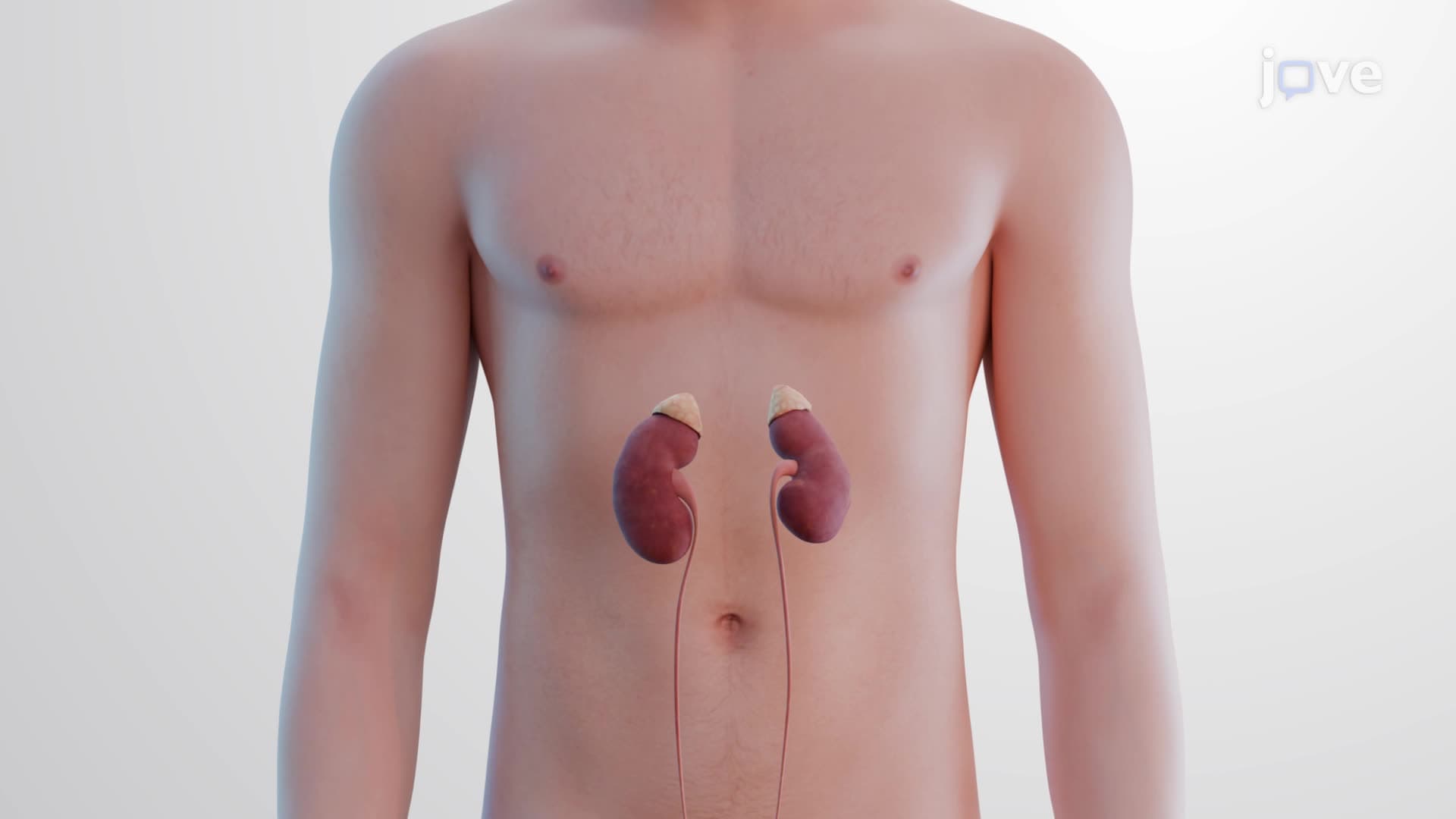
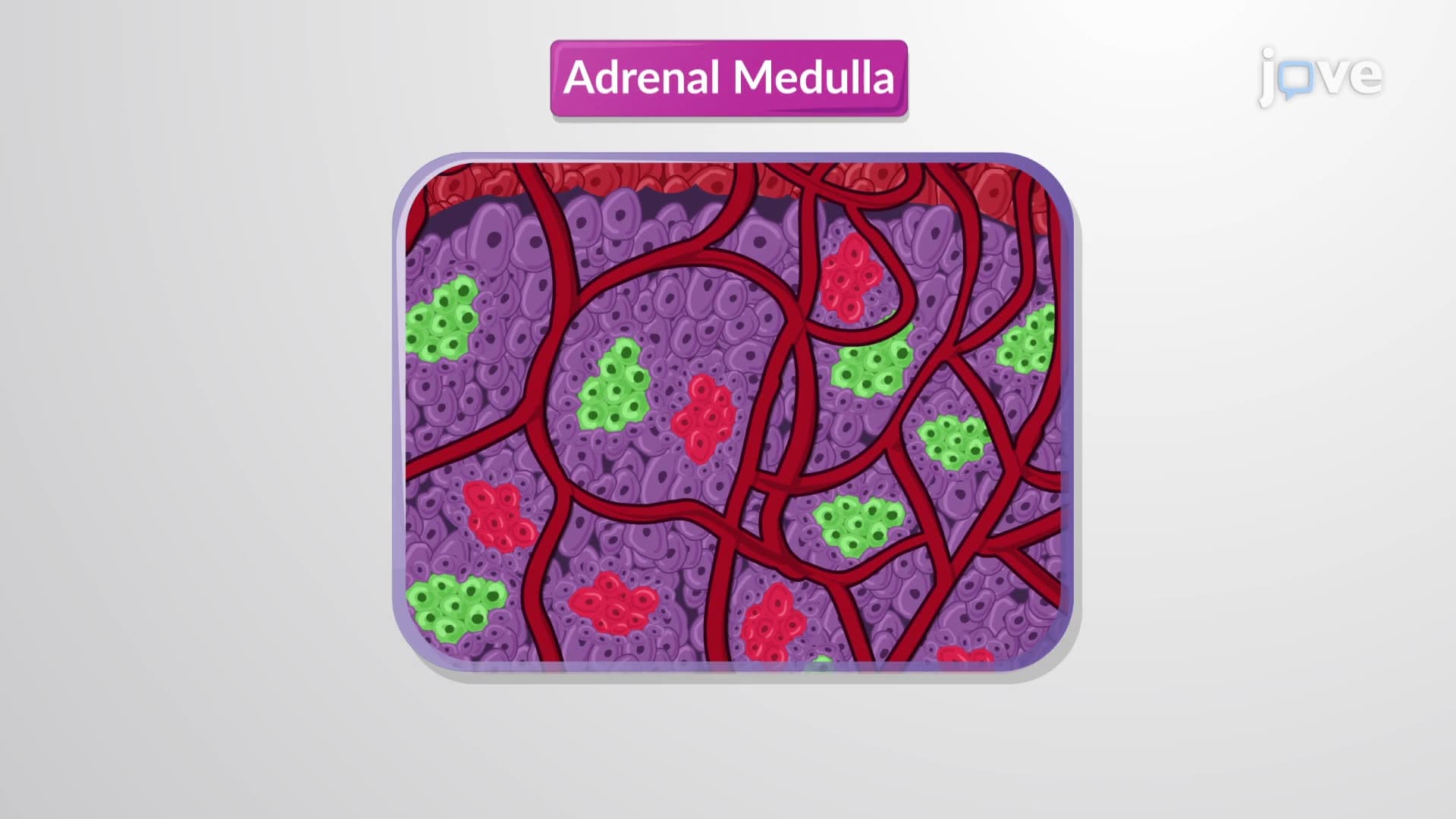
Adrenal gland disorders types represent a complex group of endocrine conditions that occur when these triangular-shaped glands positioned above each kidney malfunction. The adrenal glands consist of two distinct regions: the outer cortex producing steroid hormones (cortisol, aldosterone, and androgens) and the inner medulla secreting catecholamines (epinephrine and norepinephrine). When adrenal disorder biology explained in medical schools across the United States, students learn that these conditions fundamentally involve either hyperfunction or hypofunction of hormone production.
Addison's disease exemplifies primary adrenal insufficiency, where autoimmune destruction of the adrenal cortex reduces cortisol and aldosterone production by over 90%. This Addison disease insufficiency creates a cascade of metabolic disruptions. Patients develop the characteristic bronze-colored hyperpigmentation due to elevated ACTH levels stimulating melanocyte activity. The condition affects approximately 1 in 100,000 Americans annually, with diagnosis often delayed because early symptoms mimic common conditions like depression or chronic fatigue.
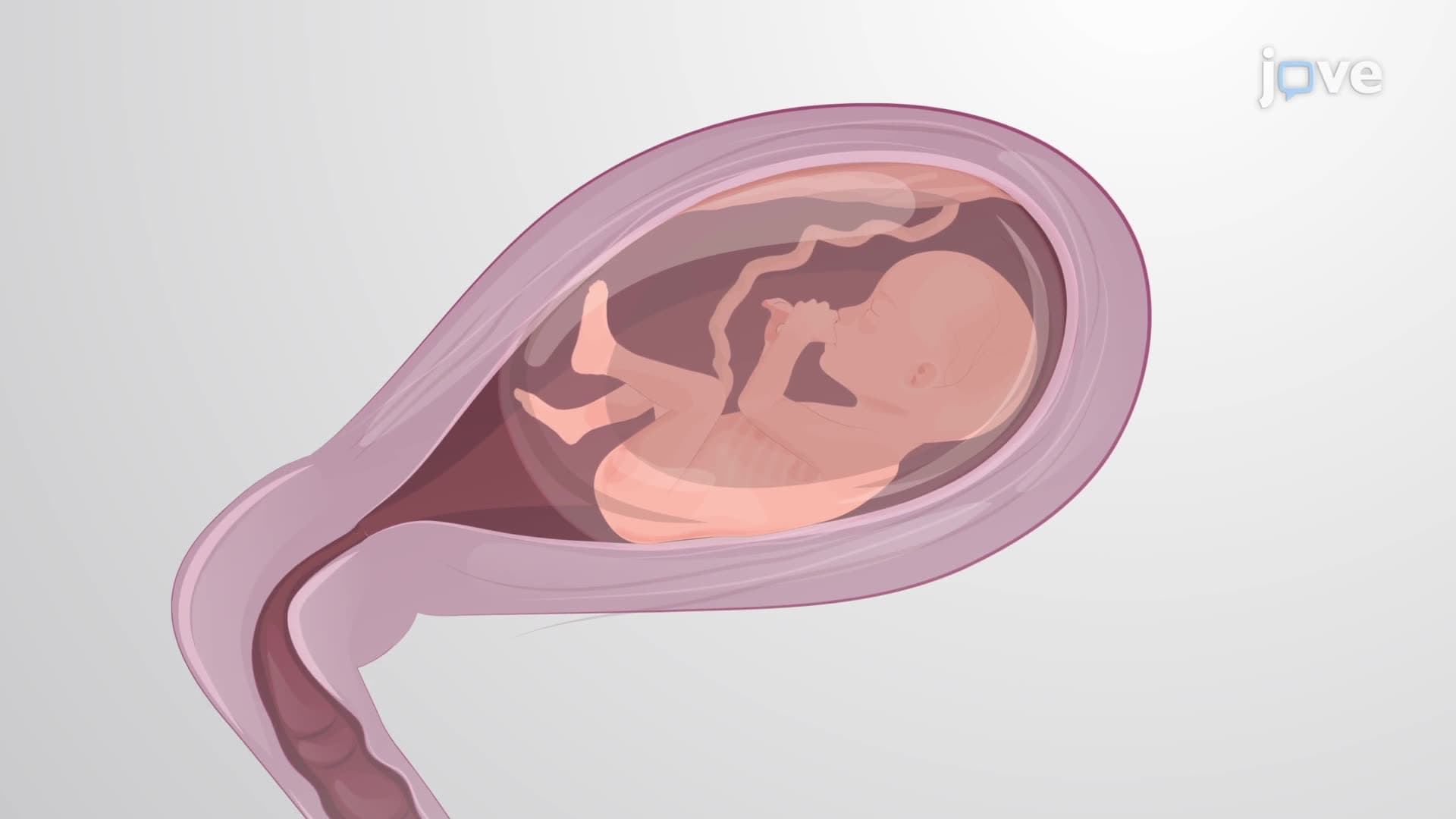
Congenital adrenal hyperplasia (CAH) represents another form of adrenal insufficiency, affecting about 1 in 15,000 newborns in the United States. The most common form involves 21-hydroxylase deficiency, preventing normal cortisol synthesis. This metabolic block causes precursor hormones to be shunted toward androgen production, leading to virilization in females and precocious puberty in males.
Cushing syndrome cortisol excess occurs when cortisol levels remain persistently elevated, affecting roughly 10-15 per million Americans annually. Unlike the gradual onset of Addison's disease, Cushing's syndrome often presents with dramatic physical changes including central obesity, purple striae, and the classic "moon face" appearance. The excess cortisol promotes gluconeogenesis, contributing to diabetes mellitus in approximately 75% of patients.
Pheochromocytoma adrenal tumor represents a rare but potentially life-threatening condition affecting the adrenal medulla. These chromaffin cell tumors secrete excessive catecholamines, causing the classic triad of severe headaches, profuse sweating, and rapid heart rate. Though rare (occurring in less than 0.2% of hypertensive patients), pheochromocytomas require immediate recognition because untreated cases can precipitate hypertensive crises during medical procedures.
Understanding what are the common disorders of the adrenal glands proves essential for students preparing for the MCAT, where endocrinology questions frequently test knowledge of feedback loops and hormone regulation. AP Biology students encounter these concepts when studying homeostasis and regulatory mechanisms. The adrenal disorder classification system helps organize these conditions by anatomical location (cortex versus medulla) and functional status (hypo- versus hyperfunction), making them manageable for standardized test preparation.
Healthcare professionals at institutions like Cleveland Clinic and Massachusetts General Hospital regularly encounter these conditions, making thorough understanding crucial for future medical careers. Treatment approaches vary significantly: hormone replacement therapy for insufficiency states, surgical resection for tumors, and careful medication management for excess conditions.
Related Micro-courses