Loading subject page…


112,914 views

Video Summary: What are Functions of Thyroid Hormones
Did you know that without proper thyroid hormone functions in the body, your heart rate could drop to dangerously low levels while your metabolism slows to a crawl? These powerful chemical messengers control everything from bone development in growing teenagers to energy production in college students cramming for finals. Understanding what are the functions of thyroid hormones reveals how T3 and T4 hormones orchestrate critical processes like cardiovascular function, nervous system development, and cellular metabolism throughout your entire body. Watch the full video on JoVE Coach to master this concept with expert-led visuals and step-by-step explanations.
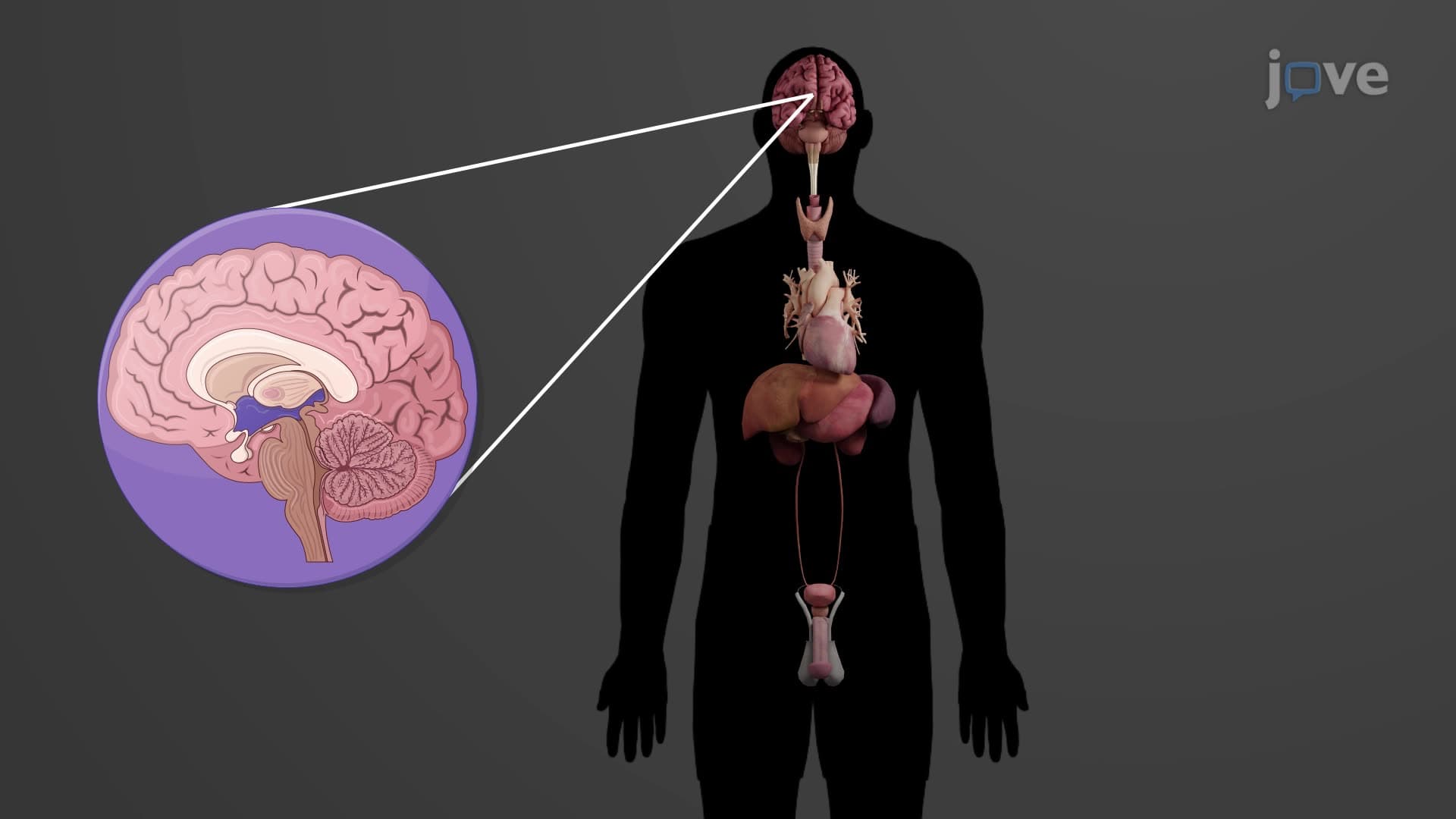
Thyroid hormones T3 (triiodothyronine) and T4 (thyroxine) serve as master regulators of human physiology, controlling processes from cellular energy production to organ system development. These functions of thyroid hormones biology extend far beyond simple metabolism, encompassing growth, reproduction, and cardiovascular health throughout the human lifespan.
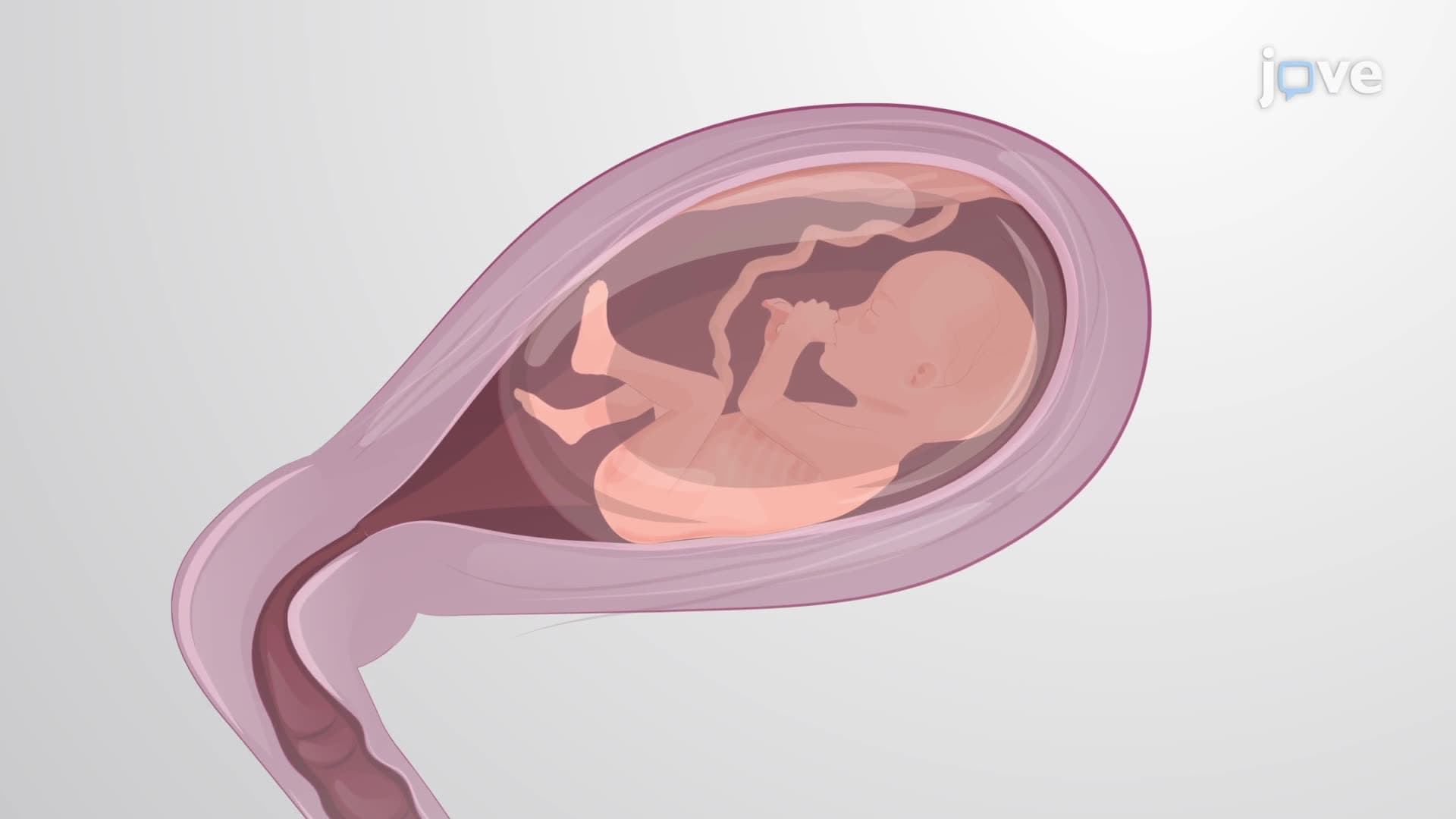
During fetal development and childhood, thyroid hormone functions in the body are absolutely critical for proper maturation. The thyroid CNS development process ensures normal brain formation and cognitive function-children born with congenital hypothyroidism in states like California and Texas undergo mandatory newborn screening to prevent intellectual disabilities. Thyroid hormones accelerate bone mineral turnover, explaining why untreated hypothyroid adolescents often show delayed growth and short stature. These hormones also regulate protein synthesis in developing tissues, making them essential for muscle development during the teenage growth spurt.
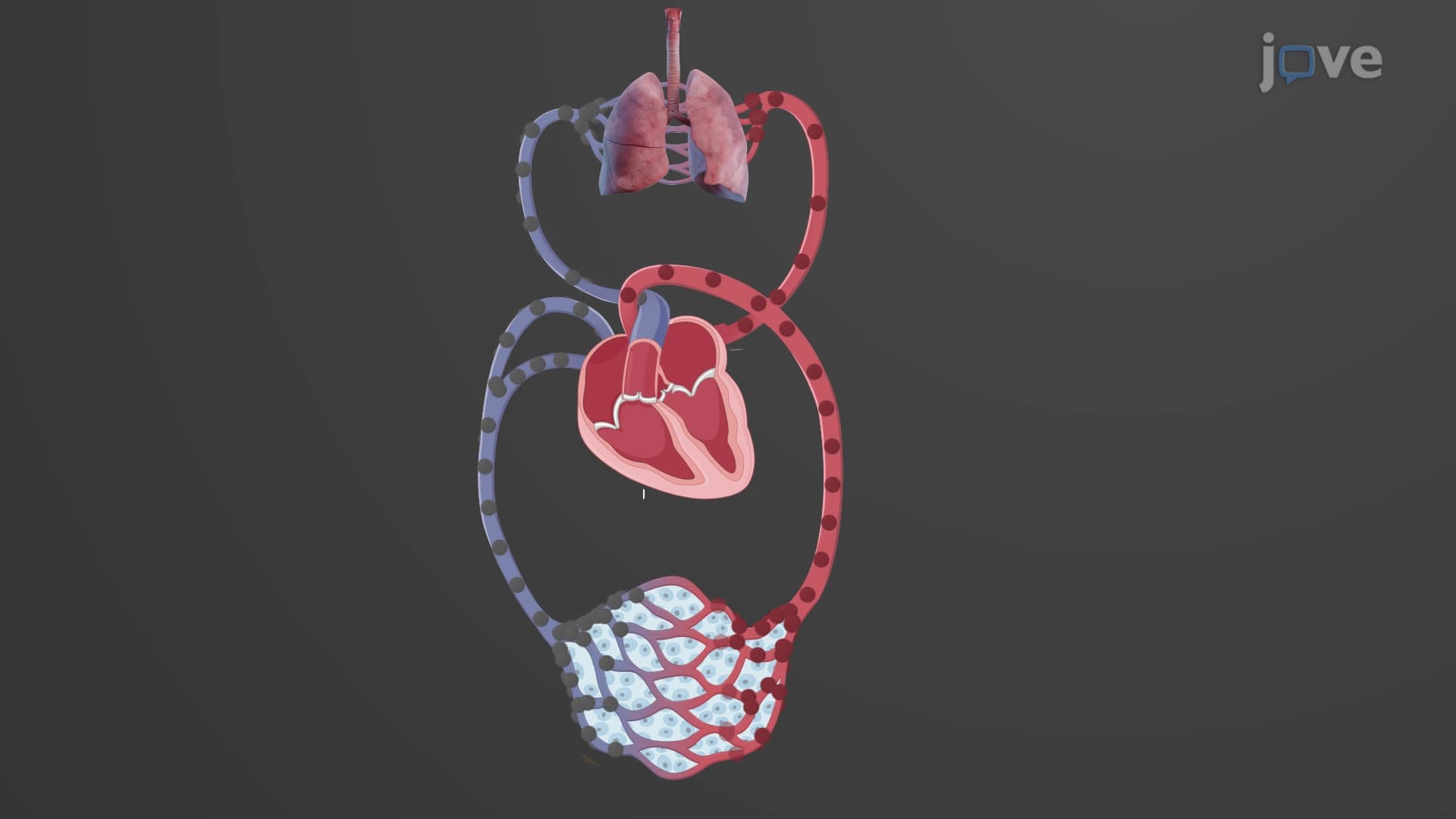
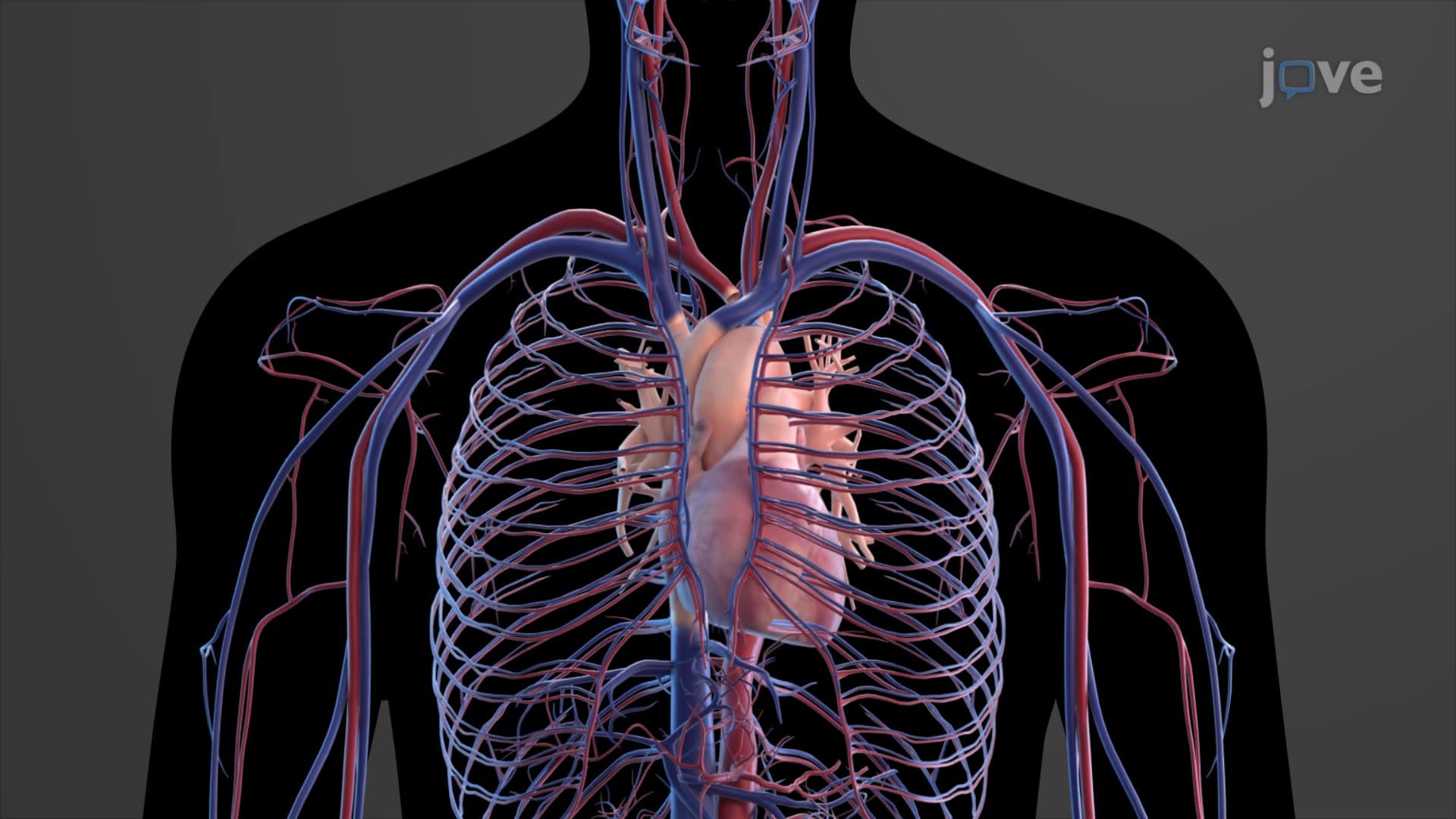
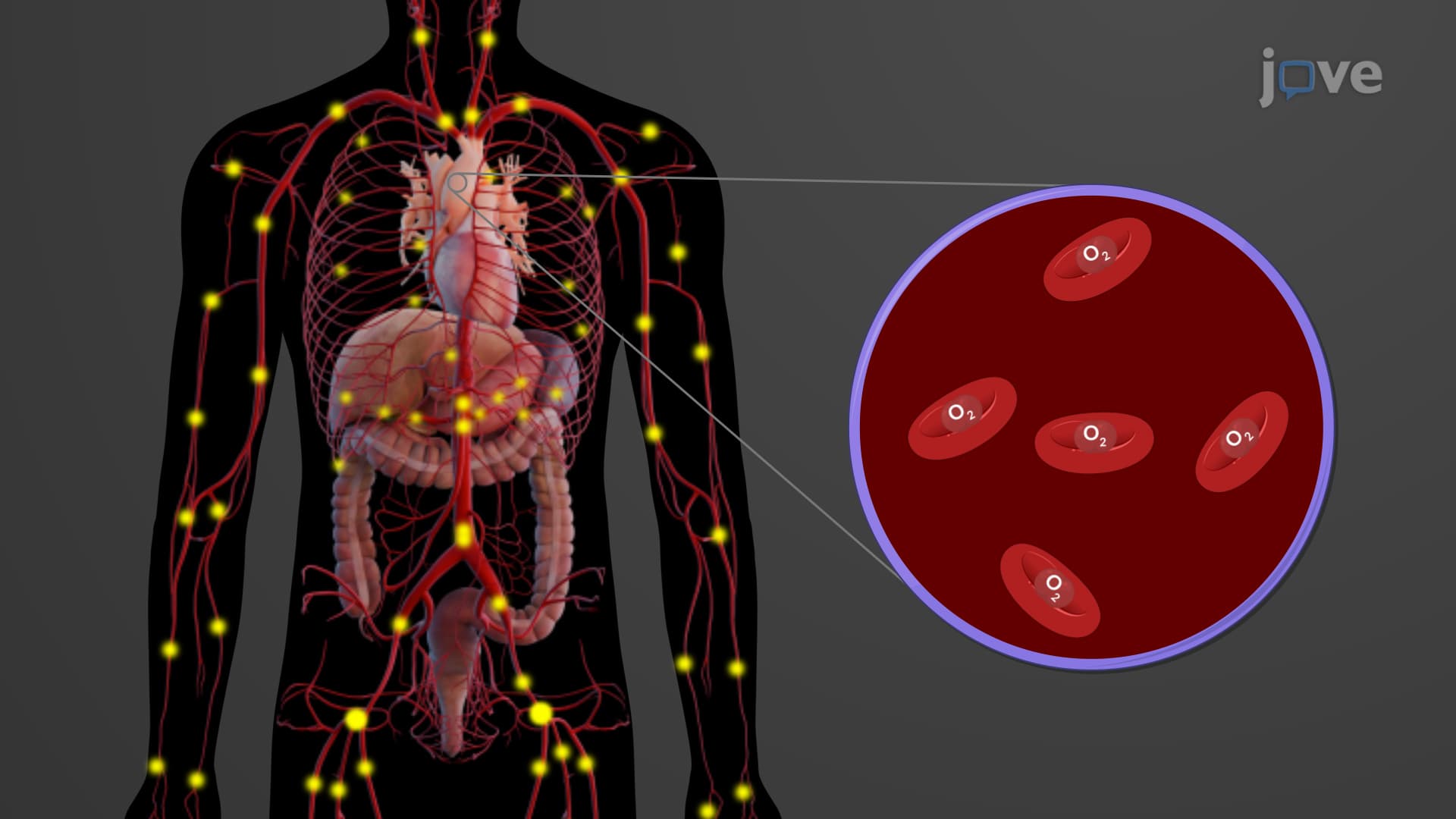
The cardiovascular thyroid effect maintains normal heart function by regulating cardiac contractility and heart rate. Patients with hyperthyroidism at medical centers like Mayo Clinic often present with rapid heartbeats exceeding 100 beats per minute. Thyroid hormones stimulate red blood cell synthesis and enhance tissue oxygenation, explaining why hypothyroid patients frequently experience fatigue and cold intolerance.
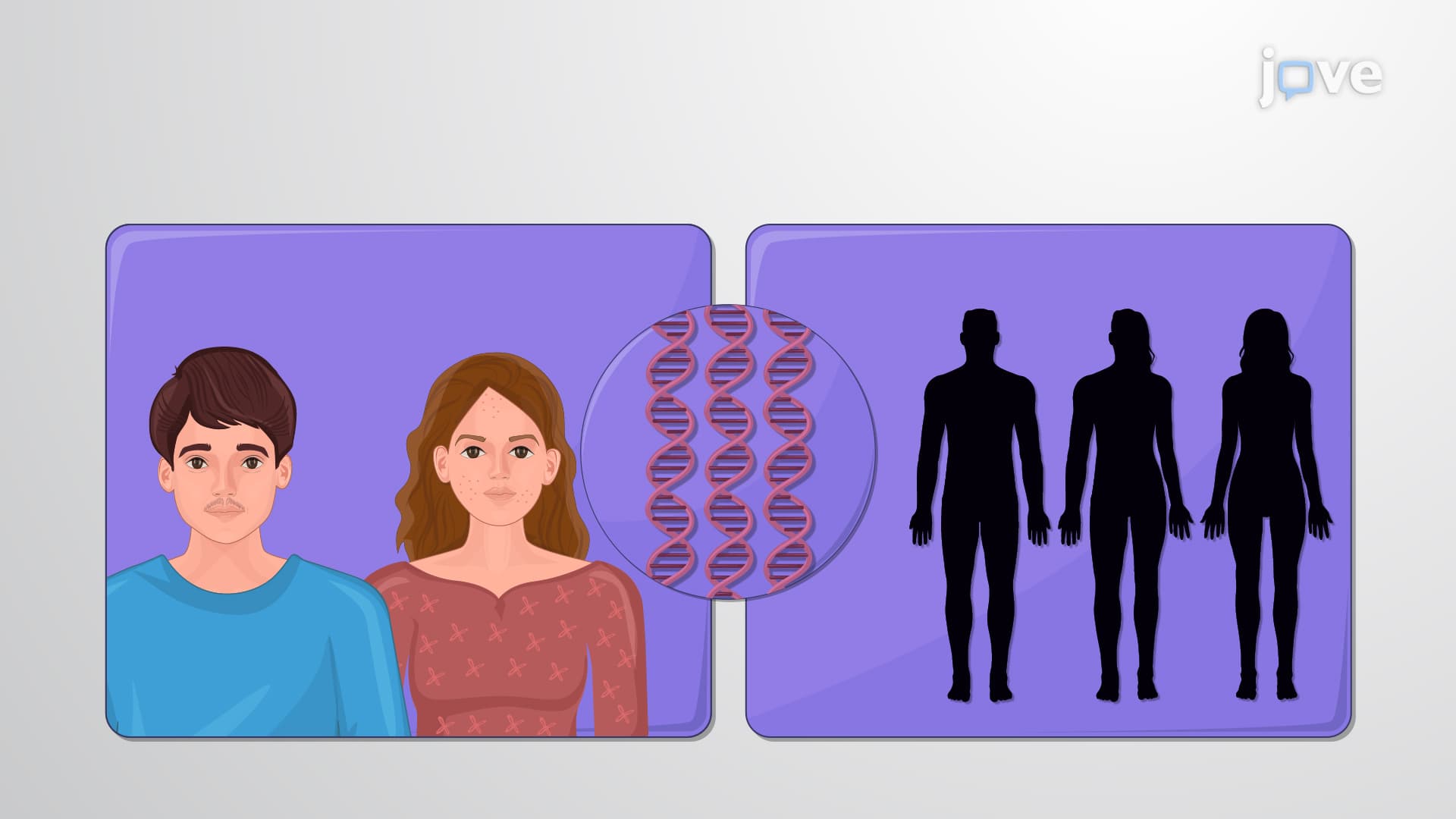
In adults, these hormones influence reproductive function by regulating gonadal hormone secretion. Women with thyroid disorders often experience menstrual irregularities, while men may develop fertility issues-conditions commonly addressed in endocrinology clinics across major US medical centers.
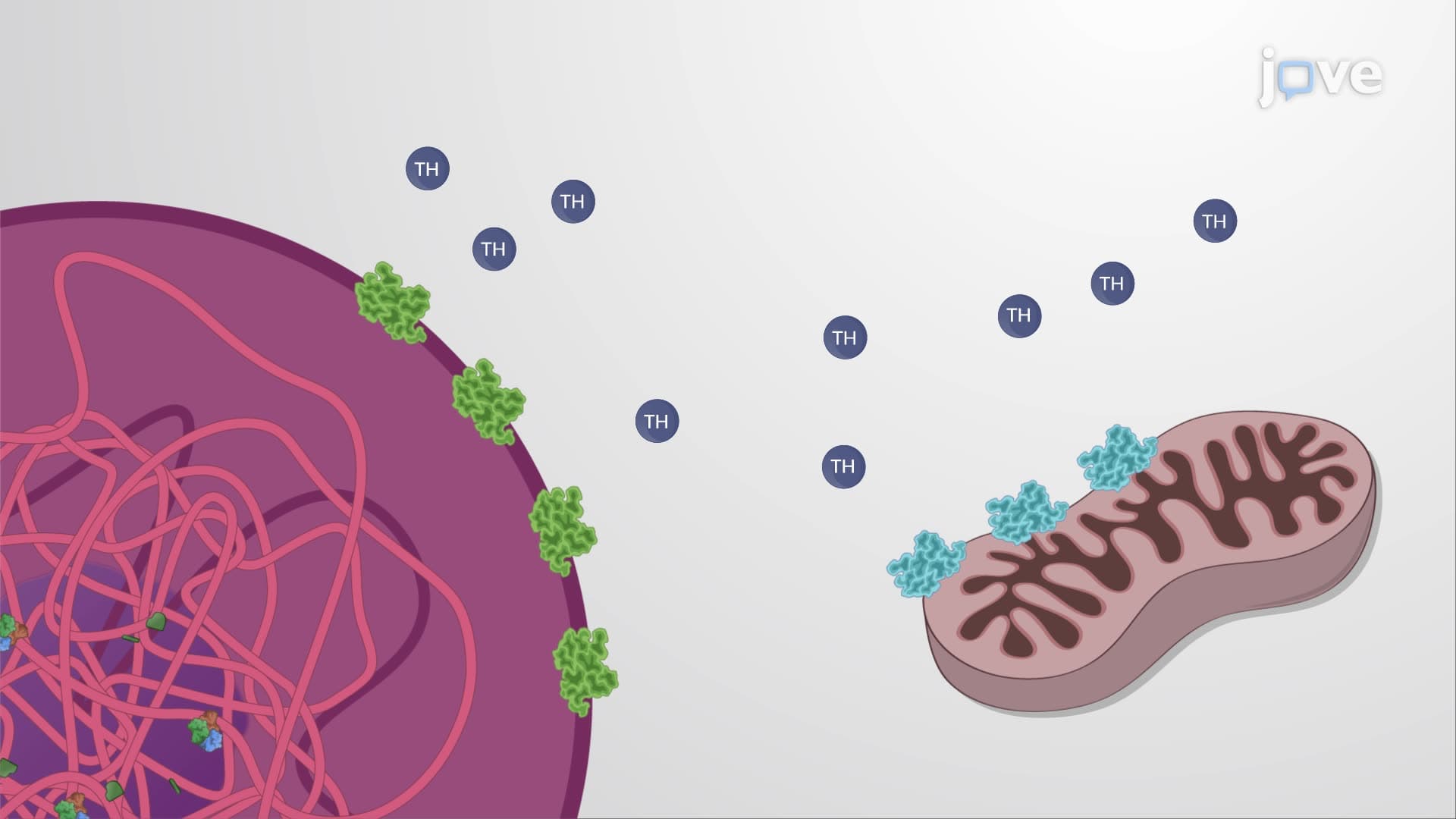
At the cellular level, thyroid hormones utilize multiple receptor systems. Cytoplasmic receptors store and release hormones to maintain homeostasis, while nuclear receptors activate genes controlling glycolysis and ATP production enzymes. Mitochondrial receptors directly enhance ATP synthesis, creating the powerful calorigenic effect thyroid hormones are famous for.
This multi-pathway approach explains why thyroid disorders have such widespread effects. AP Biology students studying cellular respiration should understand how thyroid hormones amplify the metabolic processes they're learning, while pre-med students preparing for the MCAT will encounter thyroid function questions in both biological sciences and biochemistry sections.
Related Micro-courses