Loading video…


 23 Concepts
 112.9K views

Video Summary: What are Gonadal and Placental Hormones
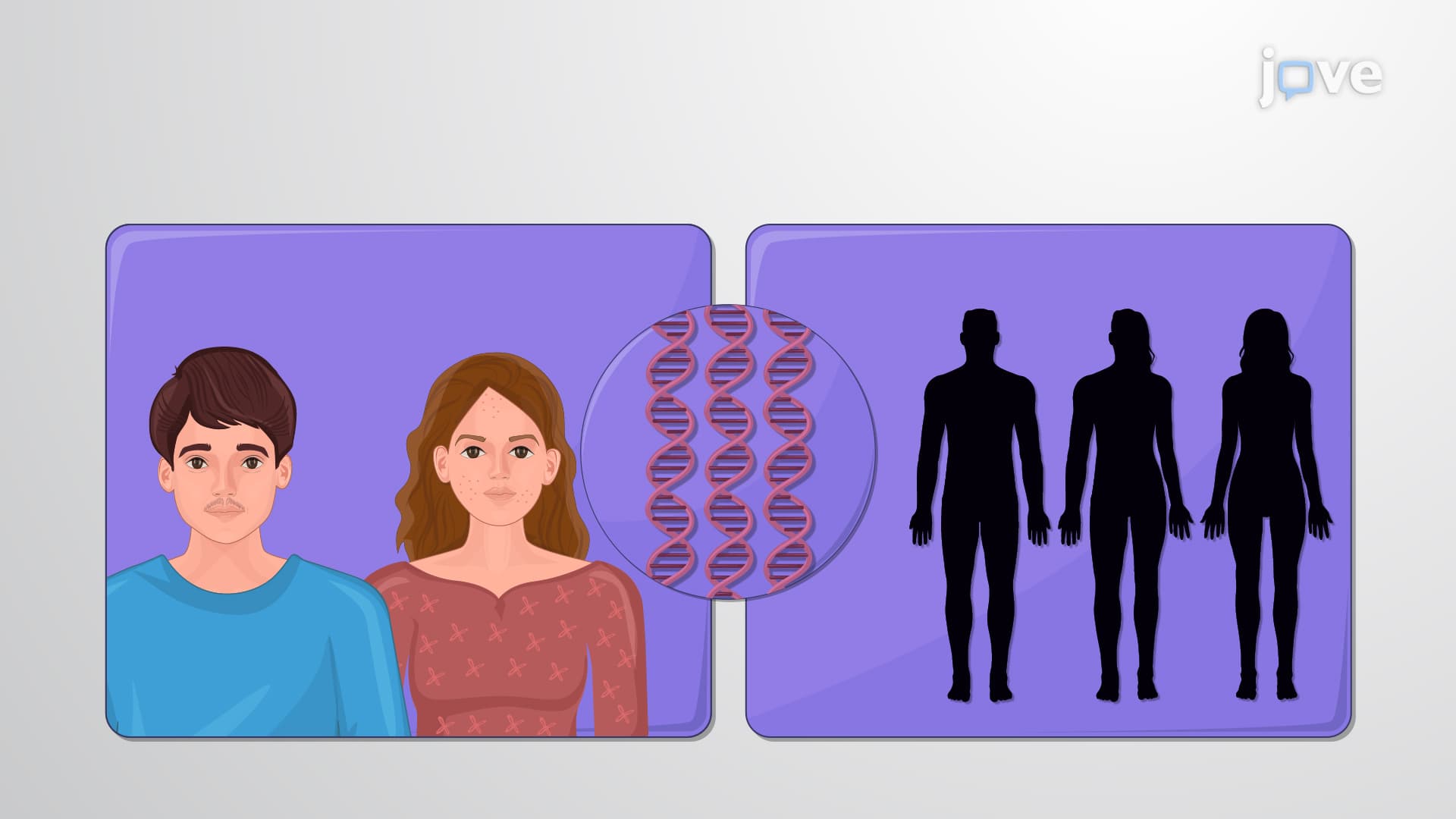
Did you know that the same hormone responsible for deepening a teenage boy's voice also drives muscle development in college athletes? Gonadal placental hormones biology encompasses the powerful chemical messengers produced by reproductive organs and the placenta during pregnancy. From testosterone's role in male puberty to estrogen's influence on the female menstrual cycle, these hormones orchestrate reproduction and development. The FDA requires pregnancy tests detecting hCG levels before certain medical procedures, demonstrating the clinical importance of understanding what are gonadal and placental hormones. Watch the full video on JoVE Coach to master this concept with expert-led visuals and step-by-step explanations.
Gonadal placental hormones biology represents a cornerstone of human reproductive physiology, governing everything from puberty to pregnancy. These chemical messengers coordinate complex biological processes that ensure species continuation and individual development.
Testosterone, the primary male androgen, extends far beyond simple masculinization. Produced primarily in Leydig cells within the testes, this hormone drives the development of male reproductive structures during fetal development and puberty. Clinical studies at institutions like Johns Hopkins University have demonstrated testosterone's role in maintaining bone density, muscle mass, and even cognitive function throughout adult life.
For students preparing for the MCAT or AP Biology exams, understanding testosterone's mechanism is crucial. The hormone binds to androgen receptors, activating gene transcription that promotes protein synthesis in target tissues. This explains why adolescent males experience rapid muscle growth and voice changes during puberty-testosterone literally rewrites cellular programming.
Estrogen progesterone gonadal hormone interactions create the intricate dance of the female reproductive cycle. Estrogen, primarily 17β-estradiol, doesn't just regulate menstruation-it influences bone health, cardiovascular function, and neurological processes. Research from the Women's Health Initiative has shown estrogen's protective effects against osteoporosis in postmenopausal women.
Progesterone serves as pregnancy's guardian hormone. Beyond preparing the endometrium for implantation, it suppresses maternal immune responses that might reject the developing fetus. This immunosuppressive quality explains why pregnant women may experience increased susceptibility to certain infections-a concept frequently tested on nursing entrance exams like the HESI A2.
The hCG placental hormone serves as pregnancy's first messenger, detectable as early as six days post-conception. Home pregnancy tests sold in US pharmacies detect hCG concentrations as low as 25 mIU/mL, making early pregnancy detection possible. For college students studying reproductive endocrinology, understanding hCG's luteal support function-maintaining progesterone production until the placenta assumes this role-is essential for comprehensive exam preparation.
Human placental lactogen (hPL) demonstrates the placenta's metabolic regulatory role. By inducing insulin resistance in maternal tissues, hPL ensures glucose availability for fetal development-a phenomenon that can contribute to gestational diabetes, affecting approximately 6-9% of pregnancies in the United States according to CDC data.
Related Micro-courses