Loading subject page…


112,914 views

Video Summary: What are Hormones Adrenal Glands
Ever wondered why your heart pounds during a pop quiz or job interview? Adrenal gland hormones biology reveals how these walnut-sized organs above your kidneys orchestrate your body's stress response and maintain vital functions. From cortisol helping medical students power through MCAT prep to aldosterone regulating blood pressure in millions of Americans, hormones of adrenal glands control everything from glucose metabolism to fight-or-flight responses. Watch the full video on JoVE Coach to master this concept with expert-led visuals and step-by-step explanations.
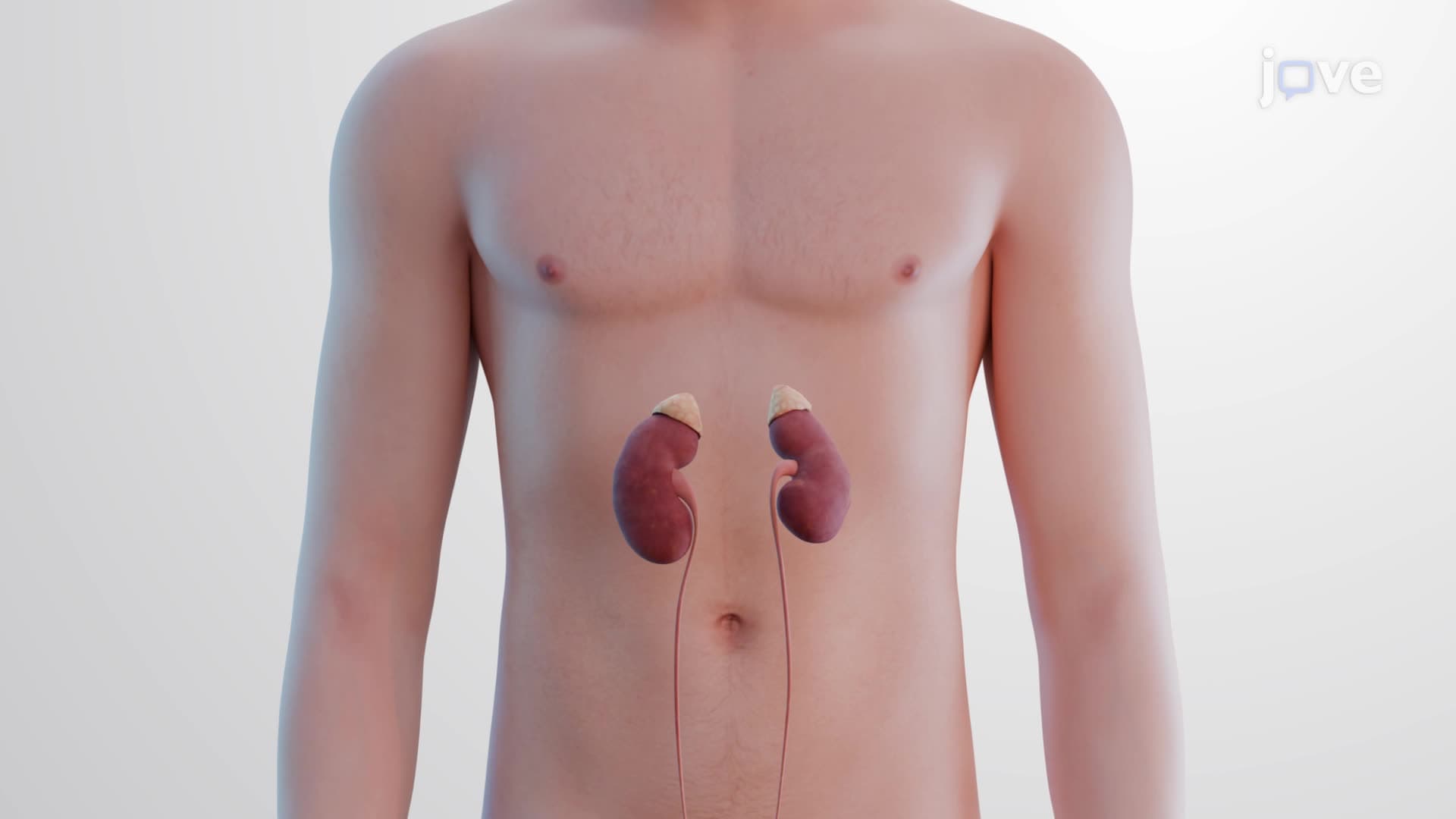
The adrenal glands represent one of the most complex and vital components of the human endocrine system. These triangular-shaped organs, positioned atop each kidney, function as dual-purpose hormone factories that maintain homeostasis and enable survival responses. Cortisol mineralocorticoid adrenal production occurs in distinct anatomical regions, each specialized for specific hormone synthesis.
The outer adrenal cortex operates as a three-zone steroid production facility. The zona glomerulosa, the outermost layer, specializes in aldosterone adrenal cortex synthesis. This mineralocorticoid acts as the body's primary electrolyte regulator, controlling sodium retention and potassium excretion in the kidneys. When aldosterone levels drop, as seen in Addison's disease affecting approximately 1 in 100,000 Americans, patients experience dangerous electrolyte imbalances requiring immediate medical intervention.
The zona fasciculata produces glucocorticoids, primarily cortisol, which earned the nickname "stress hormone" for its role in the hypothalamic-pituitary-adrenal axis. During high-stress periods like college finals week, cortisol levels surge to mobilize glucose reserves, suppress inflammation, and maintain blood pressure. This mechanism proves essential for pre-med students tackling the MCAT or nursing students preparing for NCLEX examinations.
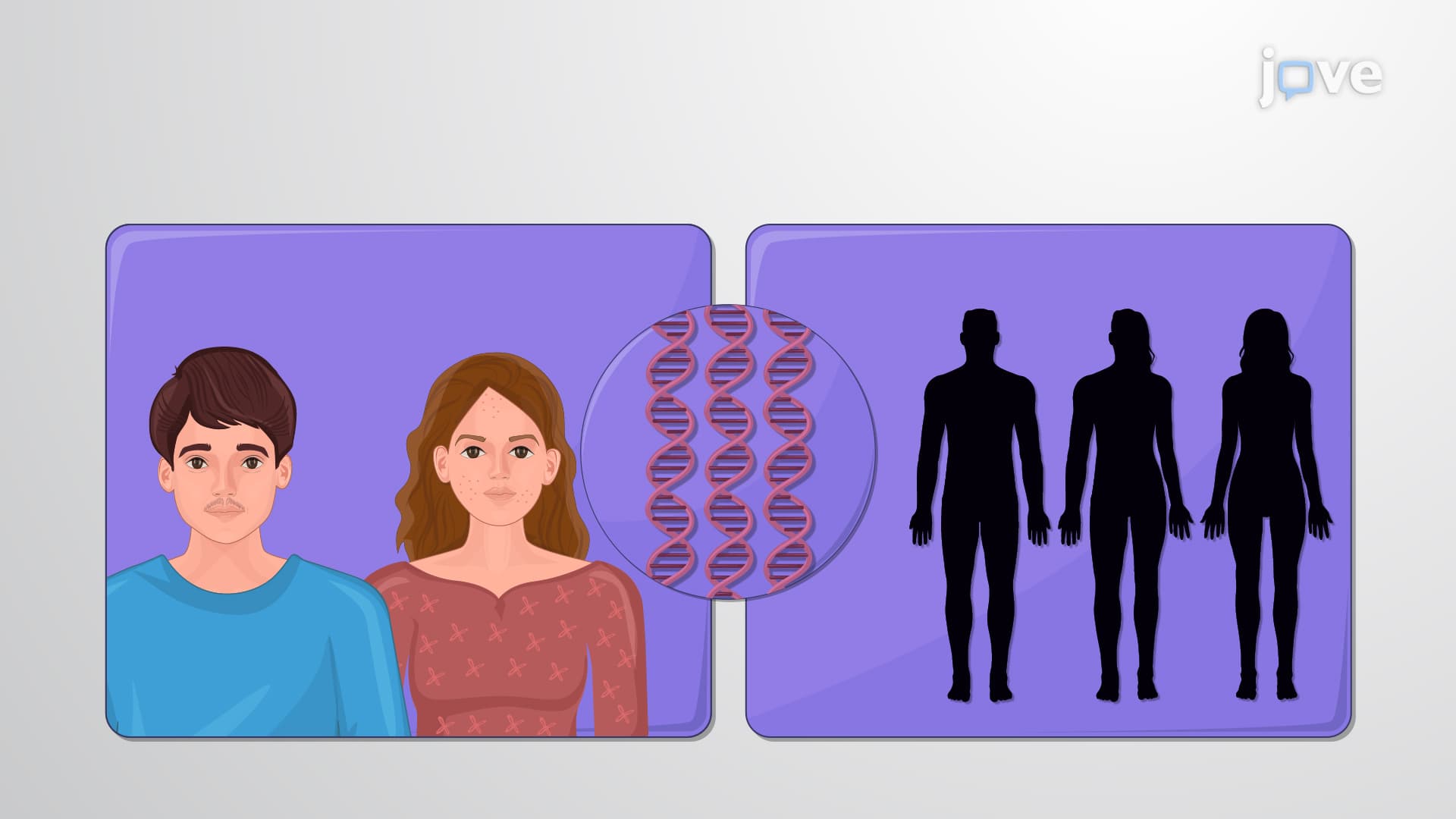
The innermost zona reticularis synthesizes DHEA adrenal androgen and other weak androgens. These hormones contribute significantly to pubertal development, particularly the emergence of pubic hair in both sexes. In adult women, adrenal androgens support libido and contribute to overall vitality.
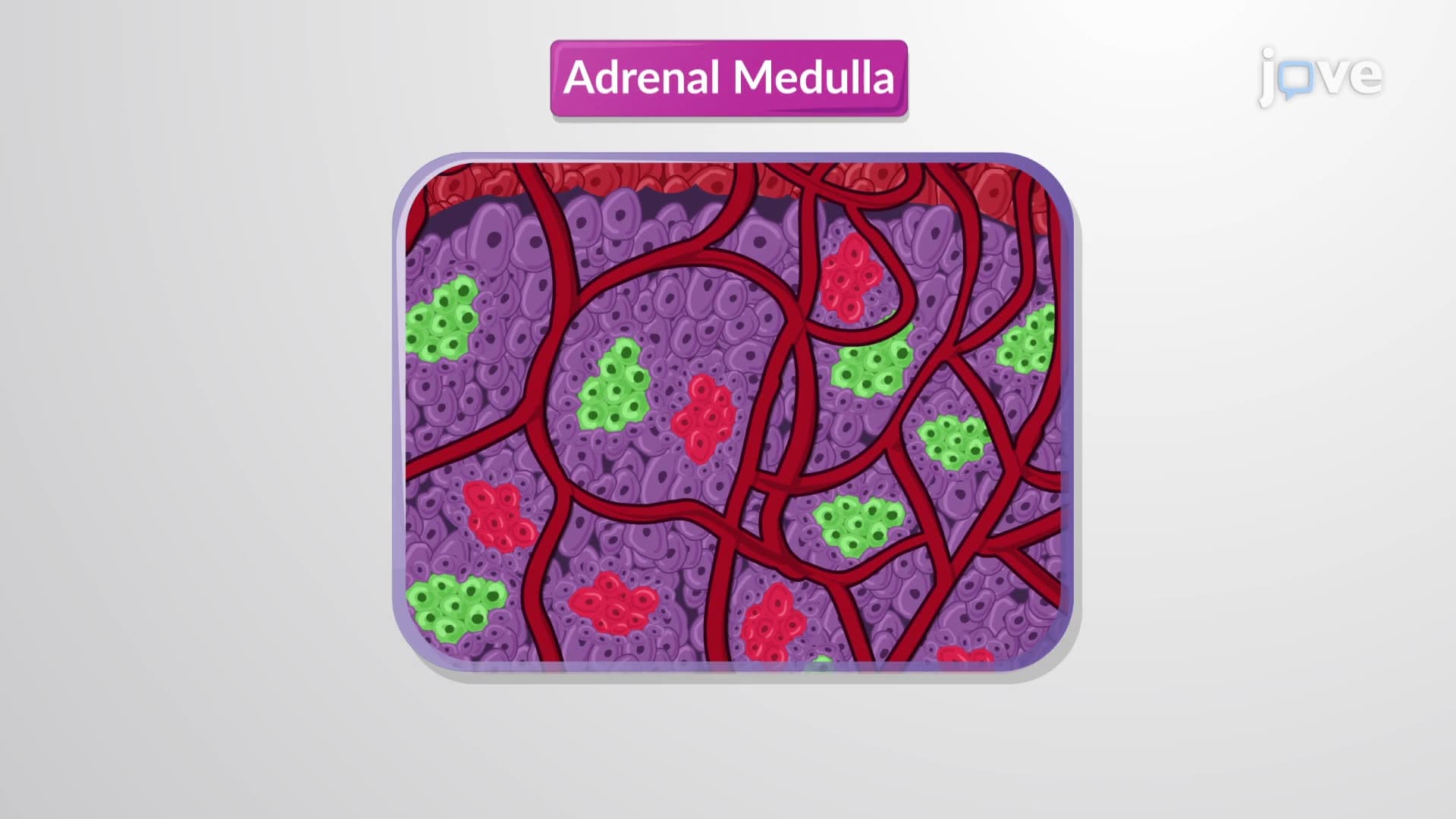
The inner adrenal medulla functions as a specialized sympathetic nervous system extension. Epinephrine adrenal medulla cells, along with norepinephrine-producing chromaffin cells, create the body's rapid-response emergency system. When a nursing student encounters their first medical emergency, these catecholamines instantly increase heart rate, redirect blood flow to muscles, and release stored energy sources.
Adrenal hormone function extends beyond emergency responses. These hormones influence daily physiological processes, from maintaining morning alertness (cortisol's circadian rhythm) to supporting cardiovascular health through aldosterone's blood pressure regulation. Understanding these mechanisms proves crucial for AP Biology students and forms foundational knowledge for healthcare professional examinations.
Clinical applications appear frequently in USMLE Step 1 questions, where students must recognize adrenal insufficiency symptoms or understand how synthetic corticosteroids affect patient care. The integration of adrenal hormone knowledge with pathophysiology concepts prepares students for advanced medical studies and clinical practice scenarios they'll encounter in American healthcare settings.
Related Micro-courses