Loading subject page…


112,914 views


Video Summary: What are Types of Hormones
Did you know that the adrenaline rush you feel during a high-stakes basketball game is chemically different from the insulin surge after eating pizza? Hormone types biology classification reveals four distinct structural categories that determine how these powerful chemical messengers function in your body. From cholesterol-derived steroids like testosterone to amino acid-based adrenaline, each hormone type uses unique molecular structures to regulate everything from growth to metabolism. Understanding what are types of hormones helps explain why some hormones act instantly while others take hours to show effects. Watch the full video on JoVE Coach to master this concept with expert-led visuals and step-by-step explanations.
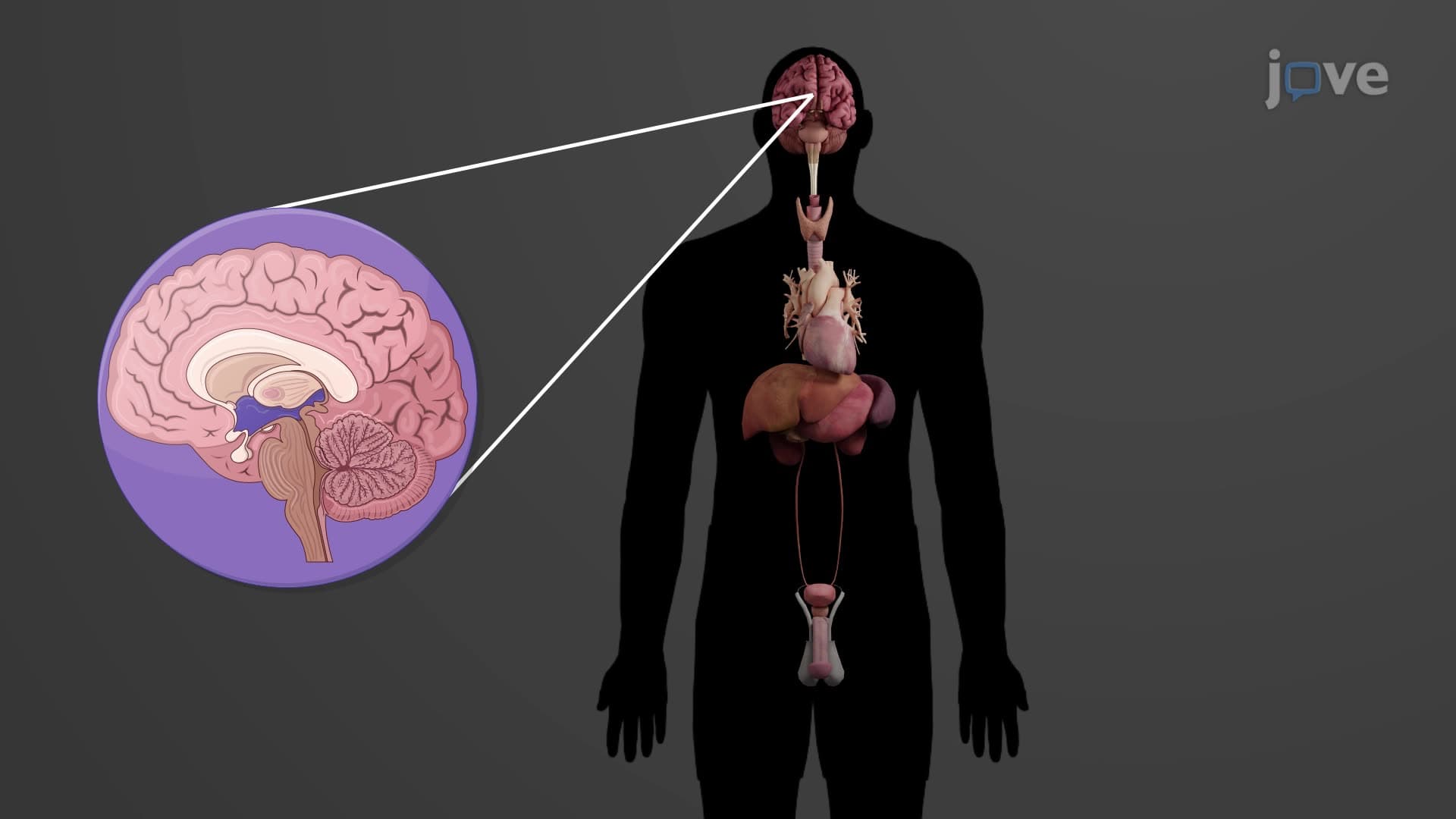
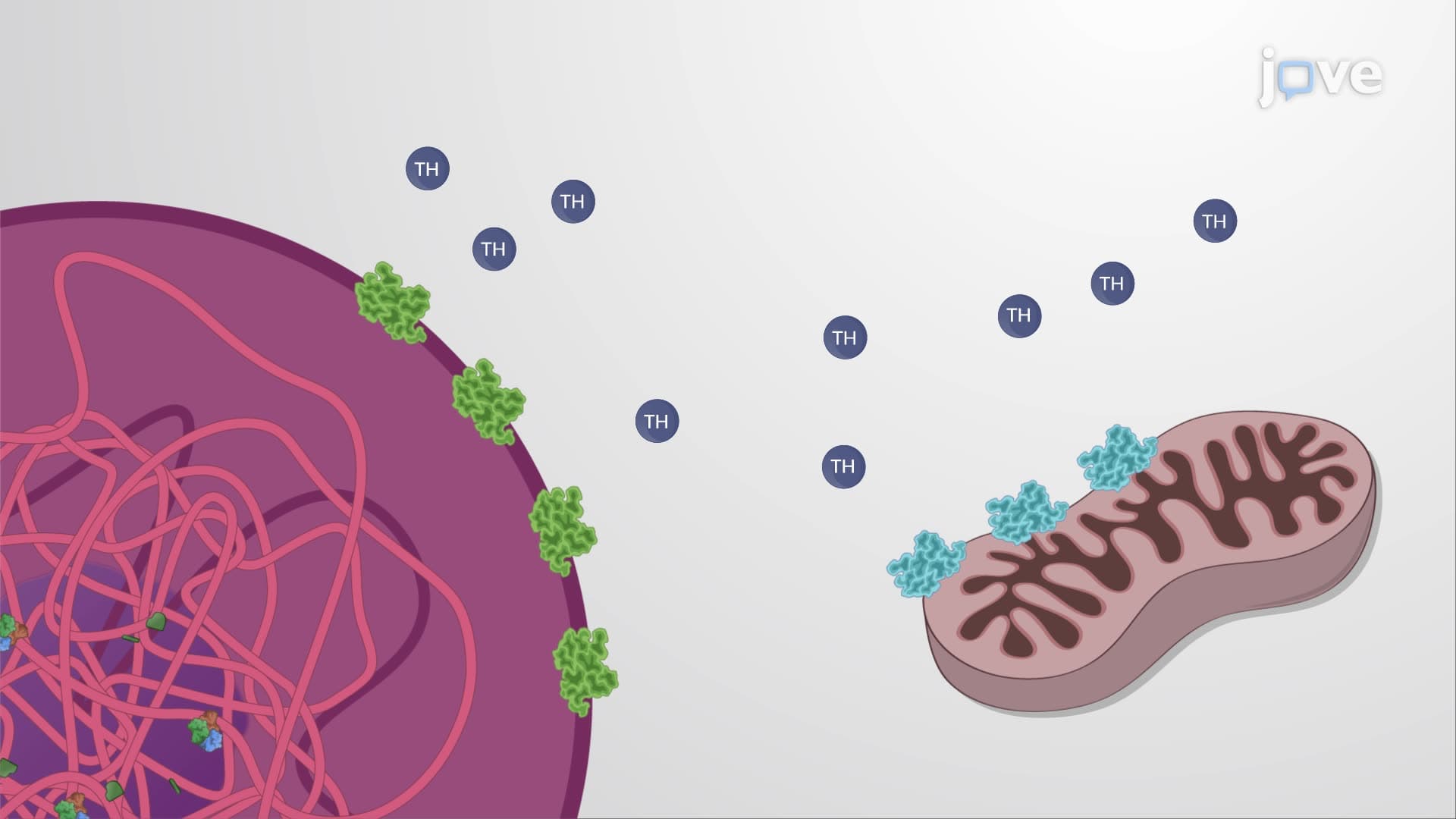
The human endocrine system produces over 50 different hormones, but understanding hormone type classification becomes manageable when we group them by chemical structure. This structural approach reveals why some hormones like cortisol can cross cell membranes easily while others like insulin require specific receptors on cell surfaces.
Steroid hormone lipid derived molecules represent some of the most powerful regulators in human physiology. All steroid hormones share a common four-ring carbon structure derived from cholesterol, but small side-chain modifications create dramatically different effects. Testosterone, produced in the testes, promotes muscle development and secondary sexual characteristics, while estradiol from the ovaries regulates the menstrual cycle and bone density.
The clinical significance becomes apparent in hormone replacement therapy. For instance, synthetic estradiol patches used in menopause treatment can pass through skin precisely because of their lipid-soluble nature. This same property allows anabolic steroids to be effective when taken orally, making them both medically useful and unfortunately prone to abuse in athletics.
Eicosanoids, derived from arachidonic acid, include prostaglandins and leukotrienes that mediate inflammation and pain responses. When you take ibuprofen for a headache, you're actually blocking eicosanoid production, demonstrating how understanding hormone structure leads to targeted medical treatments.
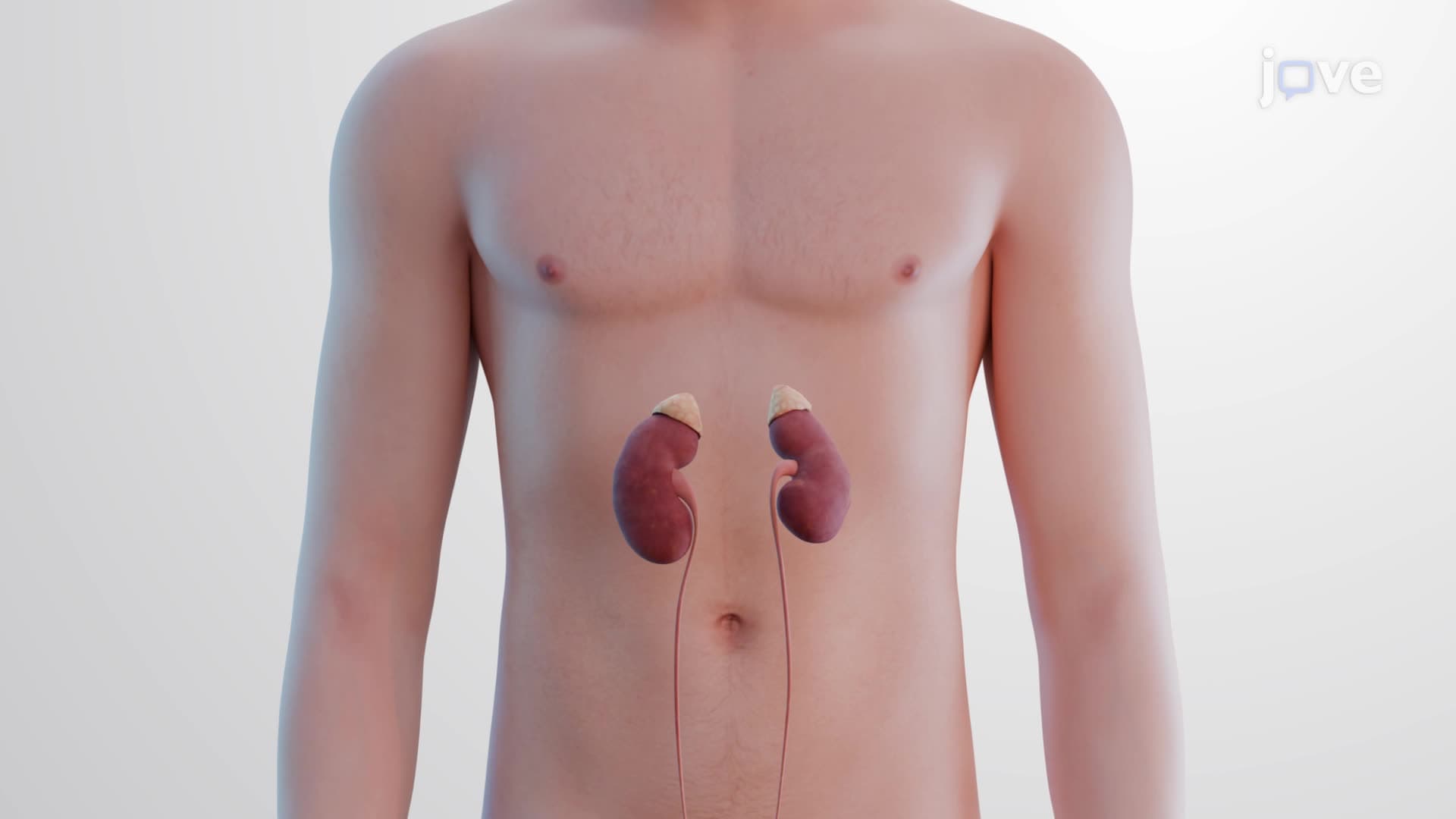
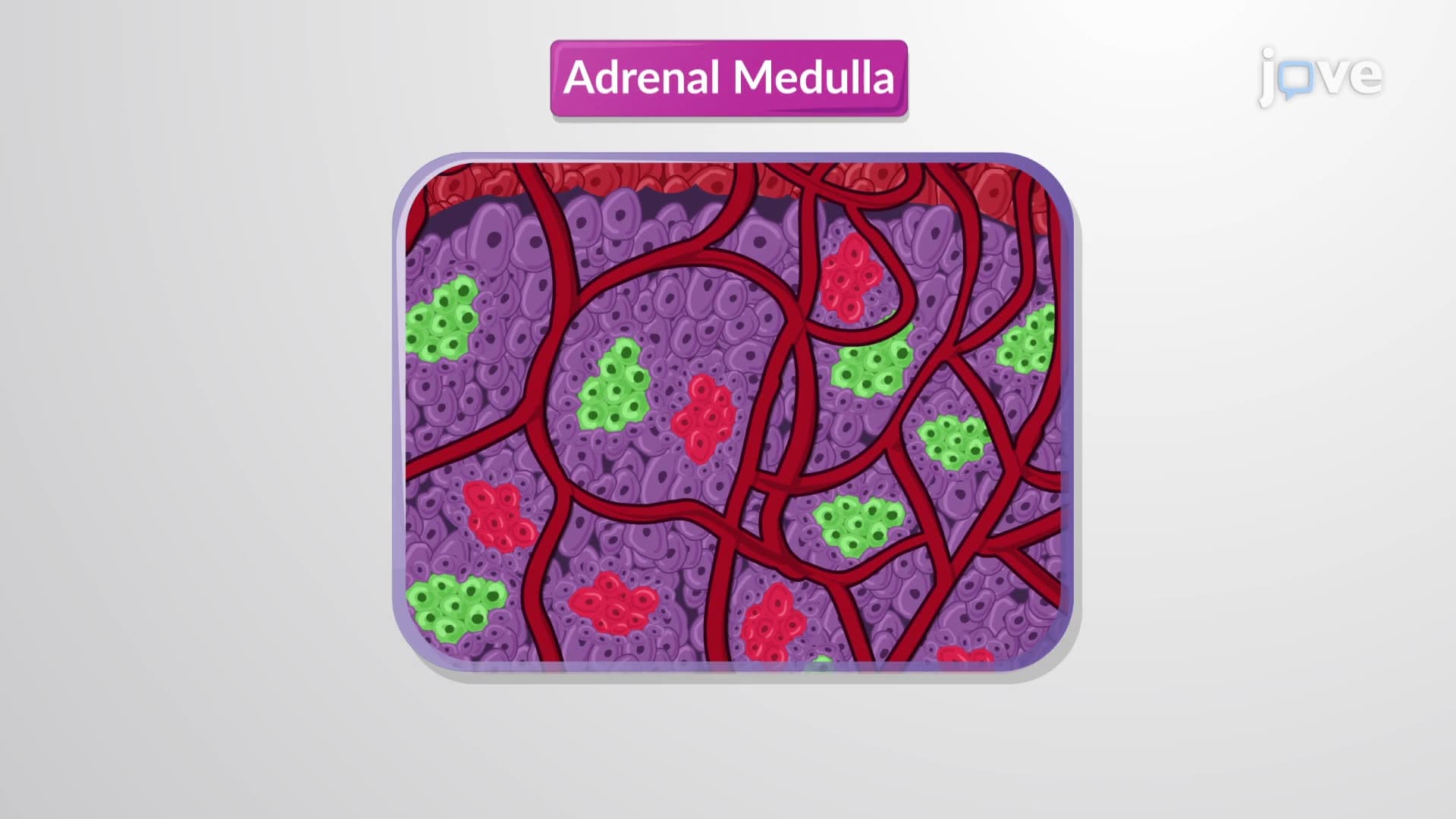
Amino acid derived hormone molecules showcase nature's efficiency in creating diverse functions from simple building blocks. Epinephrine (adrenaline) starts as the amino acid tyrosine but becomes the key player in fight-or-flight responses. During emergency situations, epinephrine increases heart rate, dilates pupils, and redirects blood flow to muscles within seconds.
Melatonin, derived from tryptophan, demonstrates how the same amino acid derivative concept applies to circadian rhythm regulation. The pineal gland produces melatonin in response to darkness, making it crucial for healthy sleep patterns-a concept frequently tested on the MCAT and AP Biology exams.
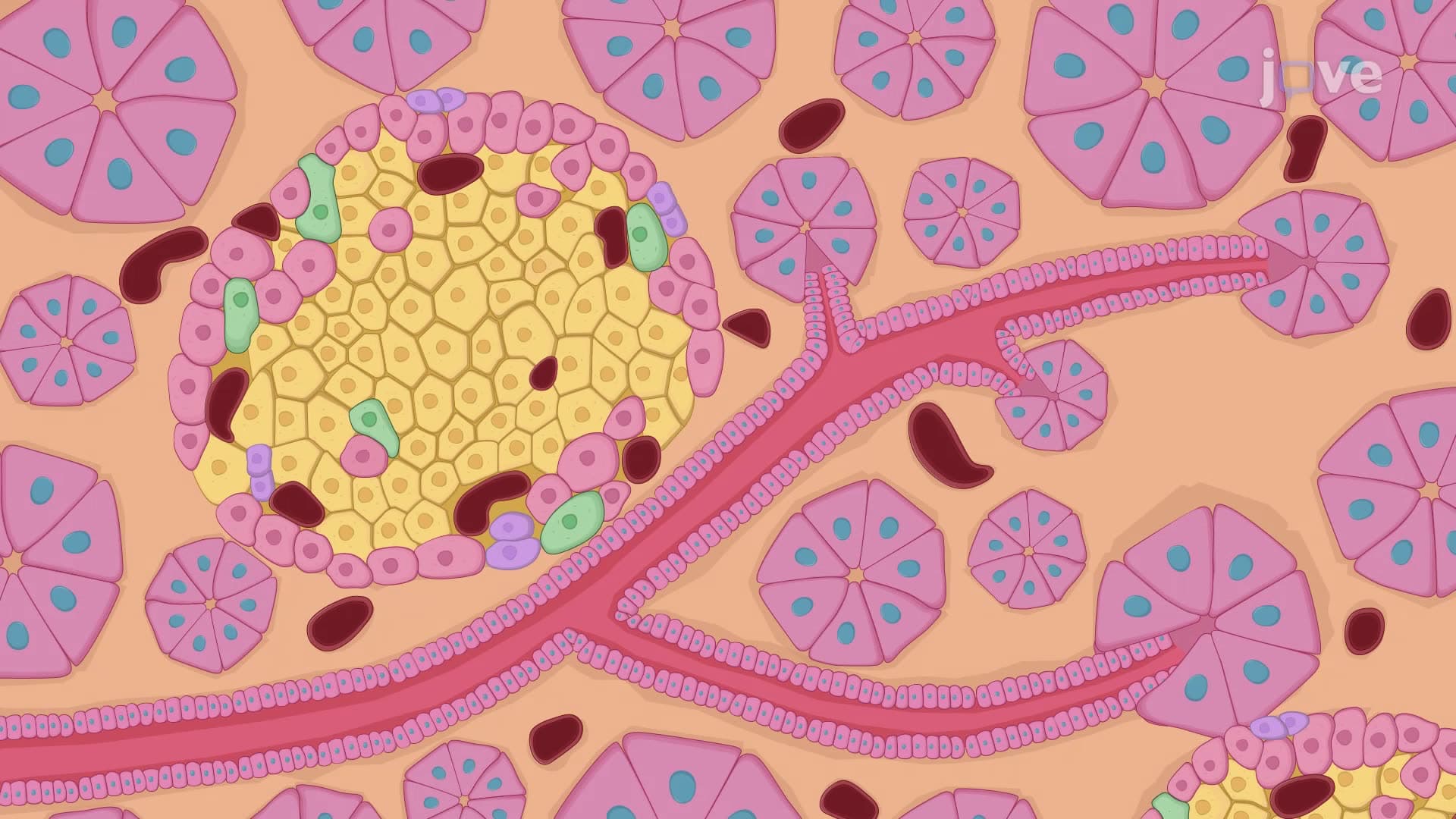
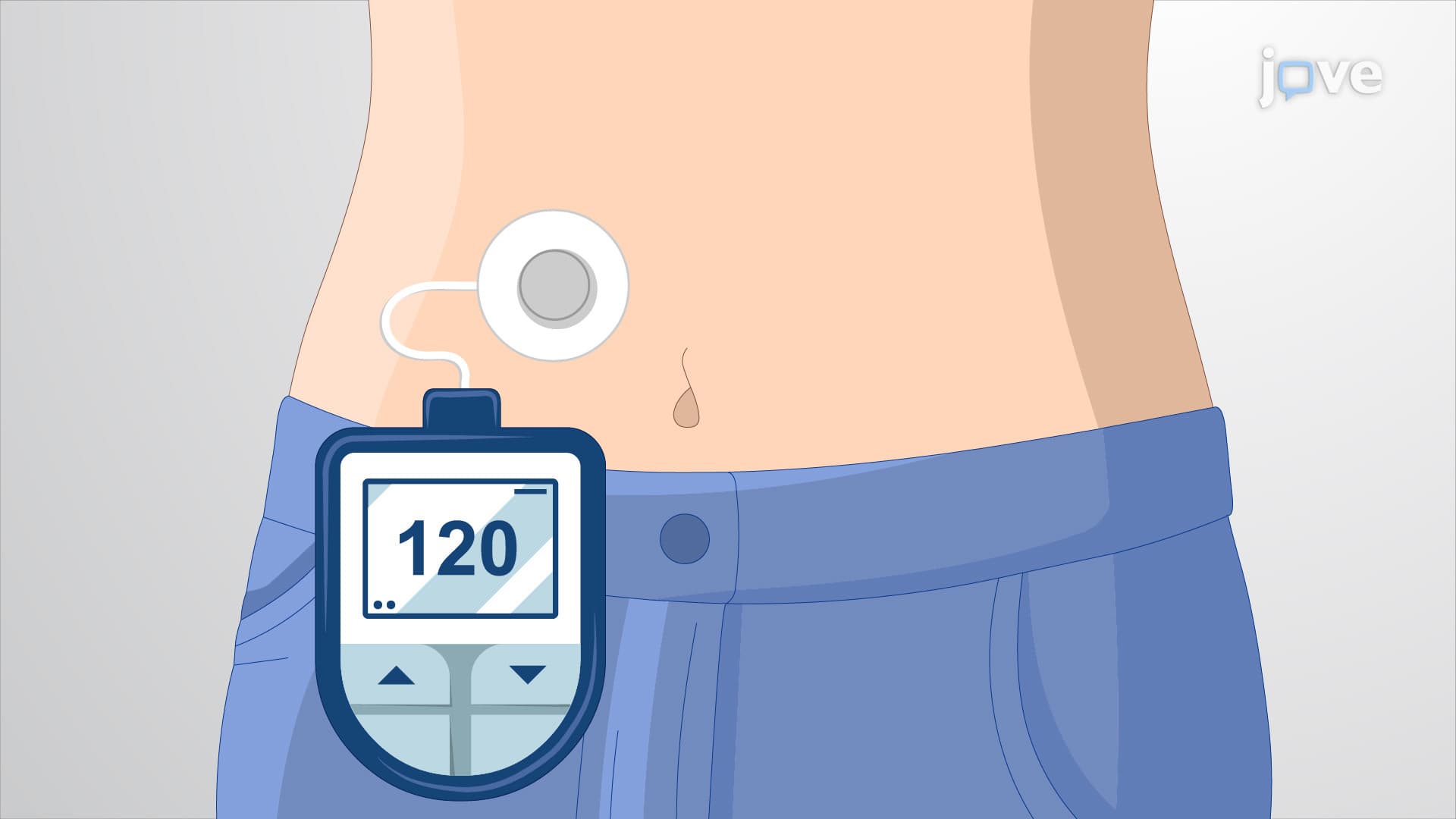
Peptide protein hormone examples like insulin illustrate complex multi-amino acid structures. After eating a meal high in carbohydrates, beta cells in the pancreas release insulin, which binds to specific receptors on muscle and fat cells, triggering glucose uptake. Type 1 diabetics require insulin injections because their bodies cannot produce this essential peptide hormone.
Glycoprotein hormones add carbohydrate chains to peptide structures, creating hormones like thyroid-stimulating hormone (TSH) and follicle-stimulating hormone (FSH). These complex structures allow for highly specific receptor binding and precise regulatory control.
Understanding hormone chemical class becomes essential for students pursuing healthcare careers. On the USMLE Step 1, questions frequently test whether students can predict hormone behavior based on structural classification. Similarly, AP Biology and college biochemistry courses emphasize how molecular structure determines biological function-a principle perfectly illustrated by hormone diversity.
Related Micro-courses