Loading subject page…

- Anatomy and Physiology
- The Endocrine System
- An Overview of the Endocrine System
Micro-course: The Endocrine System
112,914 views
Learn key concepts and earn your certificate.






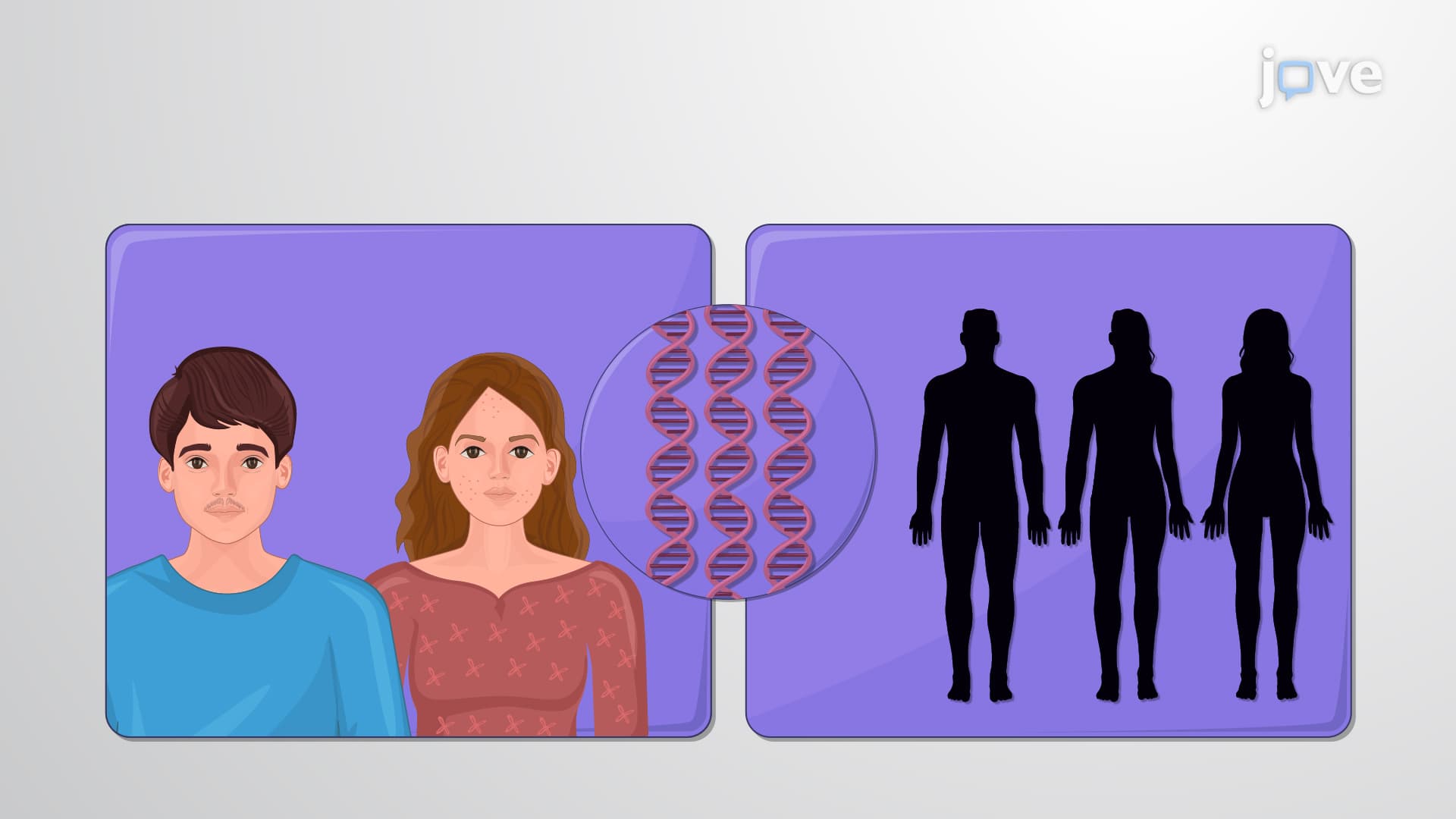

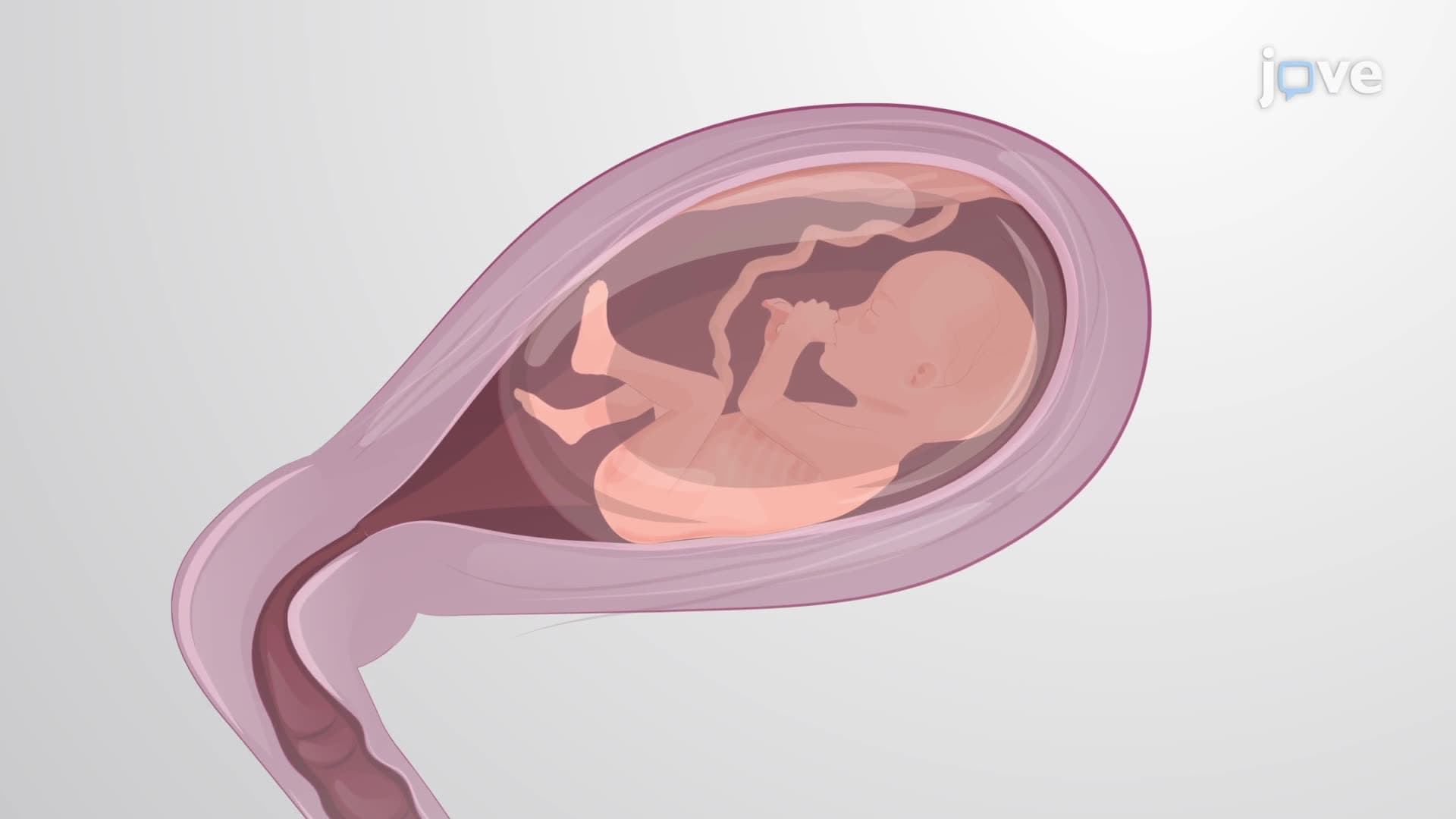
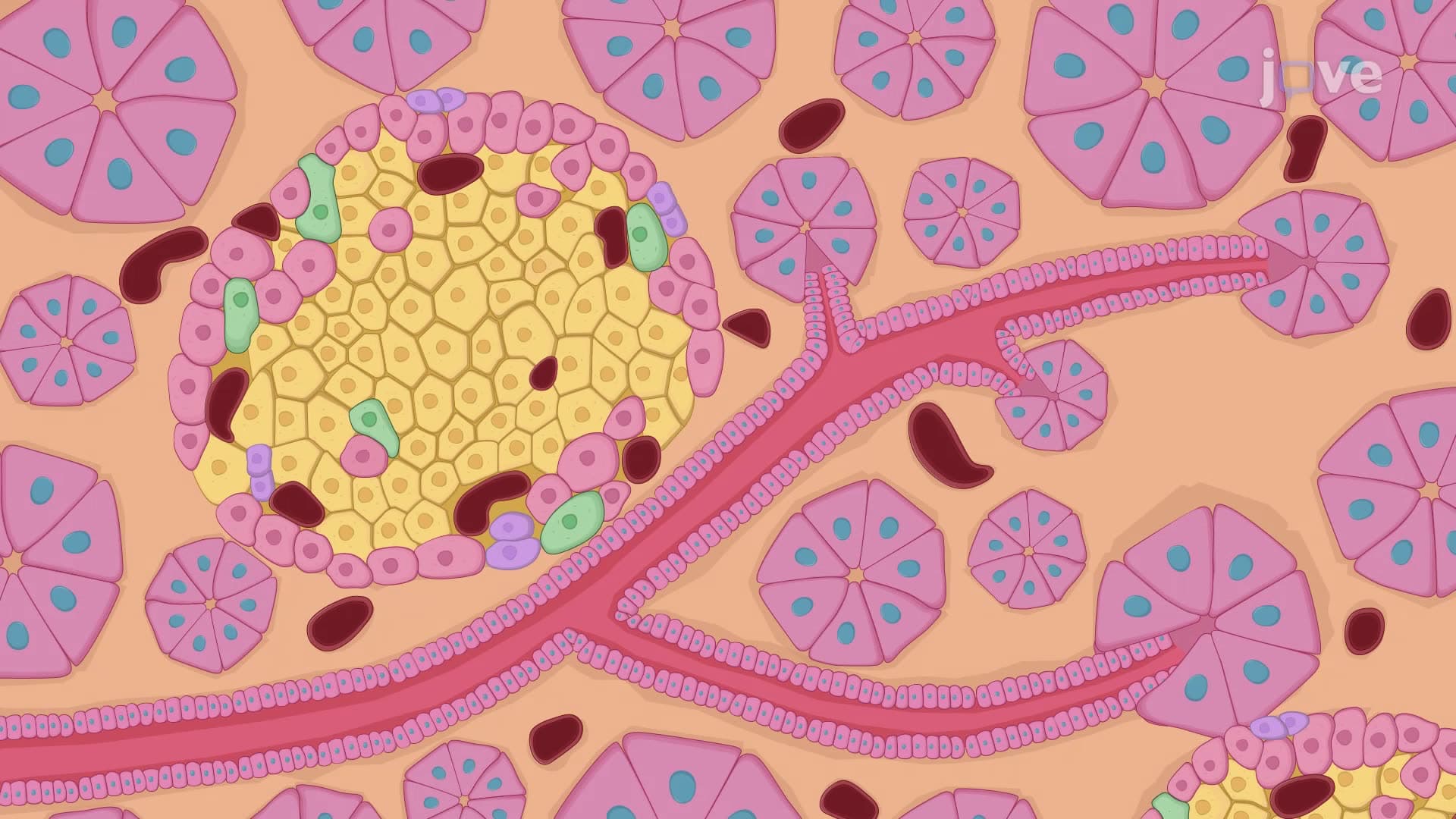

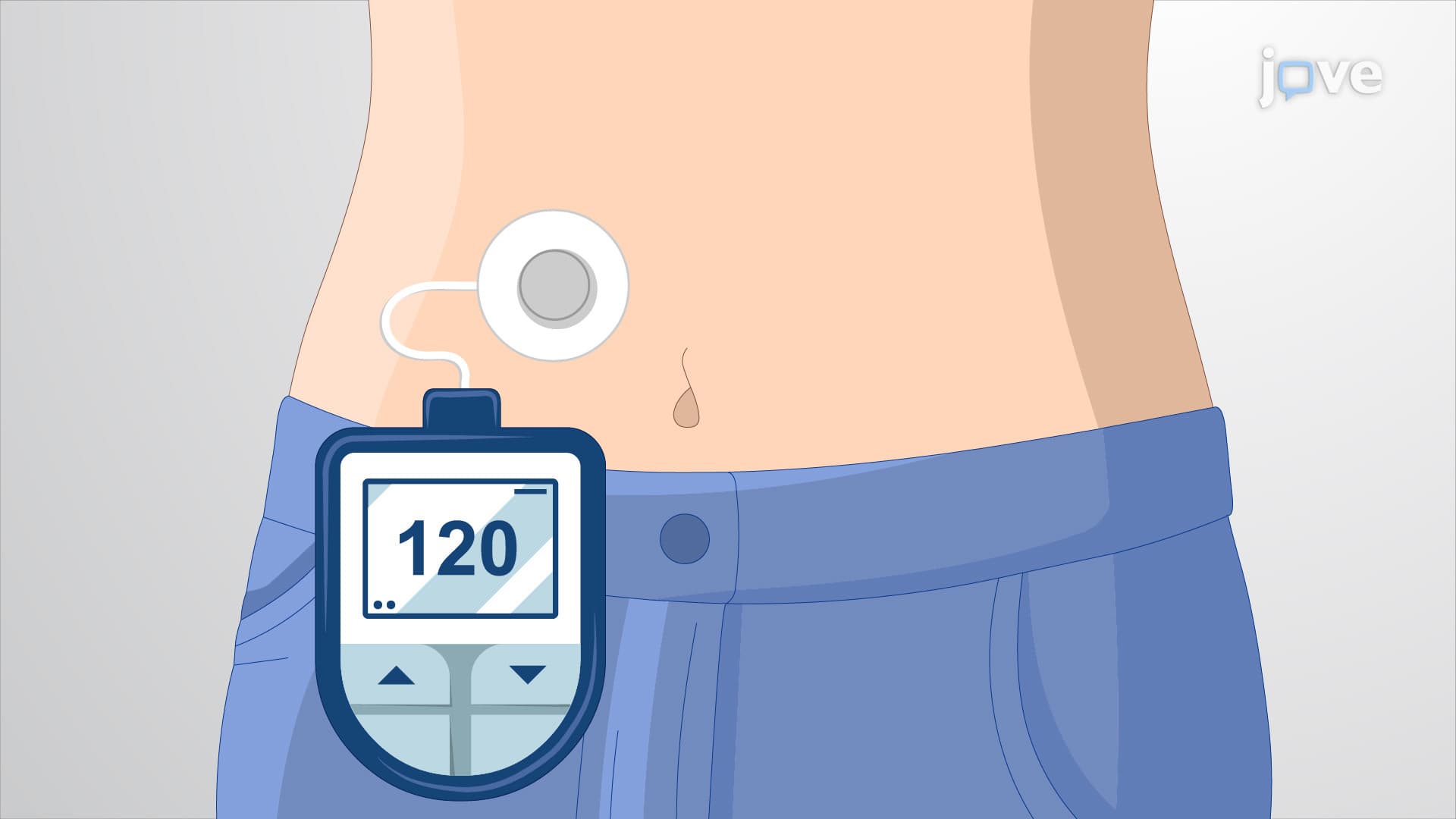

An Overview of the Endocrine System


00:00
01:10
Video Summary: What Is an Overview Endocrine System
Did you know that when you're stressed before a big exam, your adrenal glands release cortisol that can actually impair your memory formation? The endocrine system overview biology reveals how hormone-producing glands coordinate everything from your sleep cycles to growth spurts through chemical messengers called hormones. Unlike the lightning-fast nervous system, endocrine signals can last hours or even months-think about how growth hormone affects teenagers throughout their entire adolescent years. What is an overview of the endocrine system shows us this intricate network of glands working 24/7 to maintain your body's balance. Watch the full video on JoVE Coach to master this concept with expert-led visuals and step-by-step explanations.
- Understand what is an overview of the endocrine system and how it differs from the nervous system in communication speed and duration
- Identify the major endocrine glands and organs that produce hormones, including their specific locations and primary functions
- Analyze how hormones act as chemical messengers, traveling through the bloodstream to reach target cells with specific receptors
- Compare the rapid responses of hormones like adrenaline versus long-term effects of reproductive and growth hormones
- Evaluate the role of the endocrine system in maintaining homeostasis through feedback mechanisms and metabolic regulation
- Apply knowledge of hormone-receptor interactions to explain why certain cells respond to specific hormones while others do not
- Recognize the integrated relationship between endocrine and nervous systems in coordinating body functions and responses
- Explore real-world applications of endocrine system knowledge in understanding diabetes, thyroid disorders, and stress responses
Understanding the Endocrine System Overview Biology
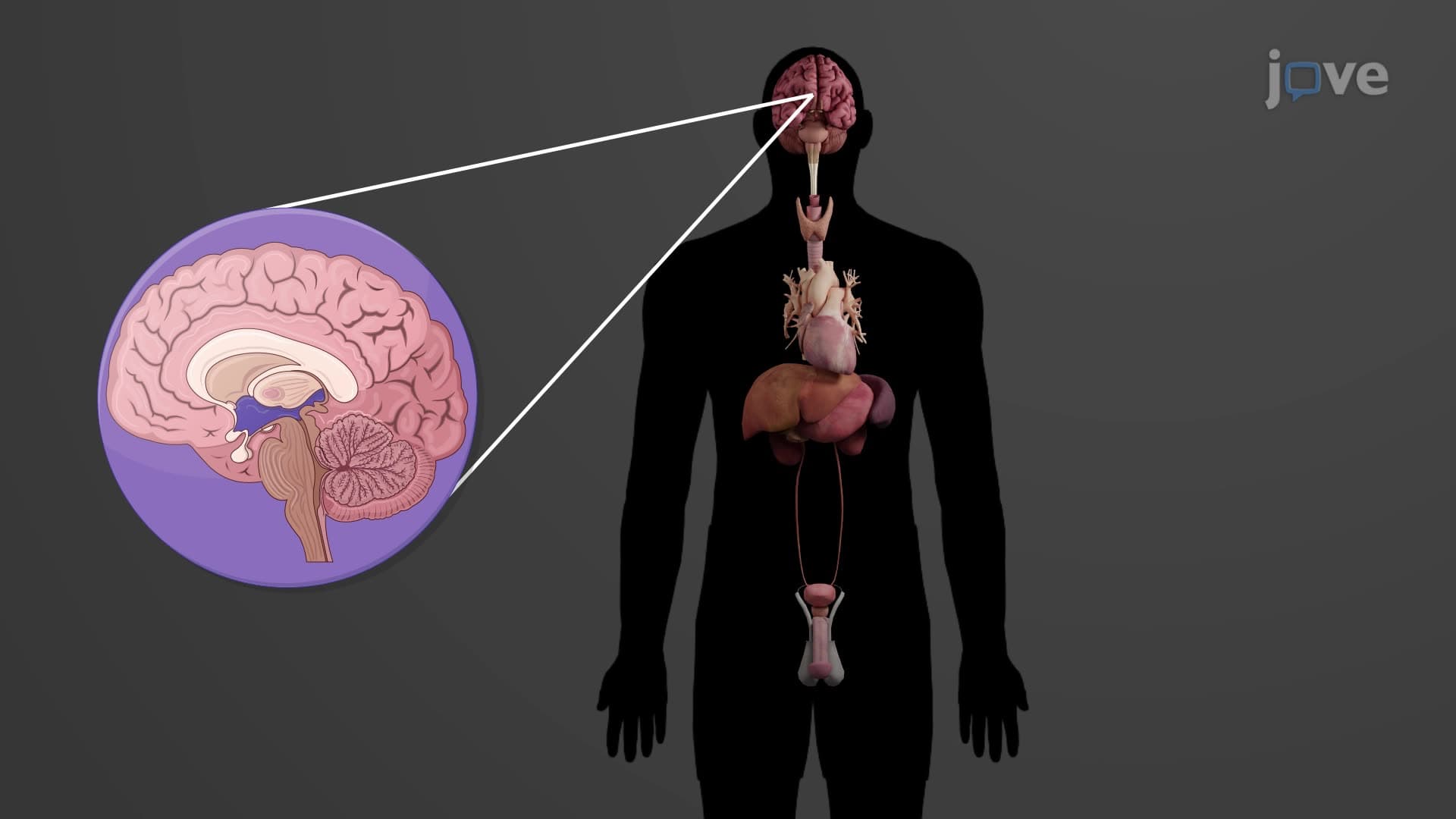
The endocrine system overview biology encompasses a sophisticated network of hormone-producing structures that orchestrate virtually every physiological process in your body. Unlike the nervous system's electrical impulses that provide instant but brief responses, the endocrine system uses chemical signals-hormones-that create longer-lasting effects measured in minutes, hours, or even years.
Hormone Gland Endocrine Architecture and Function
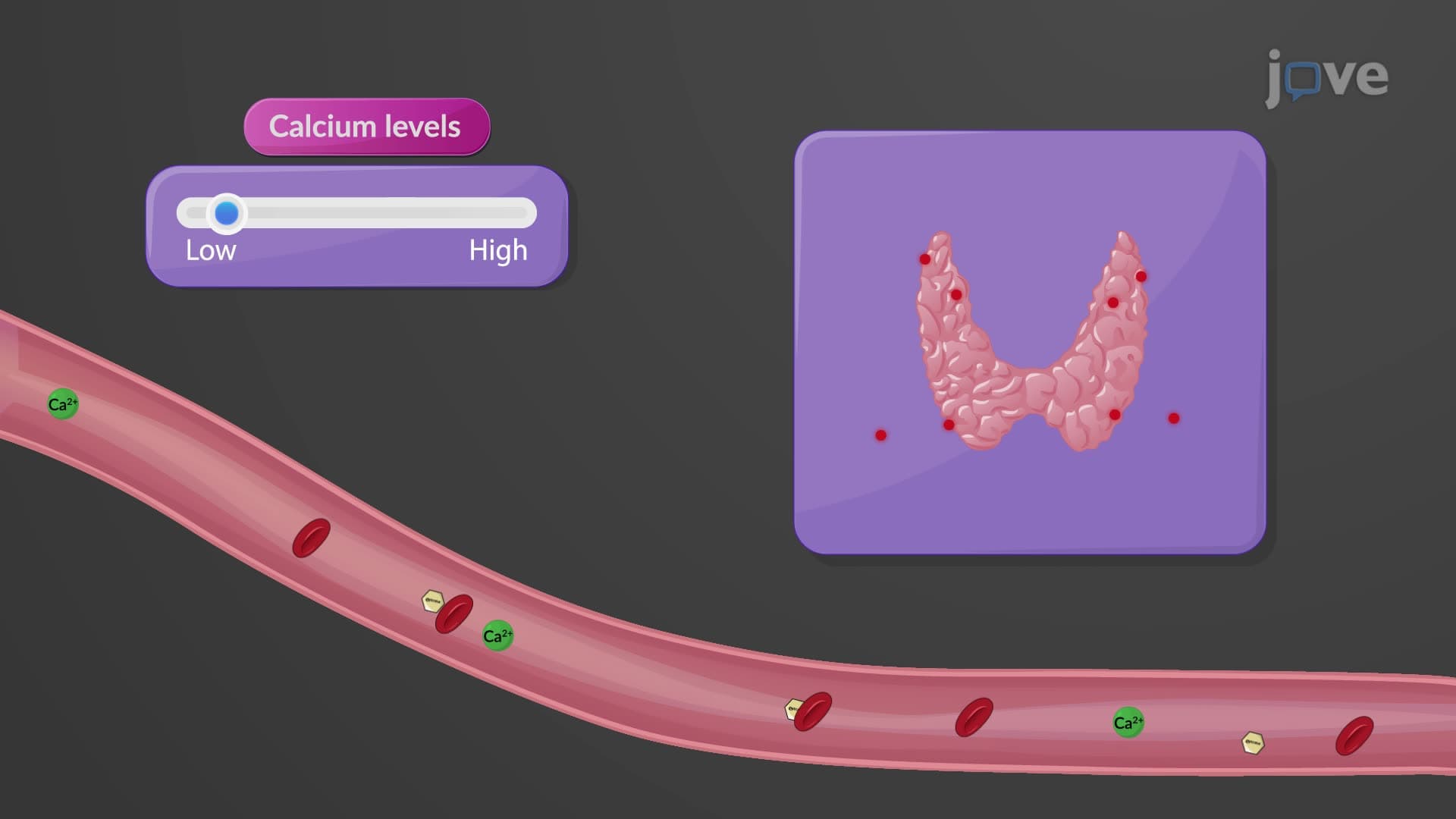
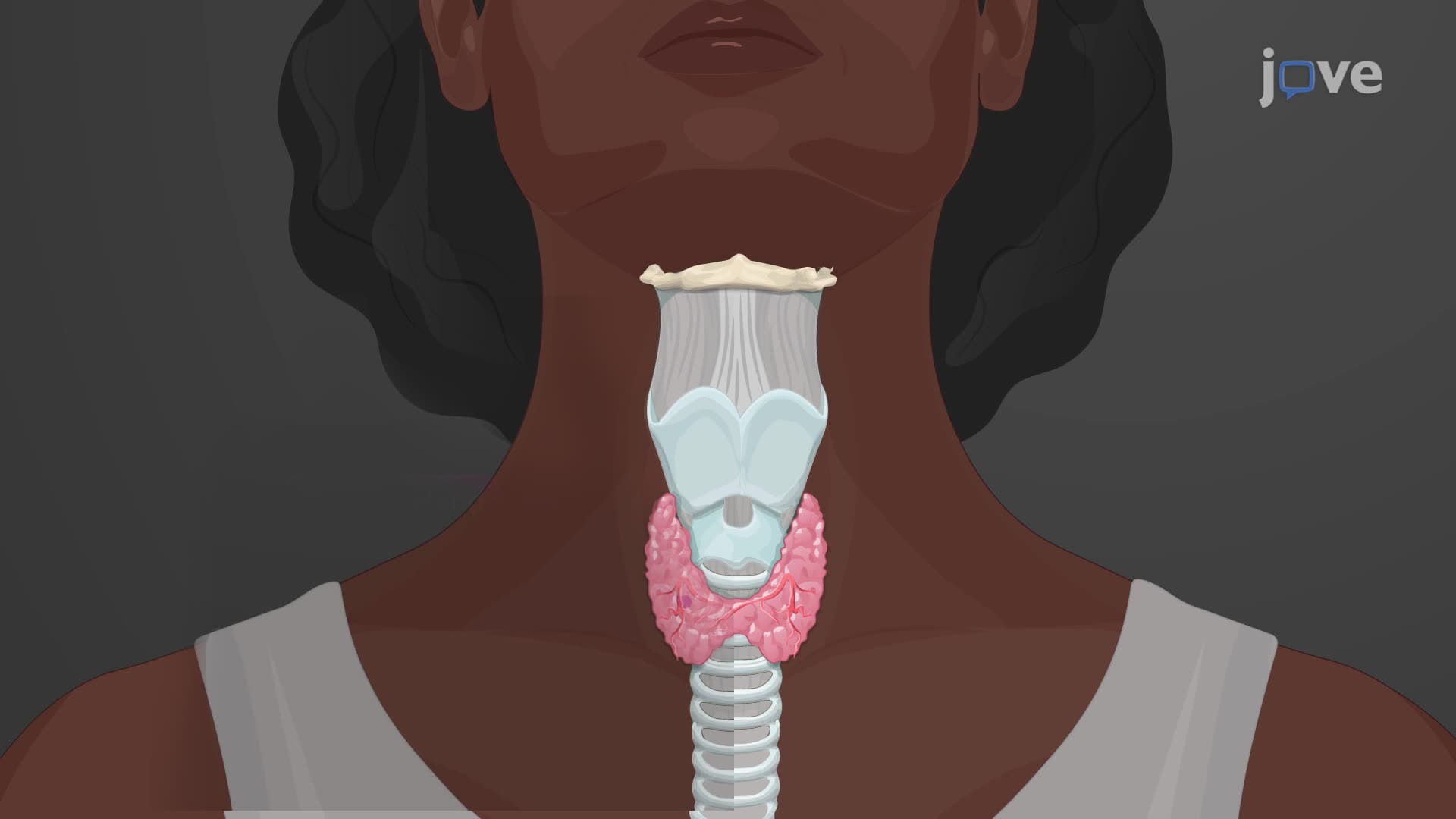
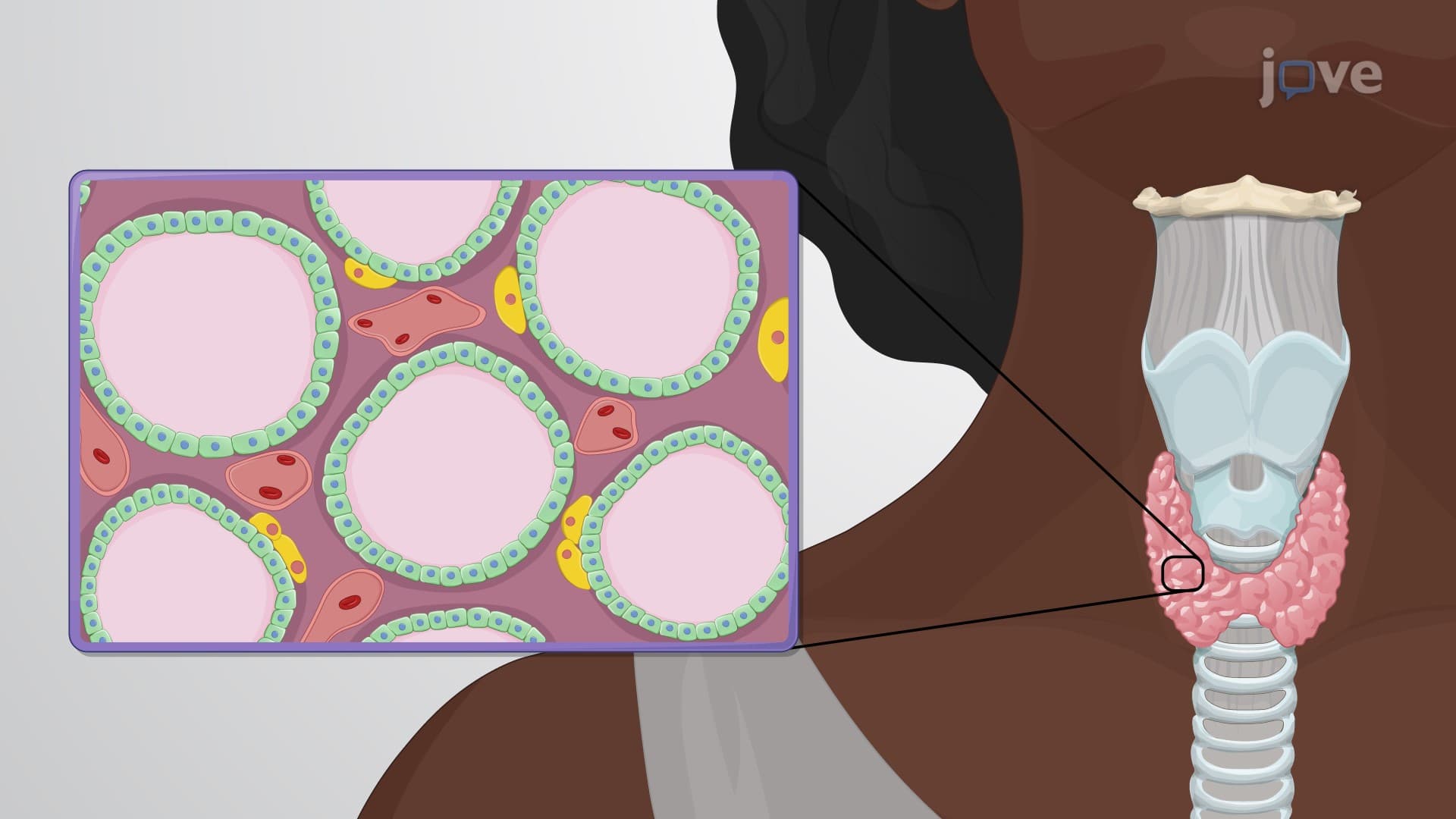
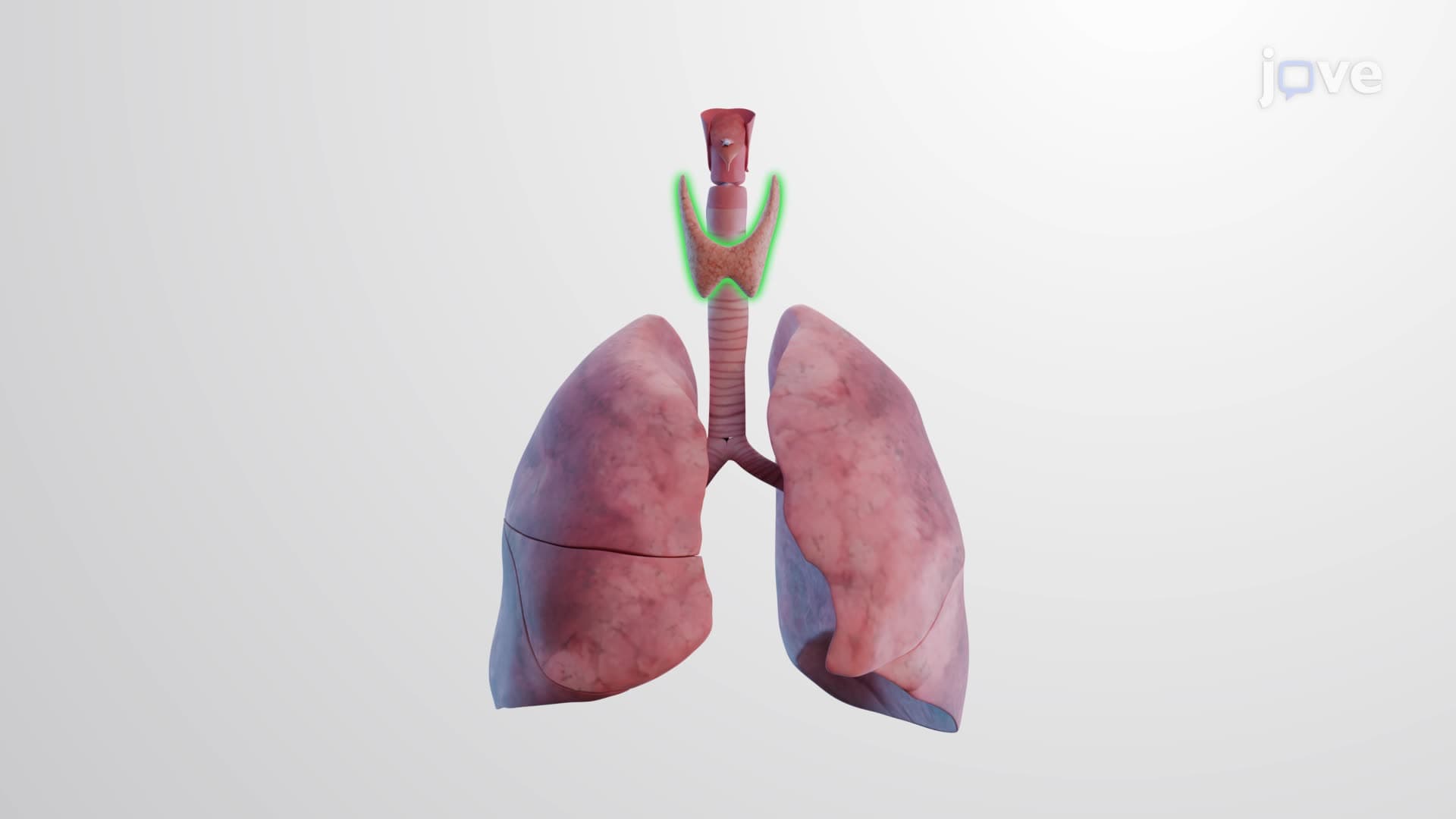
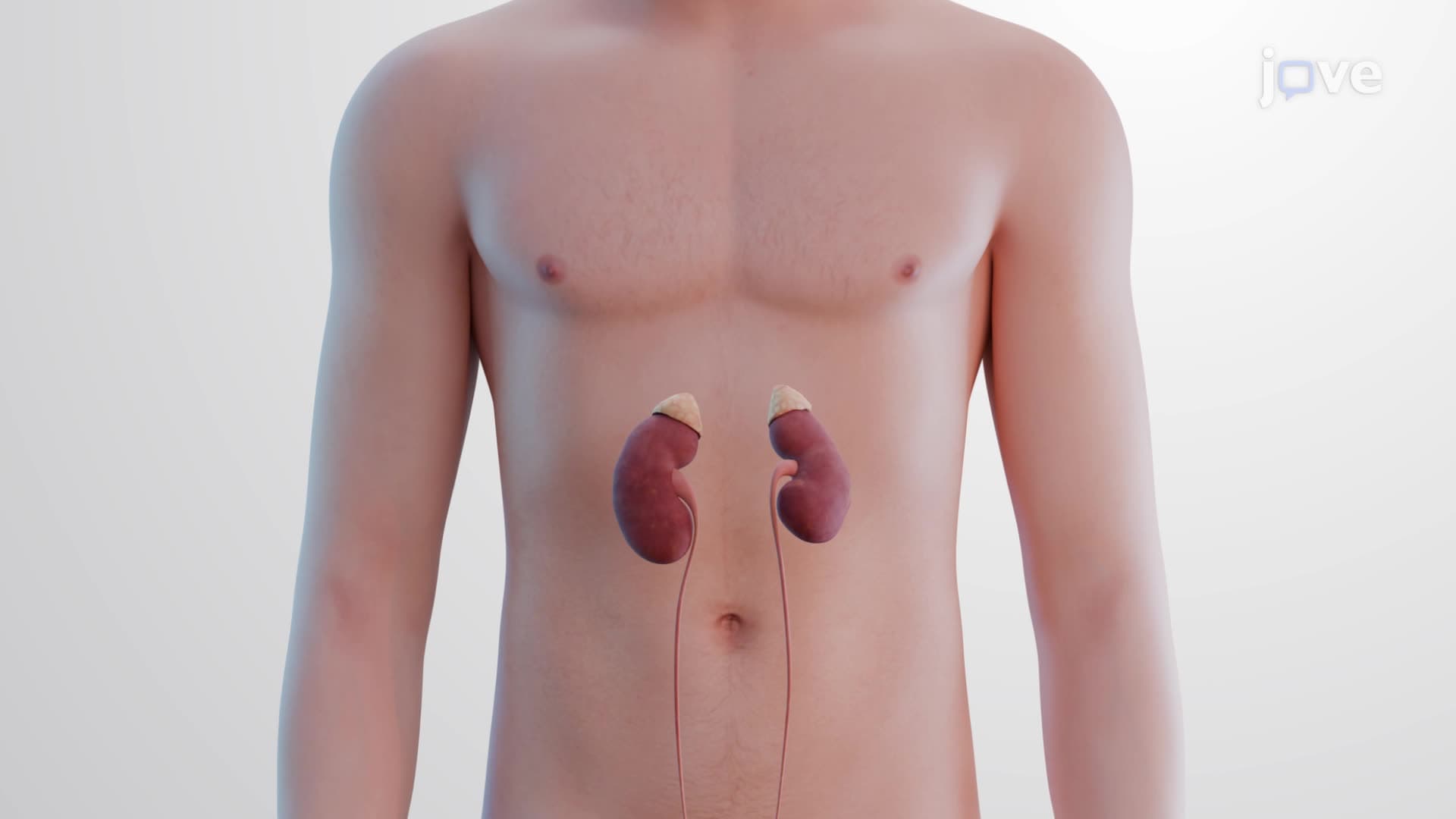
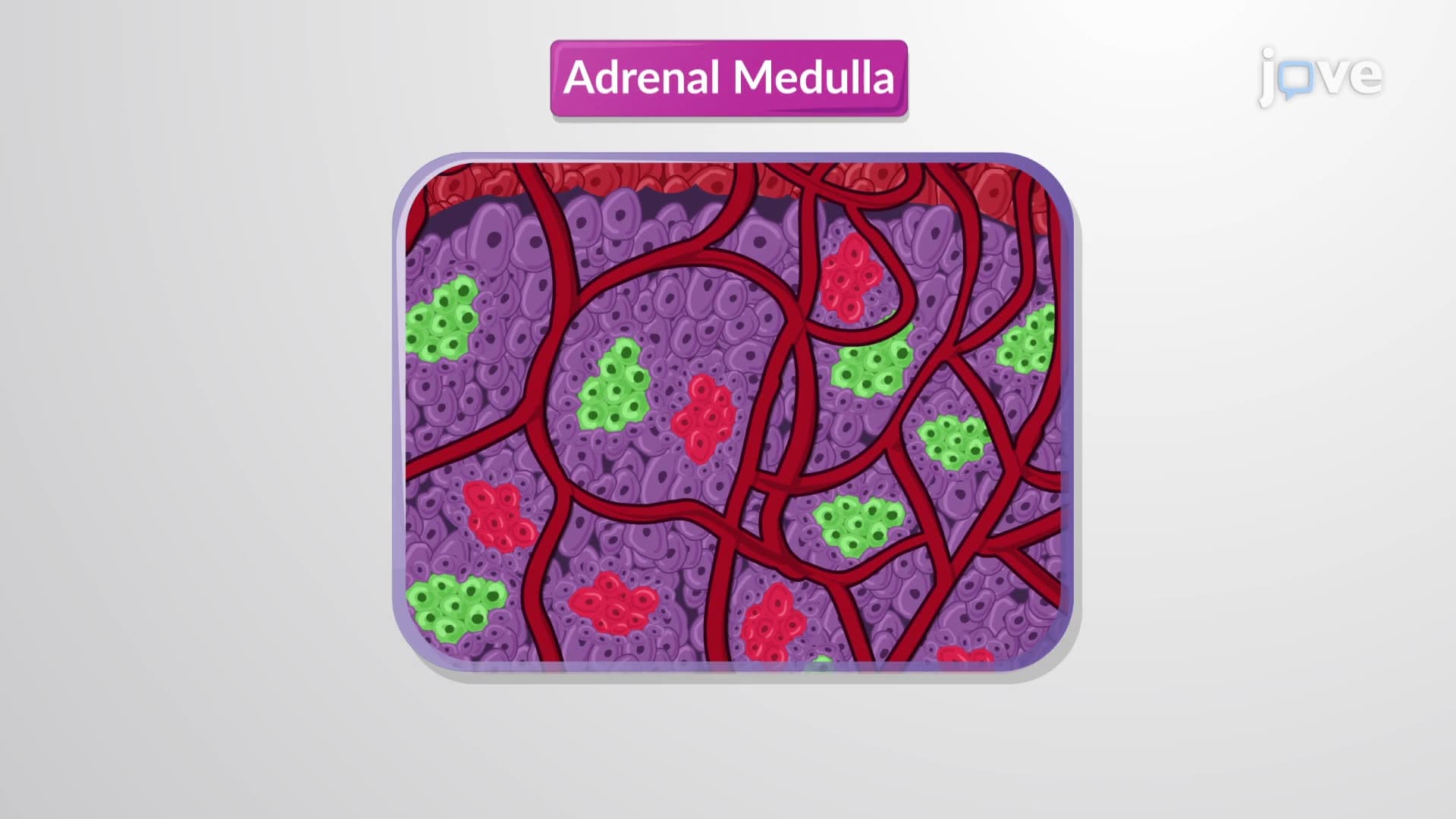
The major players in this system include the pituitary gland (often called the "master gland"), thyroid, parathyroid glands, adrenal glands, pancreas, and reproductive organs. Each endocrine organ anatomy serves specific roles: your thyroid regulates metabolism and energy production, while your pancreas manages blood sugar through insulin and glucagon. The pituitary gland, nestled at the base of your brain, controls other glands through releasing and inhibiting hormones-making it the conductor of this hormonal orchestra.
Chemical Signaling Endocrine Mechanisms
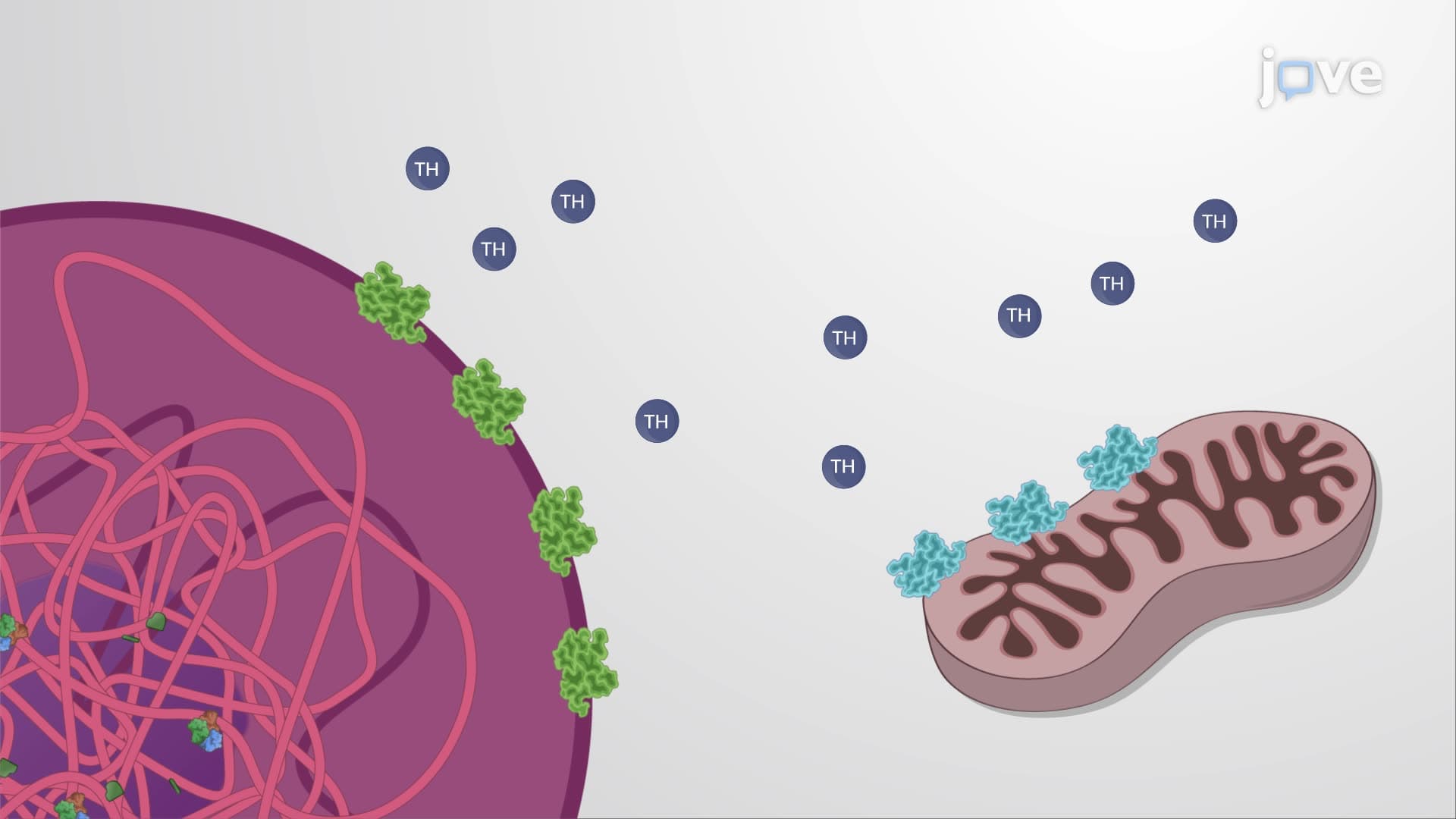
Chemical signaling endocrine processes depend on the lock-and-key relationship between hormones and their target cell receptors. This specificity explains why testosterone affects muscle development and voice changes during puberty but doesn't influence your digestive system. Hormones travel through your bloodstream like molecular mail carriers, but they can only deliver their messages to cells with the right "address"-the appropriate receptors.
Endocrine System Function Overview in Health and Disease
Endocrine system regulation becomes critically important in medical contexts that students encounter in AP Biology, pre-med courses, and health science programs. Diabetes mellitus demonstrates what happens when pancreatic beta cells can't produce enough insulin or when target cells become insulin-resistant. Similarly, hyperthyroidism illustrates how excess thyroid hormone can accelerate metabolism to dangerous levels, causing rapid heartbeat, weight loss, and anxiety-concepts frequently tested on the MCAT and college physiology exams.
For students preparing for standardized tests, understanding feedback loops is essential. The hypothalamic-pituitary-thyroid axis exemplifies negative feedback: when thyroid hormone levels drop, the hypothalamus releases TRH, stimulating the pituitary to release TSH, which then prompts thyroid hormone production. This self-regulating mechanism maintains homeostasis and appears regularly in AP Biology free-response questions.
Frequently Asked Questions
The endocrine system is your body's chemical communication network using hormone messengers. It includes glands like the thyroid, pancreas, and adrenals that release hormones into your bloodstream to control growth, metabolism, reproduction, and stress responses. Unlike nerve signals that work instantly, hormones create longer-lasting effects from minutes to years.
AP Biology frequently tests endocrine concepts through feedback loops, hormone-receptor interactions, and homeostasis mechanisms. Expect questions about insulin regulation, thyroid function, and stress responses. The College Board emphasizes understanding how hormones maintain balance rather than memorizing individual gland functions. Practice with released AP questions focusing on negative feedback diagrams.
The MCAT tests endocrine system integration with other body systems, particularly in biological and biochemical foundations sections. Key areas include glucose regulation, reproductive hormones, stress response pathways, and calcium homeostasis. Understanding hormone signaling pathways and their disruption in disease states like diabetes is crucial for high scores.
HESI A2, TEAS, and nursing prerequisites heavily emphasize endocrine disorders since nurses frequently care for diabetic, thyroid, and hormone-replacement patients. Understanding normal hormone function helps you recognize abnormal signs and symptoms. Many nursing programs require strong foundational knowledge of insulin administration and thyroid medication effects.
Healthcare professionals use endocrine knowledge daily when managing diabetic patients' insulin regimens, monitoring thyroid medication effectiveness, or recognizing hormone-related mood changes. Emergency room nurses must understand how adrenaline affects heart rate and blood pressure during crisis situations. This knowledge directly impacts patient safety and treatment decisions.
Not at all-the endocrine system builds on basic chemistry and biology concepts you already know. Start with understanding that hormones are chemical messengers, then learn major glands and their primary hormones. Focus on big-picture concepts like feedback loops rather than memorizing every detail. Most students find it logical once they grasp the communication aspect.
Create concept maps linking glands, hormones, and target organs to visualize relationships. Practice drawing feedback loop diagrams, especially for blood sugar and thyroid regulation. Use clinical examples like diabetes to make concepts memorable. Focus on understanding cause-and-effect relationships rather than isolated facts-this approach works well for both multiple-choice and essay questions.
Explore endocrine pathophysiology by learning about common disorders like diabetes types 1 and 2, hyperthyroidism, and Addison's disease. Study how environmental factors affect hormone production, including stress and circadian rhythms. Advanced students can investigate hormone replacement therapies and current research in endocrine-disrupting chemicals found in everyday products.
Related Micro-courses


