Loading subject page…


112,917 views

Video Summary: What Is Cells and Secretions Pancreas
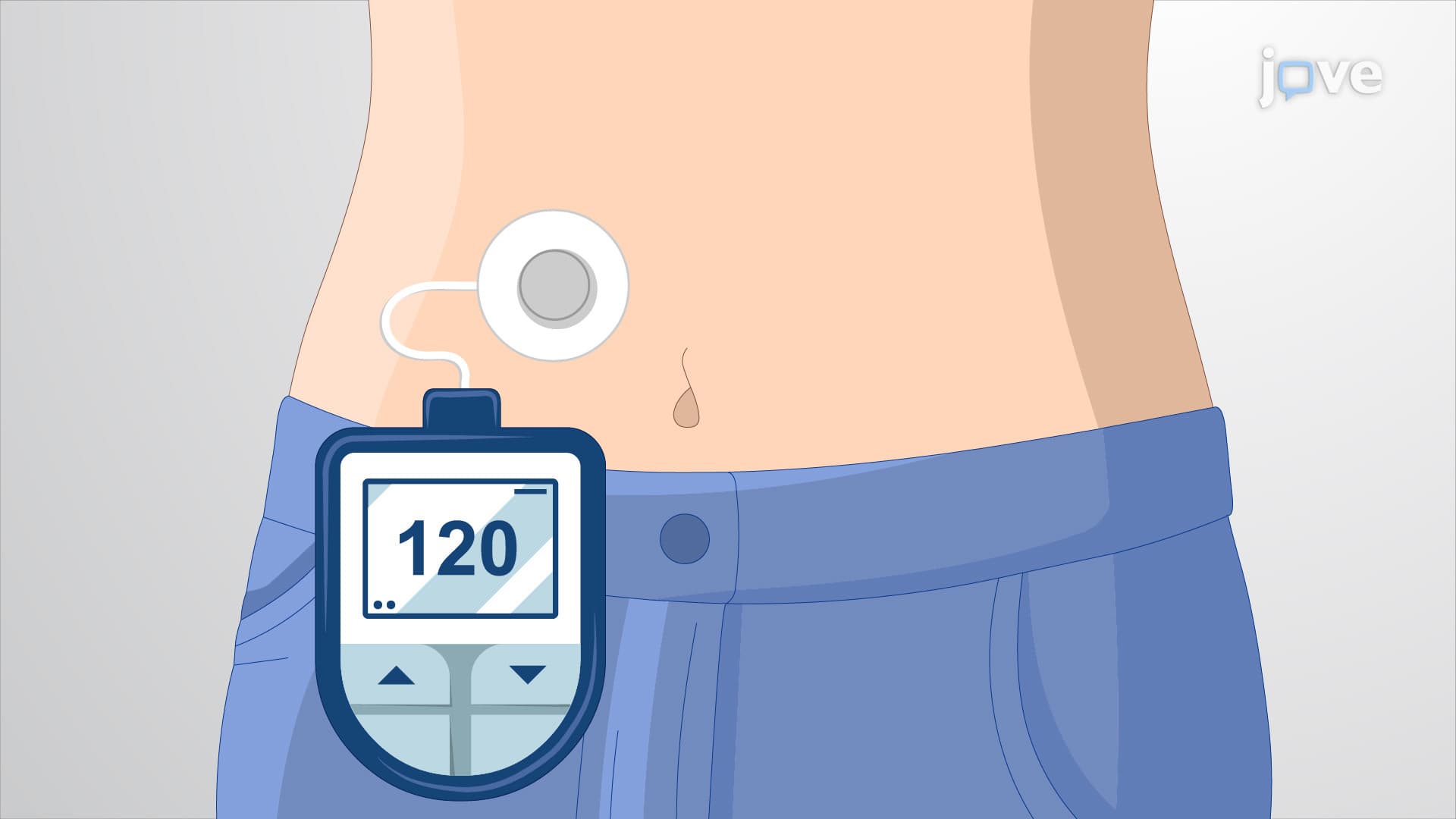
Did you know that your pancreas produces over 20 different digestive enzymes daily, yet weighs only about 3 ounces? Understanding pancreas cells secretions biology reveals how this small organ manages both digestion and blood sugar through specialized cell types. For instance, when a diabetic patient at Johns Hopkins Hospital receives insulin therapy, they're benefiting from understanding beta cell function. What is cells and secretions pancreas becomes clearer when examining how acinar cells produce digestive enzymes while islet cells regulate glucose metabolism. Watch the full video on JoVE Coach to master this concept with expert-led visuals and step-by-step explanations.
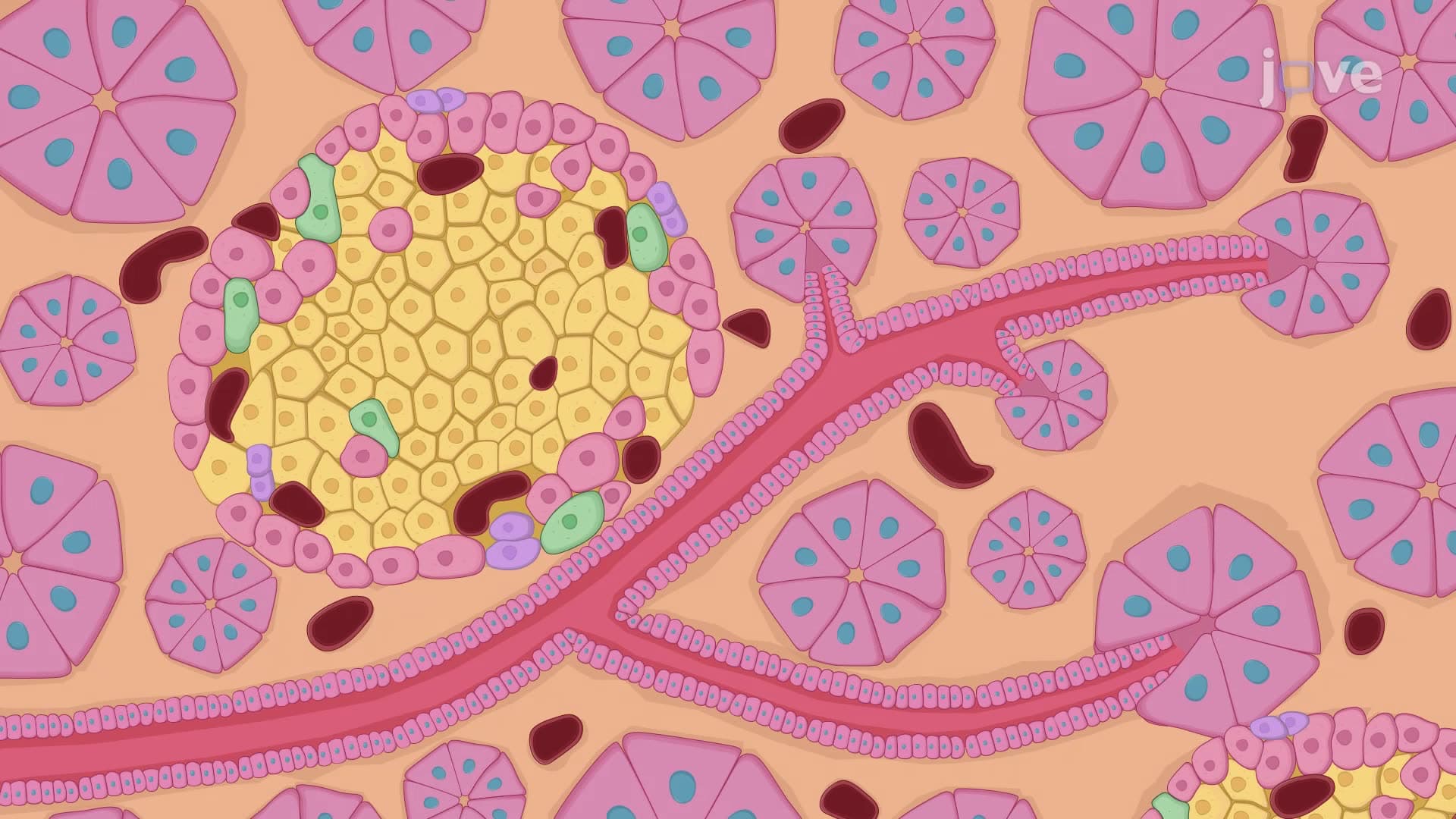
The pancreas exemplifies biological efficiency through its dual-system design. This 6-inch organ behind your stomach contains two functionally distinct cell populations working in harmony. Pancreatic cells explained reveals how approximately 95% of the pancreas consists of exocrine tissue, while the remaining 5% comprises endocrine cells crucial for metabolic regulation.
Acinar cells form the pancreas's exocrine component, organizing into grape-like clusters called acini. These specialized cells produce and secrete pancreatic juice containing over 20 digestive enzymes, including trypsin, chymotrypsin, and pancreatic lipase. The alkaline nature of this secretion (pH 8.1-8.3) neutralizes acidic stomach contents entering the duodenum, creating optimal conditions for enzyme activity.
In clinical practice, pancreatic enzyme replacement therapy (PERT) prescribed to cystic fibrosis patients at institutions like Cincinnati Children's Hospital directly addresses acinar cell dysfunction. Medical students preparing for the USMLE Step 1 frequently encounter questions about pancreatic insufficiency and its relationship to malabsorption syndromes.
Islet Langerhans cells comprise four distinct cell types within scattered microscopic clusters throughout pancreatic tissue. Alpha beta delta cell pancreas functions demonstrate remarkable specialization in glucose homeostasis.
Alpha cells, constituting 15-20% of islet cells, secrete glucagon during fasting states. This hormone stimulates hepatic glucose production through glycogenolysis and gluconeogenesis, explaining why glucagon emergency kits are standard diabetes management tools in US emergency departments.
Beta cells represent 65-80% of islet cells and produce insulin, the body's primary anabolic hormone. Glucagon insulin secretion operates through negative feedback loops essential for maintaining blood glucose between 70-100 mg/dL. Type 1 diabetes research at institutions like the Joslin Diabetes Center focuses extensively on beta cell preservation and regeneration.
Somatostatin pancreatic cell function involves delta cells, which comprise 3-10% of islet populations. These cells secrete somatostatin (growth hormone-inhibiting hormone), creating paracrine inhibition of both insulin and glucagon release. This regulatory mechanism prevents excessive hormonal swings during glucose fluctuations.
PP cells, representing less than 5% of islet cells, produce pancreatic polypeptides that modulate gastrointestinal motility and enzyme secretion. Advanced Placement Biology students often encounter this regulatory complexity when studying endocrine system integration for college-level coursework.
Related Micro-courses