Loading subject page…


112,914 views


Video Summary: What Is Chemical Signaling
Ever wonder how your body coordinates trillions of cells to work together? Chemical signaling biology orchestrates this incredible feat through molecular messengers that travel throughout your system. From the adrenaline rush during a basketball game to insulin regulating blood sugar after lunch, what is chemical signaling becomes clear when we see hormones like testosterone binding to DNA and directly controlling gene expression in target cells. Watch the full video on JoVE Coach to master this concept with expert-led visuals and step-by-step explanations.
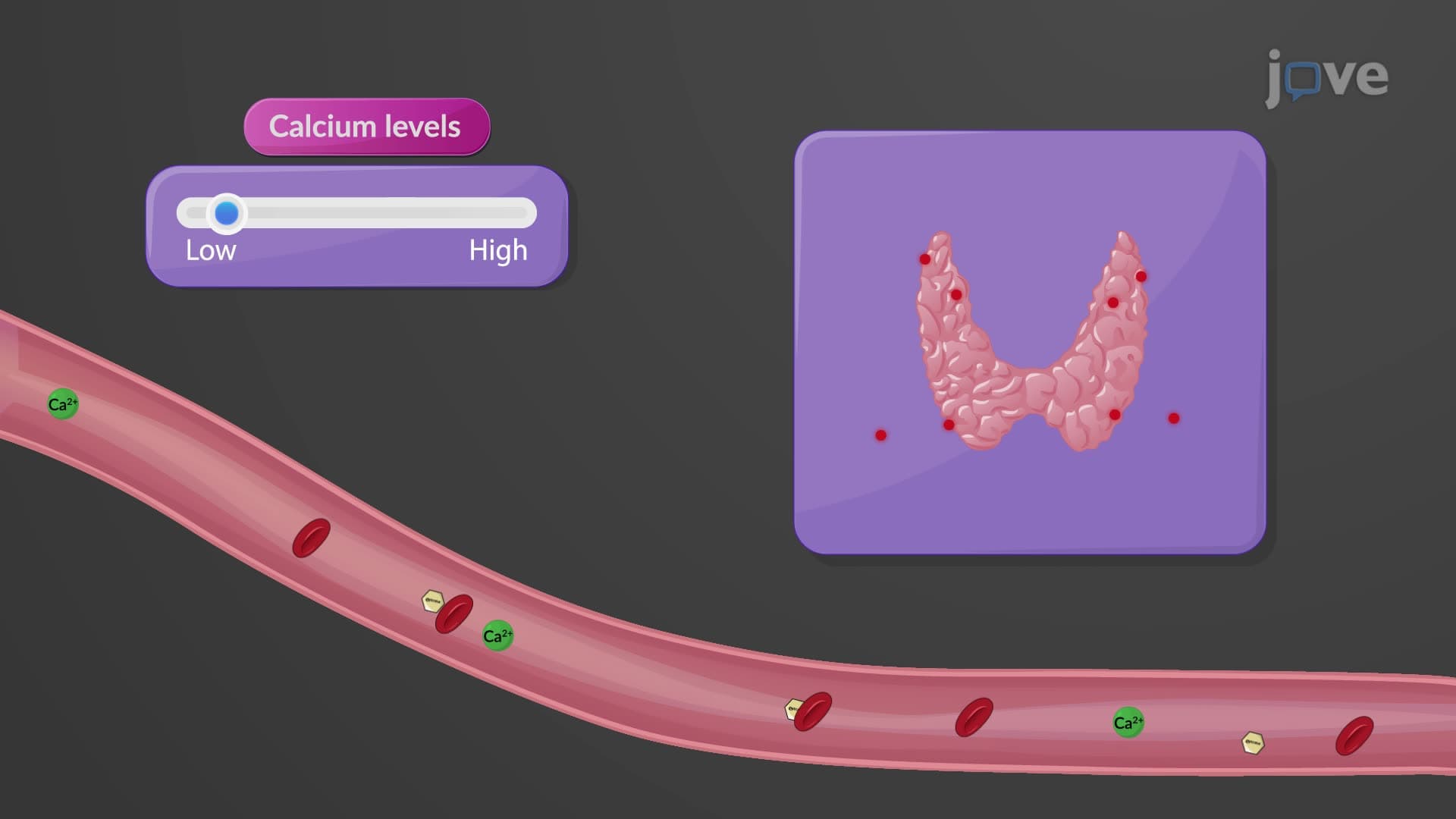
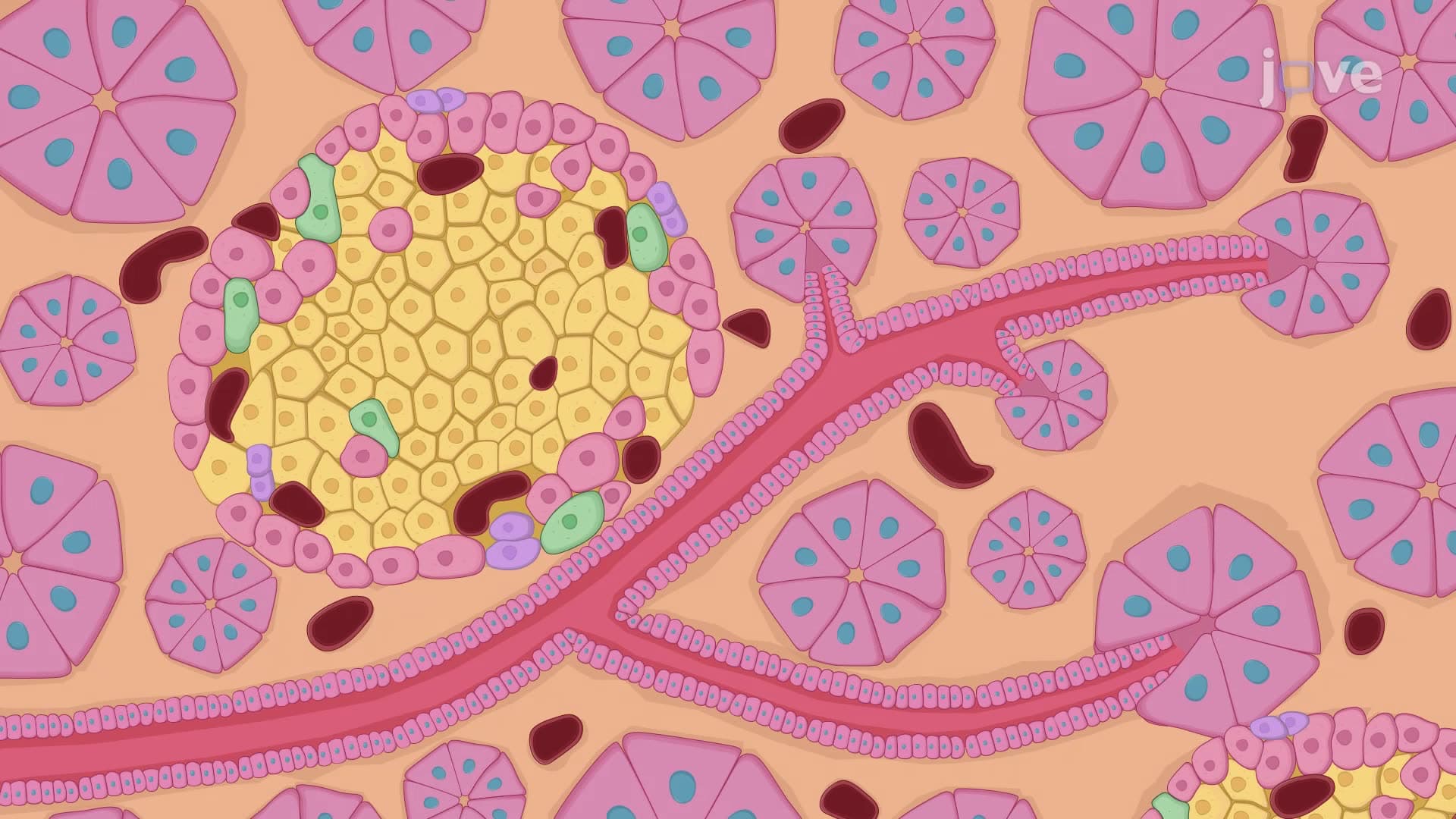
Chemical signaling biology forms the foundation of intercellular communication, enabling complex multicellular organisms to function as coordinated units. This sophisticated system relies on chemical messengers-primarily hormones, neurotransmitters, and cytokines-to transmit information across varying distances within the body. Endocrine chemical signaling explained involves hormones traveling through the bloodstream to reach distant target cells, while paracrine signaling affects nearby cells, and autocrine signaling influences the same cell that produced the signal.
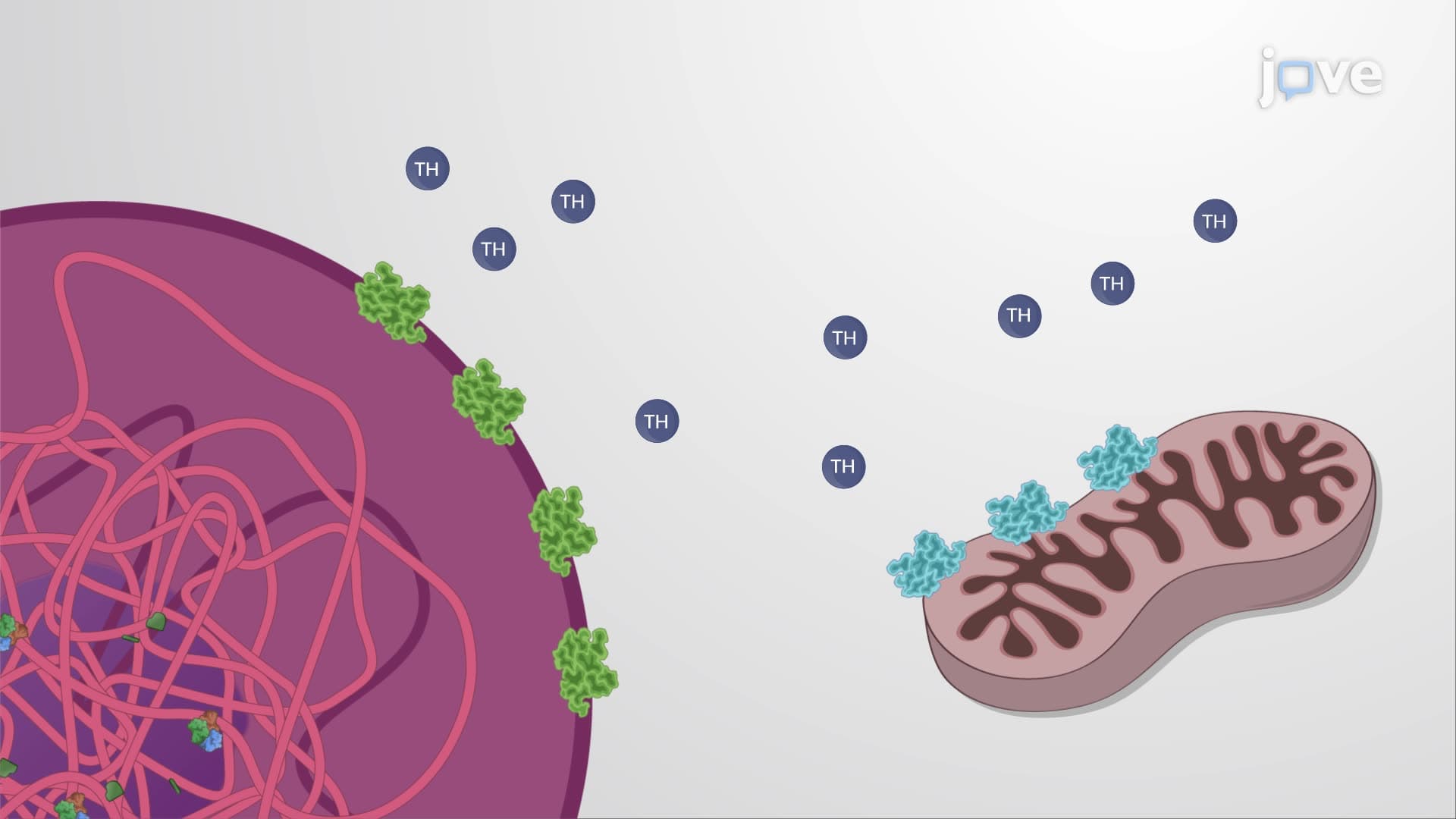
The effectiveness of chemical signaling in the endocrine system depends largely on hormone solubility characteristics. Lipid-soluble hormones, including steroid hormones like testosterone, estrogen, and cortisol, can easily cross cell membranes due to their hydrophobic nature. These hormones bind to intracellular receptors located in the cytoplasm or nucleus. Conversely, water-soluble hormones like insulin and growth hormone cannot penetrate cell membranes and must bind to surface receptors, triggering different signaling pathways.
Students preparing for the AP Biology exam or MCAT should understand that steroid hormone mechanisms involve direct gene regulation. When testosterone reaches target cells in muscle tissue or reproductive organs, it detaches from carrier proteins like sex hormone-binding globulin (SHBG) and diffuses through the membrane. The resulting hormone-receptor complex acts as a transcription factor, binding to specific DNA sequences called hormone response elements and ultimately affecting protein synthesis.
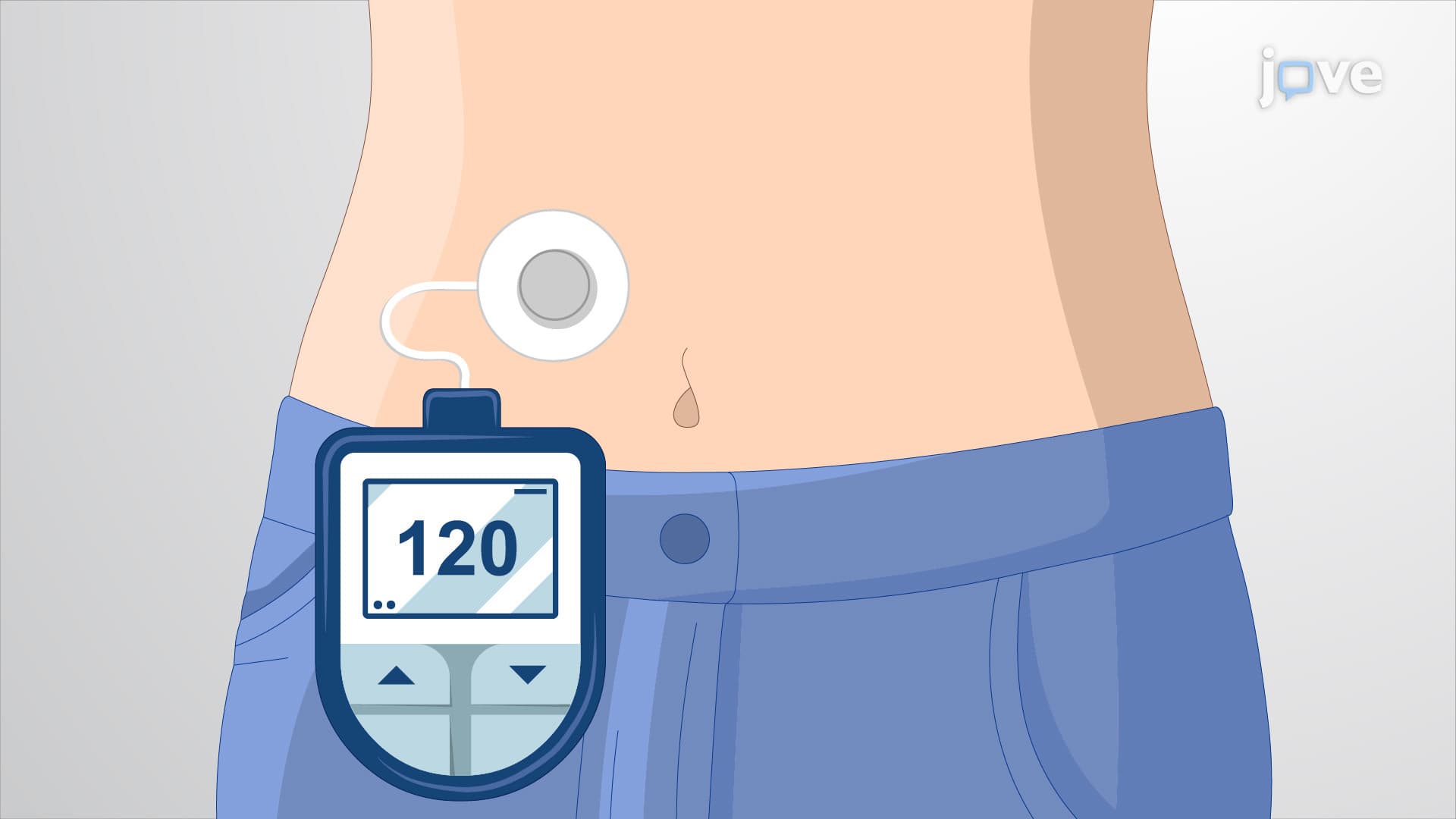
Understanding hormone chemical signals proves crucial for medical professionals treating endocrine disorders. For instance, patients with hypogonadism receive testosterone replacement therapy to restore normal signaling pathways. The long distance chemical signal nature of hormones explains why endocrine disruptions can have widespread effects-diabetes affects multiple organ systems because insulin receptors exist throughout the body.
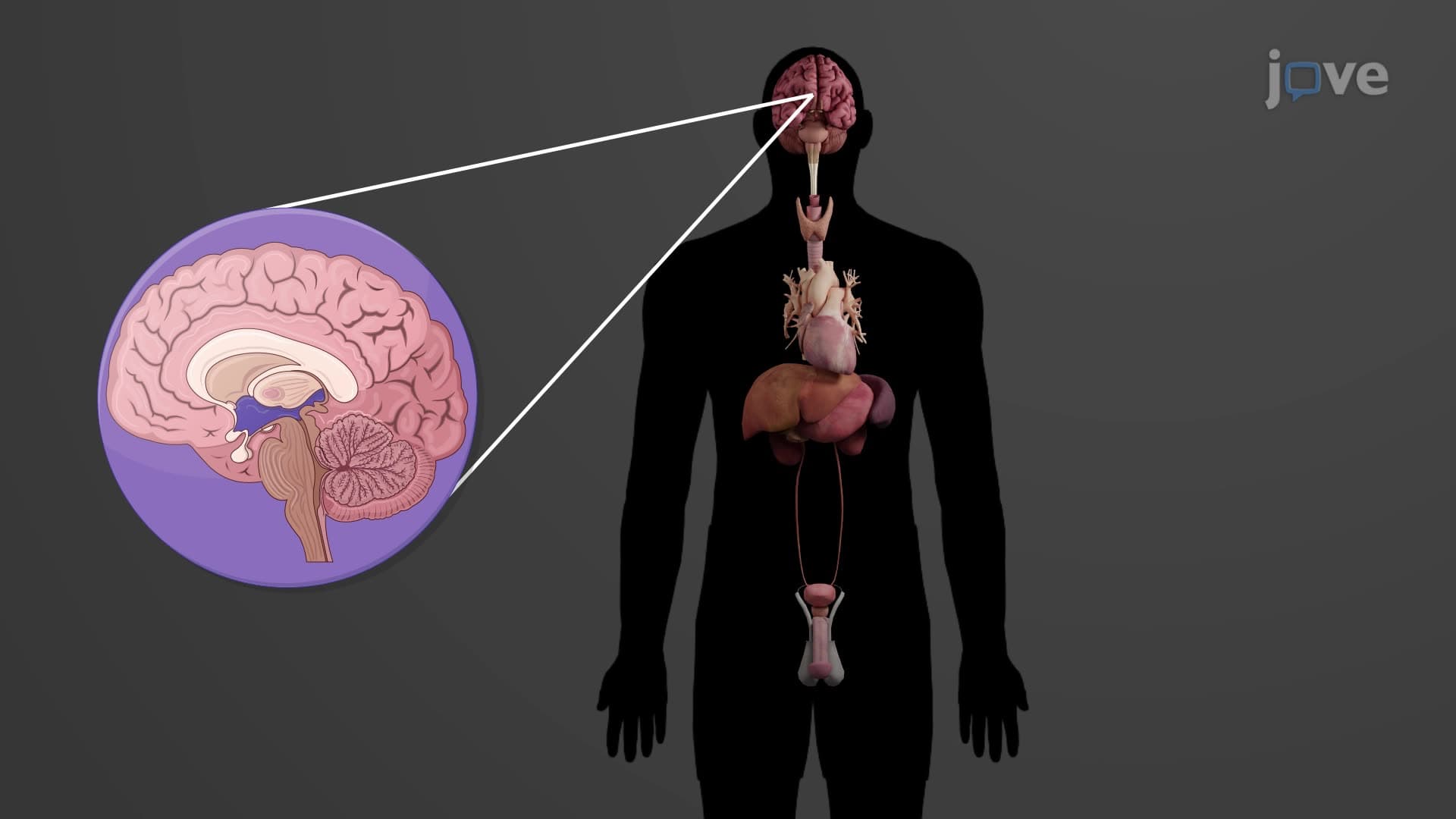
Medical students studying for the USMLE must recognize how neurocrine signaling types differ from traditional endocrine pathways. Neurohormones like oxytocin and antidiuretic hormone (ADH) are produced in the hypothalamus but stored and released by the posterior pituitary, representing a hybrid signaling mechanism combining neural and endocrine elements.
This comprehensive understanding of chemical signaling mechanisms underlies many therapeutic interventions, from hormone replacement therapy to targeted cancer treatments that disrupt specific signaling pathways.
Related Micro-courses