Loading subject page…


112,914 views


Video Summary: What Is Hormones Regulating Blood Glucose
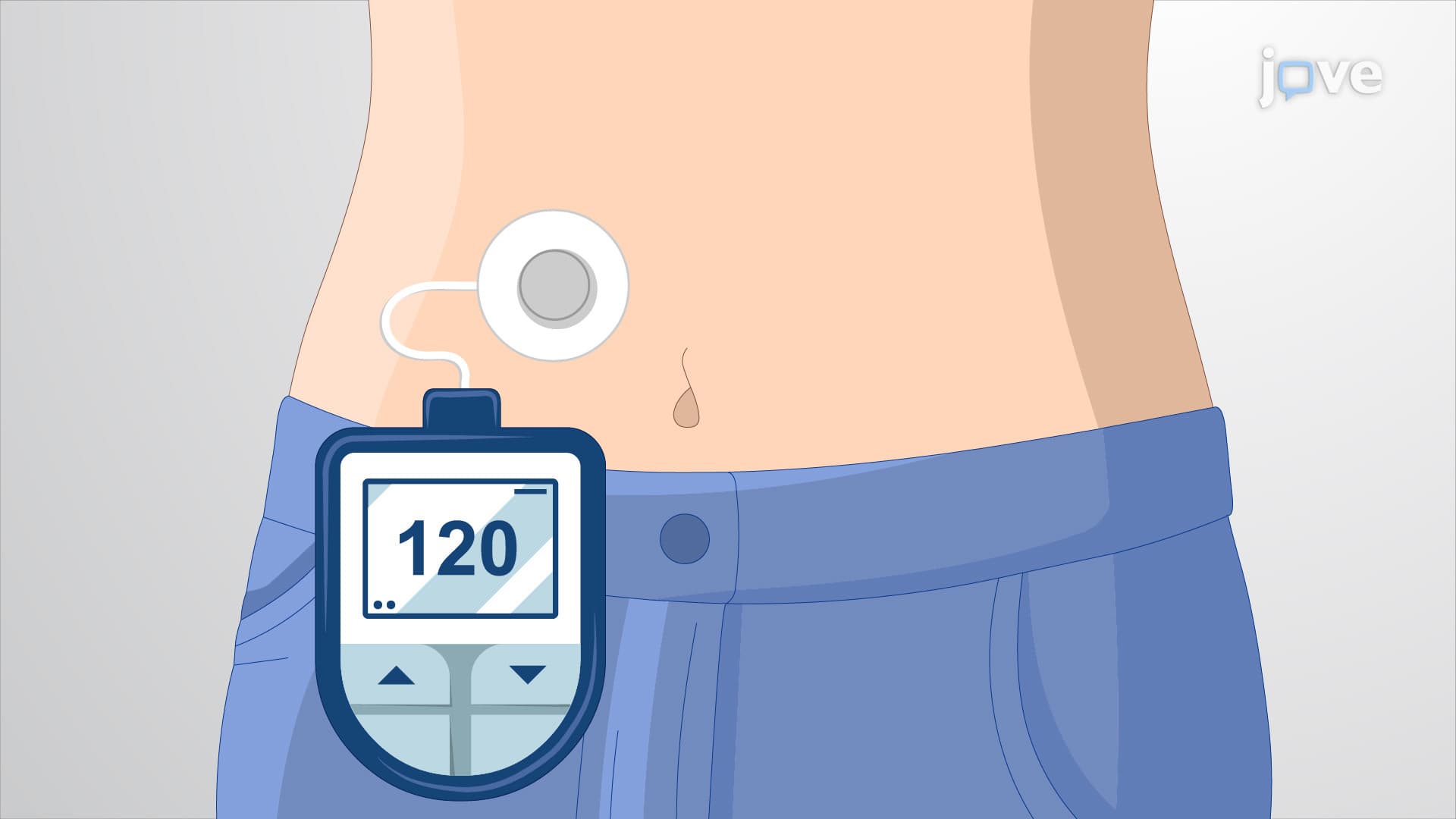
Ever wonder why you don't pass out between meals even though your last snack was hours ago? Blood glucose regulating hormones work 24/7 to maintain your energy levels, with insulin and glucagon acting like a perfectly choreographed duo. When a diabetic patient at Johns Hopkins Hospital checks their blood sugar, they're monitoring this exact hormonal balance that keeps millions of Americans healthy. Understanding what is hormones regulating blood glucose reveals the sophisticated control system that prevents dangerous blood sugar swings. Watch the full video on JoVE Coach to master this concept with expert-led visuals and step-by-step explanations.
The human body maintains blood glucose levels within a narrow range of 70-110 mg/dL through a sophisticated hormonal control system. Blood glucose regulating hormones primarily include insulin and glucagon, two pancreatic hormones that work antagonistically to ensure cellular energy needs are met while preventing dangerous glucose fluctuations. This regulatory mechanism is essential for brain function, as neurons depend almost exclusively on glucose for energy.
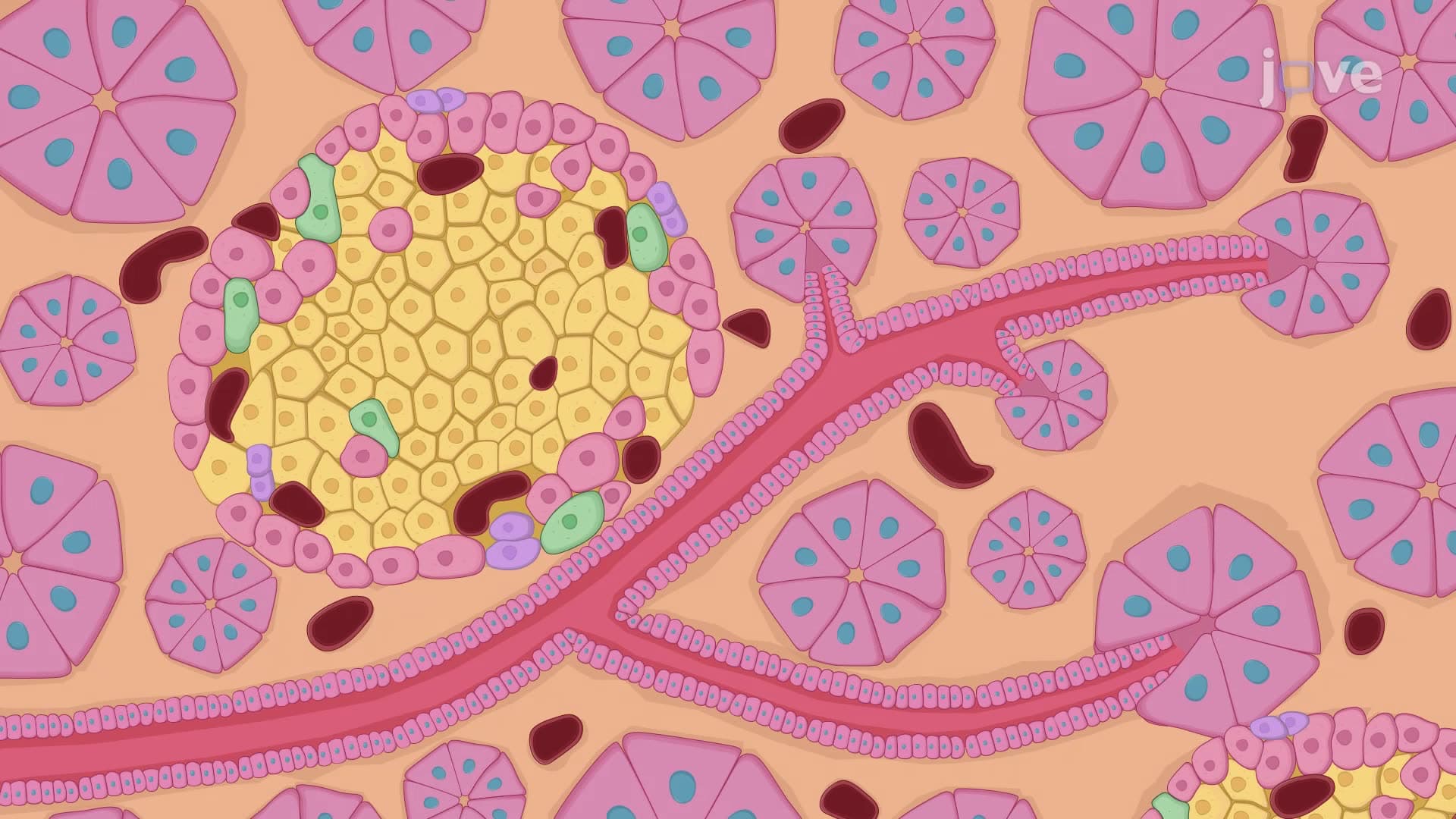
When blood glucose drops below normal levels-such as during overnight fasting or between meals-pancreatic alpha cells detect this decrease and secrete glucagon. This glucose raising hormone targets the liver and skeletal muscle, where it activates glycogenolysis, breaking down stored glycogen into glucose molecules that enter the bloodstream. Glucagon also stimulates gluconeogenesis, a metabolic pathway that synthesizes new glucose from non-carbohydrate sources like amino acids and lactate.
For students preparing for the MCAT or AP Biology exams, understanding glucagon's mechanism is crucial. The hormone binds to G-protein coupled receptors, activating adenylyl cyclase and increasing cyclic AMP levels, which ultimately activates protein kinase A and phosphorylates key enzymes in glucose production pathways.
Following meals, rising blood glucose triggers pancreatic beta cells to release insulin, the primary blood glucose lowering hormone. Insulin facilitates glucose uptake by binding to tyrosine kinase receptors on muscle, fat, and liver cells, promoting GLUT4 transporter translocation to cell membranes. Once inside cells, insulin enhances glycolysis for immediate energy production and promotes glucose storage through glycogen synthesis.
Insulin also exhibits anabolic effects beyond glucose regulation, stimulating protein synthesis and lipogenesis. This explains why insulin resistance, common in type 2 diabetes affecting over 34 million Americans, leads to multiple metabolic complications beyond elevated blood glucose.
Hormones controlling blood glucose represent a fundamental concept in medical education. USMLE Step 1 questions frequently test glucose regulation mechanisms, particularly in diabetes mellitus scenarios. College biochemistry courses emphasize how hormonal imbalances manifest clinically-hyperglycemia in diabetes, hypoglycemia in insulinomas, or stress-induced glucose elevation from cortisol release.
Understanding these concepts helps students analyze case studies involving patients at institutions like the Mayo Clinic or Cleveland Clinic, where glucose regulation disorders are routinely managed through hormonal therapies and lifestyle modifications.
Related Micro-courses