Loading subject page…


112,915 views

Video Summary: What Is Regulation of Hormone Secretion
Did you know that your body produces over 50 different hormones, each requiring precise timing and dosage? Hormone secretion regulation biology involves three distinct control mechanisms: neural stimuli (like stress triggering adrenaline release), humoral stimuli (blood calcium levels controlling parathyroid hormone), and hormonal stimuli (complex feedback loops). Understanding what is the regulation of hormone secretion reveals how your hypothalamus coordinates with your pituitary gland to maintain homeostasis through intricate feedback systems. Watch the full video on JoVE Coach to master this concept with expert-led visuals and step-by-step explanations.
Hormone secretion regulation biology forms the foundation of endocrine system function, controlling when, where, and how much of each hormone your body produces. This sophisticated system ensures that hormone levels remain within optimal ranges through three distinct regulatory mechanisms that work independently or in combination.
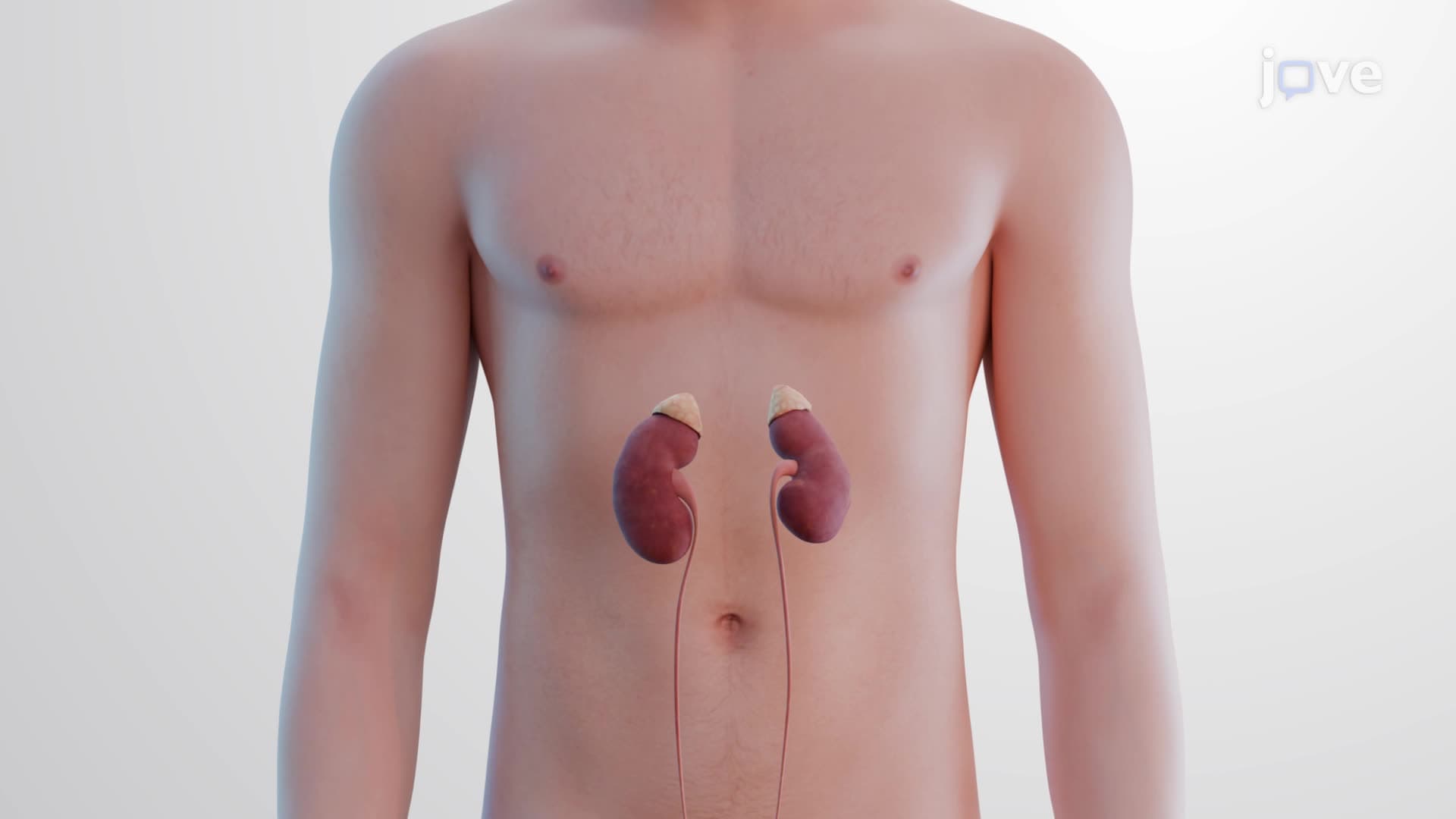
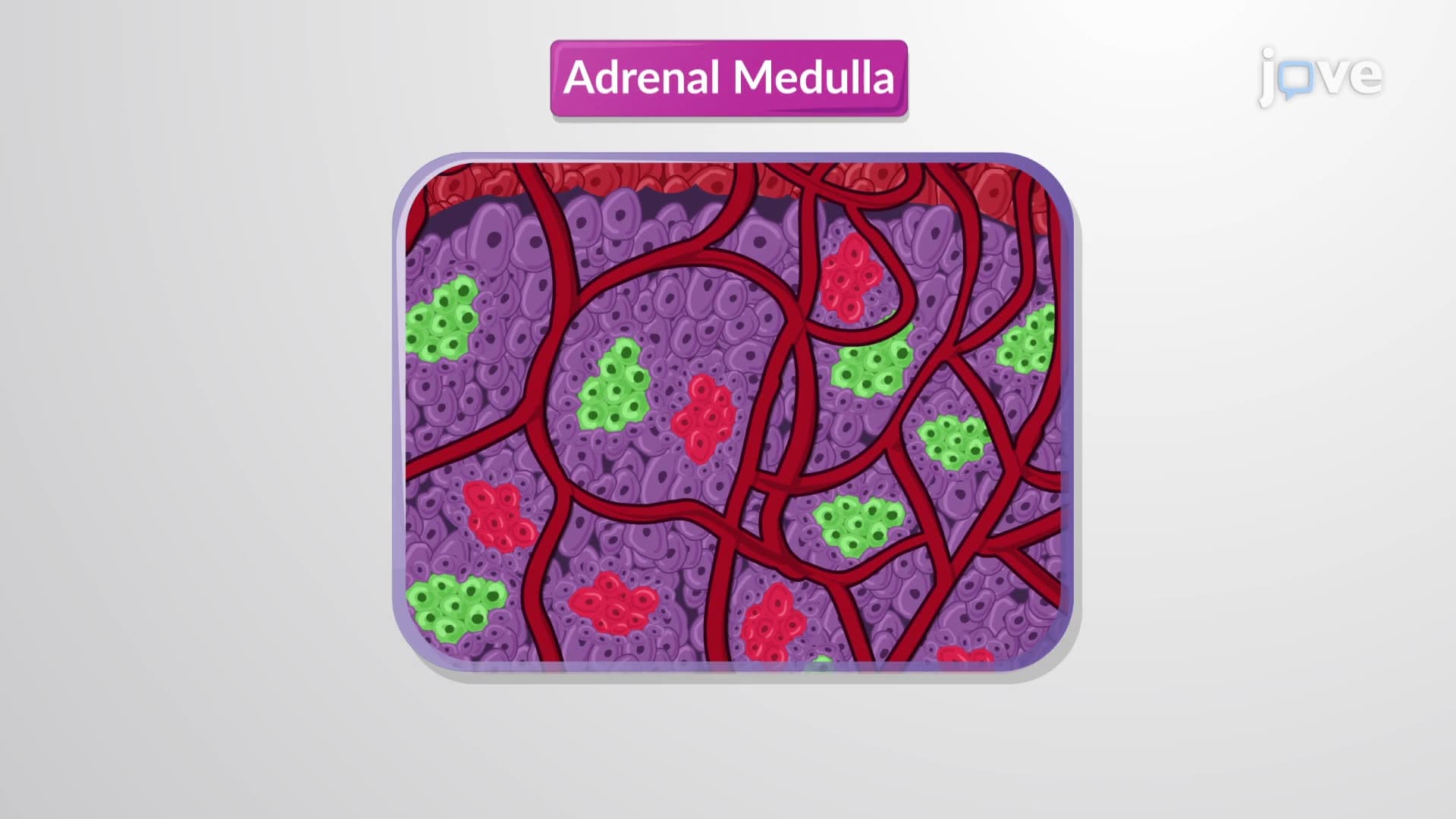
Neural stimuli represent the fastest hormone regulation method, involving direct nerve impulses that trigger immediate hormone release. The sympathetic nervous system exemplifies this mechanism during acute stress. When a student faces a challenging SAT exam, neural pathways rapidly stimulate the adrenal medulla to release epinephrine and norepinephrine within seconds. This fight-or-flight response demonstrates how environmental stimuli can instantly alter hormone secretion patterns.
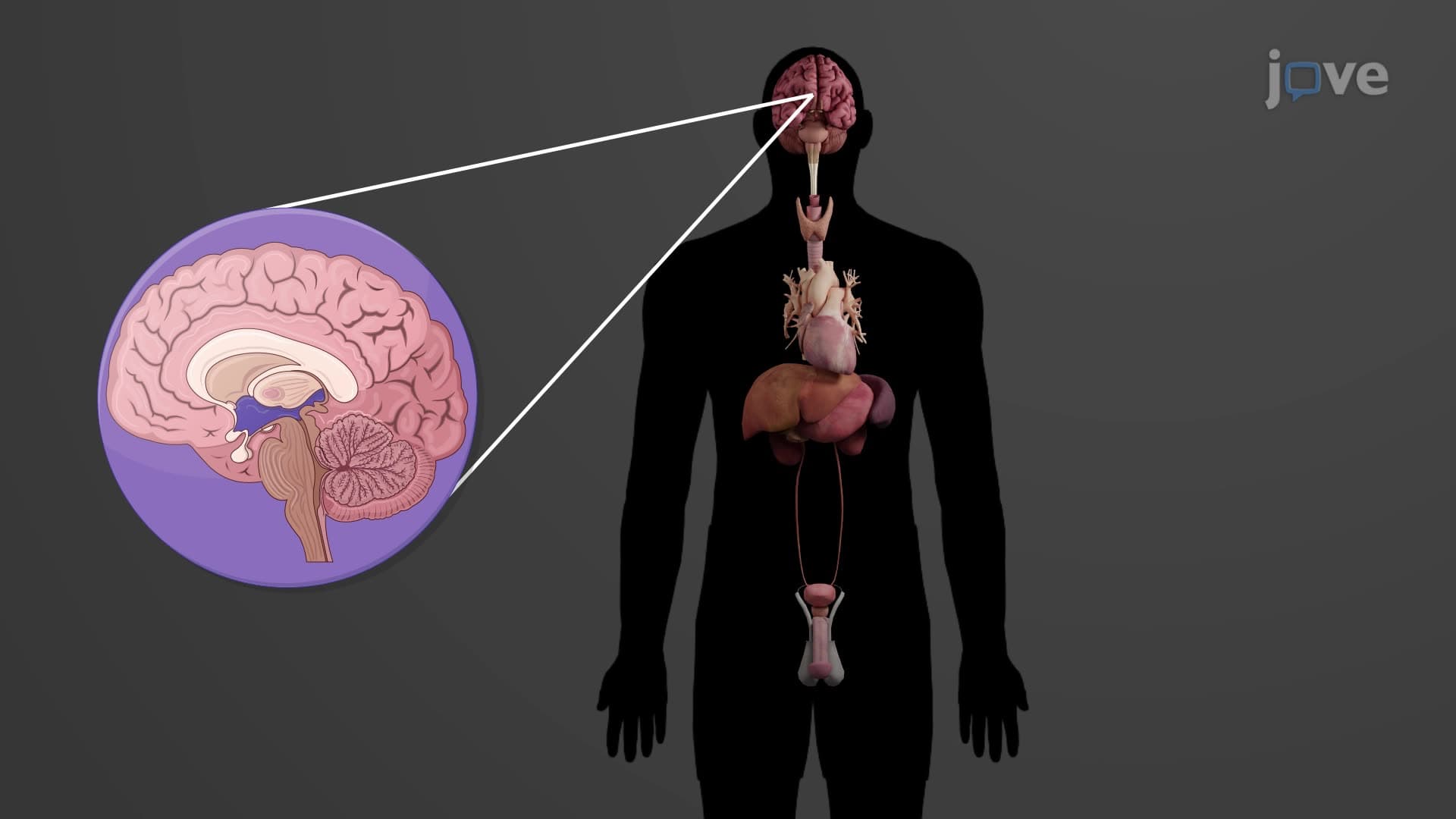
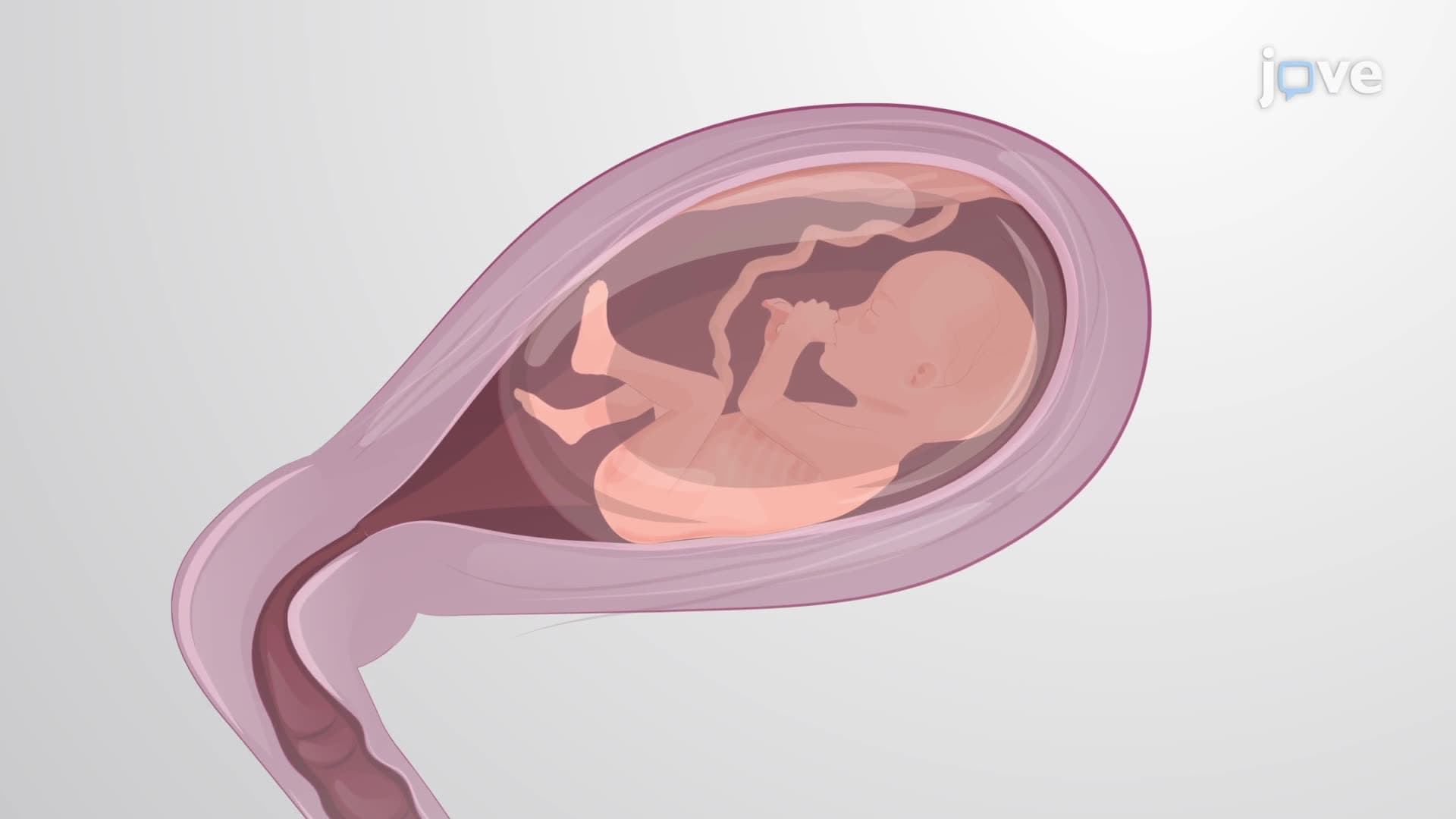
The hypothalamus serves as the primary integration center, receiving sensory input and translating it into hormonal commands. Neurons in the posterior pituitary directly release antidiuretic hormone (ADH) and oxytocin in response to neural signals, showcasing the intimate connection between nervous and endocrine systems.
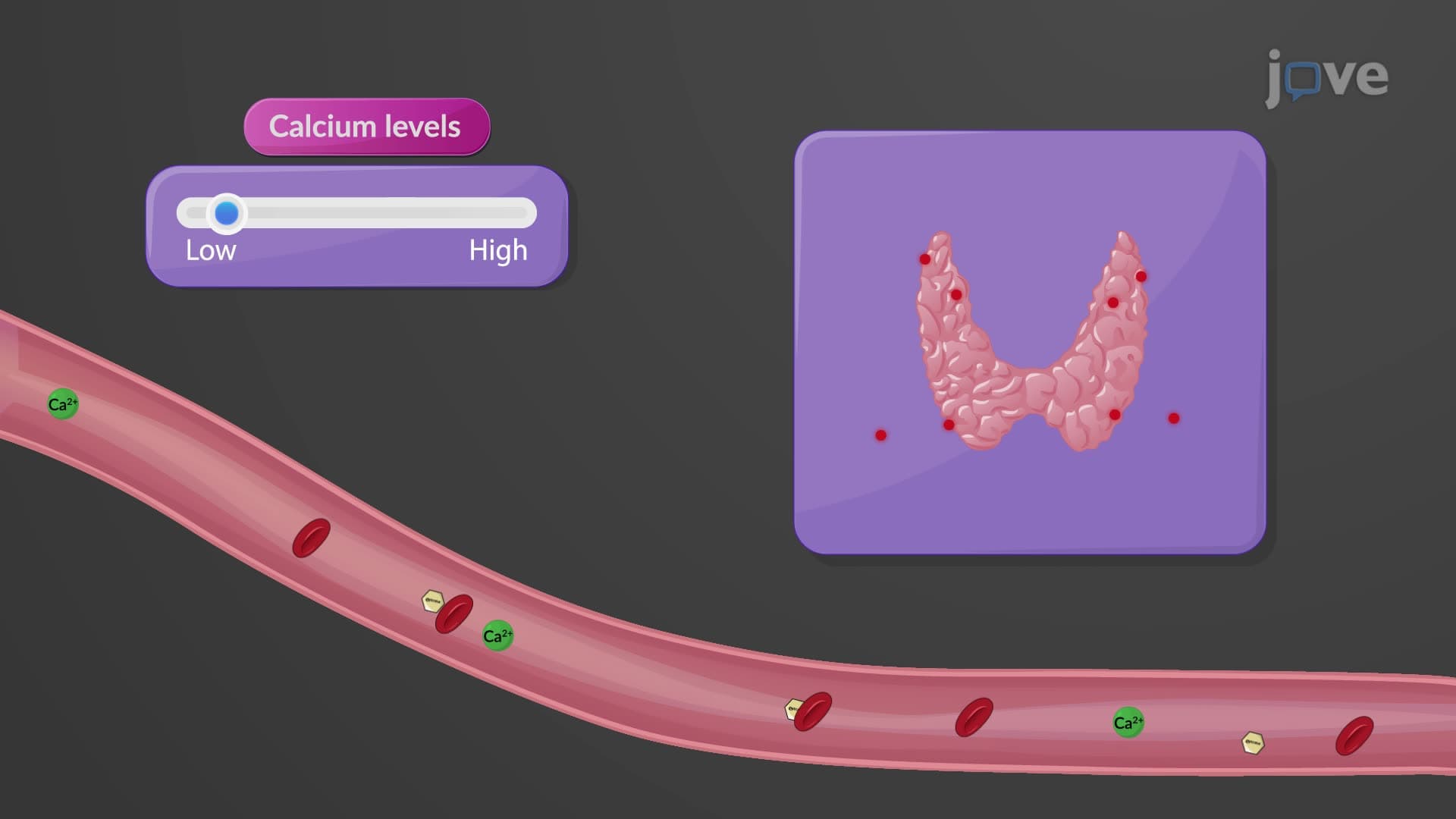
Humoral stimuli respond to changes in blood ion concentrations, nutrients, or other chemical parameters. The parathyroid glands constantly monitor blood calcium levels through specialized calcium-sensing receptors. When blood calcium drops below 8.5 mg/dL-perhaps due to inadequate dietary intake-parathyroid cells immediately increase parathyroid hormone (PTH) secretion.
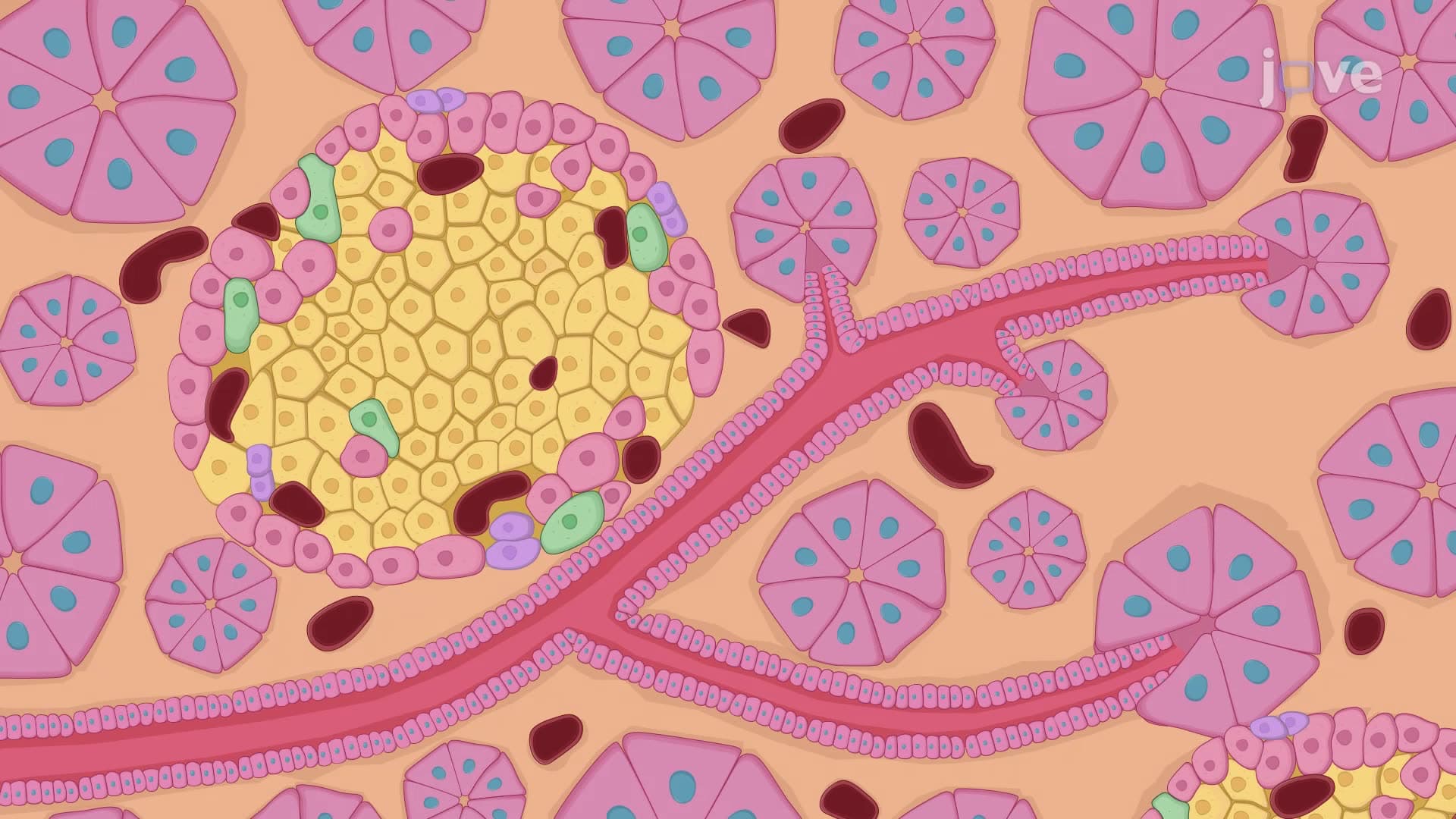
Blood glucose regulation provides another crucial example. Beta cells in pancreatic islets detect rising glucose levels after meals and respond by secreting insulin. This mechanism operates independently of nervous system input, demonstrating how endocrine glands can function as autonomous monitoring stations.
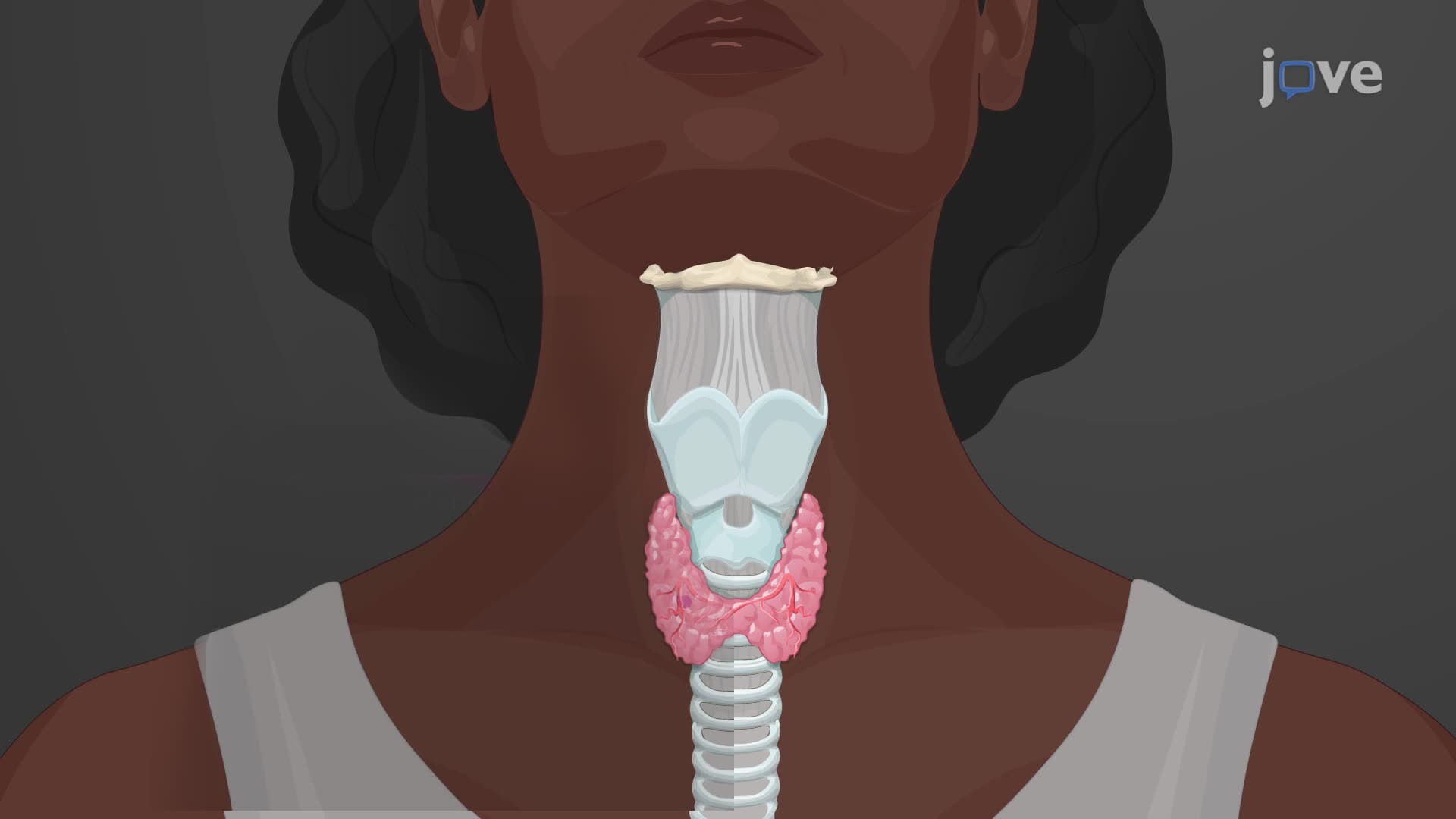
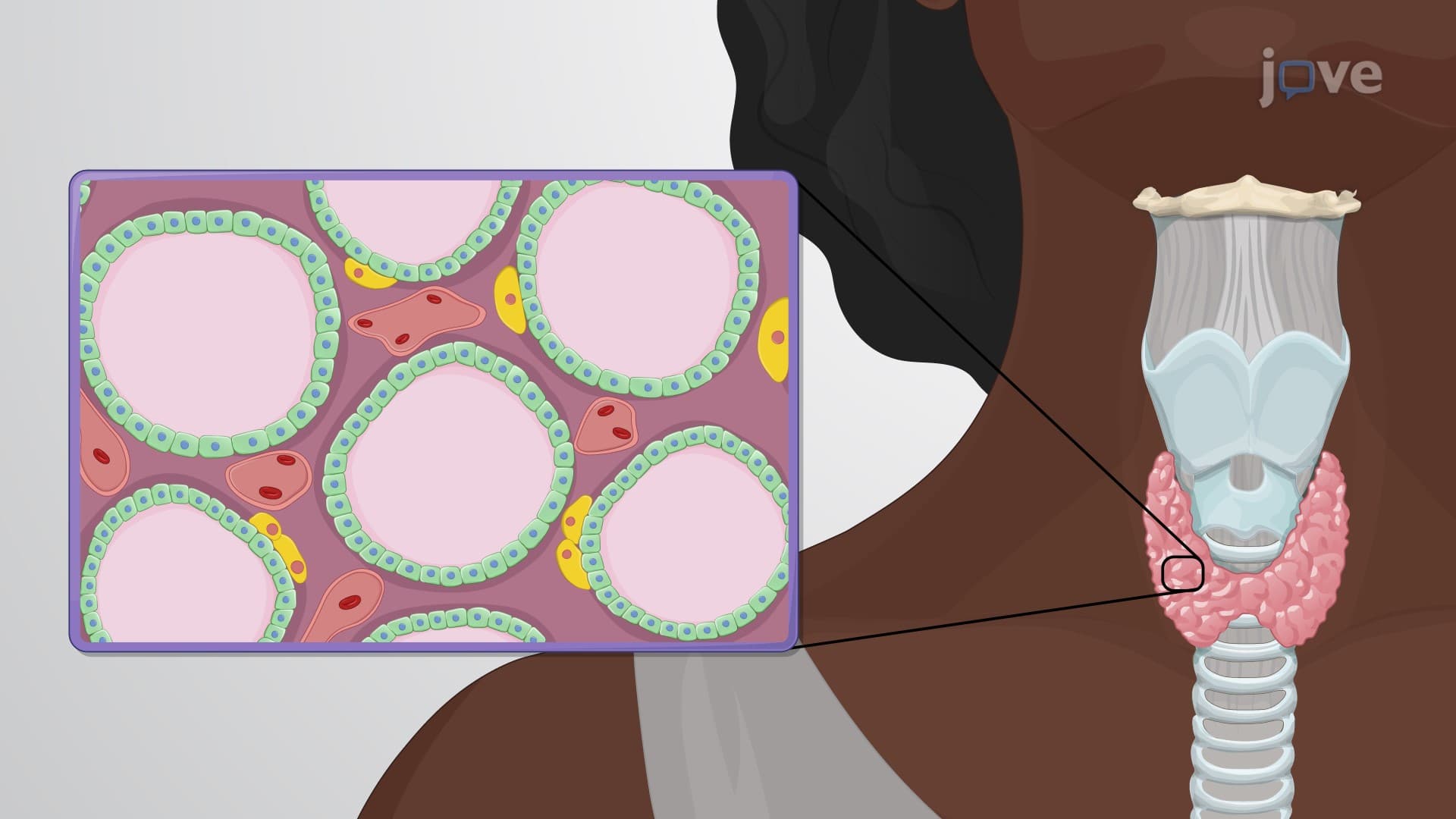
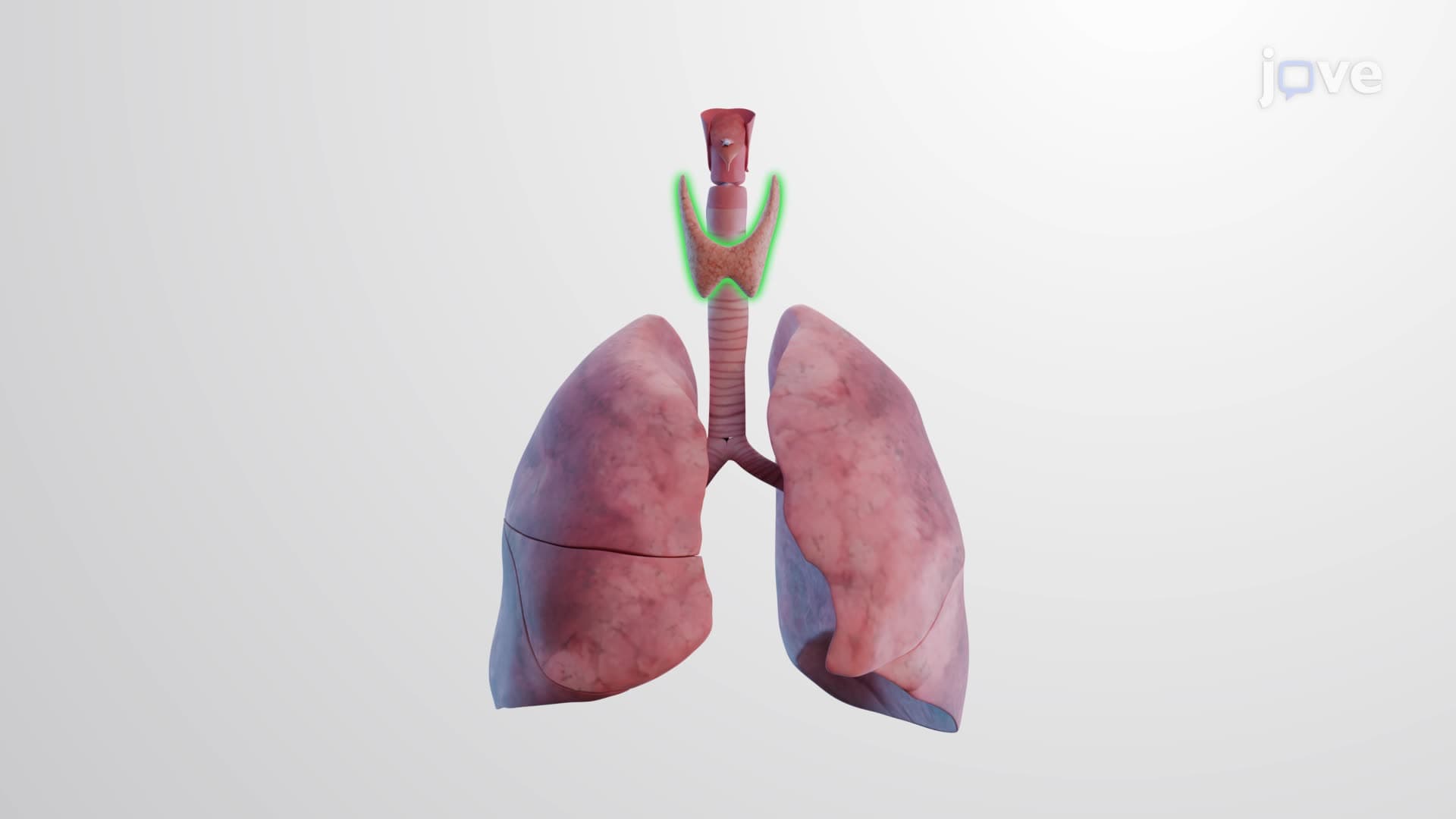
The most complex regulation involves hypothalamic pituitary axis control, where hormones regulate other hormones through cascading pathways. The hypothalamus releases thyrotropin-releasing hormone (TRH), stimulating anterior pituitary TSH secretion, which then activates thyroid hormone production. This three-tier system amplifies initial signals while providing multiple regulation points.
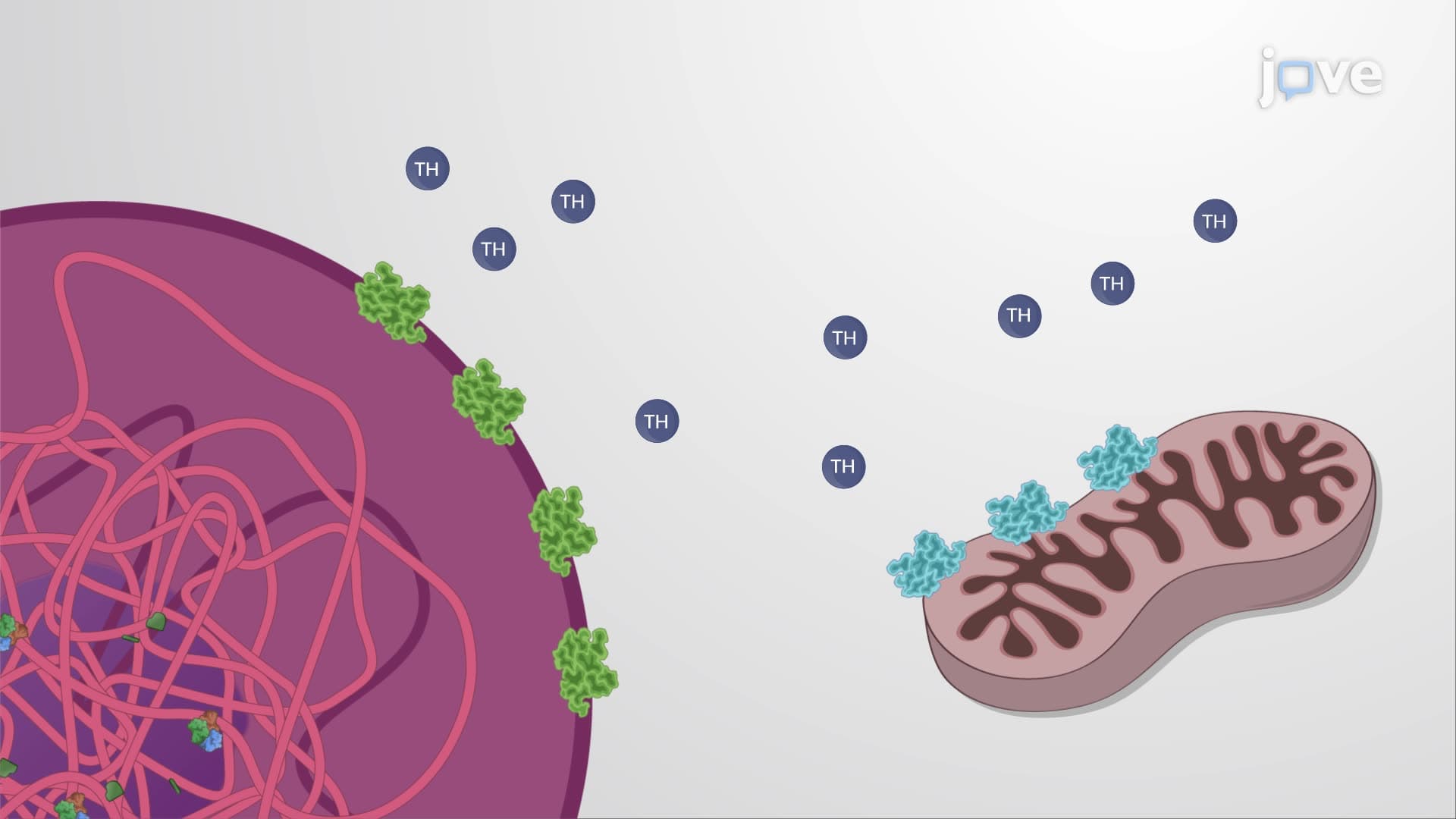
Negative feedback hormone mechanisms prevent overproduction by creating inhibitory loops. Rising T3 and T4 levels suppress both hypothalamic TRH and pituitary TSH release, maintaining thyroid hormone homeostasis. Understanding these concepts proves essential for AP Biology students and appears frequently on MCAT endocrinology sections, particularly in clinical vignettes involving thyroid disorders.
Related Micro-courses