Loading subject page…

- Anatomy and Physiology
- The Endocrine System
- Secondary Messengers in Hormone Action
Micro-course: The Endocrine System
112,914 views
Learn key concepts and earn your certificate.







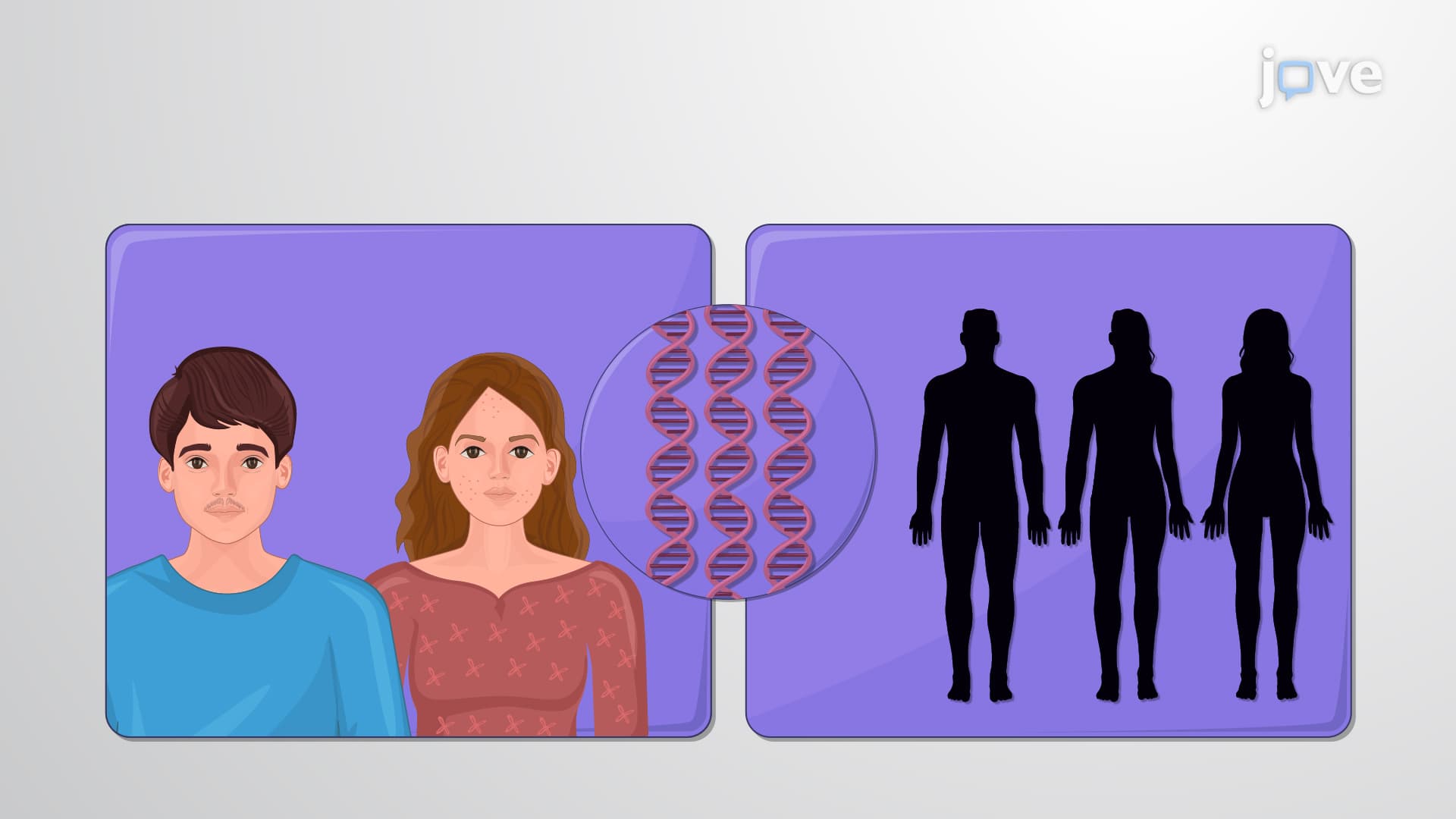

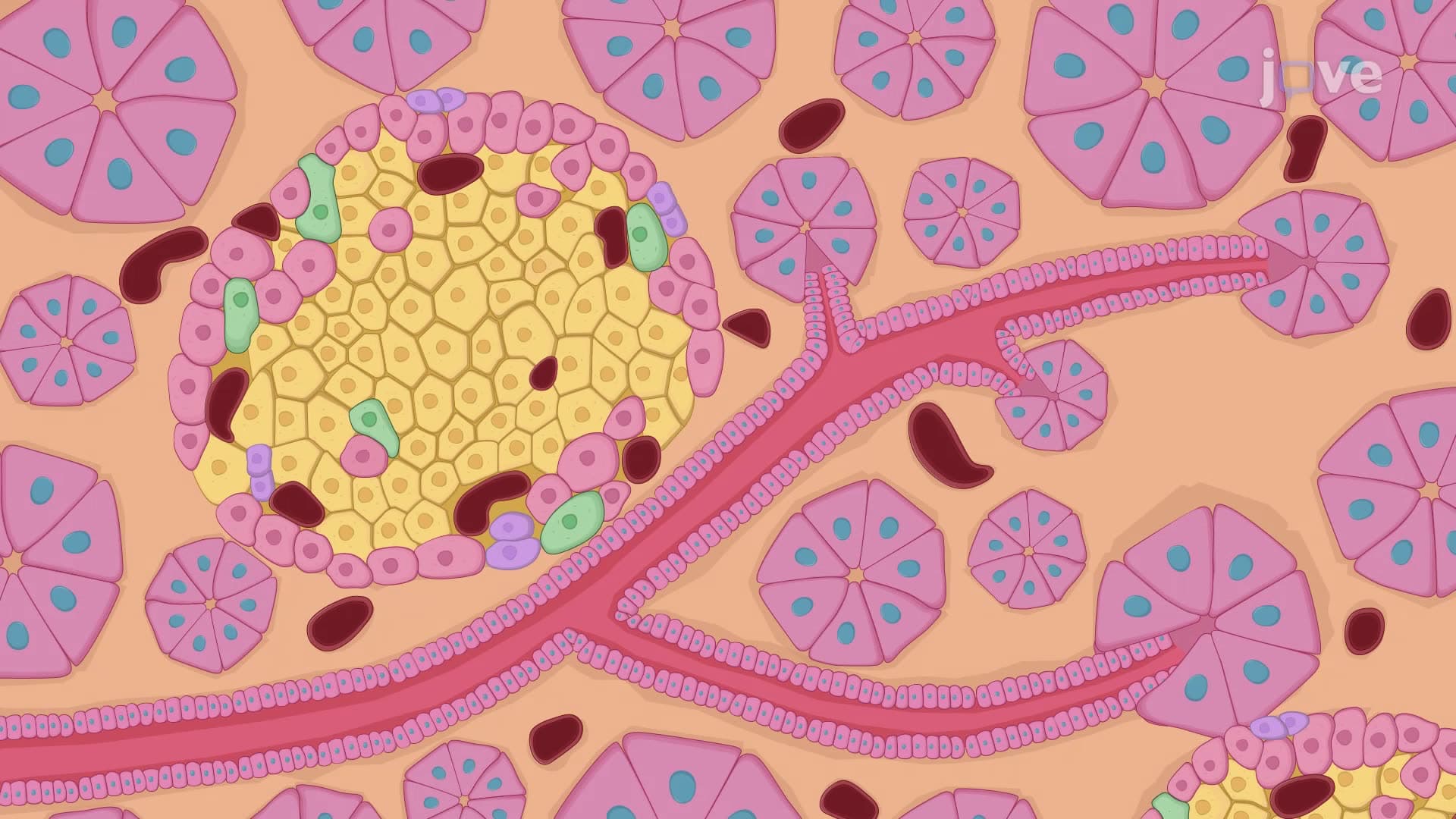


Secondary Messengers in Hormone Action


00:00
01:26
Video Summary: What Is Secondary Messengers
Ever wonder how adrenaline instantly prepares your body for a 100-meter sprint at the state track championship? Secondary messengers biology reveals the cellular relay system that amplifies hormone signals inside cells when water-soluble hormones can't cross cell membranes directly. These molecular messengers like cAMP and calcium ions trigger rapid physiological responses, from the heart-pounding effects of epinephrine during athletic competition to muscle contractions during labor. Watch the full video on JoVE Coach to master this concept with expert-led visuals and step-by-step explanations.
- Understand what secondary messengers are and how they function as intracellular signaling molecules in hormone communication pathways
- Identify the major types of secondary messengers, including cAMP, IP3, DAG, and calcium ions, and their specific cellular roles
- Analyze how G protein-coupled receptors initiate secondary messenger cascades through adenylyl cyclase and phospholipase C activation
- Compare cAMP-mediated signaling pathways (epinephrine, glucagon) versus IP3/DAG/calcium pathways (oxytocin, hypothalamic hormones)
- Evaluate the amplification advantages of secondary messenger systems in cellular signal transduction
- Apply knowledge of phosphorylation cascades and protein kinase activation to predict cellular responses
- Recognize the physiological significance of calcium-mediated muscle contraction and metabolic regulation
- Explore connections between secondary messenger dysfunction and endocrine disorders
What is Secondary Messengers: The Cellular Communication Network
Secondary messengers serve as the cellular equivalent of a telephone relay system, transmitting and amplifying signals from hormones that cannot directly enter cells. Unlike lipid-soluble hormones such as testosterone or cortisol that pass through cell membranes, water-soluble hormones like insulin, adrenaline, and growth hormone require sophisticated intracellular messaging systems to exert their effects.
cAMP: The Universal Cellular Messenger
Cyclic adenosine monophosphate (cAMP) represents one of the most extensively studied secondary messengers in cell biology. When hormones like epinephrine bind to G protein-coupled receptors during stress responses, they activate adenylyl cyclase, which converts ATP into cAMP. This process occurs rapidly during fight-or-flight responses, such as when a student faces a challenging SAT exam or an athlete prepares for competition.
The cAMP pathway demonstrates remarkable signal amplification-a single hormone molecule can generate thousands of cAMP molecules, which then activate protein kinase A (PKA). PKA initiates phosphorylation cascades that modify enzyme activities, particularly in glucose metabolism. This explains why epinephrine injection rapidly increases blood sugar levels in diabetic emergencies treated in US emergency departments.
IP3, DAG, and Calcium: The Muscle Contraction Trinity
Phospholipase C activation creates two crucial secondary messengers: inositol trisphosphate (IP3) and diacylglycerol (DAG). IP3 triggers calcium release from the endoplasmic reticulum, while DAG activates protein kinase C. This pathway governs muscle contractions, from cardiac muscle responses during exercise stress tests to smooth muscle contractions in blood vessels during hypertensive episodes.
Calcium ions function as both secondary messengers and direct effectors. In muscle physiology, calcium binding to troponin enables actin-myosin interactions essential for contraction. This mechanism underlies everything from voluntary skeletal muscle movement to involuntary cardiac contractions monitored during electrocardiograms in US hospitals.
Clinical and Academic Relevance
Understanding secondary messenger systems proves essential for pre-med students preparing for the MCAT, particularly in biochemistry and physiology sections. AP Biology students encounter these pathways when studying cell signaling and homeostasis. The concepts directly relate to pharmacology, where many medications target G protein-coupled receptors or modify secondary messenger levels to treat conditions like heart disease, diabetes, and psychiatric disorders commonly seen in American healthcare settings.
Frequently Asked Questions
Secondary messengers are intracellular signaling molecules that relay and amplify signals from hormones that cannot cross cell membranes directly. They're crucial because they allow water-soluble hormones to communicate with cellular machinery, enabling rapid physiological responses like the fight-or-flight reaction. This system provides signal amplification, meaning one hormone molecule can trigger thousands of secondary messenger molecules for powerful cellular effects.
The MCAT frequently tests cAMP and calcium signaling pathways in biochemistry and physiology sections, often through experimental analysis questions. AP Biology emphasizes secondary messengers in cell communication and homeostasis units, particularly focusing on signal transduction mechanisms. Students should understand both the molecular mechanisms and physiological outcomes of different secondary messenger systems for exam success.
Focus on cAMP (activated by adenylyl cyclase, leading to PKA activation) and IP3/DAG/calcium pathways (activated by phospholipase C). Know key hormones for each: epinephrine and glucagon use cAMP, while oxytocin uses IP3/calcium. Understanding the enzyme cascades and physiological outcomes helps with both multiple-choice and essay questions on university biochemistry exams.
Many common medications target secondary messenger pathways to treat diseases. Beta-blockers used for heart conditions block epinephrine's cAMP signaling, while calcium channel blockers prevent calcium-mediated muscle contractions in hypertension treatment. Diabetes medications often influence cAMP levels to regulate blood sugar, demonstrating how understanding these pathways directly applies to clinical medicine practiced in American hospitals.
Secondary messenger concepts are definitely manageable for motivated high school students, especially those in AP Biology or honors chemistry courses. The key is starting with familiar examples like adrenaline's effects during sports or stress, then building understanding of the underlying molecular mechanisms. Many successful pre-med students first encounter these concepts in high school and build upon them throughout college.
Create visual flowcharts showing hormone → receptor → G protein → enzyme → secondary messenger → cellular response for each major pathway. Practice with specific examples like "epinephrine increases heart rate through cAMP" rather than memorizing abstract mechanisms. Use mnemonics like "cAMP = Cellular AMPlification" and connect pathways to physiological outcomes you can observe, such as increased heart rate or muscle tension.
Advanced topics include receptor desensitization, cross-talk between signaling pathways, and disease states involving secondary messenger dysfunction. Consider exploring pharmacology courses to understand how medications modify these systems, or cell biology courses covering more complex signaling networks. These foundations prepare students for graduate-level biochemistry, medical school curricula, or biotechnology careers in the expanding US pharmaceutical industry.
Related Micro-courses


