Loading subject page…


112,914 views


Video Summary: What Is the Pituitary Gland
Did you know that a pea-sized organ controls everything from your growth spurts to stress responses? The pituitary gland anatomy biology reveals how this "master gland" orchestrates your entire endocrine system from its protected location beneath your brain. Consider how growth hormone deficiency affects thousands of American children annually, requiring careful diagnosis of pituitary function. Understanding what is the pituitary gland unlocks the secrets of hormonal control that govern metabolism, reproduction, and development. Watch the full video on JoVE Coach to master this concept with expert-led visuals and step-by-step explanations.
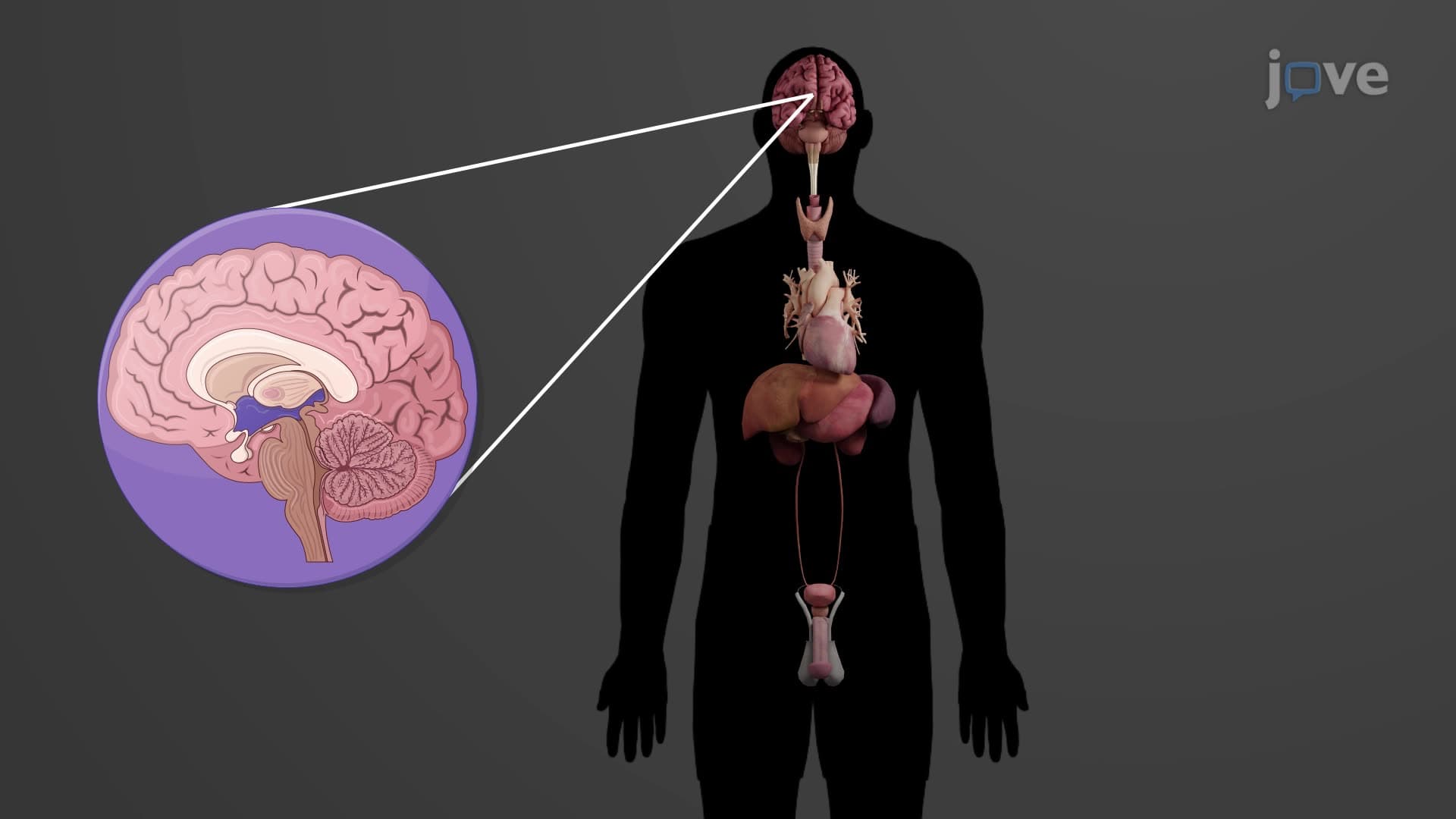
The pituitary gland anatomy biology centers on understanding this walnut-sized endocrine powerhouse nestled within the sella turcica, a bony depression in the sphenoid bone. Often called the hypophysis cerebri, this master gland sits directly beneath the hypothalamus, strategically positioned to receive and relay hormonal signals throughout your body. The pituitary gland structure explained reveals two functionally distinct regions that operate through completely different control mechanisms.
The anterior posterior pituitary divisions showcase evolutionary complexity in endocrine control. The adenohypophysis comprises the pars distalis and pars tuberalis, both containing specialized glandular epithelial tissue. These cells manufacture critical hormones including growth hormone (affecting height during adolescence), prolactin (essential for lactation), and ACTH (regulating cortisol during stress responses). The hypophyseal portal system creates a unique vascular highway, allowing hypothalamic releasing hormones like CRH and TRH to directly influence anterior pituitary secretions without entering systemic circulation.
What is the pituitary gland in anatomy becomes clearer when examining the posterior lobe's neural origins. The neurohypophysis consists of the infundibulum (connecting stalk) and pars nervosa (storage region). Unlike the anterior lobe's glandular tissue, this region contains axon terminals from hypothalamic neurons located in supraoptic and paraventricular nuclei. The hypothalamic-hypophyseal tract transports pre-formed hormones like ADH (antidiuretic hormone) and oxytocin directly to storage sites, where they await release signals.
Understanding pituitary master gland concepts proves essential for AP Biology, pre-med coursework, and MCAT preparation. Pituitary disorders affect approximately 1 in 1,000 Americans, making this knowledge clinically relevant. Conditions like acromegaly (excess growth hormone) or diabetes insipidus (ADH deficiency) demonstrate how pituitary dysfunction impacts multiple body systems. The pituitary gland location sella becomes diagnostically important when interpreting MRI scans showing pituitary adenomas or traumatic brain injuries affecting hormonal function.
Related Micro-courses