Loading subject page…

- Anatomy and Physiology
- The Endocrine System
- The Thyroid Gland
Micro-course: The Endocrine System
112,914 views
Learn key concepts and earn your certificate.









The Thyroid Gland

00:00
01:23
Video Summary: What Is the Thyroid Gland
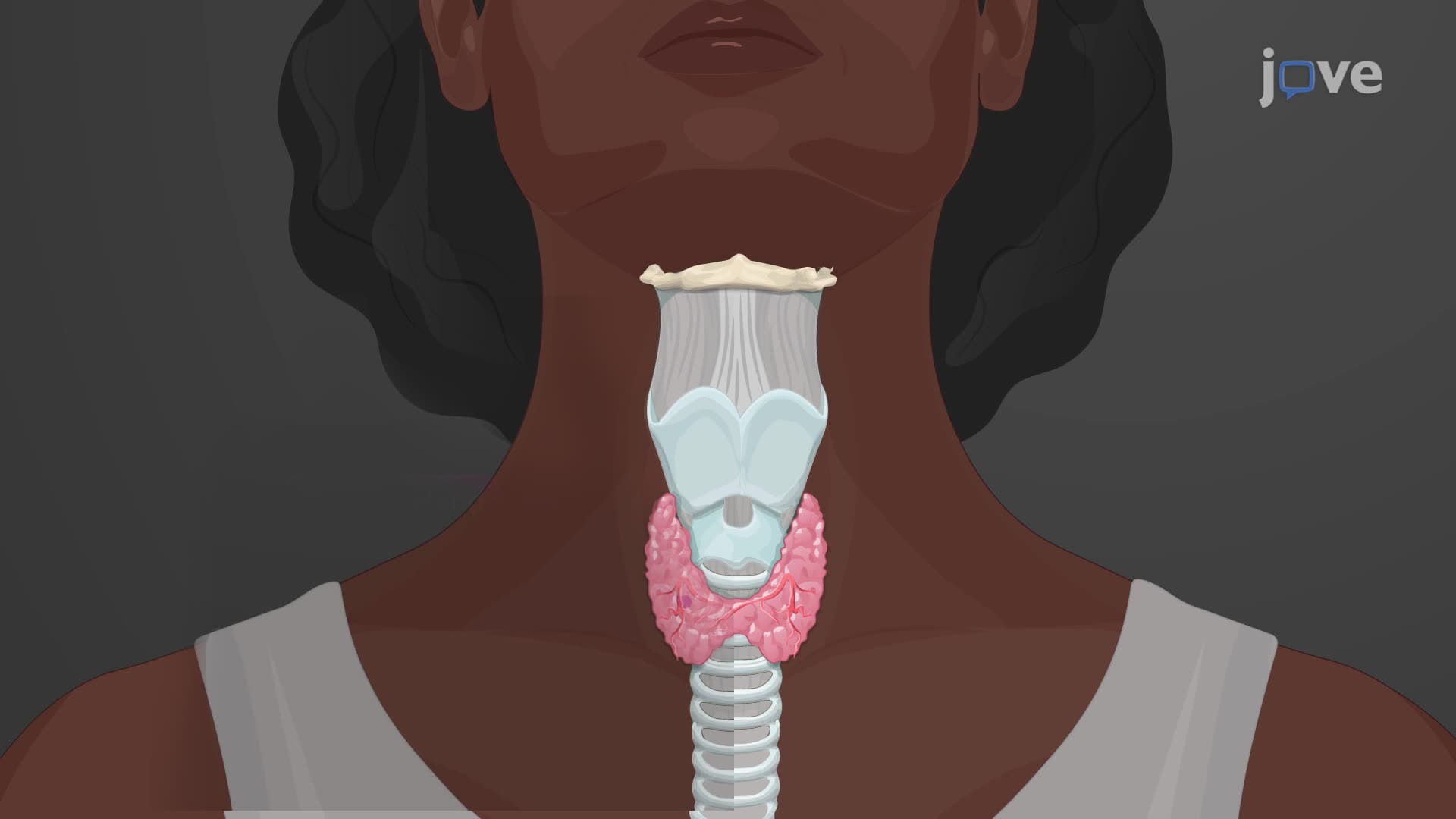
Did you know that your neck houses a butterfly-shaped powerhouse that controls your entire metabolism? The thyroid gland anatomy biology reveals fascinating structures that regulate everything from your heart rate to body temperature. Located in your neck, this small but mighty gland produces hormones essential for cellular energy production-which explains why thyroid disorders affect millions of Americans annually, from fatigue to weight fluctuations. Understanding what is the thyroid gland helps explain why endocrinologists at major medical centers like Johns Hopkins emphasize its critical role in human physiology. Watch the full video on JoVE Coach to master this concept with expert-led visuals and step-by-step explanations.
- Understand what is the thyroid gland and its distinctive butterfly-shaped morphology in the anterior neck region
- Identify the structural components including lateral lobes, isthmus, and their anatomical relationships to surrounding tissues
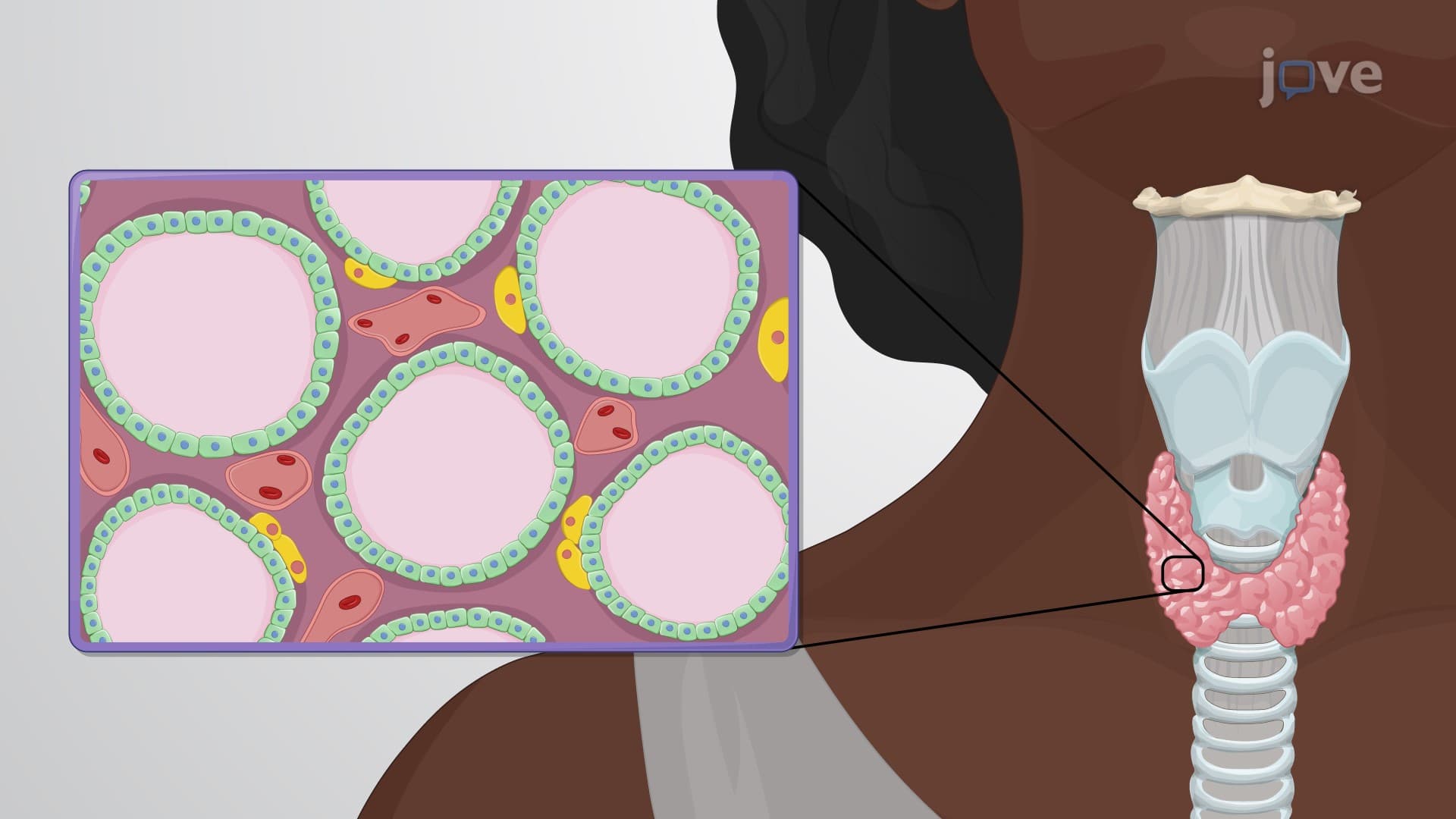
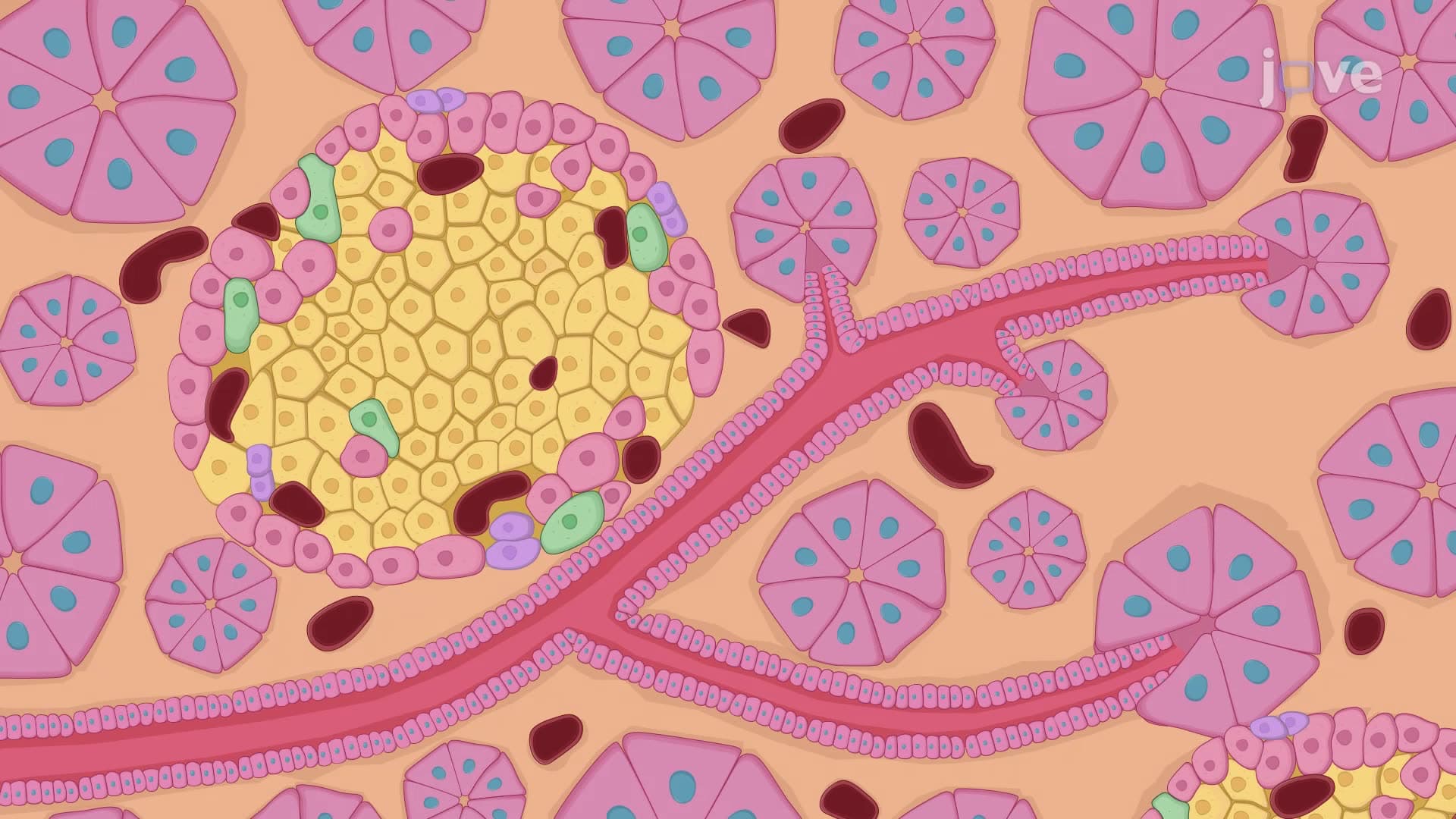
- Analyze thyroid follicle organization and the cellular arrangement of follicular cells within each spherical structure
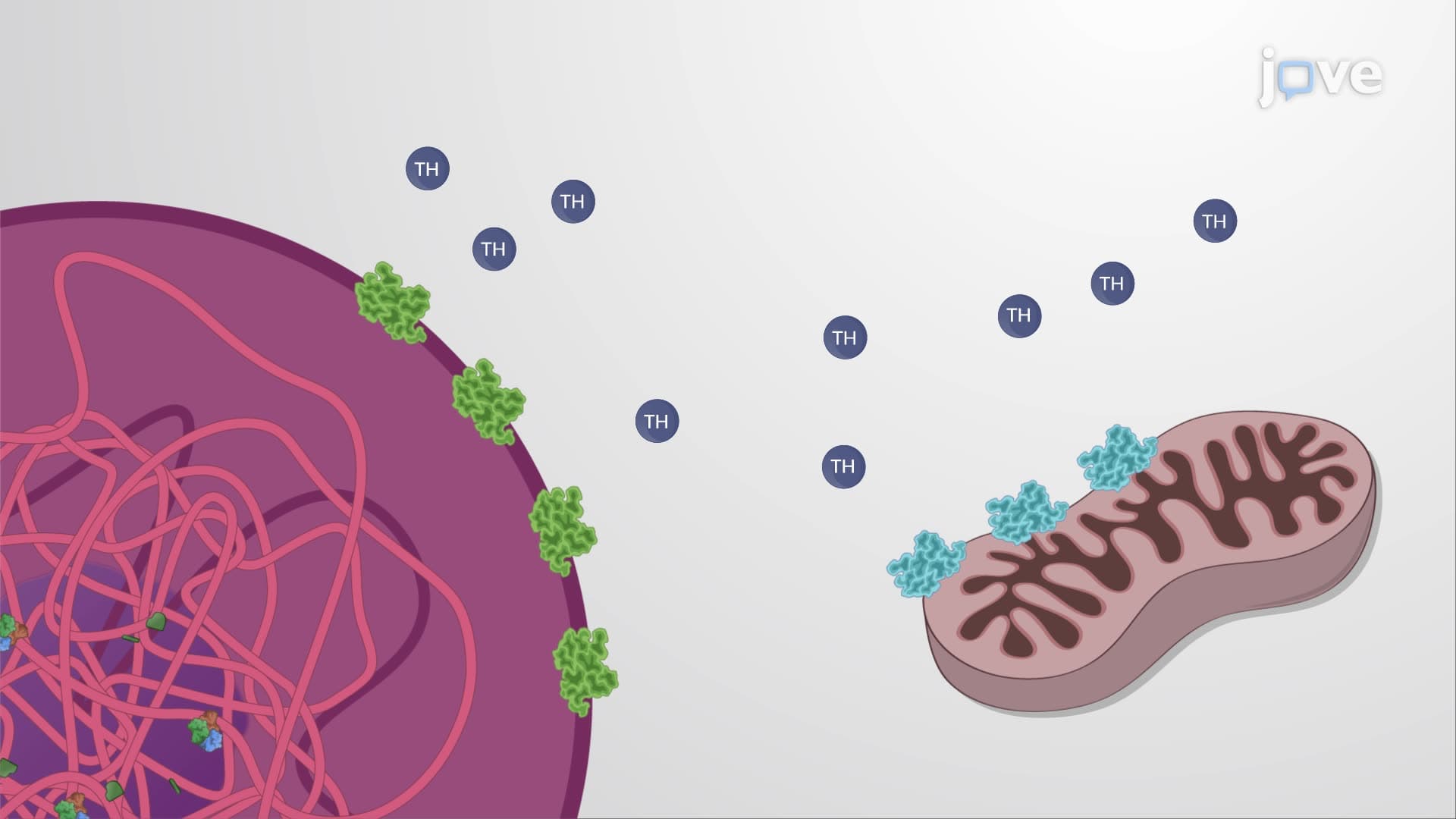
- Recognize the dual hormone production system involving T3/T4 synthesis and calcitonin secretion by parafollicular cells
- Explore the feedback mechanism between thyroid-stimulating hormone (TSH) and thyroid hormone regulation
- Compare the functions of follicular cells versus parafollicular C cells in thyroid physiology
- Evaluate the clinical significance of thyroid gland location and its accessibility for medical examination
- Apply knowledge of thyroid anatomy to understand common endocrine disorders and diagnostic procedures
What is The Thyroid Gland: Anatomical Foundation
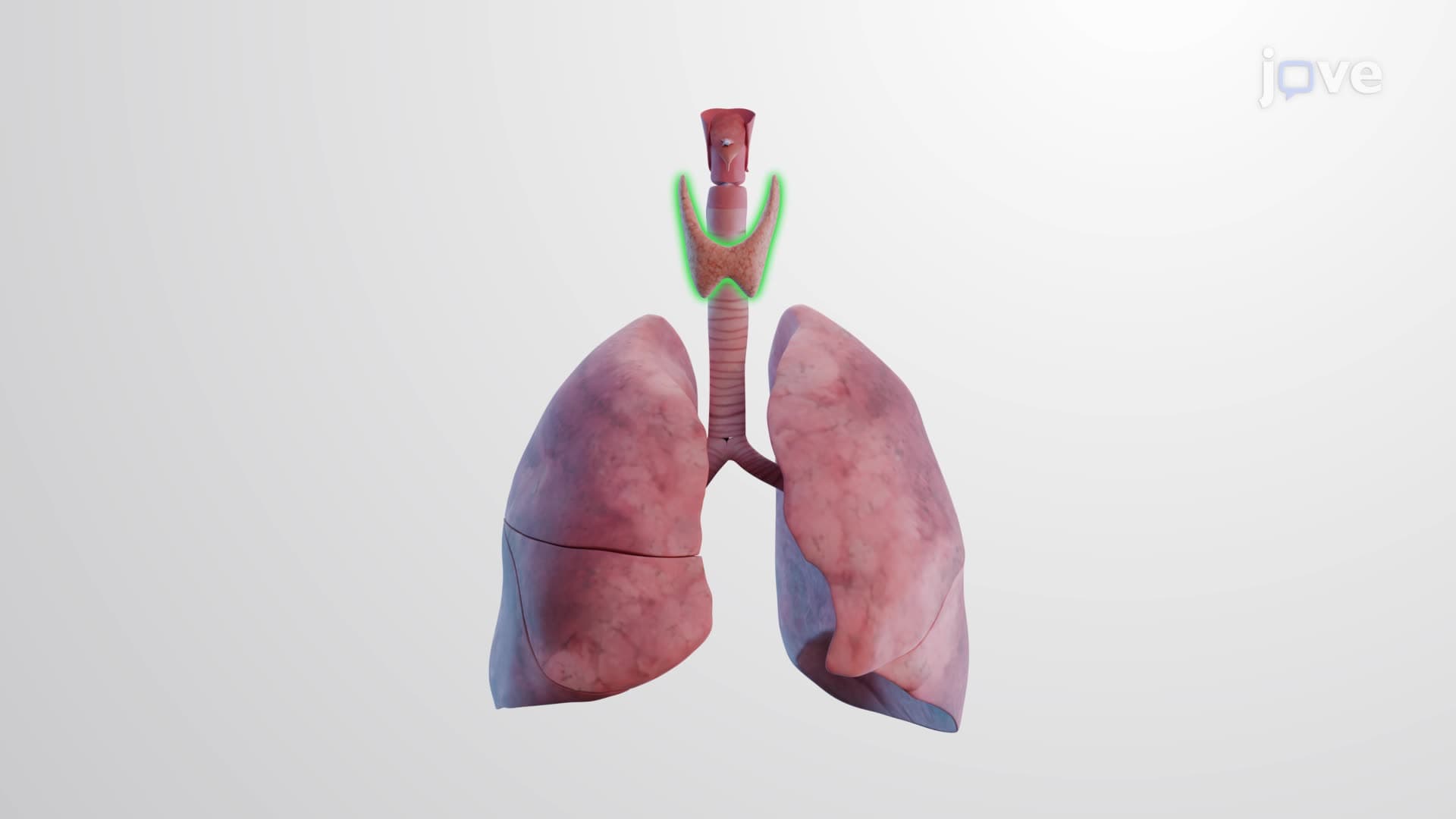
The thyroid gland anatomy biology represents one of the most clinically significant endocrine structures in human physiology. This butterfly-shaped organ sits strategically in the lower neck, wrapping around the anterior and lateral aspects of the trachea between the cricoid cartilage and the suprasternal notch. Medical students studying for the MCAT and AP Biology students alike must understand that this positioning makes the thyroid easily palpable during clinical examinations-a skill routinely tested in practical assessments at medical schools across the United States.
Structural Organization and Tissue Architecture
The thyroid gland structure explained reveals remarkable microscopic complexity within its seemingly simple external form. Each lateral lobe contains thousands of spherical thyroid follicles, the functional units responsible for hormone synthesis. These follicles feature a unique architectural design: a central colloid-filled cavity surrounded by simple cuboidal epithelium. The follicular cells actively synthesize thyroglobulin, storing this glycoprotein precursor in the colloid until hormonal demands trigger T3 and T4 production.
College anatomy courses emphasize how the thyroid isthmus lobe anatomy creates structural unity while allowing independent lobe function. This thin tissue bridge connecting both lobes often varies in size-a variation frequently appearing on USMLE Step 1 examinations when discussing thyroid development anomalies.
Cellular Specialization and Hormonal Functions
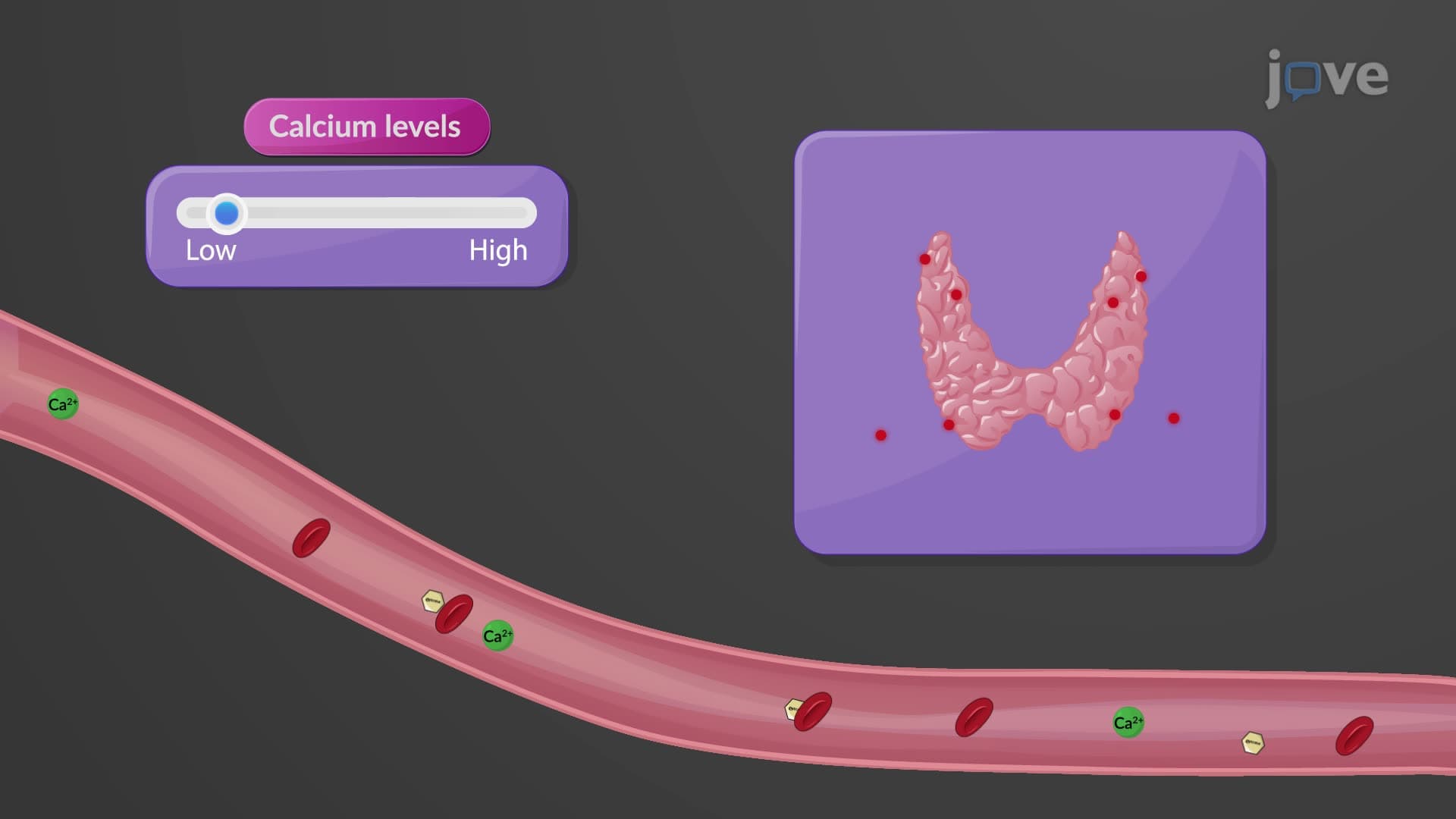
Beyond follicular cells, the thyroid houses parafollicular C cells scattered throughout the interfollicular spaces. These specialized cells produce calcitonin, a hormone crucial for calcium homeostasis. Students preparing for the NCLEX or HESI A2 nursing entrance exams should note that calcitonin works antagonistically to parathyroid hormone, lowering blood calcium levels when elevated.
The thyroid capsule structure provides protective encasement while allowing rich vascularization through superior and inferior thyroid arteries. This extensive blood supply-among the highest per gram of any organ-enables rapid hormone distribution and explains why thyroid disorders can manifest systemically within hours.
Clinical Integration and Exam Applications
Understanding thyroid gland location neck anatomy proves essential for healthcare professionals. During clinical rotations at institutions like Cleveland Clinic or Mayo Clinic, students learn palpation techniques that rely on anatomical landmarks. The thyroid's position relative to the cricothyroid membrane and its mobility during swallowing create diagnostic opportunities that appear frequently on practical examinations and standardized patient encounters in medical school curricula.
Frequently Asked Questions
The thyroid gland is an endocrine organ in your neck that produces hormones controlling metabolism, heart rate, and body temperature. Its butterfly shape results from two lateral lobes connected by a central isthmus, creating an anatomical structure that efficiently wraps around the trachea while maximizing hormone production capacity.
MCAT passages frequently test thyroid feedback loops, hormone synthesis pathways, and cellular organization within follicles. AP Biology exams emphasize the relationship between structure and function, particularly how follicular cell arrangement enables thyroglobulin storage and T3/T4 production. Students should master the TSH-thyroid hormone feedback mechanism for both exams.
USMLE Step 1 commonly tests parafollicular C cell function, thyroid development anomalies, and anatomical relationships to surrounding neck structures. Medical school practical exams focus on palpation landmarks, arterial supply patterns, and histological identification of follicular versus parafollicular cells in microscopic sections.
Approximately 20 million Americans have thyroid disease, with conditions like Hashimoto's thyroiditis and Graves' disease directly relating to thyroid anatomy. At major medical centers like Johns Hopkins and Cleveland Clinic, endocrinologists use anatomical knowledge to perform fine needle aspirations, interpret ultrasounds, and plan surgical approaches for thyroid nodules and cancers.
Basic high school biology provides sufficient background for understanding thyroid structure and function. While thyroglobulin synthesis involves biochemical processes, the anatomical concepts focus on cell types, tissue organization, and hormone storage mechanisms that build naturally from standard biology coursework.
Create visual associations linking the butterfly shape to functional zones-follicular cells in the "wings" produce T3/T4, while C cells scattered throughout secrete calcitonin. Use anatomical models during study sessions and practice drawing cross-sections showing follicle organization, as this kinesthetic approach significantly improves retention for practical examinations.
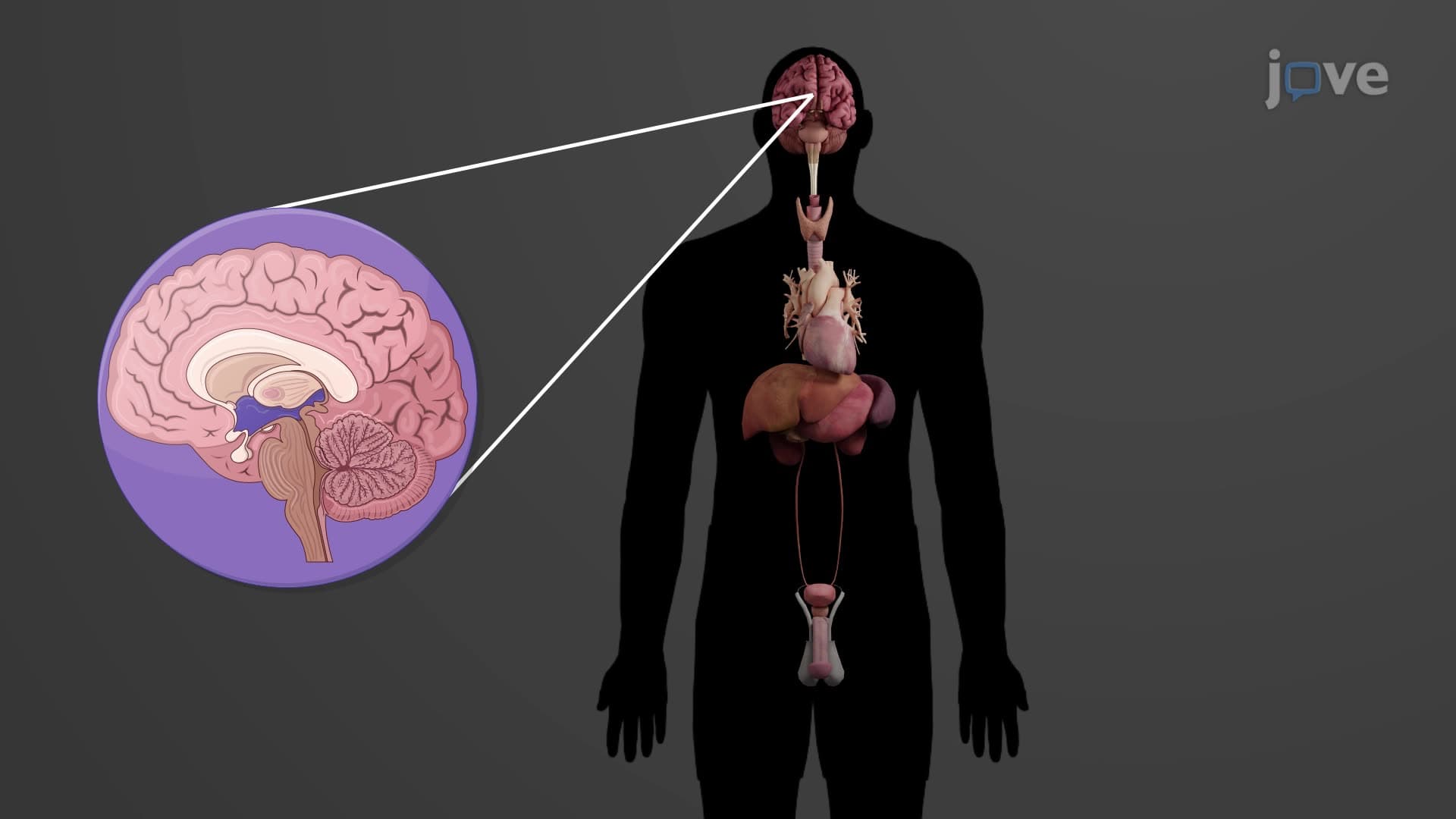
Progress to parathyroid glands and calcium regulation, then explore the hypothalamic-pituitary axis controlling thyroid function. This sequence builds logically from thyroid structure to broader endocrine integration, preparing you for advanced topics in endocrinology and metabolism commonly tested in upper-level biology and medical courses.
Related Micro-courses


