Loading subject page…

- Anatomy and Physiology
- The Integumentary System
- Accessory Structures of the Skin: Hair Growth and Types
Micro-course: The Integumentary System
87,705 views
Learn key concepts and earn your certificate.




Accessory Structures of the Skin: Hair Growth and Types

00:00
01:20
Video Summary: Accessory Structures Skin Hair Growth Explained
Ever wonder why your hair grows about 6 inches per year while your friend's seems to grow faster? Hair growth biology explained through the intricate three-phase cycle reveals how follicles orchestrate this remarkable process. Consider how dermatologists at the Mayo Clinic track patients' hair cycles to diagnose conditions like alopecia. Understanding Accessory Structures Skin Hair Growth Explained unveils the fascinating anagen, catagen, and telogen phases that govern every strand on your head. Watch the full video on JoVE Coach to master this concept with expert-led visuals and step-by-step explanations.
- Understand how Accessory Structures Skin Hair Growth Explained demonstrates the cyclical nature of follicle biology through three distinct phases
- Identify the characteristics and duration of anagen, catagen, and telogen phases in human hair development
- Analyze the relationship between hair growth rate, follicle activity, and nutrient absorption during active growth periods
- Compare vellus hair and terminal hair classifications based on pigmentation, thickness, and anatomical distribution
- Evaluate how hormonal changes during puberty influence terminal hair growth patterns in different body regions
- Apply knowledge of hair cycle phases to understand common hair loss conditions and growth disorders
- Recognize the role of follicle dormancy in natural hair shedding and replacement processes
- Explore connections between hair biology and broader integumentary system functions
Understanding Accessory Structures Skin Hair Growth Explained
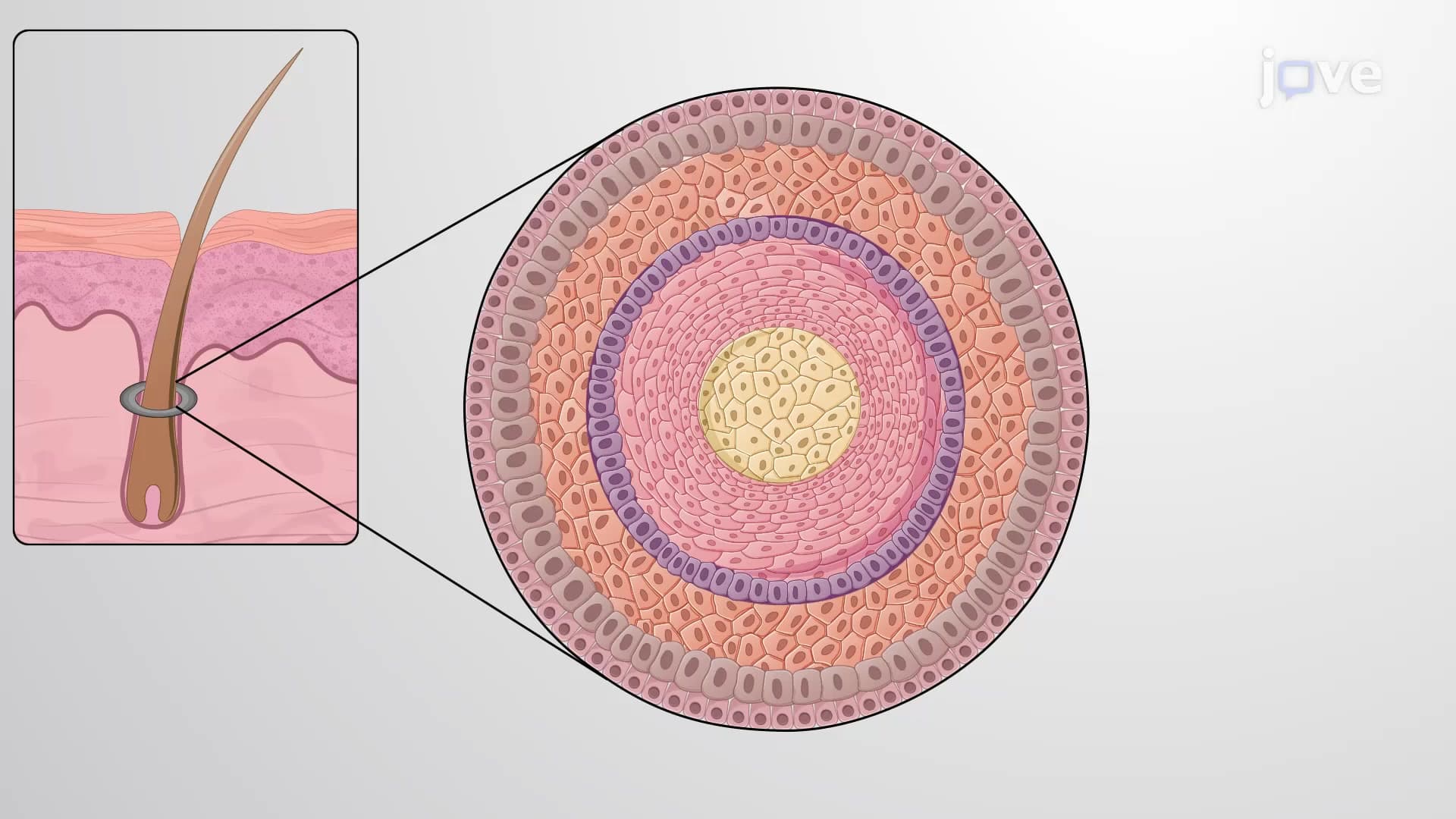
The human hair growth cycle represents one of the most dynamic processes in dermatology, involving complex cellular mechanisms that regulate follicle activity. This cyclical process affects approximately 100,000 to 150,000 hair follicles on the average human scalp, making it a critical concept for students pursuing careers in medicine, dermatology, or cosmetology.
The Three-Phase Hair Growth Cycle
Anagen active hair growth constitutes the longest and most metabolically active phase, lasting 2-5 years for scalp hair. During this phase, follicle cells divide rapidly, producing the hair shaft at approximately 2mm per week-equivalent to about 6 inches annually. The hair root maintains strong anchorage to the follicle base, where specialized cells called dermal papilla provide essential nutrients including amino acids, vitamins, and minerals. This phase determines ultimate hair length; individuals with longer anagen phases can grow hair to greater lengths.
The catagen regression phase marks a transitional period lasting 2-3 weeks where cellular activity dramatically decreases. The hair follicle shrinks and forms a club-shaped structure, effectively cutting off the hair's nutrient supply. This regression phase affects only 1-3% of scalp hairs at any given time, explaining why normal daily hair loss remains relatively minimal.
Telogen resting phase represents a dormant period lasting approximately three months, affecting 10-15% of scalp hairs simultaneously. During this phase, the old hair remains anchored while a new hair begins forming beneath it. Eventually, the emerging hair pushes the club hair toward the surface, resulting in natural shedding of 50-100 hairs daily.
Hair Classification and Clinical Applications
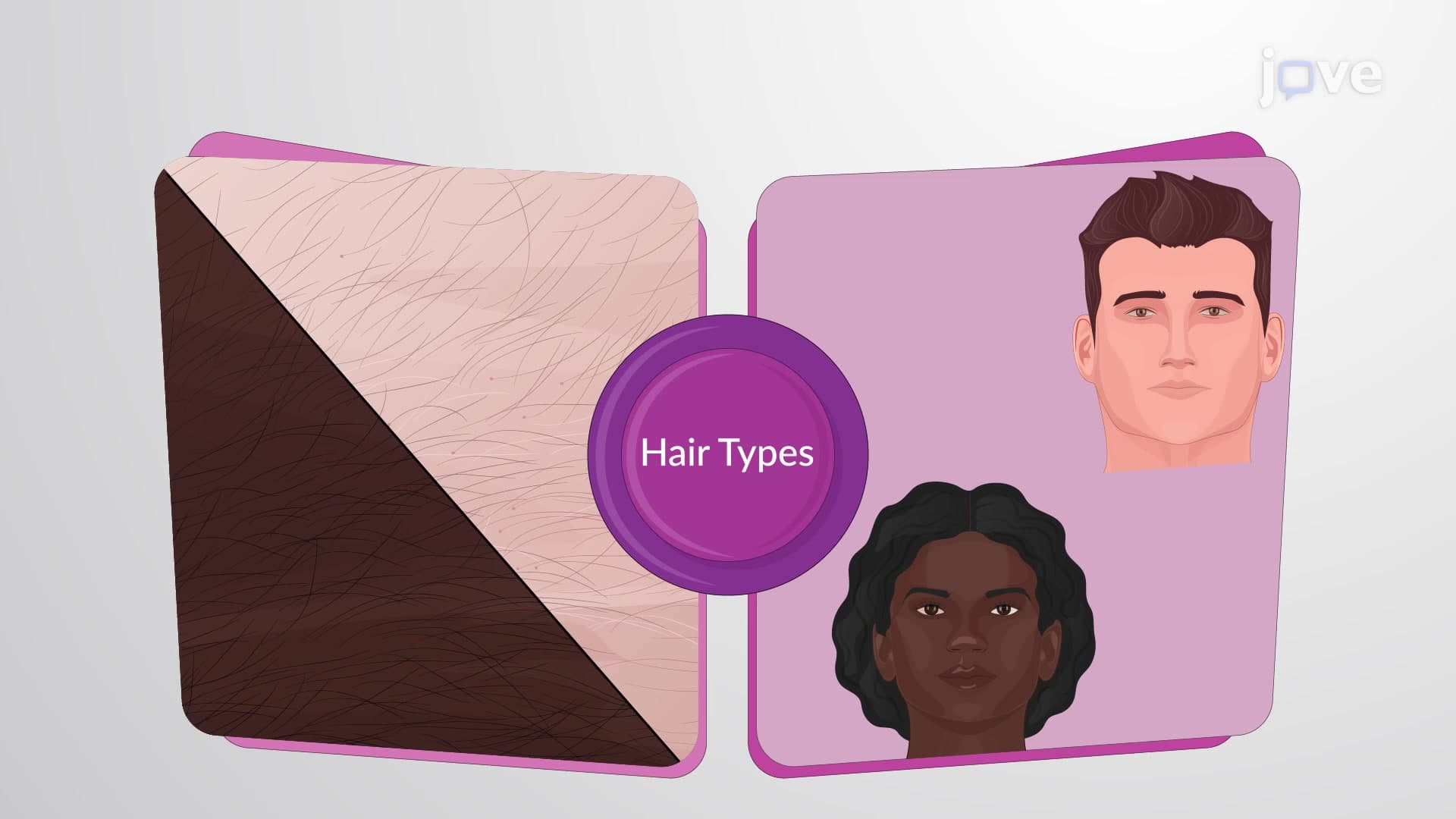
Hair classification into vellus and terminal types has significant clinical implications. Vellus hair-the fine, lightly pigmented hair covering most body surfaces-serves thermoregulatory functions and remains prominent in children and many adult females. Terminal hair, characterized by increased thickness, pigmentation, and medullation, develops on the scalp, eyebrows, and eyelashes from birth.
Hormonal influences during puberty trigger vellus-to-terminal hair conversion in androgen-sensitive regions. This process explains why males develop facial and chest hair while both sexes develop axillary and pubic terminal hair. Understanding these patterns helps medical professionals diagnose hormonal imbalances and genetic conditions affecting hair growth.
For students preparing for AP Biology, MCAT, or undergraduate dermatology courses, recognizing how hair growth rate cycle variations affect different body regions provides crucial context for understanding broader endocrine and integumentary system interactions.
Frequently Asked Questions
Accessory structures skin hair growth explained refers to the cyclical process where hair follicles alternate between active growth (anagen), regression (catagen), and resting (telogen) phases. This three-phase cycle determines when hair grows, stops growing, and eventually sheds to make room for new growth. Each follicle operates independently, ensuring continuous hair coverage while allowing natural renewal.
MCAT questions frequently test knowledge of integumentary system physiology, including hair follicle biology and hormonal regulation. Understanding anagen, catagen, and telogen phases helps answer questions about cell division rates, tissue regeneration, and endocrine influences on accessory structures. This knowledge also connects to broader topics like cell cycle regulation and developmental biology.
Yes, AP Biology frequently includes integumentary system questions, particularly regarding cell division, tissue organization, and hormonal regulation. Hair follicle cycles demonstrate mitotic activity, cellular differentiation, and feedback mechanisms. Students should understand how follicle phases relate to broader biological concepts like homeostasis and regulatory systems for comprehensive exam preparation.
American dermatologists use hair cycle understanding to diagnose conditions like androgenetic alopecia, telogen effluvium, and alopecia areata. For example, Cleveland Clinic specialists analyze whether hair loss affects anagen or telogen phases to determine appropriate treatments. This knowledge guides decisions about medications like minoxidil or surgical interventions like hair transplantation.
Not at all-hair growth biology builds on fundamental concepts like cell division and tissue organization that students learn in introductory biology. The three-phase cycle provides an excellent real-world example of how cells coordinate complex processes. Starting with basic follicle anatomy and progressing through cycle phases makes this topic highly accessible for grades 9-12.
Use the mnemonic "All Cats Take naps" for Anagen-Catagen-Telogen sequence, then associate each phase with its key characteristic: Anagen = Active growth, Catagen = Contraction/regression, Telogen = Taking a rest. Create timeline diagrams showing phase durations (years-weeks-months) and practice identifying phases based on follicle appearance descriptions commonly used in exam questions.
Students ready for deeper exploration should investigate hormonal regulation of hair growth, particularly DHT effects on male pattern baldness, and stem cell biology in follicle regeneration. Advanced topics include molecular signaling pathways controlling phase transitions and genetic factors influencing hair characteristics. These concepts prepare students for graduate-level dermatology or cell biology coursework.
Research from institutions like Harvard Medical School shows genetic variations affect hair growth characteristics across different ethnic groups in the US. For example, individuals of African descent typically have slower growth rates but stronger hair structure, while those of Asian descent often experience faster growth rates. Understanding these variations helps healthcare providers deliver culturally competent dermatological care and avoid bias in treatment approaches.
Related Micro-courses

19 Concepts

11 Concepts
6 Concepts