Loading subject page…

- Anatomy and Physiology
- The Integumentary System
- Accessory Structures of the Skin: Sweat Glands
Micro-course: The Integumentary System
87,705 views
Learn key concepts and earn your certificate.




Accessory Structures of the Skin: Sweat Glands

00:00
01:20
Video Summary: Accessory Structures Skin Sweat Glands Explained
Did you know your body can produce up to 3 liters of sweat during intense exercise? Understanding sweat gland anatomy function reveals how these microscopic structures keep marathon runners in Boston cool during summer races. The two main skin sweat gland types explained include eccrine glands that cover your entire body and apocrine glands concentrated in specific areas. Watch the full video on JoVE Coach to master this concept with expert-led visuals and step-by-step explanations.
- Understand the fundamental structure and organization of Accessory Structures Skin Sweat Glands Explained as critical components of the integumentary system
- Identify the two primary types of sweat glands and their distinct anatomical locations throughout the human body
- Compare eccrine and apocrine sweat gland structure, including secretory portions, ducts, and cellular composition differences
- Analyze how sweat secretion contributes to thermoregulation and homeostatic balance in varying environmental conditions
- Evaluate the biochemical composition of sweat and its antimicrobial properties in maintaining skin health
- Apply knowledge of hormonal influences on apocrine gland function during different life stages
- Recognize the clinical significance of sweat gland dysfunction in medical conditions and diagnostic procedures
- Explore the evolutionary adaptations that make human sweat glands unique among mammals for cooling efficiency
Understanding Accessory Structures Skin Sweat Glands Explained
Sweat glands represent one of the most sophisticated cooling systems in the animal kingdom, making humans exceptionally adapted for endurance activities. These sudoriferous glands function as microscopic air conditioning units distributed across your skin, with over 2-4 million individual glands working continuously to maintain optimal body temperature.
Eccrine Sweat Glands: Your Body's Primary Cooling System
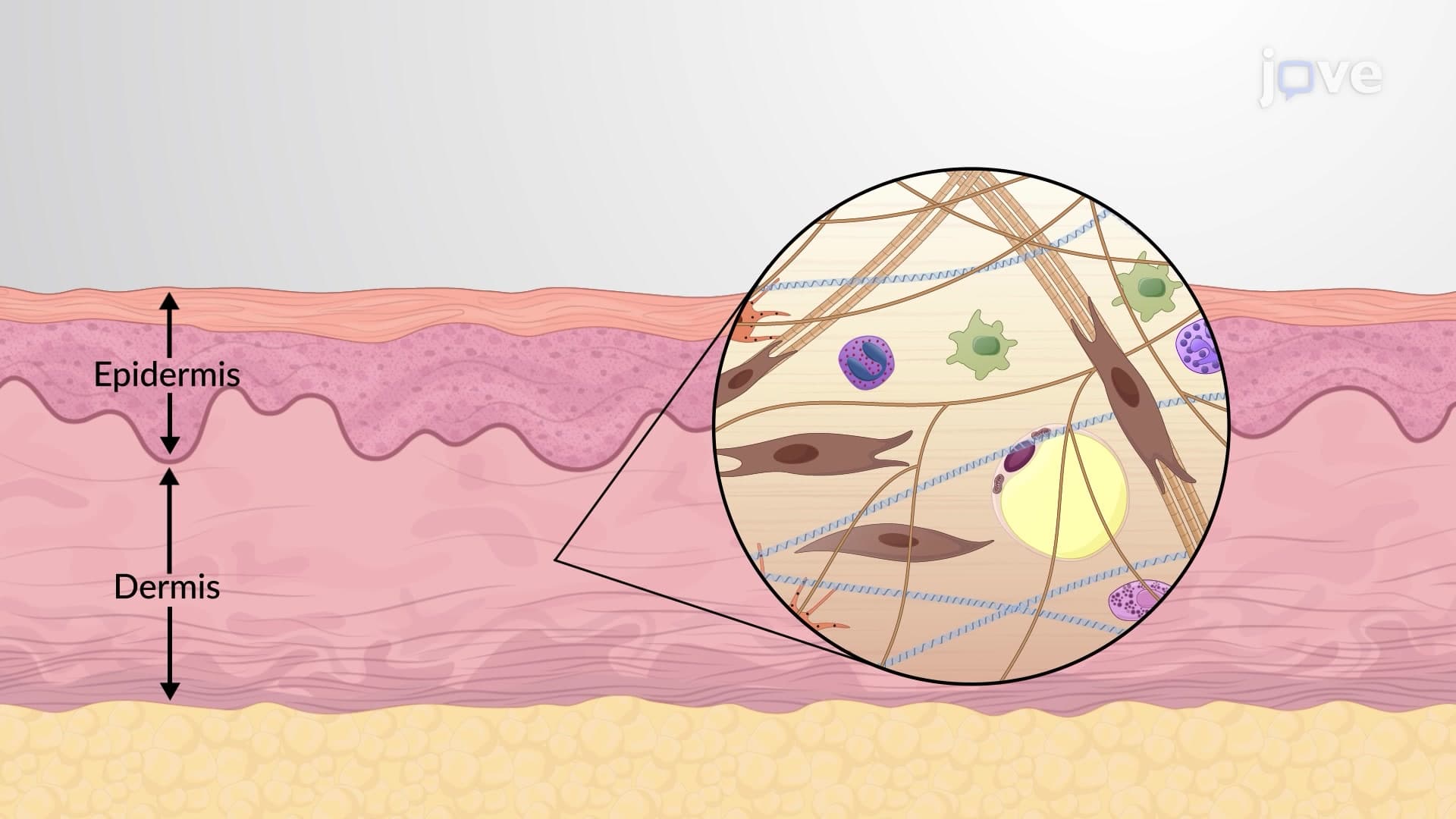
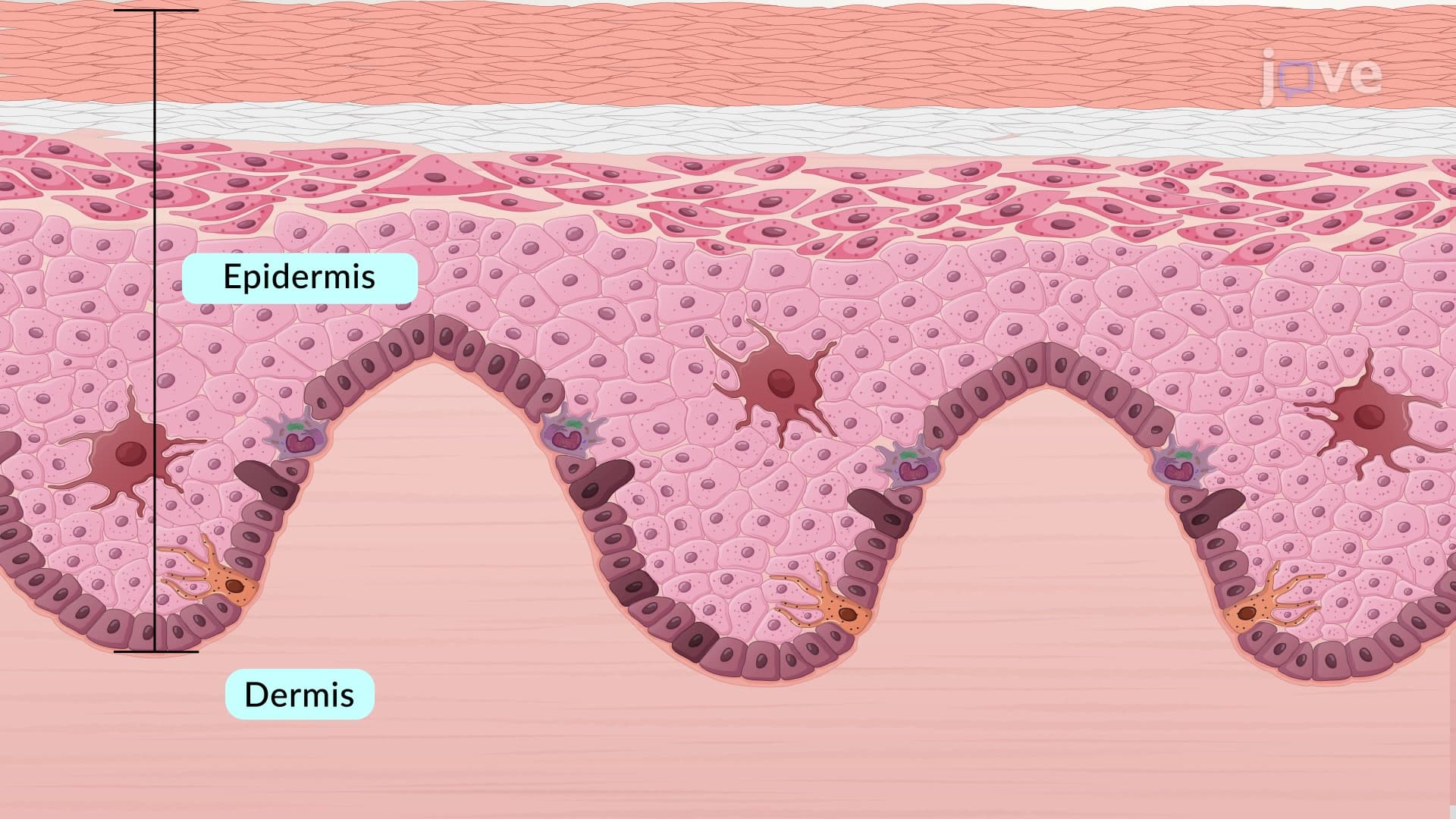
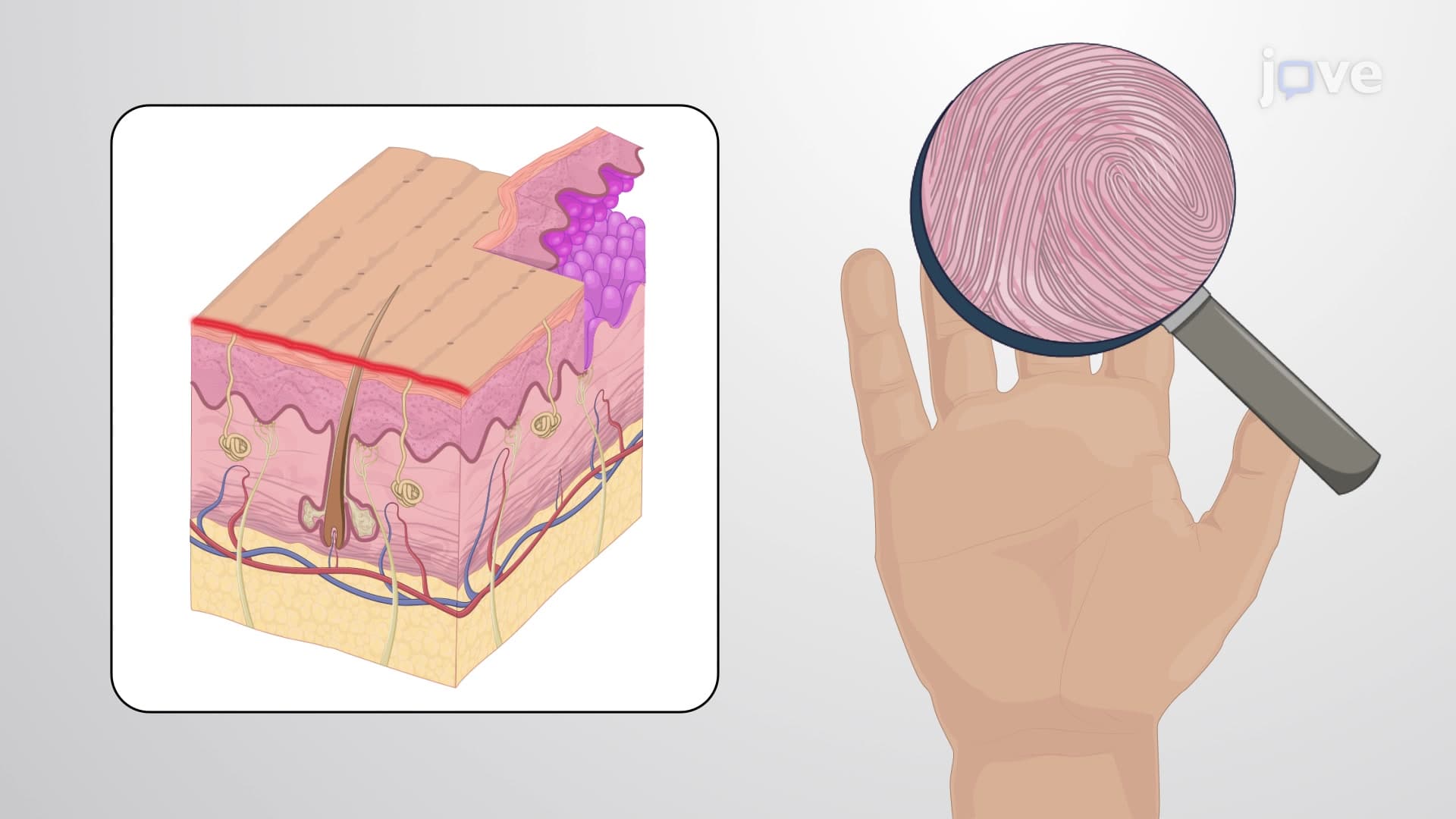
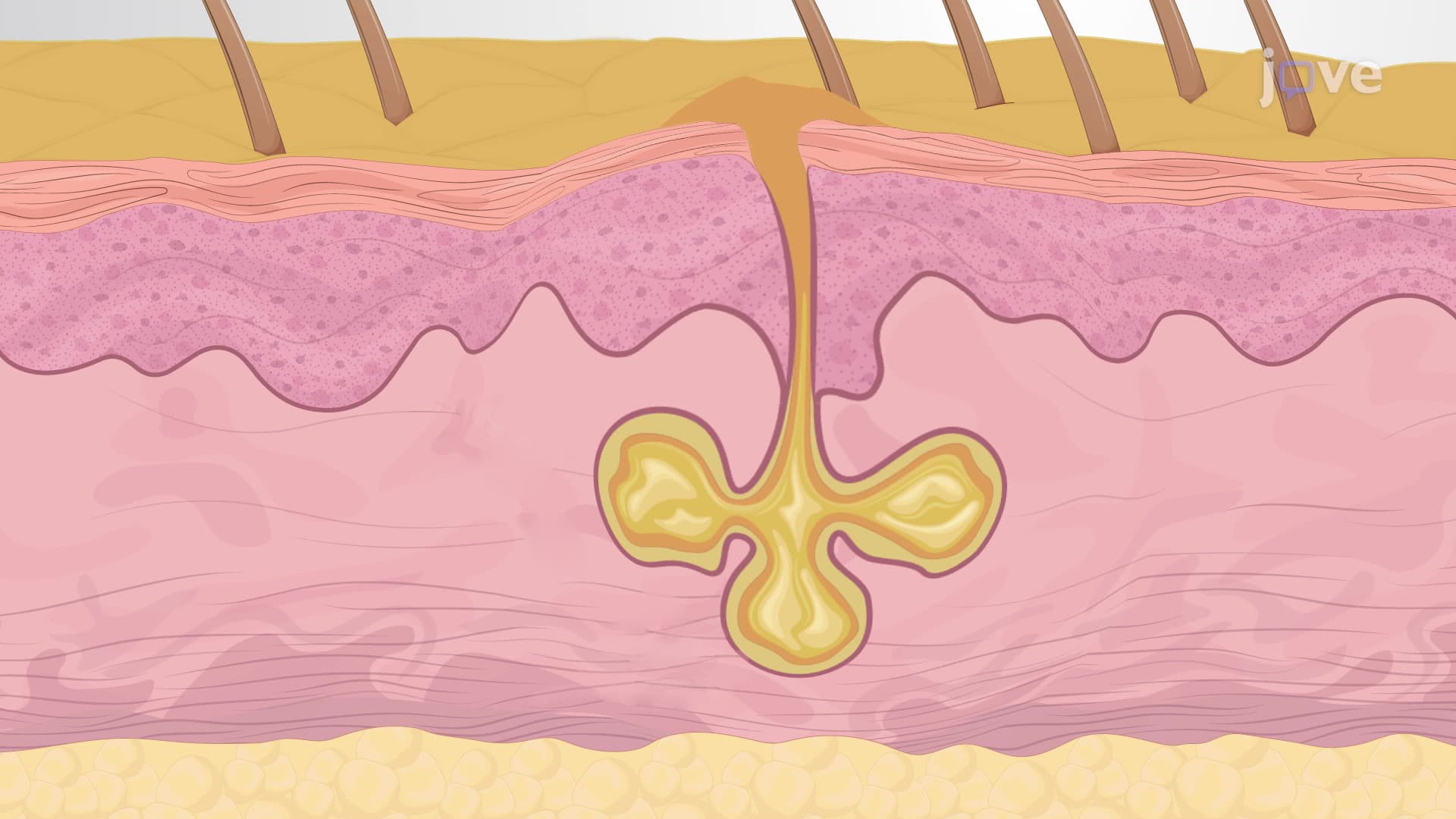
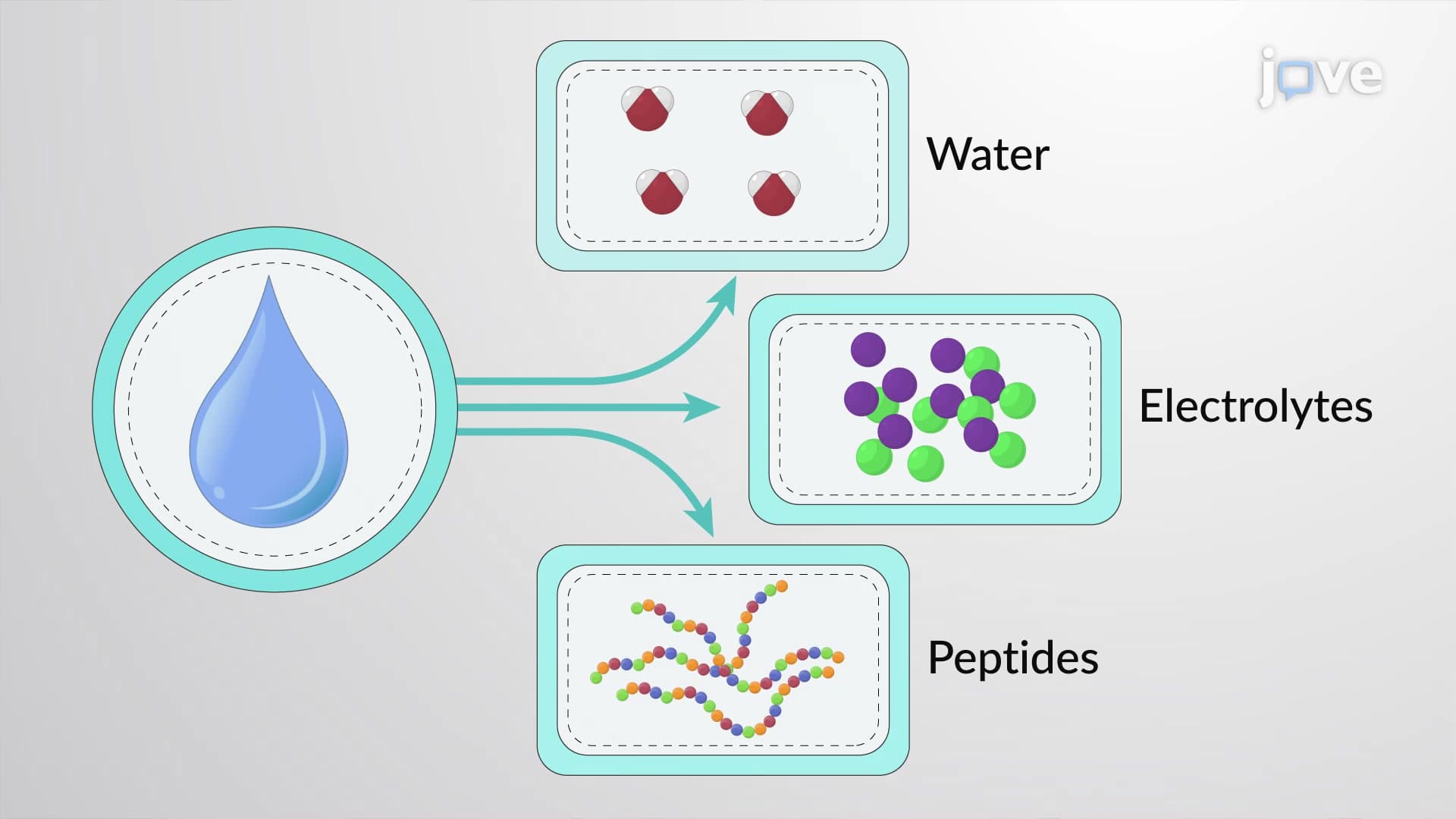
Eccrine sweat glands dominate human skin, covering virtually every surface except lips and certain genital areas. These coiled, tubular structures extend deep into the dermis, with their secretory portions reaching depths of 3-4 millimeters below the surface. The eccrine sweat gland body produces a hypotonic solution containing 99% water plus essential electrolytes like sodium, chloride, and potassium.
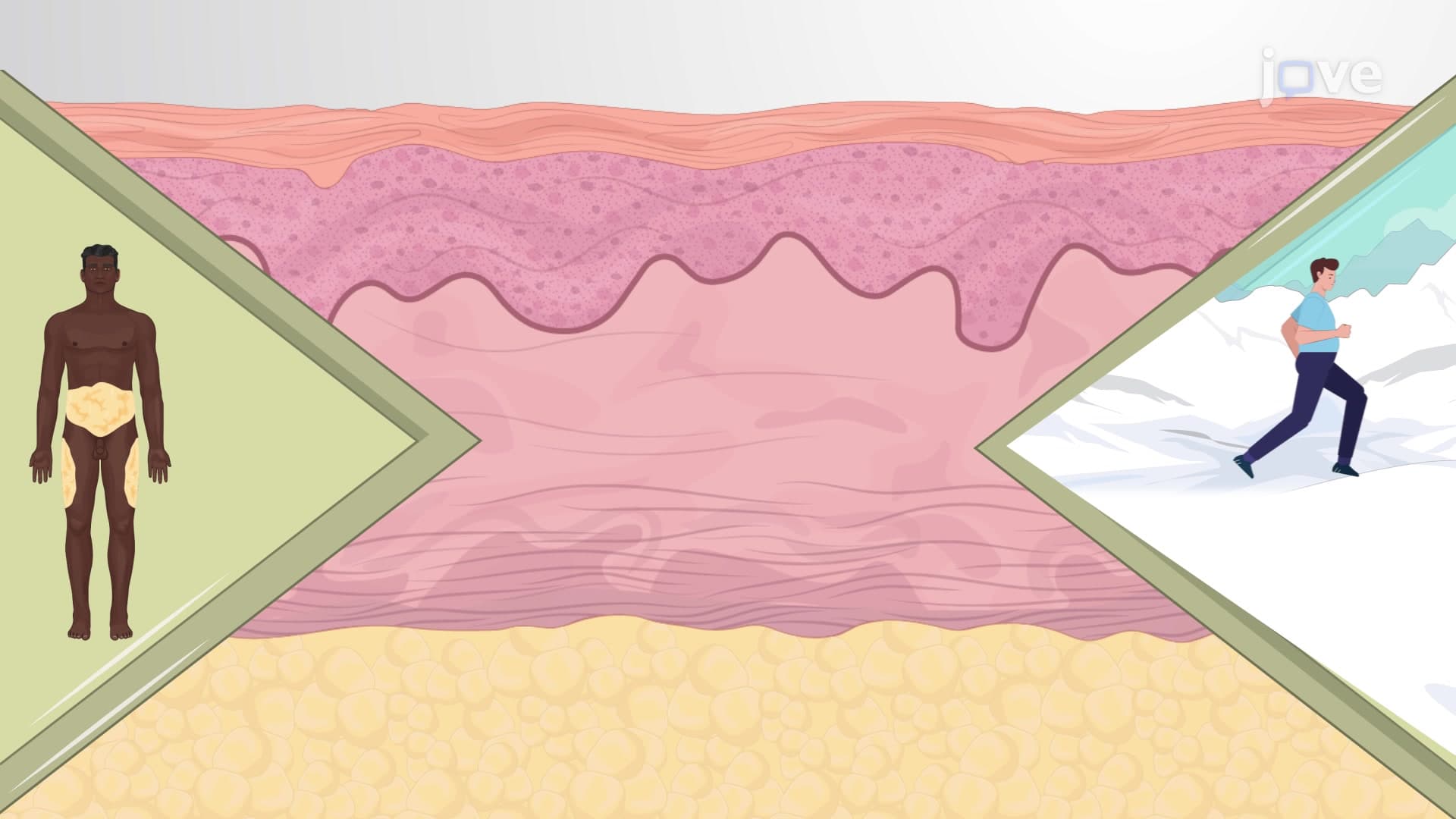
During a typical summer day in Phoenix, Arizona, where temperatures exceed 110°F, your eccrine glands can produce up to 600-1000 milliliters of sweat hourly. This sweat secretion thermoregulation process involves direct neural control from the sympathetic nervous system, responding within seconds to temperature changes or physical exertion.
Apocrine Sweat Glands: Specialized Scent Producers
Apocrine axillary glands concentrate in specific body regions including armpits, groin, and around nipples. Unlike eccrine glands, these structures connect directly to hair follicles rather than opening onto the skin surface through independent pores. The apocrine axillary gland produces a protein and lipid-rich secretion that remains odorless until bacterial decomposition occurs.
These glands remain dormant until puberty, when hormonal surges activate their function. Testosterone and related androgens stimulate apocrine secretion, explaining why body odor becomes more pronounced during adolescence and varies with hormonal cycles.
Clinical Applications and Exam Relevance
Understanding sweat duct pore skin anatomy proves essential for MCAT Biological Sciences sections and AP Biology exams. Medical conditions like hyperhidrosis (excessive sweating) or anhidrosis (inability to sweat) demonstrate the critical importance of functional sweat glands. Cystic fibrosis diagnosis often involves sweat chloride testing, utilizing the unique electrolyte composition of eccrine secretions.
Perspiration sweat composition analysis has become increasingly important in sports medicine and occupational health. Workers in extreme environments, from steel mills in Pittsburgh to outdoor construction sites in Texas, require careful monitoring of electrolyte balance to prevent heat-related illnesses.
Frequently Asked Questions
Sweat glands are specialized structures in your skin that produce perspiration to cool your body through evaporation. They work like natural air conditioners, releasing water and electrolytes onto your skin surface. When this moisture evaporates, it removes heat energy from your body, preventing dangerous overheating during exercise or hot weather. This cooling mechanism allows humans to maintain stable internal temperatures even during intense physical activity.
The MCAT emphasizes molecular mechanisms and clinical applications of sweat gland function, including hormone regulation and disease states. AP Biology focuses more on basic anatomy, classification, and homeostatic roles of eccrine versus apocrine glands. Both exams test understanding of thermoregulation, but MCAT questions often include experimental data interpretation and medical scenarios. College-level courses typically bridge both approaches with detailed histology and physiological integration.
The USMLE Step 1 includes questions about sweat gland physiology, particularly related to cystic fibrosis and thermoregulation disorders. NCLEX exams for nursing students cover sweat gland function in heat stroke prevention and patient care scenarios. HESI A2 and TEAS exams test basic anatomy knowledge including sweat gland types and locations. PA school entrance exams also include integumentary system questions covering sweat gland structure and function.
During extreme heat, your eccrine sweat glands can increase production from normal 500ml daily to over 3 liters per hour. Your body prioritizes cooling by dilating skin blood vessels and maximizing sweat evaporation. However, high humidity reduces evaporation efficiency, making desert heat more tolerable than humid conditions in Florida. This is why heat advisories in southwestern US cities emphasize hydration and electrolyte replacement during outdoor activities.
No, basic high school chemistry concepts are sufficient to grasp sweat gland physiology. Understanding simple solutions, evaporation, and basic electrolytes (sodium, chloride) provides adequate foundation. Most textbooks explain these concepts clearly with everyday analogies. If you understand how water evaporation cools you after swimming, you already grasp the fundamental principle. Advanced biochemistry helps but isn't required for introductory courses.
Create comparison charts focusing on location, activation timing, and secretion composition. Remember "E for Everywhere" (eccrine glands cover most skin) and "A for Armpit" (apocrine concentrate in specific areas). Use mnemonics like "Eccrine = Early function, Apocrine = Adult function" to remember developmental timing. Practice with labeled diagrams and flashcards emphasizing structural differences. Focus on functional distinctions rather than memorizing every anatomical detail.
Sweat gland physiology links directly to nervous system control (sympathetic regulation), endocrine function (hormonal influences), and cardiovascular responses (blood flow changes during thermoregulation). This knowledge prepares you for studying kidney function and electrolyte balance, as both systems manage body fluid composition. Understanding these connections helps with integrated physiology questions on advanced exams and provides foundation for clinical problem-solving in healthcare careers.
Individual sweat production varies due to genetics, fitness level, acclimatization, and medical conditions. Athletes typically sweat more efficiently due to training adaptations that improve cooling capacity. Hyperhidrosis affects about 3% of Americans, causing excessive sweating that can impact quality of life. Conversely, anhidrosis (inability to sweat) poses serious health risks in hot climates. These variations help explain why some students feel comfortable in warm classrooms while others struggle with temperature regulation.
Related Micro-courses

19 Concepts

11 Concepts
6 Concepts