Loading subject page…


87,705 views

Video Summary: What are Skin Diseases and Disorders
Did you know that over 85 million Americans live with a skin condition, making skin diseases disorders biology one of the most relevant health topics you'll encounter? From the teenage acne affecting millions of high school students to autoimmune conditions like psoriasis that create distinctive silvery scales, understanding what are skin diseases and disorders helps explain how our body's largest organ can malfunction. Watch the full video on JoVE Coach to master this concept with expert-led visuals and step-by-step explanations.
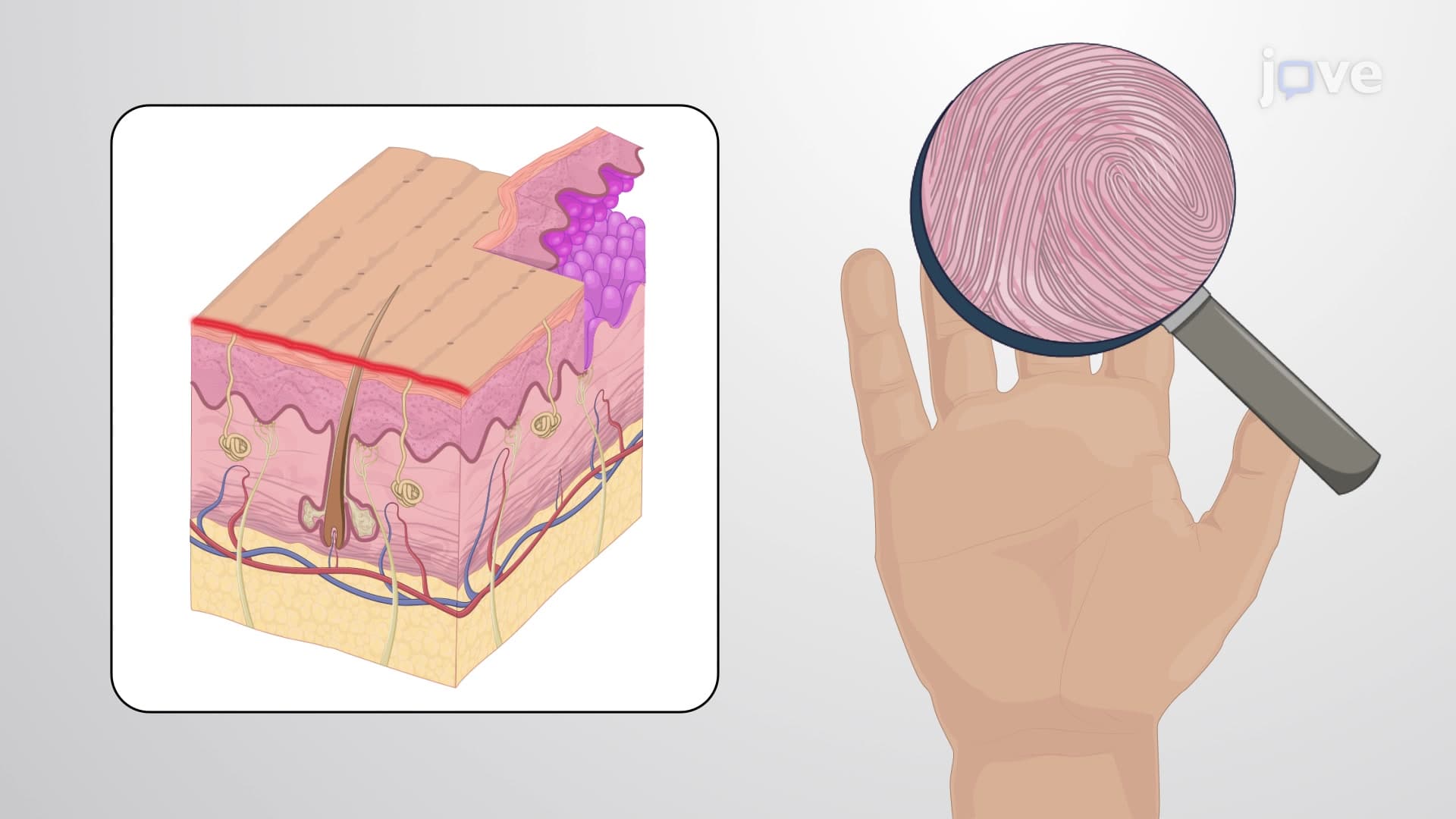
The skin serves as our body's first line of defense, but when this protective system fails, various disorders emerge. Skin diseases and disorders represent a broad spectrum of conditions that affect the structure, function, and appearance of our largest organ. These conditions range from minor irritations to serious autoimmune diseases that can significantly impact quality of life.
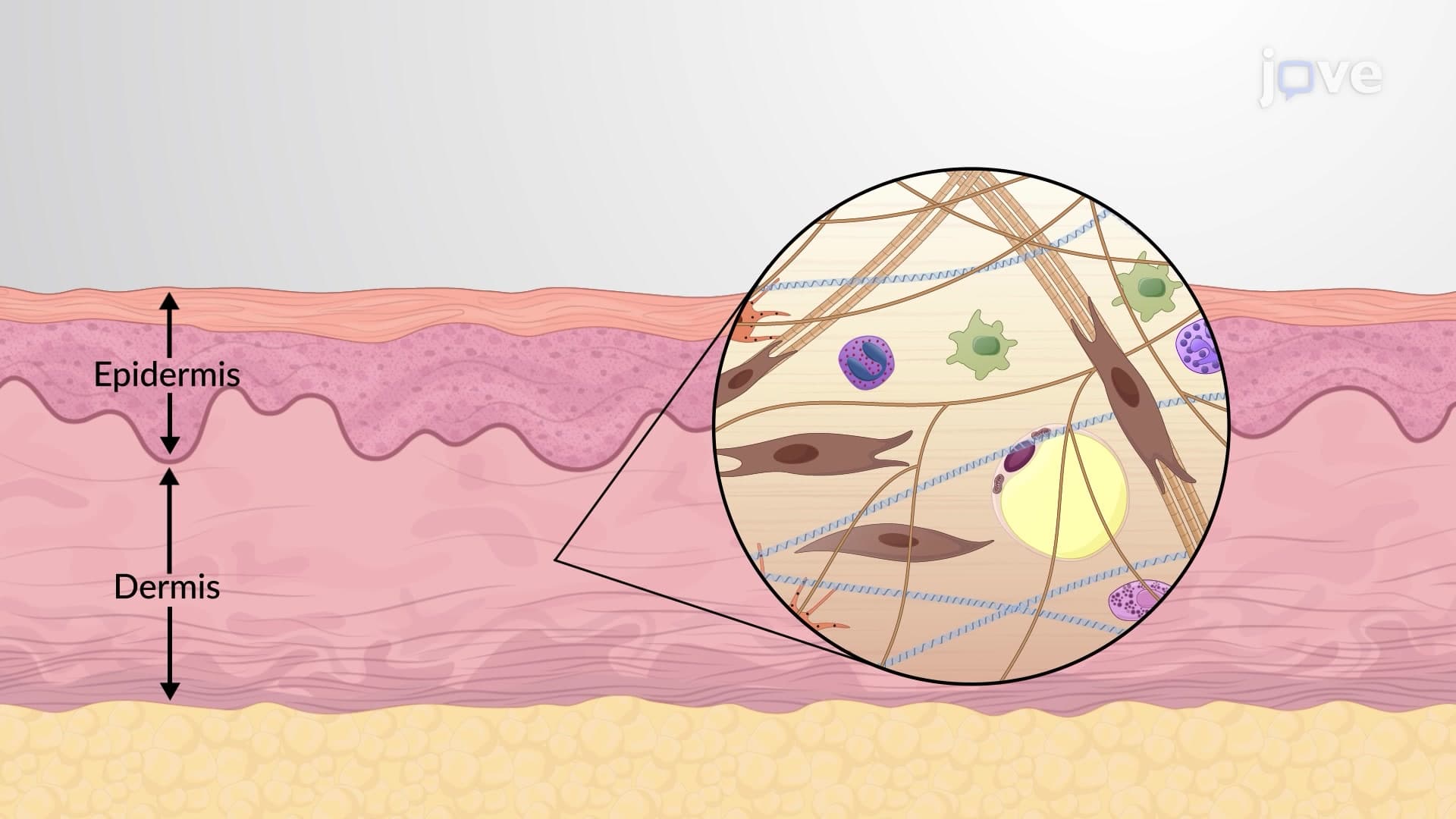
Bacterial, fungal, and viral pathogens commonly cause skin infections when the protective barrier is compromised. Cellulitis, a serious bacterial infection affecting the dermis and subcutaneous tissues, often develops around surgical wounds or injuries. The Centers for Disease Control reports over 14 million cases annually in the United States, making it a critical topic for pre-med students studying for the MCAT.
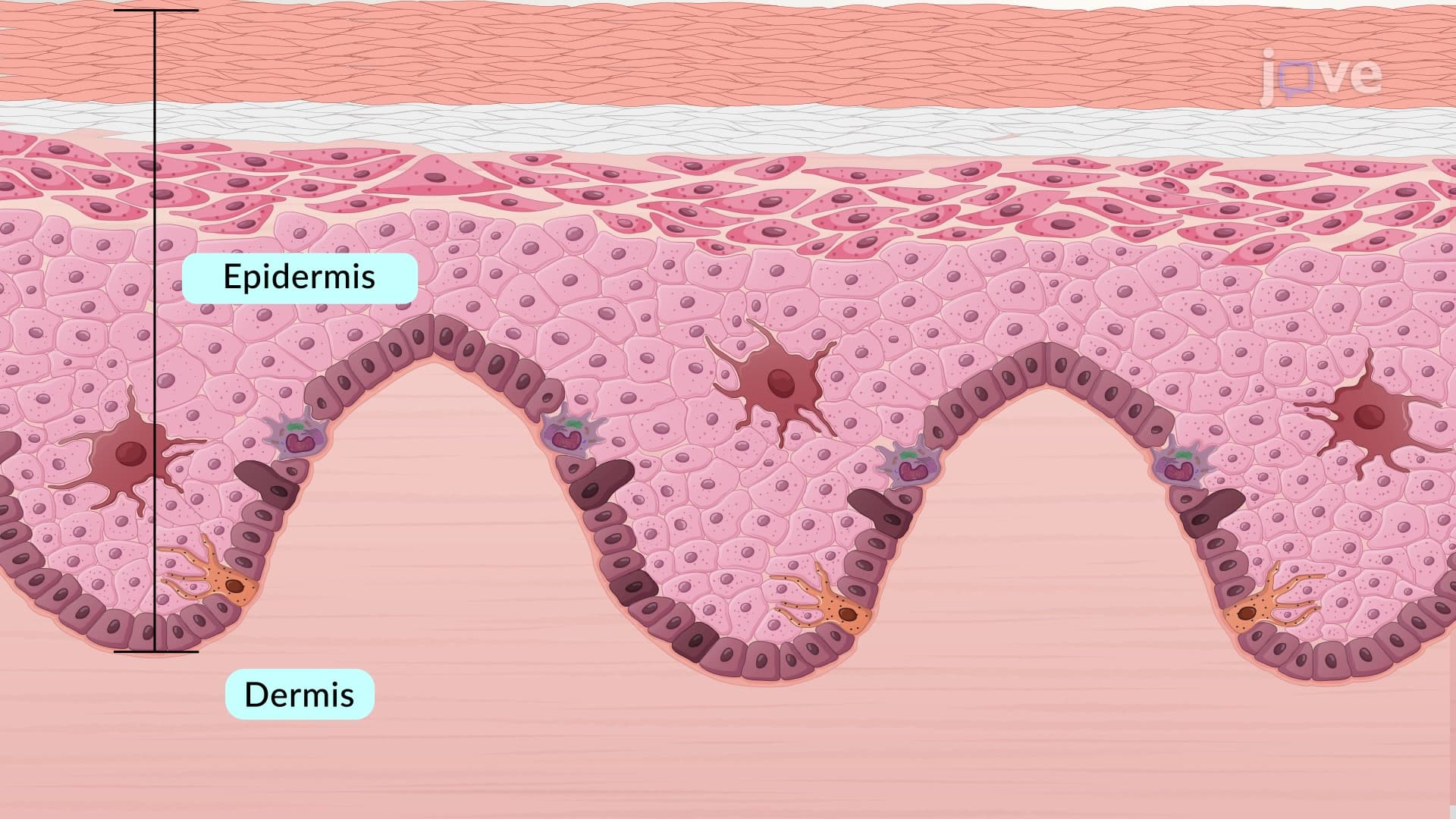
Fungal infections like ringworm (tinea corporis) create the characteristic circular, itchy patches that many students encounter during their dermatology rotations. Despite its name, ringworm involves no worms-it's caused by dermatophyte fungi that thrive in warm, moist environments. Viral infections, particularly those caused by human papillomavirus (HPV), produce warts through uncontrolled keratinocyte proliferation. Understanding these mechanisms is essential for AP Biology students studying cellular reproduction and immune responses.
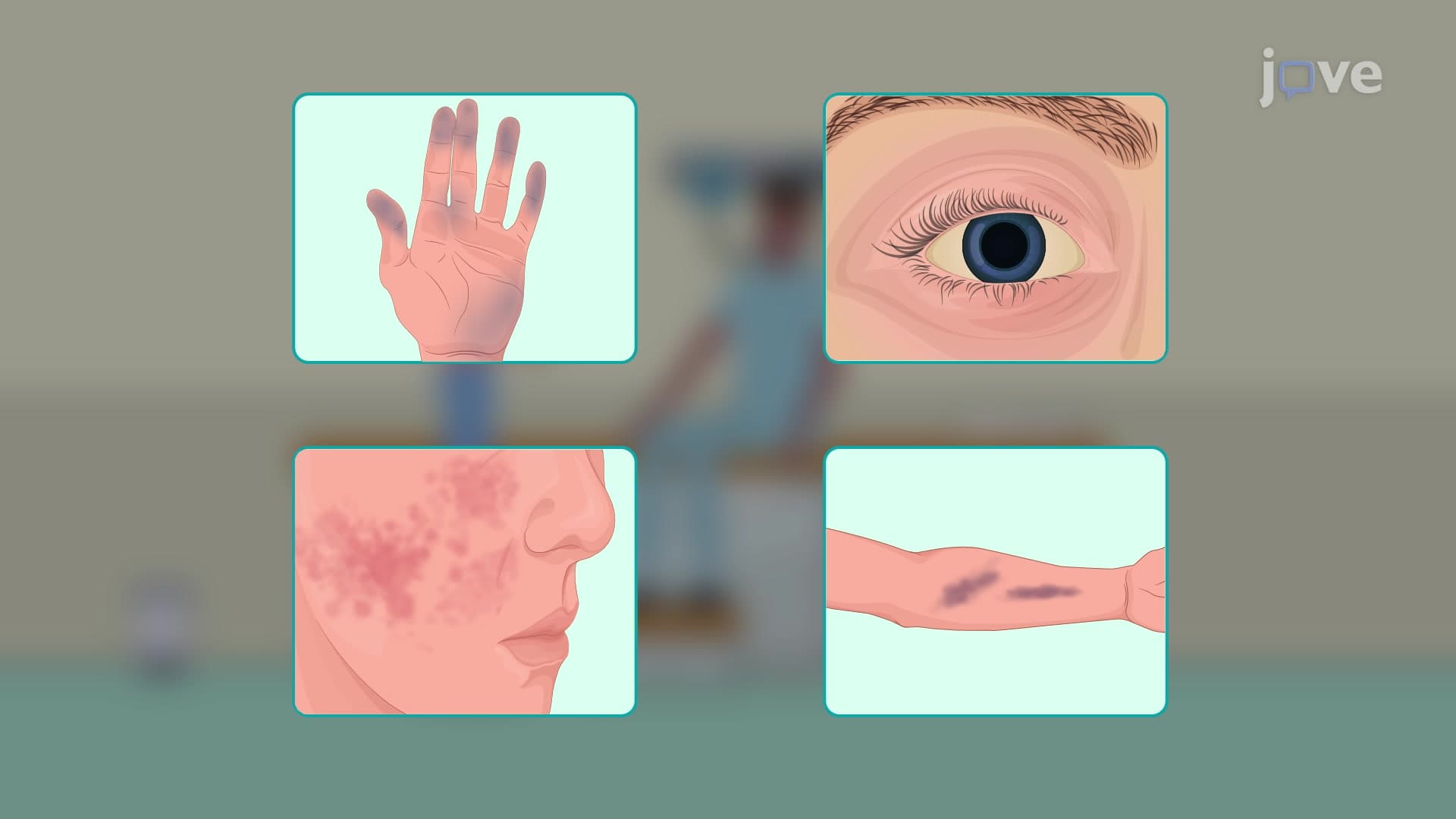
Autoimmune disorders represent some of the most complex skin diseases, frequently appearing on college-level pathophysiology exams. Scleroderma involves excessive collagen production, leading to skin thickening and potential organ involvement. This connective tissue disorder affects approximately 300,000 Americans and demonstrates how autoimmune processes can disrupt normal cellular function.
Alopecia areata showcases targeted immune attacks on hair follicles, creating distinctive bald patches. The condition affects over 6.8 million Americans and illustrates autoimmune specificity-why certain tissues become targets while others remain unaffected. Psoriasis, affecting 7.5 million Americans, involves accelerated keratinocyte turnover, creating the characteristic silvery scales and inflamed patches. This condition frequently appears in USMLE Step 1 questions testing understanding of cell cycle regulation and inflammatory cascades.
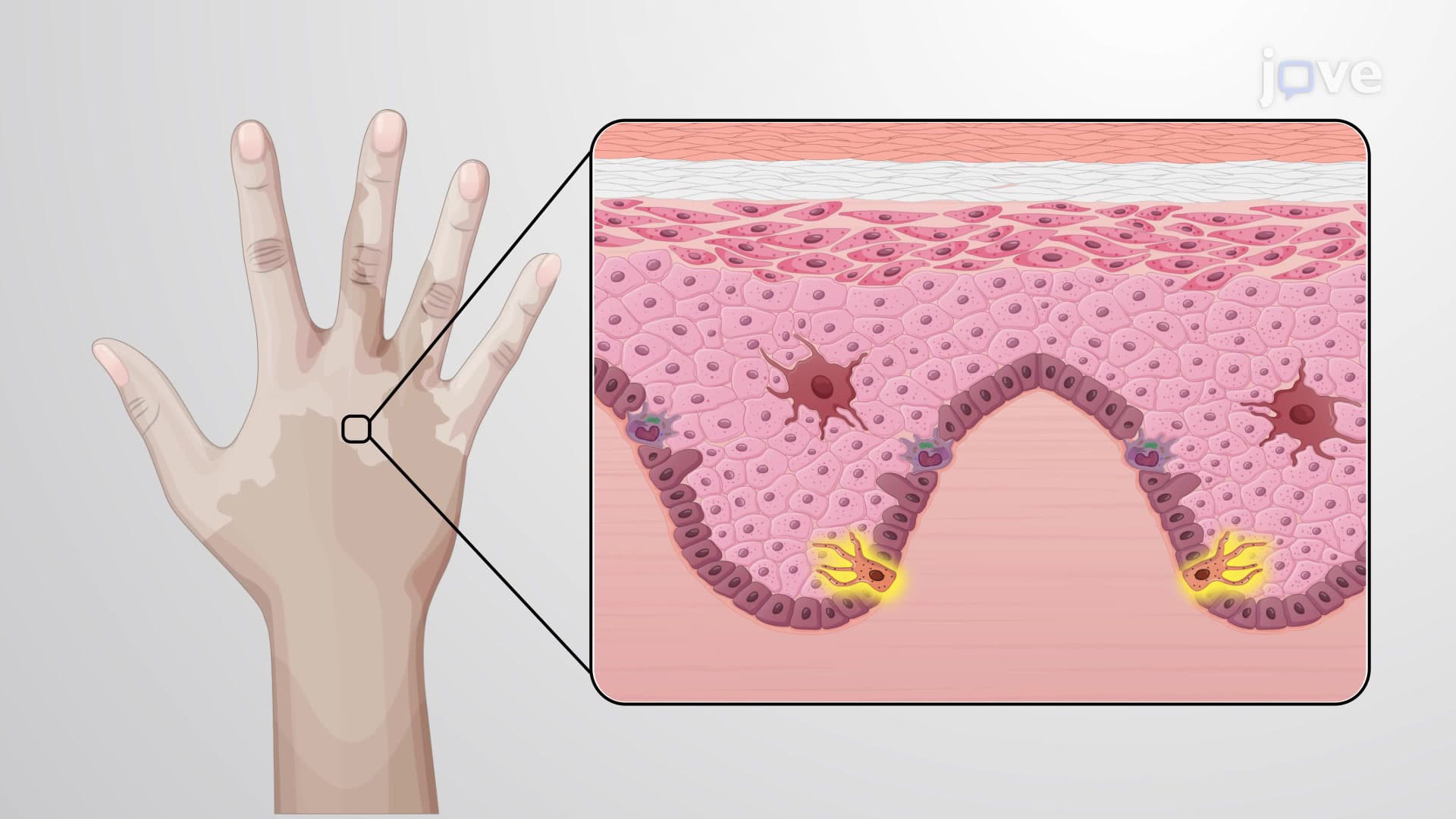
Vitiligo represents a fascinating example of targeted cellular destruction, where autoimmune processes specifically attack melanocytes. This condition affects 1-2% of the global population and demonstrates how specific cellular targets can create dramatic phenotypic changes. For students preparing for the NCLEX or HESI A2, understanding vitiligo's pathophysiology helps reinforce concepts about immune system precision and melanin production pathways.
Related Micro-courses