Loading subject page…

- Anatomy and Physiology
- The Integumentary System
- Papillary Dermis
Micro-course: The Integumentary System
87,705 views
Learn key concepts and earn your certificate.




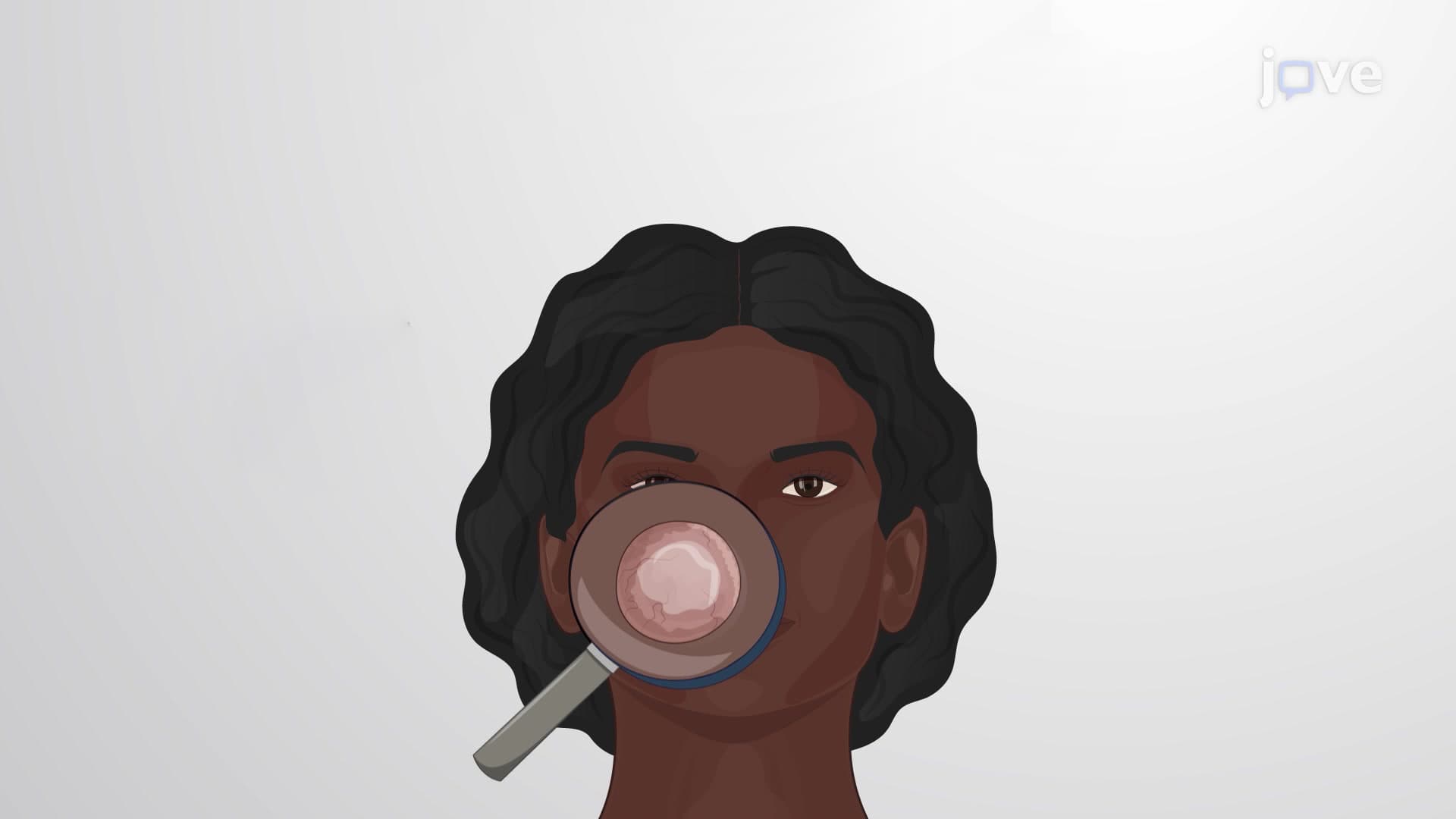
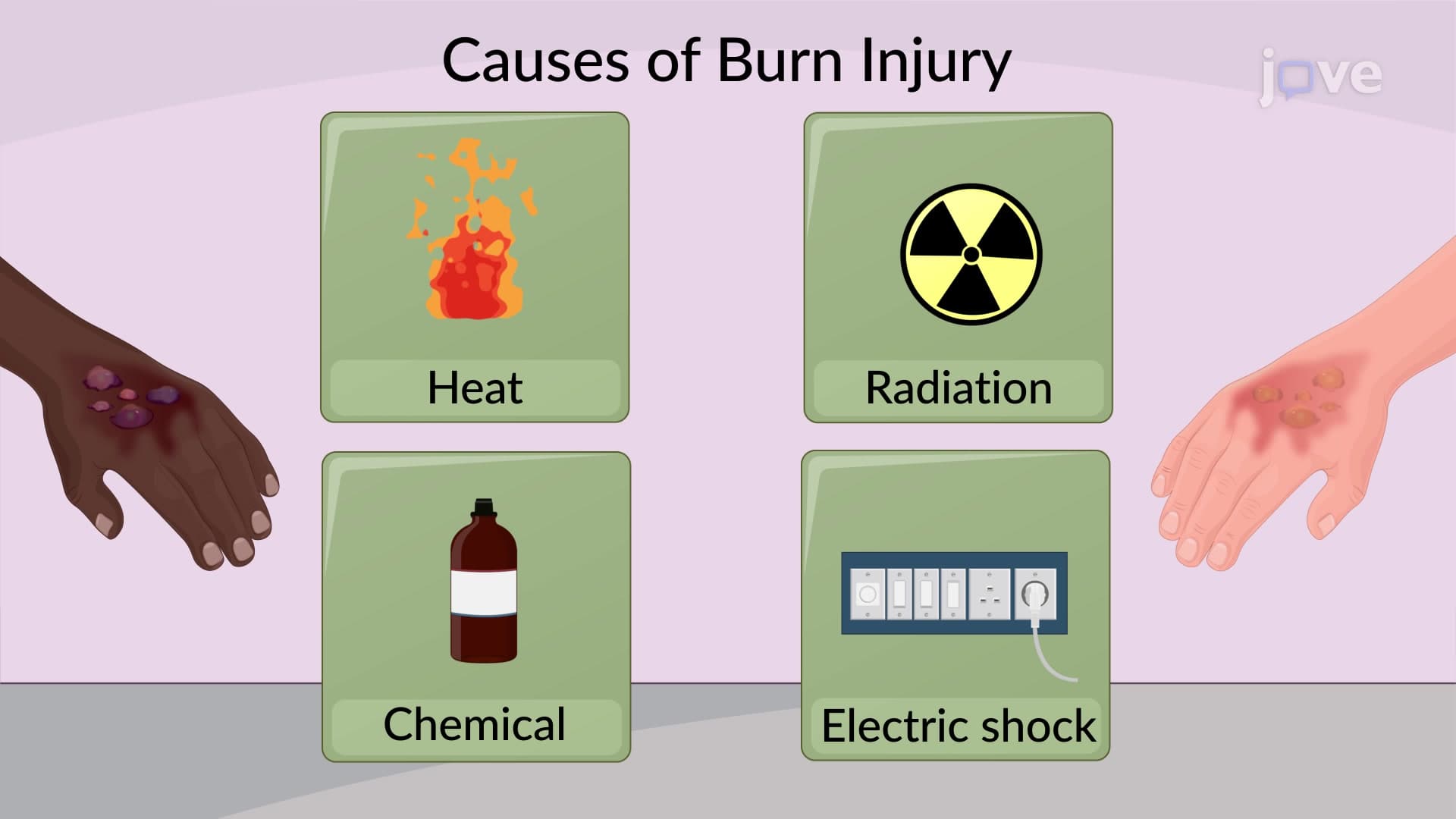
Papillary Dermis

00:00
01:11
Video Summary: What Is Papillary Dermis
Ever wonder why your fingerprints are unique or why a paper cut stings so much? The papillary dermis anatomy holds the answer to both mysteries. This uppermost layer of the dermis creates the distinctive ridges on your fingertips and houses specialized nerve endings that detect every touch. In forensic science labs across the US, investigators rely on these papillary dermis-formed fingerprints to solve crimes. Watch the full video on JoVE Coach to master this concept with expert-led visuals and step-by-step explanations.
- Understand what is papillary dermis and its role as the superficial layer of the dermis beneath the epidermis
- Identify the key structural components including collagen fibers, elastin, capillaries, and dermal papillae
- Analyze how the subpapillary plexus provides nutrients to the stratum basale of the overlying epidermis
- Compare the papillary dermis structure between thick skin (palms/soles) and thin skin (most body areas)
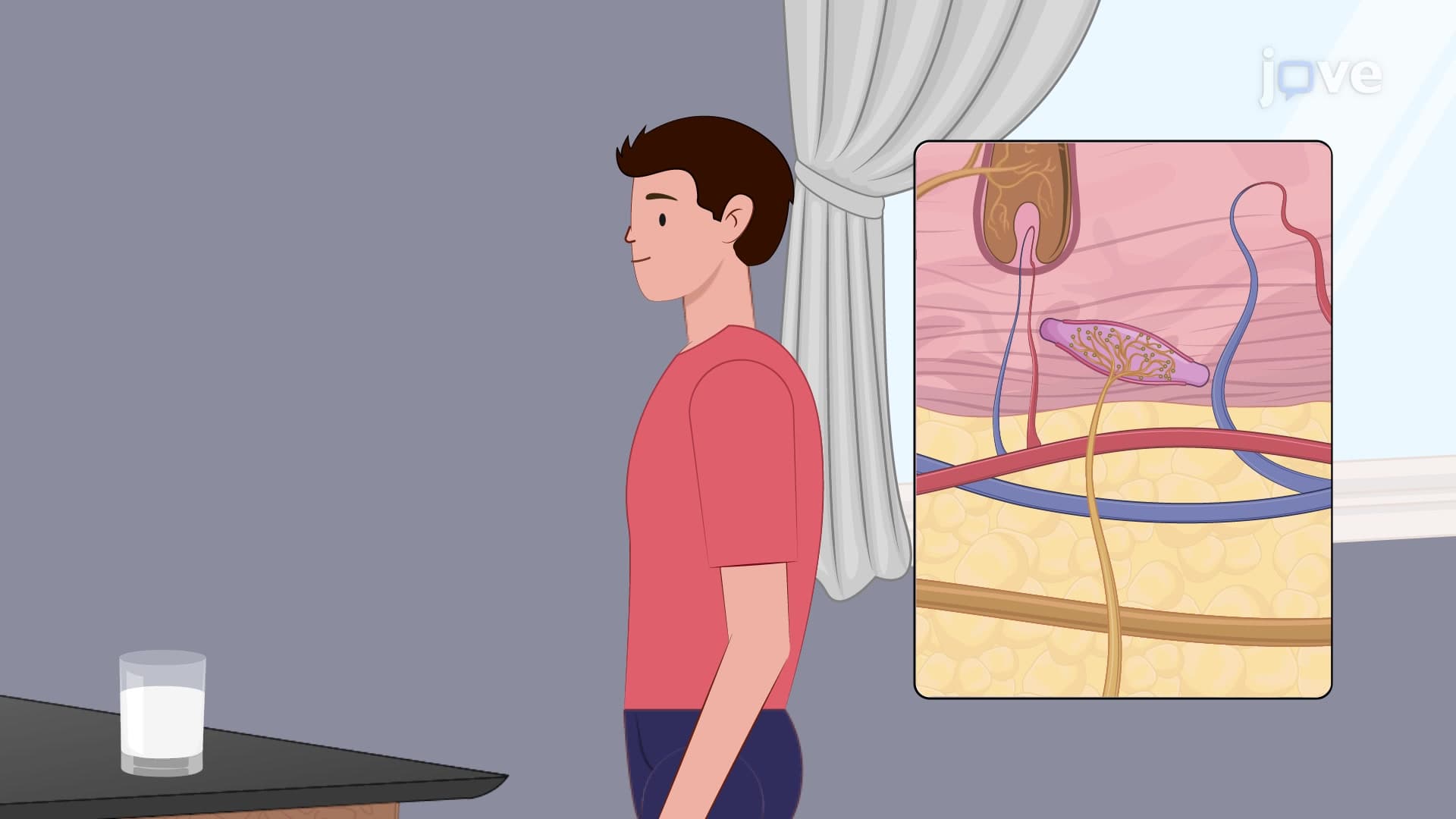
- Recognize Meissner corpuscles and free nerve endings as specialized sensory receptors in this layer
- Evaluate the relationship between dermal papillae and epidermal rete pegs in forming skin surface patterns
- Apply knowledge of papillary dermis anatomy to understand fingerprint formation and tactile sensation
- Explore the clinical significance of this layer in wound healing and dermatological conditions
What is Papillary Dermis: Structure and Location
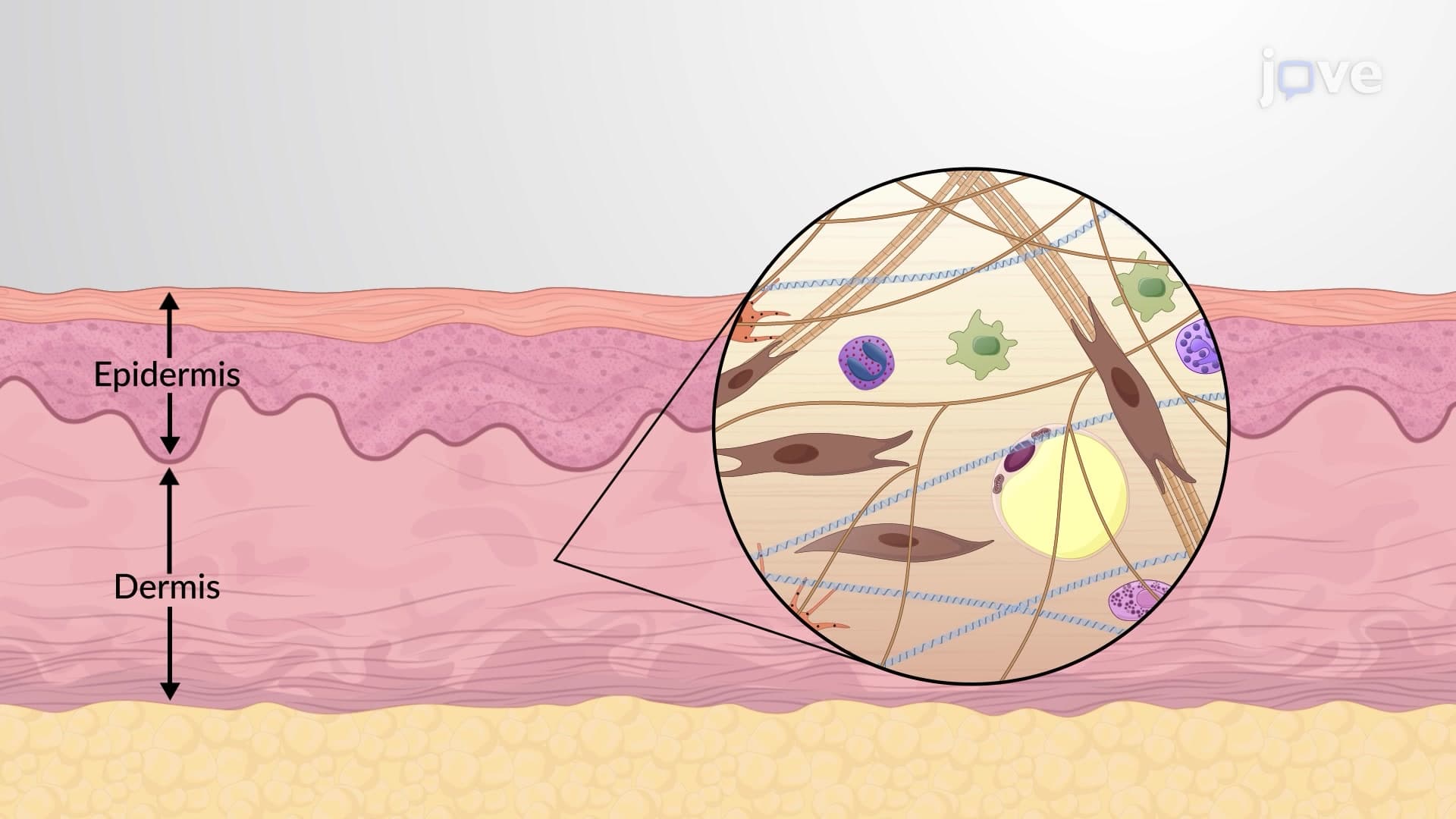
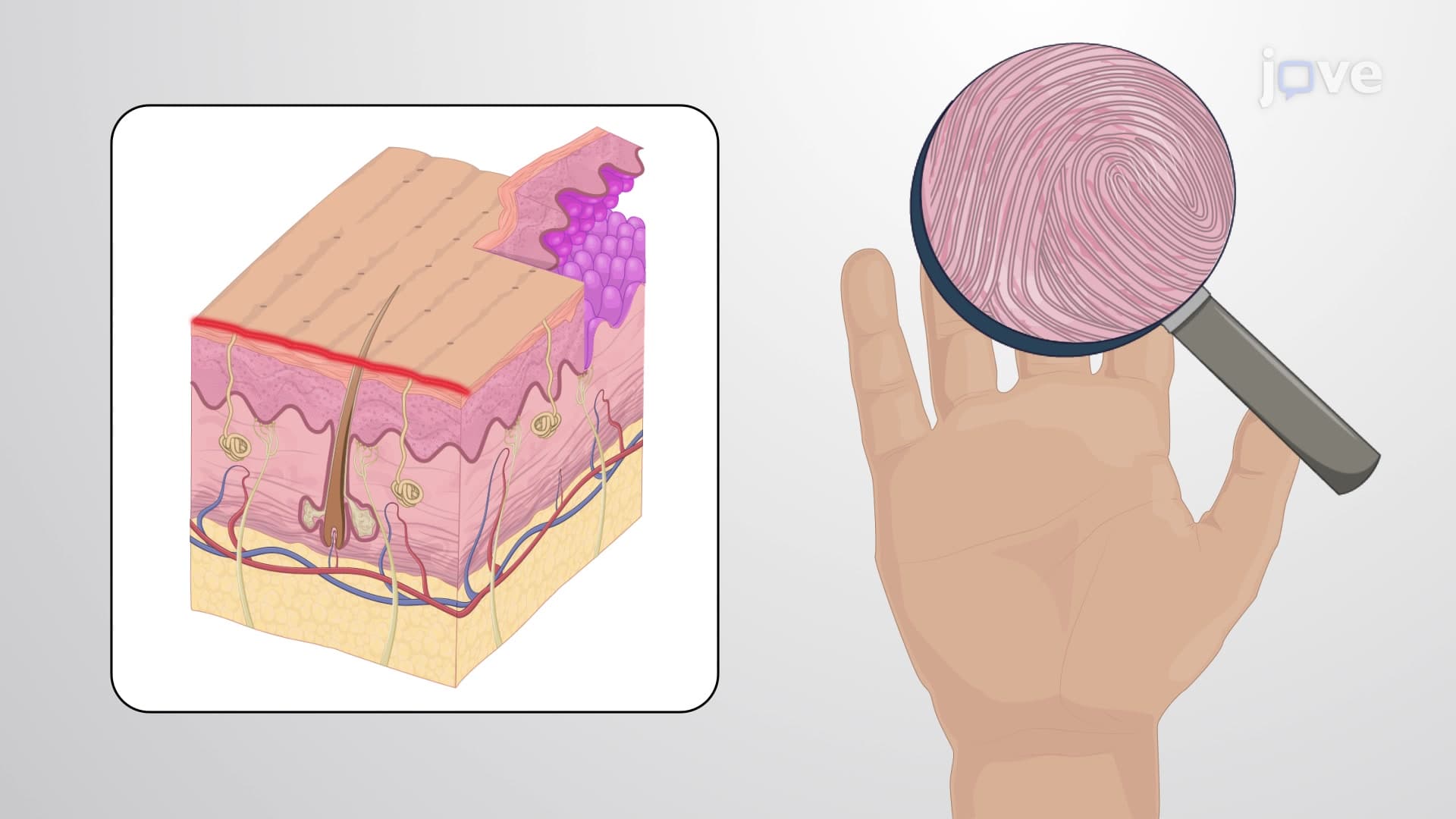
The papillary dermis layer skin represents the uppermost portion of the dermis, sitting directly beneath the epidermis. This thin but crucial layer typically measures 0.2-0.4 millimeters thick and consists of loosely arranged connective tissue. Unlike the deeper reticular dermis with its dense collagen bundles, the papillary layer collagen forms a loose meshwork interwoven with elastin fibers, creating a flexible foundation that supports the epidermis above.
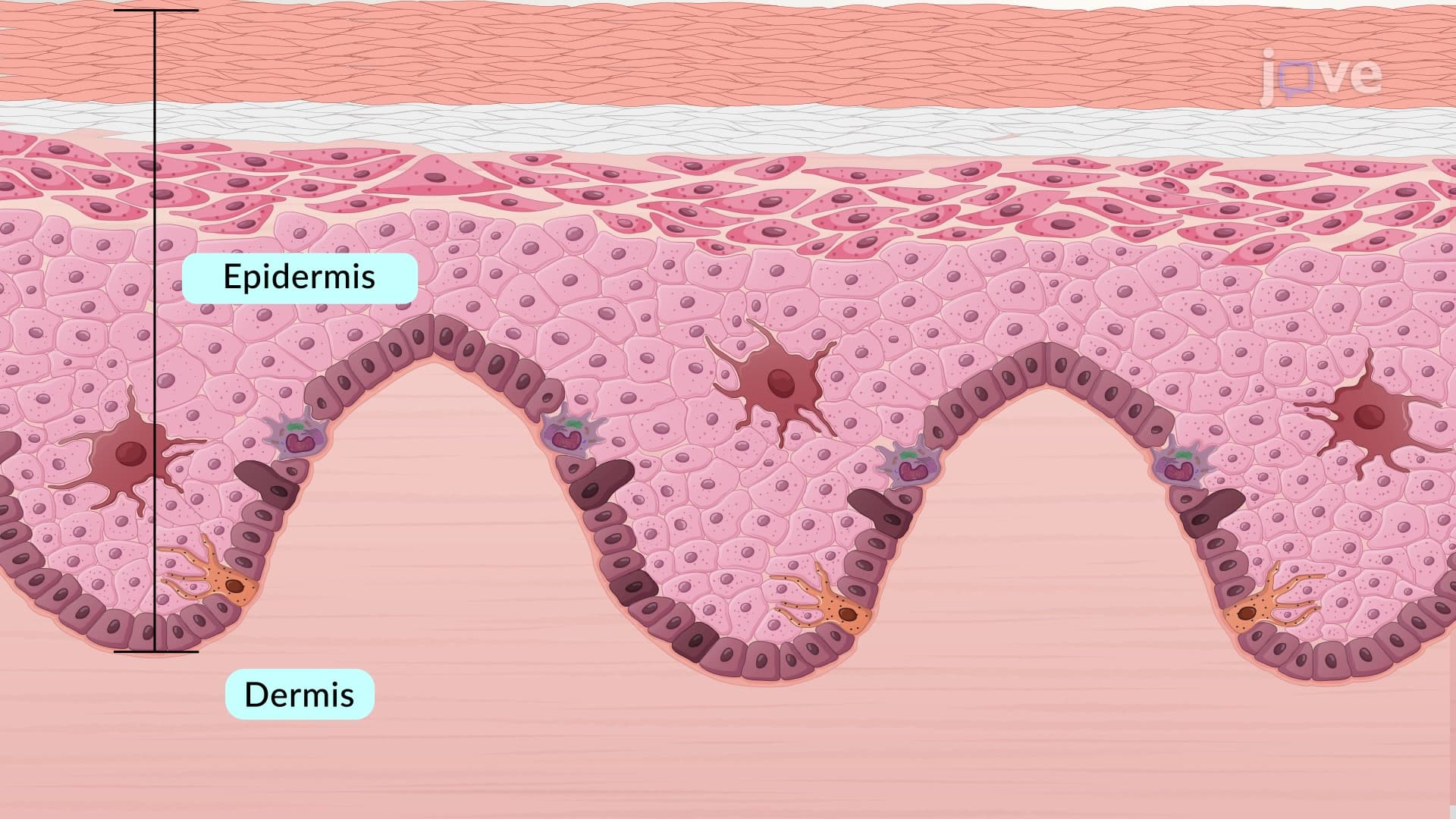
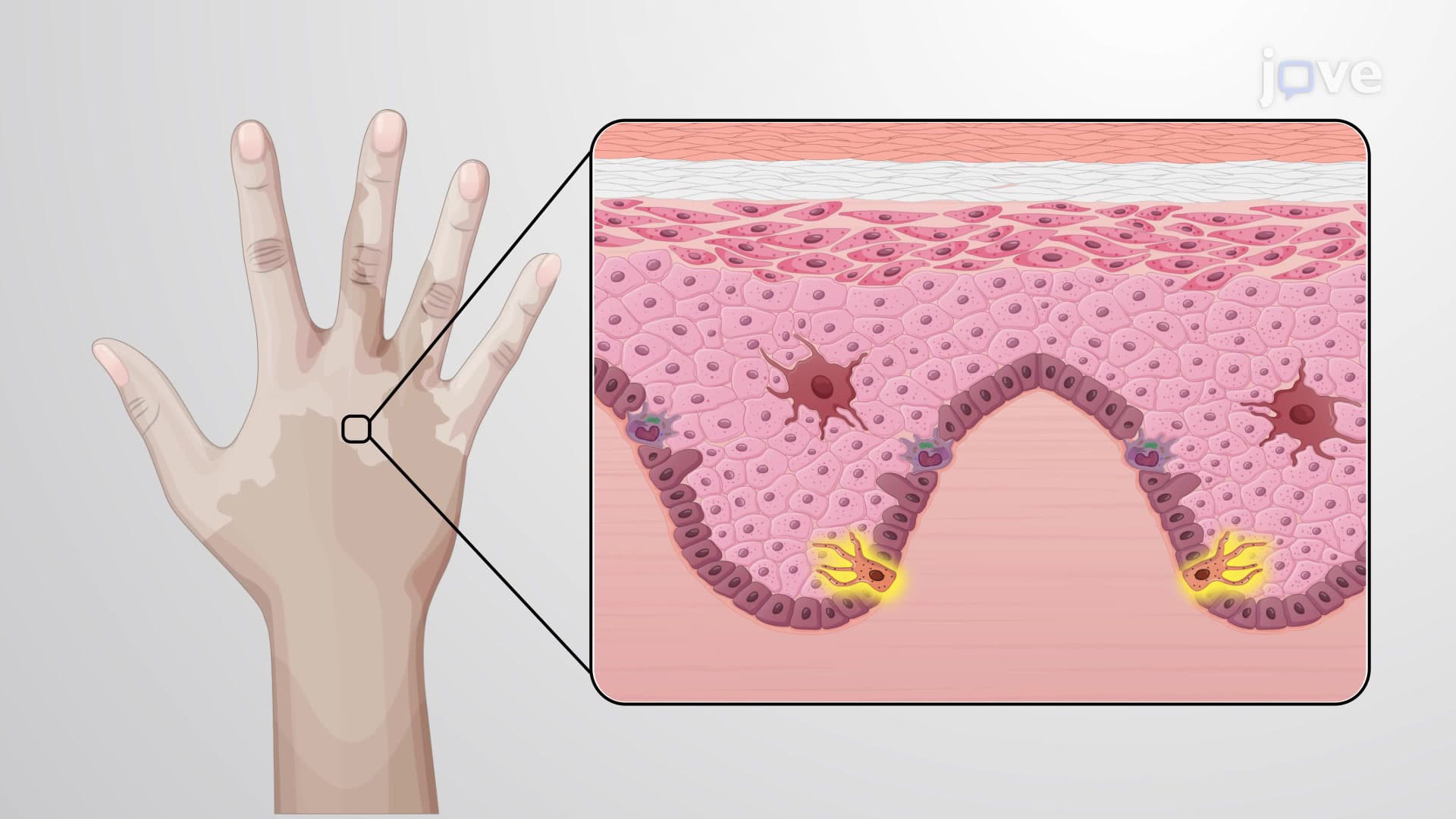
Medical students studying for the MCAT often encounter questions about this layer's unique architecture. The dermal papillae structure creates finger-like projections that extend upward into the epidermis, interdigitating with downward projections called rete pegs. This arrangement dramatically increases the surface area between dermis and epidermis, strengthening their connection and preventing easy separation during mechanical stress.
Vascular and Neural Networks
The papillary dermis capillary network, known as the subpapillary plexus, forms an extensive vascular bed just beneath the dermoepidermal junction. These capillaries serve as the primary nutrient supply for the metabolically active cells of the stratum basale, the deepest epidermal layer. Oxygen and nutrients diffuse across this short distance, while waste products travel in the opposite direction.
This vascular arrangement explains why superficial cuts bleed readily but heal quickly. Emergency medicine residents at US hospitals like Johns Hopkins often observe how injuries to this layer demonstrate the body's remarkable regenerative capacity. The rich blood supply also makes the papillary dermis a target for certain dermatological treatments, including laser therapies used in dermatology practices across the United States.
Sensory Function and Clinical Applications
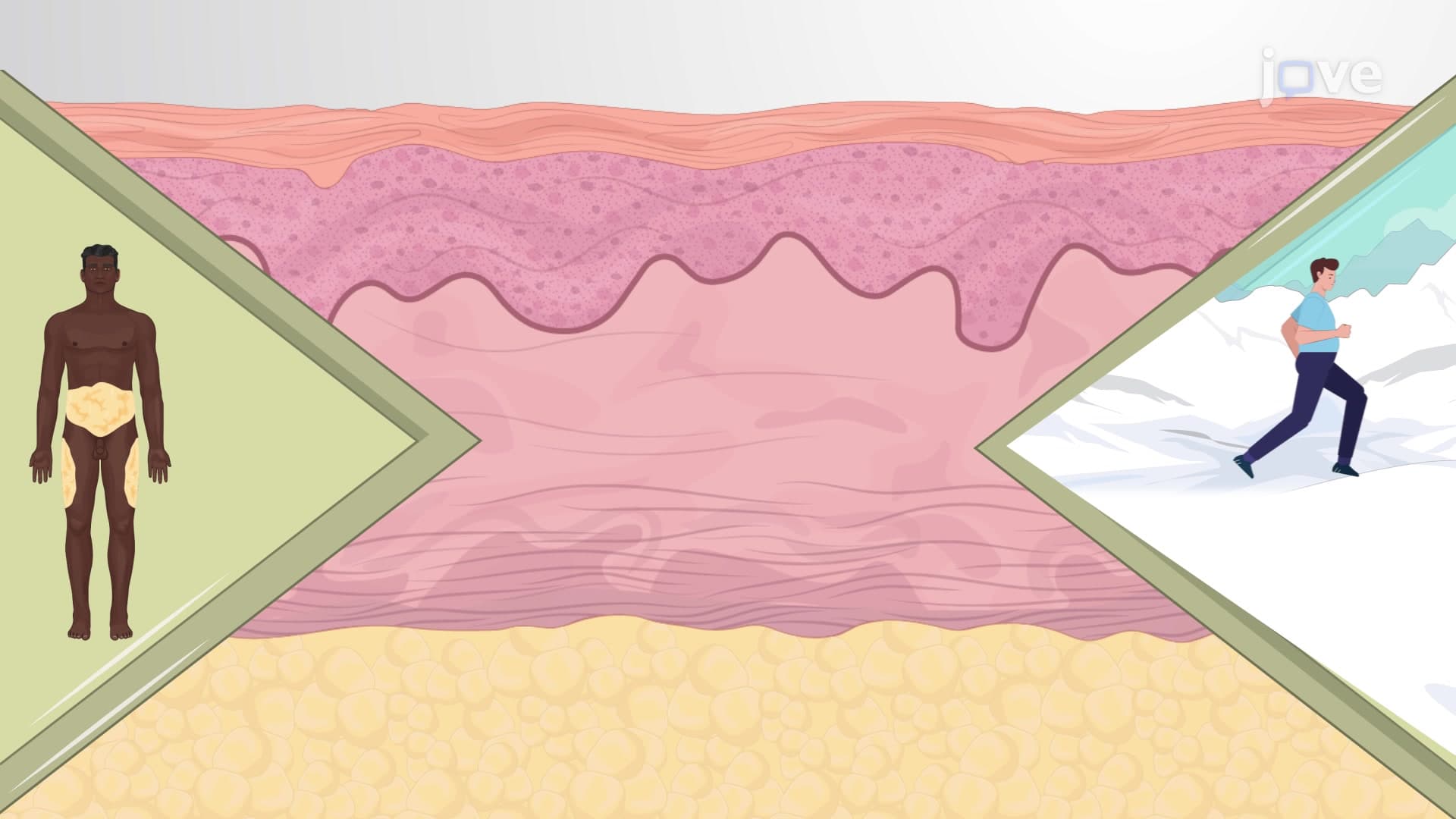
Meissner corpuscle papillary dermis distribution varies significantly across body regions. These mechanoreceptors, along with free nerve endings, provide our sense of light touch and vibration. In thick skin areas like fingertips and palms, dermal papillae are larger and more numerous, creating the distinctive ridge patterns essential for grip and tactile discrimination.
AP Biology students frequently examine how this anatomy relates to human adaptation and survival. The enhanced sensory capability in fingertips allows for precise manipulation of objects, from threading a needle to detecting surface textures. Forensic investigators at the FBI laboratory in Quantico rely on these papillary dermis-formed patterns for individual identification, as the ridge patterns remain constant throughout life.
Understanding what is the papillary dermis in skin anatomy becomes crucial for pre-med students preparing for standardized exams, as this knowledge connects to broader concepts in physiology, pathology, and clinical medicine.
Frequently Asked Questions
The papillary dermis is the thin, uppermost layer of the dermis located directly beneath the epidermis. It consists of loose connective tissue with collagen and elastin fibers, plus numerous blood vessels, nerve endings, and finger-like projections called dermal papillae. This layer provides structural support and nutrients to the overlying epidermis while housing sensory receptors for touch sensation.
MCAT questions often test the relationship between papillary dermis structure and function, particularly nutrient diffusion and sensory reception. AP Biology exams may include diagrams asking students to identify dermal papillae or explain how the subpapillary plexus supports epidermal cell metabolism. Expect questions linking this anatomy to fingerprint formation and wound healing processes.
College anatomy midterms frequently contrast these regions. Thick skin (palms, soles) has larger, more numerous dermal papillae creating prominent ridges, while thin skin has smaller, fewer papillae. This structural difference explains why fingerprints exist only on thick skin areas. Many anatomy professors at universities like UCLA use this comparison to illustrate structure-function relationships.
Medical school courses in dermatology, pathology, and physiology build upon this foundational knowledge. Understanding how the papillary dermis supplies nutrients to the epidermis helps explain why certain skin conditions develop and how wounds heal. This knowledge becomes essential for USMLE Step 1 questions about skin physiology and pathology.
Nurses administering intradermal injections must understand this layer's location and vascular supply. Dermatologists treating acne or performing cosmetic procedures target this region specifically. Physical therapists working with burn patients need to understand how papillary dermis damage affects sensation and healing, particularly in rehabilitation centers across major US medical systems.
Absolutely not - this concept builds logically on basic cell biology and tissue organization that students learn in freshman biology. High school AP Biology teachers across the US successfully teach this topic using microscope labs and histology slides. The key is connecting structure to familiar functions like fingerprints and touch sensation.
Create visual mnemonics linking "papillae" to "nipple-shaped" projections, then associate the rich blood supply with the red color you see in minor cuts. Many students find success using the acronym "CLEVER" for the five main components: Capillaries, Lymphatics, Elastin, Vessels, Endings (nerve endings), and Receptors (Meissner corpuscles).
Students should progress to studying the reticular dermis and hypodermis to complete their understanding of skin layers. Advanced topics include skin appendages (hair follicles, sweat glands), wound healing phases, and dermatological conditions. This knowledge foundation prepares students for more complex topics in immunology and pathophysiology coursework.
Related Micro-courses

19 Concepts

11 Concepts
6 Concepts