Loading subject page…


87,705 views


Video Summary: What Is Role of Skin
Did you know your skin role body functions extend far beyond protection, actually serving as your body's largest vitamin D factory? When UVB rays from sunlight hit skin cells in states like Arizona or Florida, they trigger a complex biochemical process that converts cholesterol-based compounds into vitamin D3, which then travels through your liver and kidneys to become the active hormone calcitriol. Understanding what is role of skin reveals how this remarkable organ simultaneously shields us from harm while manufacturing essential nutrients for bone health and immune function. Watch the full video on JoVE Coach to master this concept with expert-led visuals and step-by-step explanations.
The skin role body functions encompasses much more than barrier protection-your skin operates as a sophisticated endocrine organ capable of hormone synthesis. This metabolic function represents one of the most critical yet underappreciated aspects of dermatological physiology, directly impacting bone health, immune function, and overall wellness.
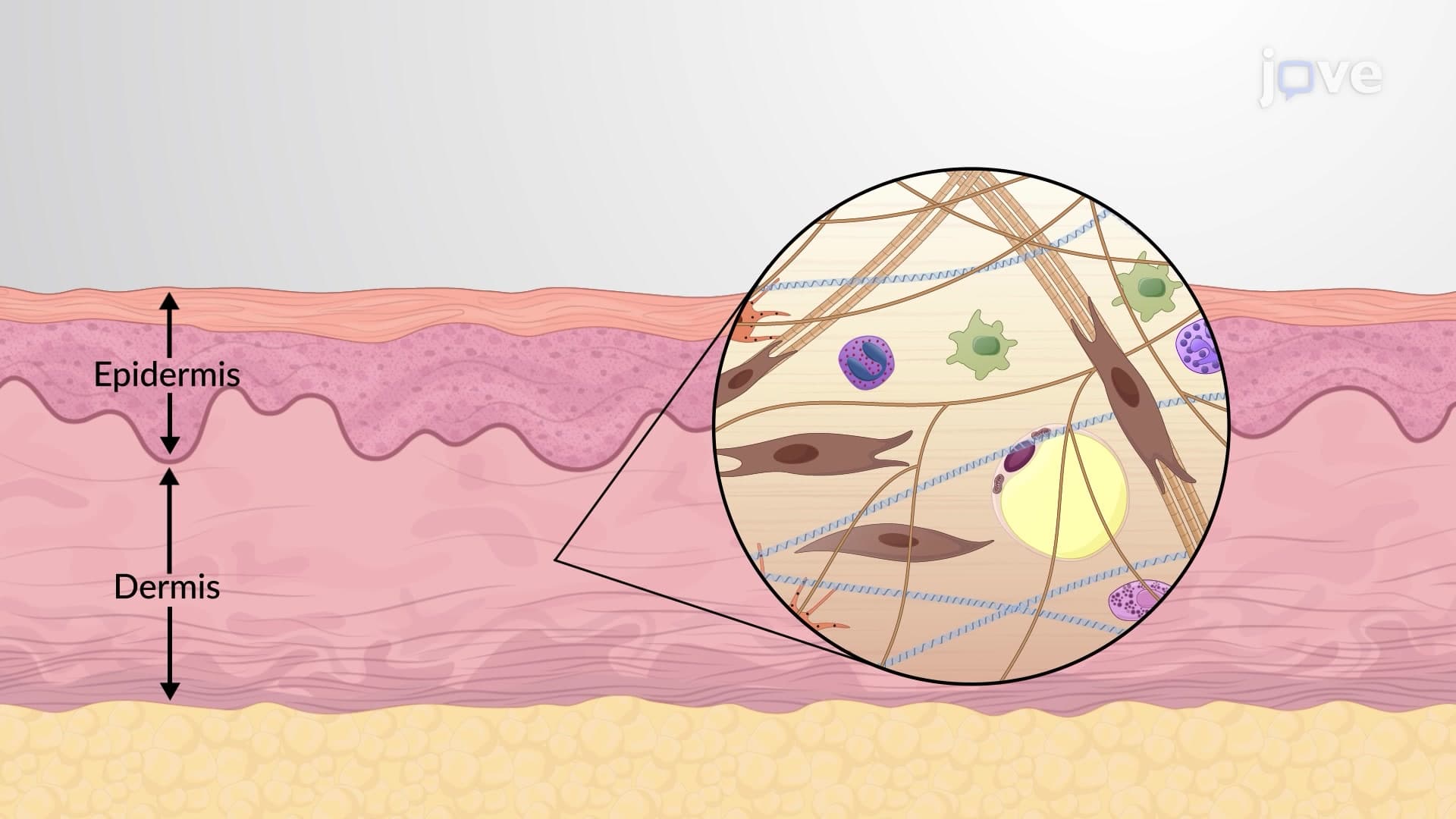
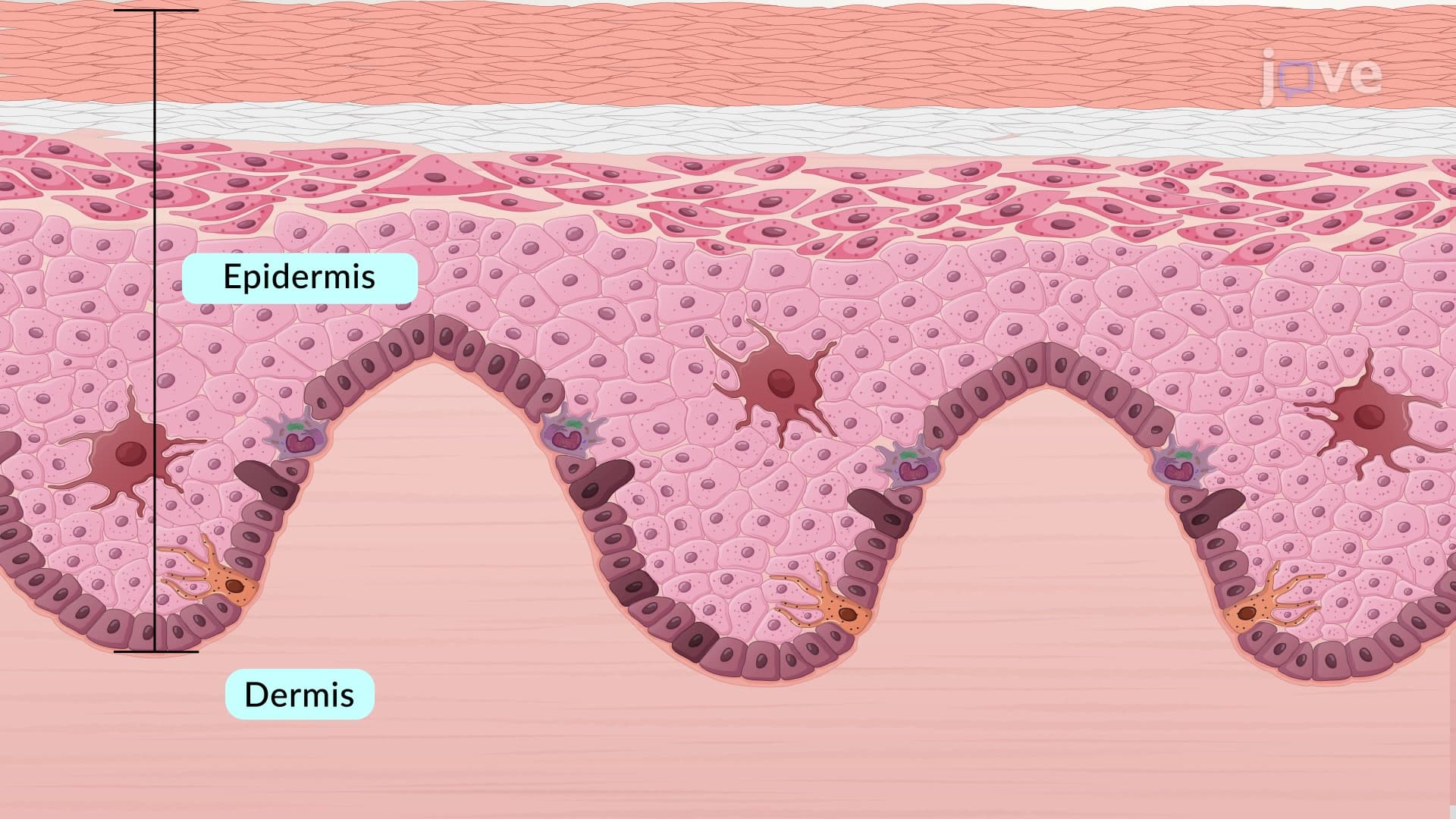
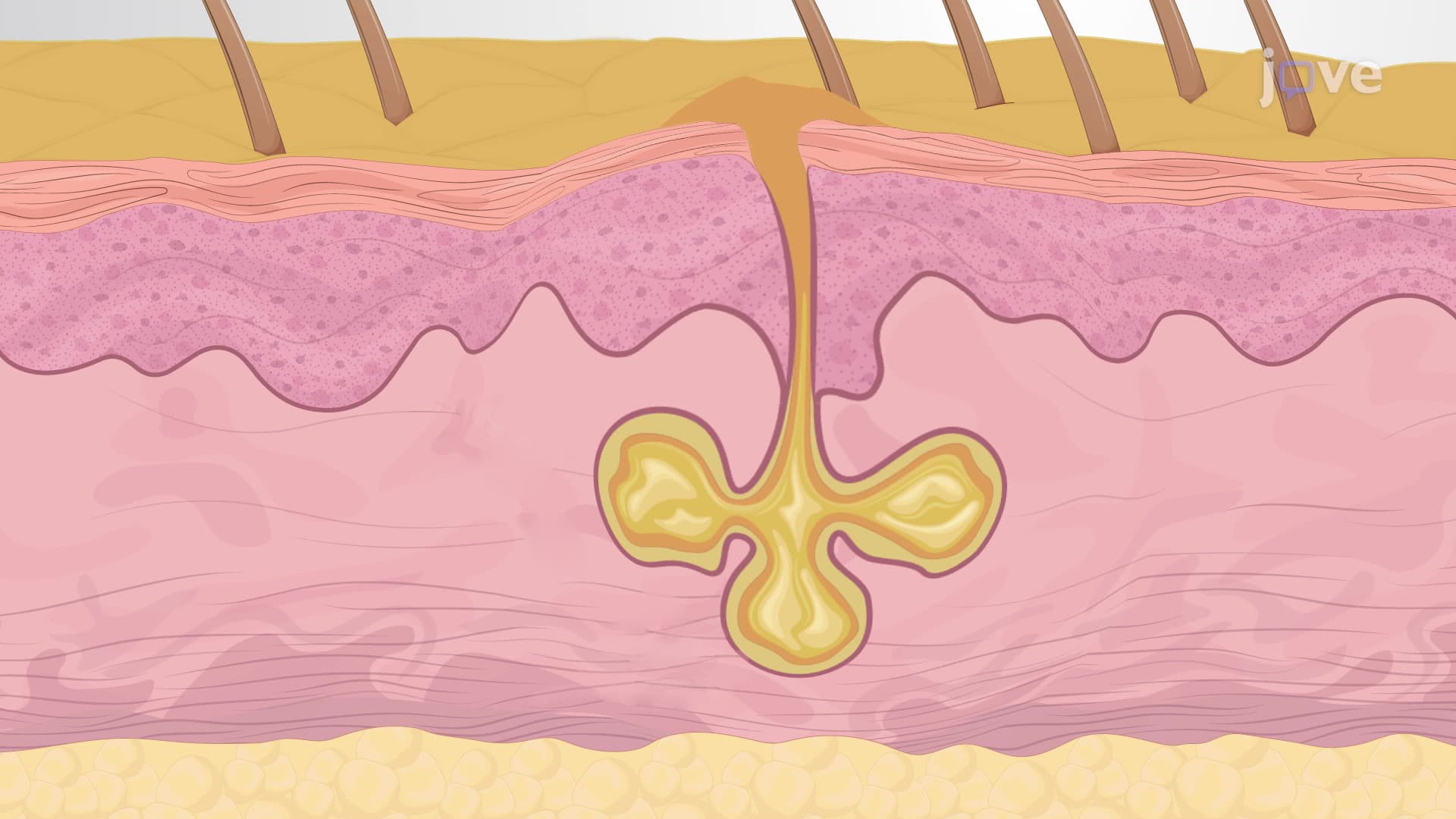
The functions and roles of skin in vitamin D production begin in the epidermis, specifically within the stratum basale and stratum spinosum layers. When UVB radiation (290-315 nm wavelength) penetrates these layers, it encounters 7-dehydrocholesterol (provitamin D3), a cholesterol derivative naturally present in keratinocytes. This photochemical reaction converts provitamin D3 into previtamin D3, which then undergoes thermal isomerization to form cholecalciferol (vitamin D3).
Students preparing for AP Biology or college biochemistry courses should note that this process exemplifies how environmental energy (solar radiation) drives essential biosynthetic pathways. The efficiency of this conversion varies dramatically based on factors like skin pigmentation, age, and geographic location-concepts frequently tested on the MCAT.
Understanding what are the roles of skin in the human body requires recognizing how cutaneous vitamin D synthesis integrates with hepatic and renal processing. Once formed, vitamin D3 binds to vitamin D-binding protein and travels to the liver, where 25-hydroxylase enzymes convert it to calcidiol (25(OH)D3). The kidneys then produce the active hormone calcitriol (1,25(OH)2D3) via 1α-hydroxylase activity.
This pathway's clinical relevance becomes evident in vitamin D deficiency disorders. Rickets in children-still reported in northern US cities like Seattle and Minneapolis-results from inadequate calcitriol production, leading to defective bone mineralization. Similarly, osteomalacia and osteoporosis in adults reflect the skin's diminished capacity for vitamin D synthesis, particularly in elderly populations with limited sun exposure.
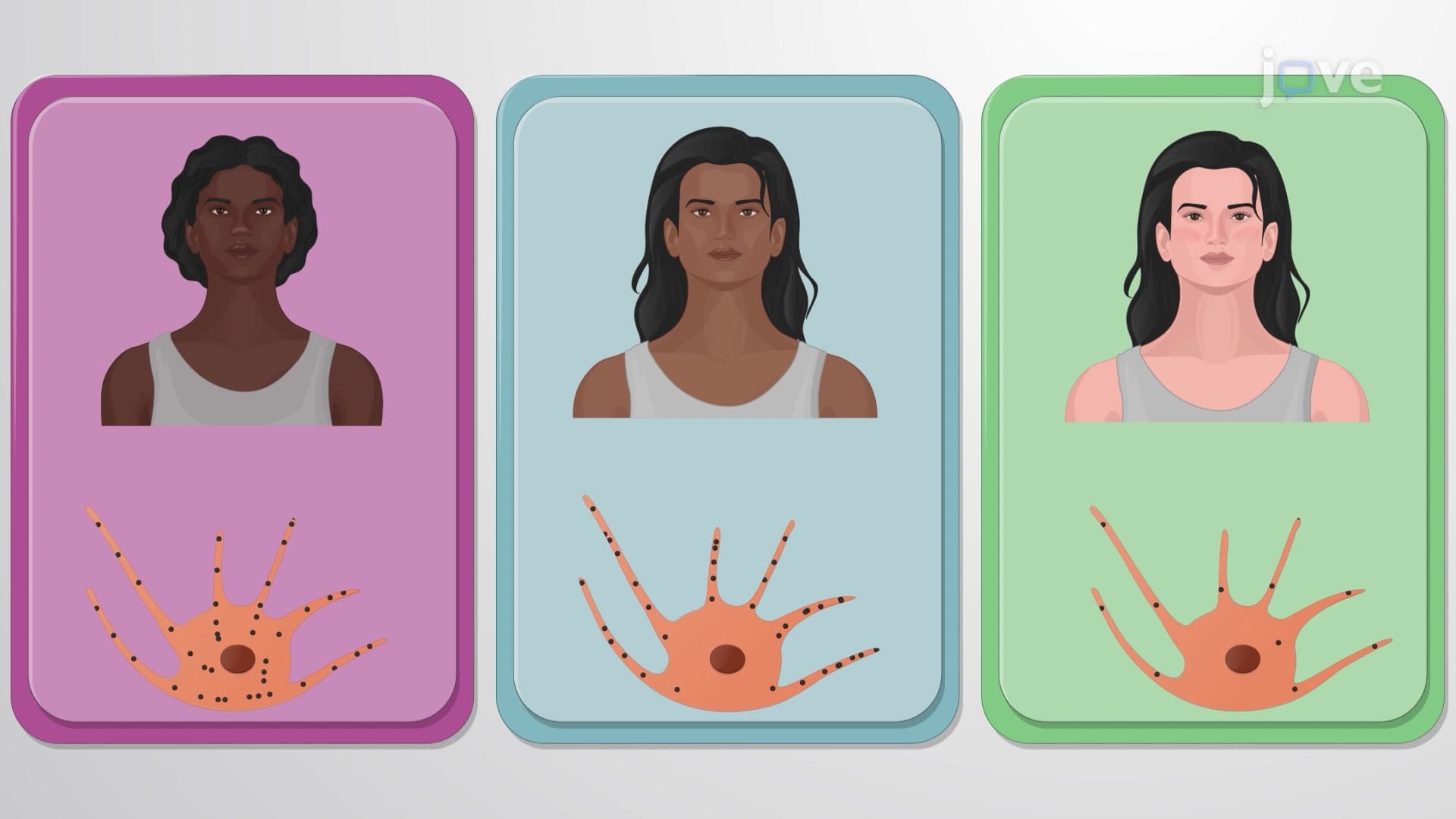
The protection barrier skin role must balance UV protection with vitamin D synthesis-a biological paradox with practical implications. Melanin, while protecting against DNA damage, also reduces vitamin D production efficiency. Geographic latitude significantly affects synthesis rates; residents of Alaska produce minimal vitamin D during winter months, while those in Florida maintain year-round production capacity.
Sunscreen use, though essential for cancer prevention, can reduce vitamin D synthesis by up to 95%. This creates a complex risk-benefit calculation that healthcare providers must address, especially for populations at risk for deficiency.
Related Micro-courses